Tag: Pakistan

  • CJP Yahya Afridi Summons Judicial Commission Meeting for November 23

    CJP Yahya Afridi Summons Judicial Commission Meeting for November 23

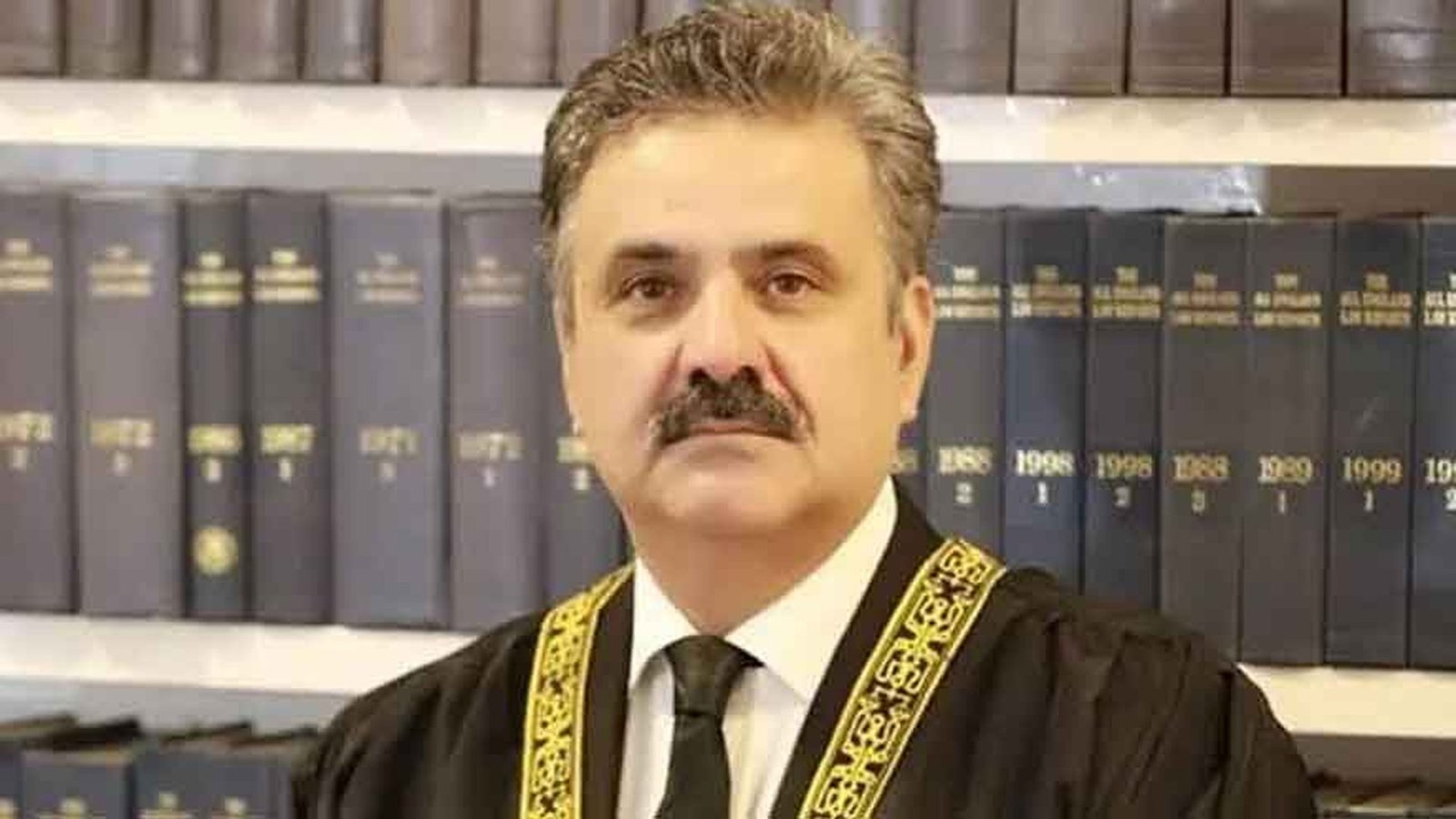
    ISLAMABAD — Chief Justice of Pakistan Yahya Afridi has summoned a meeting of the Judicial Commission for 23 November to discuss proposed rules for evaluating the annual performance of high court judges and amendments to the existing judicial appointment framework.

    The meeting will be held at the Supreme Court in Islamabad at 2:30pm and will be chaired by the Chief Justice.

    According to the agenda, the commission will consider formulating rules for the annual performance evaluation of high court judges under Article 175A(20) of the Constitution, the provision that deals with the assessment of judges of the high courts.

    The proposed rules would set out the procedure and criteria under which the annual performance of high court judges is evaluated, a process that has so far not been governed by a dedicated set of rules.

    The meeting will also discuss proposed amendments to the Judicial Commission (Appointment of Judges) Rules, 2024, which govern the appointment of judges to the superior judiciary.

    Any changes to the 2024 rules would affect the procedures followed in the appointment process, and the commission is expected to examine the proposed amendments in detail before taking a decision.

    The Judicial Commission is the constitutional forum for matters relating to the appointment of judges, and its meetings draw close attention from the legal community whenever changes to appointment procedures or performance assessment are on the agenda.

    Chaired by the Chief Justice, the commission considers matters concerning the superior judiciary, and its decisions on procedure carry weight for the functioning of the courts.

    Reports had earlier suggested that a meeting of the commission was expected later this month, with proposals relating to acting judges of the Supreme Court also anticipated. No official confirmation of any further agenda items has been issued.

    Both matters on the agenda relate to the procedures governing judicial performance assessments and judicial appointments, and the commission’s decisions at the meeting are expected to shape how those procedures operate in the period ahead.

    The outcome of the 23 November meeting will become clear once the commission concludes its deliberations, and any rules or amendments agreed upon would then be notified under the applicable procedure.

  • چیف جسٹس یحییٰ آفریدی نے 23 نومبر کو جوڈیشل کمیشن کا اجلاس طلب کر لیا

    چیف جسٹس یحییٰ آفریدی نے 23 نومبر کو جوڈیشل کمیشن کا اجلاس طلب کر لیا

    اسلام آباد — چیف جسٹس پاکستان یحییٰ آفریدی نے 23 نومبر کو جوڈیشل کمیشن کا اجلاس طلب کر لیا ہے، جس میں ہائی کورٹ کے ججز کی سالانہ کارکردگی کی جانچ کے مجوزہ قواعد اور عدالتی تقرری کے موجودہ نظام میں ترامیم پر غور کیا جائے گا۔

    اجلاس اسلام آباد میں سپریم کورٹ میں دوپہر 2:30 بجے ہوگا اور اس کی صدارت چیف جسٹس کریں گے۔

    ایجنڈے کے مطابق کمیشن آئین کے آرٹیکل 175A(20) کے تحت ہائی کورٹ کے ججز کی سالانہ کارکردگی کی جانچ کے قواعد مرتب کرنے پر غور کرے گا۔ یہ شق ہائی کورٹس کے ججز کی کارکردگی کی جانچ سے متعلق ہے۔

    مجوزہ قواعد میں وہ طریقہ کار اور معیار طے کیا جائے گا جس کے تحت ہائی کورٹ کے ججز کی سالانہ کارکردگی کی جانچ ہوگی۔ اب تک اس عمل کے لیے کوئی مخصوص قواعد موجود نہیں ہیں۔

    اجلاس میں جوڈیشل کمیشن (ججز کی تقرری) قواعد 2024 میں مجوزہ ترامیم پر بھی غور کیا جائے گا۔ یہ قواعد اعلیٰ عدلیہ میں ججز کی تقرری کو منظم کرتے ہیں۔

    2024 کے قواعد میں کوئی بھی تبدیلی تقرری کے عمل میں اختیار کیے جانے والے طریقہ کار پر اثر انداز ہوگی، اور توقع ہے کہ کمیشن فیصلہ کرنے سے قبل مجوزہ ترامیم کا تفصیل سے جائزہ لے گا۔

    جوڈیشل کمیشن ججز کی تقرری سے متعلق امور کا آئینی فورم ہے، اور جب بھی تقرری کے طریقہ کار یا کارکردگی کی جانچ میں تبدیلی ایجنڈے پر ہو تو قانونی حلقے اس کے اجلاسوں پر گہری نظر رکھتے ہیں۔

    چیف جسٹس کی صدارت میں کمیشن اعلیٰ عدلیہ سے متعلق امور پر غور کرتا ہے، اور طریقہ کار کے بارے میں اس کے فیصلے عدالتوں کے کام کاج کے لیے اہمیت رکھتے ہیں۔

    رپورٹس میں پہلے بتایا گیا تھا کہ کمیشن کا اجلاس اس ماہ کے آخر میں متوقع ہے، اور سپریم کورٹ کے قائم مقام ججز سے متعلق تجاویز بھی زیر غور آنے کی توقع ہے۔ ایجنڈے کے مزید نکات کی کوئی سرکاری تصدیق جاری نہیں کی گئی ہے۔

    ایجنڈے کے دونوں نکات عدالتی کارکردگی کی جانچ اور عدالتی تقرریوں کے طریقہ کار سے متعلق ہیں، اور اجلاس میں کمیشن کے فیصلے آئندہ عرصے میں ان طریقہ کار کے نفاذ پر اثر انداز ہوں گے۔

    23 نومبر کے اجلاس کا نتیجہ کمیشن کی غور و خوض مکمل ہونے کے بعد سامنے آئے گا، اور منظور شدہ قواعد یا ترامیم قابلِ اطلاق طریقہ کار کے تحت جاری کی جائیں گی۔

  • Seven Killed in Bus-LPG Bowser Collision on Makran Coastal Highway

    Seven Killed in Bus-LPG Bowser Collision on Makran Coastal Highway

    At least seven people, including a woman and a child, were killed after a passenger coach collided with an LPG bowser on the Makran Coastal Highway, triggering a massive fire that engulfed both vehicles.

    The accident occurred near Basol in Ormara when the passenger coach, travelling from Turbat to Karachi, collided with the LPG bowser, Dunya News reported. The collision immediately triggered a fire that engulfed both vehicles, leaving several passengers with burn injuries.

    Coastal Highway Police SP Muhammad Aslam Bangulzai confirmed the casualties, saying five passengers, including a woman and a child, were among those killed. The other two victims were the coach driver and the conductor.

    Rescue teams and Coastal Highway Police rushed to the scene after receiving information about the incident and launched relief operations. The injured were shifted for medical treatment.

    Traffic disrupted on the highway

    The accident also disrupted traffic on the Makran Coastal Highway, leaving long queues of vehicles stranded on both sides of the road while rescue and clearance work continued.

    The Makran Coastal Highway, also known as National Highway N-10, links Karachi with Gwadar and has seen a series of serious accidents in recent years. Police have repeatedly warned drivers about speeding and poor road conditions on the route.

    Earlier accidents on the same highway

    This is not the first fatal crash near Ormara this year. In January, at least nine people were killed and 36 injured when a Karachi-bound passenger coach overturned near Hudd Goth, also in the Ormara area. Police said at the time that preliminary findings pointed to overspeeding, and the dead and injured were taken to Ormara Tehsil Hospital.

    Figures reported earlier this year underline the scale of the problem: in 2024 alone, 532 traffic accidents were reported across the Lasbela and Gwadar sections of the highway, resulting in 43 deaths and 855 injuries. Experts have cited overspeeding, poor road conditions, weak enforcement and administrative neglect as contributing factors.

    Police said an investigation into Thursday’s collision was under way, and further details about the victims and the injured would be shared once identification was complete.

  • IHC Gives CDA 15 Days to Complete E-Balloting

    IHC Gives CDA 15 Days to Complete E-Balloting

    The Islamabad High Court (IHC) has directed the Capital Development Authority (CDA) to complete the NADRA e-balloting process within 15 days, warning that its chairman may be summoned in person if the court’s order is not implemented.

    The written order was issued in a contempt of court case against CDA officials over the alleged failure to comply with judicial directions. Chief Justice Sarfraz Dogar issued the order while hearing a petition filed by citizen Muhammad Sharif.

    The court directed the CDA Member Estate to complete the NADRA e-balloting process and the balloting exercise under the relevant policy within 15 days. The court warned that if the directions are not implemented within the stipulated period, the CDA chairman will be required to appear personally and explain the reasons for non-compliance.

    According to the written order, the CDA’s counsel had stated on 29 January 2026 that the applications would be considered within one month and included in the NADRA e-balloting process. Following this statement, the contempt petition had been disposed of.

    The underlying allotment case

    The matter concerns the allotment of plots in Islamabad, where the court had issued an order on 15 June that remained unimplemented, prompting the contempt proceedings. The CDA has launched a NADRA-based e-balloting process to allocate alternative plots to allottees whose original plots were affected by revisions to sector layout plans, covering sectors including C-14, C-15, C-16, D-13, E-12, E-13, I-11, I-12, I-14 and I-15.

    Under the process, affected allottees were directed to submit their applications with the required documents to the CDA’s Deputy Director for Land and Rehabilitation within 15 days of the public notice. Only applicants whose eligibility is verified by the authority proceed to the NADRA-based e-balloting for alternative plot allocation, while incomplete or late applications are not considered.

    In a related development last week, the court deferred framing charges against CDA Member Estate Zaman Wattoo in the contempt case after he submitted an unconditional apology. The chief justice directed his counsel to file an affidavit in support of the apology application.

    The court has directed the CDA to implement the order and file a compliance report within 15 days, before adjourning the hearing for the same period.

  • Forces Destroy Explosives Facility in North Waziristan

    Forces Destroy Explosives Facility in North Waziristan

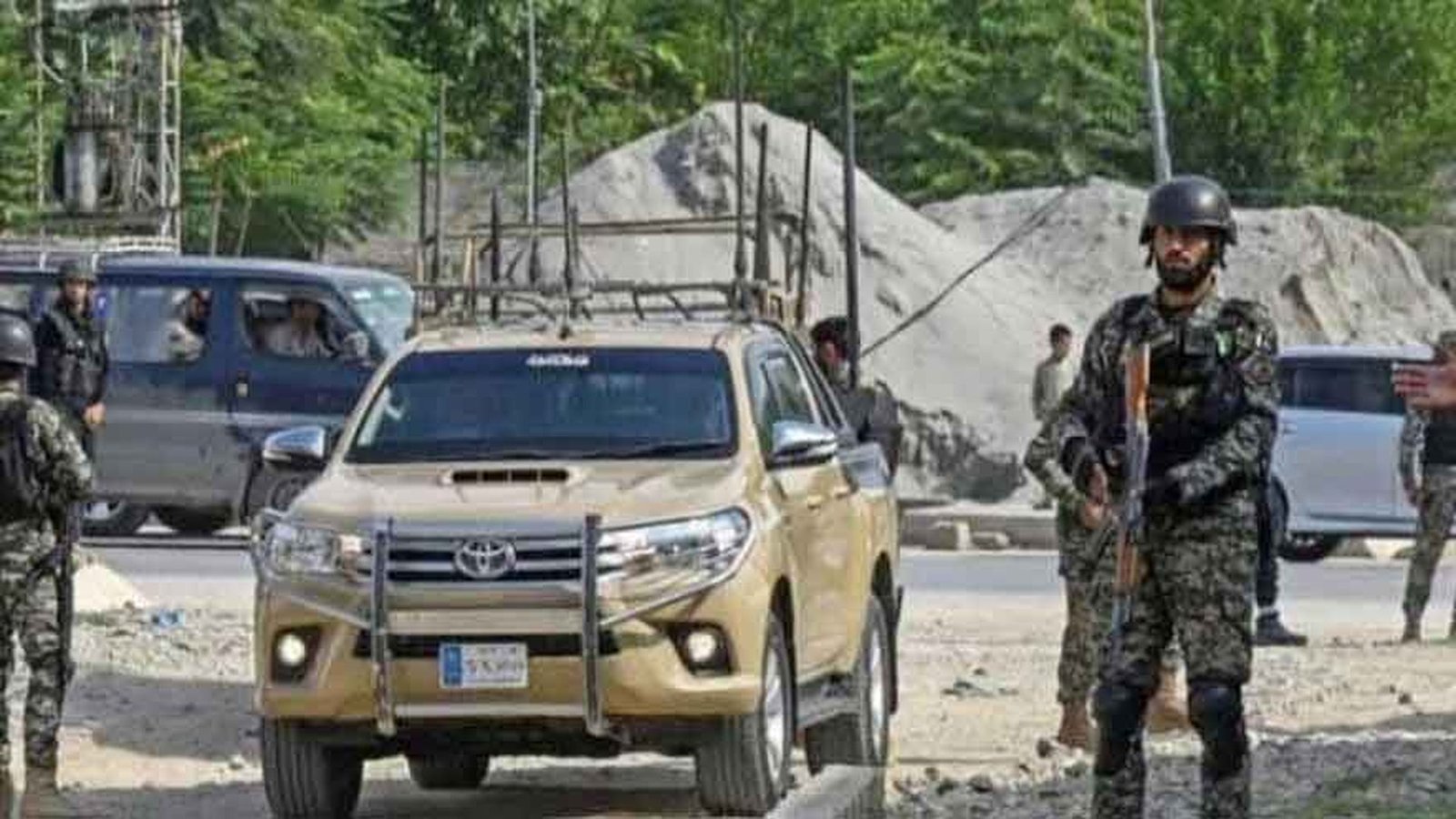
    Security forces have destroyed a major explosives manufacturing facility during a search and clearance operation in North Waziristan, Khyber Pakhtunkhwa, security sources confirmed on Thursday.

    According to security officials, the operation was conducted in the Mir Ali area, where troops uncovered a large explosive-making laboratory established by militants of Fitna al-Khawarij inside residential houses. During the raid, forces recovered a substantial cache of improvised explosive devices (IEDs), quadcopters and bomb-making literature from the facility.

    Security sources said that setting up explosive laboratories inside populated residential neighbourhoods reflects a deliberate pattern by militants that places civilian lives at severe risk. They added that the recovery of quadcopters and bomb-making materials in Mir Ali points to cross-border links supporting the militant network.

    Multiple militant hideouts have already been dismantled during the ongoing operation in Mir Ali, officials said. Reaffirming their resolve to eliminate terrorism from Khyber Pakhtunkhwa, security officials said clearance operations will continue until the last militant is eliminated.

    Ongoing operations in the district

    Mir Ali, the second town of North Waziristan, has been the focus of repeated counterterrorism operations this year. Security forces have carried out a series of intelligence-based operations across the district in recent days, and the military has said clearance and sanitisation operations are continuing.

    According to the military’s media wing, the Inter-Services Public Relations (ISPR), security forces killed 16 militants in a series of intelligence-based operations in North Waziristan on 14 November, while two soldiers were killed in exchanges of fire. The ISPR said the operations were carried out in Mir Ali, Datta Khel and surrounding areas, and that the militants belonged to Fitna al-Khawarij.

    Earlier this month, on 8 November, security forces cleared two militant hideouts set up inside mosques in Muzak village on the southern outskirts of Mir Ali, recovering improvised explosive devices, bomb-making material, arms and ammunition, according to the ISPR. The military has said the counterterrorism campaign is continuing under the government’s Azm-e-Istehkam initiative.

    Fitna al-Khawarij is the official designation used by Pakistani authorities for the banned Tehreek-e-Taliban Pakistan (TTP). The figures and claims in this report are attributed to security sources and the ISPR and have not been independently verified.

  • Fazal Defends Public Referendum on New Provinces

    Fazal Defends Public Referendum on New Provinces

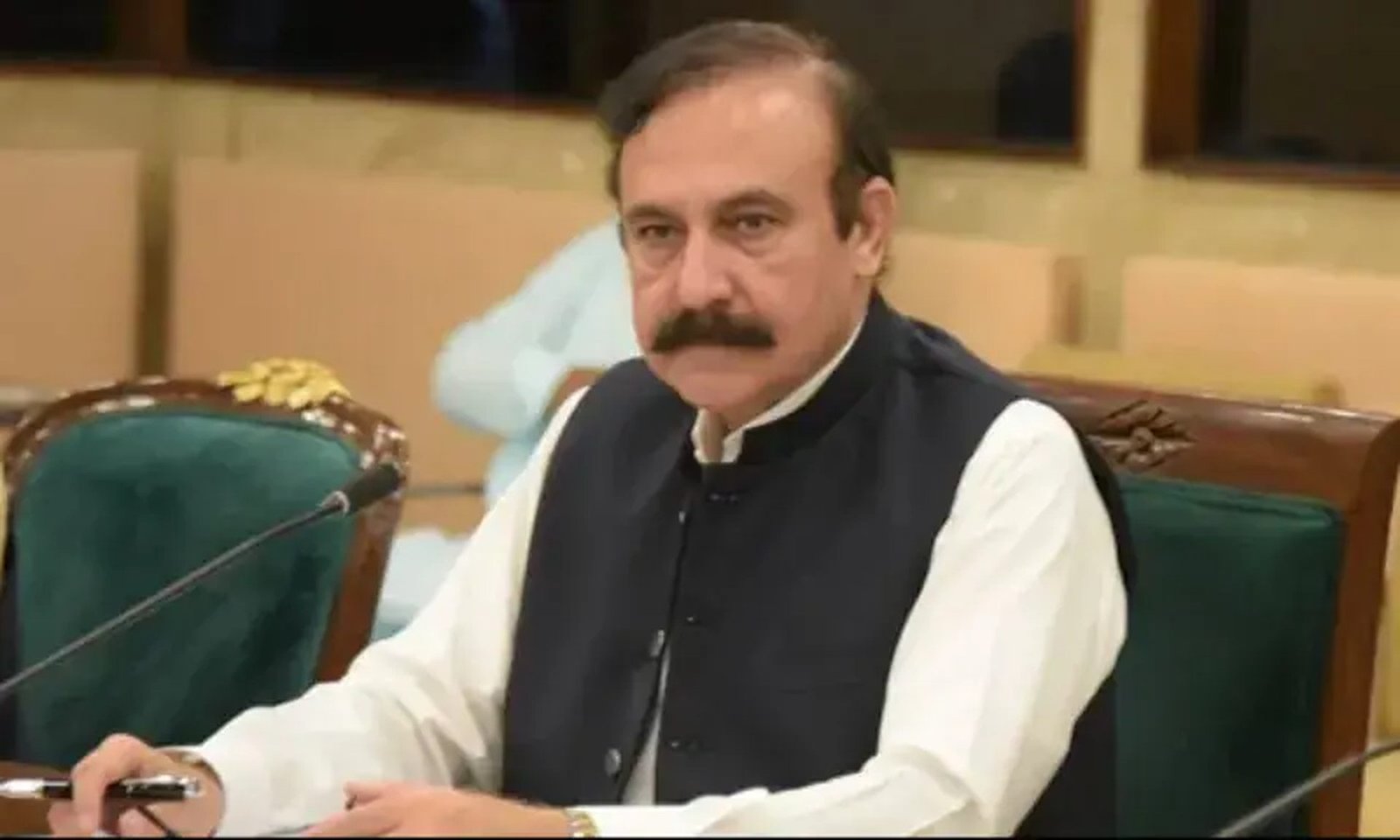
    Federal Minister for Parliamentary Affairs Dr Tareq Fazal Chaudhry has defended holding a public referendum on the creation of new provinces, saying the authority to reset the governance system and take decisions about the country’s future rests with the people and cannot be the exclusive domain of a few.

    Reacting to Pakistan Peoples Party (PPP) Chairman Bilawal Bhutto-Zardari’s description of a referendum as a “backdoor route”, Fazal Chaudhry said that characterisation did not reflect democratic thinking, Aaj English TV reported on Thursday. He said that alongside parliamentary debate, ordinary people should also have the constitutional right to express their views on matters concerning their future.

    He said a referendum was a constitutional mechanism and could not be dismissed as undemocratic. “If there is a belief in democracy, parliamentary supremacy and the Constitution, why are objections being raised to seeking the direct opinion of the people?” the minister asked.

    Fazal Chaudhry said parliament and public opinion were the two fundamental pillars of a strong democracy, and stressed the need for a genuine transfer of powers to the grassroots level so that people could be empowered in practical terms.

    Call for accountability on both sides

    The minister pointed out that the PPP has been in power in Sindh for the past 18 years and has also been part of the federal government since 2022, and said the party should also review its own governance, performance and delivery of public services while discussing reform.

    “Accountability cannot be one-sided. Every political party and its leadership are answerable to the people,” he said, adding that governance was not anyone’s personal property but a public trust.

    He said the purpose of politics should not be a struggle for power but public prosperity, protection of people’s dignity and better governance.

    The constitutional route still applies

    The debate over new provinces began when Interior Minister Mohsin Naqvi proposed a referendum to settle the question. Fazal Chaudhry has previously also stressed that parliament and the provincial assemblies cannot be bypassed in the process, and that a referendum on its own cannot create a province.

    Under Article 239(4) of the Constitution, any amendment altering a province’s limits must be passed by a two-thirds majority of that province’s assembly, followed by the constitutional amendment process in parliament. No bill creating a new province has been introduced, and the debate continues.

  • 2012 Record: PPP Itself Moved South Punjab Resolution

    2012 Record: PPP Itself Moved South Punjab Resolution

    The National Assembly’s own official record shows that the Pakistan Peoples Party (PPP) government itself moved and passed a resolution in 2012 for the creation of a new province in southern Punjab — a fact that has resurfaced in the current debate over new provinces and administrative units.

    According to the Assembly’s record, the resolution was moved on 3 May 2012 by the then law minister, Dr Farooq H. Naek, during the PPP government’s tenure. The resolution said the House resolved that a new province, to be known as Janoobi Punjab, should be created from the present province of Punjab to address the grievances of the people of the southern region and to secure their political, administrative and economic interests.

    The resolution’s text reads: “This House hereby resolves that in order to address the grievances and to secure the political, administrative and economic interests of the people of the Southern Region of the Province of the Punjab and to empower them in this regard, it is expedient that a new province to be known as Province of Janoobi Punjab be created from the present Province of the Punjab.”

    The Punjab Assembly passed a similar resolution on 9 May 2012, also calling for a Janoobi Punjab province and the revival of Bahawalpur’s provincial status. On 31 May 2012, then-president Asif Ali Zardari sent a reference to the National Assembly Speaker seeking a commission to examine the creation of two new provinces, Multan and Bahawalpur. The commission, headed by Senator Farhatullah Babar, submitted its report in January 2013, recommending a province named Bahawalpur-Janoobi Punjab with its capital in Bahawalpur. No constitutional amendment followed, and the proposal stalled.

    Why the record matters in today’s debate

    Supporters of new administrative units cite the 2012 record as a precedent, arguing that the creation of new provinces was once treated by the PPP itself as a democratic and administrative question. Critics of the party’s current position argue that its stance has changed, pointing to the 2012 resolution as evidence.

    PPP Chairman Bilawal Bhutto-Zardari, however, opposes the division of Sindh and has said the debate over new provinces should be held openly in parliament. The PPP maintains that Sindh’s division is unacceptable, while supporters of new units say smaller administrative units would bring governance and services closer to the people.

    Under Article 239(4) of the Constitution, altering the limits of a province requires a constitutional amendment passed by a two-thirds majority of the provincial assembly concerned. No bill creating a new province has been introduced, and the debate continues in parliament and in public.

  • LPG Price Drops by Rs100 per kg in Karachi

    LPG Price Drops by Rs100 per kg in Karachi

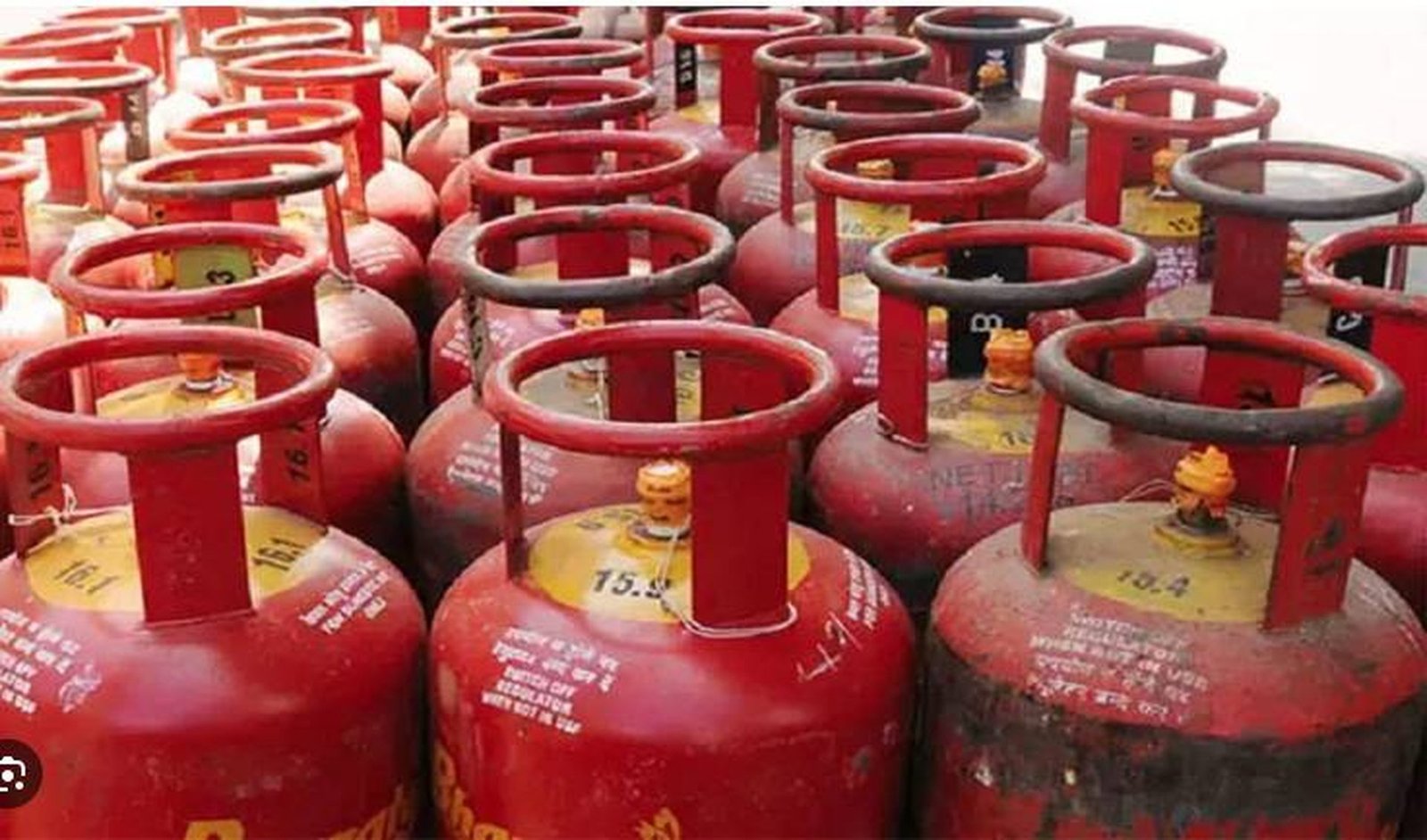
    Liquefied Petroleum Gas (LPG) has become cheaper by Rs100 per kilogram in Karachi after a ship carrying the fuel docked at the port on Wednesday, 24NewsHD TV channel reported on Thursday.

    According to the report, the retail price of LPG in the port city has fallen from around Rs550 to Rs450 per kilogram, easing pressure on consumers who had been facing sharply higher fuel costs in recent weeks. Traders expect a further decline if supply conditions continue to improve.

    The price had surged to Rs600 per kilogram earlier after supplies from Iran were suspended, adding to the financial burden on households and small businesses that rely on LPG for cooking and heating.

    Shortage pushed market prices far above the official rate

    The Oil and Gas Regulatory Authority (OGRA) has notified a maximum consumer price of Rs294.08 per kilogram for November 2026, but open-market prices in several cities had climbed to between Rs520 and Rs630 per kilogram during the shortage, far above the official rate.

    The shortage followed the closure of Pakistan’s two main trade crossings with Iran, Gabd-Rimdan and Taftan, on 17 October 2026, which disrupted LPG supplies. Trade through the crossings partly restarted from 24 October, and the government has also moved to import LPG and auction locally produced gas to stabilise supply.

    Imported LPG was expected to cost around Rs450 per kilogram, with retail prices of about Rs460, according to reports published last week — a level the Karachi market has now reached after the ship’s arrival.

    Relief for households — but the gap remains

    LPG is the main cooking fuel for millions of households in areas without piped gas, as well as for many small businesses, so its price matters to a large number of families. At Rs450 per kilogram, an 11.8 kg domestic cylinder costs about Rs5,310 in the open market, compared with the OGRA-notified price of Rs3,470.09.

    Consumers and traders will now watch whether more shipments arrive in the coming days. If supply keeps flowing, prices could fall further; if it stalls again, the relief may prove short-lived.

  • Dar Welcomes ASEAN Secretary General at Foreign Ministry

    Dar Welcomes ASEAN Secretary General at Foreign Ministry

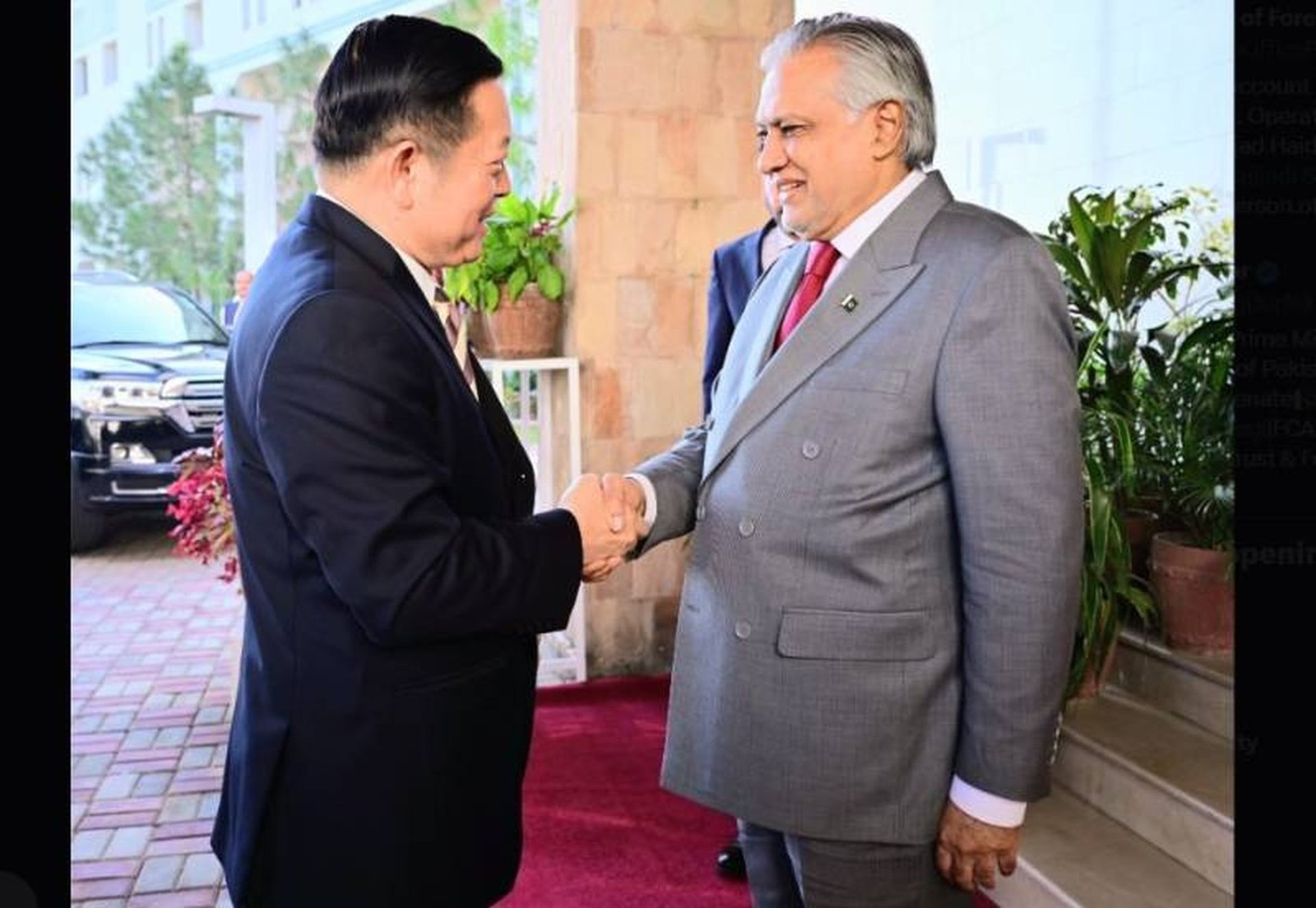
    Deputy Prime Minister and Foreign Minister Senator Ishaq Dar on Thursday welcomed ASEAN Secretary General Dr Kao Kim Hourn at the Ministry of Foreign Affairs in Islamabad, 24NewsHD TV channel reported.

    The two leaders will review Pakistan-ASEAN relations and explore avenues for deepening cooperation across areas of mutual interest.

    Earlier, the ASEAN Secretary General arrived in Islamabad on a working visit. At the airport he was received by Additional Secretary Asia Pacific Dr Mohammed Faisal and senior officers of the Ministry of Foreign Affairs.

    Pakistan and ASEAN

    Pakistan has been a Sectoral Dialogue Partner of the Association of Southeast Asian Nations (ASEAN) since 1993, and the relationship covers trade, investment, counter-terrorism, disaster management and people-to-people contacts. Pakistan has long sought a deeper partnership with the ten-member bloc, including full dialogue partner status.

    ASEAN, founded in 1967, brings together Brunei, Cambodia, Indonesia, Laos, Malaysia, Myanmar, the Philippines, Singapore, Thailand and Vietnam. Its combined population of more than 680 million people makes it one of the world’s largest regional groupings, and its members are important trading partners for Pakistan.

    Pakistan’s exports to ASEAN countries include textiles, rice, pharmaceuticals and leather goods, while it imports palm oil, rubber and electronics from the region. Officials in Islamabad have said they want to expand this trade and attract investment from Southeast Asian economies.

    Working visit

    Working visits by the ASEAN Secretary General are used to discuss the state of relations with partner countries and to prepare for higher-level meetings. The Foreign Office said the two sides would look at ways to deepen cooperation in areas where both sides see shared interests.

    Dr Kao Kim Hourn, a former Cambodian minister, has served as Secretary General of ASEAN since January 2023. His visit to Islamabad comes as Pakistan continues to strengthen its engagement with Southeast Asia as part of its wider foreign policy focus on regional connectivity and trade.

    The Foreign Office said further details of the discussions would be shared after the meetings.

    Pakistan’s outreach to ASEAN fits a broader pattern of engagement with regional groupings in Asia. Islamabad has argued that deeper trade links with Southeast Asia can help diversify its export markets, which remain heavily dependent on the United States, the European Union, China and the Middle East. ASEAN’s fast-growing economies, with rising middle classes and strong demand for textiles, food and pharmaceuticals, are seen in Islamabad as natural partners for that diversification.

    Officials also point to cooperation beyond trade. Pakistan and ASEAN members already work together on counter-terrorism, disaster relief and maritime security, and the Foreign Office has said it wants those contacts to grow alongside the economic relationship.

  • SMW5 Cable Fault Slows Internet Across Pakistan, PTA Confirms

    SMW5 Cable Fault Slows Internet Across Pakistan, PTA Confirms

    Internet users across Pakistan are facing slower speeds and unstable connections after a fault developed in the SEA-ME-WE 5 (SMW5) submarine cable about 11 kilometres off the country’s coast, the Pakistan Telecommunication Authority (PTA) confirmed on Wednesday evening.

    According to the regulator, the fault may cause some users to experience intermittent connectivity issues and a decline in service quality. Internet traffic is being rerouted through alternative international links to minimise the impact and keep services running, the PTA said.

    Transworld Associates, the operator responsible for the cable landing in Pakistan, is coordinating with the SMW5 Consortium to identify the root cause of the fault and to determine an estimated time for restoration. No timeline for full restoration has been announced, and the cause of the fault has not yet been identified.

    What is the SMW5 cable?

    The SEA-ME-WE 5 is a fibre-optic submarine cable running roughly 20,000 kilometres, stretching from Southeast Asia through the Middle East and into Western Europe. It carries a large share of Pakistan’s international internet traffic, connecting the country to the global internet through its landing station near Karachi.

    Because Pakistan relies on a relatively small number of submarine cables for its international connectivity, a fault in even one system reduces the total capacity available to all users, which is why the disruption is being felt across the country.

    Not the first fault this year

    This is not the first time the same cable has failed this year. On 1 July 2026, a fault in the SMW5 system caused internet connectivity issues across Pakistan, and the PTA confirmed full restoration on 3 July, so that repair took about two days.

    NetBlocks, which monitors internet access around the world, said the latest incident was consistent with a fault on the SMW5 international subsea cable system.

    Who is affected

    The PTA statement did not specify how many customers could be affected, identify particular internet service providers, or list cities where service quality might decline. Businesses, freelancers, students attending online classes and remote workers on video calls are among those likely to feel the slowdown, along with casual users streaming video or making voice calls over the internet.

    The fault has already had consequences beyond slow browsing. The Pakistan High Commission in London suspended NADRA, passport and visa services after the cable fault cut the internet connectivity the mission depends on.

    The PTA said it remained in close coordination with the organisations involved and would continue monitoring developments to support the earliest possible restoration of normal internet services across the country.