Tag: Pakistan

  • Gold Falls Rs3,500 per Tola in Pakistan to Rs376,336

    Gold Falls Rs3,500 per Tola in Pakistan to Rs376,336

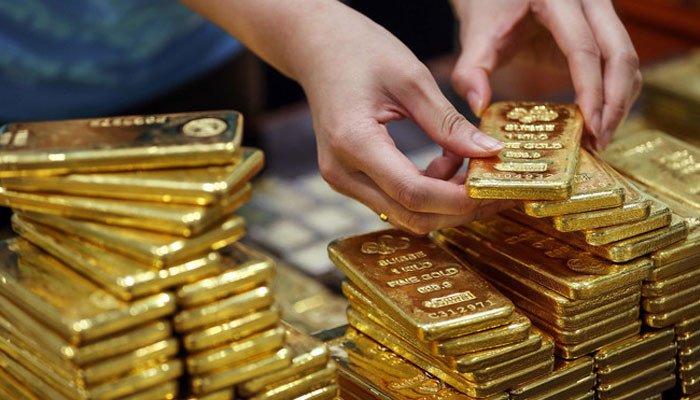
    Gold prices in Pakistan fell further on Saturday, dropping by Rs3,500 per tola to close at Rs376,336, according to figures released by the All Pakistan Gems and Jewellers Association (APGJSA).

    The rate for 24-karat gold declined from the previous session’s closing price of Rs379,836, extending the losing streak in the domestic bullion market. The price of 24-karat gold per 10 grams also fell, dropping by Rs3,001 to Rs322,647, compared with Friday’s close of Rs325,648.

    The domestic downturn closely mirrored losses in the international bullion market, where gold slipped by $35 to close at $3,538 per ounce, down from the previous day’s closing level of $3,573.

    The decline follows a steep fall a day earlier, when gold prices in Pakistan dropped by more than Rs15,000 per tola in a single session, according to Geo News. Taken together, the two sessions have wiped more than Rs18,500 per tola off the local price in as many days, underlining how quickly sentiment in the bullion market has turned.

    The All Pakistan Gems and Jewellers Association announces the daily bullion rates used by jewellers across the country, and local prices generally track the international market along with the rupee’s movement against the dollar. Retail jewellers add making charges on top of the association’s rates, so the price a buyer pays at a shop can differ from the quoted per-tola rate.

    Bullion market analysts attributed the sustained downward pressure on local gold rates to persistent global inflation fears and heightened geopolitical tensions.

    The precious metal has undergone a significant correction since hitting an all-time domestic peak of Rs572,862 per tola on 29 January 2026, according to the report. Following the outbreak of the Iran-US conflict on 28 February 2026, shifting global market dynamics triggered a sharp retreat from those historic highs, bringing prices down to current levels.

    Jewellers noted that continued volatility in global bullion trading continues to dictate domestic pricing trends, keeping local buyers and investors cautious. Market watchers say the direction of local rates in the coming sessions will largely depend on movement in the international market and the rupee’s trend against the dollar.

    Gold is traditionally seen as a safe-haven asset in Pakistan, and its price is closely watched by jewellers, investors and households, particularly ahead of the wedding season. Traders say demand at retail counters has remained subdued as buyers wait for prices to stabilise after days of sharp swings.

  • Sikh Pilgrims Reach Nankana Sahib for Guru Nanak Anniversary

    Sikh Pilgrims Reach Nankana Sahib for Guru Nanak Anniversary

    Nankana Sahib has completed arrangements to receive Sikh pilgrims from India and across Pakistan for the 557th birth anniversary of Baba Guru Nanak, with the first groups of Pakistani pilgrims beginning to arrive in the city on Saturday, the district administration said.

    Deputy Commissioner Rana Hameed told a press conference on Friday that about 2,000 pilgrims from Sindh would reach Nankana Sahib on two special trains on Saturday and be taken to the gurdwara by shuttle buses. Dunya News reported that Sikh and Hindu pilgrims have begun arriving in the city for the celebrations.

    Around 3,091 Sikh pilgrims from India are expected for the anniversary, and the Pakistan High Commission in New Delhi has issued nearly 3,000 visas for the visit. The Indian pilgrims are due to cross into Pakistan at the Wagah border on Sunday, November 22, and travel to Nankana Sahib by special buses.

    The main ceremony will be held on Tuesday, November 24, at Gurdwara Janam Asthan, the site where Guru Nanak was born in 1469. Pilgrims will visit the town’s gurdwaras on November 23, and the pilgrimage usually continues for about ten days, with visits to Gurdwara Panja Sahib in Hasan Abdal, Gurdwara Darbar Sahib in Kartarpur and Gurdwara Dera Sahib in Lahore. The pilgrims are scheduled to return to India through Wagah on December 1.

    More than 2,500 police personnel have been deployed for the security of the pilgrims, according to the district administration, while hundreds of CCTV cameras have been installed around the shrines and control rooms are operational. Educational institutions in the district will remain closed for up to six days during the celebrations.

    The administration has also arranged currency exchange counters by the National Bank of Pakistan and the Bank of Punjab, lodging as close to the shrines as possible, additional sanitation staff and improved lighting and road patchwork around the gurdwara.

    The pilgrimage is taking place while the Kartarpur Corridor remains closed from the Indian side since May 7, 2025. Pakistan says the corridor remains ready on its side, and the appeal to reopen it has also come from India’s Punjab, where Chief Minister Bhagwant Mann asked Prime Minister Narendra Modi on November 16 to reopen it for the anniversary.

    This year’s group is larger than last year’s, when Pakistan issued more than 2,100 visas for the 556th anniversary. Sikhs from Britain, Canada and the United States also travel to Nankana Sahib for the anniversary, and for many families the visit is a once-in-a-lifetime return to the birthplace of the founder of their faith.

  • Dar-Led Panel Recommends Import of 800,000 Tonnes of Wheat

    Dar-Led Panel Recommends Import of 800,000 Tonnes of Wheat

    A high-level government committee on Saturday recommended importing up to 800,000 metric tons of additional wheat to keep domestic supplies stable and check food inflation, after reviewing existing stocks, market availability and price developments.

    The meeting was chaired by Deputy Prime Minister and Foreign Minister Mohammad Ishaq Dar, who instructed federal and provincial authorities to strengthen coordination to prevent artificial shortages of essential food commodities and sharp price fluctuations. Particular attention was given to maintaining adequate wheat stocks and monitoring domestic market supplies.

    The recommendation is the latest step in the government’s wheat planning for food year 2026-27. Earlier, the government had already approved imports of up to one million metric tons of wheat in 2026 to stabilise the domestic food market, with the first phase of 750,000 metric tons scheduled for delivery in November.

    At an earlier meeting of the steering committee on wheat imports on October 13, the committee had directed the Trading Corporation of Pakistan to accept the lowest bids for acquiring the remaining 185,000 metric tons needed by Sindh, and had asked the provincial governments to complete payments and finalise tripartite agreements with the corporation so the import process could run on time.

    The need for imports reflects insufficient domestic wheat production relative to the country’s requirements. According to preliminary estimates, Pakistan’s wheat harvest in 2026 stands at around 29.6 million tons, while annual consumption is estimated at approximately 31.3 million tons, leaving a gap of about 1.7 million tons that must be met from carryover stocks and purchases in international markets.

    It remains unclear whether the entire 800,000 tons now recommended would be additional to the purchases already approved, and the volume and timing of any new purchases will depend on government decisions, actual domestic grain availability and food price trends.

    The recommendation comes as flour prices have risen in Punjab, and preventing wheat shortages and further increases in flour prices remains a key priority for the authorities. Further increases in wheat imports could also generate additional demand in the international market, particularly for exporters able to offer competitive prices and timely deliveries to Pakistan.

  • Petrol Price Cut by Re1 to Rs322, Diesel Up by Rs2 to Rs357

    Petrol Price Cut by Re1 to Rs322, Diesel Up by Rs2 to Rs357

    The federal government has cut the price of petrol by Re1 per litre to Rs322, while raising the price of high-speed diesel (HSD) by Rs2 per litre to Rs357, the Oil and Gas Regulatory Authority (Ogra) said on Friday. The revised fuel prices took effect on Saturday, 21 November, and will remain in force until 23 November.

    According to the Ogra notification, petrol was previously selling at Rs323 per litre and will now cost Rs322, while high-speed diesel has risen from Rs355 to Rs357 per litre. Kerosene oil and light diesel oil were also revised in the same notification. The new rates apply across the country.

    The mixed revision comes as the government reviews fuel prices daily rather than on the old fortnightly cycle. The daily review mechanism was adopted amid heightened volatility in global oil markets following renewed hostilities in the Middle East. A weekly review system had been introduced after the outbreak of the Israel-Iran conflict in February, which was further intensified by United States involvement and disruptions to energy shipments through the Strait of Hormuz, a key route for global oil supplies. Before that, petroleum prices were revised every fortnight.

    The federal cabinet approved changes to the petrol pricing mechanism on 30 October. Under the revised formula, the import price of petrol is determined on the basis of the actual import cost of the relevant PSO cargo. If that cost is unavailable for daily pricing, the premium, incidentals and customs duty of the last available cargo are used instead.

    For local refineries, the government has temporarily fixed the premium, incidentals and customs duty used in calculating the ex-refinery petrol price at their 7 March 2026, pre-war, levels for 30 days. The difference between the import price and the resulting ex-refinery price is to be surrendered by refineries under the petroleum levy account, with the resulting benefit passed on through a corresponding reduction in the petrol price. The government has also introduced a short-term adjustment to smooth petrol price movements, incorporating the benefit arising from a premium differential into petrol prices at a rate of $2.950 per barrel per day.

    For motorists, the Re1 cut in petrol brings only small relief at the pump, but it continues the recent pattern of modest adjustments under the daily pricing system. The Rs2 increase in diesel, on the other hand, is likely to be felt more widely, as diesel powers goods transport, public transport and farm machinery, and higher diesel costs often feed into the prices of transported goods.

    Consumers should note that the notified prices are ex-depot rates and can change again at the next daily revision. Under the daily mechanism, Ogra reviews prices every day against international benchmarks, so the rates in force today are not guaranteed to hold beyond 23 November. Fuel stations across the country began selling at the revised rates from Saturday morning.

  • پیٹرول ایک روپے سستا، ڈیزل دو روپے مہنگا — نئی قیمتیں آج سے نافذ

    پیٹرول ایک روپے سستا، ڈیزل دو روپے مہنگا — نئی قیمتیں آج سے نافذ

    اسلام آباد: وفاقی حکومت نے پیٹرول کی قیمت میں ایک روپے فی لیٹر کمی جبکہ ہائی اسپیڈ ڈیزل کی قیمت میں دو روپے فی لیٹر اضافہ کر دیا ہے۔ آئل اینڈ گیس ریگولیٹری اتھارٹی (اوگرا) کی جانب سے جمعے کی شب جاری کیے گئے نوٹیفکیشن کے مطابق نئی قیمتوں کا اطلاق ہفتہ 21 نومبر سے ہو گیا ہے اور یہ قیمتیں 23 نومبر تک نافذ رہیں گی۔

    نئی قیمتوں کے تحت پیٹرول 323 روپے سے کم ہو کر 322 روپے فی لیٹر جبکہ ہائی اسپیڈ ڈیزل 355 روپے سے بڑھ کر 357 روپے فی لیٹر ہو گیا ہے۔ یہ قیمتیں ایکس ڈپو کی بنیاد پر مقرر کی گئی ہیں، اس لیے مختلف اضلاع میں پمپ پر قیمت میں فریٹ مارجن کے باعث معمولی فرق ہو سکتا ہے۔

    یہ فیصلہ حکومت کے نئے روزانہ قیمتوں کے نظام کے تحت کیا گیا ہے، جو 2 نومبر سے نافذ ہے اور جس کے تحت ایندھن کی قیمتیں بین الاقوامی معیارات کی سات روزہ اوسط کی بنیاد پر ہر روز تبدیل کی جاتی ہیں۔ وفاقی کابینہ نے 30 اکتوبر کو پیٹرول کی قیمتوں کے طریقہ کار میں تبدیلی کی منظوری دی تھی، اور اوگرا اب وفاقی حکومت کی منظور شدہ قیمتوں کے طریقہ کار کے تحت قیمتیں مقرر کرتا ہے۔

    گزشتہ روز پیٹرول کی قیمت میں ایک روپے کا اضافہ ہوا تھا، جس سے مسلسل 12 روز تک جاری رہنے والی کمی کا سلسلہ ٹوٹ گیا تھا۔ رپورٹس کے مطابق 2 نومبر کو پیٹرول 377 روپے 91 پیسے فی لیٹر تھا، جس کے بعد سے اب تک اس کی قیمت میں مجموعی طور پر تقریباً 56 روپے فی لیٹر کی کمی آ چکی ہے۔ ڈیزل بھی اسی عرصے میں 402 روپے 96 پیسے سے کم ہو کر 357 روپے فی لیٹر پر آ گیا ہے۔

    پیٹرول کی قیمت میں کمی سے موٹر سائیکل اور گاڑی استعمال کرنے والے عام شہریوں کو کچھ ریلیف ملے گا، تاہم ڈیزل مہنگا ہونے سے ٹرانسپورٹ اور مال برداری کے اخراجات بڑھنے کا خدشہ ہے۔ اس کا اثر اشیائے ضروریہ کی قیمتوں اور کسانوں پر بھی پڑ سکتا ہے، کیونکہ ڈیزل زراعت، ٹرانسپورٹ اور صنعتی شعبے میں بڑے پیمانے پر استعمال ہوتا ہے۔

    ماہرین کے مطابق عالمی منڈی میں تیل کی قیمتوں میں اتار چڑھاؤ کے باعث آنے والے دنوں میں بھی قیمتوں میں تبدیلی کا امکان موجود ہے، اور اگلی نظرثانی میں قیمتیں دوبارہ تبدیل ہو سکتی ہیں۔ نئی قیمتیں تین روز کے لیے مقرر کی گئی ہیں، جس کے بعد اوگرا اگلا نوٹیفکیشن جاری کرے گا۔

  • پاکستان میں بچوں کی ویکسینیشن ریکارڈ 81.3 فیصد تک پہنچ گئی

    پاکستان میں بچوں کی ویکسینیشن ریکارڈ 81.3 فیصد تک پہنچ گئی

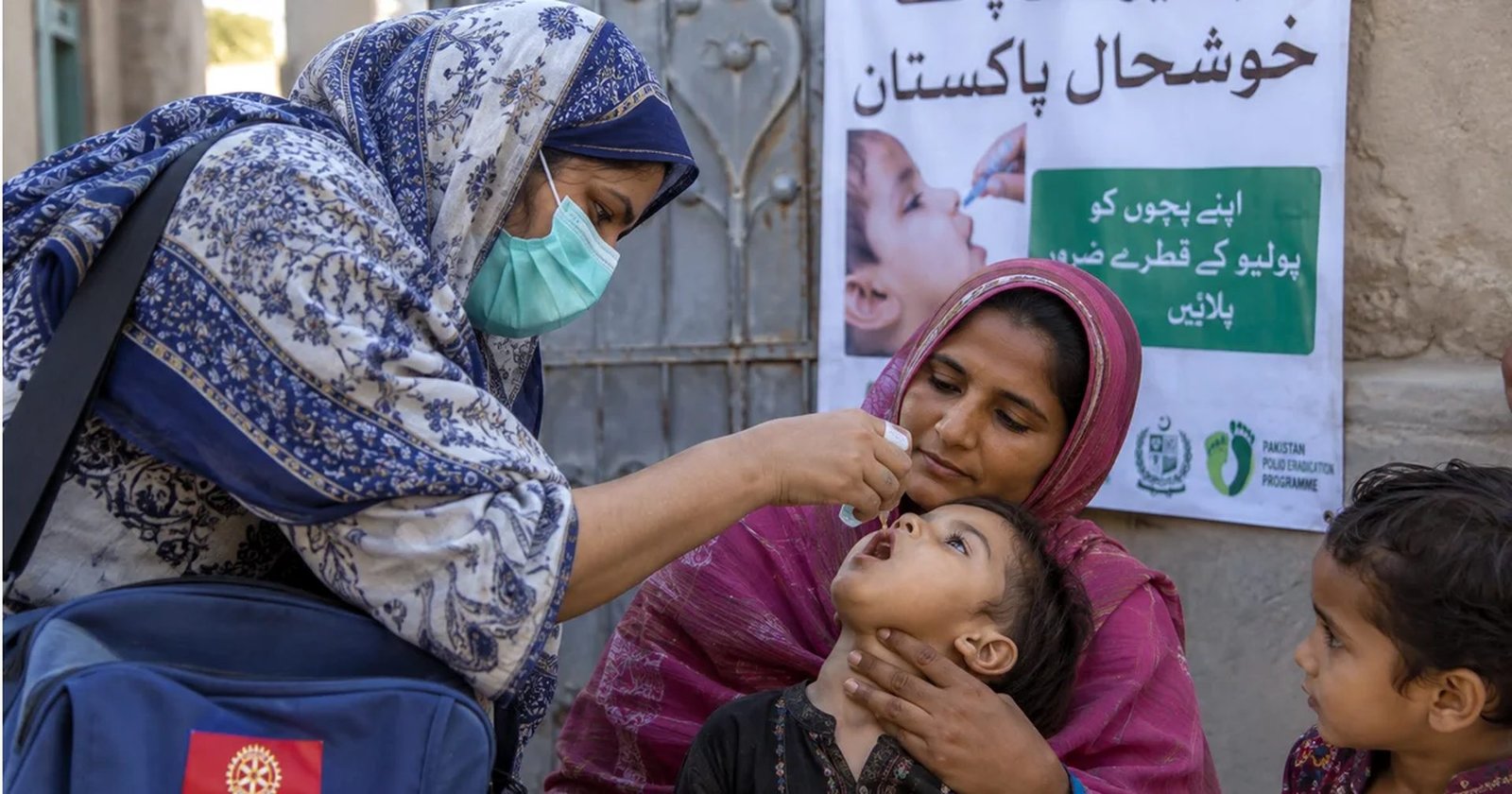
    پاکستان نے بچوں کی معمول کی ویکسینیشن میں اپنی اب تک کی بہترین کارکردگی ریکارڈ کی ہے۔ آزادانہ قومی سروے کے مطابق 2026 میں بارہ سے تئیس ماہ کی عمر کے 81.3 فیصد بچے مکمل طور پر ویکسین شدہ پائے گئے، جبکہ 2013 میں یہ شرح صرف 53.8 فیصد تھی۔ یہ اعداد و شمار بھوربن میں ہونے والے قومی اجلاس میں جاری کیے گئے تھرڈ پارٹی ویریفکیشن امیونائزیشن کوریج سروے کے تیسرے دور کے ہیں۔ سروے فیڈرل ڈائریکٹوریٹ آف امیونائزیشن کی جانب سے کروایا گیا، آغا خان یونیورسٹی کے سینٹر آف ایکسی لینس ان ویمن اینڈ چائلڈ ہیلتھ نے تکنیکی معاونت فراہم کی، اور گاوی اور گیٹس فاؤنڈیشن نے مالی مدد کی۔

    سروے کی سب سے حوصلہ افزا بات یہ ہے کہ ایک بھی ویکسین نہ لگوانے والے بچوں، جنہیں زیرو ڈوز بچے کہا جاتا ہے، کی تعداد تقریباً نصف رہ گئی ہے۔ 2022 میں ایسے بچوں کا تناسب 4.9 فیصد تھا، جو اب کم ہو کر 2.5 فیصد رہ گیا ہے، اور ان کی تعداد تقریباً ایک لاکھ ساٹھ ہزار رہ گئی ہے۔ جزوی طور پر ویکسین شدہ بچوں کا تناسب بھی 2013 میں 40.8 فیصد سے کم ہو کر 16.2 فیصد رہ گیا ہے۔

    صوبوں کے درمیان فرق تاہم اب بھی موجود ہے۔ اس ہفتے سینیٹ کی کمیٹی کو دی گئی بریفنگ کے مطابق آزاد جموں و کشمیر میں کوریج 93 فیصد اور پنجاب میں 90 فیصد ہے، جبکہ بلوچستان میں مقامی برادریوں سے رابطے کے ذریعے 19 فیصد بہتری آئی ہے، اگرچہ وہ اب بھی پیچھے ہے۔ توسیعی پروگرام برائے حفاظتی ٹیکہ جات ہر سال 73 لاکھ بچوں کو 13 قابلِ انسداد بیماریوں سے بچانے کا ہدف رکھتا ہے۔

    وزیر مملکت برائے قومی صحت ڈاکٹر مختار بھرتھ نے کہا ہے کہ ویکسین ہر بچے تک پہنچنی چاہیے، اور اس کے لیے پولیو پروگرام اور معمول کی ویکسینیشن کی کوششوں کو ایک ساتھ چلانا ہوگا۔ انہوں نے کہا کہ زیرو ڈوز بچوں کو قومی الیکٹرانک امیونائزیشن رجسٹری میں درج کیا جانا چاہیے تاکہ نظام کو معلوم ہو کہ کون سے بچے رہ گئے ہیں۔

    سروے ایسے وقت سامنے آیا ہے جب پولیو کے خاتمے کی کوششیں جاری ہیں۔ 2026 میں اب تک ملک میں پولیو کے نو کیسز رپورٹ ہوئے ہیں، جبکہ 2025 میں 31 اور 2024 میں 74 کیسز سامنے آئے تھے۔ پشاور اور خیبر سمیت 97 اضلاع میں 2 سے 8 نومبر تک چلائی گئی خصوصی مہم میں تقریباً دو کروڑ چالیس لاکھ بچوں کو ویکسین دی گئی۔

    خیبر پختونخوا میں انسانی پیپیلوما وائرس ویکسینیشن مہم میں 78 فیصد کوریج حاصل ہوئی ہے، اور چھ بیماریوں سے بچاؤ کی مشترکہ ہیکسا ویلنٹ ویکسین جنوری 2027 میں متعارف کرانے کا منصوبہ ہے۔ قومی ویکسین پالیسی اب بھی کابینہ کی منظوری کی منتظر ہے۔

    یہ کامیابی اس لیے بھی اہم ہے کہ اعداد و شمار آزادانہ جانچ کے بعد سامنے آئے ہیں، نہ کہ صرف پروگرام کے اپنے دعوے پر۔ خسرہ، نمونیا اور اسہال جیسی بیماریاں آج بھی بچوں کی جانیں لیتی ہیں، حالانکہ ان سے بچاؤ کی ویکسین حکومت مفت فراہم کرتی ہے۔ اصل امتحان اب یہ ہے کہ جو ایک لاکھ ساٹھ ہزار بچے اب بھی کسی ویکسین سے محروم ہیں، ان تک رسائی کیسے ممکن ہوگی۔

  • مٹی کا تیل سستا، قیمت 273 روپے 22 پیسے فی لیٹر

    مٹی کا تیل سستا، قیمت 273 روپے 22 پیسے فی لیٹر

    اسلام آباد: آئل اینڈ گیس ریگولیٹری اتھارٹی (اوگرا) کے نوٹیفکیشن کے تحت مٹی کے تیل کی قیمت میں 10 روپے 42 پیسے کی کمی ہوئی ہے، جس کے بعد اس کی قیمت 273 روپے 22 پیسے فی لیٹر ہو گئی ہے۔ یہ نوٹیفکیشن 21 نومبر 2026 سے نافذ العمل ہے۔

    یہ کمی تقریباً 3.67 فیصد کے برابر ہے، جس سے قیمت 283 روپے 64 پیسے فی لیٹر سے کم ہو کر 273 روپے 22 پیسے فی لیٹر ہو گئی ہے۔ مٹی کے تیل کی نئی قیمت 273 روپے 22 پیسے فی لیٹر 21 نومبر 2026 سے لاگو ہے، جس تاریخ سے یہ نوٹیفکیشن نافذ ہوا۔

    مٹی کے تیل کی اس قیمت کی تصدیق دو آزاد پرائس ٹریکرز، پیٹرو پرائسز ڈاٹ پی کے اور نیوز اورا 24، نے کی ہے۔ 24 نیوز ایچ ڈی کی ایک رپورٹ میں بھی کہا گیا ہے کہ جیٹ فیول، مٹی کے تیل اور لائٹ ڈیزل کی قیمتوں میں کمی آئی ہے، جو تازہ ترین نظرثانی کے مطابق ہے۔

    یہ نوٹیفکیشن اوگرا نے جاری کیا ہے، جو پٹرولیم مصنوعات کی قیمتوں میں نظرثانی کی ذمہ دار اتھارٹی ہے۔ رپورٹس کے مطابق اوگرا پٹرولیم مصنوعات کی قیمتوں میں روزانہ کی بنیاد پر نظرثانی کرتی ہے، اور تازہ ترین نوٹیفکیشن وہ نظرثانی ہے جو 21 نومبر 2026 سے نافذ ہوئی۔

    اسی نوٹیفکیشن میں پٹرول کی قیمت 322 روپے فی لیٹر مقرر کی گئی ہے، جس میں ایک روپے کی کمی ہوئی ہے، جبکہ ڈیزل کی قیمت 357 روپے فی لیٹر مقرر کی گئی ہے، جس میں 2 روپے کا اضافہ ہوا ہے۔

    مٹی کا تیل، جسے ایس کے او بھی کہا جاتا ہے، کھانا پکانے اور حرارت حاصل کرنے کے لیے بڑے پیمانے پر استعمال ہوتا ہے۔ یہ ملک بھر کے گھروں میں استعمال ہوتا ہے، بشمول ان علاقوں میں جہاں پائپ لائن گیس دستیاب نہیں ہے، جہاں یہ روزمرہ کھانا پکانے اور سرد موسم میں حرارت کے لیے ایک اہم ایندھن ہے۔

    ان گھروں کے لیے جو مٹی کے تیل پر انحصار کرتے ہیں، فی لیٹر 10 روپے 42 پیسے کی کمی سے کھانا پکانے اور حرارت کے لیے ایندھن کی لاگت کم ہو جائے گی۔ بچت کا انحصار استعمال کی مقدار پر ہے، لیکن کم قیمت ہر لیٹر پر لاگو ہوگی۔

    تقریباً 3.67 فیصد کی یہ کمی اس نوٹیفکیشن کے تحت مٹی کے تیل کی قیمت میں تبدیلی کی حد ہے۔ یہ اوگرا کے روزانہ نظرثانی کے عمل کے تحت ہوئی ہے، اور اس اعداد و شمار کی تصدیق دونوں پرائس ٹریکرز نے کی ہے۔

    رپورٹس میں جن پرائس ٹریکرز کا حوالہ دیا گیا ہے، پیٹرو پرائسز ڈاٹ پی کے اور نیوز اورا 24، دونوں کمی کے بعد مٹی کے تیل کی قیمت 273 روپے 22 پیسے فی لیٹر درج کرتے ہیں۔ ان کی تصدیق اوگرا نوٹیفکیشن میں درج اعداد و شمار کی ایک آزاد جانچ فراہم کرتی ہے، جس کے ساتھ 24 نیوز ایچ ڈی کی رپورٹ بھی موجود ہے۔

    نظرثانی شدہ قیمت 21 نومبر 2026 سے نافذ العمل ہے، اور یہ اوگرا کی جانب سے روزانہ قیمتوں میں نظرثانی کے عمل کے تحت کسی مزید نظرثانی تک برقرار رہے گی۔ فی الحال مٹی کے تیل کی نوٹیفائیڈ قیمت 273 روپے 22 پیسے فی لیٹر ہے، جو گزشتہ قیمت 283 روپے 64 پیسے فی لیٹر سے 10 روپے 42 پیسے کم ہے۔

  • Kerosene Price Falls Rs10.42 to Rs273.22 a Litre

    Kerosene Price Falls Rs10.42 to Rs273.22 a Litre

    ISLAMABAD: The price of kerosene oil has fallen by Rs10.42 to Rs273.22 per litre under a notification issued by the Oil and Gas Regulatory Authority (OGRA), effective 21 November 2026.

    The reduction, which amounts to a drop of about 3.67 per cent, brings the price down from Rs283.64 per litre. The new price of Rs273.22 per litre applies from 21 November 2026, the date on which the notification came into effect.

    The kerosene price is confirmed by two independent price trackers, petroprices.pk and newsora24. A report by 24NewsHD also noted that jet fuel, kerosene and light diesel prices had slid, in line with the latest revision.

    The notification was issued by OGRA, the authority responsible for revising petroleum prices. According to reports, OGRA revises petroleum prices on a daily basis, and the latest notification is the revision that took effect on 21 November 2026.

    The same notification also set petrol at Rs322 a litre, down Re1, and diesel at Rs357 a litre, up Rs2.

    Kerosene, also known as SKO, is widely used for cooking and heating. It is used in households across the country, including in areas without piped gas, where it remains an important fuel for daily cooking and for heating during cold weather.

    For households that rely on kerosene, the reduction of Rs10.42 per litre lowers the cost of the fuel they buy for cooking and heating. The size of the saving for any household depends on how much kerosene it uses, but the lower price applies to every litre purchased at the revised rate.

    The fall of about 3.67 per cent is the scale of the change in the kerosene price under this notification. It follows the daily revision process under which OGRA updates petroleum prices, and it is the kerosene figure in the notification that has been confirmed by the two price trackers.

    The price trackers cited in the reports, petroprices.pk and newsora24, both record the kerosene price at Rs273.22 per litre after the reduction. Their confirmation provides an independent check on the figure in the OGRA notification, alongside the report by 24NewsHD.

    The revised price remains in effect from 21 November 2026, subject to any further revision by OGRA under its daily price revision process. For now, the notified price for kerosene oil is Rs273.22 per litre, down Rs10.42 from the previous price of Rs283.64 per litre.

  • Govt Flags Corruption Risks in 10 Federal Institutions

    Govt Flags Corruption Risks in 10 Federal Institutions

    The federal government has identified corruption vulnerabilities in ten federal institutions and proposed around 400 reform measures to address them, Law Minister Azam Nazeer Tarar announced on Friday.

    Presenting the findings of the National Risk Assessment of Corruption Vulnerabilities, prepared by the Ministry of Law and Justice, Mr Tarar said the exercise was aimed at self-accountability and institutional reform rather than blame.

    “We have identified weaknesses within the institution to improve them, how corruption can be stopped, and reforms to make merit and transparency possible,” he said, stressing that the report was “not a charge sheet”.

    The assessment covered 25 federal institutions against more than 300 indicators, drawing on audit reports, regulatory records and the findings of investigative agencies. Ten institutions were examined in detail because of the scale of their financial operations and their exposure to possible irregularities.

    They include the Federal Board of Revenue (FBR), Pakistan Railways, Sui Northern Gas Pipelines, the National Highway Authority (NHA), the Benazir Income Support Programme (BISP) and the state-owned power distribution companies, known as Discos.

    The report proposes around 400 reform measures, grouped into 74 reform blocks, with implementation expected to take between two and five years. The government said progress would be reviewed regularly once implementation begins.

    Mr Tarar joined the press conference by video link, alongside Information Minister Attaullah Tarar and Minister of State for Finance Bilal Azhar Kayani. He said the report would be made public after approval from the prime minister and the federal cabinet, and would then be shared with all relevant institutions and the provinces as a guiding document.

    Mr Tarar said monitoring systems introduced by the government had already produced between Rs100 billion and Rs150 billion in additional tax revenue. He also pointed to reforms at the FBR, including the faceless appraisal system, as part of the wider effort to improve transparency.

    Information Minister Attaullah Tarar said self-accountability and transparency had been the hallmarks of the governance led by Prime Minister Shehbaz Sharif, adding that the report had been prepared on the prime minister’s special instructions. He said it was aimed at identifying flaws in the system, introducing reforms and setting better, achievable targets.

    He said the government had also shut down institutions linked to large-scale corruption and waste of public resources, including the Public Works Department (PWD), the Pakistan Agricultural Storage and Services Corporation (PASSCO) and Utility Stores.

    The assessment forms part of Pakistan’s governance reform commitments under its $7 billion programme with the International Monetary Fund, which has pressed for stronger institutional capacity, transparency and accountability.

  • Three Youths Killed as Motorcycle Hits Landmine in Dalbandin

    Three Youths Killed as Motorcycle Hits Landmine in Dalbandin

    Three young men were killed in Dalbandin on Friday, 20 November 2026, when the motorcycle they were riding struck an improvised explosive device (IED) planted near Khargoshkan, police and rescue officials said.

    The explosion occurred in the Konar Dak area of Khargoshkan, a suburban locality of Dalbandin tehsil in Balochistan’s Chagai district, while the three young men were travelling together on a motorcycle for a picnic outing, according to local police and rescue officials.

    The impact of the blast was fatal, killing all three riders instantly on the spot. Security personnel and local residents shifted the bodies to Prince Fahad Hospital in Dalbandin for medico-legal formalities, officials said.

    Authorities identified the deceased as Sohail, son of Takri Abdul Ghaffar Bangulzai; Irfan, son of Pir Jan Bangulzai; and Altaf, son of Ali Ahmed Notezai. Officials confirmed that the victims were maternal cousins residing in Killi Khudai Rahim and Killi Qasim Khan in Dalbandin.

    Police said the IED had been planted by unidentified miscreants, and a formal investigation has been launched to trace those responsible. Officials said further forensic and operational details were still emerging at the time of reporting.

    Local elders and civil society representatives condemned the incident and demanded swift justice for the three youths, according to reports from the area. The deaths have renewed concern among residents about the danger posed by hidden explosives along unpaved tracks and remote routes in the district.

    Balochistan, including border districts such as Chagai, Kech, Awaran and Panjgur, continues to face sporadic incidents involving improvised explosive devices, landmines and targeted violence. Security forces, including the Frontier Corps, the Counter Terrorism Department and district police, regularly conduct intelligence-based clearance operations and bomb disposal sweeps to neutralise hidden ordnance.

    However, officials and analysts note that civilians, daily wage earners and young people travelling for routine or recreational purposes frequently bear the brunt of such indiscriminate explosives. Community leaders have long called for expanded mine-risk awareness programmes to safeguard rural populations from latent explosive hazards.

    Analysts and community leaders also emphasise that sustainable stability in Balochistan requires deeper socio-economic inclusion, improved local governance and youth employment opportunities alongside security operations. Police said the investigation into the Dalbandin blast would continue, and further details would be shared as they become available.