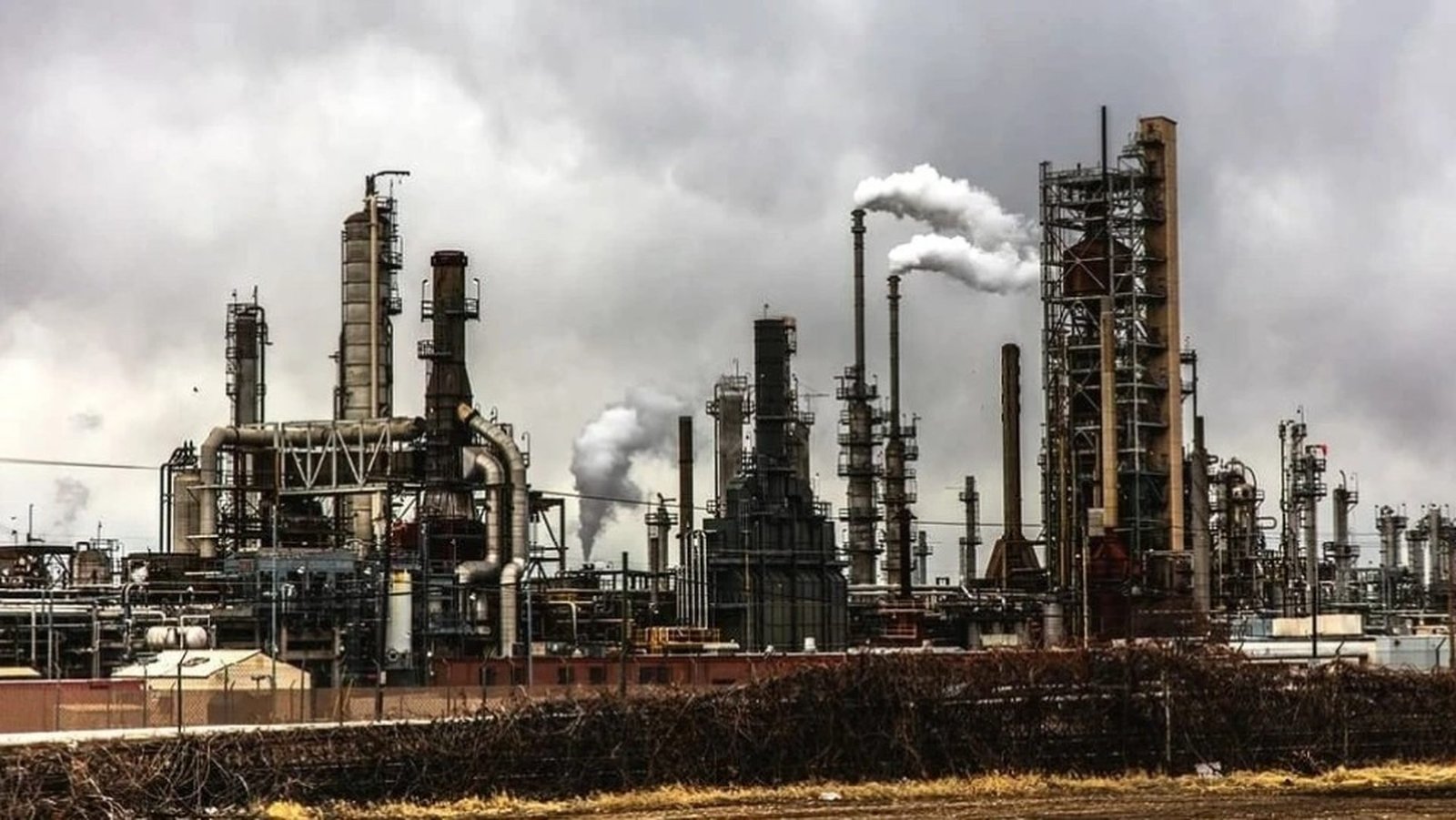
Pakistan plans to upgrade its five major oil refineries at an estimated cost of $5.7 billion, with the aim of doubling the local production of petrol and diesel and cutting the country’s reliance on imported fuel, according to a document from the Oil and Gas Regulatory Authority (OGRA).
The document says the upgrades will modernise the five refineries on modern lines, raise the quality of locally produced fuel to Euro-V standards, and reduce the need for imported petrol and diesel. The projects are targeted for completion between 2028 and 2030.
According to the document, daily petrol production is expected to rise from 10,702 tonnes to 21,251 tonnes once the upgrades are complete, while daily production of high-speed diesel is expected to increase from 21,237 tonnes to 31,288 tonnes. The plan is expected to save Pakistan about $1 billion a year in foreign exchange.
The largest single project is the upgrade of Pakistan Refinery Limited, estimated to cost $1.7 billion and targeted for completion by 2028. The upgrade of Pak-Arab Refinery (PARCO) is estimated at $1.4 billion, with completion targeted by 2029.
National Refinery Limited is to be upgraded at an estimated cost of $1 billion, also targeted for completion by 2029, while Cnergyico Refinery is to be upgraded at a similar cost of $1 billion, with completion expected by 2030. The upgrade of Attock Refinery is estimated at $600 million and is targeted for completion by 2029.
The upgrade programme is being carried out under the Brownfield Petroleum Refining Policy 2026, which was approved by the Cabinet Committee on Energy in July 2026. Four of the five refineries have already signed formal upgrade agreements with the government, and Inter State Gas Systems has been designated to execute and oversee the programme.
Pakistan currently imports a large share of the petrol and diesel it consumes, and the upgrade plan is presented as a step towards greater energy security and lower import bills. The projected production increases and foreign exchange savings are estimates tied to the completion of the projects, which are at different stages of planning, engineering and financing.
The refineries will also be required to cut furnace oil output sharply as petrol and diesel production rises, shifting the country’s fuel mix towards higher-value products. Industry estimates cited in earlier reporting on the agreements put the potential annual saving on fuel imports at about $1.5 billion once all of the projects are completed.
Leave a Reply