Tag: Water

  • Pakistan’s $5.7bn refinery upgrade to double fuel output

    Pakistan’s $5.7bn refinery upgrade to double fuel output

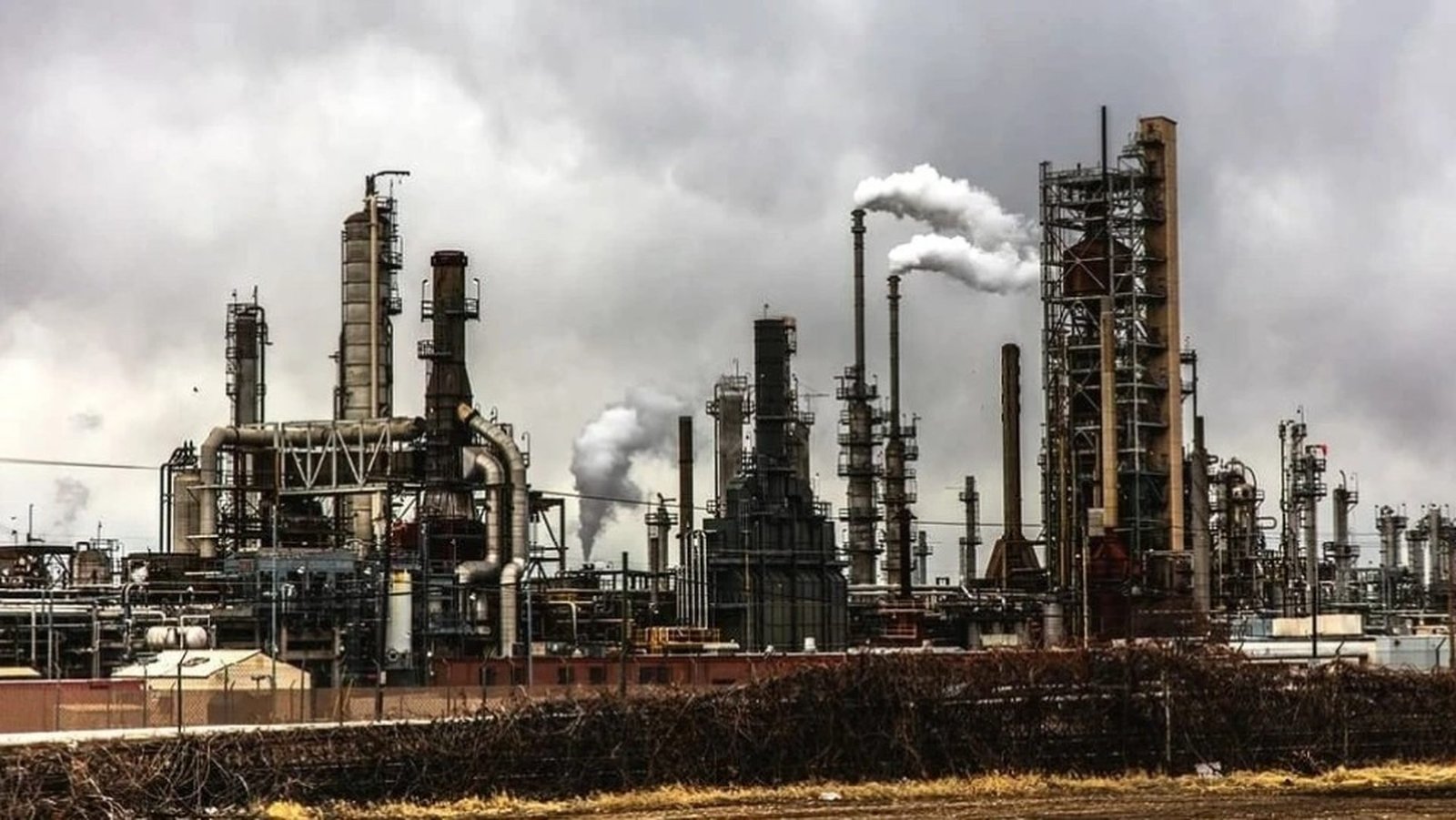
    Pakistan plans to upgrade its five major oil refineries at an estimated cost of $5.7 billion, with the aim of doubling the local production of petrol and diesel and cutting the country’s reliance on imported fuel, according to a document from the Oil and Gas Regulatory Authority (OGRA).

    The document says the upgrades will modernise the five refineries on modern lines, raise the quality of locally produced fuel to Euro-V standards, and reduce the need for imported petrol and diesel. The projects are targeted for completion between 2028 and 2030.

    According to the document, daily petrol production is expected to rise from 10,702 tonnes to 21,251 tonnes once the upgrades are complete, while daily production of high-speed diesel is expected to increase from 21,237 tonnes to 31,288 tonnes. The plan is expected to save Pakistan about $1 billion a year in foreign exchange.

    The largest single project is the upgrade of Pakistan Refinery Limited, estimated to cost $1.7 billion and targeted for completion by 2028. The upgrade of Pak-Arab Refinery (PARCO) is estimated at $1.4 billion, with completion targeted by 2029.

    National Refinery Limited is to be upgraded at an estimated cost of $1 billion, also targeted for completion by 2029, while Cnergyico Refinery is to be upgraded at a similar cost of $1 billion, with completion expected by 2030. The upgrade of Attock Refinery is estimated at $600 million and is targeted for completion by 2029.

    The upgrade programme is being carried out under the Brownfield Petroleum Refining Policy 2026, which was approved by the Cabinet Committee on Energy in July 2026. Four of the five refineries have already signed formal upgrade agreements with the government, and Inter State Gas Systems has been designated to execute and oversee the programme.

    Pakistan currently imports a large share of the petrol and diesel it consumes, and the upgrade plan is presented as a step towards greater energy security and lower import bills. The projected production increases and foreign exchange savings are estimates tied to the completion of the projects, which are at different stages of planning, engineering and financing.

    The refineries will also be required to cut furnace oil output sharply as petrol and diesel production rises, shifting the country’s fuel mix towards higher-value products. Industry estimates cited in earlier reporting on the agreements put the potential annual saving on fuel imports at about $1.5 billion once all of the projects are completed.
  • پیٹرول اور ڈیزل کی مقامی پیداوار دگنی کرنے کی تیاری

    پیٹرول اور ڈیزل کی مقامی پیداوار دگنی کرنے کی تیاری

    آئل اینڈ گیس ریگولیٹری اتھارٹی (اوگرا) کی دستاویز کے مطابق پاکستان اپنی پانچ بڑی آئل ریفائنریز کی اپ گریڈیشن کا منصوبہ تیار کر چکا ہے، جس پر 5 ارب 70 کروڑ ڈالر کی خطیر سرمایہ کاری کا تخمینہ لگایا گیا ہے۔ منصوبے کا ہدف پیٹرول اور ڈیزل کی مقامی پیداوار دگنی کرنا اور درآمدی ایندھن پر انحصار کم کرنا ہے۔

    دستاویز کے مطابق ریفائنریز کی اپ گریڈیشن کے بعد پیٹرول کی یومیہ پیداوار 10 ہزار 702 ٹن سے بڑھ کر 21 ہزار 251 ٹن ہونے کا امکان ہے، جبکہ ہائی اسپیڈ ڈیزل کی یومیہ پیداوار 21 ہزار 237 ٹن سے بڑھ کر 31 ہزار 288 ٹن تک پہنچ جائے گی۔ منصوبوں کی تکمیل سے سالانہ ایک ارب ڈالر کے زرمبادلہ کی بچت متوقع ہے۔

    منصوبے کے تحت تمام ریفائنریز میں پیٹرول اور ڈیزل کا معیار یورو فائیو تک بہتر بنانے کا ہدف بھی مقرر کیا گیا ہے، جس سے مقامی سطح پر معیاری ایندھن کی دستیابی میں اضافہ ہوگا اور درآمدی ایندھن کی ضرورت کم کرنے میں مدد ملے گی۔

    پارکو ریفائنری کی اپ گریڈیشن پر ایک ارب 40 کروڑ ڈالر سرمایہ کاری کا تخمینہ لگایا گیا ہے، جسے 2029 تک مکمل کرنے کا ہدف مقرر کیا گیا ہے۔ پاکستان ریفائنری لمیٹڈ کی اپ گریڈیشن پر ایک ارب 70 کروڑ ڈالر لاگت آنے کا تخمینہ ہے، جبکہ اس منصوبے کی تکمیل 2028 تک متوقع ہے۔

    نیشنل ریفائنری لمیٹڈ کی اپ گریڈیشن کے لیے ایک ارب ڈالر کی سرمایہ کاری تجویز کی گئی ہے اور منصوبہ 2029 تک مکمل کرنے کا ہدف رکھا گیا ہے۔ اسی طرح سینرجیکو ریفائنری کی اپ گریڈیشن پر بھی ایک ارب ڈالر خرچ کیے جانے کا تخمینہ ہے، جس کی تکمیل 2030 تک متوقع ہے۔ اٹک ریفائنری کی اپ گریڈیشن کے لیے 60 کروڑ ڈالر کی سرمایہ کاری کا تخمینہ لگایا گیا ہے، جبکہ منصوبہ 2029 تک مکمل کرنے کا ہدف مقرر کیا گیا ہے۔

    یہ اپ گریڈیشن پروگرام براؤن فیلڈ پیٹرولیم ریفائننگ پالیسی 2026 کے تحت جاری ہے، جسے کابینہ کی توانائی کمیٹی نے جولائی 2026 میں منظور کیا تھا۔ پانچ میں سے چار ریفائنریز حکومت کے ساتھ باضابطہ اپ گریڈیشن معاہدوں پر دستخط کر چکی ہیں، اور انٹر اسٹیٹ گیس سسٹمز کو پروگرام پر عملدرآمد اور نگرانی کی ذمہ داری سونپی گئی ہے۔

    پاکستان اس وقت اپنے استعمال کا پیٹرول اور ڈیزل بڑی مقدار میں درآمد کرتا ہے، اور اپ گریڈیشن منصوبے کو توانائی کی خود کفالت اور درآمدی بل میں کمی کی جانب ایک اہم قدم قرار دیا جا رہا ہے۔ تاہم پیداوار میں اضافے اور زرمبادلہ کی بچت کے تخمینے منصوبوں کی تکمیل سے مشروط ہیں، جو منصوبہ بندی، انجینئرنگ اور مالیاتی مراحل کے مختلف مدارج پر ہیں۔

  • Pakistan Rejects India’s Weaponization of Water

    Pakistan Rejects India’s Weaponization of Water

    Pakistan has rejected India’s unilateral decision to place the Indus Waters Treaty in abeyance, calling it a violation of the treaty, international law and the Charter of the United Nations.

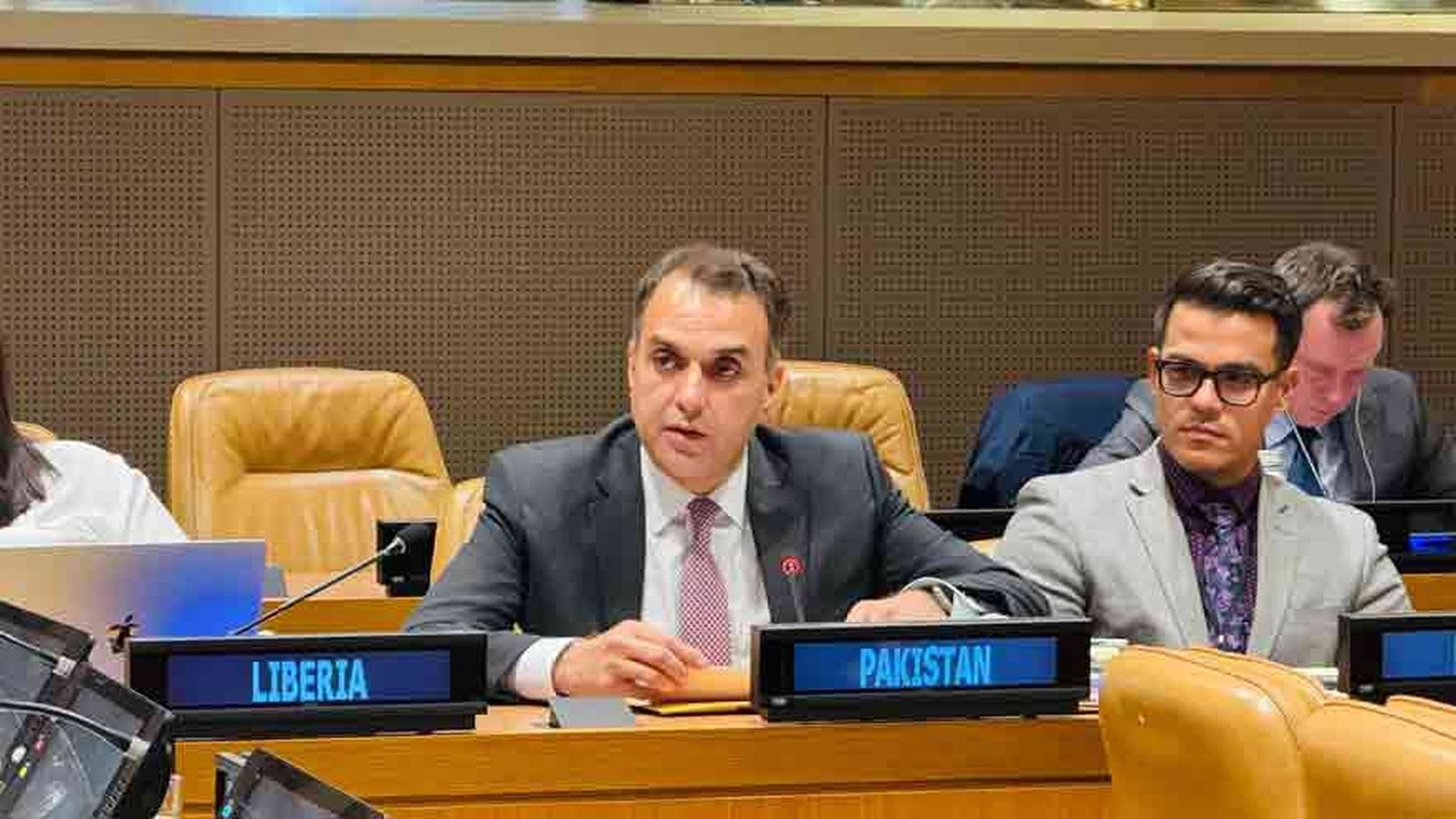
    According to Dunya News, Deputy Permanent Representative Ambassador Usman Jadoon set out Pakistan’s position at an Arria-formula meeting of the Security Council titled “Natural Resources and Conflict: Reaffirming the Norm of Equitable Access for All”.

    Ambassador Jadoon said water must be used for peace, not as a weapon, and that no country should be denied its share of a shared river. He said the unilateral suspension of a treaty governing shared waters undermined the rules that protect lower riparian states.

    He cited an award of the Permanent Court of Arbitration dated 31 August 2026, which reaffirmed that the Indus Waters Treaty remains fully in force. Pakistan has consistently maintained that the treaty cannot be suspended unilaterally.

    Ambassador Jadoon said the case for climate adaptation was undermined when a lower riparian state faced unilateral measures affecting its water supply. He argued that climate-vulnerable countries could not plan for a changing climate if the treaties protecting their resources were set aside.

    He said Pakistan had faced disproportionate climate impacts, including floods, glacial melt and extreme heat, and urged the Security Council to use its authority to protect shared natural resources and uphold equitable access for all states.

    The Arria-formula meeting brought together Council members and other states to discuss the link between natural resources and conflict, and the need to reaffirm the norm of equitable access. Pakistan used the session to raise the Indus Waters Treaty as a case in point.

    The statement adds to Pakistan’s sustained diplomatic effort on the water issue, which has been raised at the United Nations and in bilateral contacts since India moved to place the treaty in abeyance. Pakistan has argued that the move sets a dangerous precedent for shared rivers worldwide.

    Officials said Pakistan would continue to press the matter in international forums, seeking a reaffirmation that the treaty remains binding and that unilateral action on shared waters is not acceptable under international law.