Category: Health

Health news — medical updates, wellness and public health. صحت کی خبریں۔

  • Heart Drug Slashed ‘Bad Fat’ 78% But Saved No Lives

    Heart Drug Slashed ‘Bad Fat’ 78% But Saved No Lives

    A much-watched heart drug that cut a dangerous inherited cholesterol particle by 78 percent has failed to prevent a single heart attack or stroke, researchers reported on Saturday, in a result that stunned heart specialists gathered in Chicago.

    The drug, pelacarsen, was tested for nearly five years in more than 8,300 patients who had already suffered a major heart event such as a heart attack. Half received a monthly 70-milligram dose of the drug and half a placebo, while their other risk factors — including cholesterol and blood pressure — were carefully controlled. The full results were presented at the American Heart Association’s annual meeting by Dr Steven Nissen of the Cleveland Clinic and published in the New England Journal of Medicine.

    Pelacarsen did exactly what it was designed to do: it lowered levels of lipoprotein(a), or Lp(a), a sticky, protein-wrapped fat in the blood, by about 78 percent. But that sharp fall made no difference to patients’ fate. Roughly the same share in both groups — about 12 percent — went on to suffer a serious heart-related event, and there was no sign the drug reduced deaths, heart attacks, strokes, or the need for a stent or bypass.

    “It didn’t do anything. It was completely neutral,” Nissen said in an interview. “Everybody in the world, me included, thought that this was going to work.”

    The disappointment had been signalled in September, when Novartis and its co-developer Ionis Pharmaceuticals announced that the drug had failed to meet the trial’s main goal. Even so, specialists had hoped the details might show some benefit for particular patients, such as those whose Lp(a) fell furthest. A separate statistical analysis, published in NEJM Evidence, looked at exactly those groups and still found no benefit. More patients also stopped taking pelacarsen because of side effects — 20.6 percent, against 7.5 percent on placebo. Novartis has decided to abandon the drug.

    No treatment yet for high Lp(a)

    There is still no approved treatment for high Lp(a), an inherited risk factor estimated to affect about one in five people worldwide, although few know they carry it. This year, for the first time, the American Heart Association and the American College of Cardiology recommended that every adult be tested for Lp(a) at least once in their lifetime.

    The failure does not close the door on the idea. Two other experimental drugs that target Lp(a) — Amgen’s olpasiran and Eli Lilly’s lepodisiran — use a different technology and have cut Lp(a) by about 95 percent in earlier studies. Their large trials are still running, with results due in 2028 and 2029. Nissen, who is leading the lepodisiran trial, noted that those studies include many patients who have never had a heart attack or stroke, and said the newer drugs are also better tolerated — though whether that will translate into better outcomes remains to be seen.

    A second study at the same meeting delivered a similar blow: Novo Nordisk’s anti-inflammatory drug ziltivekimab lowered inflammation as intended in 6,300 seriously ill heart patients, but did not reduce deaths, heart attacks or strokes. Together, the two failures have forced heart specialists to rethink some long-held theories about what drives heart disease — and, as one senior cardiologist put it, to try different compounds and strategies.

  • TreVeyon Henderson Hospitalised With Neurological Symptoms

    TreVeyon Henderson Hospitalised With Neurological Symptoms

    New England Patriots running back TreVeyon Henderson has revealed that he was hospitalised for several days after suffering a series of unexplained neurological symptoms, in a medical emergency he described as unexpected and unusual. The 24-year-old shared the news in a statement posted on social media on Friday, saying the cause of his illness remains a mystery.

    Henderson said he underwent extensive medical testing and evaluation during his time in hospital. He said the results of his comprehensive testing had come back positive and reassuring, but added that the cause of the symptoms remains unknown and unexplainable. He said the condition has affected his strength, coordination and some of his physical functions.

    “I will continue working closely with specialists and physical therapists to focus on my recovery, as these symptoms have affected my strength, coordination, and some of my physical functions,” Henderson said. “I am committed to doing everything necessary to return to full health. My health and long-term well-being remain my foremost priorities.”

    Patriots head coach Mike Vrabel addressed the situation at a news conference on Friday and confirmed that Henderson will not play in Sunday’s game against the Green Bay Packers. Vrabel said the team would care for Henderson and do whatever it could to help him recover and return to the game he loves. He added that it would not be fair to set a timeline for the player’s absence.

    Henderson missed last week’s game with what the Patriots described as illness, and he has not taken part in team practice this week for the same reason. Vrabel said Henderson was well loved and respected in the squad, and that the team was also making sure his wife, Kenzie, was cared for while he recovers.

    The second-year player, who came through Ohio State, has played in six games so far this season. He has rushed for 203 yards on 52 carries with one touchdown, and has also made five catches for 45 yards. Some of his appearances have been limited by an ankle injury. Last season he led the team in rushing, appearing in all 17 regular-season games and all four postseason games during New England’s run to the Super Bowl, where the Patriots lost to the Seattle Seahawks.

    Henderson’s statement has drawn messages of support from across the sport. For now, the focus is on his recovery, with the player and the club both stressing that his long-term health comes before any question of when he might return to the field.

  • Half of Pakistan’s Polio Cases Linked to Afghanistan

    Half of Pakistan’s Polio Cases Linked to Afghanistan

    The spread of poliovirus from Afghanistan into Pakistan has raised fresh concerns among health authorities, with officials warning that cross-border transmission is keeping the virus in circulation in Pakistan.

    According to health authorities, between 40 and 50 per cent of the polio cases reported in Pakistan over the past two months have been genetically linked to Afghanistan. The Pakistan Polio Eradication Initiative said the share of Afghan-linked detections stood at about 50 per cent in September and 40 per cent in October.

    Afghanistan has reported 50 polio cases this year, against nine in Pakistan. The World Health Organization describes the two countries as a single epidemiological block, meaning transmission in one country puts the other at risk. Pakistan and Afghanistan remain the only two countries in the world where wild poliovirus transmission has never been interrupted.

    Pakistan’s ninth case of 2026 was confirmed this week in a seven-month-old boy from the Bara tehsil of Khyber district. Genetic testing showed the virus was linked to strains circulating in Afghanistan. All three cases reported from Khyber district this year have the same Afghan link.

    Of Pakistan’s nine cases this year, seven are from Khyber Pakhtunkhwa — three each from Khyber and Bannu districts and one from North Waziristan — while two are from Sindh, in Karachi East and Sujawal. Afghanistan’s cases are spread across 12 provinces, with Hilmand reporting 12, Kandahar 11 and Nangarhar 10.

    Officials have identified the return of deported Afghan nationals through illegal crossing points as a major risk factor. They say large numbers of people are returning through sporadic crossing points in Balochistan and Khyber Pakhtunkhwa and moving across the country, making undocumented movement one of the biggest concerns for the eradication effort.

    Health officials also revealed that poliovirus originating in Afghanistan has been detected in 29 sewage samples collected across Pakistan, including in Karachi, Jamshoro, Rawalpindi and Multan. The findings indicate the virus continues to circulate and highlight the challenges facing vaccination and surveillance programmes.

    Pakistan’s figures show steady progress overall. Cases fell from 74 in 2024 to 31 in 2025 and nine so far this year, and the country has cut polio cases by 99.8 per cent from an estimated 20,000 a year in the early 1990s. A nationwide vaccination drive is under way from November 2 to 8, targeting about 24 million children under five across 97 districts, and is being run at the same time in both countries.

  • اسلام آباد میں ہیپاٹائٹس سی کی اسکریننگ، ڈیڑھ لاکھ سے زائد افراد کی جانچ مکمل

    اسلام آباد میں ہیپاٹائٹس سی کی اسکریننگ، ڈیڑھ لاکھ سے زائد افراد کی جانچ مکمل

    اسلام آباد میں ہیپاٹائٹس سی کے خاتمے کے قومی پروگرام کے تحت ڈیڑھ لاکھ سے زائد افراد کی اسکریننگ مکمل کر لی گئی ہے۔ یہ مہم وفاقی وزارت صحت نے شروع کی تھی اور اسے نیشنل ہیلتھ سروسز اکیڈمی نے عملی جامہ پہنایا۔

    مہم اسلام آباد کی 12 یونین کونسلوں میں چلائی گئی اور اسے دو مرحلوں میں مکمل کیا گیا۔ پہلا مرحلہ 19 سے 24 اگست تک جاری رہا جبکہ دوسرا مرحلہ 25 اگست سے 7 ستمبر تک چلایا گیا۔

    ہیپاٹائٹس سی جگر کی ایک سنگین بیماری ہے جو اکثر بغیر کسی واضح علامت کے بڑھتی رہتی ہے اور وقت گزرنے کے ساتھ جگر کو شدید نقصان پہنچا سکتی ہے۔ یہ وائرس عام طور پر متاثرہ خون کے ذریعے منتقل ہوتا ہے۔ اسی لیے بروقت اسکریننگ کو بیماری کے خلاف جنگ میں پہلا اور اہم ترین قدم سمجھا جاتا ہے۔

    عالمی ادارہ صحت کے مطابق پاکستان ان ممالک میں شامل ہے جہاں ہیپاٹائٹس سی کا بوجھ زیادہ ہے۔ ملک میں لاکھوں افراد اس وائرس سے متاثر ہیں اور ان میں سے بہت سے افراد کو اپنی بیماری کا علم ہی نہیں ہوتا۔ ایسے میں بڑے پیمانے پر اسکریننگ مہمات متاثرہ افراد کی نشاندہی میں اہم کردار ادا کرتی ہیں۔

    ماہرین صحت کے مطابق ہیپاٹائٹس سی کا علاج اب ممکن ہے اور بروقت تشخیص کے بعد مریض مکمل صحت یاب ہو سکتا ہے۔ اس لیے اسکریننگ کے بعد وائرس کی تشخیص ہونے والے افراد کے لیے علاج کی سہولت تک رسائی یقینی بنانا بھی اتنا ہی ضروری ہے جتنی خود اسکریننگ ہے۔

    اسلام آباد میں 12 یونین کونسلوں تک مہم کی رسائی اس بات کی علامت ہے کہ صحت کی سہولتیں شہر کے مختلف علاقوں تک پہنچائی جا رہی ہیں۔ صحت کے ماہرین کا کہنا ہے کہ اگر اسی طرح کی مہمات ملک کے دیگر شہروں میں بھی چلائی جائیں تو ہیپاٹائٹس سی کے خاتمے کے ہدف کی جانب بڑی پیش رفت ہو سکتی ہے۔

    قومی ہیپاٹائٹس سی خاتمہ پروگرام کا مقصد ملک بھر میں وائرس کی اسکریننگ اور علاج کو عام کرنا ہے۔ اسلام آباد میں ڈیڑھ لاکھ سے زائد افراد کی جانچ اس پروگرام کی ایک اہم کامیابی ہے اور اس سے امید پیدا ہوئی ہے کہ آئندہ برسوں میں اس بیماری پر قابو پانے میں مدد ملے گی۔

  • 54% Beat Type 2 Diabetes in 6 Months With Diet and Exercise

    54% Beat Type 2 Diabetes in 6 Months With Diet and Exercise

    A new clinical trial has found that more than half of young adults with early type 2 diabetes went into remission within six months through a supervised programme of diet and exercise. The study, published on 1 October in The Lancet Regional Health – Americas, tested whether intensive weight loss combined with structured exercise could reverse the condition in its early stages.

    After six months, 54 percent of people in the intervention group had achieved remission, compared with just 4 percent of those receiving usual care. Remission was defined as blood sugar levels, measured by HbA1c, below 6.5 percent without glucose-lowering medication for at least three months.

    The trial involved 96 adults aged 18 to 45 with obesity who had been diagnosed with type 2 diabetes within the previous six years. The average age of participants was around 38, and their average duration of diabetes was just over two years. The study was carried out in Canada and the United Kingdom.

    What the programme involved

    For the first 12 weeks, participants followed a supervised diet of 800 to 900 calories a day, using meal replacements for the first two weeks. Alongside the diet, they took part in two supervised aerobic and resistance exercise sessions each week, plus a third session carried out independently.

    Those in the intervention group lost around 16.5 pounds (7.5 kilograms) more body fat than the usual-care group, and their grip strength improved by about 8 percent. However, only 40 percent of participants met all of the study’s adherence criteria, showing how demanding the programme was.

    Researchers cautioned that the follow-up lasted only six months, so the results do not show whether remission lasts over the longer term. Remission is not the same as a permanent cure, and diabetes can return if weight is regained or healthy habits are not maintained.

    Experts also stressed a safety warning: a very low-calorie diet must not be tried without close medical supervision, especially by people taking insulin or sulfonylurea medicines, as blood sugar can fall dangerously low. Anyone considering such an approach should first speak to their doctor.

  • 27 Bottled Water Brands Unsafe, PCRWR Warns Consumers

    27 Bottled Water Brands Unsafe, PCRWR Warns Consumers

    Pakistan Council of Research in Water Resources (PCRWR) has declared 27 commercially available bottled and mineral water brands unsafe for human consumption after finding microbiological and chemical contamination in them.

    The findings come from the council’s quarterly monitoring for the third quarter of 2026, covering July to September. On the government’s directives, PCRWR collected 223 samples of bottled water brands from 20 major cities across the country to check whether they met the quality standards set by the Pakistan Standards and Quality Control Authority (PSQCA).

    According to the test results, three brands, Aab-e-Haram, AB-Blue Water and HR Water Healthy Life, were found to contain excessive sodium levels ranging from 94 to 164 parts per million, against the permissible limit of 50 parts per million.

    Aab-e-Haram was also found to have a total dissolved solids level of 680 parts per million, above the prescribed limit of 500 parts per million. Fresh Smart Pure Water contained potassium at 20 parts per million, double the permissible limit of 10 parts per million.

    Two brands, Akwafine Bottled Drinking Water and Premium Safa Purified Water, were found to contain excessive arsenic levels ranging from 13.5 to 23.2 parts per billion, against the permissible limit of 10 parts per billion.

    The report further revealed that 22 brands were contaminated with bacteria, making them unsafe for drinking. These included Aab-e-Haram, Douro, Aab-e-Makuran, Water Verse Purified, Jel Bottled Drinking Water, Sip Bottled Drinking Water, Safi Bottled Drinking Water, Pure Aqua Tech Bottled Drinking Water, Aqua Grain Bottled Drinking Water, Water Time Bottled Drinking Water and Al Saha Drinking Water, among others.

    PCRWR has urged consumers to consult the detailed quarterly report before buying or drinking bottled water, so that they can make informed choices and protect their health. The complete report is available on the council’s website at www.pcrwr.gov.pk.

    The quarterly exercise is a regular check on the bottled water sold in markets across the country. Brands that fail the PSQCA standards on sodium, dissolved solids, potassium, arsenic or bacterial presence are flagged as unsafe, and the council publishes the names so that buyers can avoid them.

    Health experts have long warned that contaminated bottled water can carry serious risks, particularly for children and people with weak immunity. The latest results are a reminder for households to check the brand they buy against the PCRWR list before use.

  • 22 Million Children Vaccinated in 4 Days of Polio Drive

    22 Million Children Vaccinated in 4 Days of Polio Drive

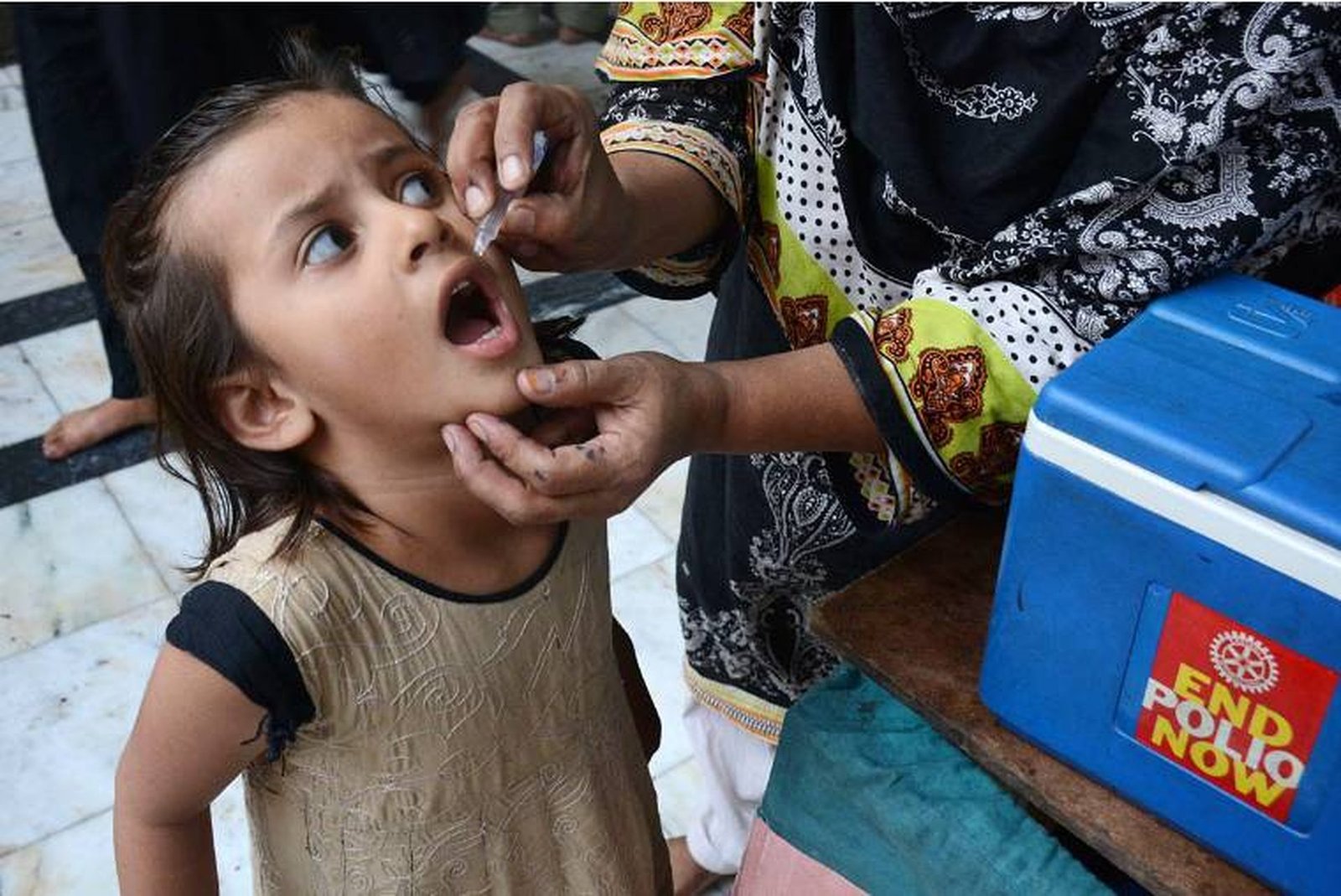
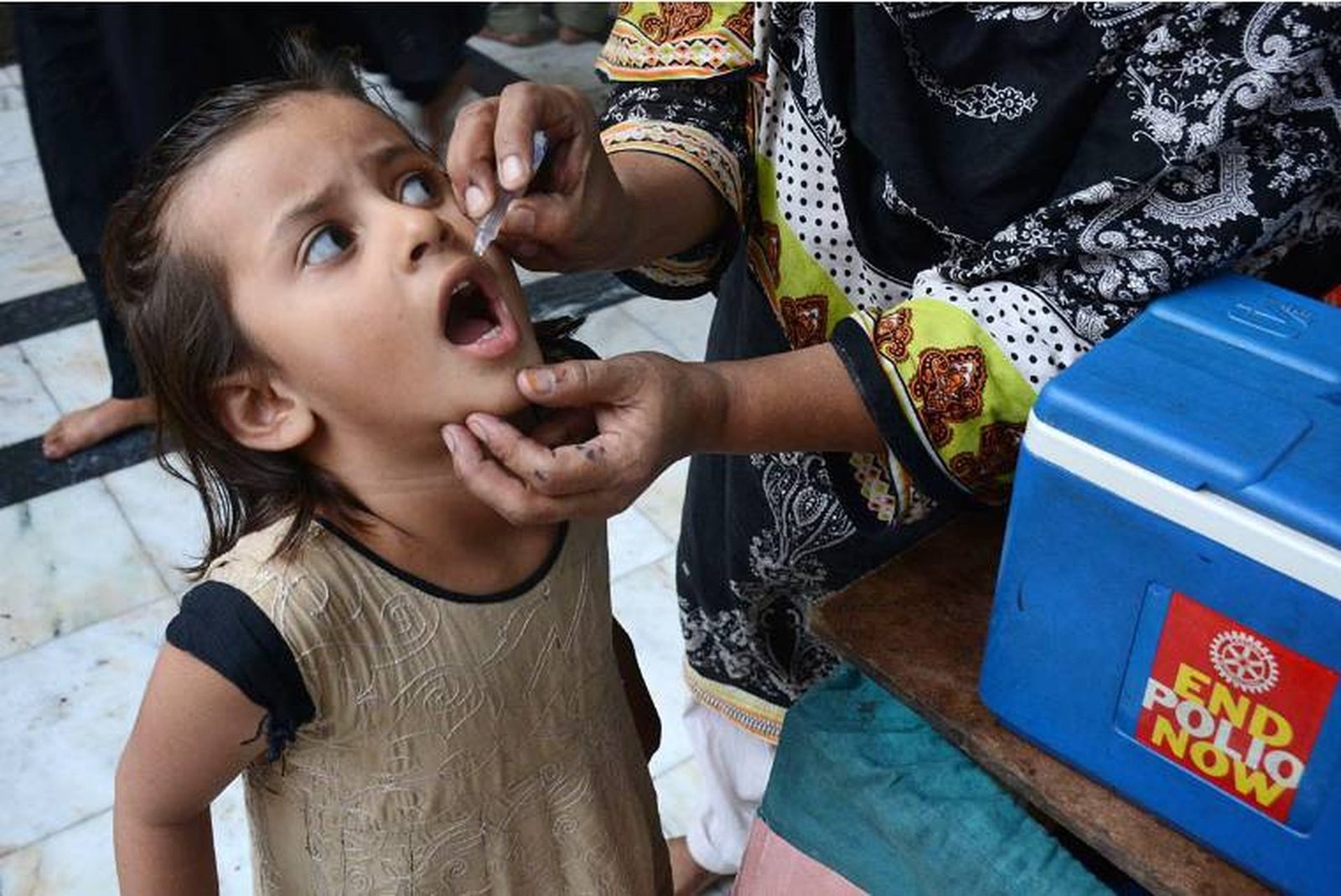
    More than 22.1 million children have been vaccinated against polio in the first four days of Pakistan’s ongoing sub-national immunisation campaign, the National Emergency Operations Centre (NEOC) said on Friday. The drive is under way in 97 selected districts across the country, and teams are now into the fifth day of the campaign, which continues until November 8.

    The campaign is aiming to reach about 24 million children under the age of five, and more than 200,000 frontline polio workers are taking part in the effort. Health teams are going door to door in the selected districts, working to make sure that no child in the target age group is left without the protective drops.

    According to the figures shared by the centre, Punjab has vaccinated 8.535 million children in 13 selected districts, while more than 6.382 million children have received the drops in 20 districts of Sindh. In Khyber Pakhtunkhwa, the number stands at over 4.429 million children across 27 districts, and in Balochistan, 2.008 million children have been covered in 31 districts. More than 450,000 children have been vaccinated in Islamabad, around 160,000 in three districts of Gilgit-Baltistan, and about 192,000 in two districts of Azad Jammu and Kashmir.

    The campaign is being run at the same time in Pakistan and Afghanistan, in a joint effort to strengthen the regional fight against the virus and to prevent poliovirus from being carried across the border. The two countries are working in step so that the virus has fewer chances to spread from one side to the other.

    Despite the progress, the NEOC warned that the threat of poliovirus has not gone away. Polio is incurable, the centre said, and vaccination is the only effective protection against the lifelong disability the disease can cause. That is why health workers are pressing on with the drive, district by district, until the target is reached.

    The centre has urged parents to cooperate with the vaccination teams visiting their areas and to make sure that every child below the age of five receives the polio drops. Parents have also been asked to complete their children’s routine immunisation on time, as part of keeping their children protected.

  • دیہی علاقوں میں دل کا دورہ شہروں سے تین گنا زیادہ جان لیوا

    دیہی علاقوں میں دل کا دورہ شہروں سے تین گنا زیادہ جان لیوا

    امریکہ میں کی جانے والی ایک بڑی تحقیق کے مطابق دیہی علاقوں میں رہنے والے افراد کے دل کا دورہ پڑنے پر اسپتال پہنچنے سے پہلے ہی انتقال کا خطرہ بڑے شہروں کے رہائشیوں کے مقابلے میں تقریباً تین گنا زیادہ ہوتا ہے۔ یہ تحقیق امریکن ہارٹ ایسوسی ایشن کے سائنٹیفک سیشنز 2026 میں پیش کی جا رہی ہے جو 6 سے 9 نومبر تک شکاگو میں جاری ہیں۔

    تحقیق میں 2003 سے 2023 کے دوران دل کے دورے سے انتقال کرنے والے 25 لاکھ سے زائد بالغ افراد کے اعداد و شمار کا جائزہ لیا گیا۔ محققین نے امریکہ کے سینٹرز فار ڈیزیز کنٹرول اینڈ پریونشن کے ونڈر ڈیٹا بیس میں موجود ڈیتھ سرٹیفکیٹس کا تجزیہ کیا جن میں مرنے والے کی عمر 20 سال یا اس سے زیادہ تھی۔ مجموعی طور پر 2,532,610 افراد کے اعداد و شمار شامل کیے گئے۔

    نتائج کے مطابق دیہی علاقوں کے رہائشیوں میں اسپتال پہنچنے سے پہلے موت کا امکان بڑے شہری علاقوں کے مقابلے میں تقریباً تین گنا زیادہ رہا۔ اعداد و شمار کی زبان میں اسے 2.91 کے ایڈجسٹڈ آڈز ریشو سے ظاہر کیا گیا۔ دیہی علاقوں میں رہنے والے افراد کے گھر پر انتقال کا امکان 89 فیصد زیادہ اور آؤٹ پیشنٹ یا ایمرجنسی کیئر میں موت کا امکان 58 فیصد زیادہ پایا گیا۔

    تحقیق میں نسلی اور صنفی فرق بھی سامنے آیا۔ سیاہ فام افراد میں اسپتال پہنچنے سے پہلے موت کا امکان سفید فام افراد کے مقابلے میں 16 فیصد زیادہ اور آؤٹ پیشنٹ یا ایمرجنسی کیئر میں موت کا امکان 25 فیصد زیادہ رہا۔ مردوں میں خواتین کے مقابلے میں اسپتال پہنچنے سے پہلے موت کا امکان 39 فیصد زیادہ پایا گیا جبکہ 20 سے 44 سال کی عمر کے گروپ میں اسپتال پہنچنے سے پہلے موت کا نسبتا خطرہ سب سے زیادہ تھا۔

    تحقیق کے سربراہ مصنف درشن شیوانے گوڑا ہیں جو بھارت کی ریاست کرناٹک میں حسن انسٹی ٹیوٹ آف میڈیکل سائنسز کے میڈیکل طالب علم ہیں۔ ان کے مطابق دیہی علاقوں میں ایمرجنسی طبی سہولیات کی کمی، دل کے دورے کی بروقت پہچان میں تاخیر اور خصوصی کارڈیک مراکز تک رسائی کی دشواری اس فرق کی اہم وجوہات ہو سکتی ہیں۔

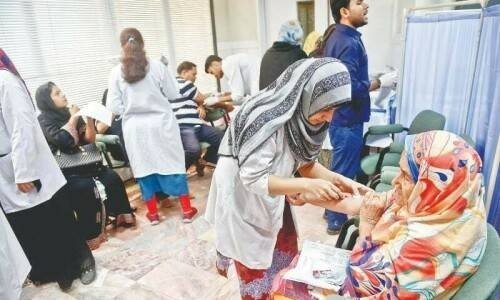
    محققین نے سفارش کی ہے کہ دیہی علاقوں میں ایمرجنسی میڈیکل سروسز کے انفراسٹرکچر کو وسعت دی جائے، ایس ٹی ای ایم آئی کی تربیت بہتر بنائی جائے، علاقائی ایس ٹی ای ایم آئی مراکز تک مساوی رسائی یقینی بنائی جائے اور نوجوانوں و اقلیتی گروہوں میں دل کے دورے کی علامات کی پہچان بہتر بنائی جائے۔ تحقیق میں یہ بھی نوٹ کیا گیا کہ دیہی اور ہسپانوی افراد میں ہاسپس کی سہولت کا استعمال کم رہا جو تسکین بخش نگہداشت تک رسائی کی کمی کی طرف اشارہ کرتا ہے۔

    محققین نے یہ بھی واضح کیا کہ یہ ایک مشاہداتی مطالعہ ہے، اس لیے صرف ڈیتھ سرٹیفکیٹ کے اعداد و شمار سے یہ ثابت نہیں کیا جا سکتا کہ دیہی رہائش ہی موت کی وجہ بنی۔ نتائج ابتدائی ہیں اور ابھی ہم مرتبہ جائزے سے نہیں گزرے، تاہم محققین کا کہنا ہے کہ یہ اعداد و شمار دیہی علاقوں میں دل کے دورے سے بچاؤ اور بروقت علاج کی سہولیات بہتر بنانے کی فوری ضرورت کو اجاگر کرتے ہیں۔

  • Hepatitis B trial clears virus marker in 42% of patients

    Hepatitis B trial clears virus marker in 42% of patients

    An experimental hepatitis B treatment has cleared a key marker of the virus in more than four in ten patients in late-stage trials, according to new data presented by the drugmaker Brii Biosciences.

    The results, presented at the American Association for the Study of Liver Diseases meeting in Denver, known as AASLD The Liver Meeting, come from two Phase 2 studies testing a strategy built around the company’s vaccine candidate BRII-179.

    In the Phase 2b ENRICH study, 41.9 percent of participants, 62 out of 148, achieved loss of hepatitis B surface antigen, known as HBsAg, by the end of treatment. Nearly a third, 32.4 percent or 48 out of 148, were still clear of the marker 24 weeks after treatment ended.

    Hepatitis B surface antigen is the marker doctors use to track whether the virus is still active in the body. Losing it is considered a step towards a functional cure, in which the virus is controlled without the need for lifelong treatment.

    In the ENHANCE study, a triple combination of BRII-179, elebsiran and pegylated interferon alfa achieved HBsAg loss in 25.5 percent of patients, 25 out of 98, at the end of treatment, compared with 10.2 percent, 5 out of 49, for interferon alone. At 24 weeks after treatment, the figures were 17.3 percent against 6.1 percent.

    A shorter 24-week course of interferon after priming with BRII-179 and elebsiran still achieved HBsAg loss in 22.5 percent of patients at the end of treatment, the company said. That matters because interferon treatment is demanding, and a shorter course would be easier for patients to complete.

    The results were also notable in a group that is historically hardest to treat. Among patients with higher baseline HBsAg, above 1,000 international units per millilitre, 32.1 percent in the ENRICH study achieved HBsAg loss by the end of treatment.

    The regimens were generally safe and well tolerated, according to the company, with side effects consistent with the known profile of pegylated interferon alfa and no new safety signals reported.

    The figures come from a company announcement rather than independent reporting, and the data are from Phase 2 trials, which test whether a treatment works in a few hundred patients. Larger Phase 3 trials would be needed before any treatment could be licensed.

    Even with that caution, the results are significant because hepatitis B remains a major global health problem. More than 254 million people are infected worldwide, and about 820,000 die of complications each year, according to the figures cited in the announcement.

    Current treatments can suppress the virus but rarely clear it, which is why a functional cure is one of the most sought-after goals in liver medicine. The Brii Bio data suggest that combining a therapeutic vaccine with other drugs may move closer to that goal than any single drug alone.

    The company said the results support its priming and enrichment strategy, in which BRII-179 is used first to train the immune system, followed by other drugs to drive down the virus. Further studies will be needed to confirm whether the benefit lasts and which patients gain the most.

  • A simple breath test can now reveal your lung antibodies

    A simple breath test can now reveal your lung antibodies

    Scientists have measured antibodies against respiratory viruses in exhaled breath for the first time, opening a non-invasive way to study immunity deep inside the lungs.

    Researchers at Karolinska Institutet in Stockholm, working with Danderyd Hospital, Uppsala University and SciLifeLab, used a method called PExA, short for Particles in Exhaled Air, to collect tiny particles from the lining fluid of the small airways as volunteers breathed into a specially designed instrument.

    The study, published online in the journal eBioMedicine on 2 November, included 28 participants from the COMMUNITY cohort at Danderyd Hospital. Eighteen of them had recently had a respiratory tract infection, and the team analysed paired samples of blood, nasal secretions and exhaled breath from each person.

    In the exhaled breath samples, the researchers detected IgA and IgG antibodies directed against SARS-CoV-2, the influenza virus and respiratory syncytial virus, known as RSV. These are three of the viruses that cause the most common and most serious respiratory infections.

    The results showed that IgG levels in the lower airways largely mirrored the levels found in blood, while IgA showed a different pattern. The researchers said this was consistent with IgA coming more from local mucosal responses in the lungs themselves, rather than simply leaking in from the bloodstream.

    Until now, sampling the small airways has required invasive procedures such as bronchoscopy, in which a tube is passed into the lungs. That has made it difficult to study how immunity works in the lower airways, even though antibodies in the mucosal lining play an important role in protecting against viruses such as influenza, SARS-CoV-2 and RSV.

    The new method could make it easier to study immune responses after infection or vaccination, and to evaluate preventive treatments. It could also help researchers understand why immunity differs between the upper and lower airways, which matters for preventing severe disease such as pneumonia.

    Charlotte Thalin, adjunct professor at the Department of Clinical Sciences at Danderyd Hospital, Karolinska Institutet, and a co-last author of the study, said the method opens up new possibilities for understanding how immunity differs between the upper and lower airways, particularly for preventing severe disease.

    The researchers stressed that this was an initial methodological study with a limited number of participants, and that further validation in larger studies is still needed before the method can be used widely.

    Even so, the work is a notable step for respiratory medicine. A breath test that can read the immune state of the small airways would be far easier to repeat, and far more comfortable for patients, than any procedure that enters the lungs directly.

    If larger studies confirm the findings, the technique could be used to check how well vaccines protect the lower airways, to follow immunity over time, and to study why some people develop severe lung disease after a respiratory infection while others do not.

    The study was reported by Hospimedica and MedicalXpress, and the full paper is published in eBioMedicine. The researchers said their next step is to test the method in bigger groups, including people with different respiratory conditions.