Category: Health

Health news — medical updates, wellness and public health. صحت کی خبریں۔

  • Infant dies of measles in Wisconsin, first in 36 years

    Infant dies of measles in Wisconsin, first in 36 years

    An infant in southwestern Wisconsin has died of measles, the first measles death in the state in 36 years, the Wisconsin Department of Health Services announced on Thursday.

    The coroner listed measles as the immediate cause of death, according to the department. Officials said they would not release any further details about the child, including age or vaccination status, to protect the family’s privacy.

    “My heart is broken for the family,” said Kirsten Johnson, secretary of the Wisconsin Department of Health Services. “Any death of a child is a tragedy and even more so when it is related to a vaccine-preventable disease.”

    The death is the third measles-related death reported in the United States this week. An infant died in New York on Monday, and a resident of Pennsylvania died on Wednesday, according to state health departments.

    Wisconsin is in the middle of its largest measles outbreak in more than three decades. As of November 3, the state had recorded 431 cases across 13 counties this year, the highest count in over 35 years. Nine people have been hospitalised, and all but three of the cases were in people who had not been vaccinated.

    Transmission has mainly occurred in Amish and Mennonite communities in the southwest of the state, with the largest case counts reported in Grant, Lafayette and Iowa counties. Cases were first reported to the public in early August, although health officials say people began showing symptoms in early July.

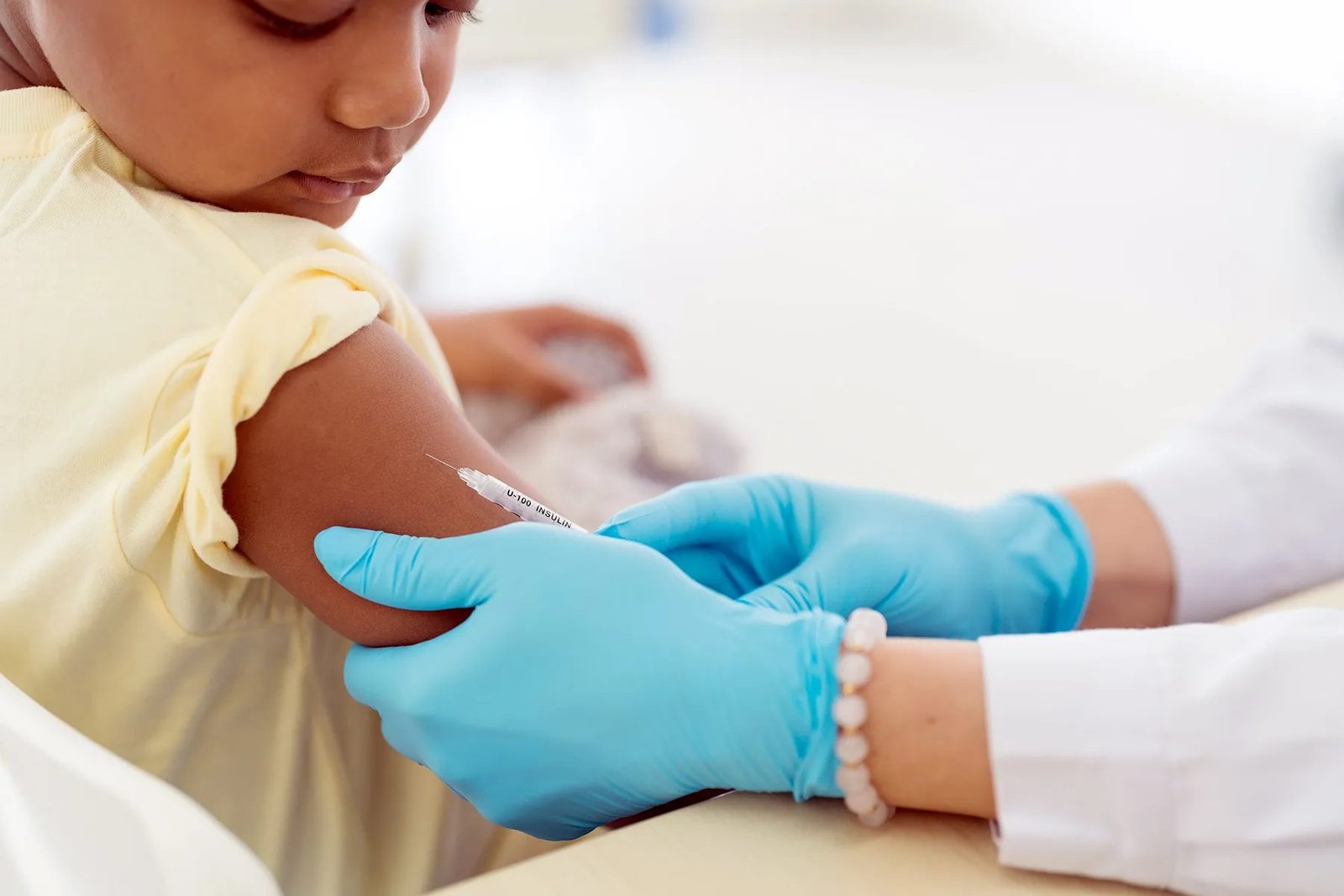
    Two doses of the measles vaccine are 97 percent effective at preventing infection, health officials say. On November 3, the department recommended that babies aged six months and older who are likely to be exposed to measles receive an early “zero dose” of the measles, mumps and rubella vaccine, before their first regular dose between 12 and 15 months of age.

    Between 500 and 600 of those early doses have been given to Wisconsin infants since August, according to the department’s immunisation programme manager, Stephanie Schauer. More than 42,000 doses of the measles vaccine have been administered across the state since August, and the department has delivered more than 2,000 doses to local health departments responding to the outbreak.

    Nationally, the US Centers for Disease Control and Prevention has confirmed 4,852 measles cases this year, the most since 1991. The CDC’s official death toll stands at four, although state health departments have reported a higher number of deaths.

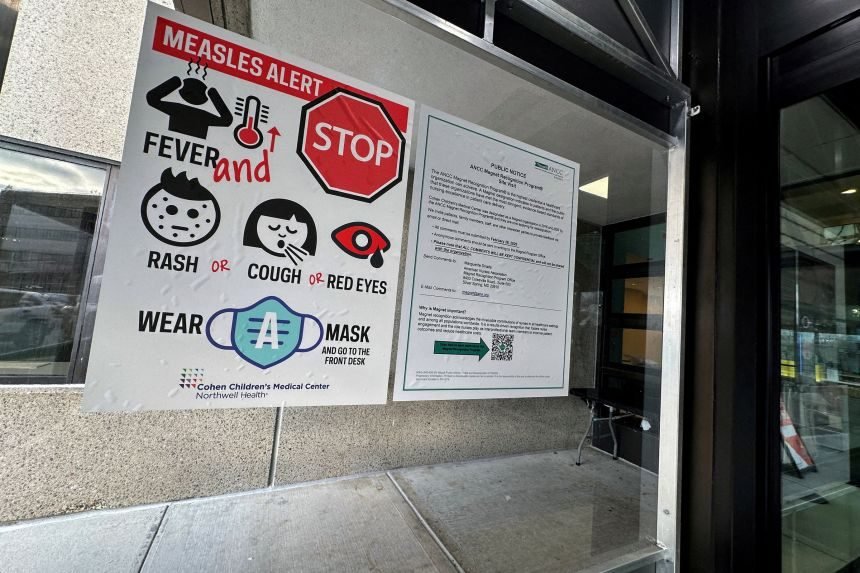
    Health officials in Wisconsin are urging families to make sure children and adults are up to date with their measles vaccination and to recognise the symptoms early. Measles symptoms usually begin a week or two after infection with a high fever, cough, runny nose and red, watery eyes, followed a few days later by a rash that starts on the face and spreads across the body.

    “If we do things right, we can have a world where no one dies of measles,” said Dr Ryan Westergaard, the state’s chief medical officer and epidemiologist. “That’s what we’re aiming at.”

  • Ninth polio case of 2026 confirmed in Khyber

    Ninth polio case of 2026 confirmed in Khyber

    Pakistan has confirmed its ninth polio case of 2026 after a seven-month-old child in Khyber district tested positive for the virus, health officials said on Thursday.

    According to the National Emergency Operations Centre for Polio Eradication, the infected child belongs to Union Council Mastak in Bara tehsil of Khyber district. It is the third polio case reported from the district this year and the seventh from Khyber Pakhtunkhwa, while Sindh has recorded two cases.

    The new case comes only days after the eighth case of the year was confirmed on 2 November, when a 13-month-old girl from Bara tehsil also tested positive. That case was the second from Khyber district and the sixth from the province at the time, underlining how the virus continues to circulate in the same area.

    Official figures show that Pakistan reported 74 polio cases in 2024 and 31 in 2025. The number has fallen to nine so far this year, including seven from Khyber Pakhtunkhwa and two from Sindh, but health officials say the continued detection of cases shows the virus has not yet been stopped.

    Pakistan and neighbouring Afghanistan are the only two countries in the world where wild poliovirus remains endemic, according to the World Health Organization. The virus mainly affects children under five and can cause lifelong paralysis, but it is preventable through repeated vaccination.

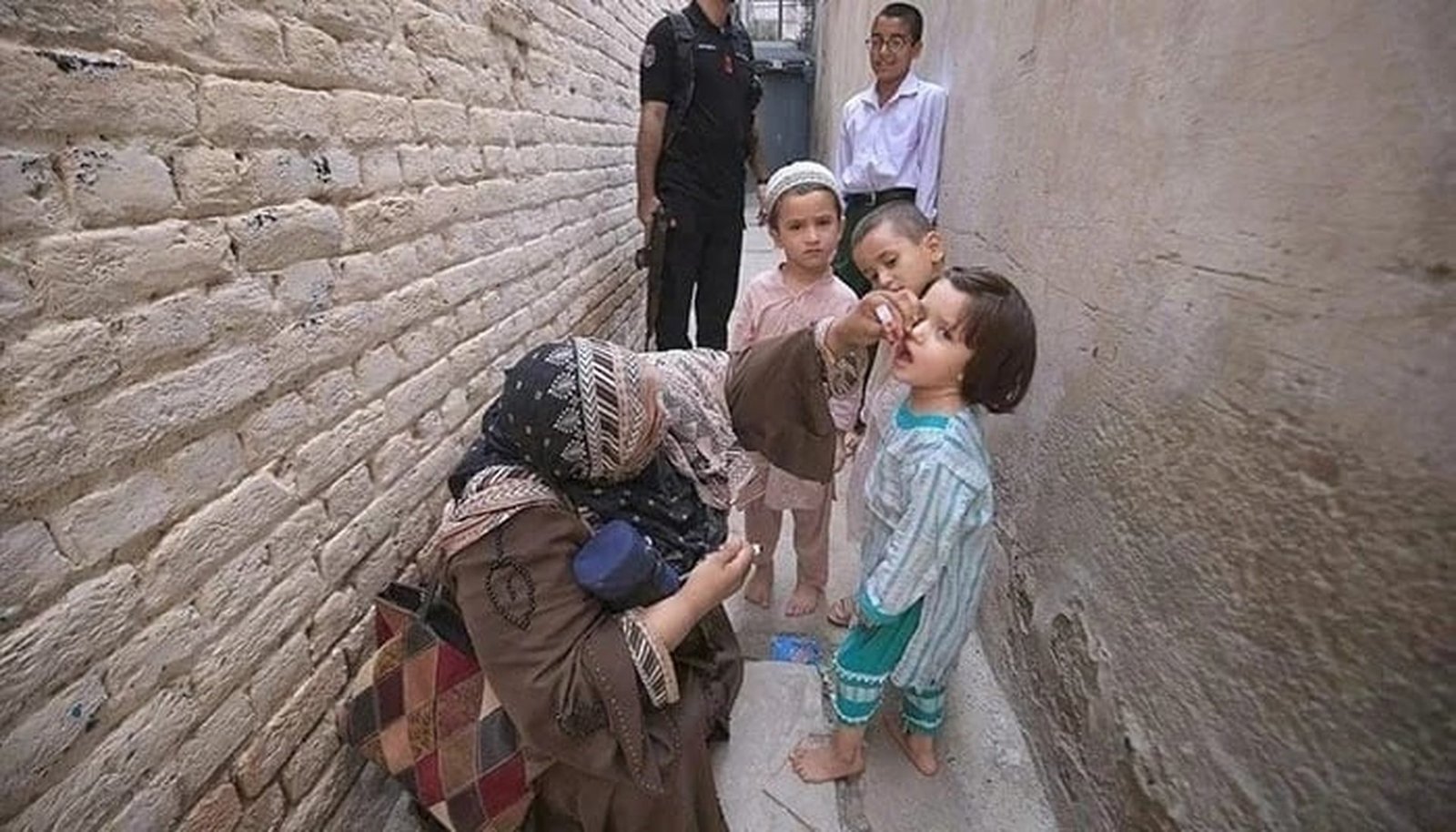
    The latest case was confirmed during a seven-day sub-national polio vaccination campaign running from 2 to 8 November, which aims to reach about 24 million children under the age of five across 97 districts. Health teams are going door to door in high-risk areas, and parents have been urged to make sure every child under five receives the drops.

    Officials say the campaign is designed to close immunity gaps in the districts where the virus is still circulating. Environmental testing in the Peshawar block, which covers Khyber and Peshawar districts, has continued to detect the virus, indicating an ongoing risk to children in the area.

    Health authorities have appealed to parents, community representatives and local leaders to support the vaccination teams and to bring forward any child who has missed the drops. They say no child can be considered safe until all children are vaccinated consistently in every round.

    The campaign continues until 8 November, and officials say the results of the latest case investigation will guide targeted vaccination activity in the affected area.

  • 240 million teens get no active day in a week, WHO warns

    240 million teens get no active day in a week, WHO warns

    Around one in four teenagers worldwide reports no day with even an hour of physical activity in a week, the World Health Organization has warned, in findings that point to a generation growing up far less active than doctors recommend. The new global estimates, published in The Lancet Global Health, suggest that about 240 million young people aged 11 to 17 do not reach the recommended level of daily activity on any day of the week.

    The research brings together 389 population-based surveys from 140 countries and territories, covering more than 3.2 million adolescents. An active day is defined as at least 60 minutes of moderate-to-vigorous activity, such as brisk walking, cycling, active play or organised sport. In 2025, teenagers reported being active for an average of just 2.7 days per week, and only 14 percent said they reached the hour mark on all seven days.

    The most striking finding is how little has changed. Physical activity levels among adolescents have remained virtually unchanged over the past 15 years, since 2010, and no country is on course to meet the global target of a 15 percent relative reduction in physical inactivity by 2030. The WHO says the world has made little progress in getting young people moving, despite years of campaigns and school programmes.

    A significant gender gap runs through the data. About 28 percent of girls reported having no physically active days in the previous week, compared with 22 percent of boys, and only 11 percent of girls were active every day, against 17 percent of boys. WHO Director-General Tedros Adhanom Ghebreyesus said girls continued to face greater disadvantages than boys, and that addressing the problem required more than simply telling teenagers to exercise.

    The study also found wide differences between countries. Around 40 percent of adolescents in Namibia, Nepal and the Philippines reported no active days during the week, while more than 30 percent of young people in Bangladesh and Serbia reported daily activity. The WHO pointed to factors including transport, access to safe recreational spaces, opportunities for walking and cycling, school environments, social attitudes and the growing pull of digital devices and screen-based entertainment.

    The health stakes are serious. The WHO warned that a sedentary lifestyle is a major risk factor for heart disease, type 2 diabetes and certain cancers, and that habits formed in adolescence shape health for life. Its message to governments is to make activity safer, more accessible and easier to build into everyday routines: safer schools, streets and communities where walking, cycling and playing are part of daily life, not an extra chore. Without that shift, the report warns, another generation will reach adulthood already carrying the risks of inactivity.

  • Unvaccinated New York child dies after measles infection

    Unvaccinated New York child dies after measles infection

    A child in New York has died after contracting measles, New York Governor Kathy Hochul announced on Monday. The state health department is investigating the death, and the governor said she could not provide further details yet about the case.

    According to the New York State Health Department, the child was unvaccinated and had travelled internationally. The child was not a resident of New York City. Beyond those details, officials have not released further information while the investigation continues, and the governor said more would be shared when it becomes available.

    The death comes against a backdrop of sharply rising measles cases across the United States. More than 4,800 measles cases have been reported in the country this year, according to the Centers for Disease Control and Prevention. The figures underline how widely the highly contagious virus has spread in 2026, after years in which measles had been far less common in the US.

    The CDC figures also show who is most affected. The agency said 96 percent of measles cases in the US this year have been in people who were unvaccinated or whose vaccination status was unknown. It also said 17 percent of people who contracted measles have been hospitalised, a reminder that the illness can lead to serious complications and not only a rash and fever.

    Measles spreads easily through the air when an infected person coughs or sneezes, and it can linger in the air for some time afterwards. Health authorities have long recommended vaccination as the main protection against the disease, and the current pattern of cases, concentrated among the unvaccinated, is consistent with that advice.

    The New York case is now the subject of a state investigation, which will seek to establish the full circumstances of the child’s illness and travel. Until that work is complete, officials have been careful not to speculate beyond what has been confirmed. For families, the message from health authorities remains unchanged: check vaccination status, seek medical advice if measles is suspected, and avoid contact with others while infectious.

  • First US bird flu death of 2026 reported in Washington

    First US bird flu death of 2026 reported in Washington

    A resident of Yakima County in Washington state has died after catching bird flu from infected dairy cattle, health officials have said, in the first death from the virus in the United States in 2026.

    The person, who had underlying health conditions and has not been publicly identified, was hospitalised with severe illness after contact with infected cattle. The Yakima Health District first reported the case as a severe hospitalisation on 31 October, and on 1 November it confirmed that the person had died.

    It is the third death from bird flu in the United States since February 2024, when the virus first jumped into dairy cattle, and the first in 2026. Health officials have also confirmed a third human infection in Yakima County linked to exposure at a dairy, and they are closely monitoring the contacts of the person who died to make sure the infection has not spread further.

    The US Centers for Disease Control and Prevention has recorded more than seventy human bird flu cases in the country since 2024. Officials stress that every case so far has been a dead-end infection, in which the virus jumps from an animal to a person but does not spread onwards, and that no human-to-human transmission has ever been documented in the United States. The agency analysed the genetic sequence of the virus from the person who died and found no changes that would make it spread more easily or cause more severe illness.

    Washington state has confirmed bird flu in more than thirty dairy herds, most of them in Yakima County, after the virus was first detected in the state’s dairy cattle in October. Farm workers are considered at higher risk, and officials are advising them to wear respiratory and eye protection and gloves when handling poultry or sick animals.

    Health officials are also cautioning against drinking unpasteurised milk and eating dairy products from cows or goats, which can carry a risk of bird flu. Yakima health officer Dr Dave Atteberry said avian influenza can cause severe illness, particularly in people with underlying health conditions, but added that the risk to the general public remains low.

    Washington Governor Bob Ferguson said he was being briefed on the situation and that his team was in close coordination with public health and agriculture officials. Workers at affected farms have been advised to take safety precautions while monitoring continues.

  • دھوپ کے باوجود وٹامن ڈی کی کمی: 73 فیصد افراد متاثر

    دھوپ کے باوجود وٹامن ڈی کی کمی: 73 فیصد افراد متاثر

    پاکستان میں سورج کی فراوانی کے باوجود وٹامن ڈی کی کمی ایک سنگین اور خاموش صحت کا مسئلہ بن چکی ہے۔ لاہور میں منعقدہ ایک طبی سیمینار میں ماہرین نے کہا کہ ملک میں ہر عمر کے افراد اس کمی کا شکار ہیں، اور اس بارے میں عوامی آگاہی کی اشد ضرورت ہے۔

    یہ خدشات ڈی کنیکٹ سمٹ 2026 میں سامنے آئے، جو ورلڈ وٹامن ڈی ڈے کی مناسبت سے لاہور کے مال روڈ پر واقع ہوٹل میں منعقد ہوا۔ اس سیمینار کا اہتمام ایک دوا ساز ادارے نے کیا تھا، جس میں مختلف شعبوں کے طبی ماہرین نے شرکت کی اور وٹامن ڈی کی اہمیت پر روشنی ڈالی۔

    میو اسپتال لاہور کے شعبہ آرتھوپیڈکس کے سربراہ پروفیسر ڈاکٹر فیصل مسعود نے اپنے خطاب میں کہا کہ وٹامن ڈی انسان کی زندگی کے ہر مرحلے میں ہڈیوں کی صحت کا ساتھی ہے، بچپن سے لے کر بڑھاپے تک۔ ان کے مطابق ہڈیاں صرف جسم کو سہارا نہیں دیتیں، بلکہ حرکت میں مدد کرتی ہیں، اہم اعضا کی حفاظت کرتی ہیں اور جسم میں کیلشیم کا توازن برقرار رکھتی ہیں۔

    ڈاکٹر فیصل نے کہا کہ پاکستان کو وٹامن ڈی کی کمی کے سنگین مسئلے کا سامنا ہے، حالانکہ ملک میں سورج کی روشنی وافر مقدار میں موجود ہے۔ سیمینار میں پیش کیے گئے اندازوں کے مطابق تقریباً 73 فیصد افراد وٹامن ڈی کی کمی یا اس کی ناکافی سطح کا شکار ہیں۔ یہ اعداد و شمار اس بات کی طرف اشارہ کرتے ہیں کہ مسئلہ کتنا وسیع ہے، اور اسے نظر انداز کرنا مہنگا پڑ سکتا ہے۔

    ماہرین نے اس کمی کی کئی وجوہات بیان کیں۔ لوگ جلد کی رنگت خراب ہونے کے خدشے اور شدید موسم کی وجہ سے براہ راست دھوپ سے گریز کرتے ہیں۔ لباس کی عادات، سماجی رسوم اور گھروں کے اندر گزرنے والی طرز زندگی بھی دھوپ کے حصول میں رکاوٹ بنتی ہے۔ اس کے ساتھ ساتھ کھانے کی عادات میں تبدیلی نے بھی مسئلہ بڑھایا ہے، کیونکہ اب لوگ غذا کے انتخاب میں ذائقے کو غذائیت پر ترجیح دیتے ہیں۔

    وٹامن ڈی کی کمی کے نتائج خاص طور پر عمر رسیدہ افراد کے لیے خطرناک ہو سکتے ہیں۔ ماہرین کے مطابق ہڈیوں کا بھربھرا پن، یعنی آسٹیوپوروسس، اکثر اس وقت تک پوشیدہ رہتا ہے جب تک کوئی ہڈی ٹوٹ نہ جائے۔ اس لیے کمزور ہڈیوں کی بروقت شناخت اور روک تھام انتہائی ضروری ہے، ورنہ ایک معمولی گرنا بھی بڑی معذوری کا سبب بن سکتا ہے۔

    سیمینار میں شریک ماہرین نے کہا کہ اس بحران سے نمٹنے کے لیے صرف دوا پر انحصار کافی نہیں۔ عوام کو دھوپ کی اہمیت، متوازن غذا اور باقاعدہ طبی معائنے کے بارے میں بتانا ہوگا۔ جن افراد میں ہڈیوں یا پٹھوں میں مسلسل درد، تھکاوٹ یا کمزوری کی علامات ہوں، انہیں ڈاکٹر سے مشورہ کرنا چاہیے تاکہ بروقت تشخیص ہو سکے۔

    ماہرین کا پیغام واضح تھا: سورج کی روشنی ایک نعمت ہے، لیکن اس سے فائدہ اٹھانے کے لیے شعور اور درست طرز زندگی ضروری ہے۔ وٹامن ڈی کی کمی کو سنجیدگی سے لینا ہی ہڈیوں کی صحت اور بہتر معیار زندگی کی ضمانت بن سکتا ہے۔

  • کانگو میں ایبولا سے اموات 5 ہزار سے تجاوز کر گئیں

    کانگو میں ایبولا سے اموات 5 ہزار سے تجاوز کر گئیں

    جمہوری جمہوریہ کانگو میں ایبولا کی وبا سے ہلاکتوں کی تعداد پانچ ہزار سے تجاوز کر گئی ہے، جس سے یہ وبا ملک کی تاریخ کی سب سے مہلک وبا بن گئی ہے۔ صحت کی وزارت کے تازہ ترین اعداد و شمار کے مطابق اب تک 10,351 مصدقہ کیسز سامنے آ چکے ہیں جبکہ 5,026 افراد جان کی بازی ہار چکے ہیں۔

    اس وبا کی شرح اموات 48.6 فیصد ہے، یعنی متاثرہ افراد میں سے تقریباً ہر دوسرا شخص جان سے ہاتھ دھو بیٹھا ہے۔ صحت حکام کے مطابق 2,788 مریض صحت یاب بھی ہوئے ہیں، لیکن وبا پر قابو پانا ابھی تک ممکن نہیں ہو سکا ہے۔

    یہ وبا مئی میں شروع ہوئی تھی اور اگست میں یہ کانگو کی تاریخ کی سب سے مہلک وبا بن گئی۔ یہ ملک میں ایبولا کی سترہویں وبا ہے اور دنیا بھر میں اب تک کی دوسری بڑی وبا ہے۔ اس سے بڑی صرف مغربی افریقہ کی 2014 سے 2016 کی وبا تھی۔

    وبا کا مرکز اور پھیلاؤ

    وبا کا مرکز ملک کے شمال مشرق میں واقع صوبہ ایٹوری ہے، جو ایک تنازعات سے متاثرہ علاقہ ہے۔ اس وجہ سے صحت کی ٹیموں کے لیے متاثرہ علاقوں تک پہنچنا اور وبا پر قابو پانا مشکل ہو رہا ہے۔ ملک کے 26 صوبوں میں سے آٹھ صوبے اب اس وبا سے متاثر ہیں۔

    عالمی ادارہ صحت نے کہا ہے کہ وبا کے خاتمے کے لیے اقدامات بڑھانا، متاثرہ علاقوں تک رسائی بہتر بنانا اور عوام میں آگاہی پھیلانا ضروری ہے۔

    اس وبا کی ایک بڑی مشکل یہ ہے کہ اس کا سبب بننے والا وائرس بونڈی بگیو نامی قسم ہے، جس کے لیے ابھی تک کوئی منظور شدہ ویکسین یا علاج موجود نہیں ہے۔ صحت کارکنان مریضوں کا علاج ان کی علامات کی بنیاد پر کر رہے ہیں۔

    پڑوسی ممالک میں کیسز

    وبا کانگو کی سرحدوں سے باہر بھی پھیل چکی ہے۔ کینیا میں نو مصدقہ کیسز اور دو اموات رپورٹ ہو چکی ہیں۔ یوگنڈا میں وبا کے آغاز کے فوراً بعد بیس کیسز اور دو اموات سامنے آئیں، لیکن اگست کے بعد سے وہاں کوئی نیا کیس رپورٹ نہیں ہوا۔ نائیجیریا میں ہفتے کے روز دو مشتبہ کیسز کی نشاندہی ہوئی ہے، جن کے ٹیسٹ کے نتائج کا انتظار ہے۔

    ایبولا ایک نایاب لیکن مہلک بیماری ہے جو وائرس سے پھیلتی ہے۔ اس کی علامات اچانک ظاہر ہوتی ہیں، جن میں تیز بخار، سر درد، شدید تھکاوٹ، پٹھوں اور جوڑوں میں درد، گلے میں خراش، بھوک نہ لگنا اور کپکپی شامل ہیں۔ بیماری بڑھنے پر قے اور اسہال ہو سکتے ہیں۔ یہ وائرس متاثرہ جسمانی رطوبتوں کے رابطے سے منتقل ہوتا ہے۔

    وبا سے نمٹنے کی کوششوں کو تشدد نے بھی متاثر کیا ہے۔ رواں ہفتے ایک نرس کو ایبولا کے ایک الرٹ پر جواب دیتے ہوئے قتل کر دیا گیا، جبکہ گزشتہ ماہ ایک سیاستدان کو بچاؤ کے اقدامات کی تشہیر کرنے پر مارا پیٹا گیا تھا جس سے اس کی موت ہو گئی۔ ماہرین کا کہنا ہے کہ یہ وبا پہلے کی وباؤں کے مقابلے میں زیادہ تیزی سے جانیں لے رہی ہے، اور جب تک متاثرہ علاقوں تک مکمل رسائی اور عوام کا اعتماد بحال نہیں ہوتا، اس کے خاتمے کا راستہ مشکل نظر آتا ہے۔

  • Polio drive to vaccinate 24 million children

    Polio drive to vaccinate 24 million children

    Pakistan has launched a fresh sub-national polio vaccination campaign aimed at protecting around 24 million children in 97 high-risk districts across the country. The drive was formally launched on Friday at the National Emergency Operations Centre for Polio Eradication in Islamabad, where Federal Minister for National Health Services Syed Mustafa Kamal administered the first drops of the campaign.

    The campaign will run from November 2 to 8, during which more than 200,000 frontline polio workers will go door to door to vaccinate children under the age of five. It is the fifth large-scale polio campaign of 2026 and the third sub-national drive of the year, reflecting the intensity of the country’s continuing eradication effort.

    According to the campaign plan, Punjab will cover 13 districts with a target of 9.278 million children, while Sindh will vaccinate 6.883 million children in 20 districts. Khyber Pakhtunkhwa will cover 27 districts, targeting 4.808 million children, and Balochistan will cover 31 districts with a target of 2.217 million children.

    In addition, more than 447,000 children will be vaccinated in Islamabad, while the campaign will cover three districts in Gilgit-Baltistan, targeting 153,000 children, and two districts in Azad Jammu and Kashmir, targeting 183,000 children. The overall national target is around 23.9 million children.

    The campaign will run simultaneously in Pakistan and Afghanistan with cross-border coordination, an important step given the movement of people between the two countries. Health officials say repeated vaccination rounds remain essential because every missed child can keep the virus in circulation.

    Addressing the launch ceremony, the health minister expressed confidence that Pakistan could become polio-free by June next year, reaffirming the government’s commitment to eradicating the disease. He urged parents to cooperate with vaccination teams and to ensure that children receive the drops during every round, even if they have been vaccinated before.

    Polio is a highly infectious viral disease that mainly affects children under the age of five and can cause lifelong paralysis. There is no cure, but vaccination can prevent infection, which is why health authorities stress the importance of reaching every child in the targeted districts.

    Pakistan has made major progress since the launch of its national eradication programme in 1994. Programme figures show that cases have fallen from an estimated 20,000 that year to 31 in 2025 and seven so far in 2026, a reduction of 99.8 per cent. Officials credit sustained vaccination rounds, improved surveillance and the work of frontline teams for the decline.

    Despite the progress, health officials caution that the final stage of eradication is often the hardest. High-risk districts have been selected for this round precisely because they are the areas where the virus is most likely to persist, and where access, awareness and follow-up need the most attention.

    Parents are being asked to welcome vaccination teams, to keep children available at home during the campaign days, and to report any child who may have been missed. Health authorities say the cooperation of families and communities will decide whether this round brings the country closer to its goal of a polio-free Pakistan.

  • پولیو مہم کی تیاریوں کا نیوک میں جائزہ

    پولیو مہم کی تیاریوں کا نیوک میں جائزہ

    وفاقی سیکرٹری برائے قومی صحت خدمات مومن آغا نے جمعرات کو پولیو کے خاتمے کے قومی ایمرجنسی آپریشنز سینٹر کا دورہ کیا اور جاری کوششوں کا جائزہ لیا۔ اس دورے کا مقصد آئندہ پولیو ویکسینیشن مہم کی تیاریوں کا جائزہ لینا اور ملک بھر میں ویکسینیشن کی کوریج کو مزید مضبوط بنانے کے اقدامات پر غور کرنا تھا۔

    دورے کے دوران مومن آغا کو نیوک کی ٹیم نے تفصیلی بریفنگ دی، جس میں ملک میں پولیو کی موجودہ صورتحال، خاتمے کی سرگرمیوں میں پیش رفت، عملی منصوبہ بندی اور ویکسینیشن کی کوریج بہتر بنانے کے اقدامات شامل تھے۔ بریفنگ میں آئندہ مہم کی تیاریوں پر بھی بات ہوئی، جن میں وفاقی اور صوبائی صحت حکام کے درمیان رابطہ، فرنٹ لائن ویکسینیشن ٹیموں کی تیاری اور اس بات کو یقینی بنانے کی حکمت عملی شامل ہے کہ ہر اہل بچے کو پولیو کے قطرے پلائے جائیں۔

    نگرانی، احتساب اور عوامی اعتماد

    مومن آغا نے پولیو کے خاتمے کے لیے حکومت کے عزم کا اعادہ کیا اور کہا کہ قومی ہدف کے حصول کے لیے مربوط کوششیں، مؤثر نگرانی اور ہر سطح پر احتساب ضروری ہے۔ انہوں نے عملی چیلنجز سے نمٹنے، کمیونٹیز کو ساتھ ملانے اور عوامی اعتماد پیدا کرنے کی اہمیت پر زور دیا، تاکہ ویکسینیشن مہمات کامیاب ہوں، خاص طور پر ان علاقوں میں جہاں بچوں کو پولیو وائرس کا خطرہ بدستور موجود ہے۔

    انہوں نے متعلقہ فریقوں کے درمیان تعاون مضبوط بنانے اور جامع منصوبہ بندی، مؤثر عملدرآمد اور مسلسل نگرانی کے ذریعے پولیو سے پاک پاکستان کے لیے کوششیں جاری رکھنے کے عزم کا بھی اعادہ کیا۔ حکام کے مطابق معمول کی حفاظتی ویکسینیشن کو مضبوط بنانا بھی اتنا ہی ضروری ہے، کیونکہ بچوں کو پولیو اور دیگر قابل انسداد بیماریوں سے بچانے کے لیے مسلسل ویکسینیشن کوریج اور صحت کی خدمات کی بہتری ناگزیر ہے۔

    پولیو کے خاتمے کا پروگرام پاکستان میں برسوں سے جاری ہے اور اس میں ہزاروں فرنٹ لائن کارکن گھر گھر جا کر بچوں کو قطرے پلاتے ہیں۔ نیوک کے مطابق آئندہ مہم 2 سے 8 نومبر 2026 تک 97 اضلاع میں چلائی جائے گی، جس میں تقریباً دو کروڑ چالیس لاکھ بچوں کو ویکسین پلانے کا ہدف ہے۔ یہ مہم ان علاقوں پر مرکوز ہے جہاں وائرس کی گردش کا خطرہ زیادہ ہے، اور اس کا مقصد کسی بھی بچے کو ویکسین سے محروم نہ رہنے دینا ہے۔ صحت حکام کا کہنا ہے کہ والدین کا تعاون، درست معلومات اور مقامی سطح پر نگرانی مہم کی کامیابی میں فیصلہ کن کردار ادا کرتے ہیں، اور ہر دور میں قطرے پلانا ضروری ہے چاہے بچے کو پہلے بھی قطرے پلائے جا چکے ہوں۔

  • Flu cases double at Karachi hospitals in a week

    Flu cases double at Karachi hospitals in a week

    Karachi’s major public hospitals are reporting a sharp rise in flu cases as the city moves towards winter, with doctors warning that the seasonal shift, falling night-time temperatures and relaxed precautions are combining to spread illness more widely.

    At Jinnah Postgraduate Medical Centre (JPMC), the number of patients arriving with flu-like symptoms has roughly doubled in the past week, rising from 30 to 40 a day to 70 to 80 a day. Dr Irfan Siddiqui, who heads the hospital’s emergency department, said patients with flu-like symptoms had been coming in for over a month, but the increase over the past eight to 10 days had been marked.

    According to Dr Siddiqui, most people first visit a neighbourhood clinic when they fall ill and only reach a hospital emergency department when the illness becomes serious. He cautioned that the large number of cases at a major tertiary hospital suggests a far greater number of people are affected across the city, with hospital figures representing only the tip of the iceberg.

    The spike, he said, is seasonal, and people with weak immune systems, the elderly and children are more vulnerable than others. He also pointed to the public’s reluctance to adjust eating habits to the changing weather as a factor that could leave people more open to illness.

    Most flu patients currently reporting to JPMC are aged between 18 and 32 and belong to the labour class, Dr Siddiqui said. A significant number of them are heavy smokers and drug users, he added, noting that patients are generally presenting with severe illness and taking longer than usual to recover.

    Doctors are urging the public to take simple precautions. Dr Siddiqui advised frequent hand washing, staying at home when ill, avoiding close contact with sick people, staying hydrated and getting adequate sleep. He also advised against consuming cold drinks and water during this period.

    He described getting a flu shot every year in early autumn as the most effective step to reduce the risk of seasonal flu and its complications, but noted that the vaccine is costly and available only in private healthcare settings.

    A similar pattern is being seen at Dr Ruth Pfau Civil Hospital Karachi (CHK), where cases have doubled in just over a week. Dr Imran Sarwar, additional medical superintendent and head of the emergency department, said daily cases had jumped from eight to 10 to between 30 and 40.

    While patients of all age groups are reporting to CHK, younger people aged 20 to 30 are dominant, Dr Sarwar said. He added that the illness appears more contagious this time, with three to five patients from the same family often falling ill together. Treatment, he said, is symptomatic, with only a few complicated cases requiring admission.

    Health experts say the experience of both hospitals underlines the need for early precautions as winter approaches, particularly for vulnerable groups and households where one case can quickly spread to others.