Category: Health

Health news — medical updates, wellness and public health. صحت کی خبریں۔

  • WHO Begins First Ebola Vaccine Trial in DR Congo

    WHO Begins First Ebola Vaccine Trial in DR Congo

    The World Health Organization has announced the start of the first clinical trial of an Ebola vaccine in the Democratic Republic of Congo, where the country’s worst-ever outbreak of the disease continues to spread. The trial, named Tumaini — meaning “hope” in Swahili — began on Friday in Bunia, the capital of the north-eastern Ituri province and the epicentre of the outbreak.

    WHO Director-General Tedros Adhanom Ghebreyesus announced the development in a social media post, saying the first participants had been vaccinated. “Science gives us hope,” he wrote. “This trial will help us understand whether any of the vaccine candidates designed for Bundibugyo virus work.” He added that the WHO is supporting what he described as a DRC-led effort to find answers and save lives.

    The trial matters because there is currently no approved vaccine against the Bundibugyo species of Ebola behind this outbreak. The first vaccine to enter the trial is Ervebo, which is licensed to prevent disease caused by the more common Zaire strain of Ebola. Researchers will now test, at full scale, whether it offers any cross-protection against Bundibugyo.

    The Tumaini trial is designed as a single framework that can test the safety, efficacy and immunogenicity of several vaccines. It will use a ring vaccination approach, immunising contacts considered at higher risk of infection. The trial will include pregnant women and children aged 12 years and older, groups that are often excluded from clinical trials.

    Two vaccines designed specifically against Bundibugyo are expected to join the trial shortly. One is a ChAdOx1 adenoviral vector vaccine being developed at the University of Oxford, and the other uses messenger RNA technology and is being developed by the US biotechnology company Moderna. Both have received funding from the Coalition for Epidemic Preparedness Innovations.

    The DRC declared its latest Ebola outbreak in May, and it has since become the deadliest in the country’s history, with more than 9,700 cases reported and over 4,600 deaths. The WHO has declared the outbreak a public health emergency of international concern, its second-highest alert level. Cases linked to the outbreak have also been reported in other African countries, giving it the widest geographic spread of any Ebola outbreak on the continent to date.

    Health officials say the trial alone will not end the outbreak. Controlling Ebola also depends on finding cases early, tracing contacts, isolating patients and ensuring that communities trust the response. The WHO’s emergencies director, Chikwe Ihekweazu, said the trial was set up to generate the rigorous evidence needed to determine whether the participating vaccines can protect people at risk.

    For families in Ituri and beyond, the start of the trial offers a measure of hope after months of loss. Whether Ervebo or the newer candidates prove effective against Bundibugyo will only become clear as evidence accumulates, but researchers say answering that question is essential — not only for this outbreak, but for the next time the virus emerges.
  • Pakistan vows polio eradication as 2026 tally reaches seven

    Pakistan vows polio eradication as 2026 tally reaches seven

    Pakistan marked World Polio Day on Saturday with a renewed pledge to wipe out the disease completely, as health officials reported that the country has recorded seven wild poliovirus cases so far in 2026.

    The Prime Minister’s Focal Person for Polio Eradication, Ayesha Raza Farooq, said the national campaign had made significant headway, pointing to a 99.8 per cent reduction in polio cases over the past three decades and a fall in the positivity rate of environmental samples to below 10 per cent.

    “We must sustain the progress achieved so far,” she said, thanking partners and frontline workers for their role in the effort. “We will soon completely eradicate the disease from Pakistan,” she added, according to Dawn.

    The Pakistan Medical Association (PMA) said the country stood at a decisive point in its public health history. Its Secretary General, Dr Abdul Ghafoor Shoro, said the seven cases recorded as of October 2026 comprised five in Khyber Pakhtunkhwa and two in Sindh, reflecting continued localised transmission of the virus.

    The PMA also condemned violent attacks on vaccination teams and their security escorts. It referred to an attack in Balochistan in September in which two police constables protecting a polio team lost their lives, and called on all provincial governments to place health workers, door-to-door teams and immunisation centres under high-security protection frameworks.

    Rotary International reaffirmed its long-standing support for Pakistan’s eradication drive. Its president, Olayinka Hakeem Babalola, said the organisation had contributed more than $3 billion to the global effort, including $1.3 million from Rotary members in Pakistan, and had helped protect more than 45 million children in the country from the paralysing disease.

    Aziz Memon, chair of Rotary’s Pakistan National PolioPlus Committee, said Pakistan was showing strong progress with only a handful of cases this year, and that addressing other community needs alongside vaccination was helping to maintain public trust.

    Tributes to frontline workers were a central theme of the day’s events. In Rawalpindi, Test cricketer Sajid Khan joined Punjab Emergency Operations Centre Coordinator Khalid Parvaiz and the centre’s team at a local college for an event held under the theme “Shukriya Frontline Workers”, honouring the vaccinators who go door to door to protect children from lifelong disability.

    Sajid Khan praised the commitment of polio workers and urged parents to make sure children under five receive polio drops during every campaign. He also called on young people to play an active role in raising awareness about vaccination and countering misinformation.

    Khalid Parvaiz said the dedication of frontline workers, together with the support of parents, communities and government institutions, remained essential to reaching every child and stopping the virus from spreading. He noted that Punjab had reported no polio cases in 2026 to date, but stressed that vigilance must continue because population movement means the virus could still reach any community.

    Pakistan remains one of only two countries in the world where wild poliovirus is still endemic, alongside Afghanistan, making the final phase of eradication both the most difficult and the most important. Health officials say sustaining vaccination coverage, protecting frontline teams and countering misinformation will decide whether the country can finally consign polio to history.

  • Mpox in Sindh: 7 Hospitalised as Tally Hits 98

    Mpox in Sindh: 7 Hospitalised as Tally Hits 98

    Seven more mpox patients, including an infant, have been hospitalised in Karachi over the past week, prompting health authorities in Sindh to tighten surveillance and order strict enforcement of infection-control measures at hospitals across the province.

    The patients, all residents of Karachi, are under treatment at the Sindh Infectious Diseases Hospital and Research Centre (SIDH&RC), according to sources quoted by Dawn. The hospital reported its second infant case of the disease on Friday.

    The first infant, admitted a week earlier, is in critical condition after developing other infections alongside a decline in oral intake, a doctor told the newspaper on condition of anonymity. The adult patients are reported to be in stable condition.

    The two infants, both under two months old, had been circumcised at the same Malir hospital — the Ibn-i-Hassan Hospital at Malir 15 — which the Sindh Healthcare Commission (SHCC) has since sealed, following a laboratory report confirming an mpox case in one of the infants and concerns over infection prevention and control practices.

    Among the inpatients is also an employee of the SIDH&RC who worked in the hospital’s food supply and distribution service and is suspected to have contracted the infection inside the facility. Two other patients worked at the fruit and vegetable market on Superhighway, pointing to possible community-level transmission.

    The patients, including two women, are residents of Gulistan-i-Jauhar, Sachal Goth, Landhi, Saudabad and other neighbourhoods of the city. With the latest admissions, the number of mpox cases treated at the SIDH&RC this year has reached 29.

    The provincial tally now stands at 98 cases with 11 deaths recorded this year, according to data released by the Provincial Disease Surveillance and Response Unit. The Express Tribune reported that seven cases were detected within a single week, and the health department has stepped up contact tracing and surveillance.

    In response, the provincial health department said the government had strengthened surveillance, contact tracing and case management, and directed health facilities to strictly implement infection-control measures and use personal protective equipment where indicated. Officials maintained there was no need for “undue” concern and that the situation was being managed through established public health protocols.

    The department urged the public to maintain good hand hygiene, exercise caution in crowded places — particularly health facilities — and avoid direct contact with the skin lesions, rashes or personal belongings of suspected or confirmed cases. It described mpox as “a preventable and manageable public health concern”, and advised anyone developing an unusual rash or blisters to seek prompt medical assessment and avoid close contact with others until evaluated.

    The latest hospitalisations follow an earlier outbreak in April in Khairpur, where the virus — previously restricted to patients with a history of foreign travel — was reported locally, claiming the lives of several newborns who were under treatment in the intensive care units of two hospitals, reportedly due to a lack of infection-control measures.

  • صحت نظام تباہی کے دہانے پر: وزیر صحت کا انتباہ

    صحت نظام تباہی کے دہانے پر: وزیر صحت کا انتباہ

    وفاقی وزیر صحت مصطفیٰ کمال نے خبردار کیا ہے کہ تیزی سے بڑھتی آبادی کے دباؤ میں پاکستان کا نظامِ صحت تباہی کے دہانے پر پہنچ گیا ہے۔ ان کے مطابق محدود وسائل اور طبی سہولتوں پر مسلسل بڑھتا بوجھ اسپتالوں کے لیے سنبھالنا مشکل ہوتا جا رہا ہے۔

    اسلام آباد میں ایک تقریب سے خطاب کرتے ہوئے وزیر صحت نے بتایا کہ پاکستان میں شرحِ پیدائش 3.7 فیصد ہے اور ہر سال تقریباً 57 لاکھ سے 67 لاکھ بچے پیدا ہوتے ہیں۔ ان کا کہنا تھا کہ آبادی میں یہ تیزی سے اضافہ اسپتالوں، ڈاکٹروں اور صحت کی بنیادی سہولتوں پر اس قدر دباؤ ڈال رہا ہے کہ نظام جواب دینے لگا ہے۔

    وزیر صحت کے مطابق آبادی کے بڑھتے دباؤ کے نتائج صرف صحت تک محدود نہیں؛ تعلیم، روزگار اور بنیادی ڈھانچے سمیت ہر شعبہ متاثر ہو رہا ہے۔ ان کا کہنا تھا کہ اگر آبادی کی منصوبہ بندی پر توجہ نہ دی گئی تو صورتحال مزید بگڑ سکتی ہے۔

    ذمہ دار والدیت پر زور

    وزیراعظم شہباز شریف بھی ذمہ دار والدیت اور مؤثر آبادیاتی منصوبہ بندی کی ضرورت پر زور دے چکے ہیں۔ اسی تناظر میں حکومت نے رواں برس جولائی میں قومی آبادی کونسل قائم کی تھی، جو آبادی میں اضافے کے صحت، تعلیم، روزگار اور بنیادی ڈھانچے پر پڑنے والے اثرات سے نمٹنے کے لیے حکمت عملیاں تیار کرے گی۔

    ماہرینِ صحت کے مطابق پاکستان میں صحت کے بجٹ کا بڑا حصہ علاج پر خرچ ہوتا ہے جبکہ بیماریوں سے بچاؤ پر سرمایہ کاری نہ ہونے کے برابر ہے۔ ذیابیطس، بلڈ پریشر، انفیکشن، غذائیت کی کمی اور ذہنی امراض جیسی روک تھام کے قابل بیماریاں صحت کے نظام پر سب سے بڑا بوجھ ہیں۔

    حال ہی میں کراچی میں صحت کے ایک بین الاقوامی اجلاس میں ماہرین نے کہا تھا کہ صرف مزید ڈاکٹر، سرجن اور اسپتال بنا کر نظام نہیں بچایا جا سکتا؛ روک تھام اور بنیادی صحت کی سہولتوں میں سرمایہ کاری ناگزیر ہے۔ بین الاقوامی ذیابیطس فیڈریشن کے تخمینے کے مطابق پاکستان میں 34.5 ملین سے زائد بالغ افراد ذیابیطس کا شکار ہیں، جبکہ عالمی ادارہ صحت کے اندازوں کے مطابق 30 سے 79 سال کی عمر کے 43 فیصد بالغ افراد بلڈ پریشر میں مبتلا ہیں۔

    وزیر صحت کے انتباہ کے بعد حکومت کی جانب سے صحت کے نظام کی مضبوطی، آبادیاتی منصوبہ بندی اور بنیادی صحت کی سہولتوں کی توسیع کو اولین ترجیح قرار دیا جا رہا ہے۔ تاہم ماہرین کا کہنا ہے کہ بیانات سے آگے بڑھ کر عملی اقدامات اور مستقل فنڈنگ کے بغیر صورتحال بدلنا مشکل ہوگا۔

  • KP Reports Highest Daily Dengue Tally of 2026: 99 Cases

    KP Reports Highest Daily Dengue Tally of 2026: 99 Cases

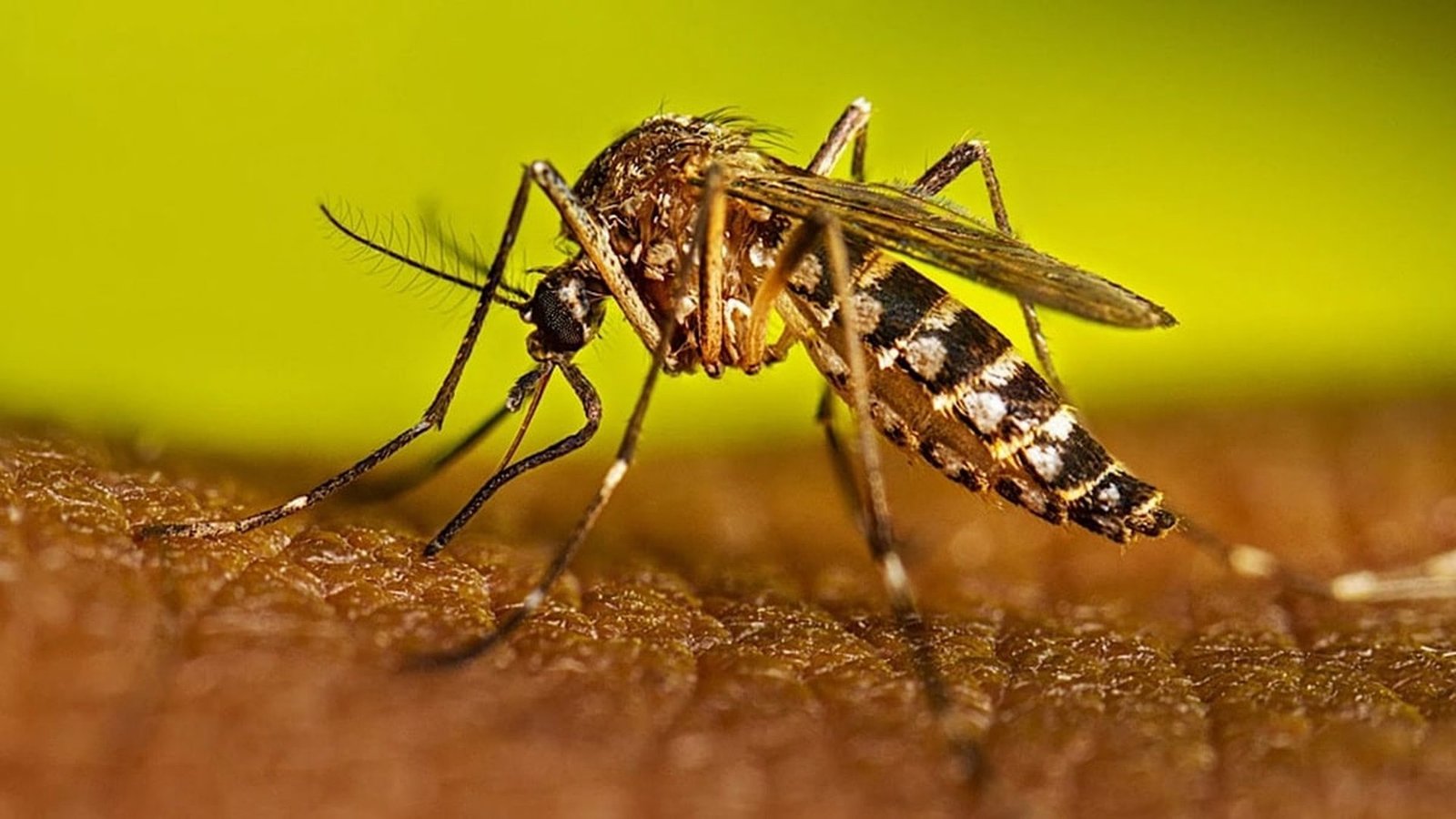
    Khyber Pakhtunkhwa has reported 99 new dengue cases in a single day, the highest daily tally recorded in the province this year, as the disease continues to spread during the high-risk month of October.

    According to the latest report from the Integrated Disease Surveillance and Response System (IDSRS), the 99 new infections recorded in the last 24 hours have taken the province’s cumulative dengue count for 2026 to 4,091. The report said 144 patients are currently suffering from the disease, while 3,946 have recovered. A resident of Tank recently died of dengue in Dera Ismail Khan, health officials said.

    Kohat becomes the epicentre

    Kohat remains the worst-affected district in the province, with 2,567 cases reported so far this year. Peshawar follows with 566 cases, while Bannu has recorded 192, Khyber 120 and Haripur 112. Other affected districts include Charsadda with 75 cases, Abbottabad with 71, Nowshera with 51, Karak with 43, Mansehra with 38, Dera Ismail Khan with 35, Swabi with 28 and Mohmand with 14, while the remaining districts have reported cases in single digits.

    The surge in Kohat has been particularly sharp during October. The district has recorded 80 cases since the beginning of the month, compared with 24 in Bannu and 18 in Peshawar over the same period. The rising infections have placed additional pressure on hospitals in Kohat, prompting the health department to step up efforts to control the spread of the disease, officials said.

    Better than last year — but the warning stands

    Health experts said the overall situation remains better than last year, when the province recorded more than 6,000 dengue cases, including over 1,000 in Charsadda following an outbreak in several union councils. However, Kohat has emerged as a new dengue hotspot this year, with the health department already identifying the reasons behind the unusually high number of infections there.

    Experts have cautioned that the coming weeks will be critical, as weather conditions favourable to mosquito breeding could lead to a further increase in infections across the province.

    How to stay safe

    Health officials advise residents to remove standing water from homes and surroundings, since it allows mosquitoes to breed, and to use mosquito nets and repellents, particularly during the early morning and evening hours. Anyone suffering from persistent high fever, severe headache or body pain should consult a doctor promptly and get tested, as early detection makes treatment more effective.

  • Momin Agha Appointed Ninth Health Secretary in 19 Months

    Momin Agha Appointed Ninth Health Secretary in 19 Months

    ISLAMABAD: The health ministry has a new secretary once again, with the Establishment Division notifying Momin Agha as the new administrative head of National Health Services, Dawn reported.

    A BS-22 officer of the Pakistan Administrative Service (PAS), Mr Agha is the ninth secretary to be appointed during the tenure of Health Minister Mustafa Kamal, who took oath in February 2025.

    According to a notification issued by the Establishment Division on Monday, seen by Dawn, Mr Agha “has been transferred and posted as secretary health with immediate effect and until further orders”.

    Informed sources said eight officers had held the post during the past 19 months, with some changes involving repeat appointments. According to them, Nadeem Mahboob remained till March 2025, Nasiruddin Mashood till May 2025, Waqarul Hasan till June 2025, Hamed Yaqoob till February 2026, Aslam Ghauri till August 2026, and retired Captain Mahmood till September 2026. Fakhre Alam then joined the ministry, and later Mahboob was given additional charge for just one day before he was replaced by Mr Agha.

    When contacted earlier, Mr Kamal had told Dawn that he had nothing to do with the appointments of federal secretaries, as it was the Establishment Division that was empowered to make such decisions.

    Mr Agha was removed as petroleum secretary in January 2026 and directed to report to the Establishment Division without a further posting. He was replaced by Mirza Nasiruddin Ahmad, who was given the additional charge of the post on a look-after basis pending the appointment of a regular officer, the report added.

    A revolving door at the top

    The rapid succession of secretaries means the ministry’s top administrative post has changed hands repeatedly over the past 19 months, with the latest notification continuing the pattern documented by Dawn. The health ministry oversees national health services, regulations and coordination at the federal level, and the repeated changes at its helm come as the sector faces ongoing administrative challenges.

    Dawn’s report noted that some of the appointments during the past 19 months were repeat tenures, underlining the instability at the ministry’s top administrative post. Mr Agha’s posting takes effect immediately and remains valid until further orders, according to the Establishment Division’s notification.

  • Pakistan polio tally hits seven after Karachi East case

    Pakistan polio tally hits seven after Karachi East case

    Pakistan has recorded its seventh polio case of 2026 after a new case was reported in Karachi East, health officials said on Monday. According to the Sindh Emergency Operations Centre (EOC), five of the seven cases reported this year are from Khyber Pakhtunkhwa and two from Sindh.

    The latest case was confirmed by the Regional Reference Laboratory for Polio Eradication at the National Institute of Health in Islamabad after the virus was detected through the polio surveillance network. The affected child is a six-month-old boy from Union Council Jamali Colony in Karachi East. The National Emergency Operations Centre (NEOC) said a comprehensive investigation into the case had been launched.

    According to the Sindh EOC, the last polio case in Karachi was reported in December 2024 — nearly two years ago. Officials stressed that although polio is an incurable disease, it can be prevented through vaccination.

    Nationwide campaign from November 2

    The development comes ahead of a week-long sub-national polio vaccination campaign scheduled for November 2 to 8, during which more than 23.9 million children under five years of age will be vaccinated across 97 selected districts of the country, including all districts of Karachi. The campaign will run in synchronisation with Afghanistan.

    Under the campaign plan, more than 9.278 million children will be vaccinated in 13 selected districts of Punjab, while over 6.883 million children will receive polio drops in 20 districts of Sindh. In Khyber Pakhtunkhwa, the campaign will target more than 4.808 million children across 27 selected districts, while over 2.217 million children will be vaccinated in 31 districts of Balochistan.

    The NEOC said frontline polio workers would visit households to administer two drops of the vaccine to every eligible child. The Polio Eradication Initiative is also analysing a science-based response to tackle and prevent further transmission, including targeted vaccination activities and support to strengthen routine immunisation.

    Long fight against the virus

    Polio is a highly infectious disease caused by the poliovirus that primarily affects children under the age of five. It invades the nervous system and can cause paralysis or death. While there is no cure, vaccination remains the most effective means of prevention. Pakistan and Afghanistan are the only two countries where wild poliovirus remains endemic.

    According to the NEOC, Pakistan has recorded a 99.8 per cent reduction in polio cases — from an estimated 20,000 in the early 1990s to 31 in 2025 and seven so far this year. Four nationwide polio campaigns have already been conducted in 2026, protecting more than 45 million children multiple times, in addition to targeted oral and injectable vaccination activities in high-risk areas.

  • Breast Cancer Awareness Day Marked Across Pakistan

    Breast Cancer Awareness Day Marked Across Pakistan

    Pakistan observed Breast Cancer Awareness Day on October 19, with President Asif Ali Zardari and Prime Minister Muhammad Shehbaz Sharif both calling for stronger public awareness, early detection and compassionate support for women affected by the disease.

    President’s message

    In his message, President Zardari commended healthcare professionals, volunteers, patient organisations, researchers and community workers for their contributions to breast cancer awareness and support. He said breast cancer affects thousands of families in Pakistan, placing emotional and social pressures not only on the women living with the disease but also on their mothers, daughters, sisters and spouses. He said the day was an opportunity to remind women to pay attention to their health and seek appropriate medical advice when they notice changes or have concerns, adding that greater awareness could help women make informed decisions about their health.

    The President also underlined the role of families and communities, saying women should feel able to discuss their health concerns openly and seek care without fear or hesitation, and that understanding and support from family members can help reduce the fear, misinformation and silence that may surround cancer. Schools, workplaces, community organisations, the media, civil society and healthcare professionals all have a part to play, he said, in ensuring accurate information reaches women and families across the country. He extended greetings to all those affected by the disease, their families and caregivers, and to the healthcare professionals working to support them.

    Government’s free screening drive

    In his own message, Prime Minister Muhammad Shehbaz Sharif said the federal government was working with provincial governments and relevant local institutions to ensure access to essential healthcare services, including specialised cancer treatment facilities. He said a comprehensive strategy had been developed to promote early detection, ensure timely medical examinations, facilitate access to quality treatment and maintain continuity of care across the country.

    The prime minister said free screening, diagnostic services and medicines were available at the Federal Breast Cancer Screening Centre at the Pakistan Institute of Medical Sciences, and that Lady Health Workers and primary healthcare staff were being trained to strengthen early detection and awareness. He paid particular attention to women in rural and underprivileged areas, where access to healthcare facilities is often limited, pledging that no Pakistani woman would be deprived of timely and quality treatment because of her geographical location or financial circumstances.

    October is observed globally as breast cancer awareness month, and the day served as a reminder that timely medical attention, informed choices and strong family support can make a decisive difference in the lives of women and families facing the disease.

  • Bangladesh Battles World’s Worst Measles Outbreak

    Bangladesh Battles World’s Worst Measles Outbreak

    Bangladesh is battling to contain the world’s worst measles outbreak, a crisis driven by weak data, inadequate outreach and vaccination gaps that experts say should serve as a warning to every country about the deadly cost of falling immunisation rates.

    The country, whose routine vaccination programme faltered in 2025, reported 202,000 suspected measles cases — 22,000 of them laboratory-confirmed — between mid-March and October 9, the World Health Organization said. That is more suspected cases than any other country in the world this year.

    So far, 1,147 people have died of the highly contagious disease, with 94 per cent of reported deaths among children under five years old, the WHO said.

    “This is a real warning to every country,” said Mark Jit, a WHO vaccine adviser and professor at the School of Global Public Health at New York University. “Preventing an outbreak through vaccinations was easier, cheaper and safer than responding to an emergency.”

    Coverage fell below the safety line

    Bangladesh’s experience shows how quickly an outbreak can take hold when vaccination coverage falls below 95 per cent, the level the WHO says is needed to prevent outbreaks. The country had almost achieved that level in recent years, but coverage dropped in 2025.

    A joint WHO-UNICEF report published in July estimated that first-dose measles coverage in 2025 had fallen to 90 per cent, down from 96 per cent in 2024, while second-dose coverage dropped from 93 per cent to 86 per cent — several percentage points below the 95 per cent needed for herd immunity.

    The report also questioned the quality of official vaccination data for 2023 to 2025, noting that preliminary figures sometimes showed inoculations exceeding 100 per cent of those targeted.

    A Reuters review of WHO documents, along with interviews with more than a dozen scientists, health workers and officials, found that Bangladesh’s emergency response was hampered by data that left out millions of children, shortcomings in preparation and a failure to reach enough parents.

    The human cost

    In the northeastern Sylhet region, one of the worst-hit areas in the nation of 178 million people, two-year-old Arman Hossain died unvaccinated in July, 24 hours after admission to hospital for treatment paid for by selling the family’s three-wheeled auto rickshaw. His unvaccinated four-year-old sister survived.

    His father, Amin Mia, 26, said no health workers came to their remote village in Sylhet to offer vaccinations in time. “They came only after I buried my son,” he said.

    In the town of Chhatak, also in Sylhet, the daughter of 30-year-old carpenter Humayun Rashid died unvaccinated in June, aged nine months. Labiba Akter could have received an inoculation in April, when an emergency programme lowered the vaccination age to six months from nine. “No health worker came to tell us,” her father said.

    Measles usually kills two or three people in every 1,000 cases, the WHO says, but the disease can be more deadly in poorer nations because of factors such as malnutrition.

    Ziauddin Hyder, special assistant on health affairs to Prime Minister Tarique Rahman, told Reuters in September that the government was doing everything it could to end the outbreak. The government did not respond to further questions sent in October, Reuters reported.

  • لیشمانیاسز: یونیسف کی 75 ہزار ادویات خیبر پختونخوا پہنچ گئیں

    لیشمانیاسز: یونیسف کی 75 ہزار ادویات خیبر پختونخوا پہنچ گئیں

    اسلام آباد: اقوام متحدہ کے بچوں کے فنڈ یونیسف نے خیبر پختونخوا میں لیشمانیاسز کی وبا سے متاثرہ بچوں اور خاندانوں کے علاج کے لیے حکومت پاکستان کو 75 ہزار ادویات کی بوتلیں فراہم کر دی ہیں۔ یونیسف کے مطابق رواں برس جنوری سے اب تک صوبے میں لیشمانیاسز کے 10 ہزار 500 سے زائد کیسز رپورٹ ہوئے ہیں، جن میں 4 ہزار 400 سے زائد ایسے بچے شامل ہیں جن کی عمر 16 سال سے کم ہے۔

    یہ ادویات پشاور میں محکمہ صحت خیبر پختونخوا کے حوالے کی گئی ہیں اور اب انہیں منتخب صحت مراکز کے ذریعے متاثرہ بچوں اور خاندانوں تک پہنچایا جائے گا۔ یونیسف کا کہنا ہے کہ ان ادویات کی شیلف لائف تین سال ہے، اس لیے یہ موجودہ وبا کے ساتھ ساتھ مستقبل میں ممکنہ وباؤں کے علاج میں بھی کام آئیں گی۔

    لیشمانیاسز کیا ہے؟

    لیشمانیاسز ایک ایسا مرض ہے جو متاثرہ ریت مچھر کے کاٹنے سے پھیلتا ہے۔ بچے اپنے کمزور مدافعتی نظام کی وجہ سے اس مرض کا زیادہ شکار ہوتے ہیں۔ یہ مرض جلد پر ایسے زخم پیدا کر سکتا ہے جو مستقل نشان چھوڑ جاتے ہیں، جبکہ اس کی شدید صورتیں اندرونی اعضا کو متاثر کر سکتی ہیں اور اگر بروقت علاج نہ ہو تو یہ مہلک بھی ثابت ہو سکتی ہے۔

    یونیسف پاکستان کی نمائندہ پرنیل آئرنسائیڈ کا کہنا ہے کہ ہر بچے کو صحت کی سہولت کا حق حاصل ہے تاکہ وہ نشوونما پا سکے، تعلیم حاصل کر سکے اور پھل پھول سکے۔ ان کے مطابق خیبر پختونخوا میں لیشمانیاسز کی وبا سے ہزاروں بچے متاثر ہوئے ہیں، جن میں سے کئی کو اگر علاج نہ ملے تو درد، معاشرتی بدنامی اور طویل مدتی پیچیدگیوں کا سامنا کرنا پڑ سکتا ہے۔

    روک تھام پر زور

    یونیسف کا کہنا ہے کہ حکومت پاکستان کے ساتھ مل کر یہ زندگی بچانے والی ادویات فراہم کر کے کمزور بچوں کو بنیادی علاج تک رسائی دی جا رہی ہے۔ ادارے نے اس بات پر زور دیا ہے کہ کسی بھی بچے کو پیچھے نہ چھوڑنے کے لیے روک تھام، جلد تشخیص اور علاج میں مسلسل سرمایہ کاری جاری رکھنی ہوگی۔

    وزارت قومی صحت کے ایڈیشنل سیکرٹری لائق احمد نے کہا کہ لیشمانیاسز خیبر پختونخوا کے کئی اضلاع میں صحت عامہ کا ایک اہم مسئلہ بنا ہوا ہے اور یونیسف کی یہ معاونت بروقت علاج فراہم کرنے کی صلاحیت کو مضبوط کرے گی۔ انہوں نے کمزور آبادیوں کے تحفظ کے لیے اس شراکت داری کو سراہا۔

    یونیسف کا کہنا ہے کہ وہ حکومت پاکستان کے ساتھ مل کر بچوں کی صحت کے نتائج بہتر بنانے اور بچوں و خاندانوں کے لیے بنیادی صحت کی سہولتوں تک منصفانہ رسائی کے لیے کام جاری رکھے گا۔