Category: Health

Health news — medical updates, wellness and public health. صحت کی خبریں۔

  • Slow Down Your Reps: 3 Seconds to Get Stronger

    Slow Down Your Reps: 3 Seconds to Get Stronger

    Finishing a set of squats, push-ups or biceps curls with your heart pounding can feel satisfying. But if you rushed through every repetition, you may have missed an opportunity to get stronger, and the fix could be as simple as counting to three.

    Raising your heart rate is an important marker of cardiovascular exercise, but it does not tell you how well you are performing strength training. When the goal is to build muscle, how you manage resistance throughout a movement matters most. Slowing down, by as little as three seconds per rep, can increase the challenge and the strength-building capacity of an exercise while giving you time to notice and improve your form and control.

    Most familiar strength movements involve two types of muscle action. In the concentric phase, a working muscle shortens as it produces force. In the eccentric phase, a muscle produces force while lengthening. It is the eccentric phase that is often overlooked. Think about a biceps curl. As you bend your elbow to lift a dumbbell, your biceps muscle shortens. As you straighten your elbow to lower it, your biceps lengthens while contracting to resist the weight’s downward pull.

    Yet most people treat the eccentric phase as little more than a quick one-second reset before the next rep. By slowing down and counting out three seconds as you lower a weight or your body, you can actively train eccentric muscle action in almost any resistance exercise. Adding those two extra seconds may make your usual weight feel harder and make you feel less able to complete as many repetitions. As a recent review of eccentric exercise tempo explains, extending the lowering-phase time can increase the effort and fatigue involved, and that added challenge results in increased strengthening, making a slower-lowering tempo a useful way to increase difficulty without heavier weights.

    The evidence backs the idea. A systematic review and meta-analysis in the Journal of Sports Sciences found that longer lowering phases could even produce greater strength gains among experienced lifters. Eccentric muscle strength also helps you control resistance and decelerate, whether you are lowering a dumbbell or lowering yourself into a chair.

    Slowing your lowering tempo also gives you the opportunity to pay attention to how you move and manage loading through your joints. In a squat, a controlled descent lets you focus on coordinating the alignment of your hips, knees and ankles instead of dropping into a position you cannot control. When you take your time, you can self-assess using practical checkpoints. When you squat, can you keep your feet firmly planted and your knees tracking over your toes as you descend? During a push-up, can you lower your chest and pelvis together without letting your lower back sag? As you do a biceps curl, can you move the weight without swinging your torso?

    There is still a place for moving quickly during strength exercises when training to enhance power. Increasing the body’s ability to produce force rapidly requires practising faster efforts, and the American College of Sports Medicine’s updated resistance-training guidance recommends a fast-lifting phase with appropriate loads when training for power. Performing exercises designed around speed, such as jumps and throws, is not the same as rushing through repetitions to finish a set.

    Three exercises are a good place to start practising the three-second lowering cue: the squat, the push-up and the biceps curl. With each one, lower smoothly over three seconds, then return at a comfortable, controlled pace, keeping breathing as you move. Start with two sets of four to eight repetitions, two or three times per week, and introduce the slower tempo gradually, since unfamiliar eccentric exercise can cause soreness.

    Once you are feeling stronger and can maintain the pace and technique, gradually add repetitions, more sets or increase resistance. Remember that slower movement does not automatically mean less joint stress, and tempo alone is not a proven injury-prevention strategy. Choosing the right weight, exercise and range of motion for your capacity is important. Before beginning this or any new exercise program, consult your doctor or physical therapist, and stop if you experience pain.

  • Heart Drug Fails Major Trial Despite Cutting Risk by 77%

    Heart Drug Fails Major Trial Despite Cutting Risk by 77%

    A drug that looked like a breakthrough for people born with a high inherited heart risk has failed its biggest test, stunning the doctors who ran the trial and leaving patients with no targeted treatment for the condition.

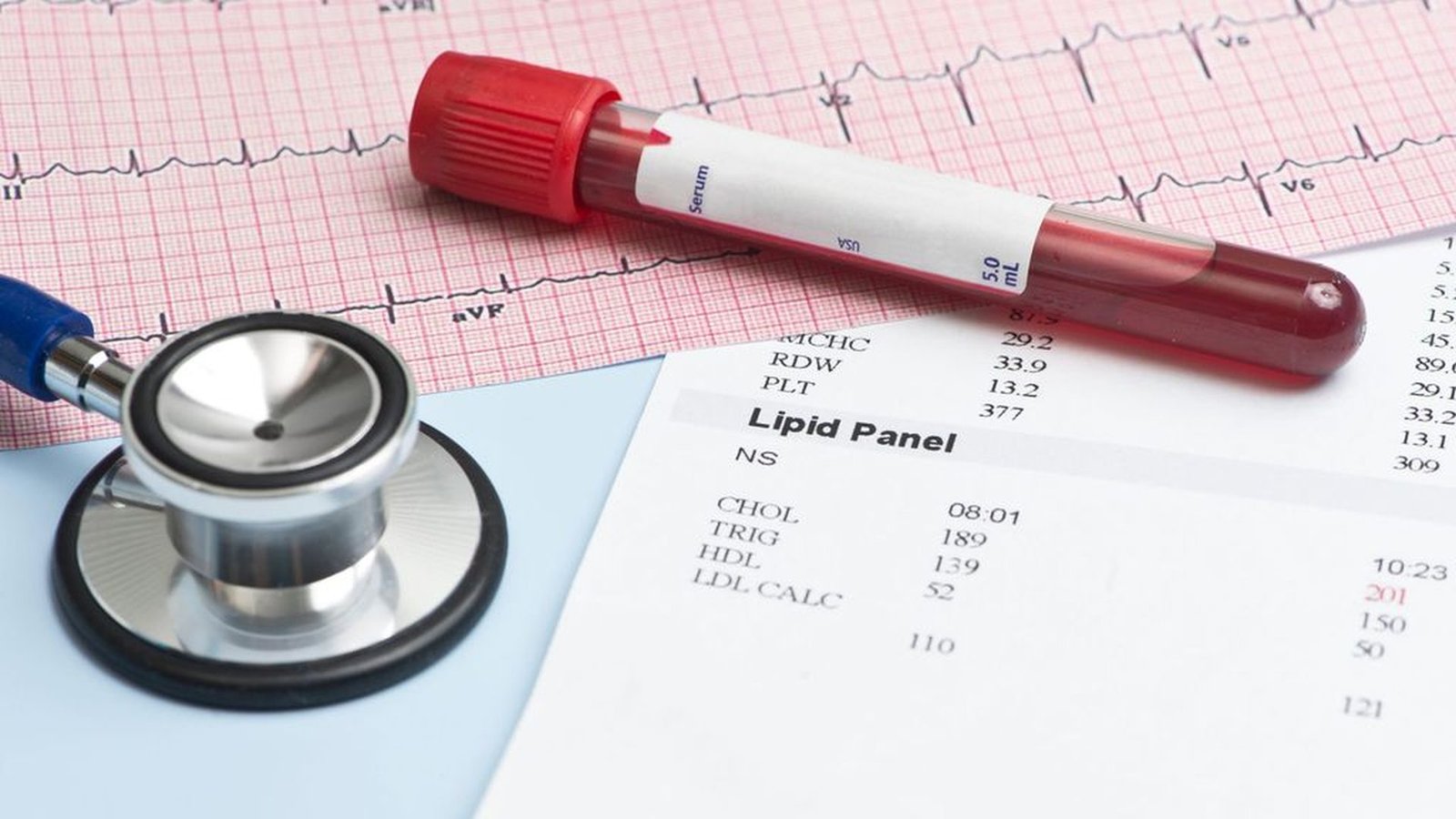
    Novartis’s experimental drug pelacarsen was designed to lower lipoprotein(a), known as Lp(a), a cholesterol-like particle that is inherited and raises the risk of heart attacks and strokes. In the HORIZON trial, the drug cut Lp(a) levels by about 77 percent on average, yet it made no difference to patients’ outcomes, and Novartis has decided to abandon it.

    The trial followed 8,350 people who had already suffered a cardiovascular event and had high Lp(a). Half received pelacarsen and half a placebo, with neither patients nor doctors knowing who got which, for nearly five years. The results were presented at the American Heart Association conference and published in the New England Journal of Medicine.

    About 12 percent of patients in each group suffered a serious cardiovascular event, such as a heart-related death, a non-fatal heart attack or stroke, or an urgent procedure to reopen a blocked artery. The lead investigator, Dr Steven Nissen of the Cleveland Clinic, said the result was not a near miss and the drug simply had no effect on outcomes, while Stanford’s Dr Fatima Rodriguez said there was no signal of benefit at all.

    High Lp(a) is passed down through families, and people with the highest levels are two to four times more likely to have a heart attack, according to the American Heart Association. Dr Nissen said the disorder affects more than a billion people worldwide.

    The American Heart Association and the American College of Cardiology this year recommended that every adult be tested for Lp(a) at least once in their life, but there is currently no treatment specifically for high Lp(a). Researchers now believe patients may need a reduction of 90 to 95 percent, far more than pelacarsen achieved, or that other factors in these older patients, whose LDL cholesterol was already well controlled, limited the benefit.

  • Cancer Slows Biden: Fewer Talks for New Memoir

    Cancer Slows Biden: Fewer Talks for New Memoir

    Former United States President Joe Biden has said his cancer will limit how much he can do to promote his new memoir, telling supporters that some days are harder than others.

    Biden, 83, shared the update on social media on Sunday, just days before his presidential memoir, “Promise Me, America,” is due to be released on November 17.

    “Some days are better than others. It hasn’t stopped me. But sometimes it slows me down,” he wrote. “What that means is, unfortunately, I won’t be able to do as many conversations about my book as I’d hoped. However, I’m hopeful the words on the page speak for themselves.”

    He added that his doctors remain encouraged by how he has responded to treatment, and thanked people for their prayers and kind words during his illness.

    A book written through illness

    Biden said he was diagnosed with cancer while he was writing the memoir, a disease he described as one known all too well to millions of Americans and their families.

    He revealed the diagnosis in May 2025, less than four months after leaving the White House. His office said at the time that he had a more aggressive form of prostate cancer, but that it appeared to be hormone-sensitive, which allows for effective management.

    In August, his son Hunter told the BBC that the cancer had spread further into his father’s bones, describing the situation as painful to watch.

    The memoir covers Biden’s four years in the White House, including the challenges his administration faced, the decisions he made and why he made them.

    “It’s about who we are as a nation. What we stand for. And America’s role in the world,” he wrote.

    A milestone birthday approaches

    Biden turns 84 on November 20, three days after the book reaches shelves. He is the oldest living president in American history.

    The memoir, published by Little, Brown and Company, is his first full account of his presidency, covering the pandemic, the withdrawal of US forces from Afghanistan and his decision to end his re-election campaign in 2024.

    While the illness has slowed him down, Biden made clear he still hopes readers will judge the book on its own terms, and that its message about America will speak for itself.

  • J&J Pill Helps 58% of Arthritis Patients in Major Trial

    J&J Pill Helps 58% of Arthritis Patients in Major Trial

    A once-daily pill helped nearly six in ten patients with psoriatic arthritis reach a key improvement mark in a late-stage clinical trial, raising hopes of a needle-free option for a disease that affects both the joints and the skin. The results were announced by Johnson & Johnson on Saturday and presented at the American College of Rheumatology meeting.

    The drug, icotrokinra, is sold under the brand name Icotyde and is already approved in the United States for moderate-to-severe plaque psoriasis. It is not yet approved for psoriatic arthritis; the new findings are the first late-stage evidence the same pill could help people whose disease has spread from skin into joints.

    In the Phase 3 trial, known as ICONIC-PsA 1, 552 adults with active psoriatic arthritis who had never taken a biologic medicine were given either a 200-milligram tablet once a day or a dummy pill. After 16 weeks, 58 percent of those taking icotrokinra had achieved at least a 20 percent improvement in tender and swollen joints and other disease measures, compared with 41 percent on placebo.

    Benefits went beyond the joints

    The benefits were not limited to the main measure. Nearly three in ten patients on the drug reached a 50 percent improvement, against 16 percent on placebo, while 13 percent reached a 70 percent improvement compared with five percent on placebo.

    The pill also helped the skin. Among patients whose psoriasis covered enough skin to be measured, 57 percent of those on icotrokinra achieved clear or almost clear skin, compared with 14 percent on placebo. More than a third, 37 percent, saw their skin symptoms improve by 90 percent, against only six percent on placebo.

    Improvements continued to build over time. By week 24, 69 percent of patients on the drug had reached the 20 percent improvement mark, and 64 percent had clear or almost clear skin. Safety findings through 24 weeks were in line with what is already known about the drug, with no new safety concerns identified.

    What the drug does differently

    Psoriatic arthritis is a long-term condition in which the immune system attacks the joints and the skin. It causes pain, stiffness and swelling, and it commonly appears between the ages of 30 and 50. Nearly three in ten people with plaque psoriasis also develop the joint disease.

    Icotrokinra works differently from the injections and infusions that many patients currently rely on. It is a targeted oral peptide that precisely blocks a receptor for interleukin-23, a signal that drives the inflammation behind psoriatic disease. Patients take one tablet a day on waking, with water on an empty stomach, at least 30 minutes before eating.

    Dr Joseph Merola, a rheumatologist and dermatologist involved in presenting the findings, said the joint responses showed the exciting potential for an oral option to open a new chapter in treating psoriatic arthritis, because patients need treatments that tackle the whole burden of the disease.

    There are still steps before the pill could be offered for this use. The findings were presented at a medical meeting, and regulators would still need to approve it for psoriatic arthritis before doctors could prescribe it for that condition. A second trial, ICONIC-PsA 2, is testing the drug in patients who have previously taken biologic medicines, and its results have not yet been reported.

  • 24 Million Children Vaccinated in Polio Campaign

    24 Million Children Vaccinated in Polio Campaign

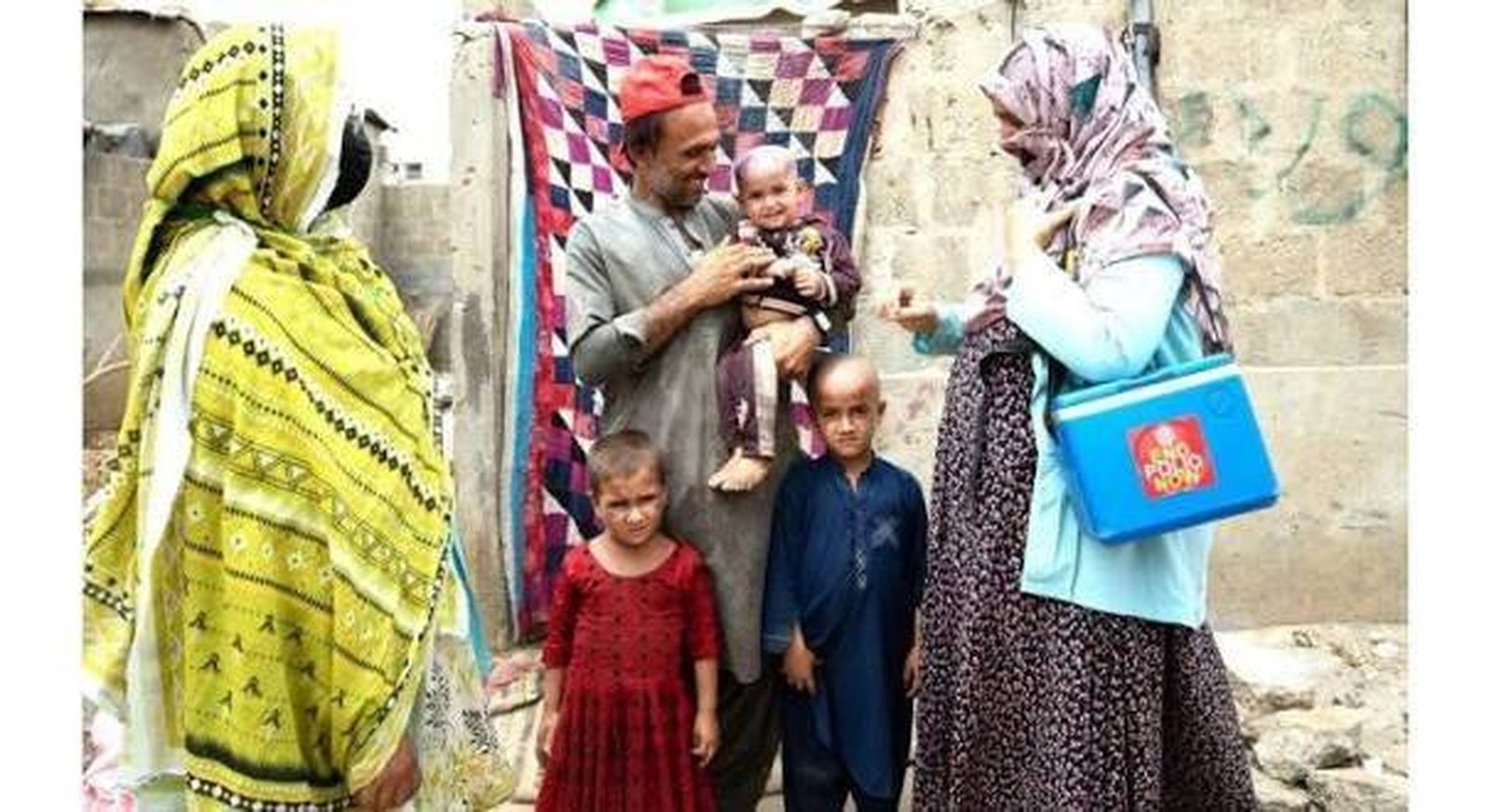
    More than 24 million children under the age of five have been vaccinated in a nationwide polio campaign that ended on Sunday, health officials said. The six-day drive, which began on 2 November 2026, covered 97 selected districts across the country and was carried out by more than 200,000 workers.

    Punjab led the count with 9,126,000 children vaccinated, followed by Sindh with 7,019,000. In Khyber Pakhtunkhwa, 4,673,000 children received the vaccine, while Balochistan recorded 2,212,000. In the federal capital, more than 450,000 children were covered, along with more than 161,000 in Gilgit-Baltistan and about 192,000 in Azad Jammu and Kashmir.

    Health Minister Mustafa Kamal called the campaign “a huge success” and said “Pakistan has won a crucial battle in the war against polio.” Health officials said nine polio cases had been reported in 2026 so far, which they described as a clear sign of the campaign’s success.

    The scale of the operation was considerable. More than 200,000 workers took part in the drive, moving from district to district over six days to reach children in homes, schools and communities across the country. The campaign’s final day fell on 8 November, bringing the nationwide effort to a close.

    The figures reported by the health authorities show coverage in every part of the country, from the largest provinces to the smaller regions. Punjab, the most populous province, accounted for the largest share of vaccinations, while the campaign also reached children in Islamabad, Gilgit-Baltistan and Azad Jammu and Kashmir.

    Officials pointed to the low number of cases reported this year as evidence that the vaccination effort is working. With only nine cases recorded in 2026 so far, they said the campaign had delivered a significant result in the continuing fight against the disease, and they described the outcome as a crucial victory for the country’s public health effort.

    The campaign was one of the largest health drives of the year, and its completion marks the end of a week of intensive vaccination work. Health workers will now turn to follow-up and monitoring, as officials assess the full results of the drive and plan the next steps in the effort to keep polio cases down.

  • Actually, You’re Fine: Stop Over-Diagnosing Your Kids

    Actually, You’re Fine: Stop Over-Diagnosing Your Kids

    For many modern parents, an ordinary child no longer seems quite good enough. Every quirk invites a search, every struggle invites a label, and every label invites a plan. In her new book, “Actually, You’re Fine”, clinical neuropsychologist Katie S. Davis argues that this rush to perfect children is doing more harm than good — and that most children, left to themselves, turn out just fine.

    Davis, a child development expert based in Manhattan, says diagnoses of learning disorders, attention deficit hyperactivity disorder (ADHD) and autism spectrum disorder have risen sharply over the past few decades. Some of that rise reflects genuine progress: greater awareness, better identification and less stigma. But Davis told CNN that the increase is being driven largely by mild cases — children on the edge of what counts as normal — and by what she calls “concept creep”, the steady blurring of the line between ordinary behaviour and disorder.

    She is not questioning whether these conditions are real. Her whole career, she says, is built on studying neurodevelopmental disorders and supporting the children who have them. Her concern is what happens when the label spreads too widely. When every child in a class is said to have ADHD, she argues, it becomes harder for the child who genuinely has it to be taken seriously — and the time, professional attention, money and space those children need gets spread too thin.

    A diagnosis, in her view, can also change how a child sees themselves. Being told there is something wrong that must be fixed can limit a child’s sense of what they are capable of, and of how much control they have over their own future. There are practical costs too: a child who does not really need speech therapy spends that time in sessions instead of playing football, going to day camp, doing homework or meeting friends — and the family pays for it.

    None of this means diagnoses are useless. Davis says they matter for two clear reasons: they unlock services and support at school and payment for therapy, and they give professionals — and families — a shared language for a child’s difficulties. A diagnosis can also bring relief and community. The problem, she says, is a world in which a struggle only feels real once it has a medical name attached to it.

    So where does the pressure come from? Davis points to a culture that trusts brain scans more than teachers, to the college race that tells parents a child’s whole future depends on getting everything right early, and to an internet full of experts — many with something to sell — offering conflicting advice that leaves parents feeling they do not know what they are doing. Her own example is close to home: her son, who is almost three, walks with his toes pointed inwards. She could start early physical therapy, or she could wait, as his paediatrician suggests he will probably grow out of it. Both choices are reasonable, she says — and parents have to learn to live with not knowing which is right. Most children, she notes, end up somewhere in the middle. And that, she insists, is perfectly fine.

  • Pelacarsen Heart Drug Fails Despite 78% Cholesterol Cut

    Pelacarsen Heart Drug Fails Despite 78% Cholesterol Cut

    A much-anticipated heart drug has failed the test that mattered most. Pelacarsen, an experimental medicine from Novartis, cut levels of a genetically inherited cholesterol particle by about 78%, yet it did not prevent heart attacks, strokes or cardiovascular deaths, according to results presented on Saturday at the American Heart Association meeting in Chicago and published in the New England Journal of Medicine.

    The trial, known as Lp(a)HORIZON, enrolled 8,323 patients around the world who had high levels of lipoprotein(a) — usually shortened to Lp(a) — and established heart disease. Half received a monthly 70-milligram injection of pelacarsen and half a placebo, and they were followed for a median of 4.7 years. At 12 months, patients on the drug showed an estimated 77.7% greater reduction in Lp(a) than those on placebo. But major cardiovascular events occurred in 12.3% of the pelacarsen group and 12.1% of the placebo group — effectively no difference.

    A result described as completely neutral

    Dr Steven Nissen of the Cleveland Clinic presented the results. Novartis had already announced in September that the trial had missed its main goal, but doctors and investors had been waiting for the full details. A separate analysis published in NEJM Evidence, which looked at patients with the largest Lp(a) reductions and those who stayed in the trial, also found no benefit. About 20.6% of patients stopped pelacarsen because of side effects, compared with 7.5% on placebo. As one cardiologist at the meeting put it, the drug did nothing: the result was completely neutral.

    The outcome is a setback for a long-held idea in preventive cardiology. Lp(a) is a largely inherited particle that raises the risk of heart disease, and it is estimated to affect about one in five people worldwide. There are currently no approved treatments for high Lp(a). Researchers had hoped that lowering it sharply would translate into fewer heart attacks. The trial suggests that changing a blood marker, even dramatically, does not automatically protect patients.

    Doctors urged caution before writing off Lp(a) altogether. Dr Donald Lloyd-Jones, a professor of cardiology at Boston University, said he would not recommend abandoning Lp(a) as a cause of heart disease or as a treatment target until there is much more data in different patient groups. Attention now turns to other drugs in development, including Amgen’s olpasiran and Eli Lilly’s lepodisiran, which use a different technology and have lowered Lp(a) by about 95% in earlier studies. Their large trial results are expected in early 2028 and 2029.

    The same meeting delivered a second disappointment: a Novo Nordisk drug designed to reduce heart inflammation also hit its biological target but failed to prevent major cardiovascular events. For patients and doctors, the message from Chicago is clear — promising laboratory numbers are not the same as fewer heart attacks, and only large, long trials can tell the difference.

  • لاہور سموگ: اے کیو آئی 410، شاہدرہ میں 808 تک پہنچ گیا

    لاہور سموگ: اے کیو آئی 410، شاہدرہ میں 808 تک پہنچ گیا

    لاہور ایک بار پھر دنیا کے آلودہ ترین شہر کے طور پر سامنے آیا ہے، جہاں فضا میں زہریلی دھند کا راج ہے اور اسپتالوں میں سانس کی بیماریوں کے مریضوں کی تعداد تیزی سے بڑھ رہی ہے۔ شہر کا اوسط ایئر کوالٹی انڈیکس 410 تک پہنچ گیا ہے، جو عالمی ادارہ صحت کی محفوظ حد سے 51.8 گنا زیادہ ہے۔ ماہرین صحت اس صورتحال کو سموگ کی ہنگامی صورتحال قرار دے رہے ہیں۔

    محلوں کی سطح پر صورتحال کہیں زیادہ سنگین ہے۔ شاہدرہ میں ایئر کوالٹی انڈیکس 808 تک جا پہنچا، جبکہ علامہ اقبال ٹاؤن میں 627، ڈیفنس فیز 6 میں 620، ماڈل ٹاؤن اور برکی روڈ میں 587، 587 اور سمن آباد میں 534 ریکارڈ کیا گیا۔ یہ اعداد و شمار ظاہر کرتے ہیں کہ شہر کا کوئی حصہ اس زہریلی فضا سے محفوظ نہیں رہا۔

    سرکاری اسپتالوں میں سانس کی بیماریوں کے مریضوں کی آمد میں واضح اضافہ دیکھا جا رہا ہے۔ یونیورسٹی آف لاہور کے پروفیسر ڈاکٹر عرفان ملک کے مطابق شدید سانس کی تکالیف کے مریضوں میں 30 سے 40 فیصد اضافہ ہوا ہے، جن میں دمہ اور پھیپھڑوں کی دائمی بیماری کے مریض شامل ہیں۔ میو اسپتال میں ماہرین نے بتایا کہ پچھلے سال کے مقابلے میں دمہ کے کیسز میں 25 سے 30 فیصد اضافہ ریکارڈ کیا گیا ہے، جبکہ ناک، کان اور گلے کی بیماریاں بھی تیزی سے بڑھ رہی ہیں۔

    اس کے باوجود پنجاب حکومت اور محکمہ صحت کے پاس سموگ سے متاثرہ مریضوں کا کوئی مرکزی ڈیٹا موجود نہیں۔ اسپیشلائزڈ ہیلتھ کیئر اور پرائمری و سیکنڈری ہیلتھ کیئر کے ترجمانوں نے تصدیق کی ہے کہ سموگ کے مریضوں کا کوئی مرکزی ڈیٹا جمع نہیں کیا جا رہا۔ ڈاکٹر سلمان کاظمی کے مطابق اسپتالوں میں سافٹ ویئر موجود ہے لیکن اس میں سموگ سے متعلق بیماریوں کو الگ سے درج کرنے کی سہولت نہیں، اسی لیے متاثرہ افراد کی درست تعداد کا اندازہ لگانا ممکن نہیں۔ ان کا کہنا ہے کہ سوشل میڈیا پر گردش کرنے والے اعداد و شمار زیادہ تر قیاس آرائی پر مبنی ہیں۔

    ہر عمر متاثر

    ماہرین کے مطابق یہ بحران صرف سانس کی تکلیف تک محدود نہیں۔ ڈاکٹر عرفان ملک نے خبردار کیا کہ باریک ذرات جسم میں سوزش پیدا کرتے ہیں، پھیپھڑوں کی بیماریاں بڑھاتے ہیں اور دل کے دورے جیسے خطرات بھی پیدا کر سکتے ہیں۔ ان کا کہنا ہے کہ حاملہ خواتین میں قبل از وقت زچگی اور نوزائیدہ بچوں کے پھیپھڑوں کی نشوونما متاثر ہونے کا خطرہ بڑھ جاتا ہے۔ بچوں کے ماہر ڈاکٹر مسعود اختر شیخ کے مطابق باریک ذرات بچوں کی سانس کی نالی، جلد اور آنکھوں کو نقصان پہنچاتے ہیں اور طویل مدتی نمائش سے دماغی نشوونما بھی متاثر ہو سکتی ہے۔ بوڑھے افراد میں یادداشت کی کمزوری اور ڈیمنشیا کا خطرہ بھی بڑھ جاتا ہے۔

    ڈاکٹر آصف حنیف کے مطابق روزانہ تقریباً 50 ہزار بھاری گاڑیاں لاہور میں داخل ہوتی ہیں، جبکہ غیر نگرانی شدہ صنعتی اخراج، اینٹوں کے بھٹے، فصلوں کی باقیات جلانا اور سڑک کنارے کھانا پکانا فضائی آلودگی کے بڑے اسباب ہیں۔ ان کا کہنا ہے کہ قانون سازی کی کمی اور قوانین پر عمل درآمد نہ ہونے نے شہر کو ماحولیاتی خطرے میں تبدیل کر دیا ہے۔

    وزیر صحت خواجہ سلمان رفیق کا کہنا ہے کہ اسپتال آنے والے تمام مریضوں کا علاج کیا جا رہا ہے اور حفاظتی ہدایات جاری کر دی گئی ہیں۔ تاہم ماہرین کا مطالبہ ہے کہ اسپتالوں کے ڈیجیٹل نظام میں سموگ کی بیماریوں کا لازمی رجسٹر قائم کیا جائے، ہاؤسنگ سوسائٹیوں میں کم از کم 20 فیصد سبز رقبہ لازم کیا جائے، نہروں اور شہر کے گرد درختوں کی گھنی پٹیاں لگائی جائیں، بھاری ٹرانسپورٹ کے داخلے پر پابندی اور اخراج کے معیار پر سختی سے عمل کیا جائے۔ ماہرین نے سمارٹ لاک ڈاؤن، بازاروں کے اوقات کار میں تبدیلی، سموگ گنز کے استعمال اور آلودگی کے دوران اسکولوں اور دفاتر کو آن لائن منتقل کرنے کی بھی تجویز دی ہے۔

  • America’s Measles Crisis: 5,182 Cases, Worst Since 1991

    America’s Measles Crisis: 5,182 Cases, Worst Since 1991

    The United States has recorded 5,182 confirmed measles cases in 2026, the highest annual total since 1991, according to data published by the Centers for Disease Control and Prevention (CDC) — and three deaths in a single week have sharpened warnings about falling vaccination coverage.

    The CDC figures, updated on 6 November, show cases have already reached more than double the 2,289 reported in all of 2025, with 330 new cases — a rise of 6.8 per cent — added in the latest week alone. Cases have been reported in 47 jurisdictions, and 96 per cent of them are linked to outbreaks.

    State health departments reported three measles-associated deaths between 2 and 5 November. On 2 November, officials in New York announced the death of a child linked to the outbreak in the rural north of the state, where 178 cases have been confirmed this year. Governor Kathy Hochul declared a state disaster emergency in October as case numbers rose.

    Pennsylvania reported its sixth measles-associated death of 2026 on 4 November — an unvaccinated 21-year-old woman from Jefferson County who tested positive for measles and died after postpartum complications. The state is managing the largest measles outbreak in the country.

    A day later, Wisconsin announced the death of an infant, the state’s first measles death since 1990. The local coroner listed measles as the immediate cause of death. Wisconsin has recorded 431 cases across 13 counties this year, with nine hospitalisations, in its largest outbreak in more than three decades.

    Vaccination advice

    In response, Wisconsin’s health department now recommends an early MMR dose for some infants aged six to 11 months who face a higher risk of exposure. Two doses of the MMR vaccine are 97 per cent effective at preventing measles, officials said.

    State health departments have now reported eight measles-associated deaths across the country in 2026, although the CDC’s official count stands at four, because the agency no longer automatically adds state-confirmed deaths to its national tally. Measles was declared eliminated in the United States in 2000.

    Health officials say the figures underline the importance of routine childhood vaccination, with most cases occurring in communities where coverage has slipped. The CDC data covers only confirmed cases notified by jurisdictions, so the true total may be higher.

  • 23.4 Million Children Vaccinated in 5 Days in Polio Drive

    23.4 Million Children Vaccinated in 5 Days in Polio Drive

    More than 23.4 million children have received polio drops in the first five days of Pakistan’s latest sub-national immunisation drive, health officials said on Saturday, putting the campaign within reach of its target of about 24 million children under five.

    The National Emergency Operations Centre (NEOC) said the drive is running in 97 selected districts across the country, with more than 200,000 frontline workers going door to door. The sixth day of the campaign was under way on Saturday, and vaccination is scheduled to continue until 8 November.

    Punjab has vaccinated the largest number so far — more than 9.025 million children in 13 districts — followed by Sindh with over 6.856 million in 20 districts. In Khyber Pakhtunkhwa, more than 4.624 million children were covered in 27 districts, while Balochistan reached 2.169 million in 31 districts.

    In the federal capital, more than 450,000 children received drops, while Gilgit-Baltistan covered over 161,000 children in three districts and Azad Jammu and Kashmir vaccinated about 192,000 children in two districts.

    The campaign is running at the same time in Pakistan and Afghanistan as part of a coordinated regional effort to stop the virus spreading across the border and to protect children from the crippling disease, the NEOC said.

    Only vaccination can prevent polio

    The centre warned that the threat of the poliovirus persists across the country. Polio has no cure, it said, and vaccination remains the only effective protection against it.

    Parents and caregivers were urged to cooperate fully with vaccination teams and to make sure every child below five receives the drops during the drive. Families were also advised to complete children’s routine immunisation on schedule to guard against other vaccine-preventable diseases.

    The NEOC said sustained vaccination, community participation and public cooperation are essential if Pakistan is to become polio-free. With the campaign entering its final day, officials will be watching whether the remaining children in the target districts are reached before it closes on Sunday. Health workers will continue the door-to-door drive through Sunday, and officials have asked families to keep children at home when teams visit so that no child is missed.