Category: Health

Health news — medical updates, wellness and public health. صحت کی خبریں۔

  • Cancer Drug Prices in India Slashed by Up to 70 Percent

    Cancer Drug Prices in India Slashed by Up to 70 Percent

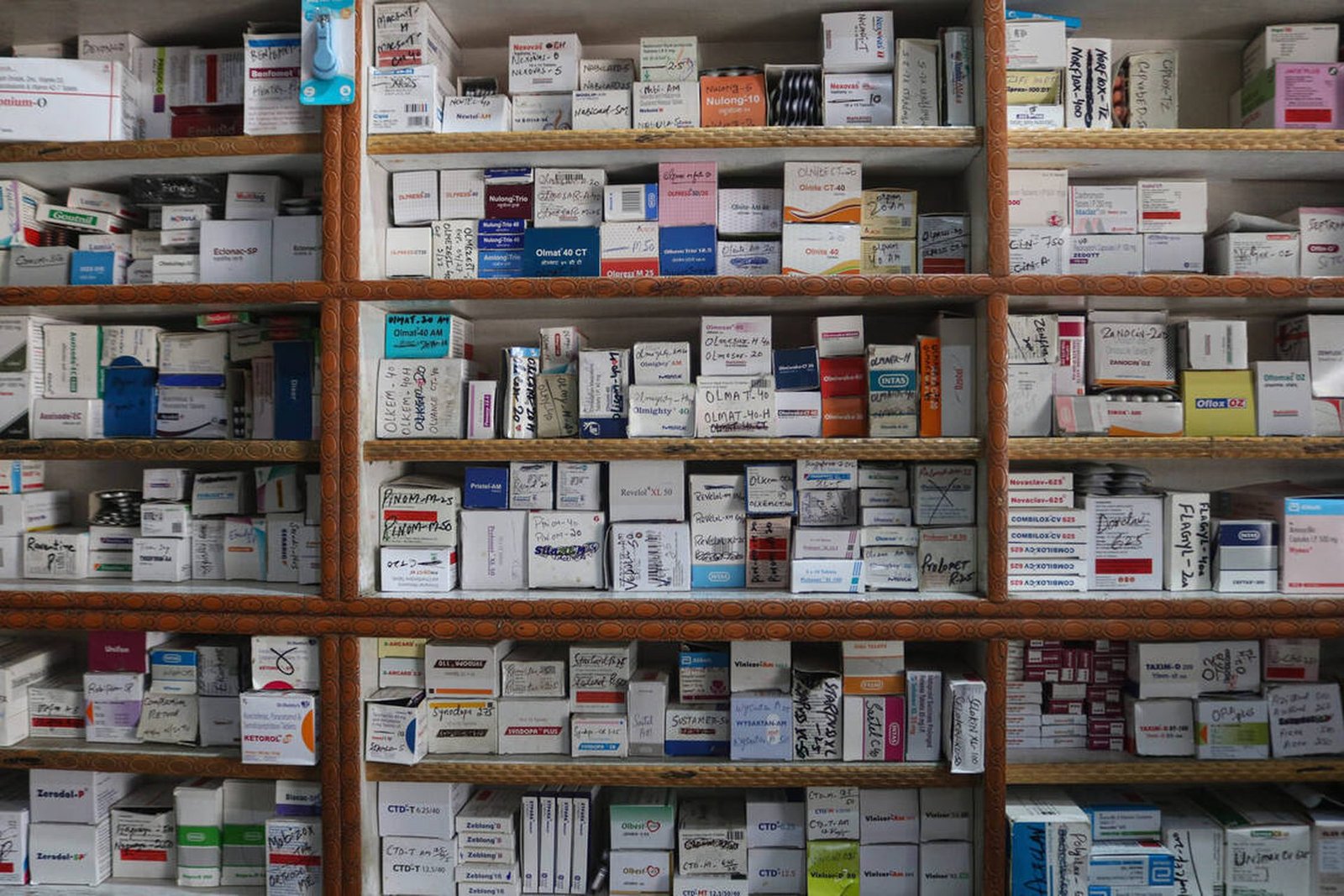
    Cancer treatment in India has become substantially cheaper this week, after new prices for 137 anti-cancer medicines took effect on 9 November. The National Pharmaceutical Pricing Authority (NPPA) capped the trade margin on the drugs at 30 per cent of the maximum retail price, cutting prices by up to 70 per cent on many of them. The revised prices apply across retail and hospital pharmacies throughout the country.

    The regulator issued the order on 17 October under paragraph 19 of the Drugs (Prices Control) Order, 2013, following recommendations from an expert committee set up by the Directorate General of Health Services. The cap covers branded and generic medicines, imported and domestic products, and patented as well as off-patent drugs. It limits the gap between the distributor price and the maximum retail price, squeezing the mark-ups taken by distributors, retailers and hospital pharmacies along the supply chain.

    Savings of more than 3,300 crore rupees

    By 4 November, 70 companies had reported revised prices for 120 of the 137 drugs, covering more than 1,100 products, according to the government. Most reductions fall between 20 and 70 per cent, with the steepest single cut reaching 96.45 per cent. The government estimates the lower prices will save patients about 3,357 crore rupees, calculated by applying the price differences to the volume of medicines sold between April 2025 and March 2026. The NPPA has published revised maximum retail prices for 543 brands on its website, and the list is being updated as companies submit new figures.

    The drugs covered include immunotherapy medicines used to treat more than 20 types of cancer, along with denosumab, used by breast and prostate cancer patients, pegfilgrastim, which helps prevent infections after chemotherapy, and bevacizumab, used to treat colon, ovarian and cervical cancers. Patients can check the new prices for their own medicines on the NPPA website or through the official Pharma Sahi Daam mobile application.

    The government has asked manufacturers to maintain production levels under the new cap, so that cheaper medicines remain available. Indian media have described the move as the biggest price intervention on cancer medicines since 2019, and for families paying for chemotherapy or immunotherapy from their own pockets, the difference could be measured in lakhs of rupees over a full course of treatment.

  • Doctors Call $900 Temple Brain Tracker ‘a Scam’

    Doctors Call $900 Temple Brain Tracker ‘a Scam’

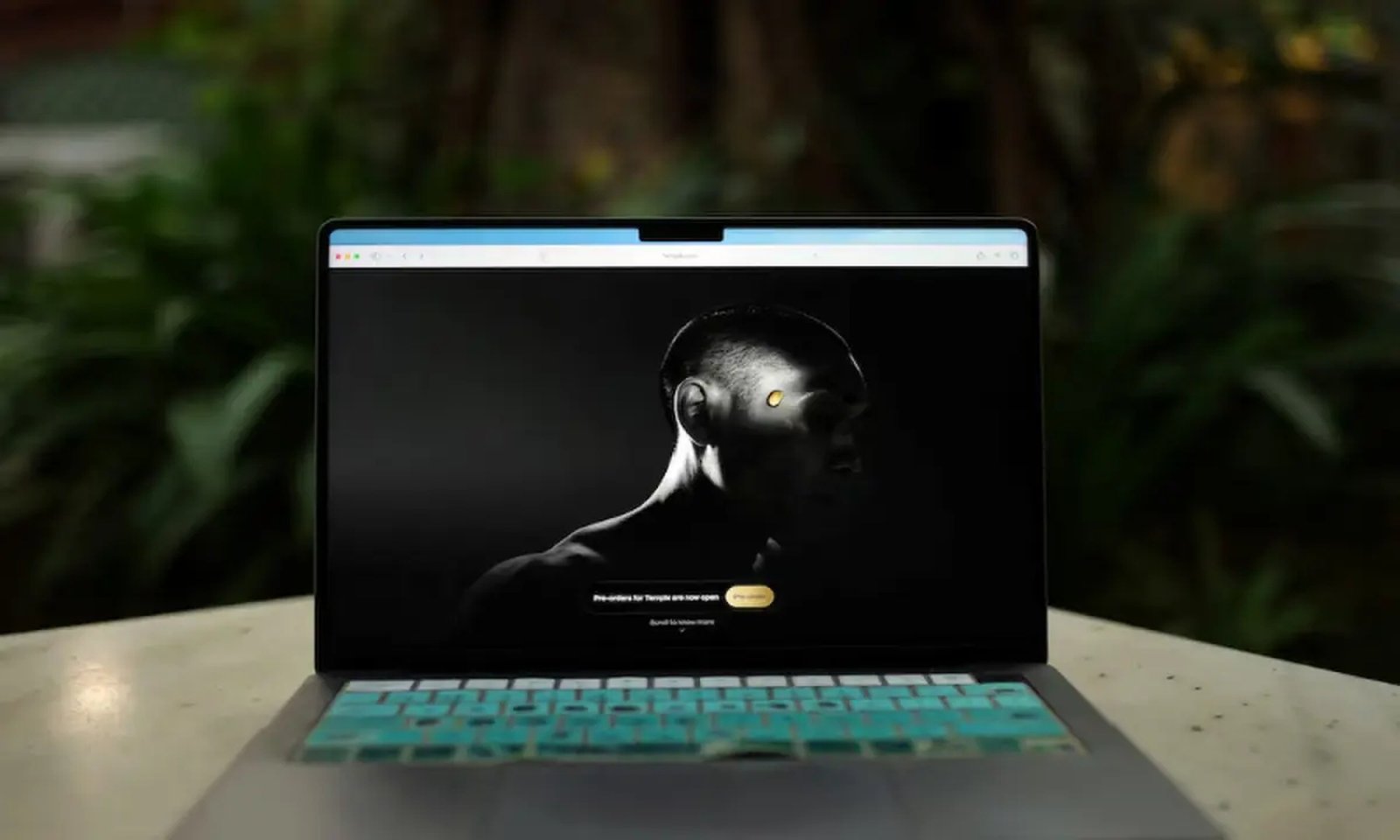
    A tiny wearable device that claims to track blood flow to the brain has set off a fierce public row in India, with doctors challenging the science behind the $900 gadget and its billionaire maker hitting back. The device, called Temple, is less than an inch wide, weighs under two grams and sticks to the side of the head near the temple. It sells in India for 85,000 rupees, about $907, and comes in six colours.

    Temple was developed by Deepinder Goyal, the co-founder of food delivery company Zomato, and has been showcased by some of India’s best-known sports stars, including cricket captain Shubman Gill and Olympic badminton medallist P.V. Sindhu. Its promotional material says the device’s BrainFlow feature shows how well the brain is being supplied with blood in real time, while its Entropy feature can detect how hard the body works to shed heat. It is also said to measure thermal, immune, digestive, cognitive and emotional readings.

    Doctors question the claims

    Several well-known doctors have said the claims go far beyond what the device can actually measure. Hepatologist Cyriac Philips, known online as TheLiverDoc, has been among the most outspoken critics, writing on X that the “Temple device is a scam. There is no doubt about it.” Paediatrician and nephrologist Sanjeev Bagai has also criticised the device on prime-time television, while other doctors have called for medical regulators to examine it.

    The central objection is about anatomy. Dr Jason Philip, writing on X, argued that measuring blood flow to the brain is not easy, and that optical signals picked up over the temple skin would mostly reflect the superficial temporal artery, which supplies the face and scalp rather than the brain. The critics say the device’s headline claims are not backed by peer-reviewed research, and that its two signature measures, BrainFlow and Entropy, have no standard clinical definition.

    Goyal has rejected the criticism. He says he has put $20 million of his own money into developing Temple, part of about $30 million spent on the project in total, and that preprints of the company’s research are expected, with independent studies to follow once the device reaches users. “If Temple were a scam, and any of what we said weren’t true, people would know it in just a few days of using Temple,” he wrote on X, adding that buyers get 14-day, no-questions-asked returns. The company describes Temple as a wellness device and says more research is coming.

    The row has grown well beyond a social media argument. Temple raised $54 million in February at a valuation of about $190 million, and its advisory board includes professors from the University of Ottawa and Harvard. India’s health ministry has not responded to questions about the device, and the government has so far not reacted to the public debate. For now, the argument comes down to a simple question that only independent testing can settle: can a patch stuck to the temple really tell you anything about the brain inside?

  • 27 Runners Rushed to Hospital After Santa Barbara Half Marathon as Heat Takes the Blame

    27 Runners Rushed to Hospital After Santa Barbara Half Marathon as Heat Takes the Blame

    What began as a bright morning race along the California coast ended with 27 runners in hospital, after dozens of competitors fell ill with what health officials now say was most likely heat and exhaustion.

    The Santa Barbara Half Marathon and 5K took place on Sunday, 8 November, with about 7,500 people registered for the races. The 13.1-mile half marathon started at 7 in the morning on Cabrillo Boulevard and finished on State Street, By late morning, hospitals in the area were dealing with far more emergency cases than expected.

    Cottage Health first raised the alarm after reporting a larger than expected number of emergency visits from people with similar symptoms of an undetermined cause. Nineteen participants had arrived at its emergency departments that morning, and the number kept growing. According to the Associated Press, 27 runners were eventually taken to hospital. Of those, 24 were treated and released, while three remained in hospital.

    Heat, not tampered water, behind the illnesses

    Late on Monday, the Santa Barbara County Public Health Department said the illnesses appeared to be connected to heat and physical exertion during the race. In a statement, the department said the incident appeared to be an isolated event connected directly to taking part in the race and the heat, adding that there was no indication of a broader public health concern or ongoing risk to the community.

    The weather on race day was far warmer than usual for the annual November event. Temperatures had already reached 80 degrees Fahrenheit by 10 in the morning and climbed into the mid-80s later in the day, about 10 degrees warmer than typical conditions for the race.

    Before the health department’s update, rumours had spread quickly on social media, with some people suggesting that water or drinks at hydration stations along the course had been contaminated or tampered with. Officials said environmental health inspectors found no violations or areas of concern when they examined the location where electrolyte drinks were prepared. Inspectors had visited the site on Friday and Saturday before the race, issued temporary food permits, and found that water supplies and other products were properly packaged and stored under sanitary conditions.

    The Santa Barbara Police Department launched an investigation after the hospital alerted officers to the unusual number of patients, and that investigation was still continuing. Race organisers said they were cooperating with the authorities and had no information suggesting the runners’ symptoms were caused by anything other than endurance-event exertion. Event director David Monico said the medical team had treated numerous runners for dehydration and overheating on the course and at the finish line, and that some of them had been taken to hospital for further treatment.

    Not everyone was convinced by the heat explanation. One mother, whose daughter was taken to hospital after the race, told the California Post that her daughter had trained extensively, had suddenly slowed down, and had no memory of the finish line. She said she found it hard to accept that heat alone could explain what had happened to a fit and well-prepared runner.

    Police have asked anyone with information about the incident to come forward, while investigators continue to look into the exact circumstances behind the wave of hospital visits.

  • FDA Orders Blindness Warning on Ozempic and Zepbound

    FDA Orders Blindness Warning on Ozempic and Zepbound

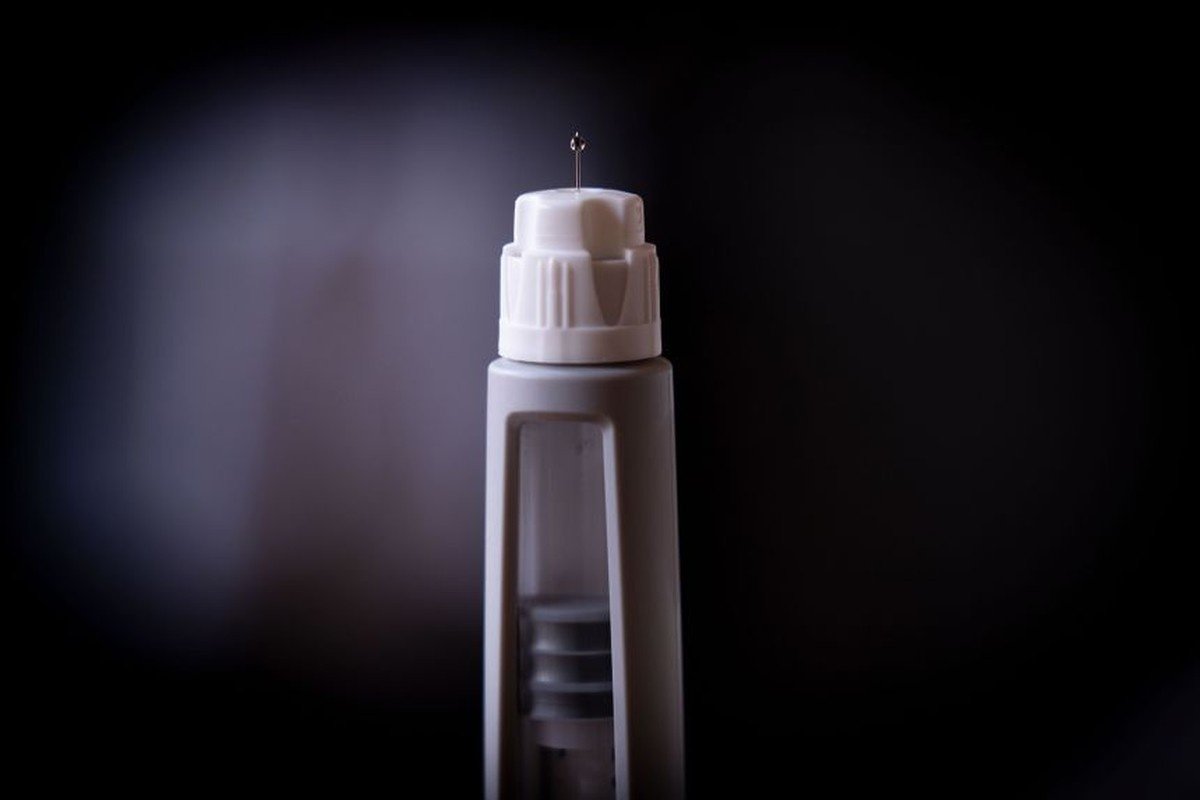
    The United States Food and Drug Administration has ordered makers of every GLP-1 weight-loss and diabetes drug, including Ozempic and Zepbound, to add a warning about a rare eye condition that can cause permanent vision loss.

    Announcing the change on Monday, 9 November, the FDA said it was requiring all medicines with GLP-1 receptor agonist activity to carry information about the potential increased risk of non-arteritic anterior ischemic optic neuropathy, known as NAION, in the warnings and precautions section of their labelling.

    NAION occurs when blood flow to the front of the optic nerve drops. The FDA describes it as a rare condition that can cause sudden, painless loss of vision in one eye, including permanent vision loss. Its underlying cause is not completely understood, and risk factors may include smoking, diabetes, high blood pressure, sleep apnoea, anaemia and kidney disease.

    What the FDA’s review found

    The warning covers about a dozen products, including Ozempic, Wegovy and Rybelsus, which contain semaglutide; Mounjaro and Zepbound, which contain tirzepatide; Victoza and Saxenda, which contain liraglutide; Trulicity, the combination products Xultophy and Soliqua, and Foundayo, which was approved in 2026. The FDA said NAION cases have been reported with every GLP-1 product currently on the market.

    The review began after a study published in July 2024 raised the possible link between semaglutide and NAION. The FDA pooled 126 randomised trials involving 134,253 participants and found 15 probable NAION cases: 10 among patients taking GLP-1 drugs and five among patients given a placebo. That worked out at 6.4 cases per 100,000 person-years among GLP-1 users, against 3.8 in the comparison groups.

    The agency stressed that it has not determined whether GLP-1 drugs can cause NAION, only that the evidence points to a possible increased risk that patients and doctors should know about. Europe’s medicines regulator reached a similar conclusion in June 2025, finding that NAION may affect up to 1 in 10,000 people taking semaglutide.

    Drugmakers responded cautiously. Novo Nordisk said the available research does not establish a cause-and-effect relationship and that it remains confident in the benefit-risk profile of its medicines. Eli Lilly said it was carefully evaluating the update and would respond to the FDA promptly.

    The FDA is not recalling the drugs or telling patients to stop taking them. But it says anyone using a GLP-1 medicine who notices sudden, painless vision loss in one eye, blind spots or tunnel vision, distorted colours or reduced central sharpness should contact a doctor right away and may need to be seen by an eye specialist.

  • وٹامن کے کا انجکشن نہ لگوانا 11 روز کی بچی کی جان لے گیا

    وٹامن کے کا انجکشن نہ لگوانا 11 روز کی بچی کی جان لے گیا

    ٹیکساس میں صرف 11 روز کی نوزائیدہ بچی گوین بیسن باخ کی موت نے پیدائش کے وقت لگائے جانے والے وٹامن کے کے انجکشن کی اہمیت پر سنگین سوال کھڑا کر دیا ہے۔ بچی کی ناف سے خون بہنا بند نہیں ہو رہا تھا، اور جس ایمرجنسی روم میں اسے لے جایا گیا، وہاں سات گھنٹے تک اسے وہ انجکشن نہیں دیا گیا جو اس کی جان بچا سکتا تھا۔ سی این این اور پروپبلکا کی تحقیق کے مطابق، یہ واقعہ اگست 2023 میں پیش آیا تھا۔

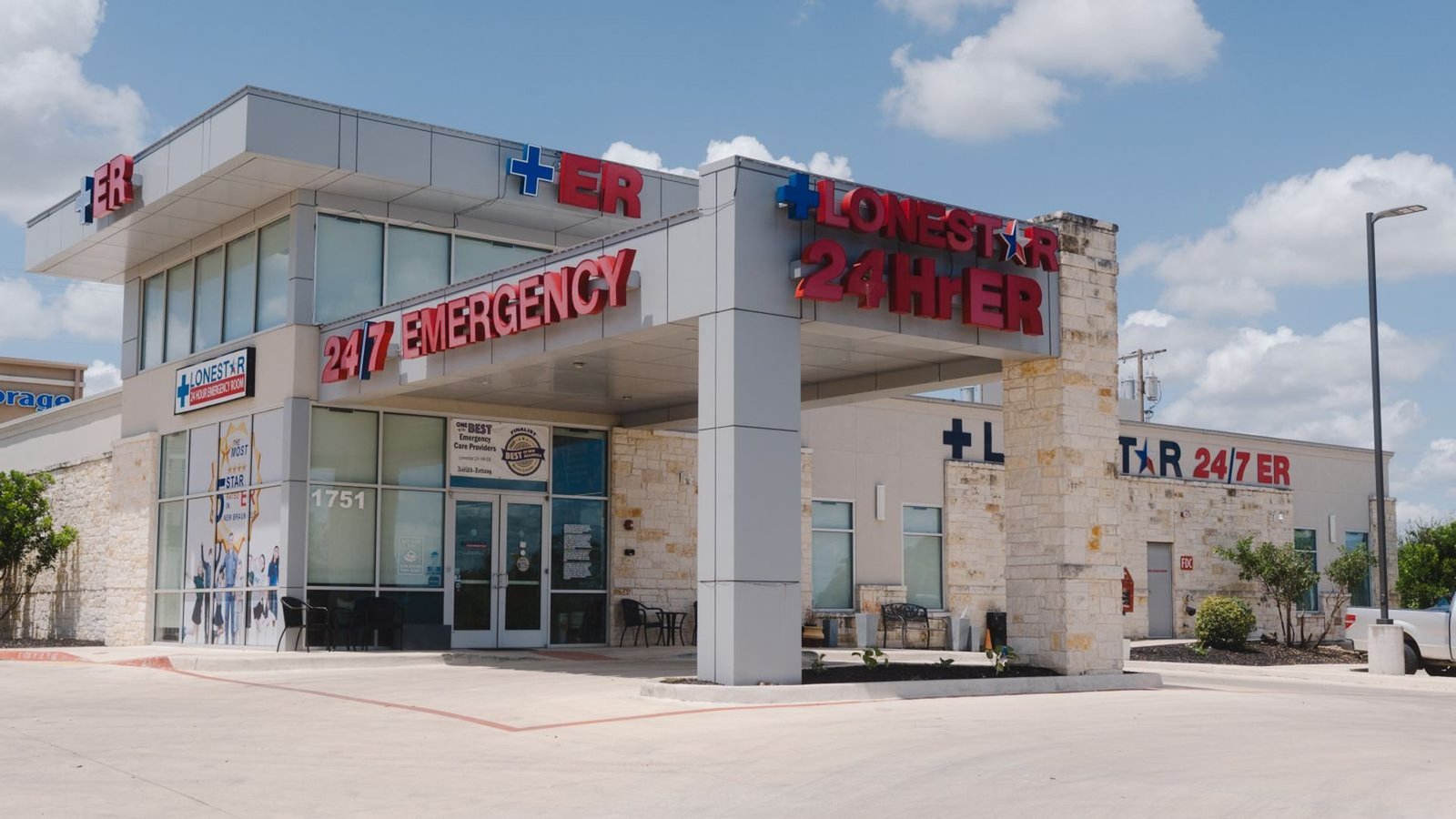
    گوین کے والدین نے پیدائش کے وقت انجکشن لگوانے سے انکار کر دیا تھا اور اس کی جگہ منہ سے دیے جانے والے قطرے استعمال کر رہے تھے۔ جب خون بہنا بند نہ ہوا تو وہ بچی کو گھر سے ایک میل دور لون اسٹار ایمرجنسی روم لے گئے۔ ڈاکٹر نکول ملوف نے خاص پٹی اور سلور نائٹریٹ سمیت سات طریقوں سے خون روکنے کی کوشش کی، لیکن خون بہتا رہا۔ ایمرجنسی روم میں وٹامن کے کا انجکشن موجود ہی نہیں تھا۔ منتقلی کے دوران ایمبولینس کی ٹیم نے رات 3 بج کر 45 منٹ پر انجکشن لگایا، لیکن بہت دیر ہو چکی تھی۔ اسپتال پہنچتے ہی بچی کا دل رک گیا، ڈاکٹروں نے 34 منٹ تک سی پی آر کیا، مگر صبح 9 بجے کے کچھ دیر بعد بچی دم توڑ گئی۔

    ٹیکساس میڈیکل بورڈ نے اکتوبر 2025 میں فیصلہ دیا کہ ڈاکٹر ملوف بیماری کو پہچاننے میں ناکام رہیں، انہوں نے بچی کو بروقت ماہر اسپتال منتقل نہیں کیا اور خون کی مقدار کا اندازہ بھی نہیں لگایا۔ بورڈ نے ڈاکٹر کو 24 گھنٹے کی مزید طبی تعلیم کا حکم دیا۔ ڈاکٹر ملوف نے الزامات کو نہ تسلیم کیا نہ انکار کیا۔

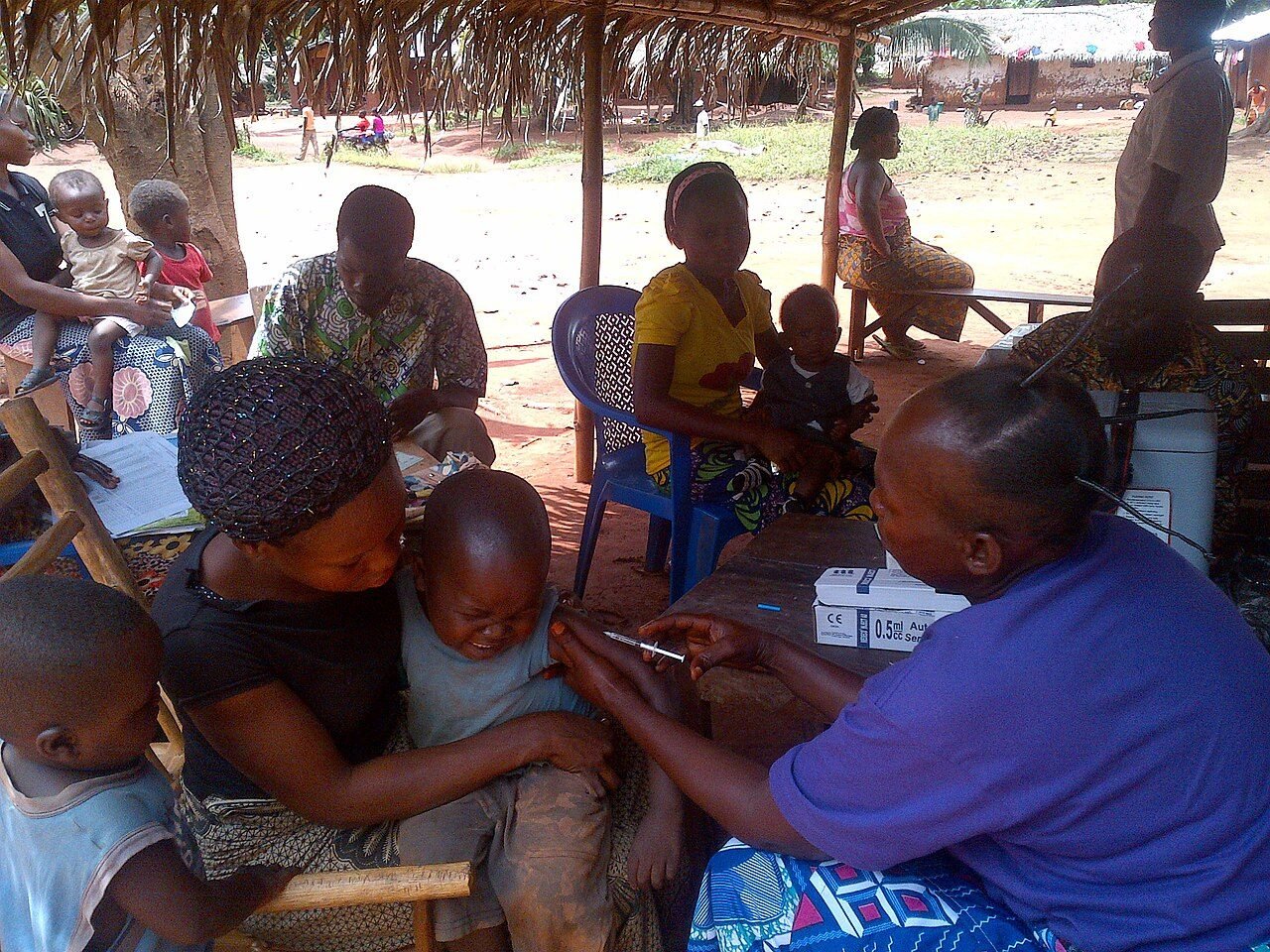
    1960 کی دہائی سے امریکہ میں تقریباً ہر نوزائیدہ بچے کو یہ انجکشن لگایا جاتا ہے، جس سے یہ بیماری تقریباً ختم ہو گئی تھی۔ لیکن حالیہ برسوں میں والدین کی جانب سے انکار بڑھ رہا ہے۔ گزشتہ ہفتے شائع ہونے والی دو بڑی تحقیقوں میں پایا گیا کہ جن بچوں کو یہ انجکشن نہیں لگا، ان میں خون بہنے کا خطرہ زیادہ تھا۔ ایک تجزیے کے مطابق، 2017 سے 2025 کے دوران اس بیماری کے کیسز میں 347 فیصد اضافہ ہوا، جبکہ 2026 کے پہلے چھ ماہ میں انکار کی شرح 5.2 سے بڑھ کر 8.1 فیصد ہو گئی۔ امریکی ادارہ سی ڈی سی، امریکن اکیڈمی آف پیڈیاٹرکس اور عالمی ادارہ صحت سبھی اس انجکشن کی سفارش کرتے ہیں۔ ماہرین کے مطابق، منہ کے قطرے انجکشن سے کم مؤثر ہیں اور امریکہ میں ان کی منظوری ایف ڈی اے نے نہیں دی۔ ڈاکٹروں کا کہنا ہے کہ شک کی صورت میں بھی انجکشن فوراً لگانا چاہیے، اس کا کوئی نقصان نہیں۔

    والدین نے بتایا کہ وہ گھر پر پیدائش اور قدرتی طریقوں کو ترجیح دیتے تھے، اور انٹرنیٹ پر تحقیق کر کے قطروں کا انتخاب کیا تھا۔ ان کے چھوٹے بیٹے کو ویکسین کے بعد تیز بخار ہوا تھا، جس کے بعد وہ طبی مداخلت سے محتاط ہو گئے تھے، حالانکہ سائنسی تحقیق میں ویکسینز اور آٹزم کے درمیان کوئی تعلق ثابت نہیں ہوا۔ بورڈ نے واضح کیا کہ اگر کسی اسپتال میں ضروری دوا یا سہولت موجود نہ ہو تو مریض کو فوراً بہتر سہولت والے اسپتال منتقل کرنا ڈاکٹر کی ذمہ داری ہے۔

  • FDA Approves New Blood Thinner to Cut Repeat Strokes by 26%

    FDA Approves New Blood Thinner to Cut Repeat Strokes by 26%

    American regulators have approved a new kind of blood thinner that works in a way no approved medicine has before, giving stroke survivors a fresh option to lower the chance of a second stroke.

    The US Food and Drug Administration said on Monday that it had cleared Sunharbo, known by its chemical name asundexian, for adults who have recently had a mild or moderate stroke not caused by a clot from the heart, or who have had a high-risk mini-stroke. The once-daily tablet is taken alongside standard antiplatelet treatment.

    What makes the drug different is its target. It blocks a clotting protein called Factor XIa, a step in the clotting chain that today’s medicines do not touch. The big-selling blood thinners Eliquis and Xarelto block a different protein, Factor Xa. Sunharbo is the first Factor XIa inhibitor to win approval.

    The decision rests on a large international trial called OCEANIC-STROKE, which enrolled 12,327 adults at 702 centres in 37 countries. Patients began treatment within three days of their stroke or mini-stroke and were followed for a median of 14.2 months.

    The results, published in the New England Journal of Medicine, showed that the drug cut the risk of another ischemic stroke — one caused by a blocked artery — by 26 percent compared with a dummy pill. Repeat strokes occurred in 6.2 percent of patients on asundexian, against 8.4 percent of those on placebo.

    Bleeding, the main worry with any blood thinner, was only slightly more common with the new drug: major bleeding was recorded in about 1.9 percent of patients taking it, compared with 1.7 percent on placebo. The risk was higher in patients over 75 and during the first three months of treatment, and diarrhoea was the most frequently reported side effect.

    The approval does not extend to everyone at risk of stroke. It is not cleared to prevent strokes in people with atrial fibrillation, the irregular heartbeat that can send clots from the heart to the brain, and it is meant only for patients who have already had a stroke or a high-risk mini-stroke.

    Bayer, which developed the drug, sees it as a future blockbuster — industry shorthand for a medicine bringing in at least one billion dollars a year in sales — and a way to offset falling revenue from Xarelto, which now faces cheaper generic rivals after losing patent protection. Sebastian Guth, president of Bayer’s US business, called it a practice-changing innovation, noting that repeat-stroke rates have barely moved in 20 years.

    China approved the drug late last month, and rivals are not far behind: Novartis is developing abelacimab, while Bristol Myers Squibb and Johnson and Johnson are working on milvexian, although neither has yet reported late-stage stroke-prevention results. No price or launch date for Sunharbo was announced.

  • Cancer Drug Prices Cut by Up to 96% in India

    Cancer Drug Prices Cut by Up to 96% in India

    Cancer patients in India are set to pay far less for their medicines after revised prices for 1,364 anti-cancer drug formulations came into effect across the country on Monday, with some prices falling by as much as 96.45 percent.

    The National Pharmaceutical Pricing Authority, known as the NPPA, has capped trade margins on 137 non-scheduled anti-cancer drugs at 30 percent of their maximum retail price. The move followed recommendations from an expert committee set up by the Directorate General of Health Services on 17 October 2026, and was notified under the Drugs (Prices Control) Order of 2013.

    According to the Ministry of Chemicals and Fertilizers, 85 pharmaceutical companies had reported revised prices for 1,364 formulations covering 121 drugs as of 8 November. Of these, 679 brands recorded price reductions of more than 50 percent, while the steepest single cut reached 96.45 percent. The government estimates that patients and their families will save about 3,540.38 crore rupees a year as a result.

    The medicines covered by the cap include immunotherapy drugs prescribed for more than 20 types of cancer, along with Denosumab, used in the treatment of breast and prostate cancer, Pegfilgrastim, which helps prevent infections in patients receiving chemotherapy, and Bevacizumab, approved for colon, ovarian and cervical cancers.

    The ministry said no chemist or hospital pharmacy can charge more than the revised maximum retail price, and patients can check the new price printed on the medicine pack. Prices can also be verified through the government’s Pharma Sahi Daam mobile application or on the NPPA website, and complaints about overcharging can be registered through the Pharma Jan Samadhan portal or the helpline 1800-111-255.

    The latest step builds on an earlier round of the same initiative. In October, the NPPA released revised prices for more than 500 brands of anti-cancer medicines, and the programme has now grown from covering 42 drugs in 2019 to 137 drugs in 2026. Officials say the aim is to curb excessive margins in the supply chain, where the gap between what a manufacturer charges a distributor and what a patient pays at the counter had grown far beyond the cost of the medicine itself.

    Health experts have welcomed the move as a meaningful relief for families, though they note that cheaper medicines alone do not solve the full cost of cancer care, which also includes diagnosis, hospital stays and supportive treatment. Even so, for households that spend a large share of their income on long courses of cancer drugs, the new prices could make the difference between continuing treatment and stopping it.

  • US Measles Cases Hit 1,505 in Pennsylvania in Worst Outbreak

    US Measles Cases Hit 1,505 in Pennsylvania in Worst Outbreak

    The number of measles cases in Pennsylvania has passed 1,500, as the state battles its worst outbreak of the disease in years, the state health department has said.

    Cases reached 1,505 as of Monday, up 18 from the previous update on Friday, according to the department’s dashboard. Pennsylvania reported 73 new cases over the past seven days, and measles-related hospitalisations rose to 290 from 287 in the previous update. The state has reported six measles-associated deaths this year.

    People under 18 accounted for 33 percent of the cases in Pennsylvania, and fewer than 1 percent of those infected in the state were fully vaccinated. A new case was confirmed in a Bucks County resident who had travelled to central Pennsylvania; the person is no longer considered contagious.

    Nationally, the US Centers for Disease Control and Prevention reported 5,182 measles cases in the United States as of November 5, the highest annual tally since 1991. People who were unvaccinated or whose vaccination status was unknown accounted for 96 percent of US cases this year. Pennsylvania remains the state hardest hit by the outbreak, followed by South Carolina and Utah, according to CDC data.

    A Pan American Health Organization expert commission is due to review this week whether the United States still meets the criteria for measles elimination, a status the country has held since 2000. Measles is an extremely contagious airborne disease that can be especially dangerous for young and unvaccinated children, and health officials have repeatedly stressed that vaccination is the strongest protection.

    According to the CDC, one dose of the measles-mumps-rubella vaccine is about 93 percent effective at preventing measles if a person is exposed, and two doses raise that protection to about 97 percent. The first dose is recommended between 12 and 15 months of age, and the second dose between the ages of four and six. Officials urge parents to check with their child’s doctor to make sure vaccinations are up to date, especially before travelling, as unvaccinated travellers continue to bring the disease into the country from abroad.

  • Mystery Illness Kills Five Children of One Family in Khyber

    Mystery Illness Kills Five Children of One Family in Khyber

    Five children from a single family have died after falling ill with a mysterious disease in Khyber district, while two other children from the same household are being treated in hospital in Peshawar.

    Seven children of Shah Ji, a resident of Qaziano Kalay in Bazaar Zakha Khel tehsil, fell ill within a short period. Five of them, three girls and two boys, all under the age of five, died on the way to hospitals in Peshawar.

    The two surviving children are receiving treatment at Hayatabad Medical Complex in Peshawar, where doctors are monitoring their condition.

    According to initial reports, medical tests carried out so far have not identified the cause of the illness, and health officials say the reason for the sudden sickness remains unknown.

    Deputy Commissioner Khyber Shahid Ali said a special team of the district administration acted quickly to shift the children to Peshawar for treatment after the family reported the illness.

    The deaths have caused grief and alarm in the area, with residents calling on health authorities to investigate the cause urgently and to take steps to protect other children in the village.

    Officials say samples have been collected and further tests are under way, and the district administration is in contact with health teams to trace the source of the illness.

    Health officials say that when the cause of a sudden illness is unknown, samples are usually sent to laboratories for detailed testing, while medical teams visit the affected area to check water, food and other possible sources. Such investigations can take time, and officials have urged residents not to speculate until results are available.

    The district administration said it was monitoring the condition of the two surviving children closely and that medical staff at Hayatabad Medical Complex were providing them with full care. Families in the area have been advised to seek medical help immediately if any child shows similar symptoms.

    Local residents have asked the authorities to send a medical team to the village to examine other children and to ensure that clean drinking water and basic health facilities are available. Officials said a health team would visit the area as part of the investigation.

  • FDA Orders Eye-Risk Warnings on Ozempic and Zepbound

    FDA Orders Eye-Risk Warnings on Ozempic and Zepbound

    Millions of people taking popular weight-loss and diabetes medicines will soon see a new warning on the label after the United States Food and Drug Administration ordered stronger cautions about a rare but serious risk to eyesight.

    The regulator said on Monday that it had told patients and healthcare providers about a potential risk of vision loss linked to GLP-1 drugs, and it is requiring the medicines to carry new information in the warnings and precautions section of their labels.

    The drugs covered by the order are Eli Lilly’s Mounjaro and Zepbound and Novo Nordisk’s Ozempic and Wegovy, some of the most widely prescribed medicines in the world for diabetes and weight management.

    The warning concerns a condition called non-arteritic anterior ischemic optic neuropathy, known as NAION, which is a common cause of sudden and painless vision loss and can lead to permanent impairment.

    According to the FDA, the decision followed an evaluation of clinical trial data, animal studies and reports collected after the drugs reached the market.

    Novo Nordisk responded that it continues to believe the available data do not establish a cause-and-effect relationship between its medicines and the eye condition, but the company will comply with the labelling change.

    Regulators in Europe moved earlier on the same concern. Last year, the European Medicines Agency’s safety committee said NAION may affect up to one in 10,000 people taking semaglutide for at least a year, becoming the first regulator to confirm the side effect.

    A large study published in 2025 added to the evidence. Researchers tracked nearly 175,000 diabetic patients treated with semaglutide and a similar number treated with medicines that were not GLP-1 drugs, and found that the risk of NAION more than doubled after two years of GLP-1 treatment.

    Health experts say patients should not stop their medicine without speaking to a doctor, but anyone taking these drugs who notices sudden changes in vision should seek medical attention promptly.

    GLP-1 medicines were first developed to treat type 2 diabetes, but they have become far more widely used in recent years after being shown to help people lose significant amounts of weight. Millions of people around the world now take them, and demand has grown so quickly that supplies have at times been difficult to secure.

    NAION typically causes sudden vision loss in one eye, often noticed on waking in the morning, and it is linked to reduced blood flow to the optic nerve. Doctors say there is no proven treatment that restores vision once the damage has occurred, which is why regulators want patients and prescribers to be aware of the possible risk before starting treatment.