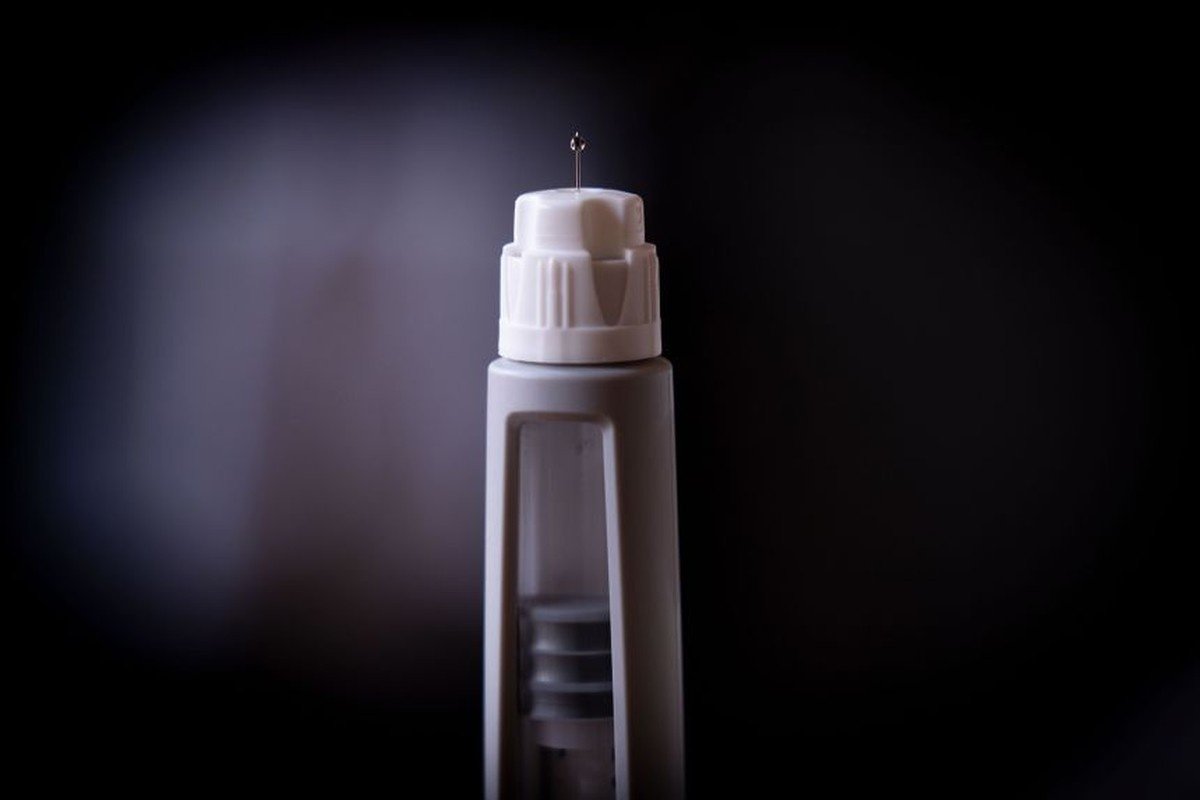
Millions of people taking popular weight-loss and diabetes medicines will soon see a new warning on the label after the United States Food and Drug Administration ordered stronger cautions about a rare but serious risk to eyesight.
The regulator said on Monday that it had told patients and healthcare providers about a potential risk of vision loss linked to GLP-1 drugs, and it is requiring the medicines to carry new information in the warnings and precautions section of their labels.
The drugs covered by the order are Eli Lilly’s Mounjaro and Zepbound and Novo Nordisk’s Ozempic and Wegovy, some of the most widely prescribed medicines in the world for diabetes and weight management.
The warning concerns a condition called non-arteritic anterior ischemic optic neuropathy, known as NAION, which is a common cause of sudden and painless vision loss and can lead to permanent impairment.
According to the FDA, the decision followed an evaluation of clinical trial data, animal studies and reports collected after the drugs reached the market.
Novo Nordisk responded that it continues to believe the available data do not establish a cause-and-effect relationship between its medicines and the eye condition, but the company will comply with the labelling change.
Regulators in Europe moved earlier on the same concern. Last year, the European Medicines Agency’s safety committee said NAION may affect up to one in 10,000 people taking semaglutide for at least a year, becoming the first regulator to confirm the side effect.
A large study published in 2025 added to the evidence. Researchers tracked nearly 175,000 diabetic patients treated with semaglutide and a similar number treated with medicines that were not GLP-1 drugs, and found that the risk of NAION more than doubled after two years of GLP-1 treatment.
Health experts say patients should not stop their medicine without speaking to a doctor, but anyone taking these drugs who notices sudden changes in vision should seek medical attention promptly.
GLP-1 medicines were first developed to treat type 2 diabetes, but they have become far more widely used in recent years after being shown to help people lose significant amounts of weight. Millions of people around the world now take them, and demand has grown so quickly that supplies have at times been difficult to secure.
NAION typically causes sudden vision loss in one eye, often noticed on waking in the morning, and it is linked to reduced blood flow to the optic nerve. Doctors say there is no proven treatment that restores vision once the damage has occurred, which is why regulators want patients and prescribers to be aware of the possible risk before starting treatment.
Leave a Reply