Tag: Pakistan

  • India Rejects OIC Resolutions on J&K, Accuses Pakistan

    India Rejects OIC Resolutions on J&K, Accuses Pakistan

    New Delhi: India on Monday rejected references to Jammu and Kashmir and Islamophobia in resolutions adopted at the Organisation of Islamic Cooperation (OIC) Council of Foreign Ministers’ meeting in Baghdad, accusing Pakistan of orchestrating what it described as a “bigoted agenda” to misuse the grouping against New Delhi.

    In a sharp response issued by the Ministry of External Affairs (MEA), spokesperson Randhir Jaiswal described the references as “malicious, biased and false” and questioned the credibility of the 57-member grouping for repeatedly endorsing what New Delhi called Pakistan’s propaganda. The OIC Council of Foreign Ministers met in Baghdad on October 17 and 18.

    OIC has “no locus standi”, says MEA

    Reiterating India’s long-standing position, the MEA said the OIC had “no locus standi whatsoever” to comment on matters that it considers strictly internal to the country. It asserted that the Union Territories of Jammu and Kashmir and Ladakh were “integral and inalienable parts of India,” adding that “politically motivated propaganda can never alter this reality.”

    Highlighting developments in the region since the abrogation of Article 370 in August 2019, the MEA said Jammu and Kashmir had witnessed significant economic growth, with infrastructure development, tourism and improved connectivity benefiting its people.

    Counter-allegations against Islamabad

    In a pointed counter to Pakistan’s position on Kashmir, New Delhi accused Islamabad of unleashing violence and repression in what it termed “Pakistan-occupied Jammu and Kashmir” (PoJK), alleging that scores of civilian protesters, including women and children, had been killed. “No amount of media blackout has been able to hide these grave violations of human rights,” the MEA said.

    According to the MEA, the only outstanding issues relating to Jammu and Kashmir were Pakistan vacating territories under its “illegal and forcible occupation” and ending its support for cross-border terrorism.

    Islamophobia references also rejected

    India also rejected what it described as fabricated and hostile references to Islamophobia in the OIC resolutions, accusing Pakistan of using the issue to divert international attention from its own record on minority persecution and sectarian violence, as well as governance failures and political instability.

    The MEA said the OIC’s repeated endorsement of what it called malicious narratives propagated by Pakistan raised serious questions about the organisation’s credibility and integrity. “We hope its members would do better and reform this organisation,” the ministry said, noting that India has consistently opposed OIC statements on Jammu and Kashmir.

  • Pakistan Set to Sign First-Ever Digital and AI Compact

    Pakistan Set to Sign First-Ever Digital and AI Compact

    Pakistan is poised to take a prominent place on the global technology stage this week, as the country prepares to become the first nation to sign the Digital and AI Compact during the Global AI and Digital Summit 2026 in Seoul. Federal Minister for Information Technology and Telecommunication Shaza Fatima Khawaja has departed for South Korea to represent the country at the gathering.

    Summit agenda

    The summit, hosted in Seoul from October 19 to 22 by the World Bank Group together with South Korea’s Ministry of Science and ICT and its Ministry of Finance and Economy, will bring together global leaders to examine how artificial intelligence and digital transformation can deliver practical development gains. During the visit, the minister will participate in the AI and Digital Ministerial Meeting, where discussions will focus on Pakistan’s priorities in artificial intelligence and digital inclusion. She will also present Pakistan’s future roadmap during a dedicated session on the Digital and AI Compact, outlining the country’s approach to advancing digital transformation and artificial intelligence.

    Bilateral engagements

    On the sidelines of the summit, the federal minister is scheduled to hold a bilateral meeting with a Google vice president to discuss matters of mutual interest. She will also meet a World Bank vice president to discuss areas of cooperation. The visit will include key sessions on ensuring equitable access to the internet and digital services worldwide, highlighting the importance of digital inclusion and expanding access to emerging technologies.

    Pakistan’s AI roadmap

    The visit comes at a time when Pakistan is stepping up its digital ambitions. Under the National AI Policy 2025, the government has set a target of creating three million AI-related jobs by 2030, while the country’s IT and telecom export remittances reached a record Rs1.2 trillion, or about $4.6 billion, during the 2025-26 fiscal year. The minister has previously said the AI policy was formulated after comprehensive consultations and that the government would now focus on its implementation and execution. While Pakistan does not yet have an AI-specific regulatory structure, measures including the National Cyber Security Policy 2021, the Cloud First Policy 2022 and the CERT Rules 2023 address the potential challenges associated with the use of artificial intelligence.

    The signing of the Digital and AI Compact is expected to mark a significant step in Pakistan’s efforts to advance digital technology and AI cooperation internationally, underlining the country’s push to position itself as a serious player in the region’s fast-moving artificial intelligence landscape.

  • Breast Cancer Awareness Day Marked Across Pakistan

    Breast Cancer Awareness Day Marked Across Pakistan

    Pakistan observed Breast Cancer Awareness Day on October 19, with President Asif Ali Zardari and Prime Minister Muhammad Shehbaz Sharif both calling for stronger public awareness, early detection and compassionate support for women affected by the disease.

    President’s message

    In his message, President Zardari commended healthcare professionals, volunteers, patient organisations, researchers and community workers for their contributions to breast cancer awareness and support. He said breast cancer affects thousands of families in Pakistan, placing emotional and social pressures not only on the women living with the disease but also on their mothers, daughters, sisters and spouses. He said the day was an opportunity to remind women to pay attention to their health and seek appropriate medical advice when they notice changes or have concerns, adding that greater awareness could help women make informed decisions about their health.

    The President also underlined the role of families and communities, saying women should feel able to discuss their health concerns openly and seek care without fear or hesitation, and that understanding and support from family members can help reduce the fear, misinformation and silence that may surround cancer. Schools, workplaces, community organisations, the media, civil society and healthcare professionals all have a part to play, he said, in ensuring accurate information reaches women and families across the country. He extended greetings to all those affected by the disease, their families and caregivers, and to the healthcare professionals working to support them.

    Government’s free screening drive

    In his own message, Prime Minister Muhammad Shehbaz Sharif said the federal government was working with provincial governments and relevant local institutions to ensure access to essential healthcare services, including specialised cancer treatment facilities. He said a comprehensive strategy had been developed to promote early detection, ensure timely medical examinations, facilitate access to quality treatment and maintain continuity of care across the country.

    The prime minister said free screening, diagnostic services and medicines were available at the Federal Breast Cancer Screening Centre at the Pakistan Institute of Medical Sciences, and that Lady Health Workers and primary healthcare staff were being trained to strengthen early detection and awareness. He paid particular attention to women in rural and underprivileged areas, where access to healthcare facilities is often limited, pledging that no Pakistani woman would be deprived of timely and quality treatment because of her geographical location or financial circumstances.

    October is observed globally as breast cancer awareness month, and the day served as a reminder that timely medical attention, informed choices and strong family support can make a decisive difference in the lives of women and families facing the disease.

  • Pakistan Rules Out Unconditional Talks With Afghanistan

    Pakistan Rules Out Unconditional Talks With Afghanistan

    ISLAMABAD: Pakistan has ruled out unconditional talks with Afghanistan, insisting that any future dialogue must be tied to a verifiable mechanism that guarantees an end to terrorist activities launched from Afghan soil.

    Addressing the weekly media briefing on Friday, Foreign Office spokesperson Sajjad Haider Khan said Pakistan was not avoiding engagement but would only join discussions that produced tangible results. According to him, Pakistan would welcome sincere efforts by friendly countries to help resolve the long-running dispute and promote regional peace.

    The statement came as Russia renewed its readiness to mediate between the two neighbours. The spokesperson said he was not aware of any separate, formal Russian mediation initiative currently under discussion, while stressing that Islamabad remained open to engagement that delivered concrete outcomes. Russia is the only country to have formally recognised the Taliban government, and Moscow’s special envoy for Afghanistan, Zamir Kabulov, had earlier renewed the offer to facilitate a settlement if both sides sought it.

    Moscow Format ends without agreement

    The spokesperson said the failure of the latest round of the Moscow Format consultations on October 5 to issue a joint communique highlighted the central obstacle to normalising relations. According to him, the Afghan delegation was unwilling to accept language on terrorist networks operating from Afghanistan that had been acceptable in the previous year’s document.

    “The fact that no joint communique was issued after the Moscow Format is self-evident that Afghanistan did not accept the formulation which had been acceptable until last year, particularly about the presence of terrorist networks in Afghanistan,” Mr Khan said.

    Pakistan’s core demand, he reiterated, is action against the Tehreek-i-Taliban Pakistan and other militant groups that Islamabad says use Afghan territory to launch attacks across the border. The Taliban authorities have rejected these allegations and have avoided taking a categorical position on the banned outfit.

    The spokesperson recalled that previous mediation attempts had also failed to produce a lasting settlement. Qatar and Turkiye helped broker a ceasefire last October, but the subsequent round of talks did not hold. Saudi Arabia separately hosted discussions, while China held talks between the two sides in Urumqi in April. None of these efforts, he noted, resolved the disagreement over terrorist groups and the measures needed to prevent cross-border attacks.

    Warning to India

    On a separate note, the spokesperson rejected what he called provocative remarks by Indian Defence Minister Rajnath Singh, who had threatened a bigger strike in response to any future terrorist attacks while speaking at the National Defence Conclave 2026 in Delhi. Mr Singh had recalled Operation Sindoor, describing it as a decisive response to terrorism.

    “We reject and condemn the Indian Defence Minister’s provocative remarks entailing a threat of Indian aggression against Pakistan,” Mr Khan said, adding that such statements reflected a hegemonistic mindset and posed risks to regional peace and stability in South Asia.

    He reminded New Delhi of what he described as the consequences of its military aggression in May last year, when Pakistan, according to him, demonstrated both its capability and resolve to defend its sovereignty and territorial integrity. Any future aggression, he warned, would be met with an even stronger response, and he urged India to abandon what he termed its belligerent posture and act responsibly for lasting peace in the region.

  • PM Shehbaz launches anti-poverty initiative

    PM Shehbaz launches anti-poverty initiative

    Prime Minister Muhammad Shehbaz Sharif has announced that the government is launching a special initiative to help the country’s poorest households and families affected by recent floods move out of poverty through a comprehensive package of support.

    The announcement came in a message issued by the PM Office on the International Day for the Eradication of Poverty, observed worldwide on October 17. In the message, the prime minister described poverty eradication as a shared national responsibility requiring joint efforts by provincial governments, development partners, civil society, the private sector and local communities.

    A Safe Home for All

    According to the statement, the day is being observed globally under a United Nations three-year campaign for 2026-2028, themed “United for Peace and Human Rights,” with the 2026 sub-theme “A Safe Home for All.” The prime minister said the themes underlined the importance of collective action to end poverty and build a peaceful and just society.

    The statement said economic prosperity, adequate food supplies and safe housing were among the essential outcomes of poverty alleviation, adding that safe and dignified housing was fundamental to citizens’ well-being.

    On housing, the prime minister said the government was expanding access to affordable homes, particularly for economically vulnerable families, through easy financing under the Prime Minister’s Apna Ghar Scheme. He noted that besides financial constraints, climate change effects such as floods and heavy rainfall were also adding to the housing shortage in the country.

    Constitutional duty and welfare state

    The statement said promoting the social and economic well-being of the people was a constitutional responsibility of the government, and that the Constitution of Pakistan reflected a national commitment to building a welfare state. In fulfilment of that obligation, the prime minister said, the government was pursuing an integrated strategy linking social protection with human development, skills enhancement, livelihood opportunities, employment and economic empowerment.

    The prime minister said the government continued to strengthen and sustain the Benazir Income Support Programme (BISP) as a key social safety net providing direct financial assistance to deserving families. He said the launch of the National Socio-Economic Registry and the Digital Social Protection Wallet was intended to protect beneficiaries from exploitation and bring transparency to the delivery of assistance.

    Education, skills and livelihoods

    To help citizens build sustainable livelihoods, the prime minister said the government was working to ensure equal access to education and technical and vocational training. He said talented children from all backgrounds were receiving quality education and comprehensive care through the Daanish Schools System, while the National Vocational and Technical Training Commission (NAVTTC) had been further strengthened to equip young people with internationally aligned technical skills.

    He said initiatives such as the Prime Minister’s Youth Programme, “Uraan Pakistan,” Pakistan Bait-ul-Mal and the Pakistan Poverty Alleviation Fund (PPAF) were aimed at reducing poverty by improving livelihoods and strengthening infrastructure – efforts that, he said, would also help address deprivations in housing, energy, healthcare and education.

    The prime minister reaffirmed Pakistan’s commitment to concerted and practical measures at national and global levels to eradicate poverty, reduce inequality and ensure equitable development opportunities.

    Calling on all segments of society to renew their resolve, the prime minister said that through collective efforts, Pakistan could be made socially and economically secure and firmly set on the path to progress and prosperity.

  • NA approves electoral reforms committee

    NA approves electoral reforms committee

    The National Assembly on Friday approved a motion authorising Speaker Sardar Ayaz Sadiq to constitute a parliamentary committee tasked with recommending electoral reforms aimed at ensuring free, fair and transparent elections in the country.

    The motion was moved by Federal Minister for Parliamentary Affairs Dr Tariq Fazal Chaudhry, who sought the formation of a committee mandated to propose the use of modern technology in the electoral process and to recommend the legislation needed to support it.

    Committee composition

    Under the motion, the committee will include representatives of all parliamentary parties. The speaker will also be empowered to alter the committee’s composition on the recommendations of parliamentary leaders and to constitute subcommittees as required.

    E-passports and modernised immigration system

    During the question hour earlier in the session, the parliamentary affairs minister told the house that the government was working to modernise Pakistan’s passport and immigration system by introducing electronic passports and upgrading technology to meet international standards.

    According to the minister, all passports currently being issued in the country are e-passports carrying embedded chips designed to improve security and prevent forgery. He said modern machinery had been installed at passport offices and at the headquarters of the Directorate General of Immigration and Passports in Islamabad.

    He acknowledged, however, that completing the nationwide transition could take time given the country’s large population and the need to provide equipment at different locations, adding that passport services were being expanded to district and tehsil levels.

    The minister said applications submitted by overseas Pakistanis through Pakistani embassies and consulates were generally forwarded to the headquarters for issuance of e-passports. He also told the house that the National Database and Registration Authority (NADRA) had developed expertise that had attracted interest from other countries.

    Islamabad development, Workers Welfare Fund

    In response to another question, the minister said around 94 percent of development work in Sector C-14 of Islamabad had been completed and the process of handing over plots was nearly complete. He described the handover of possession of plots in Sector E-12 to allottees as a major achievement, noting that many allottees had waited decades for possession despite holding allotment letters.

    Minister of State for Overseas Pakistanis and Human Resource Development Muhammad Awn Saqlain informed the house that the Workers Welfare Fund had 12 employees on deputation, 251 regular employees and 90 vacant posts. He said all appointments on deputation had been made under the prescribed rules and criteria after scrutiny by a committee working under the relevant minister.

    Replying to a question about official vehicles, he said 22 vehicles were being used by Grade-20 officers of the fund and that a 50 percent cut had been imposed under the prime minister’s austerity policy. He said the fund’s administrative costs over the past five years stood at Rs753 million, while operational expenditure amounted to Rs300 million.

    Parliamentary Secretary for Information and Broadcasting Barrister Danyal Chaudhry told the house that Pakistan Television’s business plan had been submitted to its board for approval after completion of the required formalities and was expected to be approved within the next few months.

    Two bills introduced

    After the question hour, two bills – the National Book Foundation (Amendment) Bill, 2026 and the Pakistan Climate Change (Amendment) Bill, 2026 – were introduced in the National Assembly.

  • Petrol Price in Pakistan Rises Rs1.2 to Rs393.86 for Oct 15

    Petrol Price in Pakistan Rises Rs1.2 to Rs393.86 for Oct 15

    Motorists across Pakistan will pay more for petrol from Thursday as the federal government raised the price of petrol by Rs1.2 a litre and cut the price of high-speed diesel (HSD) by 17 paisas, according to a notification issued by the Petroleum Division.

    Under the revised rates, effective October 15, petrol will be sold at Rs393.86 per litre while high-speed diesel will cost Rs396.65 per litre. The move comes under the daily fuel-price revision mechanism the government introduced on July 17, replacing the earlier weekly pricing cycle.

    The latest adjustment reverses the previous day’s revision, under which petrol had been reduced by Rs2.71 a litre and diesel by 3 paisas for October 14.

    The shift to daily price notifications was announced as renewed tensions between the United States and Iran fuelled volatility in global oil markets and raised concerns over fuel supplies. Since Pakistan imports the bulk of its petroleum requirements, international price movements feed quickly into domestic pump prices.

    Prime Minister Shehbaz Sharif had announced a special relief scheme on September 13 offering Rs100 a litre off petrol for motorcycles, three-wheeler rickshaws and cars with engines up to 800cc, in a bid to shield lower-income consumers from rising fuel costs. According to the plan, an estimated 11.8 million people would benefit: about 10 million two-wheeler users and 800,000 three-wheeler users would get relief on 20 litres of fuel a month, worth up to Rs2,000 each, while around one million owners of cars up to 800cc would receive relief on 30 litres a month, worth up to Rs3,000 each.

    Amid rising fuel prices, the government also reintroduced austerity and fuel-conservation measures on September 17. Under a Cabinet Division notification, shops, markets, shopping malls, bazaars and grocery stores must close by 9pm, marriage halls and marquees by 10pm, and restaurants, cafes and eateries by 11pm, with takeaway and home-delivery services exempt.

    On the international front, oil prices steadied on Wednesday as traders weighed fresh risks to supply. Brent crude futures edged up 13 cents to $105.56 a barrel, while US West Texas Intermediate crude gained $1.25 to $95.39, a more than two-week high. Market analysts linked the firm tone to attacks on shipping in the Strait of Hormuz and military strikes between Saudi Arabia and Yemen’s Houthis, which have kept investors anxious about Gulf exports.

    The daily pricing mechanism means consumers could see pump prices move more frequently in the coming weeks as global crude markets react to geopolitical developments, conflicts in the Middle East, sanctions on oil-producing countries and disruptions in shipping routes such as the Strait of Hormuz and the Red Sea.

  • Shehbaz Sharif Aliyev call: Pakistan-Azerbaijan ties deepen

    Shehbaz Sharif Aliyev call: Pakistan-Azerbaijan ties deepen

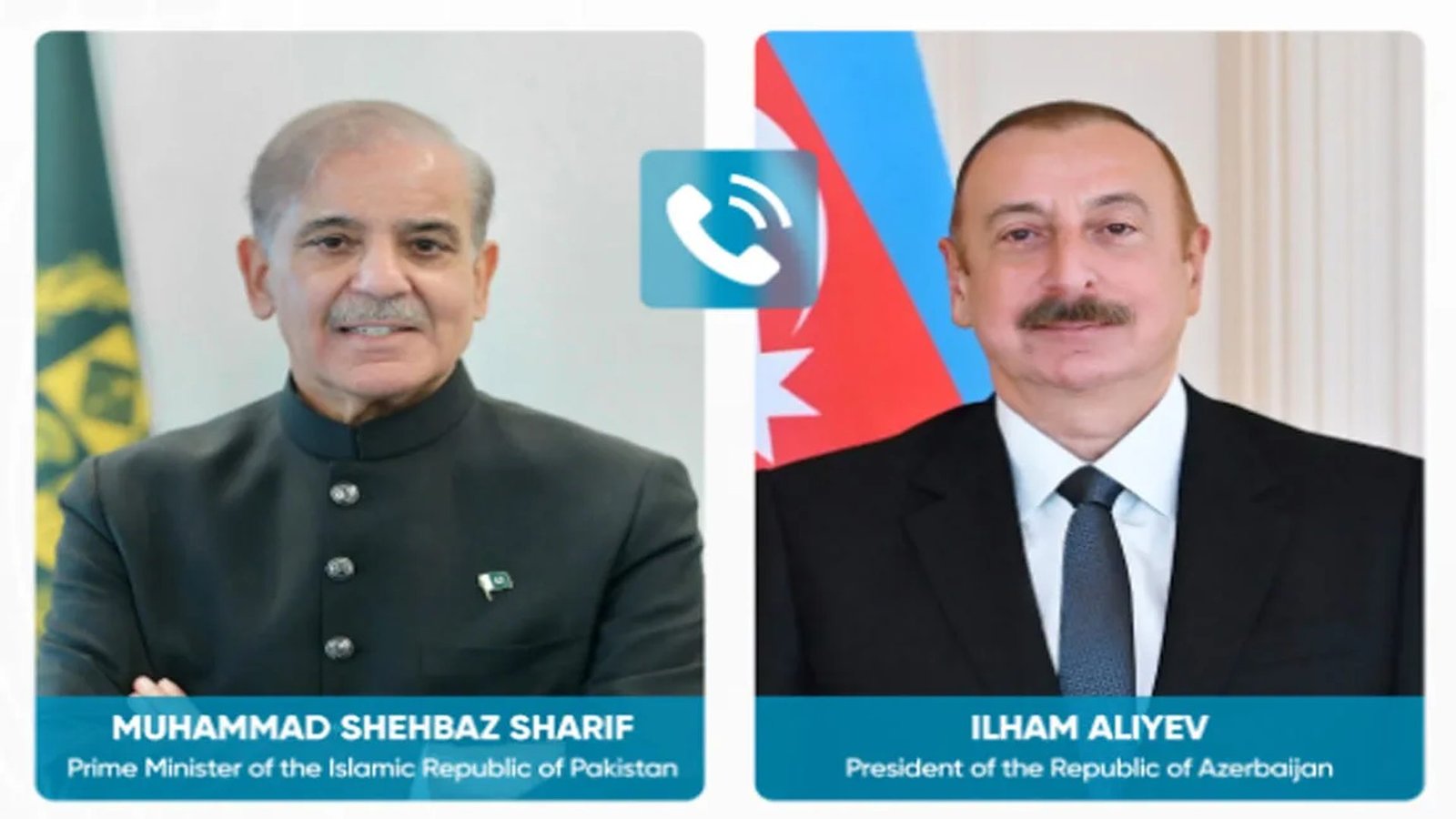
    Prime Minister Shehbaz Sharif held a telephone conversation with Azerbaijani President Ilham Aliyev on Saturday, reaffirming Pakistan’s deep-rooted and strategic partnership with the Central Asian nation, the Prime Minister’s Office said.

    During the call, the two leaders reviewed the state of bilateral relations and agreed to translate their strong political understanding into closer economic, investment and commercial cooperation. The PMO described the partnership as one built on mutual trust and consistent support on matters of core national interest.

    Both leaders expressed satisfaction over the growing momentum in their cooperation and stressed that the goodwill between the two countries should now produce tangible economic benefits for their people.

    Asaan Khidmat expansion

    A major focus of the conversation was the Asaan Khidmat Centre in Islamabad, which has been modelled on Azerbaijan’s widely praised ASAN Khidmet public service delivery system. The two leaders noted its successful operationalisation as a practical example of how their partnership can deliver real benefits to ordinary Pakistanis.

    At the prime minister’s request, President Aliyev agreed to extend Azerbaijan’s full support and expertise for expanding the Asaan Khidmat network across Pakistan. Shehbaz thanked his Azerbaijani counterpart for the gesture, calling it another sign of the enduring friendship and solidarity between the two nations.

    Regional situation

    The leaders also exchanged views on the evolving regional and international situation, underlining the importance of continued consultations and close coordination on issues of mutual interest.

    Shehbaz briefed Aliyev on Pakistan’s ongoing diplomatic outreach aimed at promoting dialogue, mediation and de-escalation in the region. According to the PMO, the Azerbaijani president appreciated Pakistan’s constructive efforts and acknowledged their importance for regional peace and stability.

    The prime minister also shared details of the conversation on X, saying the two sides had reaffirmed their friendship and strategic partnership along with their resolve to expand economic, investment and trade ties, and thanking Aliyev for supporting the expansion of the Asaan Khidmat network.

    Background

    Saturday’s conversation was the latest in a series of regular high-level engagements between the two leaders. They last spoke by telephone on May 12, when they discussed regional developments and efforts to restore peace in the Middle East.

    Shehbaz last visited Azerbaijan in May 2025, when both sides pledged to diversify their strategic partnership through investment in mutually beneficial areas and expressed satisfaction over the growing cooperation between the two countries.

  • Houthi Attack on Riyadh Airport Kills 12, Wounds 309

    Houthi Attack on Riyadh Airport Kills 12, Wounds 309

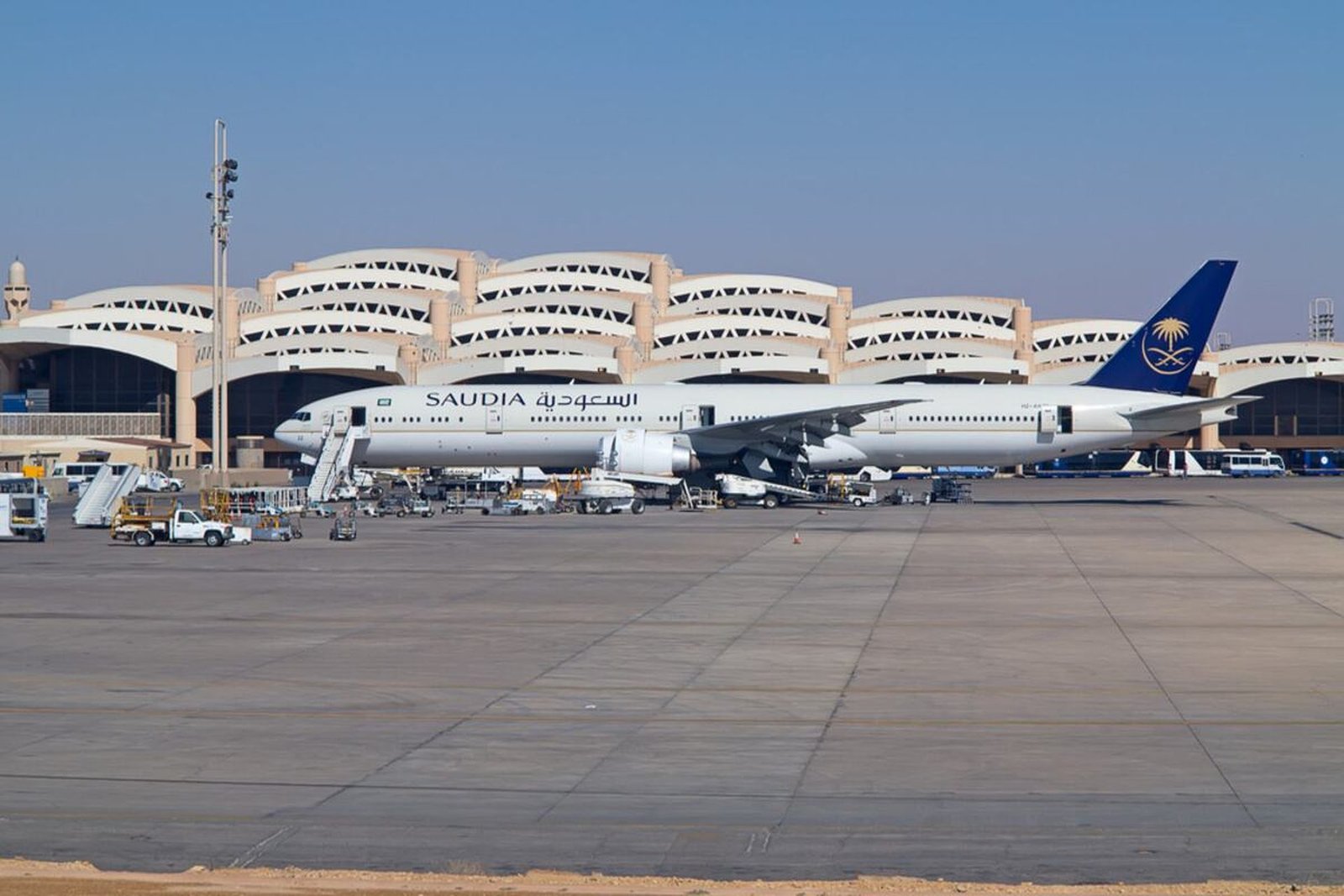
    At least 12 people were killed and 309 wounded on Saturday in a Houthi attack on King Khalid International Airport in Riyadh, Saudi Arabia’s civil aviation authority said, marking the third strike on the airport in a week and what Reuters described as the deadliest attack inside the kingdom in more than a decade.

    The dead included four Saudis, two people from Bangladesh and one person each from the United States, Jordan, Palestine, Syria, Sudan and Egypt, the authority said. Hospitals were flooded with the wounded, some of them in critical condition, and property damage was still being assessed.

    Reuters reported that the attack came without warning, with no alert issued by Saudi Arabia’s threat-warning system. Flights to and from Riyadh were diverted or cancelled, and operations at the airport serving a city of roughly 8 million were temporarily suspended. Two earlier attacks this week killed four people and heavily damaged a passenger plane parked on the tarmac, according to Saudi authorities.

    The head of the Houthi media office said on X that the group had “shut down Riyadh international airport”, and the Houthis warned airlines to avoid Saudi airspace. The Saudi-led coalition vowed to respond to what it called a “terrorist act”; spokesman Maj Gen Turki Al-Maliki said the strike on a passenger terminal was a war crime under international humanitarian law. The coalition also said it destroyed a drone over the Eastern Region, intercepted a Houthi ballistic missile at Al-Kharj, and that a “projectile” fell near Dammam’s airport.

    Global condemnation

    UN Secretary-General Antonio Guterres said he was “deeply shocked” and strongly condemned the “lethal attack by the Houthis”, adding that attacks on civilians and civilian infrastructure violated international law and “must cease immediately”. UN Yemen envoy Hans Grundberg called the strikes a “dangerous escalation” and “a grave threat to regional security”. Qatar “strongly condemned” the attack, and Gulf Cooperation Council secretary-general Jasem al-Budaiwi denounced it as “treacherous terrorist attacks”.

    Pakistan stands with Riyadh

    Prime Minister Shehbaz Sharif called the attack “heinous”, reaffirming Pakistan’s commitment to Saudi Arabia’s sovereignty, territorial integrity and security, and said attacks on civilians and critical infrastructure were “completely unacceptable”. At the UN Security Council, Pakistan’s envoy Ambassador Asim Iftikhar Ahmad said Pakistan would stand “shoulder to shoulder” with the kingdom, invoked the Makkah Joint Defence Agreement, warned of an intensifying Houthi offensive along Yemen’s western coast and around the Bab al-Mandeb strait, and urged the Houthis to halt attacks on commercial shipping and release detained UN and humanitarian personnel.

    Washington weighs a response

    US President Donald Trump told reporters the attack was “not acceptable” and said the United States would “take a look” at joining Saudi Arabia in striking the Houthis, adding that he planned to call Crown Prince Mohammed bin Salman. Secretary of State Marco Rubio said Washington strongly condemned the attacks, and the US embassy urged Americans to avoid the airport area. The strikes come amid a wider confrontation: Reuters reported that a 2022 ceasefire broke down over the summer as Houthi forces advanced toward the Bab el-Mandeb strait, while Riyadh now conducts an air campaign backing a Yemeni government ground offensive.

  • Pakistan’s Nuclear Security Regime Clears First-Ever IAEA IPPAS Review

    Pakistan’s Nuclear Security Regime Clears First-Ever IAEA IPPAS Review

    12-day assessment praises robust physical protection; experts visit KANUPP decommissioning project

    Islamabad: Pakistan’s nuclear security regime for the physical protection of nuclear materials and facilities has been found robust by an expert team of the International Atomic Energy Agency (IAEA) after a comprehensive 12-day review.

    The IAEA’s International Physical Protection Advisory Service (IPPAS) mission carried out the first-ever evaluation of Pakistan’s legislative and regulatory framework for nuclear security covering nuclear materials and facilities. The mission found the security framework appropriately implemented at the nuclear facility visited by the experts.

    According to an IAEA press release, the regime is continuously refined through periodic reviews, while Pakistan’s well-established capacity-building infrastructure actively supports nuclear security expertise at the national, regional and international levels.

    The seven-member team was headed by Khammar Mrabit, former director general of the Moroccan Agency for Nuclear and Radiological Safety and Security, and included specialists from China, Romania, the Russian Federation and Slovakia, along with two IAEA staff members.

    Following the assessment, the experts offered recommendations to further strengthen Pakistan’s nuclear security regime and its procedures, while also identifying several good practices at both the regulatory and facility levels.

    “The first IPPAS mission in Pakistan is completed successfully, marking the country’s commitment in further enhancing regulatory and operational aspects of its well-established nuclear security regime,” said Karine Herviou, IAEA deputy director general and head of the Department of Nuclear Safety and Security, at the closing ceremony.

    “Pakistan’s contribution to building the skills of the nuclear security workforce is commendable and has a far-reaching impact.”

    The mission was hosted by the Pakistan Nuclear Regulatory Authority (PNRA) at the government’s request.

    “Hosting the IPPAS mission underscores Pakistan’s unwavering commitment to maintaining a robust nuclear security regime across facilities and activities,” said PNRA Chairman Zia Hussain Shah.

    “The valuable insights provided by the international experts’ team not only validate our robust physical protection measures but also offer an excellent baseline to further strengthen our legal and regulatory framework, national nuclear security regime, including facility-level practices.”

    IPPAS missions offer peer guidance on implementing international instruments and IAEA recommendations on safeguarding nuclear materials. During such missions, international specialists examine a country’s physical protection arrangements, benchmark them against global good practices and suggest improvements at both the national and facility levels.

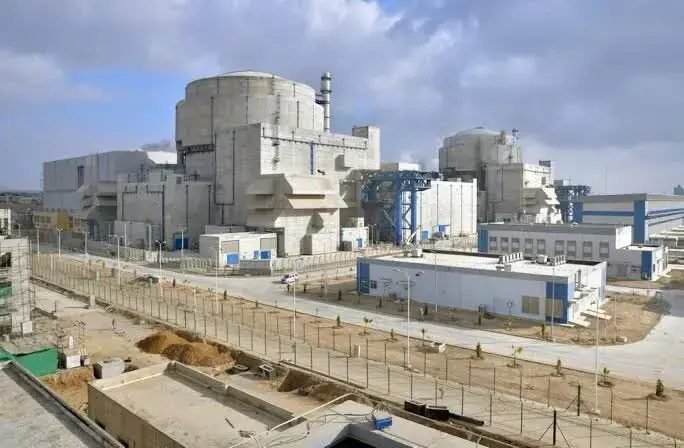
    The team held meetings with officials from the PNRA, the Pakistan Atomic Energy Commission and other national stakeholders, and visited the Kanupp Decommissioning Project at the Karachi Nuclear Power Generating Station — Pakistan’s first nuclear power plant.

    The Canadian Deuterium Uranium reactor ran from 1971 until its permanent shutdown in 2021. The visit gave the team a look at the ongoing decommissioning work and spent fuel storage.

    Pakistan is a signatory to the Convention on the Physical Protection of Nuclear Material and ratified its 2005 amendment in 2016, which greatly expands the original scope by requiring physical protection of all peaceful nuclear facilities and materials during domestic use, storage and transport.

    In a related development, the PNRA, together with the IAEA, wrapped up a five-day National Workshop on Commercial Grade Item Dedication for nuclear safety-related applications.

    Organised by the National Institute of Safety and Security, an IAEA Collaboration Centre, the workshop brought together regulatory personnel, plant operators and supply-chain stakeholders to deliberate on the process for qualifying commercially produced items for safety-related use.

    PNRA Executive Member Shahid Rashid underlined the importance of dependable, qualified equipment for the safe running of nuclear installations.

    “Factors such as technological advancement, equipment obsolescence and the evolving global supply chain can affect the availability of specialised nuclear-grade components,” he said.

    “Commercial Grade Item Dedication provides an important mechanism for establishing confidence that commercially available items can meet the requirements for intended use in nuclear installations.”

    The PNRA said the workshop helped reinforce Pakistan’s nuclear safety and supply-chain oversight capabilities, in strict alignment with applicable requirements and international good practices.