Tag: Pakistan

  • پاکستان میں پیٹرول اور ڈیزل کی قیمتوں میں اضافہ

    پاکستان میں پیٹرول اور ڈیزل کی قیمتوں میں اضافہ

    حکومت نے پیٹرول اور ہائی اسپیڈ ڈیزل کی قیمتوں میں اضافہ کر دیا ہے۔ نئی قیمتوں کا اطلاق 27 اکتوبر سے ہو گیا ہے۔ پیٹرول کی قیمت میں فی لیٹر 1 روپے 54 پیسے کا اضافہ کیا گیا ہے جبکہ ہائی اسپیڈ ڈیزل 2 روپے 16 پیسے فی لیٹر مہنگا ہو گیا ہے۔

    نئی قیمتوں کے بعد پیٹرول 379 روپے 25 پیسے فی لیٹر میں فروخت ہو رہا ہے جبکہ ہائی اسپیڈ ڈیزل کی نئی قیمت 395 روپے 82 پیسے فی لیٹر مقرر کی گئی ہے۔ اس سے قبل پیٹرول کی قیمت 377 روپے 71 پیسے فی لیٹر تھی اور ڈیزل 393 روپے 66 پیسے فی لیٹر میں دستیاب تھا۔

    وزارت توانائی کے پیٹرولیم ڈویژن کی جانب سے جاری نوٹیفکیشن کے مطابق آئل اینڈ گیس ریگولیٹری اتھارٹی نے حکومت کے جاری کردہ پیٹرولیم قیمتوں کے طریقہ کار کے تحت ایکس ڈپو قیمتوں پر نظرثانی کی ہے۔ نوٹیفکیشن میں کہا گیا ہے کہ قیمتوں میں یہ تبدیلی عالمی منڈی میں ہونے والی پیش رفت کو مدنظر رکھتے ہوئے کی گئی ہے، جن میں بین الاقوامی نرخوں، پریمیم اور دیگر متعلقہ اخراجات میں تبدیلی شامل ہے۔

    پیٹرول عام طور پر نجی گاڑیوں، موٹر سائیکلوں اور چھوٹی گاڑیوں میں استعمال ہوتا ہے۔ اس لیے پیٹرول کی قیمت میں اضافے کا براہ راست اثر موٹر سائیکل سواروں اور کار مالکان کے روزمرہ اخراجات پر پڑتا ہے۔ دوسری جانب ہائی اسپیڈ ڈیزل بھاری ٹرانسپورٹ، مال بردار گاڑیوں، بسوں اور زرعی مشینری کے لیے استعمال ہوتا ہے۔

    ڈیزل کی قیمت میں اضافہ ٹرانسپورٹ اور ترسیل کے اخراجات کو متاثر کر سکتا ہے، کیونکہ سامان کی نقل و حمل میں ڈیزل ایک بنیادی ایندھن ہے۔ ماہرین کے مطابق جب ڈیزل مہنگا ہوتا ہے تو اس کا اثر بالواسطہ طور پر اشیائے ضروریہ کی قیمتوں پر بھی پڑ سکتا ہے، اگرچہ اس کا حتمی اثر مختلف عوامل پر منحصر ہوتا ہے۔

    رپورٹس کے مطابق حکومت نے توانائی کی بچت کے لیے کفایت شعاری کے اقدامات بھی دوبارہ نافذ کیے ہیں۔ ان اقدامات کے تحت تجارتی مراکز کو رات 9 بجے بند کرنے کی ہدایت کی گئی ہے جبکہ سرکاری گاڑیوں کے لیے ایندھن کی فراہمی میں ابتدائی طور پر تین ماہ کے لیے 50 فیصد کمی کی گئی ہے۔

    عالمی سطح پر تیل کی منڈی میں بھی اتار چڑھاؤ جاری ہے۔ رپورٹس کے مطابق مشرق وسطیٰ میں کشیدگی کے باعث عالمی تیل کی قیمتوں میں غیر یقینی صورتحال برقرار ہے، جس کا اثر پاکستان جیسے درآمدی ممالک پر پڑتا ہے کیونکہ پاکستان اپنی پیٹرولیم ضروریات کا بڑا حصہ درآمد کرتا ہے۔

    شہریوں کے لیے یہ اضافہ ایسے وقت میں ہوا ہے جب مہنگائی پہلے ہی گھریلو بجٹ پر دباؤ ڈال رہی ہے۔ روزانہ سفر کرنے والے افراد، خاص طور پر موٹر سائیکل سوار اور چھوٹے کاروبار سے وابستہ افراد، ایندھن کی قیمتوں میں ہر تبدیلی کو فوری طور پر محسوس کرتے ہیں۔

    حکومت کی جانب سے کہا گیا ہے کہ قیمتوں کا تعین عالمی منڈی کے رجحانات کے مطابق کیا جاتا ہے۔ آنے والے دنوں میں عالمی قیمتوں میں تبدیلی کی صورت میں مقامی قیمتوں پر بھی نظرثانی ہو سکتی ہے۔ عوام کی نظریں اب اگلی قیمتوں کی نظرثانی پر ہوں گی کہ آیا عالمی منڈی میں استحکام سے مقامی صارفین کو کچھ ریلیف ملتا ہے یا نہیں۔

  • پاکستان میں ایل پی جی مہنگی، سرحد کی بندش بڑی وجہ قرار

    پاکستان میں ایل پی جی مہنگی، سرحد کی بندش بڑی وجہ قرار

    اسلام آباد: قومی اسمبلی کو پیر کے روز بتایا گیا کہ پاکستان ایران سرحد کی بندش ملک میں مائع پیٹرولیم گیس (ایل پی جی) کی قیمتوں میں غیر معمولی اضافے کی ایک اہم وجہ ہے۔ وفاقی وزیر برائے پیٹرولیم علی پرویز ملک نے ایوان میں توجہ دلاؤ نوٹس کا جواب دیتے ہوئے کہا کہ سرحد کی بندش ایل پی جی کی بلند قیمتوں کی ایک اہم وجہ ہے اور اب حکومت سمندری راستے سے ایندھن حاصل کرنے کی کوشش کر رہی ہے۔

    یہ توجہ دلاؤ نوٹس عالیہ کامران، شاہدہ بیگم اور نعیمہ کشور خان نے مشترکہ طور پر پیش کیا تھا۔ نوٹس میں ایل پی جی کی قیمتوں میں بے مثال اضافے کی طرف وزیر کی توجہ مبذول کرائی گئی تھی، جسے عوام کے لیے شدید تشویش کا معاملہ قرار دیا گیا۔ ارکان نے کہا کہ اضافے نے عام گھرانوں کو بری طرح متاثر کیا ہے۔

    نوٹس کی محرک عالیہ کامران نے ایوان کو بتایا کہ ملک کے دور دراز اور شمالی علاقوں میں ایل پی جی 700 سے 800 روپے فی کلو گرام کے حساب سے فروخت ہو رہی ہے، جبکہ آئل اینڈ گیس ریگولیٹری اتھارٹی (اوگرا) کی مقرر کردہ سرکاری قیمت 280 روپے فی کلو گرام ہے۔ ان کا کہنا تھا کہ سرکاری نرخ اور بازار میں وصول کی جانے والی قیمت کے درمیان یہ فرق عام صارفین کے لیے ناقابل برداشت بوجھ بن چکا ہے۔

    ایل پی جی ان دور دراز علاقوں میں بڑے پیمانے پر استعمال ہوتا ہے جہاں پائپ گیس موجود نہیں۔ سردیوں میں اس کی کھپت بڑھ جاتی ہے، جس سے گھریلو بجٹ پر دباؤ مزید بڑھتا ہے۔

    نعیمہ کشور نے سوال اٹھایا کہ حکومت نے ایران کے ساتھ سرحدی تجارت کیوں معطل کی ہے۔ اس پر وزیر نے جواب دیا کہ پاکستان کی ضرورت کا 50 سے 60 فیصد ایل پی جی ایران سے درآمد کیا جاتا تھا جبکہ باقی ضرورت قطر سے پوری کی جاتی تھی۔ ان کے مطابق امریکہ ایران جنگ کے باعث قطر سے ایل پی جی کی سپلائی معطل ہو گئی ہے، جس نے مجموعی سپلائی کی صورتحال کو مزید مشکل بنا دیا ہے۔

    وزیر نے ایوان کو بتایا کہ حکومت پورے نظام کا جائزہ لے رہی ہے اور بیرون ملک سے گیس حاصل کرنے کے دیگر ذرائع کے حصول کے لیے ایک پالیسی پر کام کر رہی ہے۔ انہوں نے اوگرا کی مقرر کردہ 280 روپے فی کلو گرام کی سرکاری قیمت سے اتفاق کیا، تاہم یہ بھی تسلیم کیا کہ اضافی سپلائی کے دوران بھی گیس کہیں سرکاری نرخ پر فروخت ہوتی نظر نہیں آتی۔

    بحث سے واضح ہوا کہ مسئلہ صرف سپلائی کا نہیں بلکہ قیمتوں کے نفاذ کا بھی ہے۔ ارکان نے سرکاری نرخ پر عملدرآمد کا مطالبہ کیا تاکہ دور دراز علاقوں کے عوام کو ریلیف مل سکے۔

  • Pakistan vows polio eradication as 2026 tally reaches seven

    Pakistan vows polio eradication as 2026 tally reaches seven

    Pakistan marked World Polio Day on Saturday with a renewed pledge to wipe out the disease completely, as health officials reported that the country has recorded seven wild poliovirus cases so far in 2026.

    The Prime Minister’s Focal Person for Polio Eradication, Ayesha Raza Farooq, said the national campaign had made significant headway, pointing to a 99.8 per cent reduction in polio cases over the past three decades and a fall in the positivity rate of environmental samples to below 10 per cent.

    “We must sustain the progress achieved so far,” she said, thanking partners and frontline workers for their role in the effort. “We will soon completely eradicate the disease from Pakistan,” she added, according to Dawn.

    The Pakistan Medical Association (PMA) said the country stood at a decisive point in its public health history. Its Secretary General, Dr Abdul Ghafoor Shoro, said the seven cases recorded as of October 2026 comprised five in Khyber Pakhtunkhwa and two in Sindh, reflecting continued localised transmission of the virus.

    The PMA also condemned violent attacks on vaccination teams and their security escorts. It referred to an attack in Balochistan in September in which two police constables protecting a polio team lost their lives, and called on all provincial governments to place health workers, door-to-door teams and immunisation centres under high-security protection frameworks.

    Rotary International reaffirmed its long-standing support for Pakistan’s eradication drive. Its president, Olayinka Hakeem Babalola, said the organisation had contributed more than $3 billion to the global effort, including $1.3 million from Rotary members in Pakistan, and had helped protect more than 45 million children in the country from the paralysing disease.

    Aziz Memon, chair of Rotary’s Pakistan National PolioPlus Committee, said Pakistan was showing strong progress with only a handful of cases this year, and that addressing other community needs alongside vaccination was helping to maintain public trust.

    Tributes to frontline workers were a central theme of the day’s events. In Rawalpindi, Test cricketer Sajid Khan joined Punjab Emergency Operations Centre Coordinator Khalid Parvaiz and the centre’s team at a local college for an event held under the theme “Shukriya Frontline Workers”, honouring the vaccinators who go door to door to protect children from lifelong disability.

    Sajid Khan praised the commitment of polio workers and urged parents to make sure children under five receive polio drops during every campaign. He also called on young people to play an active role in raising awareness about vaccination and countering misinformation.

    Khalid Parvaiz said the dedication of frontline workers, together with the support of parents, communities and government institutions, remained essential to reaching every child and stopping the virus from spreading. He noted that Punjab had reported no polio cases in 2026 to date, but stressed that vigilance must continue because population movement means the virus could still reach any community.

    Pakistan remains one of only two countries in the world where wild poliovirus is still endemic, alongside Afghanistan, making the final phase of eradication both the most difficult and the most important. Health officials say sustaining vaccination coverage, protecting frontline teams and countering misinformation will decide whether the country can finally consign polio to history.

  • Farooq Abdullah remark on Pakistan sparks BJP backlash

    Farooq Abdullah remark on Pakistan sparks BJP backlash

    National Conference president Farooq Abdullah has triggered a fresh political controversy in Jammu and Kashmir after remarks he made while addressing party workers in Baramulla, in north Kashmir, on Saturday, October 24. According to Daijiworld Media Network, Abdullah said Pakistan was “protecting” the people of Jammu and Kashmir by raising the Kashmir issue at international forums, a statement that has drawn sharp criticism from the Bharatiya Janata Party (BJP).

    Addressing the gathering, Abdullah questioned whether the people of Jammu and Kashmir could expect justice from the Centre. “What can you expect from Delhi? Do you expect them to deliver justice for you? Have the courage to fight them, or you will be wiped out, and your identity will disappear,” he said, according to the report.

    Without directly naming Pakistan, the National Conference president referred to the neighbouring country’s efforts to raise the Kashmir issue internationally, suggesting that these efforts were keeping the region’s concerns alive. “They are silent today because of the pressure from the world. Our neighbour is constantly after them. He goes everywhere saying that the Kashmir issue has not been resolved. He is protecting us; otherwise, their intentions are not good,” he said.

    Abdullah urged the people of Jammu and Kashmir to stand united for their rights, warning their identity and future could be at risk. At the same time, he maintained that the people of the region had never rejected their Indian identity, saying they had repeatedly affirmed their accession to India. “We never said that we are not Indians. Time and time again, we affirmed that we acceded to India — to the India of Mahatma Gandhi, the India of Jawaharlal Nehru, the India of Maulana Abul Kalam Azad,” he said.

    The former chief minister also criticised the Centre’s policies, alleging that they had kept the people of Jammu and Kashmir dependent rather than enabling them to become self-reliant, and said people could safeguard their dignity, honour and rights only by standing on their own feet.

    Abdullah also raised concerns over the mandatory service requirements for medical students and doctors in Jammu and Kashmir, saying those who fail to complete two years of service in villages, hospitals and other designated areas must pay Rs 40 lakh to the administration. He further alleged that files were being delayed despite the division of responsibilities between the Lieutenant Governor and the elected government, and that statehood had not been restored even two years after commitments made by Prime Minister Narendra Modi and Union Home Minister Amit Shah.

    The remarks drew a strong reaction from the Jammu and Kashmir BJP. Party spokesperson Altaf Thakur condemned the National Conference president for portraying Pakistan as a force working in the interests of Kashmiris while questioning the Centre’s intentions, describing his remarks as “seditious and anti-national” and demanding that he be booked. “It was deeply unfortunate that a senior political leader was questioning India’s intentions towards the people of Jammu and Kashmir while projecting Pakistan as a force working in their interest,” Thakur said.

    The controversy has once again brought the political differences between the National Conference and the BJP over Jammu and Kashmir’s political future and the restoration of statehood into focus, with the BJP demanding legal action and Abdullah standing by his call for unity and rights.

  • صحت نظام تباہی کے دہانے پر: وزیر صحت کا انتباہ

    صحت نظام تباہی کے دہانے پر: وزیر صحت کا انتباہ

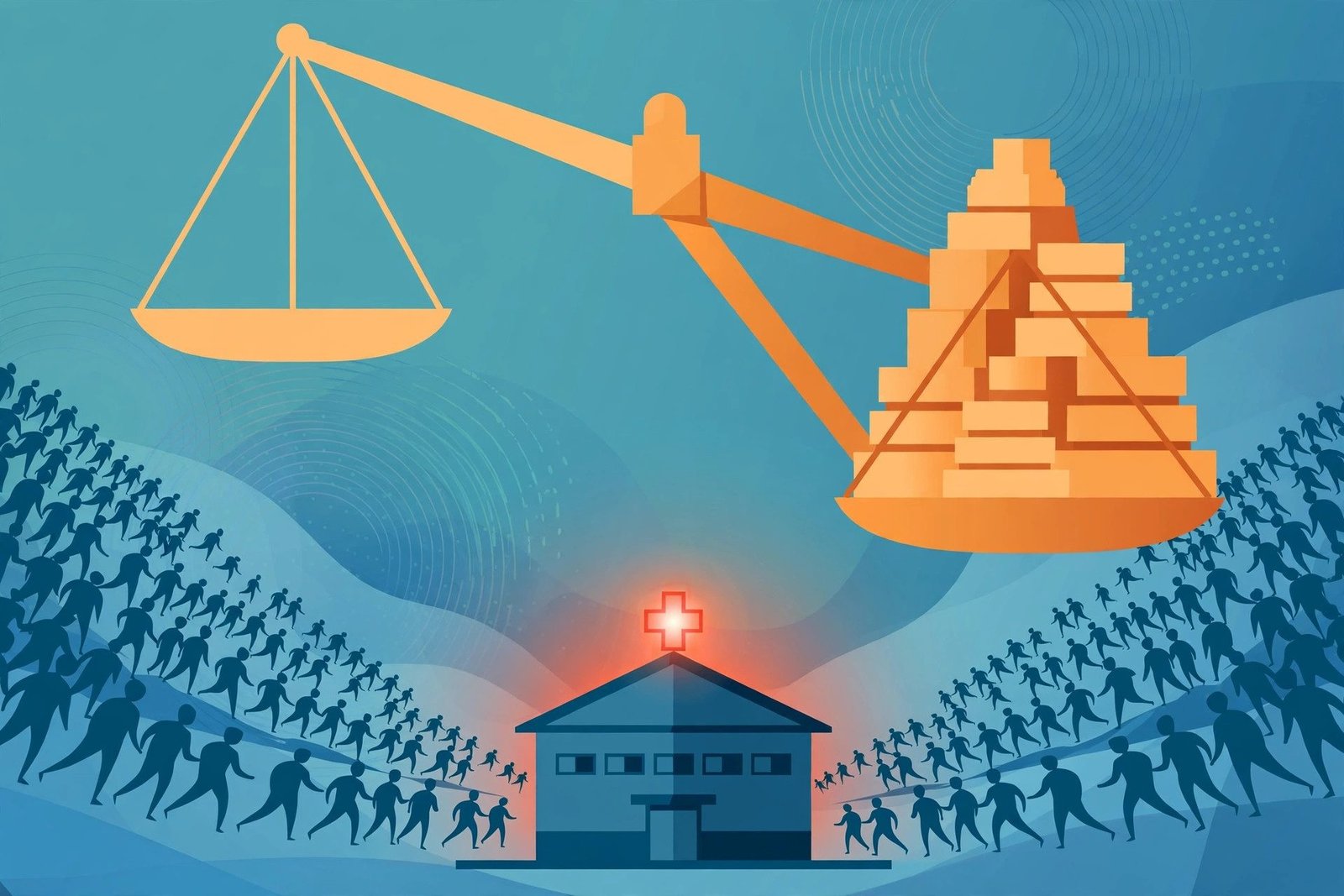
    وفاقی وزیر صحت مصطفیٰ کمال نے خبردار کیا ہے کہ تیزی سے بڑھتی آبادی کے دباؤ میں پاکستان کا نظامِ صحت تباہی کے دہانے پر پہنچ گیا ہے۔ ان کے مطابق محدود وسائل اور طبی سہولتوں پر مسلسل بڑھتا بوجھ اسپتالوں کے لیے سنبھالنا مشکل ہوتا جا رہا ہے۔

    اسلام آباد میں ایک تقریب سے خطاب کرتے ہوئے وزیر صحت نے بتایا کہ پاکستان میں شرحِ پیدائش 3.7 فیصد ہے اور ہر سال تقریباً 57 لاکھ سے 67 لاکھ بچے پیدا ہوتے ہیں۔ ان کا کہنا تھا کہ آبادی میں یہ تیزی سے اضافہ اسپتالوں، ڈاکٹروں اور صحت کی بنیادی سہولتوں پر اس قدر دباؤ ڈال رہا ہے کہ نظام جواب دینے لگا ہے۔

    وزیر صحت کے مطابق آبادی کے بڑھتے دباؤ کے نتائج صرف صحت تک محدود نہیں؛ تعلیم، روزگار اور بنیادی ڈھانچے سمیت ہر شعبہ متاثر ہو رہا ہے۔ ان کا کہنا تھا کہ اگر آبادی کی منصوبہ بندی پر توجہ نہ دی گئی تو صورتحال مزید بگڑ سکتی ہے۔

    ذمہ دار والدیت پر زور

    وزیراعظم شہباز شریف بھی ذمہ دار والدیت اور مؤثر آبادیاتی منصوبہ بندی کی ضرورت پر زور دے چکے ہیں۔ اسی تناظر میں حکومت نے رواں برس جولائی میں قومی آبادی کونسل قائم کی تھی، جو آبادی میں اضافے کے صحت، تعلیم، روزگار اور بنیادی ڈھانچے پر پڑنے والے اثرات سے نمٹنے کے لیے حکمت عملیاں تیار کرے گی۔

    ماہرینِ صحت کے مطابق پاکستان میں صحت کے بجٹ کا بڑا حصہ علاج پر خرچ ہوتا ہے جبکہ بیماریوں سے بچاؤ پر سرمایہ کاری نہ ہونے کے برابر ہے۔ ذیابیطس، بلڈ پریشر، انفیکشن، غذائیت کی کمی اور ذہنی امراض جیسی روک تھام کے قابل بیماریاں صحت کے نظام پر سب سے بڑا بوجھ ہیں۔

    حال ہی میں کراچی میں صحت کے ایک بین الاقوامی اجلاس میں ماہرین نے کہا تھا کہ صرف مزید ڈاکٹر، سرجن اور اسپتال بنا کر نظام نہیں بچایا جا سکتا؛ روک تھام اور بنیادی صحت کی سہولتوں میں سرمایہ کاری ناگزیر ہے۔ بین الاقوامی ذیابیطس فیڈریشن کے تخمینے کے مطابق پاکستان میں 34.5 ملین سے زائد بالغ افراد ذیابیطس کا شکار ہیں، جبکہ عالمی ادارہ صحت کے اندازوں کے مطابق 30 سے 79 سال کی عمر کے 43 فیصد بالغ افراد بلڈ پریشر میں مبتلا ہیں۔

    وزیر صحت کے انتباہ کے بعد حکومت کی جانب سے صحت کے نظام کی مضبوطی، آبادیاتی منصوبہ بندی اور بنیادی صحت کی سہولتوں کی توسیع کو اولین ترجیح قرار دیا جا رہا ہے۔ تاہم ماہرین کا کہنا ہے کہ بیانات سے آگے بڑھ کر عملی اقدامات اور مستقل فنڈنگ کے بغیر صورتحال بدلنا مشکل ہوگا۔

  • ChatGPT Ads Expand to Pakistan, 25 Other Countries

    ChatGPT Ads Expand to Pakistan, 25 Other Countries

    OpenAI has announced it is expanding advertising on ChatGPT to 26 more countries, including Pakistan, as the artificial intelligence company accelerates its push to grow revenue ahead of a possible initial public offering.

    The announcement, made on Wednesday, takes the total number of countries where ChatGPT advertising is available to 89, according to reporting by Reuters. The company said the move is a significant step in scaling up its business and speeding up revenue generation as it eyes the public markets.

    OpenAI began testing advertisements inside ChatGPT in the United States earlier this year. The company revealed in August that its advertising business had already reached an annualised revenue run rate of $1 billion, and said more than 100,000 advertisers have since launched campaigns on the platform.

    Which countries are included?

    The expansion adds 14 more Latin American countries to the advertising map, including Argentina, Chile, Colombia and Peru, following earlier launches in Mexico and Brazil. Ads are also being rolled out across markets in Europe, the Middle East, Africa and Asia, including Nigeria, South Africa, Serbia, Ukraine, Cambodia, Bangladesh and Pakistan.

    For businesses in Pakistan, the development opens a new channel to reach customers through one of the world’s most widely used AI assistants. Advertisers in the new markets can access ChatGPT ads through authorised agency and technology partners, or through direct self-service access within the platform’s Ads Manager, the company said.

    Who will see the ads?

    Importantly for users, advertisements will appear only on ChatGPT’s Free and Go plans. The company’s paid subscriptions — Plus, Pro and Enterprise — will remain completely ad-free, a distinction OpenAI is keen to preserve as it monetises its free tier.

    Earlier, the company had introduced a set of AI-powered tools for advertisers and began beta testing branded AI representatives with a curated group of marketers in the United States. In September, it also started testing business-sponsored agents with select US advertisers, signalling how deeply advertising will be woven into conversational AI experiences.

    A new revenue chapter for OpenAI

    The rapid expansion of advertising marks a striking shift for a company that built its name on a simple chat box. Turning hundreds of millions of free users into an advertising audience could reshape how AI products make money — but it also raises questions about how ads will sit alongside the trusted, helpful tone users expect from their AI assistant.

    Whether Pakistani users and advertisers embrace the change remains to be seen, but one thing is clear: the race to turn artificial intelligence into a sustainable business has entered a new and very commercial phase.

  • KP Reports Highest Daily Dengue Tally of 2026: 99 Cases

    KP Reports Highest Daily Dengue Tally of 2026: 99 Cases

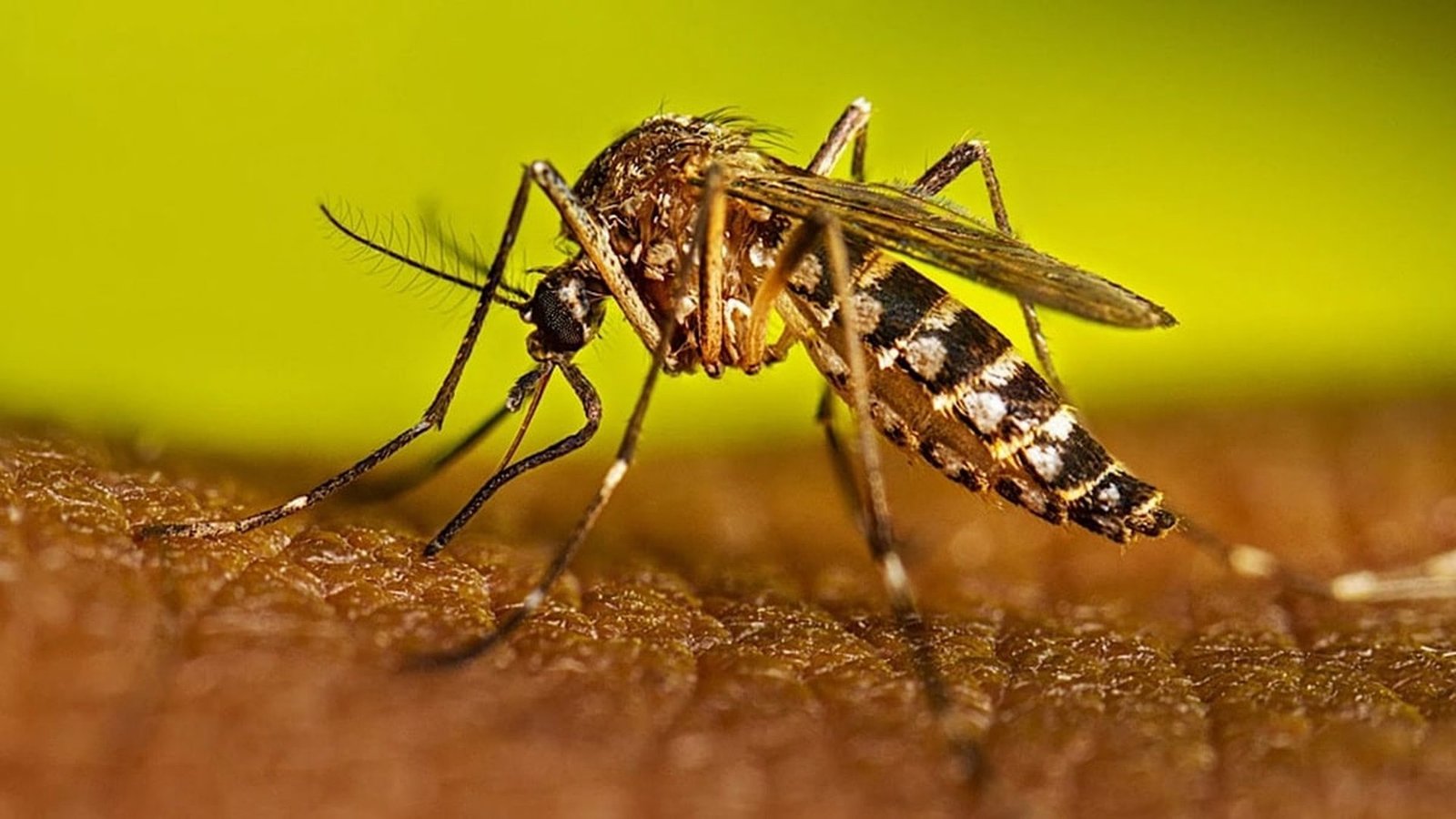
    Khyber Pakhtunkhwa has reported 99 new dengue cases in a single day, the highest daily tally recorded in the province this year, as the disease continues to spread during the high-risk month of October.

    According to the latest report from the Integrated Disease Surveillance and Response System (IDSRS), the 99 new infections recorded in the last 24 hours have taken the province’s cumulative dengue count for 2026 to 4,091. The report said 144 patients are currently suffering from the disease, while 3,946 have recovered. A resident of Tank recently died of dengue in Dera Ismail Khan, health officials said.

    Kohat becomes the epicentre

    Kohat remains the worst-affected district in the province, with 2,567 cases reported so far this year. Peshawar follows with 566 cases, while Bannu has recorded 192, Khyber 120 and Haripur 112. Other affected districts include Charsadda with 75 cases, Abbottabad with 71, Nowshera with 51, Karak with 43, Mansehra with 38, Dera Ismail Khan with 35, Swabi with 28 and Mohmand with 14, while the remaining districts have reported cases in single digits.

    The surge in Kohat has been particularly sharp during October. The district has recorded 80 cases since the beginning of the month, compared with 24 in Bannu and 18 in Peshawar over the same period. The rising infections have placed additional pressure on hospitals in Kohat, prompting the health department to step up efforts to control the spread of the disease, officials said.

    Better than last year — but the warning stands

    Health experts said the overall situation remains better than last year, when the province recorded more than 6,000 dengue cases, including over 1,000 in Charsadda following an outbreak in several union councils. However, Kohat has emerged as a new dengue hotspot this year, with the health department already identifying the reasons behind the unusually high number of infections there.

    Experts have cautioned that the coming weeks will be critical, as weather conditions favourable to mosquito breeding could lead to a further increase in infections across the province.

    How to stay safe

    Health officials advise residents to remove standing water from homes and surroundings, since it allows mosquitoes to breed, and to use mosquito nets and repellents, particularly during the early morning and evening hours. Anyone suffering from persistent high fever, severe headache or body pain should consult a doctor promptly and get tested, as early detection makes treatment more effective.

  • Pakistan’s AI push: 5G, fibre and spectrum at Seoul summit

    Pakistan’s AI push: 5G, fibre and spectrum at Seoul summit

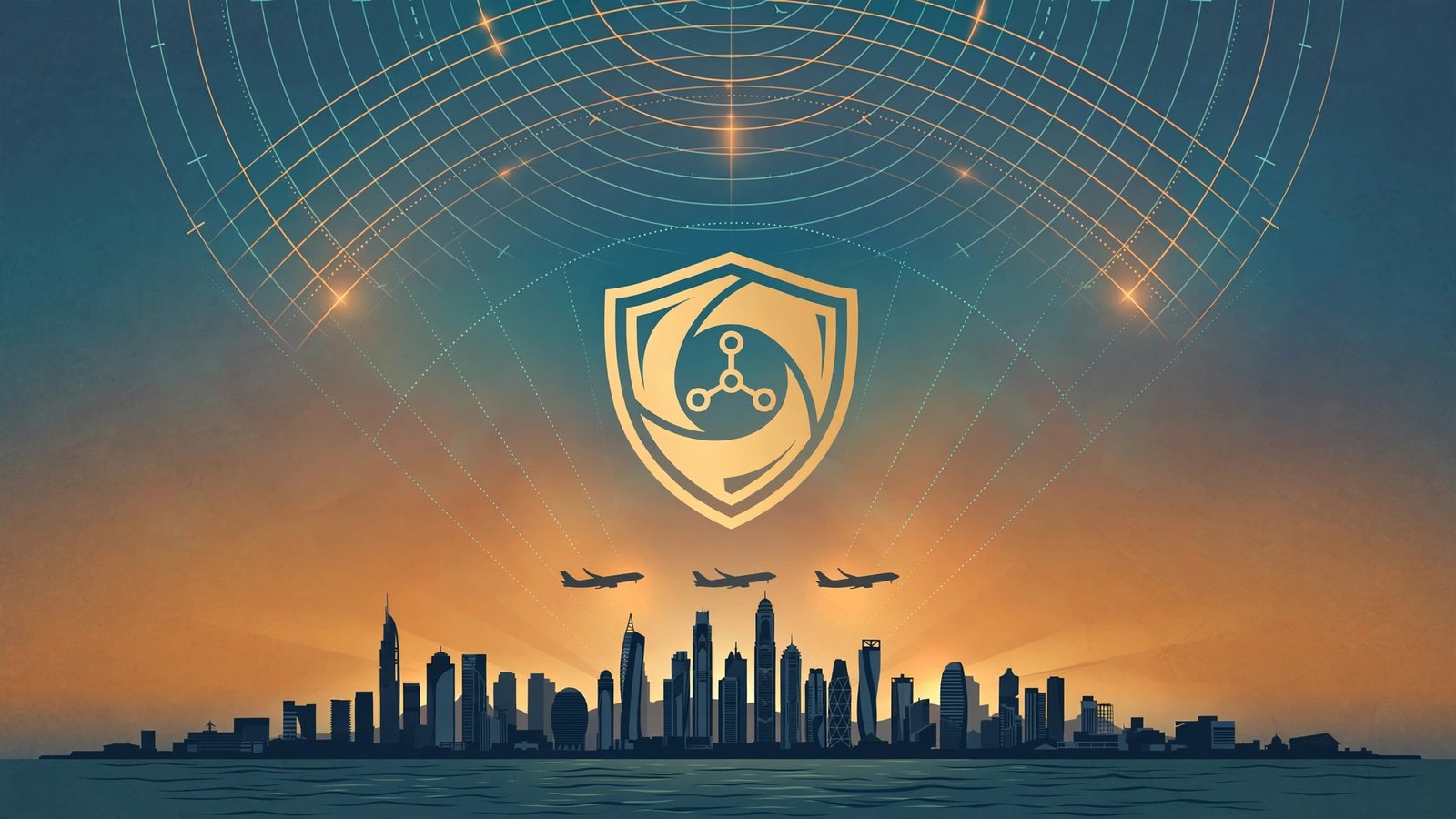
    ISLAMABAD: Information Technology Minister Shaza Fatima Khawaja said on Tuesday that Pakistan had significantly expanded its digital infrastructure through a major spectrum auction, 5G deployment and nationwide fibre-optic connectivity to meet the rising demand for digital services.

    Addressing a high-level panel at the Global Digital and AI Summit in Seoul, South Korea, she said Pakistan viewed artificial intelligence primarily as a network challenge, framed under Prime Minister Shehbaz Sharif’s Digital Nation Pakistan vision.

    Khawaja said Pakistan conducted its largest-ever spectrum auction in March 2026, acquiring 480 MHz of spectrum for $509 million and raising telecom operators’ combined holdings from 274 MHz to 754 MHz. Within six months of the auction, 5G services had been launched at more than 1,700 sites across 24 major cities, delivering average speeds of 130 Mbps.

    Speeds, fibre and submarine cables

    She added that download speeds had risen by 68.1 per cent over two years, while more than 234,000 kilometres of optical fibre cable had been deployed nationwide. The government had abolished right-of-way charges to reduce costs and accelerate fibre expansion, she said.

    Pakistan was connected to international networks through six submarine cables with combined capacity exceeding 17 terabits per second, the minister said, adding that the country was developing the Central Asia Regional Economic Cooperation (CAREC) Digital Corridor to connect Central Asia with the wider world.

    Satellite connectivity for remote areas

    Highlighting connectivity in remote areas, Khawaja said regulators were finalising a framework for satellite communications and licensing to facilitate direct-to-device services. Satellite technology would complement, rather than replace, terrestrial networks, she noted.

    New frameworks for mobile virtual network operators and infrastructure sharing had also been introduced to attract investment, she said, positioning Pakistan as an open market for digital infrastructure partnerships.

    Digital inclusion and local manufacturing

    On digital inclusion, she said the Universal Service Fund had provided connectivity to more than 38 million people across 22,100 settlements in over 110 districts. Pakistan had assembled 17.6 million smartphones locally in 2025, while instalment plans were being introduced to make devices affordable.

    The gender gap in mobile connectivity had narrowed from 25 per cent to 8 per cent, she added, citing World Bank reports. Khawaja also said Pakistan’s ranking in the International Telecommunication Union’s ICT Development Index 2026 had improved by 27 places.

    She described universal connectivity as an unfinished promise, urging stakeholders to share investment risks and make connectivity the foundation for AI-driven growth in developing economies.

  • Pakistan to Sign Defence Industry Pact With Qatar, Turkiye

    Pakistan to Sign Defence Industry Pact With Qatar, Turkiye

    ISLAMABAD: Türkiye, Qatar, Pakistan and Indonesia are expected to sign a defence industry cooperation memorandum in Doha on Wednesday, marking a new step in military-technical cooperation among the four countries, Dawn reported.

    According to TRT World, the signing will be held in the Qatari capital, where Qatar is also expected to announce plans to establish a local defence production hub. The announcement was made by Qatar’s Minister of State for Defence Affairs, Sheikh Saoud bin Abdulrahman Al Thani, during the Global Security Forum in Doha on Monday.

    Turkish Defence Minister Yasar Guler will travel to Doha for the signing. Interior Minister Mohsin Naqvi, who is also in Doha for the security forum, is expected to represent Pakistan at the ceremony, the report said.

    Earlier, Naqvi met his Qatari counterpart, Sheikh Khalifa bin Hamad bin Khalifa Al Thani, who also commands Qatar’s Internal Security Force, the Lekhwiya. The two ministers discussed the current regional situation and matters concerning regional peace and stability, the state-run APP news agency reported. During their meeting, the two sides agreed to expand the security partnership between Pakistan and Qatar and held detailed discussions on expanding cooperation in areas related to internal security.

    The Makkah defence pact

    The Doha signing comes as Türkiye submitted the Makkah defence pact to its parliament for ratification, moving Ankara closer to a formal mutual defence pledge with Riyadh. Pakistan, Saudi Arabia and Türkiye signed the Makkah Joint Defence Agreement in August, under which an armed attack on one member is considered an attack on all — a provision similar to NATO’s Article 5 that refers to Article 51 of the UN Charter, which covers the individual or collective right of self-defence against armed attacks.

    The agreement will enter into force upon the deposit of ratification documents with the secretariat in Riyadh, and the parties may not withdraw from the agreement for the first 10 years. While Pakistan has already ratified the treaty under its executive-led treaty-making system, Türkiye still requires formal parliamentary ratification.

    A Turkish official, who spoke to Reuters on the condition of anonymity, said Ankara’s contribution under the alliance was expected to be limited to military equipment, intelligence sharing and weapons systems, adding that no other form of deployment had taken place under the alliance so far. Turkish Foreign Minister Hakan Fidan said the Makkah Agreement was not an “offensive agreement”, adding that Türkiye would not send troops to another country to carry out attacks on its territory.

    Egypt’s parliament, which is not part of the Makkah alliance, is also expected to vote on October 26 on authorising potential military support for Saudi Arabia, Dawn reported.

  • Pakistan polio tally hits seven after Karachi East case

    Pakistan polio tally hits seven after Karachi East case

    Pakistan has recorded its seventh polio case of 2026 after a new case was reported in Karachi East, health officials said on Monday. According to the Sindh Emergency Operations Centre (EOC), five of the seven cases reported this year are from Khyber Pakhtunkhwa and two from Sindh.

    The latest case was confirmed by the Regional Reference Laboratory for Polio Eradication at the National Institute of Health in Islamabad after the virus was detected through the polio surveillance network. The affected child is a six-month-old boy from Union Council Jamali Colony in Karachi East. The National Emergency Operations Centre (NEOC) said a comprehensive investigation into the case had been launched.

    According to the Sindh EOC, the last polio case in Karachi was reported in December 2024 — nearly two years ago. Officials stressed that although polio is an incurable disease, it can be prevented through vaccination.

    Nationwide campaign from November 2

    The development comes ahead of a week-long sub-national polio vaccination campaign scheduled for November 2 to 8, during which more than 23.9 million children under five years of age will be vaccinated across 97 selected districts of the country, including all districts of Karachi. The campaign will run in synchronisation with Afghanistan.

    Under the campaign plan, more than 9.278 million children will be vaccinated in 13 selected districts of Punjab, while over 6.883 million children will receive polio drops in 20 districts of Sindh. In Khyber Pakhtunkhwa, the campaign will target more than 4.808 million children across 27 selected districts, while over 2.217 million children will be vaccinated in 31 districts of Balochistan.

    The NEOC said frontline polio workers would visit households to administer two drops of the vaccine to every eligible child. The Polio Eradication Initiative is also analysing a science-based response to tackle and prevent further transmission, including targeted vaccination activities and support to strengthen routine immunisation.

    Long fight against the virus

    Polio is a highly infectious disease caused by the poliovirus that primarily affects children under the age of five. It invades the nervous system and can cause paralysis or death. While there is no cure, vaccination remains the most effective means of prevention. Pakistan and Afghanistan are the only two countries where wild poliovirus remains endemic.

    According to the NEOC, Pakistan has recorded a 99.8 per cent reduction in polio cases — from an estimated 20,000 in the early 1990s to 31 in 2025 and seven so far this year. Four nationwide polio campaigns have already been conducted in 2026, protecting more than 45 million children multiple times, in addition to targeted oral and injectable vaccination activities in high-risk areas.