Tag: Pakistan

  • ChatGPT Ads Expand to Pakistan, 25 Other Countries

    ChatGPT Ads Expand to Pakistan, 25 Other Countries

    OpenAI has announced it is expanding advertising on ChatGPT to 26 more countries, including Pakistan, as the artificial intelligence company accelerates its push to grow revenue ahead of a possible initial public offering.

    The announcement, made on Wednesday, takes the total number of countries where ChatGPT advertising is available to 89, according to reporting by Reuters. The company said the move is a significant step in scaling up its business and speeding up revenue generation as it eyes the public markets.

    OpenAI began testing advertisements inside ChatGPT in the United States earlier this year. The company revealed in August that its advertising business had already reached an annualised revenue run rate of $1 billion, and said more than 100,000 advertisers have since launched campaigns on the platform.

    Which countries are included?

    The expansion adds 14 more Latin American countries to the advertising map, including Argentina, Chile, Colombia and Peru, following earlier launches in Mexico and Brazil. Ads are also being rolled out across markets in Europe, the Middle East, Africa and Asia, including Nigeria, South Africa, Serbia, Ukraine, Cambodia, Bangladesh and Pakistan.

    For businesses in Pakistan, the development opens a new channel to reach customers through one of the world’s most widely used AI assistants. Advertisers in the new markets can access ChatGPT ads through authorised agency and technology partners, or through direct self-service access within the platform’s Ads Manager, the company said.

    Who will see the ads?

    Importantly for users, advertisements will appear only on ChatGPT’s Free and Go plans. The company’s paid subscriptions — Plus, Pro and Enterprise — will remain completely ad-free, a distinction OpenAI is keen to preserve as it monetises its free tier.

    Earlier, the company had introduced a set of AI-powered tools for advertisers and began beta testing branded AI representatives with a curated group of marketers in the United States. In September, it also started testing business-sponsored agents with select US advertisers, signalling how deeply advertising will be woven into conversational AI experiences.

    A new revenue chapter for OpenAI

    The rapid expansion of advertising marks a striking shift for a company that built its name on a simple chat box. Turning hundreds of millions of free users into an advertising audience could reshape how AI products make money — but it also raises questions about how ads will sit alongside the trusted, helpful tone users expect from their AI assistant.

    Whether Pakistani users and advertisers embrace the change remains to be seen, but one thing is clear: the race to turn artificial intelligence into a sustainable business has entered a new and very commercial phase.
  • KP Reports Highest Daily Dengue Tally of 2026: 99 Cases

    KP Reports Highest Daily Dengue Tally of 2026: 99 Cases

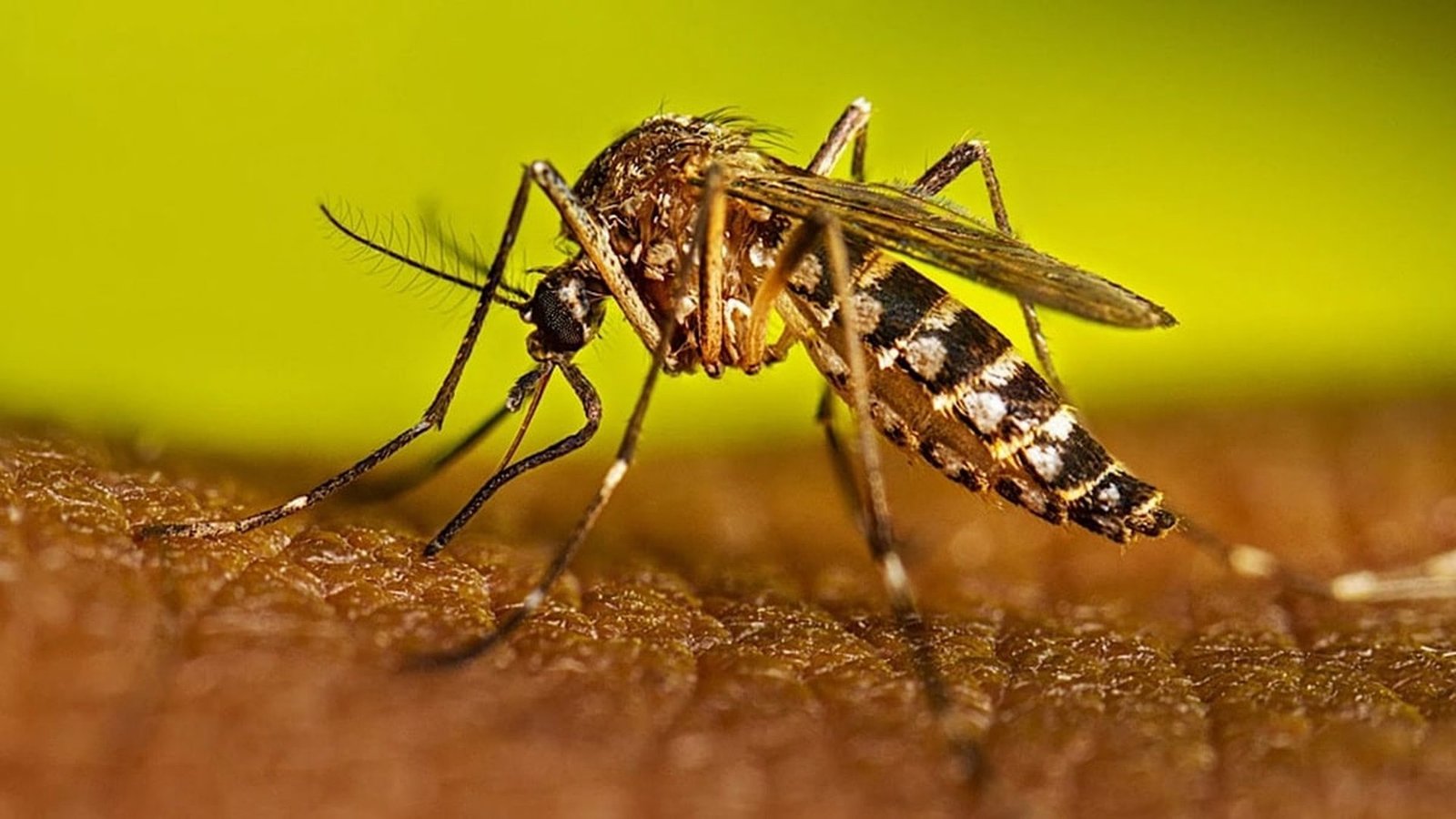
    Khyber Pakhtunkhwa has reported 99 new dengue cases in a single day, the highest daily tally recorded in the province this year, as the disease continues to spread during the high-risk month of October.

    According to the latest report from the Integrated Disease Surveillance and Response System (IDSRS), the 99 new infections recorded in the last 24 hours have taken the province’s cumulative dengue count for 2026 to 4,091. The report said 144 patients are currently suffering from the disease, while 3,946 have recovered. A resident of Tank recently died of dengue in Dera Ismail Khan, health officials said.

    Kohat becomes the epicentre

    Kohat remains the worst-affected district in the province, with 2,567 cases reported so far this year. Peshawar follows with 566 cases, while Bannu has recorded 192, Khyber 120 and Haripur 112. Other affected districts include Charsadda with 75 cases, Abbottabad with 71, Nowshera with 51, Karak with 43, Mansehra with 38, Dera Ismail Khan with 35, Swabi with 28 and Mohmand with 14, while the remaining districts have reported cases in single digits.

    The surge in Kohat has been particularly sharp during October. The district has recorded 80 cases since the beginning of the month, compared with 24 in Bannu and 18 in Peshawar over the same period. The rising infections have placed additional pressure on hospitals in Kohat, prompting the health department to step up efforts to control the spread of the disease, officials said.

    Better than last year — but the warning stands

    Health experts said the overall situation remains better than last year, when the province recorded more than 6,000 dengue cases, including over 1,000 in Charsadda following an outbreak in several union councils. However, Kohat has emerged as a new dengue hotspot this year, with the health department already identifying the reasons behind the unusually high number of infections there.

    Experts have cautioned that the coming weeks will be critical, as weather conditions favourable to mosquito breeding could lead to a further increase in infections across the province.

    How to stay safe

    Health officials advise residents to remove standing water from homes and surroundings, since it allows mosquitoes to breed, and to use mosquito nets and repellents, particularly during the early morning and evening hours. Anyone suffering from persistent high fever, severe headache or body pain should consult a doctor promptly and get tested, as early detection makes treatment more effective.

  • Pakistan’s AI push: 5G, fibre and spectrum at Seoul summit

    Pakistan’s AI push: 5G, fibre and spectrum at Seoul summit

    ISLAMABAD: Information Technology Minister Shaza Fatima Khawaja said on Tuesday that Pakistan had significantly expanded its digital infrastructure through a major spectrum auction, 5G deployment and nationwide fibre-optic connectivity to meet the rising demand for digital services.

    Addressing a high-level panel at the Global Digital and AI Summit in Seoul, South Korea, she said Pakistan viewed artificial intelligence primarily as a network challenge, framed under Prime Minister Shehbaz Sharif’s Digital Nation Pakistan vision.

    Khawaja said Pakistan conducted its largest-ever spectrum auction in March 2026, acquiring 480 MHz of spectrum for $509 million and raising telecom operators’ combined holdings from 274 MHz to 754 MHz. Within six months of the auction, 5G services had been launched at more than 1,700 sites across 24 major cities, delivering average speeds of 130 Mbps.

    Speeds, fibre and submarine cables

    She added that download speeds had risen by 68.1 per cent over two years, while more than 234,000 kilometres of optical fibre cable had been deployed nationwide. The government had abolished right-of-way charges to reduce costs and accelerate fibre expansion, she said.

    Pakistan was connected to international networks through six submarine cables with combined capacity exceeding 17 terabits per second, the minister said, adding that the country was developing the Central Asia Regional Economic Cooperation (CAREC) Digital Corridor to connect Central Asia with the wider world.

    Satellite connectivity for remote areas

    Highlighting connectivity in remote areas, Khawaja said regulators were finalising a framework for satellite communications and licensing to facilitate direct-to-device services. Satellite technology would complement, rather than replace, terrestrial networks, she noted.

    New frameworks for mobile virtual network operators and infrastructure sharing had also been introduced to attract investment, she said, positioning Pakistan as an open market for digital infrastructure partnerships.

    Digital inclusion and local manufacturing

    On digital inclusion, she said the Universal Service Fund had provided connectivity to more than 38 million people across 22,100 settlements in over 110 districts. Pakistan had assembled 17.6 million smartphones locally in 2025, while instalment plans were being introduced to make devices affordable.

    The gender gap in mobile connectivity had narrowed from 25 per cent to 8 per cent, she added, citing World Bank reports. Khawaja also said Pakistan’s ranking in the International Telecommunication Union’s ICT Development Index 2026 had improved by 27 places.

    She described universal connectivity as an unfinished promise, urging stakeholders to share investment risks and make connectivity the foundation for AI-driven growth in developing economies.

  • Pakistan to Sign Defence Industry Pact With Qatar, Turkiye

    Pakistan to Sign Defence Industry Pact With Qatar, Turkiye

    ISLAMABAD: Türkiye, Qatar, Pakistan and Indonesia are expected to sign a defence industry cooperation memorandum in Doha on Wednesday, marking a new step in military-technical cooperation among the four countries, Dawn reported.

    According to TRT World, the signing will be held in the Qatari capital, where Qatar is also expected to announce plans to establish a local defence production hub. The announcement was made by Qatar’s Minister of State for Defence Affairs, Sheikh Saoud bin Abdulrahman Al Thani, during the Global Security Forum in Doha on Monday.

    Turkish Defence Minister Yasar Guler will travel to Doha for the signing. Interior Minister Mohsin Naqvi, who is also in Doha for the security forum, is expected to represent Pakistan at the ceremony, the report said.

    Earlier, Naqvi met his Qatari counterpart, Sheikh Khalifa bin Hamad bin Khalifa Al Thani, who also commands Qatar’s Internal Security Force, the Lekhwiya. The two ministers discussed the current regional situation and matters concerning regional peace and stability, the state-run APP news agency reported. During their meeting, the two sides agreed to expand the security partnership between Pakistan and Qatar and held detailed discussions on expanding cooperation in areas related to internal security.

    The Makkah defence pact

    The Doha signing comes as Türkiye submitted the Makkah defence pact to its parliament for ratification, moving Ankara closer to a formal mutual defence pledge with Riyadh. Pakistan, Saudi Arabia and Türkiye signed the Makkah Joint Defence Agreement in August, under which an armed attack on one member is considered an attack on all — a provision similar to NATO’s Article 5 that refers to Article 51 of the UN Charter, which covers the individual or collective right of self-defence against armed attacks.

    The agreement will enter into force upon the deposit of ratification documents with the secretariat in Riyadh, and the parties may not withdraw from the agreement for the first 10 years. While Pakistan has already ratified the treaty under its executive-led treaty-making system, Türkiye still requires formal parliamentary ratification.

    A Turkish official, who spoke to Reuters on the condition of anonymity, said Ankara’s contribution under the alliance was expected to be limited to military equipment, intelligence sharing and weapons systems, adding that no other form of deployment had taken place under the alliance so far. Turkish Foreign Minister Hakan Fidan said the Makkah Agreement was not an “offensive agreement”, adding that Türkiye would not send troops to another country to carry out attacks on its territory.

    Egypt’s parliament, which is not part of the Makkah alliance, is also expected to vote on October 26 on authorising potential military support for Saudi Arabia, Dawn reported.

  • Pakistan polio tally hits seven after Karachi East case

    Pakistan polio tally hits seven after Karachi East case

    Pakistan has recorded its seventh polio case of 2026 after a new case was reported in Karachi East, health officials said on Monday. According to the Sindh Emergency Operations Centre (EOC), five of the seven cases reported this year are from Khyber Pakhtunkhwa and two from Sindh.

    The latest case was confirmed by the Regional Reference Laboratory for Polio Eradication at the National Institute of Health in Islamabad after the virus was detected through the polio surveillance network. The affected child is a six-month-old boy from Union Council Jamali Colony in Karachi East. The National Emergency Operations Centre (NEOC) said a comprehensive investigation into the case had been launched.

    According to the Sindh EOC, the last polio case in Karachi was reported in December 2024 — nearly two years ago. Officials stressed that although polio is an incurable disease, it can be prevented through vaccination.

    Nationwide campaign from November 2

    The development comes ahead of a week-long sub-national polio vaccination campaign scheduled for November 2 to 8, during which more than 23.9 million children under five years of age will be vaccinated across 97 selected districts of the country, including all districts of Karachi. The campaign will run in synchronisation with Afghanistan.

    Under the campaign plan, more than 9.278 million children will be vaccinated in 13 selected districts of Punjab, while over 6.883 million children will receive polio drops in 20 districts of Sindh. In Khyber Pakhtunkhwa, the campaign will target more than 4.808 million children across 27 selected districts, while over 2.217 million children will be vaccinated in 31 districts of Balochistan.

    The NEOC said frontline polio workers would visit households to administer two drops of the vaccine to every eligible child. The Polio Eradication Initiative is also analysing a science-based response to tackle and prevent further transmission, including targeted vaccination activities and support to strengthen routine immunisation.

    Long fight against the virus

    Polio is a highly infectious disease caused by the poliovirus that primarily affects children under the age of five. It invades the nervous system and can cause paralysis or death. While there is no cure, vaccination remains the most effective means of prevention. Pakistan and Afghanistan are the only two countries where wild poliovirus remains endemic.

    According to the NEOC, Pakistan has recorded a 99.8 per cent reduction in polio cases — from an estimated 20,000 in the early 1990s to 31 in 2025 and seven so far this year. Four nationwide polio campaigns have already been conducted in 2026, protecting more than 45 million children multiple times, in addition to targeted oral and injectable vaccination activities in high-risk areas.

  • India Rejects OIC Resolutions on J&K, Accuses Pakistan

    India Rejects OIC Resolutions on J&K, Accuses Pakistan

    New Delhi: India on Monday rejected references to Jammu and Kashmir and Islamophobia in resolutions adopted at the Organisation of Islamic Cooperation (OIC) Council of Foreign Ministers’ meeting in Baghdad, accusing Pakistan of orchestrating what it described as a “bigoted agenda” to misuse the grouping against New Delhi.

    In a sharp response issued by the Ministry of External Affairs (MEA), spokesperson Randhir Jaiswal described the references as “malicious, biased and false” and questioned the credibility of the 57-member grouping for repeatedly endorsing what New Delhi called Pakistan’s propaganda. The OIC Council of Foreign Ministers met in Baghdad on October 17 and 18.

    OIC has “no locus standi”, says MEA

    Reiterating India’s long-standing position, the MEA said the OIC had “no locus standi whatsoever” to comment on matters that it considers strictly internal to the country. It asserted that the Union Territories of Jammu and Kashmir and Ladakh were “integral and inalienable parts of India,” adding that “politically motivated propaganda can never alter this reality.”

    Highlighting developments in the region since the abrogation of Article 370 in August 2019, the MEA said Jammu and Kashmir had witnessed significant economic growth, with infrastructure development, tourism and improved connectivity benefiting its people.

    Counter-allegations against Islamabad

    In a pointed counter to Pakistan’s position on Kashmir, New Delhi accused Islamabad of unleashing violence and repression in what it termed “Pakistan-occupied Jammu and Kashmir” (PoJK), alleging that scores of civilian protesters, including women and children, had been killed. “No amount of media blackout has been able to hide these grave violations of human rights,” the MEA said.

    According to the MEA, the only outstanding issues relating to Jammu and Kashmir were Pakistan vacating territories under its “illegal and forcible occupation” and ending its support for cross-border terrorism.

    Islamophobia references also rejected

    India also rejected what it described as fabricated and hostile references to Islamophobia in the OIC resolutions, accusing Pakistan of using the issue to divert international attention from its own record on minority persecution and sectarian violence, as well as governance failures and political instability.

    The MEA said the OIC’s repeated endorsement of what it called malicious narratives propagated by Pakistan raised serious questions about the organisation’s credibility and integrity. “We hope its members would do better and reform this organisation,” the ministry said, noting that India has consistently opposed OIC statements on Jammu and Kashmir.

  • Pakistan Set to Sign First-Ever Digital and AI Compact

    Pakistan Set to Sign First-Ever Digital and AI Compact

    Pakistan is poised to take a prominent place on the global technology stage this week, as the country prepares to become the first nation to sign the Digital and AI Compact during the Global AI and Digital Summit 2026 in Seoul. Federal Minister for Information Technology and Telecommunication Shaza Fatima Khawaja has departed for South Korea to represent the country at the gathering.

    Summit agenda

    The summit, hosted in Seoul from October 19 to 22 by the World Bank Group together with South Korea’s Ministry of Science and ICT and its Ministry of Finance and Economy, will bring together global leaders to examine how artificial intelligence and digital transformation can deliver practical development gains. During the visit, the minister will participate in the AI and Digital Ministerial Meeting, where discussions will focus on Pakistan’s priorities in artificial intelligence and digital inclusion. She will also present Pakistan’s future roadmap during a dedicated session on the Digital and AI Compact, outlining the country’s approach to advancing digital transformation and artificial intelligence.

    Bilateral engagements

    On the sidelines of the summit, the federal minister is scheduled to hold a bilateral meeting with a Google vice president to discuss matters of mutual interest. She will also meet a World Bank vice president to discuss areas of cooperation. The visit will include key sessions on ensuring equitable access to the internet and digital services worldwide, highlighting the importance of digital inclusion and expanding access to emerging technologies.

    Pakistan’s AI roadmap

    The visit comes at a time when Pakistan is stepping up its digital ambitions. Under the National AI Policy 2025, the government has set a target of creating three million AI-related jobs by 2030, while the country’s IT and telecom export remittances reached a record Rs1.2 trillion, or about $4.6 billion, during the 2025-26 fiscal year. The minister has previously said the AI policy was formulated after comprehensive consultations and that the government would now focus on its implementation and execution. While Pakistan does not yet have an AI-specific regulatory structure, measures including the National Cyber Security Policy 2021, the Cloud First Policy 2022 and the CERT Rules 2023 address the potential challenges associated with the use of artificial intelligence.

    The signing of the Digital and AI Compact is expected to mark a significant step in Pakistan’s efforts to advance digital technology and AI cooperation internationally, underlining the country’s push to position itself as a serious player in the region’s fast-moving artificial intelligence landscape.

  • Breast Cancer Awareness Day Marked Across Pakistan

    Breast Cancer Awareness Day Marked Across Pakistan

    Pakistan observed Breast Cancer Awareness Day on October 19, with President Asif Ali Zardari and Prime Minister Muhammad Shehbaz Sharif both calling for stronger public awareness, early detection and compassionate support for women affected by the disease.

    President’s message

    In his message, President Zardari commended healthcare professionals, volunteers, patient organisations, researchers and community workers for their contributions to breast cancer awareness and support. He said breast cancer affects thousands of families in Pakistan, placing emotional and social pressures not only on the women living with the disease but also on their mothers, daughters, sisters and spouses. He said the day was an opportunity to remind women to pay attention to their health and seek appropriate medical advice when they notice changes or have concerns, adding that greater awareness could help women make informed decisions about their health.

    The President also underlined the role of families and communities, saying women should feel able to discuss their health concerns openly and seek care without fear or hesitation, and that understanding and support from family members can help reduce the fear, misinformation and silence that may surround cancer. Schools, workplaces, community organisations, the media, civil society and healthcare professionals all have a part to play, he said, in ensuring accurate information reaches women and families across the country. He extended greetings to all those affected by the disease, their families and caregivers, and to the healthcare professionals working to support them.

    Government’s free screening drive

    In his own message, Prime Minister Muhammad Shehbaz Sharif said the federal government was working with provincial governments and relevant local institutions to ensure access to essential healthcare services, including specialised cancer treatment facilities. He said a comprehensive strategy had been developed to promote early detection, ensure timely medical examinations, facilitate access to quality treatment and maintain continuity of care across the country.

    The prime minister said free screening, diagnostic services and medicines were available at the Federal Breast Cancer Screening Centre at the Pakistan Institute of Medical Sciences, and that Lady Health Workers and primary healthcare staff were being trained to strengthen early detection and awareness. He paid particular attention to women in rural and underprivileged areas, where access to healthcare facilities is often limited, pledging that no Pakistani woman would be deprived of timely and quality treatment because of her geographical location or financial circumstances.

    October is observed globally as breast cancer awareness month, and the day served as a reminder that timely medical attention, informed choices and strong family support can make a decisive difference in the lives of women and families facing the disease.

  • Pakistan Rules Out Unconditional Talks With Afghanistan

    Pakistan Rules Out Unconditional Talks With Afghanistan

    ISLAMABAD: Pakistan has ruled out unconditional talks with Afghanistan, insisting that any future dialogue must be tied to a verifiable mechanism that guarantees an end to terrorist activities launched from Afghan soil.

    Addressing the weekly media briefing on Friday, Foreign Office spokesperson Sajjad Haider Khan said Pakistan was not avoiding engagement but would only join discussions that produced tangible results. According to him, Pakistan would welcome sincere efforts by friendly countries to help resolve the long-running dispute and promote regional peace.

    The statement came as Russia renewed its readiness to mediate between the two neighbours. The spokesperson said he was not aware of any separate, formal Russian mediation initiative currently under discussion, while stressing that Islamabad remained open to engagement that delivered concrete outcomes. Russia is the only country to have formally recognised the Taliban government, and Moscow’s special envoy for Afghanistan, Zamir Kabulov, had earlier renewed the offer to facilitate a settlement if both sides sought it.

    Moscow Format ends without agreement

    The spokesperson said the failure of the latest round of the Moscow Format consultations on October 5 to issue a joint communique highlighted the central obstacle to normalising relations. According to him, the Afghan delegation was unwilling to accept language on terrorist networks operating from Afghanistan that had been acceptable in the previous year’s document.

    “The fact that no joint communique was issued after the Moscow Format is self-evident that Afghanistan did not accept the formulation which had been acceptable until last year, particularly about the presence of terrorist networks in Afghanistan,” Mr Khan said.

    Pakistan’s core demand, he reiterated, is action against the Tehreek-i-Taliban Pakistan and other militant groups that Islamabad says use Afghan territory to launch attacks across the border. The Taliban authorities have rejected these allegations and have avoided taking a categorical position on the banned outfit.

    The spokesperson recalled that previous mediation attempts had also failed to produce a lasting settlement. Qatar and Turkiye helped broker a ceasefire last October, but the subsequent round of talks did not hold. Saudi Arabia separately hosted discussions, while China held talks between the two sides in Urumqi in April. None of these efforts, he noted, resolved the disagreement over terrorist groups and the measures needed to prevent cross-border attacks.

    Warning to India

    On a separate note, the spokesperson rejected what he called provocative remarks by Indian Defence Minister Rajnath Singh, who had threatened a bigger strike in response to any future terrorist attacks while speaking at the National Defence Conclave 2026 in Delhi. Mr Singh had recalled Operation Sindoor, describing it as a decisive response to terrorism.

    “We reject and condemn the Indian Defence Minister’s provocative remarks entailing a threat of Indian aggression against Pakistan,” Mr Khan said, adding that such statements reflected a hegemonistic mindset and posed risks to regional peace and stability in South Asia.

    He reminded New Delhi of what he described as the consequences of its military aggression in May last year, when Pakistan, according to him, demonstrated both its capability and resolve to defend its sovereignty and territorial integrity. Any future aggression, he warned, would be met with an even stronger response, and he urged India to abandon what he termed its belligerent posture and act responsibly for lasting peace in the region.

  • PM Shehbaz launches anti-poverty initiative

    PM Shehbaz launches anti-poverty initiative

    Prime Minister Muhammad Shehbaz Sharif has announced that the government is launching a special initiative to help the country’s poorest households and families affected by recent floods move out of poverty through a comprehensive package of support.

    The announcement came in a message issued by the PM Office on the International Day for the Eradication of Poverty, observed worldwide on October 17. In the message, the prime minister described poverty eradication as a shared national responsibility requiring joint efforts by provincial governments, development partners, civil society, the private sector and local communities.

    A Safe Home for All

    According to the statement, the day is being observed globally under a United Nations three-year campaign for 2026-2028, themed “United for Peace and Human Rights,” with the 2026 sub-theme “A Safe Home for All.” The prime minister said the themes underlined the importance of collective action to end poverty and build a peaceful and just society.

    The statement said economic prosperity, adequate food supplies and safe housing were among the essential outcomes of poverty alleviation, adding that safe and dignified housing was fundamental to citizens’ well-being.

    On housing, the prime minister said the government was expanding access to affordable homes, particularly for economically vulnerable families, through easy financing under the Prime Minister’s Apna Ghar Scheme. He noted that besides financial constraints, climate change effects such as floods and heavy rainfall were also adding to the housing shortage in the country.

    Constitutional duty and welfare state

    The statement said promoting the social and economic well-being of the people was a constitutional responsibility of the government, and that the Constitution of Pakistan reflected a national commitment to building a welfare state. In fulfilment of that obligation, the prime minister said, the government was pursuing an integrated strategy linking social protection with human development, skills enhancement, livelihood opportunities, employment and economic empowerment.

    The prime minister said the government continued to strengthen and sustain the Benazir Income Support Programme (BISP) as a key social safety net providing direct financial assistance to deserving families. He said the launch of the National Socio-Economic Registry and the Digital Social Protection Wallet was intended to protect beneficiaries from exploitation and bring transparency to the delivery of assistance.

    Education, skills and livelihoods

    To help citizens build sustainable livelihoods, the prime minister said the government was working to ensure equal access to education and technical and vocational training. He said talented children from all backgrounds were receiving quality education and comprehensive care through the Daanish Schools System, while the National Vocational and Technical Training Commission (NAVTTC) had been further strengthened to equip young people with internationally aligned technical skills.

    He said initiatives such as the Prime Minister’s Youth Programme, “Uraan Pakistan,” Pakistan Bait-ul-Mal and the Pakistan Poverty Alleviation Fund (PPAF) were aimed at reducing poverty by improving livelihoods and strengthening infrastructure – efforts that, he said, would also help address deprivations in housing, energy, healthcare and education.

    The prime minister reaffirmed Pakistan’s commitment to concerted and practical measures at national and global levels to eradicate poverty, reduce inequality and ensure equitable development opportunities.

    Calling on all segments of society to renew their resolve, the prime minister said that through collective efforts, Pakistan could be made socially and economically secure and firmly set on the path to progress and prosperity.