Tag: Pakistan

  • دھوپ کے باوجود وٹامن ڈی کی کمی: 73 فیصد افراد متاثر

    دھوپ کے باوجود وٹامن ڈی کی کمی: 73 فیصد افراد متاثر

    پاکستان میں سورج کی فراوانی کے باوجود وٹامن ڈی کی کمی ایک سنگین اور خاموش صحت کا مسئلہ بن چکی ہے۔ لاہور میں منعقدہ ایک طبی سیمینار میں ماہرین نے کہا کہ ملک میں ہر عمر کے افراد اس کمی کا شکار ہیں، اور اس بارے میں عوامی آگاہی کی اشد ضرورت ہے۔

    یہ خدشات ڈی کنیکٹ سمٹ 2026 میں سامنے آئے، جو ورلڈ وٹامن ڈی ڈے کی مناسبت سے لاہور کے مال روڈ پر واقع ہوٹل میں منعقد ہوا۔ اس سیمینار کا اہتمام ایک دوا ساز ادارے نے کیا تھا، جس میں مختلف شعبوں کے طبی ماہرین نے شرکت کی اور وٹامن ڈی کی اہمیت پر روشنی ڈالی۔

    میو اسپتال لاہور کے شعبہ آرتھوپیڈکس کے سربراہ پروفیسر ڈاکٹر فیصل مسعود نے اپنے خطاب میں کہا کہ وٹامن ڈی انسان کی زندگی کے ہر مرحلے میں ہڈیوں کی صحت کا ساتھی ہے، بچپن سے لے کر بڑھاپے تک۔ ان کے مطابق ہڈیاں صرف جسم کو سہارا نہیں دیتیں، بلکہ حرکت میں مدد کرتی ہیں، اہم اعضا کی حفاظت کرتی ہیں اور جسم میں کیلشیم کا توازن برقرار رکھتی ہیں۔

    ڈاکٹر فیصل نے کہا کہ پاکستان کو وٹامن ڈی کی کمی کے سنگین مسئلے کا سامنا ہے، حالانکہ ملک میں سورج کی روشنی وافر مقدار میں موجود ہے۔ سیمینار میں پیش کیے گئے اندازوں کے مطابق تقریباً 73 فیصد افراد وٹامن ڈی کی کمی یا اس کی ناکافی سطح کا شکار ہیں۔ یہ اعداد و شمار اس بات کی طرف اشارہ کرتے ہیں کہ مسئلہ کتنا وسیع ہے، اور اسے نظر انداز کرنا مہنگا پڑ سکتا ہے۔

    ماہرین نے اس کمی کی کئی وجوہات بیان کیں۔ لوگ جلد کی رنگت خراب ہونے کے خدشے اور شدید موسم کی وجہ سے براہ راست دھوپ سے گریز کرتے ہیں۔ لباس کی عادات، سماجی رسوم اور گھروں کے اندر گزرنے والی طرز زندگی بھی دھوپ کے حصول میں رکاوٹ بنتی ہے۔ اس کے ساتھ ساتھ کھانے کی عادات میں تبدیلی نے بھی مسئلہ بڑھایا ہے، کیونکہ اب لوگ غذا کے انتخاب میں ذائقے کو غذائیت پر ترجیح دیتے ہیں۔

    وٹامن ڈی کی کمی کے نتائج خاص طور پر عمر رسیدہ افراد کے لیے خطرناک ہو سکتے ہیں۔ ماہرین کے مطابق ہڈیوں کا بھربھرا پن، یعنی آسٹیوپوروسس، اکثر اس وقت تک پوشیدہ رہتا ہے جب تک کوئی ہڈی ٹوٹ نہ جائے۔ اس لیے کمزور ہڈیوں کی بروقت شناخت اور روک تھام انتہائی ضروری ہے، ورنہ ایک معمولی گرنا بھی بڑی معذوری کا سبب بن سکتا ہے۔

    سیمینار میں شریک ماہرین نے کہا کہ اس بحران سے نمٹنے کے لیے صرف دوا پر انحصار کافی نہیں۔ عوام کو دھوپ کی اہمیت، متوازن غذا اور باقاعدہ طبی معائنے کے بارے میں بتانا ہوگا۔ جن افراد میں ہڈیوں یا پٹھوں میں مسلسل درد، تھکاوٹ یا کمزوری کی علامات ہوں، انہیں ڈاکٹر سے مشورہ کرنا چاہیے تاکہ بروقت تشخیص ہو سکے۔

    ماہرین کا پیغام واضح تھا: سورج کی روشنی ایک نعمت ہے، لیکن اس سے فائدہ اٹھانے کے لیے شعور اور درست طرز زندگی ضروری ہے۔ وٹامن ڈی کی کمی کو سنجیدگی سے لینا ہی ہڈیوں کی صحت اور بہتر معیار زندگی کی ضمانت بن سکتا ہے۔
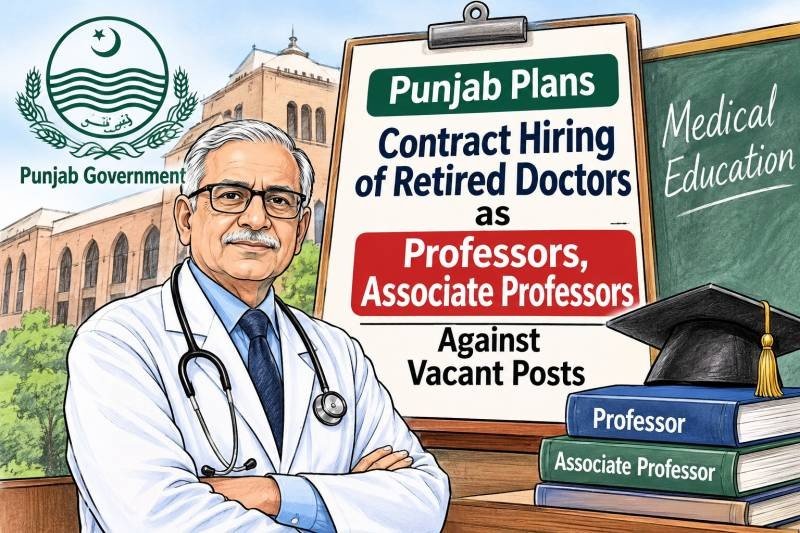
  • پنجاب: ریٹائرڈ ڈاکٹر پروفیسر بنیں گے، 5 نومبر آخری تاریخ

    پنجاب: ریٹائرڈ ڈاکٹر پروفیسر بنیں گے، 5 نومبر آخری تاریخ

    حکومت پنجاب میڈیکل اداروں میں اساتذہ کی شدید کمی کو پورا کرنے کے لیے ریٹائرڈ ڈاکٹروں اور نجی شعبے کے طبی ماہرین کو کنٹریکٹ کی بنیاد پر پروفیسر اور ایسوسی ایٹ پروفیسر مقرر کرنے کا منصوبہ بنا رہی ہے۔ اس مقصد کے لیے درخواستیں 5 نومبر تک طلب کی گئی ہیں، اور اہل امیدواروں کا انتخاب کھلے مسابقتی عمل کے ذریعے کیا جائے گا۔

    یہ منصوبہ محکمہ سپیشلائزڈ ہیلتھ کیئر اینڈ میڈیکل ایجوکیشن کی جانب سے سامنے آیا ہے، جس کے تحت صوبے کے مختلف میڈیکل اداروں میں خالی تدریسی آسامیوں کو پُر کیا جائے گا۔ ریٹائرڈ پروفیسرز اور ایسوسی ایٹ پروفیسرز کے ساتھ ساتھ نجی شعبے اور دیگر اداروں کے وہ امیدوار بھی درخواست دے سکتے ہیں جو متعلقہ آسامی کے لیے مطلوبہ تعلیمی قابلیت، تجربہ اور تحقیقی شرائط پوری کرتے ہوں۔

    ملازمت کی زیادہ سے زیادہ عمر 65 سال مقرر کی گئی ہے۔ کنٹریکٹ کی مدت تین سال، یا 65 سال کی عمر تک، یا اس وقت تک ہوگی جب تک ترقی یا پنجاب پبلک سروس کمیشن کے ذریعے کوئی مستقل امیدوار تعینات نہیں ہو جاتا، جو بھی پہلے ہو۔ یہ شرط واضح کرتی ہے کہ یہ تقرریاں عارضی نوعیت کی ہیں اور مستقل بھرتیوں کا متبادل نہیں۔

    یہ اقدام 12 ایسے شعبوں پر مرکوز ہے جہاں اساتذہ کی کمی سب سے زیادہ ہے۔ ان میں کارڈیالوجی، کارڈیک سرجری، اینستھیزیا، پلمونولوجی، آنکولوجی، ریڈیالوجی، بائیو کیمسٹری، فرانزک میڈیسن، سائیکاٹری، پیڈیاٹرک سرجری، پیڈیاٹرک کارڈیک سرجری اور پیڈیاٹرک کارڈیالوجی شامل ہیں۔ ان شعبوں میں کئی آسامیاں مہینوں سے خالی ہیں، جس کی وجہ سے جونیئر ڈاکٹروں کو سینئر اساتذہ کی مناسب نگرانی کے بغیر کام کرنا پڑ رہا ہے۔

    سینئر ڈاکٹروں کا خیال ہے کہ تجربہ کار اساتذہ کی آمد سے جونیئر ڈاکٹروں کو فائدہ ہوگا، کیونکہ انہیں تربیت اور رہنمائی میسر آئے گی۔ طبی تعلیم میں سینئر فیکلٹی کی موجودگی طلبہ کی تربیت اور مریضوں کی دیکھ بھال دونوں کے لیے اہم سمجھی جاتی ہے، اور خالی آسامیاں اس پورے نظام کو متاثر کرتی ہیں۔

    دوسری جانب بعض ذرائع نے اس منصوبے پر تحفظات کا اظہار بھی کیا ہے۔ ان کا کہنا ہے کہ کنٹریکٹ پر تقرریاں طبی تعلیم کے مستقل ڈھانچے کو کمزور کر سکتی ہیں اور سرکاری اداروں میں پہلے سے کام کرنے والے ڈاکٹروں کی ترقی کے امکانات متاثر ہو سکتے ہیں۔ یہ خدشہ بھی ظاہر کیا گیا ہے کہ اس سے انتظامی کنٹرول بڑھے گا اور سینئر تعلیمی تقرریاں حکام کی ترجیحات پر منحصر ہو جائیں گی۔

    حکومت کی جانب سے ان تحفظات پر ابھی تک عوامی طور پر کوئی وضاحت سامنے نہیں آئی۔ تاہم اشتہار کے مطابق انتخاب میرٹ پر مبنی کھلے عمل سے ہوگا، جس سے یہ امید کی جا رہی ہے کہ اہل اور تجربہ کار امیدواروں کو موقع ملے گا۔

    پنجاب کے 36 سرکاری میڈیکل کالجوں اور ان سے منسلک تدریسی اسپتالوں میں اساتذہ کی کمی ایک پرانا مسئلہ ہے۔ اگر یہ منصوبہ شفاف طریقے سے مکمل ہوتا ہے تو یہ عارضی طور پر خالی آسامیوں کو پُر کرنے میں مددگار ثابت ہو سکتا ہے، لیکن مستقل حل کے لیے باقاعدہ بھرتیوں کا عمل ہی اصل بنیاد رہے گا۔ امیدواروں کے لیے 5 نومبر کی آخری تاریخ قریب ہے، اس لیے دلچسپی رکھنے والے ڈاکٹروں کو جلد درخواست دینا ہوگی۔

  • Inflation eases to 9.61% in October, back in single digits

    Inflation eases to 9.61% in October, back in single digits

    Pakistan’s annual inflation rate fell to 9.61 per cent in October 2026, returning to single digits after two months above 10 per cent, according to data released by the Pakistan Bureau of Statistics. The figure marks the first single-digit annual reading since July, offering some relief after a summer in which price pressures had picked up again.

    The bureau’s monthly report showed the annual rate easing from 10.3 per cent in September to 9.61 per cent in October. Inflation had climbed above 10 per cent in August and stayed there in September, so the October decline breaks that run, even though the rate remains well above the State Bank’s target range of 5 to 7 per cent. For households, the direction of travel matters, but the level still means prices are rising much faster than policymakers would like.

    The improvement in the annual rate did not mean prices stopped rising. Consumer prices increased by 1.1 per cent in October compared with September, showing that month-on-month pressures continued. Rural areas felt that monthly increase more sharply, with prices up 1.5 per cent on the month, against 0.8 per cent in urban areas. On an annual basis, rural inflation stood at about 9.8 per cent in October, compared with 9.5 per cent in urban areas.

    The broader picture for the fiscal year remains less comfortable. Average inflation during the first four months of the current fiscal year, from July to October 2026, remained in double digits at 10.05 per cent. That average reflects the higher readings in August and September, and it shows that a single month of cooling does not by itself undo the pressure built up over the summer.

    Food provided some of the relief in October. Food inflation eased to 7.74 per cent from 8.2 per cent in September, helped by a fall in perishable food prices, which dropped 2.35 per cent on the month after a sharp rise the month before. At the same time, price growth in transport quickened further, reaching 28.61 per cent from 27.43 per cent, a reminder that energy and fuel costs continue to feed through to household budgets.

    The comparison with a year ago underlines how much has changed. Inflation in October 2026, at 9.61 per cent, was considerably higher than the 6.2 per cent recorded in October 2025. The Finance Division had projected October inflation in a range of 9.5 to 10.5 per cent, so the official figure landed comfortably inside that forecast, but at a level far above last year’s.

    What happens next will depend heavily on international energy prices, food supplies and base effects, the factors the Finance Division itself flagged as risks to the outlook. The State Bank raised its policy rate to 12 per cent in late October to guard against second-round price effects, a move that raises borrowing costs but is intended to anchor expectations.

    For now, October’s data gives the government a welcome headline: inflation back in single digits. Whether that becomes a sustained trend, rather than a one-month pause, will be decided by the November figures and by whether the monthly price increases that continued in October begin to fade.

  • Safety row: 7 of 8 Pakistan players leave Nepal league

    Safety row: 7 of 8 Pakistan players leave Nepal league

    The controversy surrounding the Nepal Premier League has deepened, with reports saying seven of the eight Pakistani cricketers in the tournament have left Nepal and returned home. Hussain Talat is the only Pakistani player still in Nepal, according to the reports, leaving the league’s Pakistani contingent almost entirely depleted midway through the season.

    Former Pakistan captain and coach Misbah-ul-Haq has strongly criticised the playing conditions, pointing to the poor state of the ground’s outfield and faulty floodlight towers. In his view, players’ safety cannot be compromised under any circumstances, and substandard facilities put cricketers at real risk of injury. His remarks have added weight to a dispute that began as an administrative row and has now spilled over into questions about the basic safety of the tournament.

    The tournament itself has been troubled from the start. The third season of the Nepal Premier League, an eight-team competition, is scheduled to run from 26 October to 21 November in Kathmandu, with matches at the Tribhuvan University ground in Kirtipur. But even before a ball was bowled, the participation of Pakistani players was thrown into doubt by uncertainty over their no-objection certificates from the Pakistan Cricket Board.

    Reports said the board had put previously issued clearances on hold and sought a fee of around 25,000 US dollars per player for fresh clearances, a demand the board has not publicly confirmed in writing. Pakistan board sources later clarified, according to reports, that any such fee had been demanded from the franchises rather than from the players themselves. It did little to calm the situation on the ground, where some players had already travelled to Nepal and others delayed their plans while waiting for clarity.

    The Pakistani players named for the league were T20 captain Sahibzada Farhan, Haider Ali, Hunain Shah, Hussain Talat, Iftikhar Ahmed, Hasan Ali and Usama Mir, along with one more player. None of them is currently part of Pakistan’s Test or one-day plans, which is why the franchise stint was seen as a valuable chance to play competitive cricket. Instead, several found themselves caught between their board and the league organisers.

    On the field, the dispute grew further when a decision was taken to hold matches over five overs, prompting Sudeurpaschim Royals to protest. The match eventually went ahead after negotiations, with Biratnagar Kings defeating their opponents by 35 runs. Misbah also expressed disappointment that the team’s captain was not invited to the post-match ceremony, a detail that, for many observers, summed up the disorganisation surrounding the event.

    For the league, the departure of almost all its Pakistani players is a serious blow. Overseas names are a major draw for a young franchise tournament, and losing them midway through the season damages both its credibility and its crowds. For the players, the episode raises familiar questions about how Pakistan’s board handles overseas league clearances, an issue that also surfaced earlier this year around Major League Cricket in the United States.

    Whether the remaining fixtures proceed smoothly, and whether any of the departed players return, will depend on negotiations between the board, the franchises and the league. For now, the Nepal Premier League’s third season will be remembered as much for its off-field disputes as for the cricket played on it, and the safety concerns raised by one of Pakistan’s most respected former captains are unlikely to fade quickly.

  • جناح میڈیکل کمپلیکس: 403 بستر، 23 مارچ 2027 تک فعال

    جناح میڈیکل کمپلیکس: 403 بستر، 23 مارچ 2027 تک فعال

    وزیراعظم شہباز شریف نے ہدایت کی ہے کہ اسلام آباد میں زیر تعمیر 403 بستروں پر مشتمل جناح میڈیکل اینڈ ریسرچ سینٹر کی تعمیر بروقت مکمل کی جائے اور اسے 23 مارچ 2027 تک فعال کر دیا جائے۔ اس سلسلے میں وزیراعظم کی زیر صدارت جناح میڈیکل کمپلیکس منصوبے کا جائزہ اجلاس منعقد ہوا، جس میں تعمیراتی کام اور طبی سہولتوں پر تفصیلی بریفنگ دی گئی۔

    اجلاس میں بتایا گیا کہ جناح میڈیکل اینڈ ریسرچ سینٹر فیز ون کی مجموعی تعمیر کا 59 فیصد کام مکمل ہو چکا ہے۔ مرکزی اسپتال کی عمارت اور پارکنگ پلازہ کا بنیادی ڈھانچہ تیار ہو چکا ہے، جبکہ طبی آلات کی تنصیب، اسپتال کے ڈیجیٹل نظام اور انتظامی انتظامات پر بھی کام جاری ہے۔ وزیراعظم نے تعمیراتی پیش رفت پر اطمینان کا اظہار کیا اور تمام اہداف مقررہ مدت میں پورے کرنے کی ہدایت کی۔

    وزیراعظم نے کہا کہ یہ میڈیکل کمپلیکس بین الاقوامی معیار کی صحت کی سہولتیں فراہم کرے گا، خاص طور پر اسلام آباد، خیبر پختونخوا، آزاد جموں و کشمیر اور گلگت بلتستان کے مریضوں کے لیے۔ ان علاقوں سے بڑی تعداد میں مریض علاج کے لیے اسلام آباد آتے ہیں، اور ایک جدید اسپتال ان کے لیے بڑی سہولت ہوگا۔

    اجلاس میں وزیراعظم نے ہدایت کی کہ میڈیکل کمپلیکس میں تمام تقرریاں شفاف طریقے سے اور مکمل طور پر میرٹ پر کی جائیں، تاکہ اہل طبی عملہ اور انتظامی افسران بھرتی ہو سکیں۔ انہوں نے یہ بھی کہا کہ کمپلیکس کو چلانے کے لیے کسی نجی ادارے کی خدمات حاصل کی جائیں، تاکہ عالمی معیار کا علاج اور انتظام یقینی بنایا جا سکے۔

    جدید تشخیصی سہولتوں کو بھی اجلاس میں خاص اہمیت دی گئی۔ وزیراعظم نے کہا کہ پی ای ٹی اسکین سمیت جدید تشخیصی سہولتیں منصوبے کا لازمی حصہ ہونی چاہئیں، اور یہ سہولتیں کم اور درمیانی آمدنی والے طبقات تک بھی پہنچنی چاہئیں تاکہ جدید طبی ٹیکنالوجی صرف امیر مریضوں تک محدود نہ رہے۔

    حکام نے وزیراعظم کو جدید تشخیصی مشینری، اسکینرز اور دیگر طبی آلات کی خریداری کی کوششوں سے بھی آگاہ کیا۔ اس کے ساتھ ساتھ فیز ٹو کے بارے میں بتایا گیا کہ اسلام آباد کے سیکٹر ایچ الیون میں نظرثانی شدہ ڈیزائن کے تحت قومی مسابقتی بولی کا عمل شروع کر دیا گیا ہے، اور دوسرے مرحلے کی تعمیر جلد شروع ہونے کی توقع ہے۔

    اجلاس میں وفاقی وزیر منصوبہ بندی احسن اقبال، وزیر احد خان چیمہ، وزیر صحت سید مصطفیٰ کمال اور طارق فضل چوہدری سمیت دیگر اعلیٰ حکام نے شرکت کی۔ منصوبے کی تکمیل کے لیے تمام متعلقہ اداروں کے درمیان رابطے اور رفتار کو برقرار رکھنا اب اصل امتحان ہوگا۔

    اسلام آباد میں گزشتہ دو دہائیوں کے دوران کوئی نیا بڑا سرکاری اسپتال قائم نہیں ہوا، اس لیے جناح میڈیکل کمپلیکس کو دارالحکومت اور ملحقہ علاقوں کے لیے ایک اہم منصوبہ قرار دیا جا رہا ہے۔ اگر یہ کمپلیکس مقررہ تاریخ تک فعال ہو جاتا ہے تو یہ ہزاروں مریضوں کے لیے جدید علاج کی سہولت کا دروازہ کھول دے گا، اور صحت کے شعبے میں ایک نمایاں پیش رفت ثابت ہوگا۔

  • PIMS case back in court: IHC to hear FIR plea on 3 November

    PIMS case back in court: IHC to hear FIR plea on 3 November

    The Islamabad High Court will take up a petition on Tuesday seeking the registration of a criminal case over the incident at the Pakistan Institute of Medical Sciences (PIMS) in which newborn babies lost their lives. The case has been fixed for hearing on 3 November before Justice Khadim Hussain Soomro.

    The petition has been filed by Advocate Riaz Hanif Rahi on behalf of the Jurist Foundation. It asks the court to order a comprehensive inquiry and audit into the incident, and to direct the registration of a First Information Report (FIR) against those found responsible. The plea, in effect, seeks to fix individual responsibility through a criminal investigation rather than leaving the matter to internal or departmental proceedings alone.

    According to the petition, the same matter was earlier taken to a sessions court, which dismissed the application on the ground that the case was already pending before the Islamabad High Court. That dismissal, the petition argues, left the FIR question unresolved, which is why the petitioner has now approached the high court directly for directions.

    The background to the case is the fire that broke out on 26 August in the nursery of the Mother and Child Healthcare Centre at PIMS. Fourteen newborn babies died in the incident, which drew nationwide attention and raised serious questions about fire safety arrangements in public hospitals. In the days that followed, the prime minister ordered the suspension of eight officials identified by an inquiry committee and directed that criminal proceedings be initiated, while a Senate human rights committee also pressed for an FIR.

    Several petitions concerning the tragedy are already pending before the Islamabad High Court. In earlier hearings, the court sought a detailed response from the federal government, including the report submitted to the prime minister and the action taken on it, and asked why no action had been taken on an earlier National Assembly health committee report on PIMS. The court has also been hearing pleas seeking a judicial inquiry and stronger enforcement of fire safety rules in the capital.

    The sessions court chapter closed on 27 October, when Additional District and Sessions Judge Raja Asif announced a reserved decision dismissing the application for an FIR. During those proceedings, police had asked for the plea to be dismissed, and the judge had asked whether related proceedings were pending before another court. The petitioner told the court that five writ petitions concerning action over the incident had been filed, a point that underlines how many parallel legal tracks the tragedy has generated.

    For the families of the children who died, the central question remains accountability. Compensation was announced after the incident, but the petitioners argue that payments alone do not answer who was responsible. An official fire report later identified shortcomings in fire safety arrangements, according to published reports.

    Tuesday’s hearing will not by itself decide guilt or innocence. The court will first consider whether to admit the petition and what directions, if any, to issue on the requests for an inquiry, an audit and the registration of a case. Whatever the court decides, the hearing marks another step in a legal process that has kept the PIMS tragedy in public view more than two months after the fire, and that will test whether the accountability promised in its aftermath is actually delivered.

  • Quaid-e-Azam Trophy: 60 matches as Gold, Silver begin 3 Nov

    Quaid-e-Azam Trophy: 60 matches as Gold, Silver begin 3 Nov

    The Pakistan Cricket Board (PCB) has announced the schedule and team squads for the 69th edition of the Quaid-e-Azam Trophy, Pakistan’s premier first-class competition, which begins on Tuesday, 3 November. Twenty regional teams will take part across two divisions, Gold and Silver, in a total of 60 first-class matches.

    The Gold division features eight teams, including defending champions Karachi Blues, along with Faisalabad, FATA, Lahore Whites, Islamabad, Peshawar Blues, Multan and Sialkot Blues. Each Gold team will play seven matches, with the top two sides qualifying for the five-day final, scheduled from 15 to 19 December. Gold matches will be played in Islamabad, Abbottabad and Rawalpindi, with the league stage running from 3 November to 12 December.

    The Silver division has 12 teams, divided into two groups of six, and will serve as a pathway into the Gold division for the following season. Group A comprises Lahore Blues, Rawalpindi, Larkana, Quetta, Bahawalpur and Peshawar Whites, while Group B features Karachi Whites, Azad Jammu and Kashmir, Hyderabad, Dera Murad Jamali, Abbottabad and Sialkot Whites. Silver group matches run from 3 to 30 November, with the two group winners meeting in a five-day final from 3 to 7 December.

    In total, 29 matches will be played in the Gold division and 31 in the Silver division. Silver Group A matches will be held in Karachi, at the KCCA Stadium and the State Bank and UBL sports complexes, while Group B matches will take place at Multan Cricket Stadium, the Sports Complex in Rahim Yar Khan and Dring Stadium in Bahawalpur.

    Star players will feature in the opening round. Pakistan Test captain Babar Azam will represent Lahore Whites and is set to face FATA, captained by ODI skipper Shaheen Shah Afridi, at the Diamond Cricket Ground in Islamabad. Their presence gives the domestic season an immediate high profile and offers younger players the chance to test themselves against international stars.

    Matches in the Gold division will be streamed live, with four matches in every round available on streaming platforms, and a selection of Silver matches also streamed. For fans of domestic cricket, the new two-division structure is designed to sharpen competition: the best eight regions fight for the main title, while the Silver teams battle for promotion.

    The Quaid-e-Azam Trophy remains the oldest event in Pakistan’s domestic calendar and a key route into the national team. Strong performances here have long been the way for uncapped players to press their claims, and with 60 matches across the country over the coming weeks, selectors will have plenty of cricket to watch before the winter international season gathers pace.

  • BISP audit flags Rs25bn paid on 600,000 CNIC cases

    BISP audit flags Rs25bn paid on 600,000 CNIC cases

    A government audit of the Benazir Income Support Programme (BISP) for the financial year 2024-25 has flagged payments of more than Rs25 billion linked to over 600,000 beneficiary cases in which identity records were compromised or missing. The audit reports, which have now been made public, point to serious weaknesses in how beneficiaries were profiled and verified.

    According to reporting on the audit, the total financial exposure came to more than Rs25 billion across 601,850 compromised cases. The largest single problem was missing identity data: 596,252 beneficiaries were recorded without any spouse Computerised National Identity Card (CNIC), yet payments totalling Rs25.46 billion were still made in those cases.

    The audit also found cases in which one identity document was linked to several people. In 5,558 cases, a single spouse CNIC was linked to as many as seven different female beneficiaries, involving payments of Rs239 million. Such linked registrations raise obvious questions about duplicate or incorrect enrolment, and auditors called for independent checks on spouse relationships.

    Payments to people who should not have qualified were another major finding. Under the Unconditional Cash Transfer programme, Rs515.7 million was paid to 12,078 government employees, pensioners or their spouses during 2024-25, despite a 2019 federal cabinet decision barring civil servants and their families from receiving BISP assistance.

    Other irregularities were reported across different parts of the programme. The audit reported irregularities of Rs530 million in cases handled under the Proxy Means Test, and noted that Rs970 million due under Conditional Cash Transfers had not been recovered. It found that 7,020 women received Rs100 million through incorrect identification, in breach of programme rules. Separately, Rs130 million was paid as scholarships into benami accounts linked to five major universities, which the audit described as illegal payments, while irregularities of Rs1.79 billion were reported in Poverty Graduation funds.

    The Departmental Accounts Committee has directed that ineligible beneficiaries be blocked immediately and that recovery operations begin. BISP has also been directed to sign a formal agreement with Pakistan Bait-ul-Mal for system-to-system data sharing to prevent duplicate payments, and to seek data clarifications from the National Database and Registration Authority (Nadra).

    The findings matter because BISP is Pakistan’s flagship cash support programme for low-income households, and weak verification means money can miss the families it is meant to reach. The audit does not by itself establish criminal guilt against any individual; its observations point to system and control failures that the programme has now been told to fix. Whether the blocked cases, recoveries and new verification checks follow through will be the real test of this audit.

  • Pakistan G-24 Chairmanship: Development-First Reform Push

    Pakistan G-24 Chairmanship: Development-First Reform Push

    Pakistan formally assumed the chairmanship of the Intergovernmental Group of Twenty-Four, known as the G-24, on Sunday, 1 November 2026, the finance ministry announced. The handover gives Pakistan the leading role in a bloc that speaks for developing economies in discussions with the International Monetary Fund and the World Bank.

    Finance Minister Muhammad Aurangzeb, who will chair the group, described the role as a profound responsibility. In a statement issued by the finance ministry, he called for renewed international cooperation, stronger multilateral institutions and reinforced global commitments to address climate shocks, gaps in development financing and growing fragmentation in the world economy.

    The ministry set out three strategic priorities for Pakistan’s chairmanship. The first is to place development at the centre of global economic policymaking, so that stability supports investment, jobs and shared prosperity rather than crisis management alone. The second is to strengthen the representation of developing countries in international institutions, with fairer governance and more meaningful participation in decision-making. The third is reform of the international financial architecture itself, including faster and more affordable development lending, workable solutions to debt pressures, stronger global safety nets and more funding for climate resilience.

    The G-24 was established in 1971 to coordinate the positions of developing countries on international monetary and development finance issues. Its members span Africa, Asia, Latin America and the Caribbean, and the group works through consultation, consensus and collective advocacy, engaging with the IMF and the World Bank ahead of their major meetings.

    Prime Minister Shehbaz Sharif welcomed the handover, calling it a significant diplomatic milestone and a recognition of Pakistan’s role on the global economic stage. According to the Prime Minister’s Office, he commended the finance minister and the finance ministry team for their diplomacy during the annual meetings of the World Bank and the IMF, and said the chairmanship would give Pakistan an influential platform to advocate for reforms in the global financial system, equitable financial support to combat climate change and sustainable development opportunities for emerging economies.

    Pakistan takes over the chair from Nigeria, whose leadership as outgoing chair the finance minister acknowledged, pledging to build on the group’s progress. The transition follows the group’s ministerial meeting in Bangkok in October, where Pakistan, then in the role of first vice-chair, had already set out the same three priorities.

    The chairmanship is an advocacy role rather than a decision-making one: the G-24 does not itself lend money or set IMF and World Bank policy, but it shapes the common positions that developing countries take into negotiations with those institutions. Pakistan’s agenda will therefore be judged by whether its priorities find their way into the group’s agreed statements and the wider reform debate.

    For Pakistan, the year also carries a domestic signal. The government has presented the chairmanship as evidence of its standing in international economic forums at a time when it is seeking greater access to development finance and support for climate resilience. Whether that standing translates into tangible gains for developing countries more broadly will depend on the coalition Pakistan can build among members with very different economies, debts and climate risks, and on the willingness of larger shareholders in the global financial system to accept change.

  • ایل پی جی نومبر میں مہنگی، سلنڈر 3470 روپے کا

    ایل پی جی نومبر میں مہنگی، سلنڈر 3470 روپے کا

    آئل اینڈ گیس ریگولیٹری اتھارٹی (اوگرا) نے نومبر 2026 کے لیے مائع پٹرولیم گیس (ایل پی جی) کی قیمتوں میں اضافہ کر دیا ہے۔ نئے نوٹیفکیشن کے تحت ایل پی جی کی سرکاری قیمت 14 روپے 73 پیسے فی کلو گرام بڑھ کر 294 روپے 7 پیسے فی کلو گرام ہو گئی ہے، جو یکم نومبر 2026 سے ملک بھر میں نافذ ہے۔

    گھریلو صارفین کے لیے 11.8 کلو گرام والے سلنڈر کی قیمت میں 173 روپے 86 پیسے کا اضافہ ہوا ہے۔ اکتوبر میں یہ سلنڈر 3,296 روپے 23 پیسے کا تھا، جبکہ نومبر میں اس کی سرکاری قیمت 3,470 روپے 9 پیسے مقرر کی گئی ہے۔ فی ٹن کے حساب سے ایل پی جی کی قیمت 279,341 روپے سے بڑھ کر 294,075 روپے ہو گئی ہے۔

    اضافے کی وجہ کیا بتائی گئی؟

    اوگرا کے مطابق قیمت میں اضافے کی بنیادی وجہ سعودی آرامکو کی کنٹریکٹ قیمت میں 6.47 فیصد اضافہ ہے۔ اس کے ساتھ امریکی ڈالر کی اوسط شرح تبادلہ میں 0.12 فیصد کمی ہوئی، جس نے اضافے کے اثر کو معمولی حد تک کم کیا۔ مجموعی طور پر صارفین کے لیے قیمت میں 14 روپے 73 پیسے فی کلو گرام کا اضافہ ہوا۔

    ایل پی جی کی قیمت کا تعین بین الاقوامی معیاروں اور شرح تبادلہ سے جڑا ہوتا ہے، اس لیے عالمی منڈی میں تبدیلی براہ راست مقامی قیمتوں پر اثر انداز ہوتی ہے۔ یہ اضافہ ایسے وقت میں ہوا ہے جب سردیوں کا موسم قریب آ رہا ہے اور ان علاقوں میں جہاں پائپ لائن گیس دستیاب نہیں، گھرانے کھانا پکانے اور گھر گرم رکھنے کے لیے سلنڈر پر انحصار کرتے ہیں۔

    سرکاری قیمت اور بازار کی قیمت میں فرق

    سرکاری نوٹیفکیشن کے باوجود اطلاعات کے مطابق کھلی منڈی میں ایل پی جی 630 روپے فی کلو گرام تک فروخت ہو رہی ہے، جو سرکاری نرخ سے دو گنا سے زیادہ ہے۔ کمپنیوں کی فرنچائزز پر بھی قیمت 400 روپے فی کلو گرام تک بتائی جا رہی ہے۔ اس فرق نے صارفین کی مشکلات میں اضافہ کر دیا ہے، کیونکہ بہت سے خریداروں کو سرکاری نرخ پر گیس دستیاب نہیں ہو رہی۔

    ایل پی جی ڈسٹری بیوٹرز ایسوسی ایشن آف پاکستان کے چیئرمین عرفان کھوکھر نے صورتحال کو سنگین قرار دیتے ہوئے کہا ہے کہ ایران کی سرحد کی بندش سے سپلائی پر دباؤ پڑا ہے۔ ان کے مطابق رسد کی کمی بازار میں قیمتوں کے بڑھنے کی ایک بڑی وجہ ہے۔

    دوسری جانب پاکستان ایل پی جی مارکیٹرز ایسوسی ایشن نے خبردار کیا ہے کہ اگر آئندہ ایل پی جی پالیسی میں نجی شعبے کو نظرانداز کیا گیا تو وہ 16 نومبر سے کاروبار بند کر سکتے ہیں۔ ایسوسی ایشن کے چیئرمین علی حیدر کے مطابق یہ احتجاج پالیسی سازی میں نجی شعبے کے کردار سے متعلق ہے۔

    ماہرین کا کہنا ہے کہ سردیوں میں ایل پی جی کی طلب عام طور پر بڑھ جاتی ہے، اس لیے قیمت اور دستیابی دونوں پر نظر رکھنا ضروری ہوگا۔ صارفین کو مشورہ دیا جاتا ہے کہ وہ صرف مجاز ڈیلرز سے گیس خریدیں اور سرکاری نرخ سے زیادہ قیمت وصول کرنے کی شکایت متعلقہ حکام تک پہنچائیں، تاکہ بازار میں شفافیت برقرار رہ سکے۔