Blog

  • Naqvi inspects Kashmir underpass built in record 27 days

    Naqvi inspects Kashmir underpass built in record 27 days

    Federal Interior Minister Syed Mohsin Naqvi has visited the site of the Kashmir Underpass project at Kashmir Chowk in Islamabad, where he reviewed the construction work under way and inspected the progress made so far. The visit, reported on 4 November, came as the project reached its final stage, with the underpass ready to be opened to traffic.

    During the visit, the minister was accompanied by Capital Development Authority Chairman Muhammad Ali Randhawa, the chief commissioner of Islamabad and other officials. Together, they went over the work completed at the site and looked at what still remained to be done before the underpass could be brought into regular use.

    Naqvi directed the project team to complete the remaining work at the earliest. His message was clear: with the main construction finished, no time should be lost in carrying out the final tasks so that the underpass can open without further delay. The instruction reflects the pace at which the project has been pursued from the outset, and the attention now being paid to its completion.

    According to the report, the underpass was completed in a record 27 days. That short construction period is the standout feature of the project, setting it apart from infrastructure works that often take far longer to finish. The speed of the work has been presented as a key achievement, and the minister’s visit served as a final check on a project delivered within that unusually tight timeframe.

    The underpass was expected to open to traffic the following day, on 5 November. For people who travel through Kashmir Chowk, the opening marks the point at which the project moves from a construction site to a working part of the city’s road network. The final inspection therefore carried real practical importance, as any outstanding work had to be identified and finished before vehicles began using the route.

    Visits of this kind are a familiar part of how major city projects are completed, with senior officials reviewing progress on the ground rather than relying only on written updates. In this case, the presence of the CDA chairman and the chief commissioner alongside the minister underlined that the project involved more than one part of the city’s administration, and that its final stage was being watched at the highest level.

    The minister’s direction to finish the remaining work at the earliest leaves little doubt about the priority attached to the project. With the underpass built in 27 days and its opening expected the next day, the focus now shifts from construction to completion, and from completion to the day-to-day use of a new underpass at one of Islamabad’s well-known junctions.


  • US midterms: Democrats flip North Carolina Senate seat

    US midterms: Democrats flip North Carolina Senate seat

    Early projections from the United States midterm elections point to an encouraging night for the Democrats, with the party flipping a Republican-held Senate seat in North Carolina while holding key seats in Georgia and New Hampshire. The results, projected by major American outlets on election night, still leave control of both chambers of Congress undecided, with counting continuing in the closest races.

    The night’s first major Senate flip came in North Carolina, where former Democratic governor Roy Cooper was projected to defeat Republican Michael Whatley, a former chairman of the Republican National Committee. The seat had been held by Republicans since 2015 and was vacated by Senator Thom Tillis. Cooper’s victory was described by commentators as one of the most consequential Democratic wins of the night, as the party fights to overturn the Republicans’ 53-47 Senate advantage.

    In Georgia, Democratic Senator Jon Ossoff was projected to hold his seat, defeating Republican challenger Mike Collins, while in New Hampshire, Democrat Chris Pappas was projected to win the Senate race against former Republican senator John Sununu. According to reports, Pappas becomes the first openly gay man elected to the United States Senate.

    Not every early result went the Democrats’ way. In Florida, Republican Senator Ashley Moody was projected to hold her seat against Democrat Angie Nixon, although the margin was reported to be closer than many had expected. In South Carolina, Democrat Annie Andrews was reported to be holding a slim lead over Republican Senator Darline Graham with around half of precincts counted.

    Democrats need a net gain of four Senate seats to take control of the chamber, and early counts showed that target still well out of reach. One live count in the early hours of Wednesday put the Senate at 36 to 31 including seats not contested this year, with neither chamber called. In the House of Representatives, where all 435 seats were contested, early called seats stood at 11 for the Democrats and 8 for the Republicans, with 218 seats needed for a majority.

    There were notable House results too. In North Carolina’s 11th Congressional District, Democrat Jamie Ager was reported to have flipped a seat Republicans had held for more than a decade, defeating Republican Jennifer Balkcom. Democrats also claimed victory in Florida’s 22nd Congressional District, an area closely associated with President Donald Trump. In New Jersey, Democratic Representative LaMonica McIver won re-election, and in Pennsylvania, Chris Rabb won the state’s 3rd Congressional District.

    In Illinois, NBC News and Fox News projected that Lieutenant Governor Juliana Stratton would become the state’s next senator. With many tight races still uncalled, officials and analysts cautioned that final control of Congress may not be known for days, as has happened in previous midterm elections.

  • Pope Leo cleared for South America tour after lung surgery

    Pope Leo cleared for South America tour after lung surgery

    The Vatican said on Tuesday that Pope Leo is healthy and ready to depart this week for an intense 12-day tour of South America, less than a month after he underwent surgery to remove part of his lung. Vatican officials said no extra medical precautions are being taken for the trip, and that the itinerary will proceed with no changes.

    Leo, 71, leaves on Friday for a tour running from November 6 to 17, taking in Uruguay, Argentina and Peru. It is set to be one of the most demanding papal foreign trips in decades, covering some 31,000 kilometres across 10 cities, with 36 speeches scheduled, 12 flights and two helicopter trips.

    The pope had surgery on October 13 to remove the lower lobe of his right lung. He was treated for lung adenocarcinoma, the most common form of lung cancer, and his doctors have said examinations of the tissue removed in the operation confirmed the disease was localised, so he would not require any further treatment. He left Rome’s Gemelli hospital on October 17, four days after the operation.

    Vatican spokesperson Matteo Bruni told a briefing that the pope is in good health, stressing that the tumour was not a permanent condition but something that heals after surgery. He said the Vatican medical personnel who usually travel with the pope will do so without changes, and ambulances that usually form part of the travelling convoy will be along as on previous visits.

    Maria Montserrat Alvarado, the Vatican’s new head of communications, said the pope is so excited to return to Peru and personally confirmed the trip with no changes. She described his stamina as fantastic and said his doctors are very confident, adding that he was grateful for the concern shown over his health.

    The tour begins in Uruguay, before moving to Argentina, the homeland of his predecessor Pope Francis, and culminating in an emotional homecoming in Peru, where Leo spent nearly two decades as a missionary. In Peru he will stop in Cusco, a city in the Andes at 3,399 metres above sea level, where the visit will be brief, under three hours, but closely watched because of the altitude.

    Medical experts told Reuters that the decision by Leo’s doctors to clear him to fly indicated the risk of complications from his surgery was low, with his operated lung fully expanded and surgical wounds healing without signs of infection. One lung cancer specialist said she did not think the pope would face any particular risks or need any specific precautions for the trip, though his doctors would likely advise rest breaks and supplemental oxygen if needed.

    The trip had already been described as one of the most ambitious of Leo’s papacy before his surgery, with meetings planned with indigenous peoples in the Amazon, clerical abuse victims, and the elderly, poor and disabled, alongside speeches to leaders including Argentine President Javier Milei. That the pope insisted on keeping every element of it, days after major surgery, has made the journey the most closely watched of his papacy so far.

  • لاہور کیس میں پانچ ملزمان جنسی الزام سے بری قرار

    لاہور کیس میں پانچ ملزمان جنسی الزام سے بری قرار

    لاہور کی ایک ٹرائل کورٹ میں پولیس کی جانب سے جمع کرائی گئی نامکمل تفتیشی رپورٹ میں دو غیر ملکی خواتین سے متعلق مقدمے میں پانچ ملزمان کو جنسی زیادتی کے الزام سے بری قرار دیا گیا ہے، تاہم اسی رپورٹ میں ان پانچوں کو دیگر جرائم میں ملوث قرار دیا گیا ہے، جن میں غیر قانونی قید اور بھتہ خوری شامل ہیں۔ رپورٹ کے مطابق تین دیگر ملزمان کو خواتین سے جنسی زیادتی کا ذمہ دار ٹھہرایا گیا ہے۔

    رپورٹس کے مطابق یہ مقدمہ لاہور کے علاقے ڈیفنس میں درج ہوا تھا، جہاں دو غیر ملکی خواتین کو مبینہ طور پر اغوا اور جنسی زیادتی کا نشانہ بنایا گیا۔ مقدمے نے اس وقت خاص توجہ حاصل کی جب اس میں ایک اہم سیاسی شخصیت کے ایک رشتہ دار کا نام سامنے آیا، اور تفتیش کے دوران متعدد افراد کو گرفتار کیا گیا۔

    تازہ رپورٹ کے بارے میں بتایا گیا ہے کہ یہ نامکمل ہے، یعنی تفتیش ابھی جاری ہے اور حتمی چالان جمع نہیں کرایا گیا۔ اسی وجہ سے رپورٹ میں سامنے آنے والی باتوں کو حتمی فیصلہ نہیں سمجھا جا سکتا، اور عدالت میں مزید کارروائی کے دوران صورتحال بدل بھی سکتی ہے۔ پولیس کی جانب سے عدالت کو آگاہ کیا گیا ہے کہ تفتیش کے بعض مراحل ابھی مکمل ہونا باقی ہیں۔

    ایک اور رپورٹ کے مطابق نائب وزیراعظم اسحاق ڈار کے ایک رشتہ دار کو بھی جنسی زیادتی کے الزام سے بری قرار دیا گیا ہے، تاہم وہ اغوا، غیر قانونی قید اور بھتہ خوری کے الزامات کا سامنا بدستور کر رہے ہیں۔ اس سے ظاہر ہوتا ہے کہ ملزمان کے خلاف مقدمہ ختم نہیں ہوا، بلکہ الزامات کی نوعیت میں تبدیلی آئی ہے۔

    اس سے قبل کی رپورٹس میں بتایا گیا تھا کہ تفتیش کے دوران آٹھ ملزمان کے ڈی این اے نمونے فرانزک لیبارٹری کو بھیجے گئے تھے، اور ذرائع کے مطابق تین ملزمان کے ڈی این اے کا فرانزک شواہد سے میچ ہوا تھا۔ ان رپورٹس میں یہ بھی کہا گیا تھا کہ باقی نمونوں کا تجزیہ جاری ہے، جو اس بات کی طرف اشارہ کرتا ہے کہ تفتیش کئی مہینوں سے مختلف مراحل سے گزر رہی ہے۔

    مقدمے کی سماعت کے دوران عدالت نے اس سے قبل بھی ملزمان کے جسمانی ریمانڈ میں توسیع کی تھی، تاکہ پولیس تفتیش مکمل کر سکے اور مبینہ طور پر مقدمے سے منسلک اشیا برآمد کی جا سکیں۔ دفاعی وکلاء کی جانب سے یہ موقف بھی سامنے آیا تھا کہ بعض ملزمان کو اصل ایف آئی آر میں نامزد نہیں کیا گیا تھا اور انہیں ضمنی بیانات کی بنیاد پر گرفتار کیا گیا۔

    یہ مقدمہ پاکستان میں غیر ملکی شہریوں کے تحفظ اور پولیس تفتیش کے معیار کے حوالے سے بھی بحث کا موضوع بنا ہوا ہے۔ متاثرہ خواتین نے عدالت میں اپنے بیانات بھی قلمبند کرائے تھے، جن میں انہوں نے اپنے ساتھ پیش آنے والے واقعات کی تفصیل بیان کی تھی۔ عدالت نے ان بیانات کو ریکارڈ کا حصہ بنایا تھا۔

    اب سب کی نظریں اس بات پر ہیں کہ مکمل چالان میں پولیس کیا موقف اختیار کرتی ہے اور عدالت اسے کس طرح دیکھتی ہے۔ نامکمل رپورٹ نے مقدمے میں ایک نیا موڑ تو پیدا کر دیا ہے، لیکن حتمی فیصلہ ابھی باقی ہے، اور اس وقت تک کسی بھی فریق کے بارے میں حتمی رائے قائم کرنا قبل از وقت ہو گا۔

  • Tenerife striker, 30, dies after collision with keeper

    Tenerife striker, 30, dies after collision with keeper

    Spanish second-division club CD Tenerife announced on Tuesday morning that striker Jesus de Miguel Alameda has died at the age of 30, a day after he was hurt in a collision during a league match against FC Andorra. The club said he died at 8am local time, and described the news as impossible to believe.

    The incident happened late in Monday’s match at Tenerife’s Heliodoro Rodriguez Lopez stadium, with the score level at 2-2 and the game seven minutes into stoppage time. Andorra goalkeeper Jesus Owono raced out of his goal towards the halfway line to clear a long ball and collided heavily with De Miguel, who fell motionless on the pitch while medical staff rushed to treat him.

    Spanish media reported that De Miguel suffered a cardiac arrest and was resuscitated by paramedics as he was taken by ambulance to hospital. His condition was described on Monday as stable but serious, but Tenerife later said his neurological condition had worsened overnight before his death was confirmed on Tuesday morning.

    Owono was shown a straight red card for the challenge and the match was abandoned. Tenerife’s statement spoke of broken hearts and a lump in the throat, while FC Andorra sent sincere condolences to the player’s family, his colleagues and the club. The Royal Spanish Football Federation also expressed its deepest sorrow at the news.

    De Miguel had been at Tenerife for just over a season, joining from Castellon in the summer of 2025, and he scored 11 goals in 29 appearances for the club. Born in Madrid, he began his senior career at Leganes in 2015 and went on to play for eight different clubs across Spain before arriving in Tenerife.

    Spain’s National Police have opened an investigation into the death, which reports describe as standard procedure when a death has unnatural causes. The chief prosecutor of Santa Cruz de Tenerife told the EFE news agency that it was very unlikely the case would result in criminal proceedings against Owono, noting that injuries during a sporting event typically do not fall under criminal liability.

    The prosecutor added that the referee’s match report would be key, along with any finding by the Royal Spanish Football Federation’s disciplinary committee on whether the challenge was intended to cause harm. Owono was reported to have been devastated after the incident, and he later closed his social media account as tributes poured in.

    The death has shocked Spanish football, coming in a match that was halted with the teams level and the outcome suddenly rendered meaningless. Tenerife’s players, staff and supporters are mourning a striker who had become a central figure in the side in little more than a year, and whose goals had made him a favourite with the club’s fans.

  • Hackers hit 100+ European supermarket fridges, food spoiled

    Hackers hit 100+ European supermarket fridges, food spoiled

    Fridges and freezers at more than 100 supermarkets across several European countries were left running hot on Monday after a hacking attack struck refrigeration systems from Sweden to Belgium, forcing stores to throw away spoiled food and pull chilled products from sale. Retailers across the continent reported the same pattern: cooling units that stopped working properly overnight, with some companies directly blaming a cyberattack.

    Dutch supermarket operator Ahold Delhaize said an overnight IT incident affected fridges and freezers at dozens of Delhaize stores in Belgium and Luxembourg, after a temperature rise was detected in its cooling systems on Monday. French retailer Carrefour said about 15 of its 700 Belgian locations were hit by refrigeration problems, while the Colruyt Group, which runs Spar stores in Belgium as franchises, confirmed that five of its shops had their fridge systems attacked.

    In Sweden, Coop said cooling systems at seven of its 800 stores were affected, with disruption ranging from complete shutdowns to partial operation, and confirmed that the incident involved unauthorised tampering with the cooling systems. Privately held ICA in Sweden said a limited number of its stores were affected by an overnight incident hitting refrigeration and freezer systems, and Irish wholesaler Musgrave said a cyber incident had affected refrigeration at 13 of its SuperValu stores, forcing it to remove some chilled and frozen products from sale.

    The damage at individual shops was stark. A butchery chain in Hove, south of Antwerp, found its fridges turned up as high as 18 degrees Celsius, ruining about 15,000 euros worth of meat, according to its founder. Other stores were forced to discard food that could no longer be kept safely chilled, turning a digital intrusion into immediate, visible waste on shop floors.

    The attack echoed a similar incident in France last month, when refrigeration units were heated to as much as 50 degrees Celsius, causing fires and spoiling food. That earlier episode had already raised questions about how exposed everyday infrastructure, far from banks or government networks, can be to remote tampering with industrial control systems.

    Italy’s government said on Tuesday that the domestic impact of the latest attack had been extremely limited and posed no public health risk from thawing food products. A senior undersecretary, Alfredo Mantovano, chaired a meeting with the intelligence services and the cybersecurity agency, after which officials said only a small number of commercial outlets in Italy had been affected, mostly those still relying on outdated security systems.

    Italian police have launched an investigation into cyberattacks that affected supermarkets in the southern region of Sicily and in the northern Emilia-Romagna region, according to the Ansa news agency. The government said the vast majority of the food distribution chain was equipped with up-to-date protection systems capable of repelling malicious intrusions, which limited the spread inside Italy.

    Retailers across the affected countries are still investigating how the attackers reached the refrigeration controls and whether the incidents are linked. For shoppers, the episode was a reminder that a cyberattack does not have to target a website or a bank account to be felt directly: it can show up as empty chilled shelves, discarded food and a familiar supermarket suddenly unable to keep its products cold.

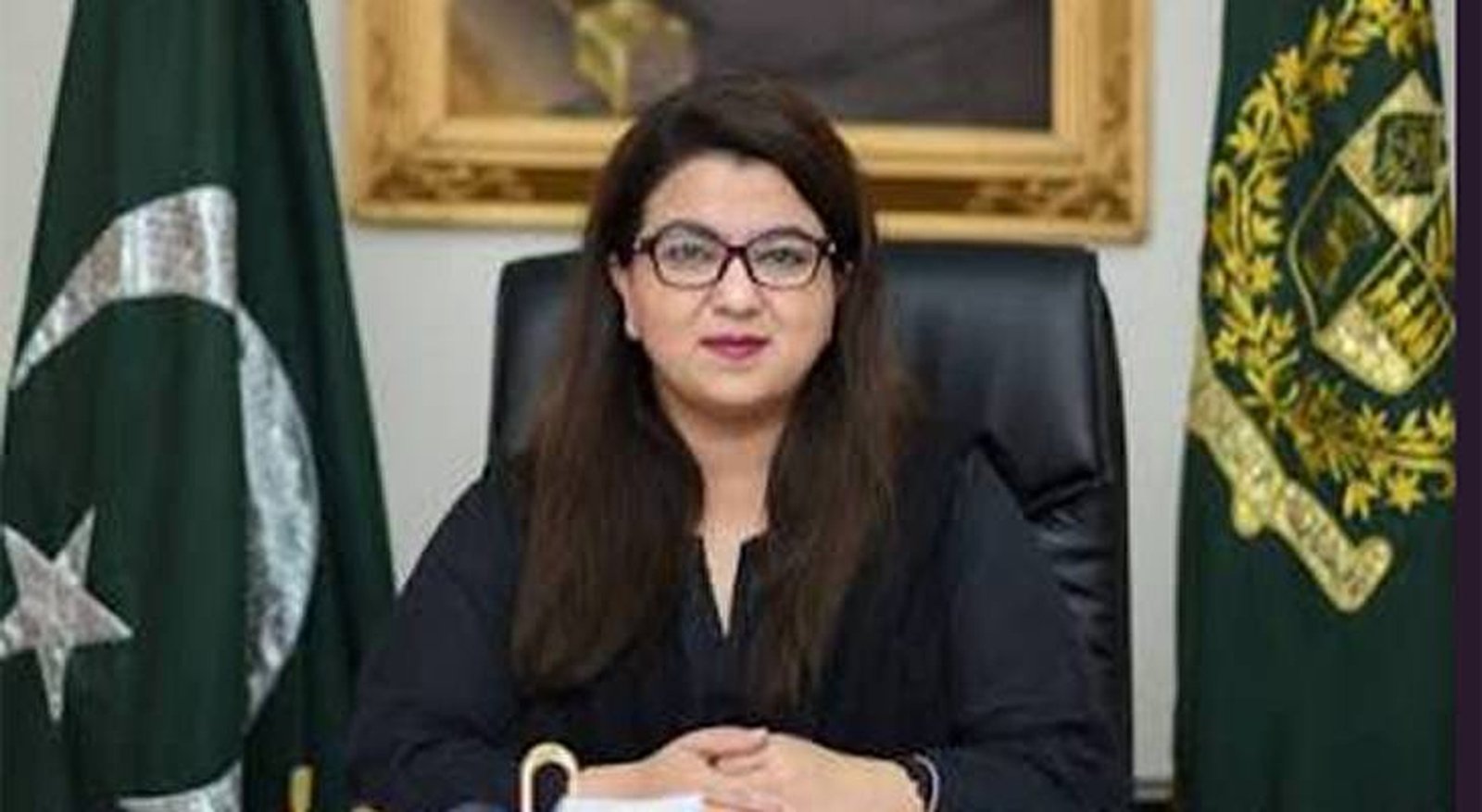
  • Shaza Fatima named Industry Champion of the Year 2026

    Shaza Fatima named Industry Champion of the Year 2026

    Federal Minister for Information Technology Shaza Fatima Khawaja has been named Industry Champion of the Year 2026 at The Fast Mode Awards, a global honour that recognises one individual each year for outstanding leadership in telecom, satellite and data centre industries. The award is described as the highest individual honour at the awards programme.

    The Fast Mode, a global technology media platform, announced the winners of its 2026 awards this week. According to the organisers, this year’s programme drew nominations from more than 500 companies, with participants competing across 11 categories for more than 80 awards, judged by a global jury of industry leaders, analysts and executives.

    According to a statement from the Ministry of Information Technology and Telecommunication, the recognition reflects Pakistan’s growing achievements in the technology sector over the past two years, particularly in IT exports, telecom infrastructure, digital governance, artificial intelligence and international investment.

    The ministry pointed to record IT and IT-enabled services exports of 4.6 billion dollars, along with a historic trade surplus of 3.9 billion dollars, described as the highest among all service sectors. Freelance export earnings reached 1.76 billion dollars, while more than 4.5 million young people received free digital training under the DigiSkills programme.

    Other milestones cited in connection with the award include the largest 5G spectrum auction in Pakistan’s history, completed in March 2026, and Pakistan becoming the first country in Asia to abolish Right of Way charges, a step intended to make it cheaper and faster to build digital infrastructure.

    In August 2026, Google completed formal registration and inaugurated its first office in Pakistan, while an assembly line with an annual capacity of 600,000 Chromebooks was established in the country. The ministry also noted that the GSM Association credited Pakistan with the world’s fastest progress in narrowing the gender gap in mobile internet usage.

    Pakistan also improved by 27 places in the International Telecommunication Union’s ICT Development Index, rising from 119th to 92nd, a gain the ministry presented as evidence of the country’s accelerating digital transformation.

    The Fast Mode Awards are an independent recognition programme for organisations and individuals reshaping digital connectivity, and the leadership category honours people whose vision and execution have driven meaningful change across the industry. Khawaja’s award places Pakistan’s digital transformation efforts on an international platform and marks a significant achievement for the country’s technology sector.

    For Pakistan, the honour comes at a time when the government has made digital growth a central economic priority, betting that exports, freelancing and local manufacturing can create jobs and earn foreign exchange. Supporters say the award signals that this strategy is gaining recognition abroad, while the challenge now is to convert international attention into sustained investment and opportunity at home.

  • LUMS climbs to 268th as Pakistan universities rise in QS

    LUMS climbs to 268th as Pakistan universities rise in QS

    Pakistani universities have made significant gains in the QS World University Rankings 2026, with Pakistan described as the fourth fastest-improving country among more than 100 nations in the latest edition of the global league table. The results show a broad upward trend, with 30 institutions improving their position, nine declining and six remaining stable.

    Leading the way is the Lahore University of Management Sciences, which climbed to 268th in the world, up from 315th in the previous rankings. The rise of 47 places puts LUMS firmly among the top 300 universities globally and underlines its position as Pakistan’s highest-ranked institution.

    The National University of Sciences and Technology stands at 354th, while Quaid-i-Azam University in Islamabad is placed in the 401 to 410 band. COMSATS University Islamabad is ranked 660th, the University of Engineering and Technology Lahore sits in the 801 to 850 band, and Government College University Lahore is placed 991st.

    The QS World University Rankings are among the most closely watched measures of higher education in the world, assessing institutions on academic reputation, employer reputation, research output, faculty quality and international outlook. A country’s movement in the table is therefore read as a signal of the health of its university system as a whole.

    For Pakistan, the improvement matters because higher education is closely linked to the economy. Better-ranked universities attract stronger faculty, more research funding and international partnerships, and their graduates are more competitive in global job markets. The gains also help students who apply abroad, since foreign employers and admissions officers often use rankings as a first reference.

    The results come at a time when Pakistani universities face familiar pressures, from tight public funding to the challenge of keeping talented researchers at home. Against that background, a broad-based improvement across many institutions, rather than a single university rising alone, is a encouraging sign for the sector.

    Education experts often caution that rankings are only one measure of quality and that teaching, access and local impact matter just as much as a global position. Even so, a fourth-fastest-improving tag gives Pakistan’s universities a story to tell, and it gives policymakers evidence that investment in higher education can translate into international recognition.

    The challenge now is to sustain the momentum. Universities that climbed this year will need to keep publishing high-quality research, build links with industry and protect academic standards if they are to hold or improve their places when the next edition of the rankings is published.

  • Pakistan test-fires first home-made Fa’az air missile

    Pakistan test-fires first home-made Fa’az air missile

    Pakistan has carried out the successful flight test of Fa’az, its first indigenously developed air-to-air missile, in a step the country’s military says marks a major advance for its aerospace and defence capabilities. The announcement was made on Tuesday, with the military’s media wing describing the test as a milestone for self-reliance in advanced weapons technology.

    According to the statement issued by Inter-Services Public Relations, the missile is equipped with a state-of-the-art terminal guidance system and is designed to engage enemy aircraft at longer ranges. It is a beyond-visual-range weapon, meaning it can strike targets far beyond what a pilot can see with the naked eye, and it was launched from a JF-17 Thunder fighter aircraft during the test.

    The statement said the missile can engage high-speed aerial targets in all weather conditions, day and night, and offers high manoeuvrability along with resistance to electronic warfare. Those qualities, the military said, will significantly enhance the operational flexibility of the Pakistan Air Force and further strengthen the country’s overall defence posture.

    Senior officers of the armed forces watched the launch alongside the scientists and engineers who played a central role in designing and developing the weapon. Their presence underlined the domestic character of the programme, which the statement presented as evidence of the technical maturity and innovation achieved by Pakistan’s defence industry.

    President Asif Ali Zardari, Prime Minister Shehbaz Sharif, Chief of Army Staff and Chief of Defence Forces Field Marshal Syed Asim Munir, and the services chiefs congratulated the scientists and engineers involved. They described the successful test as a remarkable achievement and a symbol of indigenous capability.

    The test comes weeks after the Pakistan Army successfully test-launched an extended-range version of the Fatah-2 missile in October, a sequence of trials that points to a sustained push to expand locally developed weapons systems. Defence analysts often note that indigenous missile programmes reduce dependence on foreign suppliers and give a country greater control over its arsenal.

    For the Pakistan Air Force, the addition of a home-grown beyond-visual-range missile is significant because air combat increasingly depends on the ability to detect, track and engage targets at distance. A reliable weapon of this class, built and maintained domestically, allows the force to sustain operations without relying on imported stocks.

    The military said the successful flight test demonstrated the self-reliance achieved by the country’s defence industry and would contribute to national security. No further technical details, such as the missile’s range, were disclosed in the statement, and officials did not say when the weapon would enter full operational service.

  • Maliha Ali stuns Russian star at MMA World Championships

    Maliha Ali stuns Russian star at MMA World Championships

    Pakistan’s Maliha Ali has stunned the mixed martial arts world by defeating Russia’s Veronika Drozdova at the IMMAF World Championships in Georgia, according to reports from the tournament. Drozdova, a two-time European champion, had gone into the bout as a clear favourite in her weight division and a prospect for the world title.

    The victory is a major moment for Pakistani MMA. Maliha, who comes from Hunza in Gilgit-Baltistan, was credited with exceptional striking, tactical intelligence and commanding cage control as she overcame one of the most decorated fighters in the division.

    Maliha trains alongside her twin sister Manisha Ali at BRAVE Gym in Lahore, under the guidance of Omar Ahmed, president of the Pakistan Mixed Martial Arts Federation. Ahmed was in Maliha’s corner for the bout, and the win is being seen as a reward for years of work by the small but growing Pakistani MMA community.

    The scale of the challenge makes the result all the more remarkable. Russia fielded a squad of more than 60 athletes at the championships, backed by government funding and major sponsors, while Pakistan’s team operates with far fewer resources. Against that backdrop, a win over a two-time European champion stands out as a statement result.

    The IMMAF World Championships, held in Tbilisi from November 1 to 7, bring together 881 athletes competing for world titles across senior and youth divisions. The event is the biggest stage in amateur mixed martial arts and a proving ground for fighters hoping to turn professional.

    For Maliha, the win over Drozdova could open doors beyond the amateur scene. Victories against established European champions tend to draw the attention of promoters and sponsors, and they give a fighter’s home federation a powerful story to build on.

    The result also shines a light on Hunza, a region better known for its mountains than its martial artists, and on the growing number of young Pakistani women taking up combat sports. Maliha and her sister have become role models for girls who want to compete at the highest level, showing that talent from smaller towns can reach world stages.

    Details such as Maliha’s weight class and the method of victory were not stated in the initial reports, but the scale of the upset is clear: a Pakistani fighter has beaten a favourite tipped for world honours. Her team and supporters will now hope she can carry the momentum deeper into the tournament.