Blog

  • Pakistan’s first home-made Fa’az missile passes flight test

    Pakistan’s first home-made Fa’az missile passes flight test

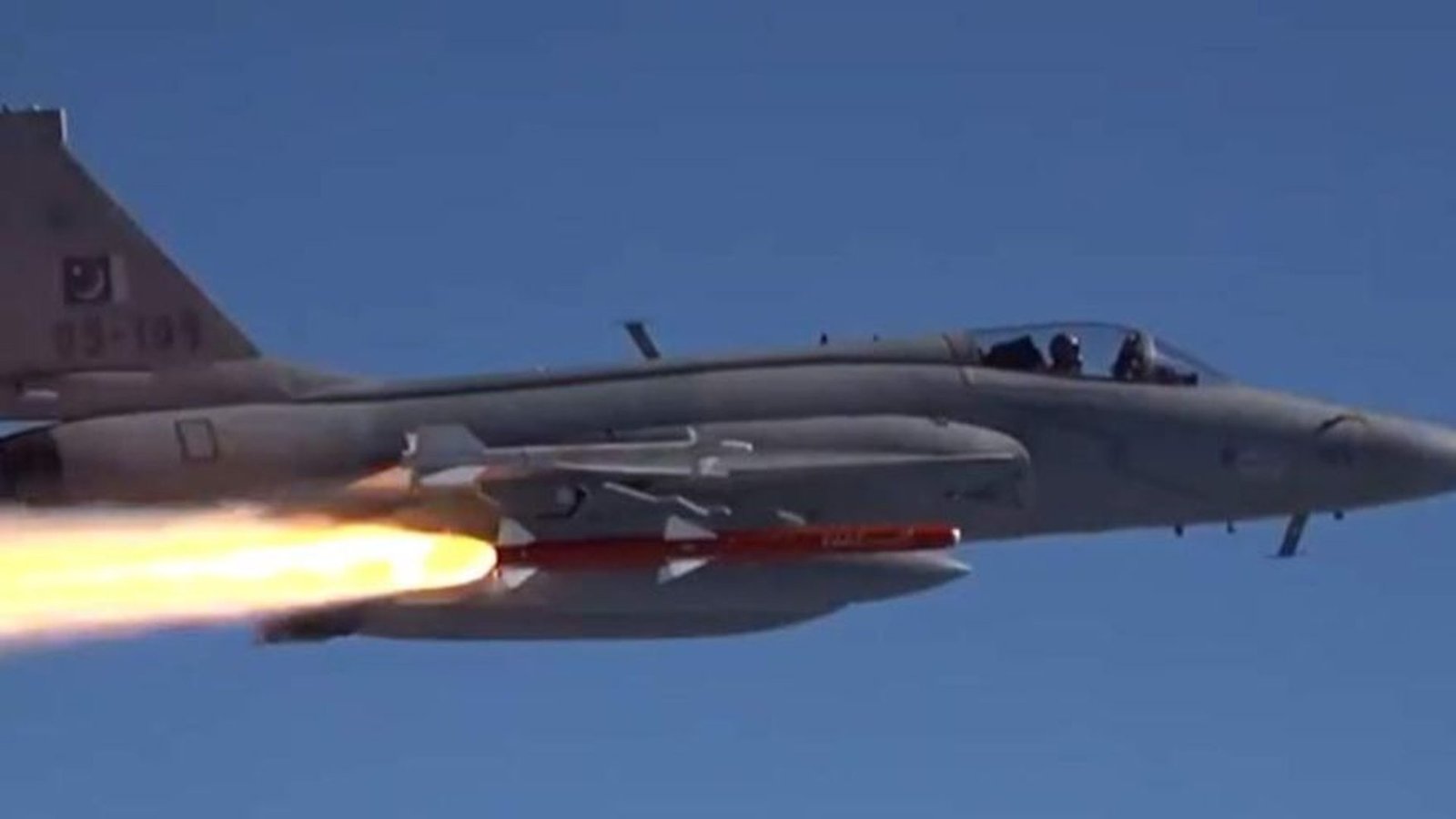
    Pakistan has carried out a successful flight test of Fa’az, its first indigenously developed air-to-air missile, the military’s media wing has announced. The test, conducted on Tuesday, 3 November, saw the missile fired from a JF-17 Thunder fighter aircraft, according to the Pakistan Air Force’s Directorate General of Public Relations.

    In its announcement, the air force said Fa’az would significantly enhance the operational flexibility of the Pakistan Air Force and further strengthen the country’s overall defence posture. A video released with the announcement showed a JF-17 Thunder Block-1 aircraft firing the missile from an underwing pylon.

    Fa’az is a beyond-visual-range air-to-air missile developed by the Air Weapons Complex of the National Engineering and Scientific Commission, and marketed through Global Industrial and Defence Solutions, the state-owned enterprise representing the commission. It was officially revealed in 2023, and the test this week is its first confirmed successful flight trial.

    According to the military statement, the missile is fitted with a state-of-the-art terminal guidance system and is capable of engaging enemy aerial targets at longer ranges. The version fired in the test used an imaging infrared seeker, defence analysts reported, while a radar-guided version is also under development.

    Officials have not disclosed the missile’s maximum range, speed, or the date on which it might enter operational service with the air force. Those details remain undisclosed, and the statement gave no timeline for induction into the fleet.

    Senior officers of the armed forces, along with scientists and engineers involved in the programme, witnessed the launch. President Asif Ali Zardari, Prime Minister Shehbaz Sharif, and the chiefs of the armed forces congratulated the scientists and engineers on the test, according to reports of the announcement.

    The test follows other recent missile trials by Pakistan’s armed forces, including an extended-range Fatah-2 test in October. Defence analysts say a home-grown air-to-air missile would reduce dependence on imported weapons for the JF-17 fleet, which forms a central part of the air force’s combat strength.

    For Pakistan’s defence industry, the successful trial is being presented as a milestone in self-reliance. Whether Fa’az moves quickly from testing to service will depend on further trials, but the air force has described this first flight test as a significant step in the country’s aerospace and defence capabilities.

  • Four polio workers abducted in Tank, search under way

    Four polio workers abducted in Tank, search under way

    Four polio vaccination workers have been abducted by armed men in Tank district of Khyber Pakhtunkhwa, police accounts reported, in an incident that has drawn condemnation from the provincial governor.

    According to police accounts carried by Pakistani newspapers, the workers were travelling to perform their duties when armed men opened fire and seized the team, taking them to an undisclosed location. The incident took place in the Sheikh Attar union council area of Tank district, on the first day of a sub-national immunisation round.

    Police have launched an investigation and a search operation to trace the workers and identify those responsible, but their whereabouts remained unknown at the time of reporting. Police have not named a suspect, and have not said whether the workers were targeted because of their vaccination work.

    Khyber Pakhtunkhwa Governor Faisal Karim Kundi condemned the abduction and expressed deep concern for the safety of the four health workers, calling for immediate and effective measures to secure their safe recovery. He described the incident as deeply regrettable, according to reports of his statement.

    In a separate incident in the same week, two members of a polio vaccination team were abducted in the Azam Warsak area of Lower South Waziristan and later released, according to the same police accounts. The two incidents are not confirmed to be linked.

    The abductions came as Pakistan began a nationwide campaign running from 2 to 8 November in 97 districts, aiming to reach nearly 24 million children under five. Pakistan remains one of only two countries where wild poliovirus is still endemic, and attacks on vaccination teams have repeatedly disrupted campaigns in Khyber Pakhtunkhwa.

    The same week also saw two police personnel killed in Mohmand district while travelling to provide security to a polio team, in a separate attack that the governor also condemned. Officials said the violence underlines the risks faced by frontline health workers and the police officers assigned to protect them.

    For the families of the four workers in Tank, the immediate question remains unanswered: where they are, and when they will come home. Authorities say efforts to recover them are under way, and the governor has urged that no effort be spared in bringing them back safely.

  • AJK PM: no issue justifies disturbing law and order

    AJK PM: no issue justifies disturbing law and order

    Azad Jammu and Kashmir Prime Minister Barrister Syed Iftikhar Gilani visited Rawalakot on Tuesday to review the region’s ground realities and discuss practical solutions to public issues, according to reports of the visit.

    The prime minister was received by the AJK Police on his arrival. During the visit he went to the Combined Military Hospital in Rawalakot, where he met public delegations and held discussions with lawyers on a range of issues facing the area.

    Gilani was briefed by the district administration and police at the Commissioner Office Poonch. Chief Secretary Khushal Khan and Inspector General of Police Captain (retired) Liaquat Ali Malik accompanied him during the visit.

    Addressing media representatives, the prime minister described Poonch as a historic region and paid tribute to its people for their sacrifices in the Kashmir freedom movement. He recalled their resistance against Dogra rule and said their contribution would remain unforgettable.

    Turning to the situation in Rawalakot, Gilani said road blockades had disrupted daily life, affecting students’ access to schools and patients’ ability to reach hospitals. He said no governance issue in Azad Kashmir was serious enough to justify disturbing law and order.

    He added that the future of the younger generation should not be put at risk because of the actions of a few individuals, and stressed that public problems should be resolved through practical discussion rather than disruption.

    The visit comes at a sensitive time for the region, where protests and a sit-in by the Joint Awami Action Committee have strained daily life in parts of Azad Kashmir in recent months. Reports of the visit also noted an additional month’s salary announced for police personnel, though details of further announcements were still emerging.

    Gilani’s message in Rawalakot was, in essence, an appeal for calm alongside a promise of engagement: the government would listen to public delegations and work on solutions, but it would not accept the disruption of normal life. How that balance is received in Rawalakot and the wider Poonch division will become clearer in the days ahead.

  • History made: El-Sayed, first Muslim in US Senate

    History made: El-Sayed, first Muslim in US Senate

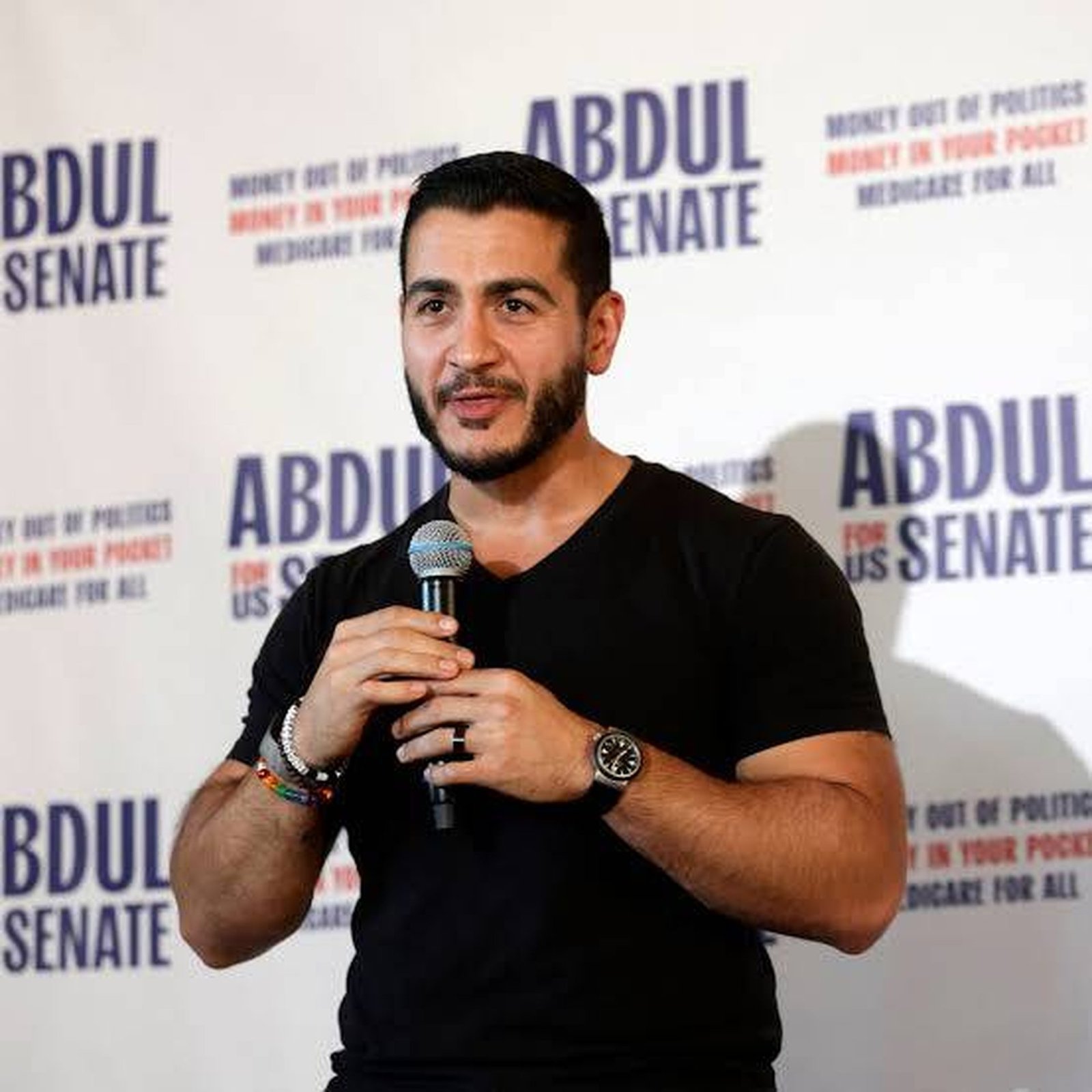
    Democrat Abdul El-Sayed has won Michigan’s open US Senate seat, becoming the first Muslim elected to the chamber in American history, according to media projections and race calls reported on Wednesday.

    El-Sayed, 42, a former public health official, defeated former Republican congressman Mike Rogers in one of the most closely watched races of the 2026 midterm elections. The Associated Press called the race for El-Sayed, and projections from Fox News and Decision Desk HQ also put him ahead.

    The seat was left open by the retirement of Democratic Senator Gary Peters, and El-Sayed’s victory keeps it in Democratic hands. Republicans held a 53-47 Senate majority going into Tuesday’s midterm elections, with Democrats needing a net gain of four seats to take control of the chamber.

    El-Sayed, who was born in Michigan to Egyptian immigrant parents, previously served as health director for Detroit and Wayne County. During the campaign he focused on lowering costs for working families and reducing corporate influence in politics, and his platform included support for a government-funded universal healthcare programme.

    The contest was one of the most contentious of the election cycle. Rogers, 63, a former congressman and FBI agent, had strong backing from President Donald Trump and national Republicans. He sought to portray El-Sayed as sympathetic to Islamic extremism through alleged ties to the Muslim Brotherhood, claims that El-Sayed denies and that have been described as unsupported by evidence.

    El-Sayed’s campaign also faced turbulence in its final days, when his former Democratic primary rival, Representative Haley Stevens, endorsed Rogers shortly before election day. Despite that setback, polling in the closing days had shown El-Sayed leading by a clear margin.

    In his victory speech to supporters in Detroit, El-Sayed declared victory on election night and criticised Rogers and Trump. Supporters and commentators described the result as a milestone for religious representation in American politics, and a breakthrough for the Democratic Party’s progressive wing.

    El-Sayed will now take his seat as the Senate’s first Muslim member, at a moment when the balance of power in Congress and the direction of the Democratic Party are both under close scrutiny. His win forms part of a wider set of Democratic gains reported in Tuesday’s midterm elections.

  • Trump: no immediate Iran strike, US ready if needed

    Trump: no immediate Iran strike, US ready if needed

    United States President Donald Trump has said the US has no immediate plan to strike Iran, while warning that American forces remain fully prepared to act if necessary. The remarks came in a telephone interview with the Financial Times on Tuesday, 3 November, given hours before midterm polling stations closed.

    According to reports of the interview, Trump said Washington was getting what it wanted from the current stand-off with Tehran. Asked about remarks by Israeli Prime Minister Benjamin Netanyahu suggesting that an attack could come soon, possibly this weekend, Trump replied that he was ready and American forces were ready, but there might be no reason to act.

    The interview, reported to have lasted about six minutes, was Trump’s clearest public statement yet on the next phase of the confrontation, which has lasted for months. Trump said the US was not really in a war on the scale of other major conflicts, pointing to earlier American strikes, including the use of B-2 bombers against Iranian nuclear capability and a later operation, while arguing that the current situation did not amount to a full-scale war.

    Trump also confirmed that indirect discussions with Iran were continuing, and said those talks would be allowed to run their course. Reports said the discussions cover Iran’s stockpile of enriched uranium, and that no deadline had been set for a deal. The president said he would not disclose any attack plans in advance, leaving open the possibility of further military action even while ruling out an immediate strike.

    The timing of the interview gave it added weight. It came after reports that the US military was preparing for a possible fresh strike as early as Wednesday, and after Netanyahu was reported to be pressing for strikes soon after the midterms. By saying there was no immediate plan, Trump appeared to push back against expectations of an attack in the days immediately following the vote.

    Iranian officials responded the same day, according to reports, with a senior security official saying Washington must address Iran’s conditions fully before Tehran would reopen the Strait of Hormuz. Mediators in Qatar were also reported to be seeking an interim agreement to build confidence between the sides, underlining that diplomacy remains active alongside the military warnings.

    For now, the message from Washington is deliberately two-sided: reassurance that no attack is imminent, paired with an unmistakable warning that one remains possible. Whether that balance holds will depend on the course of the talks and on events in the region in the days after the election.

  • South Korea reserves rebound to $443.16bn in October

    South Korea reserves rebound to $443.16bn in October

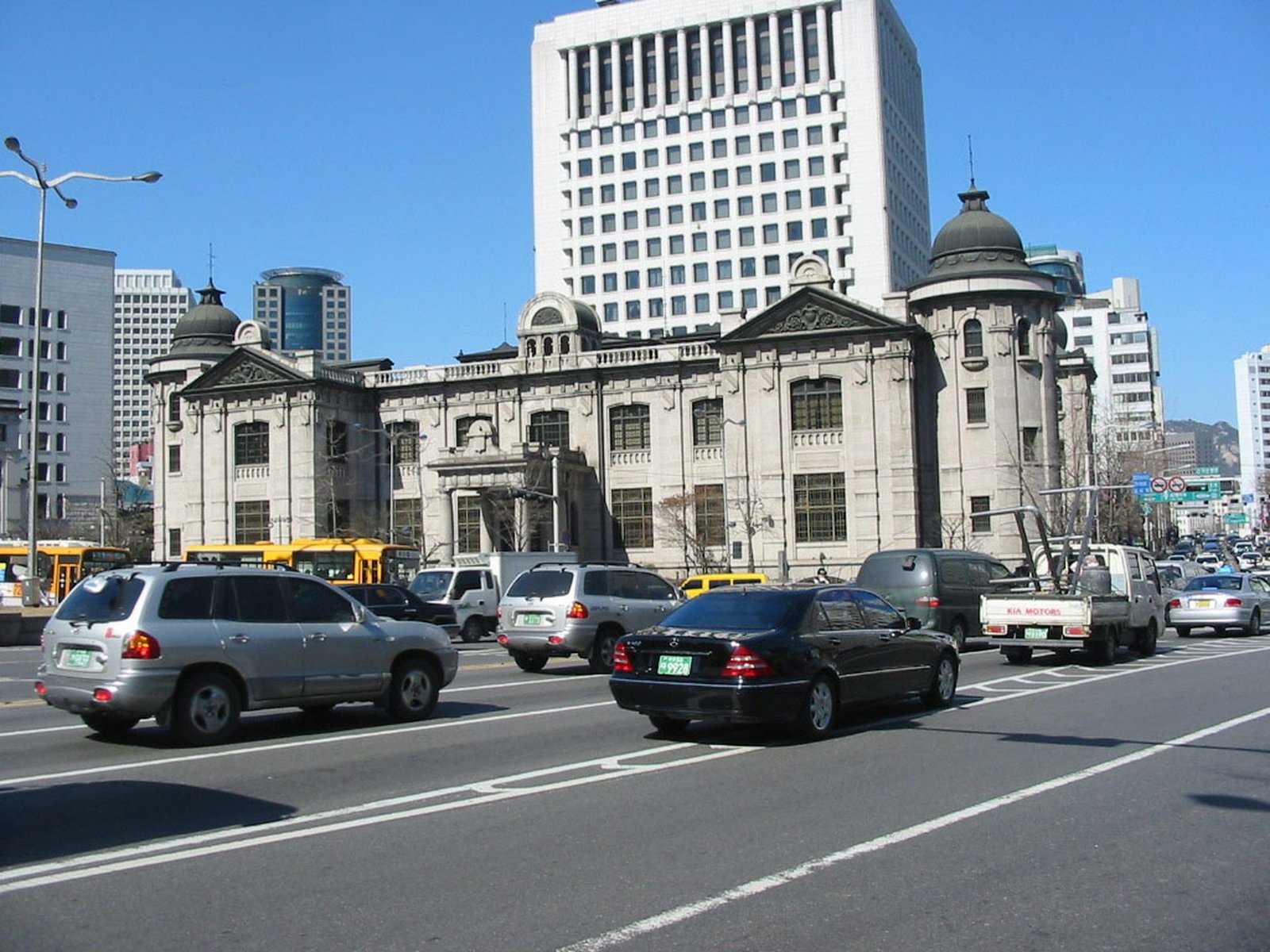
    South Korea’s foreign exchange reserves rose again in October, reaching 443.16 billion US dollars at the end of the month, according to data from the Bank of Korea reported on Wednesday. The increase of 2.6 billion dollars from September reversed the previous month’s fall and took the total to its highest point in several years.

    The central bank said the recovery was driven mainly by two factors: a rise in foreign currency deposits held by financial institutions, and profits earned from managing the reserves. Together, those gains more than offset weakness in other parts of the reserve portfolio, producing a modest but welcome improvement in the headline figure.

    Looking inside the total, foreign securities, including United States Treasury bonds, fell by 3.59 billion dollars over the month to 382.43 billion dollars. That decline was outweighed by a much larger jump in foreign currency deposits, which rose by 6.32 billion dollars to 36.27 billion dollars. Special drawing rights, the reserve asset created by the International Monetary Fund, slipped by 70 million dollars to 15.41 billion dollars, while the country’s reserve position at the Fund eased by 50 million dollars to 4.25 billion dollars. Gold holdings were unchanged at 4.79 billion dollars.

    The October result follows a September decline that had interrupted three straight months of gains beginning in June. In September, reserves fell by 1.72 billion dollars to 440.56 billion dollars, after standing at 442.28 billion dollars at the end of August. The latest reading therefore not only recovers that loss but moves past the August level as well, marking what market watchers described as the strongest total since May 2022.

    For South Korea, the size of the reserve stockpile matters because it acts as a buffer against sudden swings in currency and financial markets. A larger cushion gives the authorities more room to respond if capital flows turn volatile, and it is watched closely by investors as a sign of external stability. October’s rebound, coming after a single-month setback, suggests that the underlying position remains solid even when individual components move in different directions.

    The composition of the change also tells a story of its own. A fall in securities alongside a sharp rise in deposits points to shifts in how reserve assets are held rather than a broad weakening of the position. Management profits added a further lift, underlining that returns on the existing portfolio contributed to the improvement, not only fresh inflows.

    Attention will now turn to whether the upward trend can be sustained in the final months of the year. Reserve levels can move with exchange rates, asset prices and the timing of official transactions, so a single month’s rise does not guarantee the next reading. For now, however, the October figures show a reserve position that has regained ground lost in September and stands at a multi-year high.

  • SBP confirms banks closed on Iqbal Day, 9 November

    SBP confirms banks closed on Iqbal Day, 9 November

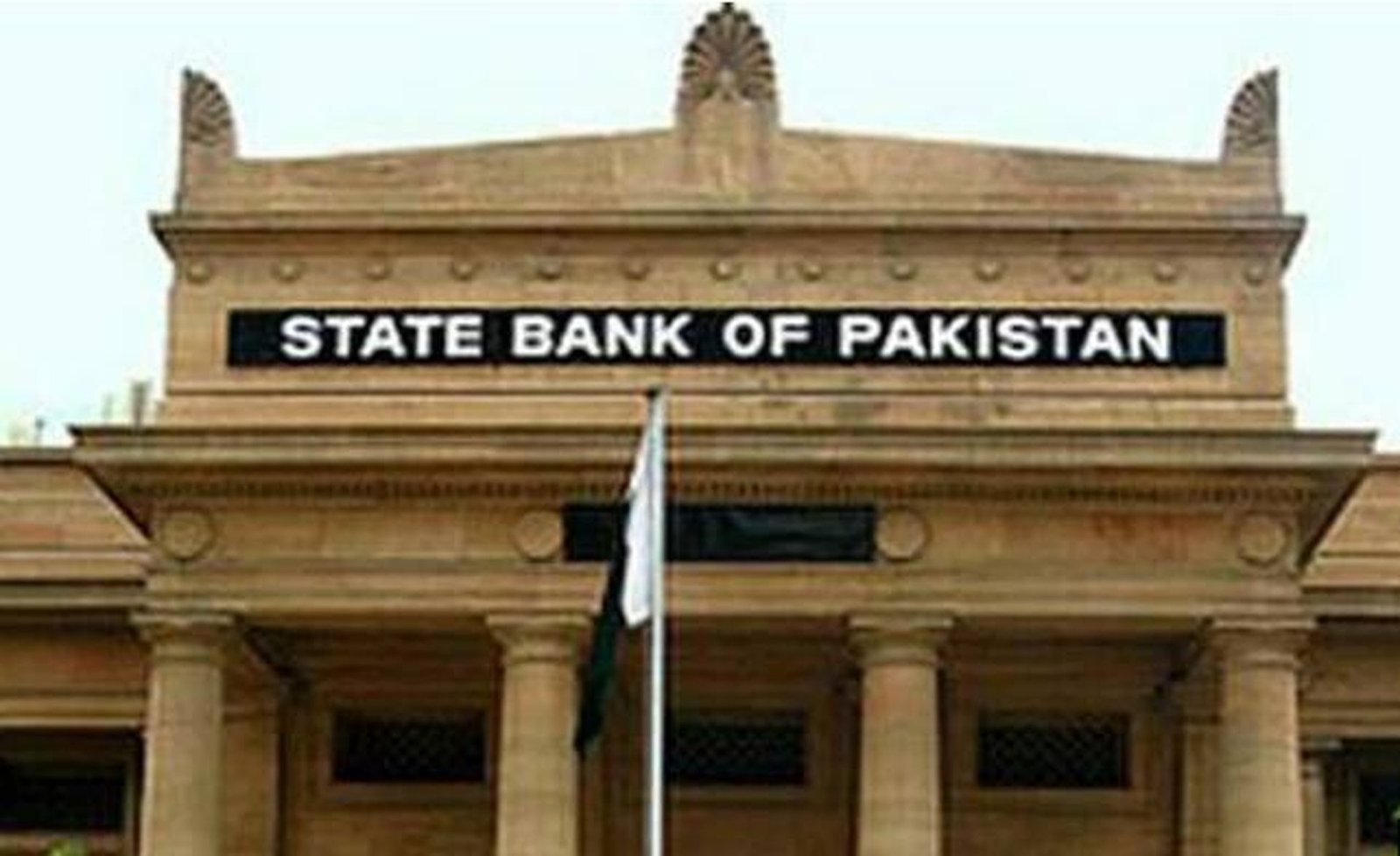
    The State Bank of Pakistan has confirmed that banks across the country will remain closed on Monday, 9 November 2026, on account of Allama Iqbal Day. The announcement, reported on Wednesday, follows the federal government’s declaration of a public holiday for the occasion.

    In a circular sent to the heads of banks, development finance institutions and microfinance banks, the central bank confirmed that 9 November would be observed as a public holiday in line with the government’s announcement. The message leaves no doubt for customers or staff: branches will not open for normal business on that Monday.

    Iqbal Day is observed every year on 9 November to mark the birth anniversary of Allama Muhammad Iqbal, the poet and philosopher whose thought played a major role in shaping the intellectual and political history of the subcontinent. This year marks his 149th birth anniversary, and the day is being marked with a nationwide holiday, as in previous years.

    The timing of the holiday creates a longer break for many people. With Saturday 7 November and Sunday 8 November falling as the regular weekend, the Monday holiday gives employees and students three consecutive days off. Normal banking, government office and school activity is scheduled to resume on Tuesday, 10 November.

    For bank customers, the practical message is simple: any branch work that cannot wait should be completed by Friday 6 November, or left until Tuesday 10 November. The holiday applies to banks across the country, and the central bank’s circular was addressed to institutions of every kind, from large commercial banks to development finance institutions and microfinance banks.

    The announcement also fits the official holiday calendar issued earlier in the year. The Cabinet Division’s circular of 19 January 2026 listed Iqbal Day among the year’s public holidays, and the latest confirmation from the State Bank puts the banking side of that holiday beyond doubt. Government departments, public offices and educational institutions are also set to remain closed on the day.

    Special events and seminars are expected across the country to mark the occasion, reflecting the continuing place of Iqbal’s poetry and ideas in Pakistan’s public life. For most people, however, the immediate effect of the announcement is practical: a Monday without banks, offices or schools, bookended by the weekend, and a return to normal routines on Tuesday.

  • PSX investor base hits record 681,965 in October

    PSX investor base hits record 681,965 in October

    Pakistan’s stock market investor base has reached a record 681,965, after a record number of new investors joined the Pakistan Stock Exchange in October 2026. The figures were shared by Adviser to the Finance Minister Khurram Schehzad, who said the market added 25,747 investors during the month alone.

    That monthly addition was the highest ever recorded in a single month, and it was 66 percent higher than the same month last year. It also beat the previous monthly record of 25,281 investors set in September 2026, when the total investor base stood at 656,218. October’s surge therefore pushed the market decisively past its September peak and close to the 700,000 mark.

    Over the first ten months of 2026, from January to October, the exchange added 218,894 net new investors. That ten-month total exceeds the combined additions recorded over the previous four full calendar years, from 2022 to 2025, and nearly matches the additions of the previous five years combined. It is a striking measure of how quickly participation has accelerated in a short period.

    The longer trend is equally dramatic. Since June 2022, when the investor base stood at 274,970, the market has added 406,995 net new investors, an expansion of about 148 percent. The total crossed 600,000 in August 2026 before climbing further in September and October, and the year-on-year growth in the total investor base now stands at 56 percent.

    Young investors are driving much of the growth. According to figures reported alongside the October data, Generation Z and millennials accounted for about 85 percent of new investors, suggesting that the expansion is being powered by younger savers entering the market for the first time, often through digital channels.

    Officials have presented the surge as a sign of deepening confidence in Pakistan’s capital markets and of the effect of reforms aimed at widening access. A broader investor base is generally seen as a positive development for a stock market, because it spreads ownership more widely and can make trading less dependent on a small group of large participants.

    Whether the pace can continue is an open question, and monthly additions will naturally vary with market conditions and sentiment. For now, however, the October figures stand as a clear milestone: a record month, a record total, and a market that has added more investors in ten months than in the previous four years put together.

  • Lahore world’s most polluted city as AQI hits 447

    Lahore world’s most polluted city as AQI hits 447

    Lahore became the world’s most polluted city on Tuesday as pre-winter smog settled over parts of northern India and adjoining Pakistan, according to air quality data reported by Reuters. Early on Tuesday, the city’s air quality index stood at 447, based on figures from IQAir, a Swiss group that measures air quality from the concentration of toxins in the air.

    That reading sits far above the level considered safe. An air quality index of up to 50 is generally treated as good, with little or no health risk, while a reading above 400 falls into the most severe category. Lahore’s fine particulate matter, known as PM2.5, was reported to be 60 times higher than the World Health Organization’s annual exposure guideline, a stark illustration of how thick the haze had become.

    Delhi was also badly affected, although its reading was lower on the IQAir scale, at 215. India’s Central Pollution Control Board, which uses a different scale and method, rated the capital’s air quality as very poor, with a reading of 332. Authorities in Delhi responded with curbs on vehicles and construction in an effort to fight the toxic haze over the capital.

    Air pollution becomes a severe problem for the region around this time of year, as cooler weather traps smoke and dust close to the ground. Crop burning, vehicle exhaust, construction dust and industrial emissions all contribute, and the onset of winter conditions makes it harder for the pollution to disperse. The result is a familiar seasonal crisis that returns each year across the plains of northern South Asia.

    Fireworks during the Hindu festival of Diwali, which falls on 8 November this year, are expected to worsen pollution in India further, adding another source of smoke to air that is already heavily loaded. Health experts routinely warn that such spikes can aggravate breathing problems, particularly for children, older people and those with asthma or heart conditions.

    The different readings for Delhi highlight an important point about air quality figures: the Swiss and Indian systems use different scales and methods, so their numbers are not directly comparable. What matters is the direction and the category, and on both measures Delhi’s air was rated as seriously unhealthy on Tuesday, even if Lahore’s reading was higher still.

    For residents of Lahore, the ranking is an unwelcome reminder of a recurring challenge. Until weather conditions change or emissions fall, the city is likely to remain near the top of global pollution lists on smoggy winter mornings, with all the health and daily-life disruption that brings.

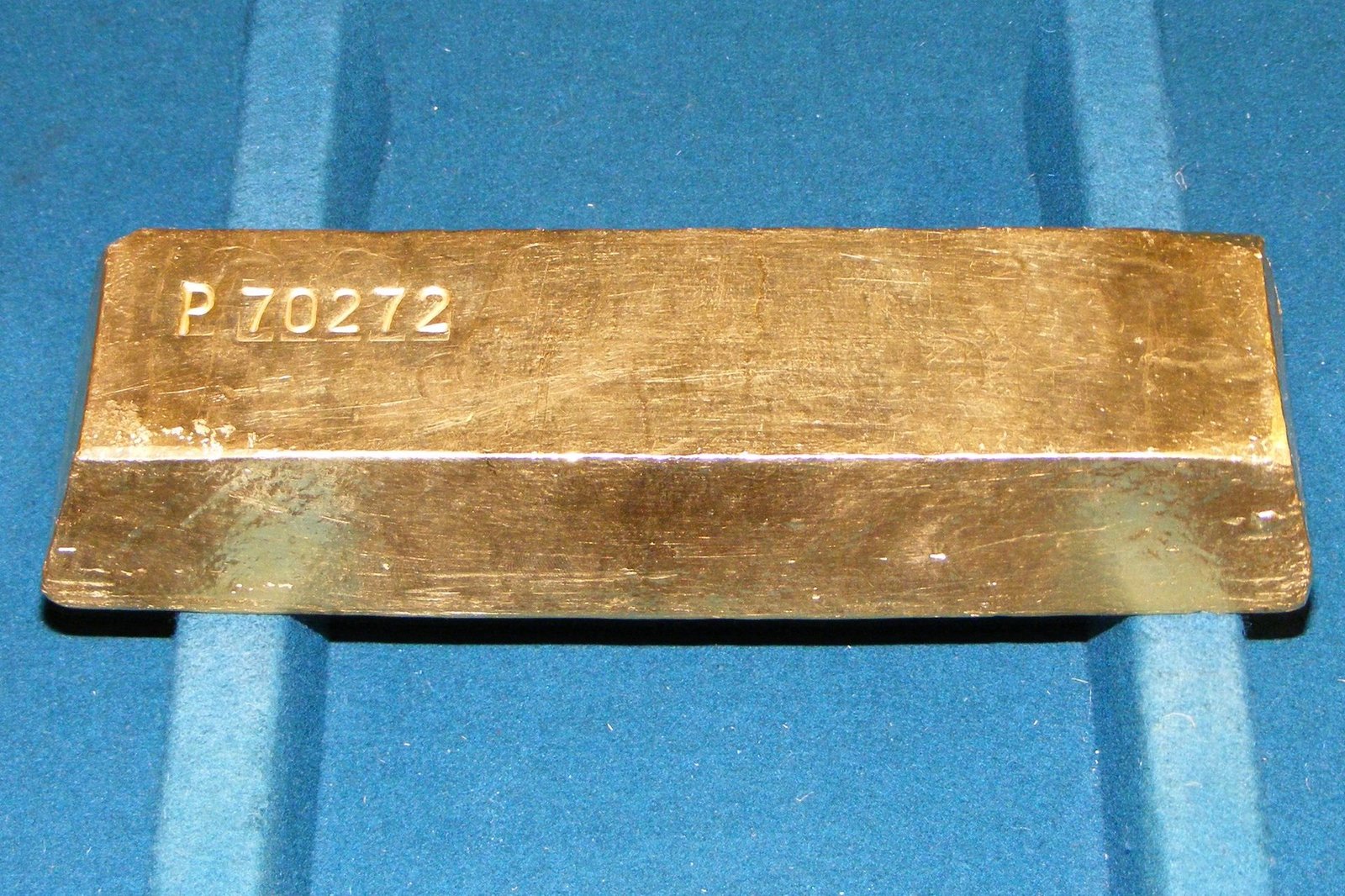
  • Gold edges higher to $3,931 as oil prices ease

    Gold edges higher to $3,931 as oil prices ease

    Gold prices edged higher in early trading on Wednesday, as falling oil prices eased immediate worries about inflation and investors waited for clearer signals from the United States. Spot gold was up 0.1 percent at 3,931.24 US dollars per ounce by 0306 GMT, while US gold futures for December delivery steadied at 3,941.40 dollars.

    Earlier in the Asian session, the metal had traded slightly higher still, with spot gold up 0.2 percent at 3,934.75 dollars per ounce by 0024 GMT and December futures up 0.1 percent at 3,943.20 dollars. The small difference between those readings reflects normal movement through the morning rather than a sharp change of direction, with gold holding broadly steady after a turbulent recent run.

    Two forces were pulling in gold’s favour. Oil prices eased by about 1 percent on Tuesday to their lowest level in nearly four weeks, as traders weighed talks aimed at ending wars in Ukraine and the Middle East against worries that recent attacks could still disrupt supplies. Lower oil prices tend to cool inflation expectations, which in turn reduces pressure on central banks to keep interest rates high for longer, and that helps gold, which pays no interest of its own.

    The dollar also softened against most major currencies ahead of the outcome of the US midterm elections, with the dollar index trading around 101.57 in early Wednesday trade. A weaker dollar makes gold cheaper for buyers using other currencies, adding a further modest support to the price.

    Investors were also looking ahead to key labour market data later in the week. US non-farm payrolls figures due on Friday are expected to give fresh clues about the path of Federal Reserve policy, and traders were reluctant to take large positions before that release. The midterm results themselves were another reason for caution, with markets watching for any shift that could affect spending, trade or fiscal policy.

    Elsewhere in the gold market, demand in India, one of the world’s largest gold-consuming nations, is expected to fall to a six-year low in 2026, according to the World Gold Council, as high prices weigh on jewellery sales and investment demand moderates. That softer demand outlook helps explain why the recovery in prices has so far been cautious rather than strong.

    Gold has swung sharply in recent sessions, rising nearly 2 percent on 2 November before easing back the following day, and Wednesday’s small gain fits that pattern of a market searching for direction. With oil lower, the dollar softer and major US data still to come, traders are likely to keep watching energy prices, currency moves and the jobs report for the next clear signal.