Blog

  • Gilani: state-harming acts can’t serve public interest

    Gilani: state-harming acts can’t serve public interest

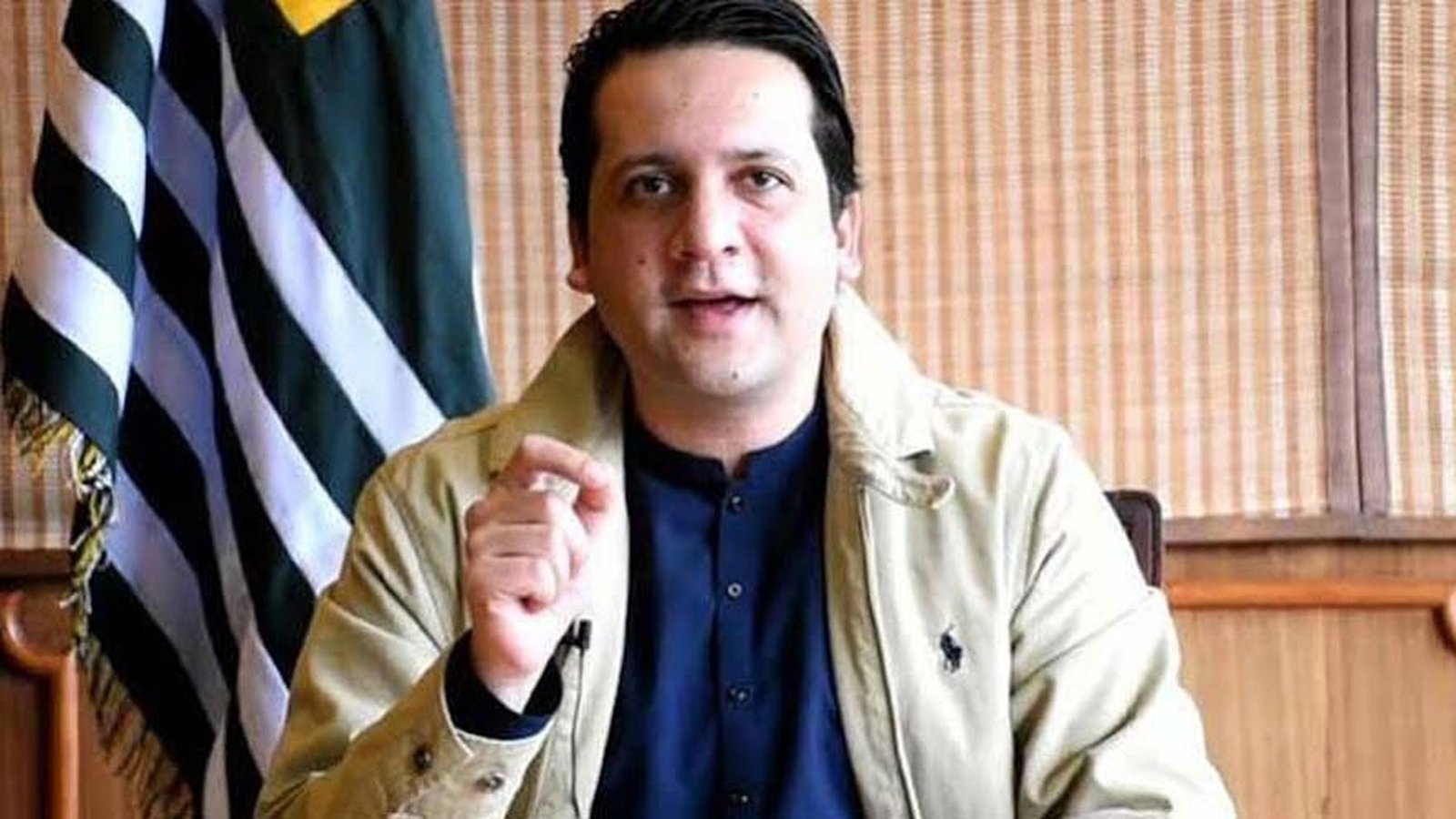
    Azad Jammu and Kashmir Prime Minister Iftikhar Gilani has said that actions which harm the state cannot serve the public interest, urging that local problems be settled locally rather than allowed to deepen. He was speaking at a press conference in Muzaffarabad, where he set out his government’s priorities and announced new development funds for three divisions.

    According to Dunya News, the prime minister said movement restrictions in Rawalakot were severely disrupting everyday life, with education suffering and patients facing difficulty reaching hospitals. He described Azad Kashmir as the base camp of the Kashmir freedom movement, a description that underlines how closely the region’s politics are tied to the wider Kashmir question.

    Gilani said a committee had been formed to deal with the issues, including Sardar Ziaul Qamar and Pir Mazhar Saeed Shah. He said he wanted matters resolved within Azad Kashmir itself, a message aimed at keeping disputes out of prolonged confrontation and inside the region’s own institutions.

    On the government’s record, the prime minister pointed to a 10 percent increase in the salaries and pensions of government employees. Pay rises matter most to the thousands of households that depend on public-sector incomes, and the announcement was presented as part of a wider effort to ease the cost of living for state employees and retirees.

    The funding announcements covered three divisions. Rawalakot and Muzaffarabad divisions will each receive Rs6 billion, while Mirpur division will receive Rs3 billion, according to the report. Development money of this kind usually goes to roads, public buildings and basic services, and the division-wise breakdown shows an attempt to spread spending across the region rather than concentrate it in one place.

    Gilani also claimed that 10,000 young people had gone abroad for employment over the past 18 months. The figure, if accurate, points to a familiar pressure across Azad Kashmir: limited local jobs pushing young workers to seek work overseas, with families depending on the money they send home.

    The press conference comes at a sensitive time for the region, where recent unrest has put the relationship between the government and protest movements under strain. Gilani’s emphasis on dialogue and local settlement fits a broader pattern in his recent statements, in which he has rejected rumours about changes to the state’s constitutional status and called for public debate to stay within constitutional channels.

    For residents, the test of the announcements will be delivery. Salary increases and division funds are welcome headlines, but their value will be judged by whether hospitals become easier to reach, classrooms stay open, and development projects actually appear on the ground in Rawalakot, Muzaffarabad and Mirpur in the months ahead.

  • 127 projects, 59 roads: Maryam Nawaz’s big Attock day

    127 projects, 59 roads: Maryam Nawaz’s big Attock day

    Punjab Chief Minister Maryam Nawaz Sharif visited Attock on Tuesday and inaugurated 127 development projects across the district, according to Dunya News. The package includes 59 road schemes worth Rs23 billion, making roads the single largest part of the programme announced during the visit.

    Large crowds gathered along various roads and intersections to welcome her, showering flower petals on her convoy as it moved through the city. Hatian Road, Kamra Road and University Road had been decorated with rose petals ahead of her arrival, and she was welcomed by residents, party workers and children who had turned out for the occasion.

    During the visit, the chief minister removed security barriers so she could interact directly with the public, and she invited children to join her in inaugurating development projects across the district. The gesture turned the formal inauguration programme into a public event, with the chief minister moving among the crowds rather than keeping her distance.

    Addressing the gathering, Maryam Nawaz said people should not fear difficulties or lose courage, and that challenges had to be faced with determination and perseverance. She said she is the chief minister of all of Punjab and that development work was being carried out in every district, not only in selected areas.

    She also responded to corruption allegations made against her, describing them as false and saying she would respond to them, according to the report. No specific allegation, amount or legal outcome was detailed in the report of her remarks, which focused instead on her rejection of the claims and her defence of her record.

    The chief minister also referred to her father, former prime minister Nawaz Sharif, in the context of her political background. Her remarks framed her own career as part of a longer family tradition in Punjab politics, a theme she has returned to at public events before.

    The Attock package matters because road schemes of this scale affect daily life well beyond a single ceremony. Roads determine how quickly farmers reach markets, how easily patients reach hospitals and how reliably children reach schools, so a programme of 59 schemes can reshape movement across a whole district if it is completed on time.

    For Attock itself, the visit also carried symbolic weight. A chief minister’s tour brings provincial attention to a district that often sits in the shadow of larger cities, and the public welcome suggested that residents saw the visit as recognition as much as an administrative event.

    What happens next will depend on delivery. Inaugurations announce intent, but residents will judge the programme by whether the roads are built to a good standard, whether the remaining projects move at the same pace, and whether the promised development reaches the smaller towns and villages of the district as well as its main city.

    For now, the visit has given Attock a day in the provincial spotlight, a set of projects to watch, and a clear test for the Punjab government: to turn a well-received tour into finished work on the ground.

  • لاہور کی ہوا زہریلی: ائیر کوالٹی انڈیکس 400 سے اوپر

    لاہور کی ہوا زہریلی: ائیر کوالٹی انڈیکس 400 سے اوپر

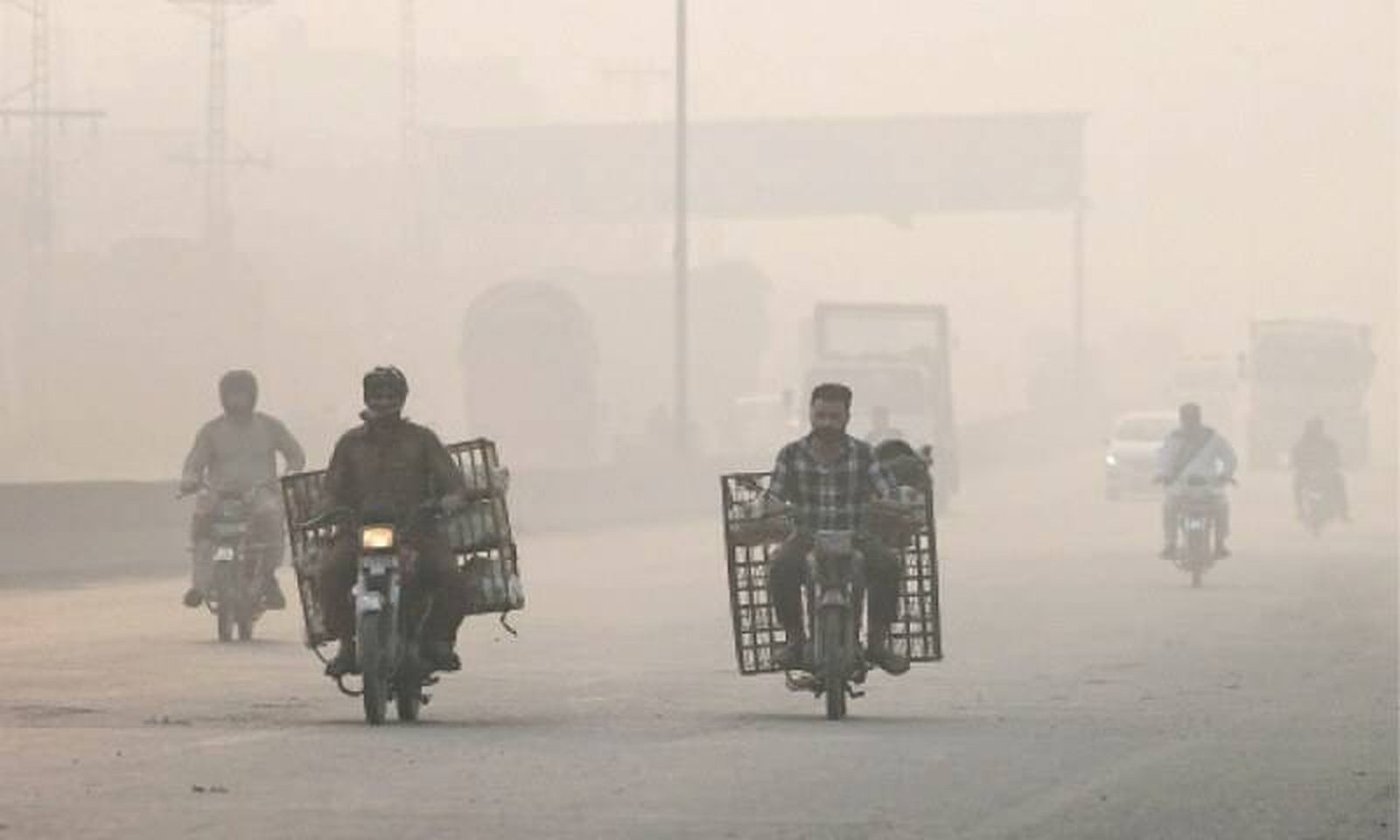
    لاہور کی مجموعی فضائی آلودگی خطرناک حد سے تجاوز کر گئی ہے اور شہر کا ائیر کوالٹی انڈیکس 400 سے اوپر ریکارڈ کیا گیا ہے۔ دنیا نیوز کے مطابق ایک بین الاقوامی ماحولیاتی نگرانی کی ویب سائٹ کے اعداد و شمار میں لاہور کے کئی علاقوں میں آلودگی کی سطح انتہائی بلند دیکھی گئی۔

    اعداد و شمار کے مطابق لاہور کے علاقے پیراگون میں ائیر کوالٹی انڈیکس 728 ریکارڈ کیا گیا، جب کہ علامہ اقبال ٹاؤن میں 615 اور ماڈل ٹاؤن میں 435 ریکارڈ ہوا۔ یہ اعداد اس بات کی نشاندہی کرتے ہیں کہ شہر کے مختلف حصوں میں ہوا کا معیار ایک جیسا نہیں، لیکن مجموعی صورتحال صحت کے لیے خطرناک ہے۔

    اسی نگرانی کے مطابق اس روز پاکستان کا سب سے آلودہ شہر ملتان رہا، جہاں ائیر کوالٹی انڈیکس 566 ریکارڈ کیا گیا۔ فیصل آباد میں 455 اور رحیم یار خان میں 483 ریکارڈ ہوا، جس سے ظاہر ہوتا ہے کہ سموگ کا مسئلہ صرف لاہور تک محدود نہیں بلکہ پنجاب کے کئی شہروں میں پھیلا ہوا ہے۔

    لاہور اس روز بھی دنیا کے آلودہ ترین بڑے شہروں میں شامل رہا۔ سردیوں کے آغاز کے ساتھ پنجاب میں سموگ کا مسئلہ ہر سال شدت اختیار کرتا ہے، اور اس بار بھی صورتحال اسی رخ پر جاتی دکھائی دے رہی ہے۔ دھند اور آلودگی کے امتزاج سے حد نگاہ کم ہو جاتی ہے، جس سے ٹریفک اور روزمرہ زندگی متاثر ہوتی ہے۔

    ماحولیاتی ماہرین کے مطابق اس قسم کی آلودہ ہوا صحت کے لیے سنگین خطرات پیدا کر سکتی ہے۔ سانس کی بیماریوں میں مبتلا افراد، بچے اور بزرگ خاص طور پر متاثر ہوتے ہیں۔ ماہرین نے احتیاطی تدابیر اختیار کرنے کا مشورہ دیا ہے، تاکہ شہری خود کو آلودہ ہوا کے مضر اثرات سے بچا سکیں۔

    سموگ کی وجوہات میں گاڑیوں کا دھواں، فصلوں کی باقیات جلانا، صنعتی اخراج اور تعمیراتی گرد شامل سمجھی جاتی ہیں۔ سرد موسم میں ہوا کی حرکت کم ہو جاتی ہے، جس کی وجہ سے آلودہ ذرات فضا میں زیادہ دیر تک رہتے ہیں اور زمین کے قریب جمع ہو جاتے ہیں۔ یہی وجہ ہے کہ صبح اور شام کے اوقات میں صورتحال زیادہ خراب محسوس ہوتی ہے۔

    حکومت پنجاب ماضی میں سموگ سے نمٹنے کے لیے مختلف اقدامات کرتی رہی ہے، جن میں فصلوں کی باقیات جلانے پر پابندی، گاڑیوں کی جانچ اور اسکولوں کے اوقات میں تبدیلی شامل رہی ہے۔ تاہم اعداد و شمار بتاتے ہیں کہ مسئلہ اب بھی برقرار ہے اور اس کے لیے مستقل اور مربوط حکمت عملی کی ضرورت ہے۔

    شہریوں کے لیے اس صورتحال میں احتیاط ہی سب سے بڑا تحفظ ہے۔ غیر ضروری طور پر باہر نکلنے سے گریز، ماسک کا استعمال اور گھروں میں ہوا کو صاف رکھنے جیسے اقدامات آلودگی کے اثرات کو کم کرنے میں مددگار ہو سکتے ہیں۔ آنے والے دنوں میں موسم اور ہوا کی سمت یہ طے کرے گی کہ سموگ میں کمی آتی ہے یا شدت برقرار رہتی ہے۔

  • Govt, JI resume talks on cutting petroleum levy

    Govt, JI resume talks on cutting petroleum levy

    The government and Jamaat-e-Islami resumed negotiations in Islamabad on Tuesday over the petroleum levy, with the party pressing for substantial relief for the public and a gradual withdrawal of the levy. The talks were held at the office of Deputy Prime Minister and Foreign Minister Ishaq Dar, at the Ministry of Foreign Affairs.

    The Jamaat-e-Islami team consisted of Liaquat Baloch, Syed Farasat Shah and Engineer Nasrullah Randhawa. The government side was represented by Ishaq Dar, Ahsan Iqbal and Rana Sanaullah. Together, the two sides form a six-member joint committee working on the issue.

    The petroleum levy is a tax charged on fuel, and it feeds directly into the prices people pay at the pump. Because fuel prices affect transport costs, food prices and the cost of running businesses, any change in the levy is felt far beyond petrol stations. That is why the levy has become a central point of contention between the government, which relies on the revenue, and opposition parties, which argue that it places an unfair burden on ordinary households.

    According to 24 News HD, the talks covered a phased reduction of the levy and extending fuel relief to low- and middle-income households. The idea of a phased approach is significant: rather than removing the levy all at once, which would leave a sudden gap in government revenue, the two sides are discussing a step-by-step reduction that would give households relief while allowing the government to adjust its finances.

    Jamaat-e-Islami has linked the talks to a wider set of demands on energy tariffs and fuel taxes. Liaquat Baloch warned, according to 24 News HD, that the party would proceed with a planned long march from Multan to Islamabad in mid-November if its demands are not accepted. The warning gives the negotiations a clear deadline and raises the political stakes for both sides.

    The government, for its part, faces a difficult balance. Fuel taxes and levies are an important source of revenue at a time when public finances remain under pressure. At the same time, high fuel prices are deeply unpopular, and the government will be aware that continued pressure on household budgets can quickly turn into wider political discontent.

    The resumption of talks suggests that both sides see value in keeping the negotiation channel open. For Jamaat-e-Islami, the talks offer a chance to secure tangible relief for its supporters and for the wider public. For the government, they offer a way to manage a sensitive issue without an immediate confrontation on the streets.

    What happens next will depend on whether the two sides can agree on the pace and scale of any reduction. A phased cut that brings real relief to low- and middle-income households could defuse the immediate tension. If the talks stall, the party’s planned long march in mid-November could become the next flashpoint in the dispute over fuel prices.

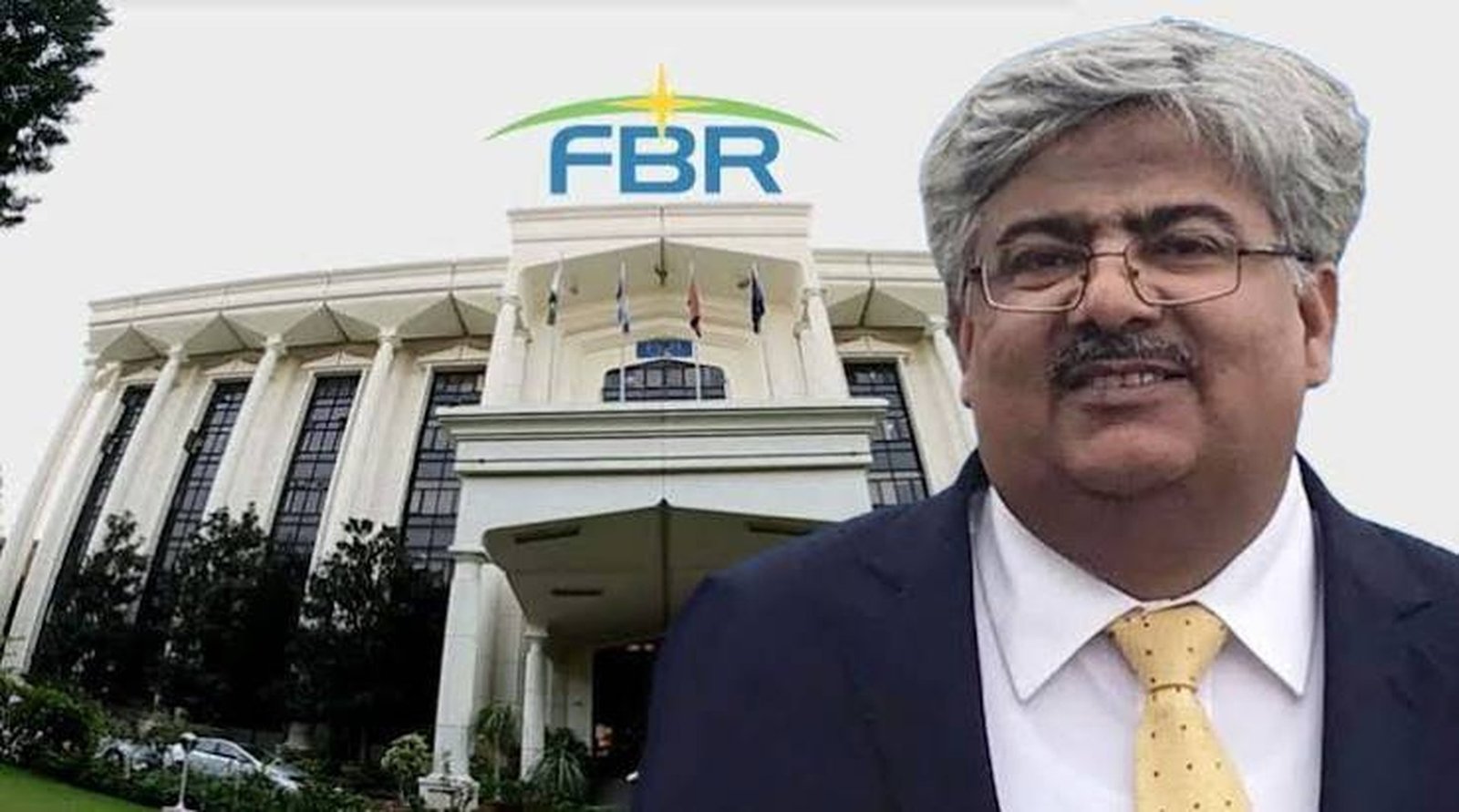
  • Rs2.4bn refunds paid, Rs9bn more coming, says FBR

    Rs2.4bn refunds paid, Rs9bn more coming, says FBR

    The Federal Board of Revenue says it has paid Rs2.4 billion in tax refunds and will pay a further Rs9 billion in the coming weeks, according to figures reported by the authority. The update came as the FBR reported progress on a large stock of tax return and refund applications.

    According to the FBR figures, 196,000 applications were received in total. Of these, 3,200 applications have been processed and approved so far, while 100,000 applications remain under review. The report also states that a further 3,200 refund applications will be approved in the coming weeks, and puts the total value of refunds approved at Rs15 billion.

    The report did not break down the remaining applications by stage, so the published figures describe the headline totals and the amounts paid or due rather than a complete account of every case. For businesses waiting on refunds, however, the key numbers are the cash ones: Rs2.4 billion already paid and Rs9 billion promised in the coming weeks.

    Refunds matter because they return money that businesses have already paid in tax, and delays tie up working capital that firms would otherwise use to buy stock, pay wages or expand. When refunds move slowly, smaller importers and traders feel the squeeze first, which is why the pace of approvals is watched closely in trading circles.

    The update followed a meeting between FBR Chairman Rashid Mahmood Langrial and a delegation of tea importers, who discussed tax refund issues affecting their trade. Tea is one of Pakistan’s largest import items, and the delegation raised the problems its members face in getting refunds processed.

    Figures shared in connection with the tea trade underline its scale. Monthly demand for tea stands at 17,000 to 18,000 tons, and tea imports have increased by 60 percent, according to the report. A figure of Rs2.5 billion was also mentioned in connection with tea imports during the discussion.

    For the tea trade, the refund question is practical rather than abstract. Importers pay tax upfront when their consignments arrive, and a slow refund cycle raises the cost of every shipment. Faster refunds would ease that burden and help keep supplies flowing to a market where demand remains strong.

    The FBR’s announcement will therefore be judged on two tests. The first is whether the Rs9 billion promised for the coming weeks is actually paid on schedule. The second is whether the large number of applications still under review begins to fall, giving importers and other taxpayers a clearer timetable for their own cases.

    Taxpayers waiting on refunds have heard promises of faster processing before, so the authority’s credibility on this issue rests on delivery. If the coming weeks bring the payments described, it will be a welcome sign for businesses. If they slip, the backlog will remain a source of frustration for traders who say they have waited long enough.

  • دو ماہ سے مریض دیکھنے والا جعلی ڈاکٹر پکڑا گیا

    دو ماہ سے مریض دیکھنے والا جعلی ڈاکٹر پکڑا گیا

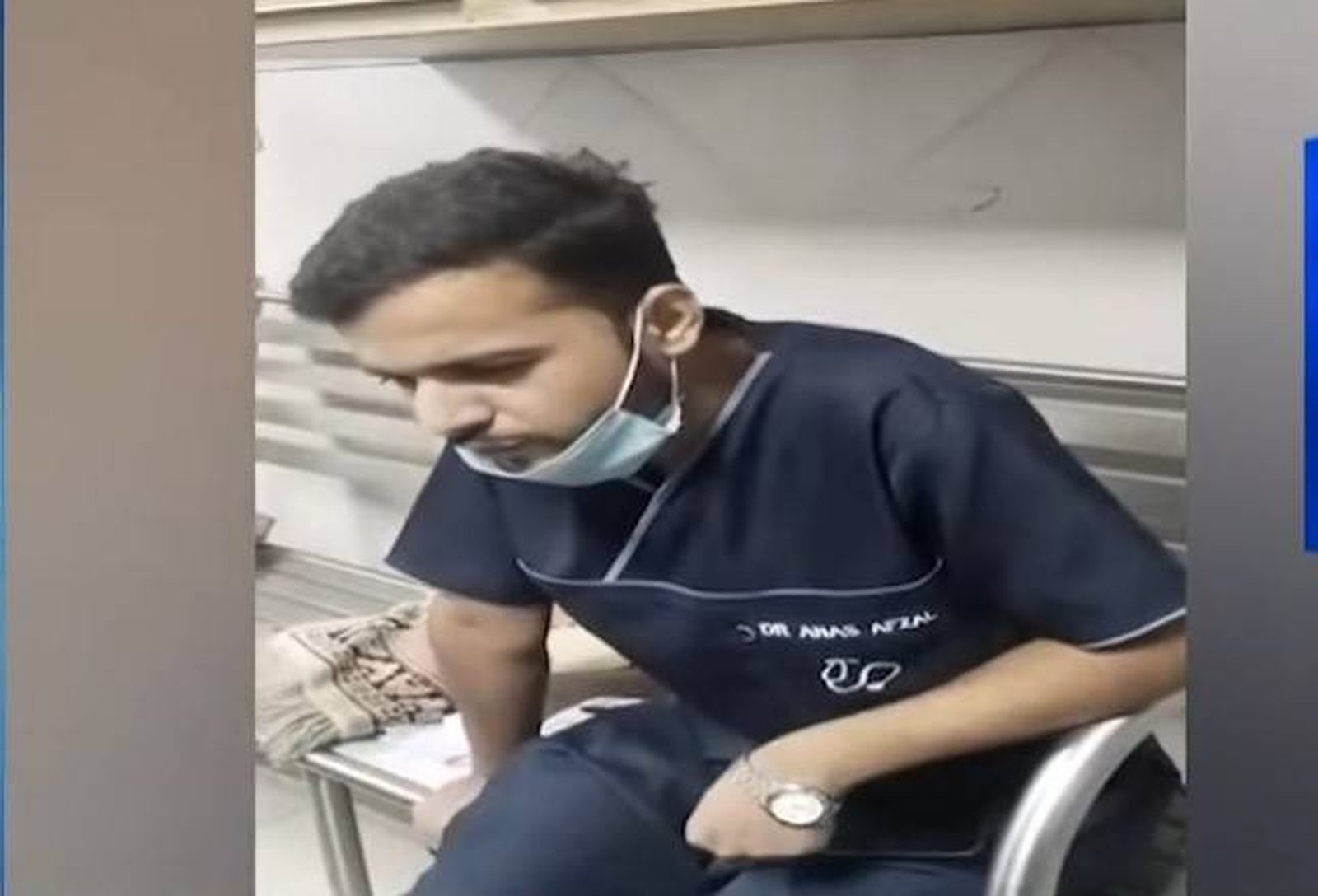
    لاہور جنرل اسپتال میں ڈاکٹر بن کر کام کرنے والا ایک شخص پکڑا گیا ہے۔ 24 نیوز کے مطابق ملزم تقریباً دو ماہ سے اسپتال میں ڈاکٹر کی وردی پہن کر اور گلے میں اسٹیتھو اسکوپ لگا کر موجود رہا اور اسپتال کے ایمرجنسی اور میڈیکل وارڈ میں آتا جاتا رہا۔

    ملزم کی شناخت انس افضل ولد محمد افضل کے نام سے ہوئی ہے، جو پاکپتن کا رہائشی بتایا گیا ہے۔ رپورٹ کے مطابق اسپتال کے عملے کو اس وقت شک ہوا جب وہ طبی سوالات کے جوابات نہ دے سکا اور اپنی دستاویزات پیش نہ کر سکا۔ عملے نے اس کی اسناد کی جانچ پڑتال کی، جس کے بعد اسے پولیس کے حوالے کر دیا گیا۔

    لاہور جنرل اسپتال کے پرنسپل ڈاکٹر الفريد ظفر کے مطابق ملزم کو عملے کی جانب سے اسناد چیک کرنے کے بعد پکڑا گیا۔ اسپتال کے میڈیکل سپرنٹنڈنٹ ڈاکٹر شفقت سلیم کا نام بھی اس واقعے کے سلسلے میں سامنے آیا ہے۔

    پولیس نے ملزم کے خلاف متعلقہ تھانے میں مقدمہ درج کر لیا ہے۔ رپورٹ کے مطابق مقدمہ گلبرگ پولیس اسٹیشن میں درج ہوا ہے اور پولیس اس بات کی تحقیقات کر رہی ہے کہ وہ اسپتال میں کیسے کام کرتا رہا اور کیا اس نے مریضوں کا علاج بھی کیا۔

    رپورٹ میں یہ نہیں بتایا گیا کہ ملزم نے کسی مریض کو نقصان پہنچایا یا نہیں، اور نہ ہی اس کے خلاف کسی الزام یا عدالتی کارروائی کے نتیجے کا ذکر کیا گیا ہے۔ پولیس کی تحقیقات سے ہی یہ واضح ہو سکے گا کہ اس دوران اس کی سرگرمیوں کا دائرہ کیا تھا۔

    یہ واقعہ اسپتالوں میں شناخت اور اسناد کی جانچ کے نظام پر سوالات اٹھاتا ہے۔ اسپتال ایسے ادارے ہیں جہاں مریض اپنی صحت اور زندگی کا معاملہ عملے کے حوالے کرتے ہیں، اس لیے وہاں کام کرنے والے ہر شخص کی قابلیت کی تصدیق بنیادی ضرورت ہے۔ دو ماہ تک کسی شخص کا ڈاکٹر کے روپ میں وارڈ میں موجود رہنا اس نظام کی کمزوری کی نشاندہی کرتا ہے۔

    ماہرین کے نزدیک ایسے واقعات میں صرف ملزم کی گرفتاری کافی نہیں ہوتی، بلکہ یہ بھی دیکھنا ضروری ہوتا ہے کہ داخلے، حاضری اور نگرانی کے مراحل میں کہاں کوتاہی ہوئی۔ اگر یہ کوتاہی دور نہ کی گئی تو مستقبل میں بھی ایسا واقعہ دہرایا جا سکتا ہے۔

    اسپتال انتظامیہ کے لیے اب اگلا مرحلہ یہ ہے کہ وہ اپنے تصدیقی طریقہ کار کا جائزہ لے اور اسے مزید سخت بنائے، تاکہ کوئی شخص جعلی شناخت کے ساتھ مریضوں تک نہ پہنچ سکے۔ مریضوں اور ان کے اہل خانہ کا اعتماد اسی صورت میں بحال ہو سکتا ہے جب انہیں یقین ہو کہ وارڈ میں موجود ہر ڈاکٹر واقعی مستند ہے۔

    پولیس کی تحقیقات مکمل ہونے پر یہ سامنے آئے گا کہ ملزم اسپتال تک کیسے پہنچا، اس نے کن وارڈز میں وقت گزارا اور کیا اس نے علاج کے معاملات میں مداخلت کی۔ اس وقت تک اسپتال میں اس واقعے پر تشویش پائی جاتی ہے اور عملے کی چوکسی ہی اس کا انکشاف کا سبب بنی۔

  • ECP gives MQM-P 14 days over missed intra-party polls

    ECP gives MQM-P 14 days over missed intra-party polls

    The Election Commission of Pakistan has asked Muttahida Qaumi Movement-Pakistan to explain why it did not hold its intra-party elections by the extended deadline. According to Dunya News, the commission issued a show-cause notice to the party and gave it 14 days to respond.

    The notice relates to a deadline of October 15, 2026, by which the party was required to complete its internal elections. The commission said intra-party elections are mandatory under the Elections Act, 2017, and that a party must submit its election certificate within seven days of completing the process. Dunya News reports that the notice itself was issued on October 26, 2026.

    Intra-party elections are the internal polls through which a political party elects its own office-bearers. The law treats them as a condition for a party to keep its place in the electoral system, rather than as a private formality. That is why the commission follows up when a party misses the timetable, and why the certificate of the election matters: it is the record the commission relies on to confirm that the internal process took place.

    The notice warns of further legal action if MQM-P does not respond within the 14-day period. It also says that failure to comply could make the party ineligible to obtain an election symbol. For voters, the symbol is the most visible part of a party’s identity on the ballot paper, so any question over it would matter well beyond the party’s internal affairs.

    MQM-P is one of the major parties in urban Sindh, and its electoral standing has long depended on a clear organisational structure and a recognised symbol. A show-cause notice does not by itself decide the party’s fate. It is a formal step that gives the party a chance to explain its position before the commission takes any further action. The party will now have to set out, in its reply, why the elections were not held by the deadline and what steps it has taken since.

    The commission’s approach in such cases is normally procedural: it asks for an explanation, examines the reply, and then decides whether further action is needed. If the party can show that the elections have since been held, or that there is a valid reason for the delay, the matter may be settled without further steps. If it cannot, the commission has warned that it may move to the next stage under the law.

    For the wider political system, the case is a reminder that parties are expected to keep their internal democratic processes up to date. The Elections Act sets the rules for all registered parties, and the commission applies them across the board. The outcome of MQM-P’s reply will therefore be watched not only by its own supporters, but by other parties that face the same obligations.

    The next step is now with the party. Its reply, due within 14 days, will determine whether the matter closes or moves towards further legal action and a question over its election symbol.

  • ترسیلات زر سستی ہوں تو معیشت کو ایک ارب ڈالر مل سکتے ہیں

    ترسیلات زر سستی ہوں تو معیشت کو ایک ارب ڈالر مل سکتے ہیں

    وزیر مملکت اور پاکستان ورچوئل ایسٹس ریگولیٹری اتھارٹی کے چیئرمین بلال بن ثاقب نے کہا ہے کہ ترسیلات زر کی لاگت میں صرف 2 سے 3 فیصد کمی سے پاکستان کی معیشت میں ایک ارب ڈالر کا اضافہ ہو سکتا ہے۔ ان کے مطابق یہ رقم براہ راست عوام اور معیشت کو فائدہ پہنچائے گی۔

    بلال بن ثاقب نے یہ بات ترسیلات زر اور ڈیجیٹل مالیاتی نظام پر بات کرتے ہوئے کہی۔ ان کے مطابق پیوارا اور اسٹیٹ بینک آف پاکستان اس معاملے پر مشترکہ ورکنگ گروپ کے ذریعے کام کر رہے ہیں، اور خلیجی ممالک سے ایک پائلٹ منصوبہ بھی زیر غور ہے۔

    ترسیلات زر پاکستان کی معیشت کے لیے ریڑھ کی ہڈی کی حیثیت رکھتی ہیں۔ بیرون ملک مقیم پاکستانی ہر سال اربوں ڈالر اپنے خاندانوں کو بھیجتے ہیں، جو نہ صرف گھریلو اخراجات پورے کرتے ہیں بلکہ ملک کے زرمبادلہ کے ذخائر کو بھی سہارا دیتے ہیں۔ یہی وجہ ہے کہ ترسیلات کی لاگت میں معمولی کمی بھی مجموعی طور پر بہت بڑی رقم بن جاتی ہے۔

    اس وقت بیرون ملک سے رقم بھیجنے پر مختلف فیسوں اور شرح تبادلہ کے فرق کی صورت میں ایک خاص حصہ کٹ جاتا ہے۔ اگر یہ لاگت کم ہو جائے تو بھیجی گئی رقم کا زیادہ حصہ وصول کنندہ خاندان تک پہنچے گا، جس سے گھریلو آمدنی میں اضافہ ہوگا اور مقامی معیشت میں خرچ بڑھے گا۔

    ڈیجیٹل ادائیگیوں اور نئی مالیاتی ٹیکنالوجی کو اس مسئلے کے حل کے طور پر دیکھا جا رہا ہے۔ تیز تر، شفاف اور کم لاگت والے ڈیجیٹل راستے روایتی طریقوں کے مقابلے میں رقم کی منتقلی کو سستا بنا سکتے ہیں، بشرطیکہ وہ ریگولیٹری نگرانی کے اندر کام کریں اور صارفین کے تحفظ کو یقینی بنائیں۔

    تاہم ماہرین کا کہنا ہے کہ لاگت میں کمی کے لیے صرف ٹیکنالوجی کافی نہیں۔ بینکوں، رقوم کی منتقلی کرنے والی کمپنیوں اور ریگولیٹرز کے درمیان ہم آہنگی ضروری ہے، تاکہ نئے نظام محفوظ بھی ہوں اور عام آدمی کے لیے آسان بھی۔ خلیجی ممالک سے پائلٹ منصوبہ اسی ہم آہنگی کو جانچنے کا ایک قدم ہو سکتا ہے، کیونکہ وہاں سے پاکستان سب سے زیادہ ترسیلات آتی ہیں۔

    اگر یہ منصوبہ کامیاب ہوتا ہے تو اس کا فائدہ دوہرا ہوگا۔ ایک طرف خاندانوں کو زیادہ رقم ملے گی اور دوسری طرف زیادہ رقوم رسمی نظام کے ذریعے آئیں گی، جس سے معیشت کی شفافیت اور استحکام میں اضافہ ہوگا۔ آنے والے مہینوں میں ورکنگ گروپ کی سفارشات اور پائلٹ منصوبے کی پیش رفت یہ طے کرے گی کہ ایک ارب ڈالر کا یہ امکان حقیقت میں کتنی جلدی بدلتا ہے۔

  • 8.4 million ticket requests for Pakistan-India clash

    8.4 million ticket requests for Pakistan-India clash

    The group-stage match between Pakistan and India at the 2027 Men’s Cricket World Cup has attracted 8,397,294 ticket requests, organisers have confirmed. The figure makes the October 10, 2027 fixture at the Wanderers Stadium in Johannesburg the most sought-after match of the tournament so far.

    Remarkably, demand for the group match has already passed demand for the final. The final, scheduled for November 21, 2027 at the same Johannesburg venue, has drawn 7,900,944 requests, almost 500,000 fewer than the Pakistan-India encounter. The two matches sit at the top of the tournament’s demand table by a wide margin.

    The figures were released by the International Cricket Council in its first ticket ballot update, covering applications received up to November 1, 2026. The ballot remains open until November 21, 2026, so the totals are expected to rise further before registration closes.

    Across the whole tournament, more than 120 million ticket requests have been received, with a total of 120,809,467 applications recorded. Nearly three million fans from 193 countries have applied, underlining the global reach of a tournament returning to Africa for the first time in 24 years.

    It is important to understand what these numbers mean. A ticket request is not a sold ticket. Fans register in a ballot for the chance to buy tickets, and each fan can enter once per match and request up to four tickets. The 8.4 million figure therefore counts requests, not individual spectators, and the Wanderers holds around 34,000 people.

    The 2027 tournament will be jointly hosted by South Africa, Zimbabwe and Namibia, featuring 14 teams playing 57 matches across 12 venues between October and November 2027. Fixtures in South Africa alone have drawn more than 105 million requests across 41 matches at eight venues.

    Pakistan-India matches have long been among the most watched fixtures in world cricket, and the ballot numbers confirm that the rivalry loses none of its pulling power even when the meeting comes in the group stage. For fans, the message is clear: with demand running into the millions for a 34,000-seat ground, most applicants will miss out, and the ballot, not the box office queue, will decide who gets in.

    The ballot window closes on November 21, 2026, and fans who do not register by then will not be eligible to buy tickets through this ballot once it closes. For supporters of either side, the next few weeks are the last chance to join a queue already more than 200 times the size of the stadium.

  • Iran claims three US drones downed near Hormuz

    Iran claims three US drones downed near Hormuz

    Iran’s Islamic Revolutionary Guard Corps has claimed that its forces shot down three United States drones near the Strait of Hormuz. The claims were carried by Iranian state media and reported by international outlets on Tuesday, November 3, 2026.

    According to the IRGC Aerospace Force, two US MQM-170 reconnaissance drones were brought down south of Qeshm Island using electronic warfare systems. The force said the two aircraft brought to four the total number of drones of that type it had seized.

    In a separate statement, the IRGC said its Aerospace Force had tracked and destroyed a US MQ-9 drone east of the Strait of Hormuz using a newly developed air defence system. The statement described the aircraft as the 55th MQ-9 its forces had brought down, operating under what it called the country’s unified air defence network.

    The claims came as Iranian state news agency IRNA reported five explosions heard in rapid succession on Qeshm Island, in southern Iran near the strategically important Strait of Hormuz. Witnesses also reported aircraft in the sky over the island, and blasts were reported in the nearby city of Bandar Lengeh.

    The United States military had not confirmed the Iranian claims at the time of reporting. The claims could not be independently verified, and no wreckage or other evidence was publicly presented alongside the statements.

    Separately, a US official told the Associated Press that American forces had carried out what were described as limited defensive strikes against Iranian targets in the Strait of Hormuz, after Iranian forces used surface-to-air missiles against US assets. US media reports said the strikes targeted assets involved in launching missiles at American military hardware.

    The Strait of Hormuz is one of the world’s most important shipping chokepoints, carrying a large share of global oil trade between the Gulf and the open sea. Tensions in the waterway have repeatedly raised concerns about the safety of commercial shipping and the risk of a wider confrontation.

    The competing accounts underline how difficult it is to establish facts quickly in a fast-moving military standoff. Iran’s claims rest on statements from its own armed forces, while the US account, as reported, focuses on defensive strikes rather than on the fate of any aircraft. Until independent evidence emerges, the downing claims remain claims, not confirmed events, and the situation around Qeshm Island will continue to be watched closely by governments and shipping operators alike.