Blog

  • Stephen Miller Takes Over White House After Midterm Rout

    Stephen Miller Takes Over White House After Midterm Rout

    Washington: Donald Trump has put the most hardline figure in his inner circle in charge of the White House, naming longtime aide Stephen Miller as his new chief of staff in the first major shake-up since Republicans lost control of Congress in the midterm elections.

    The president announced the appointment in a social media post on Friday, describing Miller as one of his most trusted advisers and saying the change would take effect on Monday, November 9. Miller replaces Susie Wiles, who submitted her resignation on Thursday evening and will move to Trump’s political operation.

    The decision comes just days after Democrats swept both chambers of Congress, a result that has left the White House facing two years of hostile oversight and a much narrower path for the president’s legislative agenda. Rather than reaching for a peacemaker, Trump has chosen the aide most closely associated with his toughest policies.

    The architect of the immigration crackdown

    Miller, 41, has been at Trump’s side since the 2016 campaign and served as a senior policy aide in his first administration from 2017 to 2021. He returned to the White House in 2025 as deputy chief of staff and quickly became one of the most powerful voices in the building, driving the administration’s domestic agenda and its sweeping immigration enforcement drive.

    He is widely regarded as the chief architect of the deportation campaign, which set a target of 3,000 arrests a day and expanded enforcement to migrants who had lived in the United States for decades. His influence stretched well beyond immigration, reaching into crime policy, the overhaul of government institutions and an expansive view of presidential power.

    White House officials told Reuters the appointment signals that Trump intends to double down on his existing approach rather than change course after the electoral setback. “He’s rewarding those most loyal to him. He’s not changing course,” one official said.

    A signal of confrontation ahead

    Trump himself praised Miller as he left the White House on Friday, telling reporters: “Stephen’s been with me from the beginning. He gets it. Very good politically. And he’s a very good man.” Miller wrote on X that it had been the privilege of his lifetime to serve on Trump’s team and that he was honoured beyond words to take the job.

    The elevation is expected to shape the tone of the next two years. With Democrats now in charge of Congress and promising investigations into the administration, Miller’s appointment points to a White House preparing for confrontation rather than compromise, and it is likely to dim any early hopes of a deal on immigration legislation.

    Wiles, a longtime Trump political adviser, had served as chief of staff since the start of his second term in January 2025. She was the first woman ever to hold the position and was credited with bringing discipline to Trump’s political operation. Trump said she had done “an outstanding job” and would continue working with his political team.

    Trump, who had insisted only weeks ago that Wiles would remain in her post for a long time, told reporters on Friday that sometimes “you have to make moves”. He also signalled that more changes could follow, telling CBS News he intended to make further personnel changes after the midterm losses.

  • JazzCash Profit Rs6.8bn as Revenue Jumps 67.6% in Q3

    JazzCash Profit Rs6.8bn as Revenue Jumps 67.6% in Q3

    JazzCash has posted one of the strongest quarters in its history, and the money is not coming from where most of its 30 million customers might expect. Lending, not everyday payments, is now the engine of Pakistan’s biggest digital wallet.

    VEON’s Pakistan financial services business, which covers JazzCash, Mobilink Microfinance Bank and JazzSure, grew revenue 67.6 percent year on year to Rs43.4 billion in the third quarter ended 30 September 2026. Net profit for the quarter reached Rs6.8 billion, while profit before tax nearly quadrupled, climbing 296.8 percent to Rs8.9 billion.

    Credit did the heavy lifting. Revenue from lending rose 60.3 percent to Rs26.1 billion, about 60 percent of the quarter’s total. Payments and transactions, the part of the business most customers know from the app, brought in Rs9.73 billion, while investment income added Rs5.24 billion.

    160 nano-loans every minute

    The lending numbers explain the surge. On an average day in the quarter, JazzCash sent out more than 230,000 nano-loans, roughly 160 every minute around the clock. By the end of September, nano-loans accounted for Rs46.1 billion of the loan book, while the bank’s conventional lending made up another Rs88.5 billion, taking the total portfolio to Rs134.6 billion, up 51.9 percent in a year.

    Credit quality improved on both sides of the business. JazzCash recovered 93.2 percent of its nano-loans, compared with 91.5 percent a year earlier, and bad loans at the bank fell to 8.1 percent of the book from 10.4 percent. Even so, growth still costs money: loan-loss provisions rose 33.2 percent to Rs11.2 billion. Earnings before interest, tax, depreciation and amortisation more than doubled, rising 137.2 percent to Rs13.84 billion.

    The wallet’s scale kept growing as well. The business handled Rs6.9 trillion in gross transaction value during the quarter, up 79.2 percent from Rs3.86 trillion a year earlier. Branchless banking accounts climbed 21.6 percent to 65 million, active customers numbered 30.4 million, and active merchants more than doubled to 957,100, with the total merchant base nearing two million.

    Over the first nine months of 2026 the profit jump looks even sharper. Net profit hit Rs13.3 billion after a 505.5 percent rise, roughly six times last year’s level, while revenue grew 58.4 percent to Rs116.2 billion. The results were reported alongside VEON’s group figures on 6 November, which showed third-quarter revenue of $1.307 billion, up 17.2 percent, and a raised full-year growth outlook. JazzCash’s parent has spent the year building around the wallet, including a $240 million spectrum win in March and the $16 million purchase of a majority stake in TPL Insurance, now JazzSure, in July.

  • ECP Notice to Ata Tarar: NA-77 Result May Be Withheld

    ECP Notice to Ata Tarar: NA-77 Result May Be Withheld

    Pakistan’s election watchdog has stepped in just hours before polling in Gujranwala, taking notice of an alleged breach of the election code by a federal minister and warning that the constituency’s result could be held back until the matter is decided.

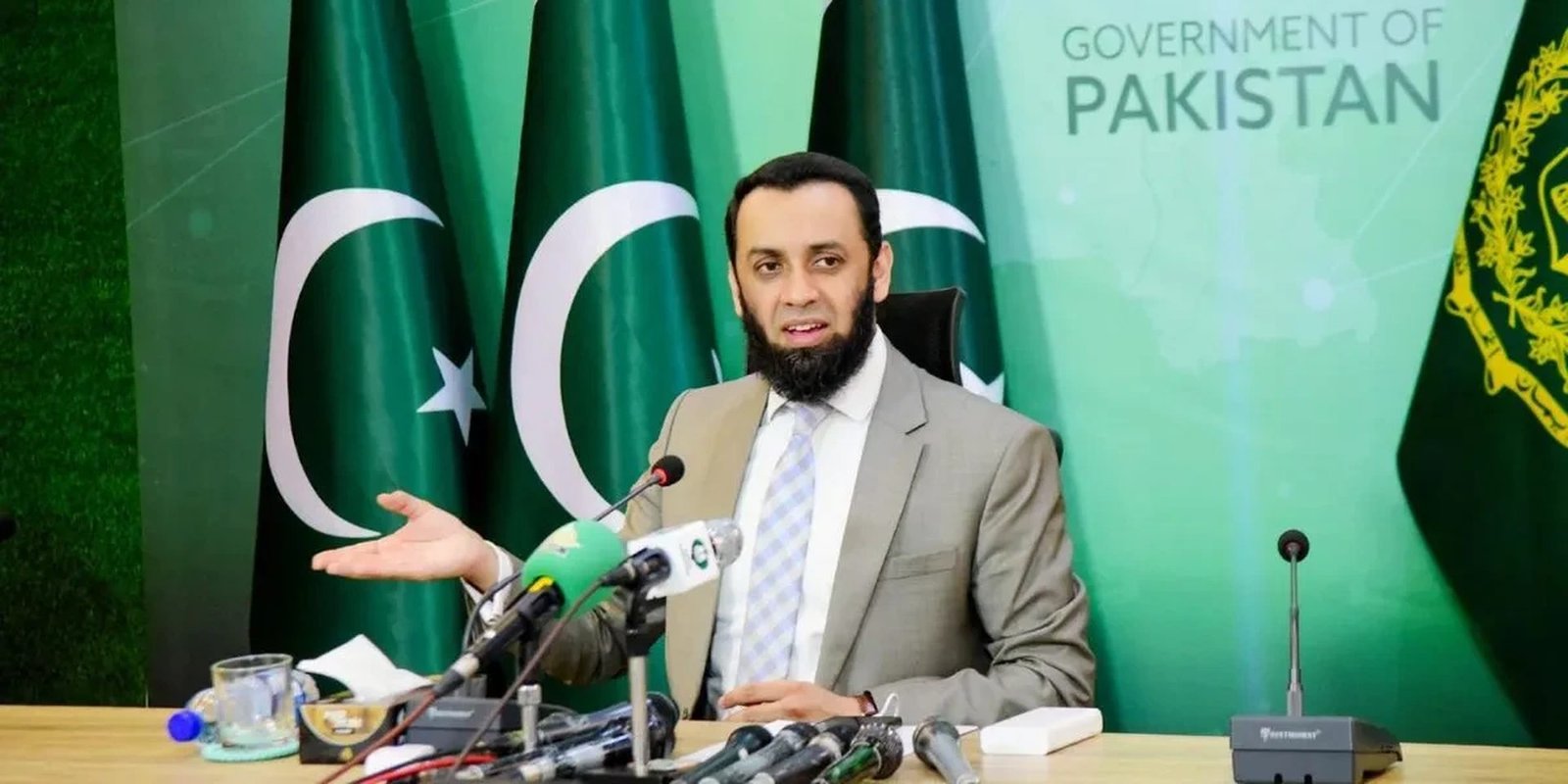
    The Election Commission of Pakistan (ECP) said on Saturday that it had taken notice of an alleged violation of the code of conduct by Federal Minister for Information Ataullah Tarar during the by-election campaign in NA-77 Gujranwala. According to media reports, the minister visited the constituency by helicopter and addressed a public gathering, an act the commission is now examining.

    In a statement shared on X, an ECP spokesperson said the commission had sought reports from the District Monitoring Officer and the District Returning Officer to investigate the matter. The minister has been directed to appear before the commission in his personal capacity.

    The spokesperson added that the result of the constituency may be withheld until a final decision is reached, a step that would leave the outcome of Sunday’s vote in limbo while the inquiry runs its course.

    Security tightened for Sunday’s vote

    Polling in NA-77 Gujranwala and PP-203 Sahiwal is scheduled for Sunday, 8 November. The federal government has approved the deployment of the army and the Rangers for both by-elections, with the security personnel remaining in place from 7 to 9 November.

    According to sources, the army and Rangers will assist the Election Commission with general security duties, with the Rangers deployed in the second tier and the army in a third-tier quick response role. The army has been deployed under Article 220 of the Constitution, while the Rangers have been called out under the Anti-Terrorism Act, 1997. The Election Commission had itself requested the deployment to ensure the peaceful conduct of the elections.

    The notice comes under the commission’s code of conduct, which restricts campaign activity by public office holders once an election schedule has been announced. The notice to a sitting federal minister on the eve of polling underlines how closely the commission is watching the by-elections. With the result now potentially subject to the outcome of the inquiry, all eyes will be on the ECP’s next move once polling closes.

  • 3,000 Syrian Troops Headed to Yemen and Saudi Arabia: AFP

    3,000 Syrian Troops Headed to Yemen and Saudi Arabia: AFP

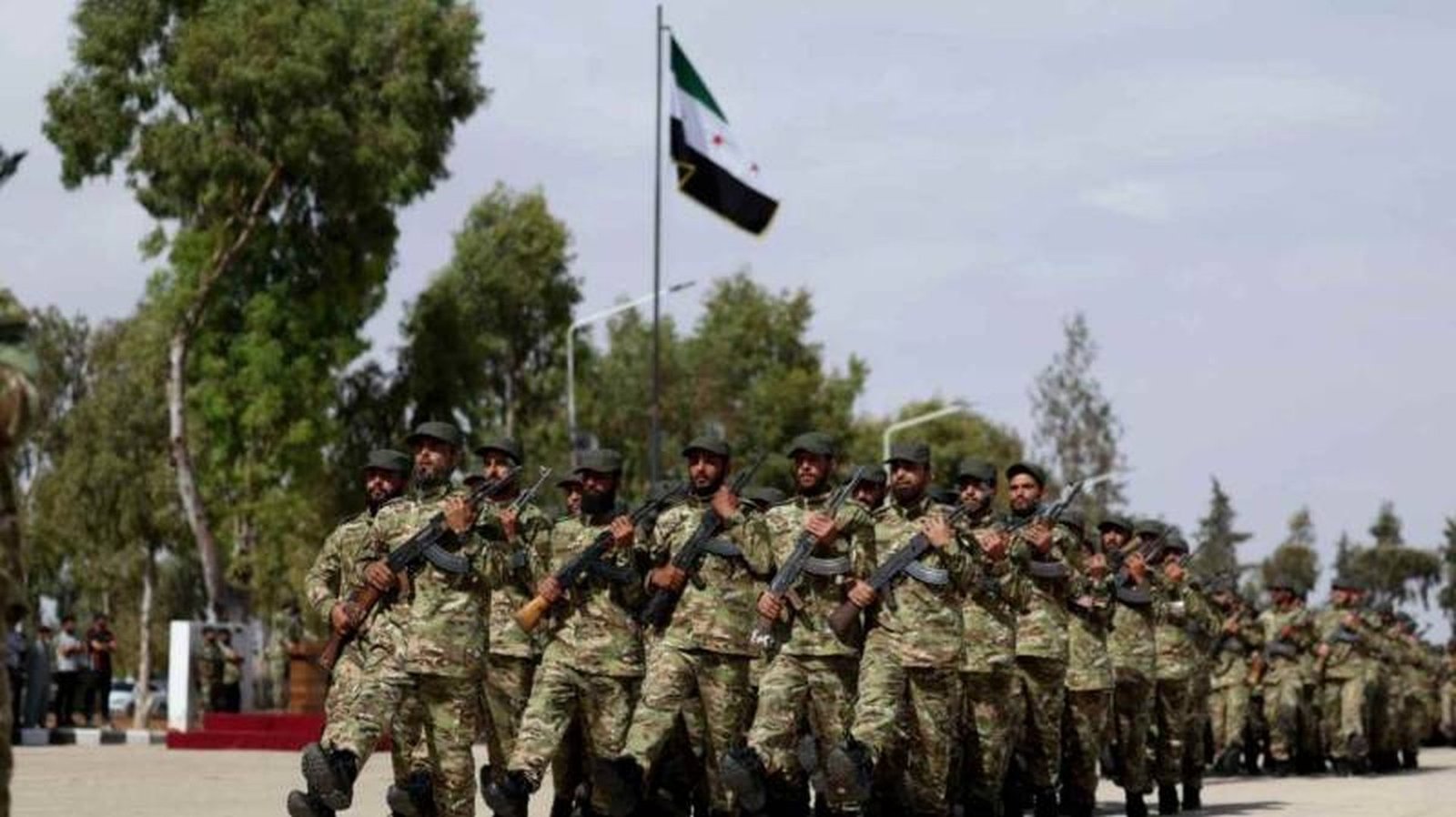
    Thousands of Syrian soldiers are preparing to deploy to Saudi Arabia and Yemen to join the fight against the Houthis, Yemeni officials have told the AFP news agency, in a move that would mark a dramatic new chapter in the region’s shifting alliances.

    According to the officials, the first phase of the deployment would involve around 3,000 troops, including officers and specialists, with the force eventually growing to as many as 10,000. Three Yemeni military sources and a defence official said hundreds of Syrian soldiers were already in place on both sides of the Saudi-Yemeni border.

    One military official told AFP that the troops already stationed on the Yemeni side of the border were leading drone operations against the Houthis in the area. Technical teams from the Syrian and Saudi defence ministries are reported to be in Riyadh finalising arrangements for Syrian forces to take part in operations against the group.

    The reported deployment follows a defence cooperation agreement signed between Syria and Saudi Arabia on Wednesday, during a visit to Riyadh by Syrian President Ahmed al-Sharaa for talks with Crown Prince Mohammed bin Salman. It was their second meeting in less than a month. Syria is also said to be considering joining the mutual defence pact signed in Mecca in August by Saudi Arabia, Turkey and Pakistan.

    Saudi Arabia, a key backer of Syria’s post-Assad government, has been pressing allies for support as it faces near-daily attacks from the Iran-backed Houthis, who have seized swathes of Yemen’s Red Sea coastline from the Riyadh-backed government in Aden. The Houthis are now reported to be within around 50 miles of Aden, the seat of Yemen’s recognised government.

    However, the reports of a troop deployment have been publicly denied by Damascus. Syria’s official SANA news agency quoted a diplomatic source as saying the reports were baseless and that Syria had no plans to send troops to Yemen at this time. The source said military cooperation with Saudi Arabia currently focused on training, building capabilities and exchanging expertise.

    A senior Syrian diplomat had earlier told Reuters that any suggestion of military deployments was premature, and that Wednesday’s agreement specifically covered advisory support, training and the exchange of expertise. Reuters reported on Friday that Syria had already sent a limited number of military personnel to Saudi Arabia in recent weeks to advise and train Saudi and Yemeni units, citing two Syrian military sources and a senior US official.

    Coordination visits by Saudi officials to Syria are set to begin next month, according to the Syrian diplomatic source, with cooperation potentially developing into a mutual defence agreement or Syria joining the Mecca pact, depending on the shared interests of both countries.

    The conflicting accounts leave the scale of Syria’s role unclear. What is not in doubt is that Riyadh is seeking help from a widening circle of allies as the war in Yemen, reignited in July, puts growing pressure on the kingdom’s security and its vast economic diversification plans.

  • Shehbaz Vows More Relief as Petrol Prices Set to Fall

    Shehbaz Vows More Relief as Petrol Prices Set to Fall

    Prime Minister Shehbaz Sharif has signalled further cuts in petroleum prices, saying his government will keep bringing relief to people struggling with the rising cost of living.

    The prime minister made the remarks during a meeting with senior Pakistan Muslim League-Nawaz leader Khawaja Ahmad Hassan at Model Town in Lahore on Saturday, where the two discussed the country’s political and economic situation.

    According to reports of the meeting, the prime minister said petroleum prices were being reduced gradually and that steps to protect the public from inflation would continue. He said the government would keep introducing measures aimed at easing the burden on ordinary households.

    Khawaja Ahmad Hassan praised the prime minister for extending petrol subsidies to the public without discrimination, describing it as a positive step for public welfare. He said millions of people had directly benefited from the fuel subsidy and that billions of rupees had been spent on providing relief.

    Hassan also welcomed the diplomatic efforts of the prime minister and Field Marshal Asim Munir in promoting peaceful solutions to international conflicts, saying their work had received wide recognition at the international level.

    The meeting comes against the backdrop of the government’s targeted fuel relief scheme, under which petrol is being provided at reduced prices to owners of motorcycles, rickshaws and small vehicles of up to 800cc. Information Minister Attaullah Tarar said earlier this week that more than 15 million people had registered under the scheme and that relief worth Rs27 billion had been provided so far.

    The government also averted a planned Rs15 per litre increase in petrol prices this week, with the additional burden instead shifted to refineries, according to the information minister. The prime minister has separately directed action against petrol pumps that fail to pass on the relief to consumers.

    Petrol prices matter deeply to household budgets in Pakistan, where fuel costs feed directly into transport fares and the prices of everyday goods. Any further reduction would bring some respite to low-income families, motorcycle riders and small traders who depend on affordable fuel for their livelihoods.

    For now, the prime minister’s message is one of reassurance: that the relief measures already in place are only the beginning, and that more help is on the way for people feeling the pinch of inflation.

  • Heart Drug Slashed ‘Bad Fat’ 78% But Saved No Lives

    Heart Drug Slashed ‘Bad Fat’ 78% But Saved No Lives

    A much-watched heart drug that cut a dangerous inherited cholesterol particle by 78 percent has failed to prevent a single heart attack or stroke, researchers reported on Saturday, in a result that stunned heart specialists gathered in Chicago.

    The drug, pelacarsen, was tested for nearly five years in more than 8,300 patients who had already suffered a major heart event such as a heart attack. Half received a monthly 70-milligram dose of the drug and half a placebo, while their other risk factors — including cholesterol and blood pressure — were carefully controlled. The full results were presented at the American Heart Association’s annual meeting by Dr Steven Nissen of the Cleveland Clinic and published in the New England Journal of Medicine.

    Pelacarsen did exactly what it was designed to do: it lowered levels of lipoprotein(a), or Lp(a), a sticky, protein-wrapped fat in the blood, by about 78 percent. But that sharp fall made no difference to patients’ fate. Roughly the same share in both groups — about 12 percent — went on to suffer a serious heart-related event, and there was no sign the drug reduced deaths, heart attacks, strokes, or the need for a stent or bypass.

    “It didn’t do anything. It was completely neutral,” Nissen said in an interview. “Everybody in the world, me included, thought that this was going to work.”

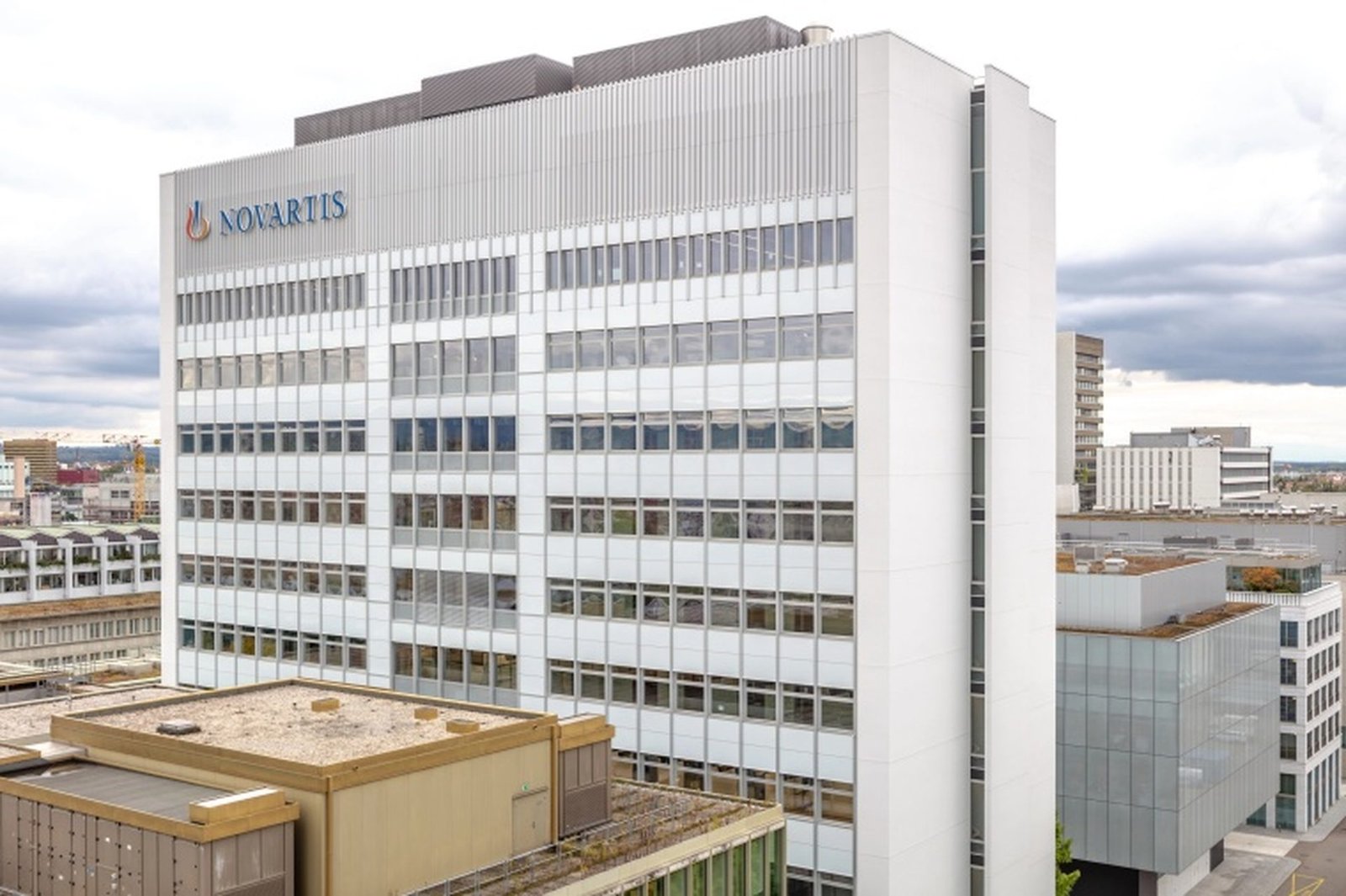
    The disappointment had been signalled in September, when Novartis and its co-developer Ionis Pharmaceuticals announced that the drug had failed to meet the trial’s main goal. Even so, specialists had hoped the details might show some benefit for particular patients, such as those whose Lp(a) fell furthest. A separate statistical analysis, published in NEJM Evidence, looked at exactly those groups and still found no benefit. More patients also stopped taking pelacarsen because of side effects — 20.6 percent, against 7.5 percent on placebo. Novartis has decided to abandon the drug.

    No treatment yet for high Lp(a)

    There is still no approved treatment for high Lp(a), an inherited risk factor estimated to affect about one in five people worldwide, although few know they carry it. This year, for the first time, the American Heart Association and the American College of Cardiology recommended that every adult be tested for Lp(a) at least once in their lifetime.

    The failure does not close the door on the idea. Two other experimental drugs that target Lp(a) — Amgen’s olpasiran and Eli Lilly’s lepodisiran — use a different technology and have cut Lp(a) by about 95 percent in earlier studies. Their large trials are still running, with results due in 2028 and 2029. Nissen, who is leading the lepodisiran trial, noted that those studies include many patients who have never had a heart attack or stroke, and said the newer drugs are also better tolerated — though whether that will translate into better outcomes remains to be seen.

    A second study at the same meeting delivered a similar blow: Novo Nordisk’s anti-inflammatory drug ziltivekimab lowered inflammation as intended in 6,300 seriously ill heart patients, but did not reduce deaths, heart attacks or strokes. Together, the two failures have forced heart specialists to rethink some long-held theories about what drives heart disease — and, as one senior cardiologist put it, to try different compounds and strategies.

  • Six Killed as Gunman Opens Fire in Krakow Main Square

    Six Killed as Gunman Opens Fire in Krakow Main Square

    Six people were killed and 15 others wounded on Saturday afternoon when a gunman drove a car into Krakow’s Main Square and opened fire on passers-by at random, Polish police said. The attack, in one of Europe’s busiest tourist squares, ended when officers shot and wounded the gunman a short distance away and took him into custody.

    Police said the shooting began at about 3pm local time, when a man drove onto the square — known locally as Rynek Glowny — and started firing from inside his vehicle at people in the crowded square. Four women and two men were killed. The injured included two police officers, one of them seriously hurt, according to Poland’s interior minister.

    The suspect, a Polish citizen in his twenties, was wearing military-style clothing and was carrying a military-type long gun, a police spokesperson told the broadcaster TVN24. Officers returned fire as they moved in to arrest him, and the man was taken to hospital under guard. Police said he had acted alone and denied reports that a second attacker was being sought.

    The death toll was revised upwards through the evening: police first reported five dead before confirming that a sixth victim had died of his injuries. Emergency services remained at the scene for hours, and the square — the heart of Krakow’s old town and a magnet for visitors from around the world — was cordoned off as investigators worked through the area.

    Polish Prime Minister Donald Tusk said police were investigating the background and all the circumstances of the attack, and that he was being kept informed by the interior ministry. The city’s mayor declared a period of mourning until 11 November.

    Rare gun violence in Poland

    The shooting shocked a country where gun violence on this scale is rare. Poland, like most European Union countries, has strict rules on owning firearms, and very few people are allowed to carry a gun in public. Krakow, Poland’s second-largest city and its former royal capital, draws millions of visitors a year to its medieval old town, and its Main Square is one of the largest of its kind in Europe.

    Police have not yet said anything about a possible motive, and the investigation was continuing on Saturday night, with the suspect in hospital and the square still sealed off. Officers appealed for witnesses and for anyone with photographs or video of the attack to come forward.

  • Hazara Express Derails Near Shorkot, Tracks Closed

    Hazara Express Derails Near Shorkot, Tracks Closed

    Two coaches of the Hazara Express left the tracks near Shorkot Cantonment station on Saturday, forcing railway officials to close both lines on the busy section and throwing train services into disruption.

    The train was travelling from Karachi when the coaches derailed close to the station, according to railway authorities. Officials moved quickly to suspend movement on the up and down tracks, halting trains in both directions while teams were sent to the site.

    Restoration work began soon after the incident. Railway teams are working to clear the affected coaches and repair the track so that normal services can resume, but officials have not said how long the work will take.

    The closure is expected to affect other trains scheduled to pass through the section. Passengers on services using the route face delays until the tracks are declared safe and reopened, and railway authorities are yet to announce revised timings for the affected trains.

    The cause of the derailment remains unclear. Railway authorities have not released details about casualties or the extent of any damage, and further information is expected as the investigation and repair work continue.

    The Hazara Express is a daily passenger service that runs between Karachi and Havelian, carrying large numbers of passengers along one of the country’s main railway routes. Any disruption on the line is felt quickly, because so many services share the same tracks through Punjab.

    The derailment is a reminder of the pressures on the railway network. Sections of track across the country carry heavy daily traffic, and even a single incident can bring movement to a standstill for hours while engineers work to make the line safe again.

    It is not the first time the Hazara Express has been involved in a serious derailment. In August 2023, ten coaches of the same train came off the tracks near Sarhari station in Sindh, killing at least 34 people and injuring more than 100. That accident, one of the worst on the network in recent years, led to calls for stronger track inspection and maintenance.

    For now, the focus is on clearing the site and reopening the tracks. Railway officials say work is under way, and passengers have been advised to check the latest service updates before travelling on the affected route.

  • Odegaard’s Late Strike Keeps Arsenal Six Points Clear

    Odegaard’s Late Strike Keeps Arsenal Six Points Clear

    Arsenal needed their captain once more, and Martin Odegaard answered. The Norwegian struck in the 72nd minute to break down a stubborn Hull City side and secure a 1-0 win at Emirates Stadium on Saturday, a victory that moved the champions six points clear at the top of the Premier League.

    For more than an hour, it looked as though Hull might leave north London with a point. The visitors defended in numbers, closed the spaces around their penalty area and frustrated an Arsenal side that struggled to find its usual rhythm. Chances were few, and the home crowd grew restless as the clock ticked towards the final 20 minutes.

    The breakthrough finally came from the right flank. Noni Madueke worked his way into space inside the area and drove a low shot towards the near post. Hull goalkeeper Konstantinos Tzolakis got a hand to the effort but could only push it back into the danger zone, and Odegaard was first to react, poking the loose ball home from close range.

    It was the captain’s first goal since September, and it arrived at exactly the moment Arsenal needed it most. The Gunners had looked tired and short of ideas for long spells, but their persistence paid off once again, as it has done so often this season.

    There had been an earlier flashpoint in the first half when Kai Havertz appeared to have won a penalty, only for the decision to be overturned after a VAR review found the German forward offside in the build-up. Arsenal kept pushing, and Madueke twice tested Tzolakis before the goal finally came.

    The win was Arsenal’s ninth in ten league games this season and their fifth in a row. It took Mikel Arteta’s side to 27 points, six ahead of Manchester City, who were due to play Nottingham Forest later on Saturday. It was also a seventh clean sheet in ten league matches, and the club’s 34th win by a 1-0 scoreline under Arteta.

    Hull, meanwhile, were left to reflect on what might have been. The promoted side defended with discipline for most of the afternoon and were seconds away from a famous point, but they are now without a win in eight league games after a bright start to the season.

    For Arsenal, the result means they will stay top of the table through the international break. Their next league match is away to Newcastle United on Saturday, November 21, and Arteta will hope the break gives his players the rest they looked badly in need of against Hull.

  • SBP’s New Banking Network to Strengthen Financial Security

    SBP’s New Banking Network to Strengthen Financial Security

    The State Bank of Pakistan has switched on a new core banking network and a software-defined data centre, a multimillion-dollar upgrade the central bank says will make the country’s financial system more secure, agile and resilient.

    The project was marked at a ceremony at the bank’s head office in Karachi, where US Chargé d’Affaires Natalie Baker joined State Bank Governor Jameel Ahmad and senior executives from Cisco Systems Pakistan to celebrate the deployment.

    Built by the American technology company Cisco, the new system replaces ageing infrastructure at the heart of Pakistan’s banking system with a modern software-defined data centre. The central bank says the new architecture is designed to safeguard monetary stability and to keep digital banking services running reliably across the country.

    Speaking at the ceremony, Baker described the central bank’s infrastructure as “a national asset that underpins economic stability and public confidence”, and said Pakistan’s choice to work with American industry showed a commitment to technology quality, security and long-term reliability. The United States, she added, values its long-standing commercial partnership with Pakistan and stands ready to keep connecting Pakistani institutions with American innovation.

    Governor Ahmad and Cisco’s country general manager, Kashif Ul-Haque, praised the joint engineering effort behind the project, which completed a complex implementation and migration while central banking operations continued without interruption.

    What it means for banking customers

    For ordinary account holders, the upgrade is aimed at the plumbing behind everyday banking: the systems that move money between banks, settle payments and keep online and mobile banking available. A more resilient core network should mean fewer outages and stronger protection for the digital services that millions of Pakistanis now rely on, from salary transfers and bill payments to the card transactions that businesses process every day.

    The deployment also underlines a deepening commercial relationship between the United States and Pakistan, with American technology now sitting at the centre of the country’s financial infrastructure. No figure for the value of the contract has been published, and no performance benchmarks for the new system have been made public, so the scale of the investment beyond its multimillion-dollar description remains undisclosed.