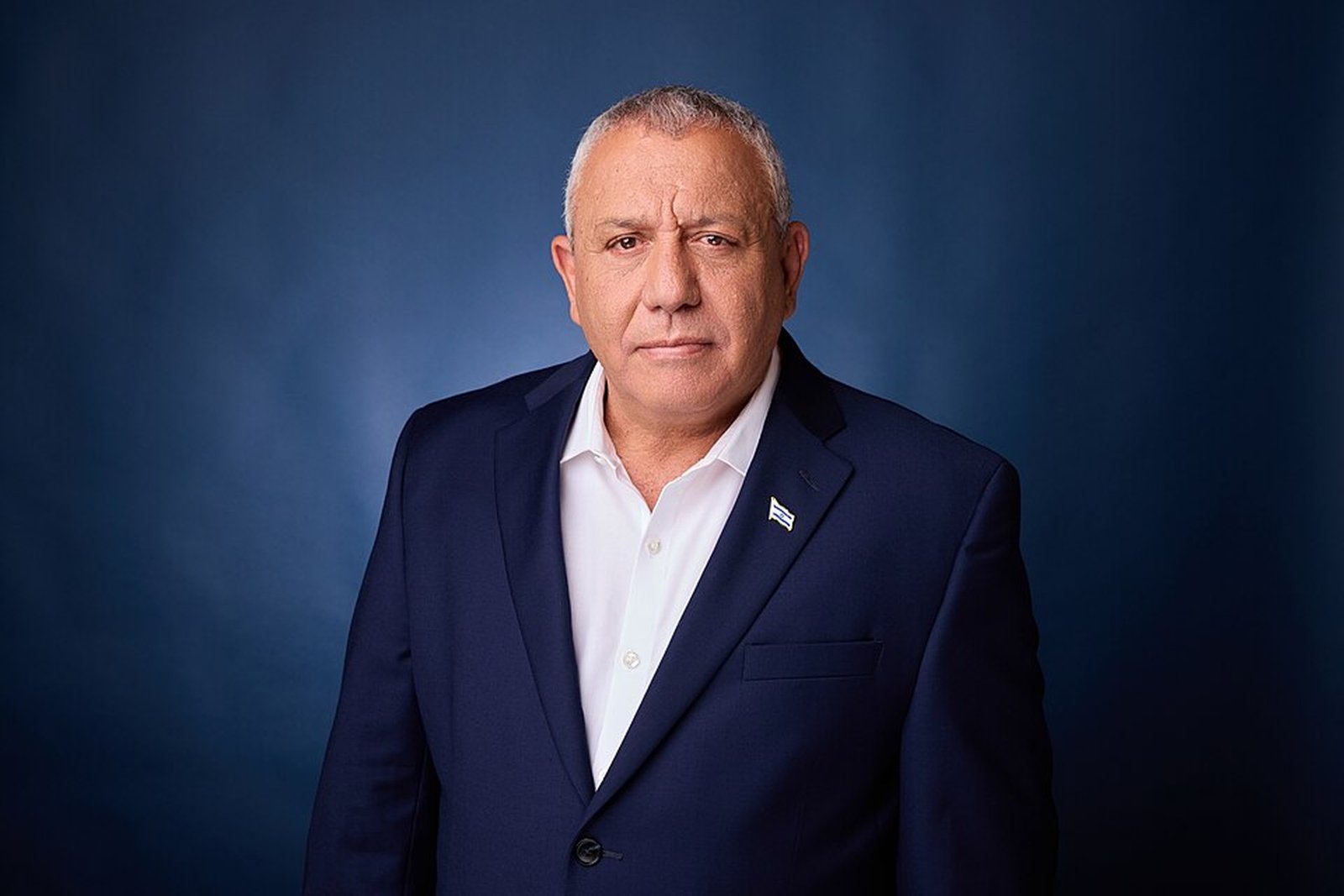
Israel’s president has handed opposition leader Gadi Eisenkot the first chance to form the country’s next government, in a decision that could end Benjamin Netanyahu’s long hold on power. President Isaac Herzog announced the move on Saturday evening, 7 November, after consultations with the leaders of the parties elected to parliament last month.
According to the president’s office, 67 members of the 120-seat Knesset recommended Eisenkot for the task, compared with 46 who backed Netanyahu. Seven lawmakers from the ultra-Orthodox United Torah Judaism party declined to recommend either candidate. Eisenkot is due to receive the formal mandate at a ceremony at the President’s Residence in Jerusalem at 5 pm on Sunday, 8 November.
The decision follows the general election of 27 October, which left neither side with a governing majority. Netanyahu’s right-wing and religious bloc won 53 seats, while the opposition alliance led by Eisenkot won 48. Arab-led parties won a record 19 seats. A government needs the support of at least 61 lawmakers to take office. Netanyahu’s Likud party won 27 seats, six more than Eisenkot’s Yashar party, but that was not enough to secure him the mandate.
Eisenkot, a former chief of staff of the Israel Defense Forces who served as the country’s top military commander from 2015 to 2019, leads the centrist Yashar party, which he founded on an anti-corruption and government reform platform. He entered politics in 2022, emerging as Netanyahu’s principal challenger by bringing together political groups from the centre-left to the right, united mainly by opposition to the incumbent prime minister.
A difficult path to 61 seats
Eisenkot will now have 28 days to put together a coalition government, with a possible 14-day extension if he needs more time. If he succeeds, he would take over as prime minister from Netanyahu, Israel’s longest-serving premier. If he fails, Herzog can give another lawmaker a chance, and if those efforts also fail, Israel could face another election. Netanyahu would remain caretaker prime minister in the meantime.
The recommendations do not guarantee Eisenkot a governing majority, and the coalition talks ahead will be difficult. His support came from 48 lawmakers in his Change Bloc, seven from the Arab party Ra’am and 12 from the Joint List. The Arab-led factions have indicated they are willing to support an alternative to Netanyahu from outside the government rather than joining the coalition, but their involvement remains politically sensitive. Netanyahu has ruled out working with Arab parties and has strongly opposed any government dependent on them.
Eisenkot briefly served in Netanyahu’s emergency war cabinet after the Hamas attacks of 7 October 2023, but left the following year, accusing Netanyahu of failing to make progress towards ending the Gaza war and securing the release of hostages. He lost his son Gal, a reservist killed in Gaza, as well as two nephews during the war. He has since ruled out joining any administration led by Netanyahu.
Disagreements over the Gaza war, national security and military conscription complicate the negotiations. Eisenkot’s options include forming a minority government with external support from Arab lawmakers, negotiating with ultra-Orthodox parties or attempting a broader national unity government. Each option presents serious challenges, and disputes over military service exemptions for ultra-Orthodox men could complicate talks. Netanyahu has not conceded defeat and continues to advocate a national unity government.