Blog

  • 90 برس کے راجہ ذوالقرنین انتقال کر گئے، آزاد کشمیر میں سوگ

    90 برس کے راجہ ذوالقرنین انتقال کر گئے، آزاد کشمیر میں سوگ

    آزاد جموں و کشمیر کے سابق صدر راجہ محمد ذوالقرنین خان 90 برس کی عمر میں 7 نومبر 2026 کو لاہور میں طویل علالت کے بعد انتقال کر گئے۔ آزاد کشمیر حکومت نے ان کے انتقال پر ایک روزہ سوگ کا اعلان کر دیا ہے جبکہ ضلع مظفرآباد میں سرکاری تعطیل ہوگی۔ صدر مملکت آصف علی زرداری نے ان کے انتقال پر افسوس کا اظہار کرتے ہوئے اہل خانہ سے تعزیت کی ہے۔

    مرحوم کی نماز جنازہ کل 8 نومبر کو دوپہر 2 بجے مظفرآباد میں اسلامیہ کالج گراؤنڈ میں ادا کی جائے گی۔ نماز جنازہ کے بعد انہیں میرپور کے علاقے ڈڈیال میں ان کے آبائی قبرستان میں سپرد خاک کیا جائے گا۔

    راجہ محمد ذوالقرنین خان 25 اگست 2006 سے 25 اگست 2011 تک آزاد جموں و کشمیر کے صدر رہے اور انہوں نے پانچ سال تک اس عہدے پر خدمات انجام دیں۔ ان سے قبل محمد انور خان اس عہدے پر فائز تھے جبکہ ان کے بعد سردار محمد یعقوب خان آزاد کشمیر کے صدر بنے۔ وہ آل جموں و کشمیر مسلم کانفرنس سے وابستہ رہے اور آزاد کشمیر کی سیاست میں ان کا شمار تجربہ کار رہنماؤں میں ہوتا تھا۔

    وہ 15 مارچ 1936 کو گجرات میں پیدا ہوئے۔ انہوں نے اپنی سیاسی زندگی میں وفاقی وزیر، آزاد کشمیر قانون ساز اسمبلی کے رکن اور وزیر خزانہ کے طور پر خدمات انجام دیں۔ اپنے سیاسی سفر کے دوران وہ 1985 سے 1995 کے درمیان آزاد کشمیر حکومت میں خزانہ، بلدیات، دیہی ترقی اور بجلی سمیت مختلف محکموں کے وزیر رہے۔ وہ جموں و کشمیر کونسل کے رکن اور وزیراعظم پاکستان کے مشیر بھی رہے۔

    صدر مملکت آصف علی زرداری نے اپنے تعزیتی پیغام میں کہا کہ راجہ ذوالقرنین خان نے آزاد کشمیر اور ملک کی ترقی و خوشحالی کے لیے قیمتی خدمات انجام دیں۔ انہوں نے مرحوم کے اہل خانہ سے تعزیت کا اظہار کیا۔

    آزاد کشمیر میں اعلان کردہ ایک روزہ سوگ کے دوران مرحوم کو خراج عقیدت پیش کیا جائے گا۔ راجہ محمد ذوالقرنین خان آزاد کشمیر کے ان رہنماؤں میں شامل تھے جنہوں نے صدر، وفاقی وزیر اور وزیر خزانہ سمیت کئی اہم عہدوں پر خدمات انجام دیں اور ریاست کی سیاست میں کئی دہائیاں گزاریں۔

  • Qatar Proposes 48-Hour Deal to End US-Iran Conflict

    Qatar Proposes 48-Hour Deal to End US-Iran Conflict

    A new diplomatic opening has emerged in the long-running confrontation between the United States and Iran, with Qatar putting forward a plan that its backers hope can pull both sides back from the edge of a wider war. The proposal, reported by foreign media on Saturday, sets out a short sequence of reciprocal steps designed to rebuild a minimum of trust before the two countries return to the negotiating table.

    What the two-day plan involves

    Under the formula, the first day would see the United States lift its naval blockade of Iran and release a portion of Tehran’s frozen assets, estimated at around $8 billion. In return, Iran would invite inspectors from the International Atomic Energy Agency (IAEA) to visit nuclear facilities damaged in earlier American strikes, including sites that hold its stockpile of highly enriched uranium. On the second day, Iran would reopen the Strait of Hormuz to international shipping.

    The arrangement would then clear the way for broader negotiations on Iran’s nuclear programme, with the future of its enriched uranium stockpile at the centre of the talks. According to the Associated Press, Iran holds 440.9 kilograms of uranium enriched to 60 percent purity. Crucially, the Qatari plan does not require Tehran to send that stockpile out of the country; reducing its enrichment level through a process known as down-blending is among the options under discussion.

    The stakes extend well beyond the two capitals. The Strait of Hormuz carries roughly a fifth of the world’s traded oil and liquefied natural gas, and its closure has rattled energy markets and shipping for weeks. Restoring passage through the waterway, even temporarily, would ease pressure on fuel prices and on the Gulf economies that depend on the route.

    For now, however, the plan remains only a proposal. No final agreement has been reached, and neither Washington nor Tehran had accepted the terms as of Friday, according to the reports. Tehran is said to remain cautious about readmitting United Nations inspectors, fearing that sensitive information gathered during visits could reach the United States and Israel, and questioning the credibility of the IAEA’s leadership after the strikes on its facilities. Iran has also set out wider conditions, including an end to sanctions, the release of frozen funds and compensation for war damage.

    Qatar’s Emir, Sheikh Tamim bin Hamad Al Thani, has discussed the initiative directly with US President Donald Trump, stressing the importance of dialogue and diplomacy to prevent further escalation. Qatar’s prime minister said on Saturday that mediation was continuing and that Washington remained ready to seek a solution, even after the midterm elections. The Associated Press also reported fresh limited American strikes on Friday against an Iranian air-defence system, a reminder of how fragile the diplomatic track remains.

    If the two sides accept the confidence-building steps, expanded talks would follow on the nuclear programme and the other disputes between them. For the moment, diplomats in Doha are working to keep that window open, and to keep the region’s most dangerous standoff from sliding back into open conflict.

  • New auto policy: cheaper cars, cleaner air, $6bn export goal

    New auto policy: cheaper cars, cleaner air, $6bn export goal

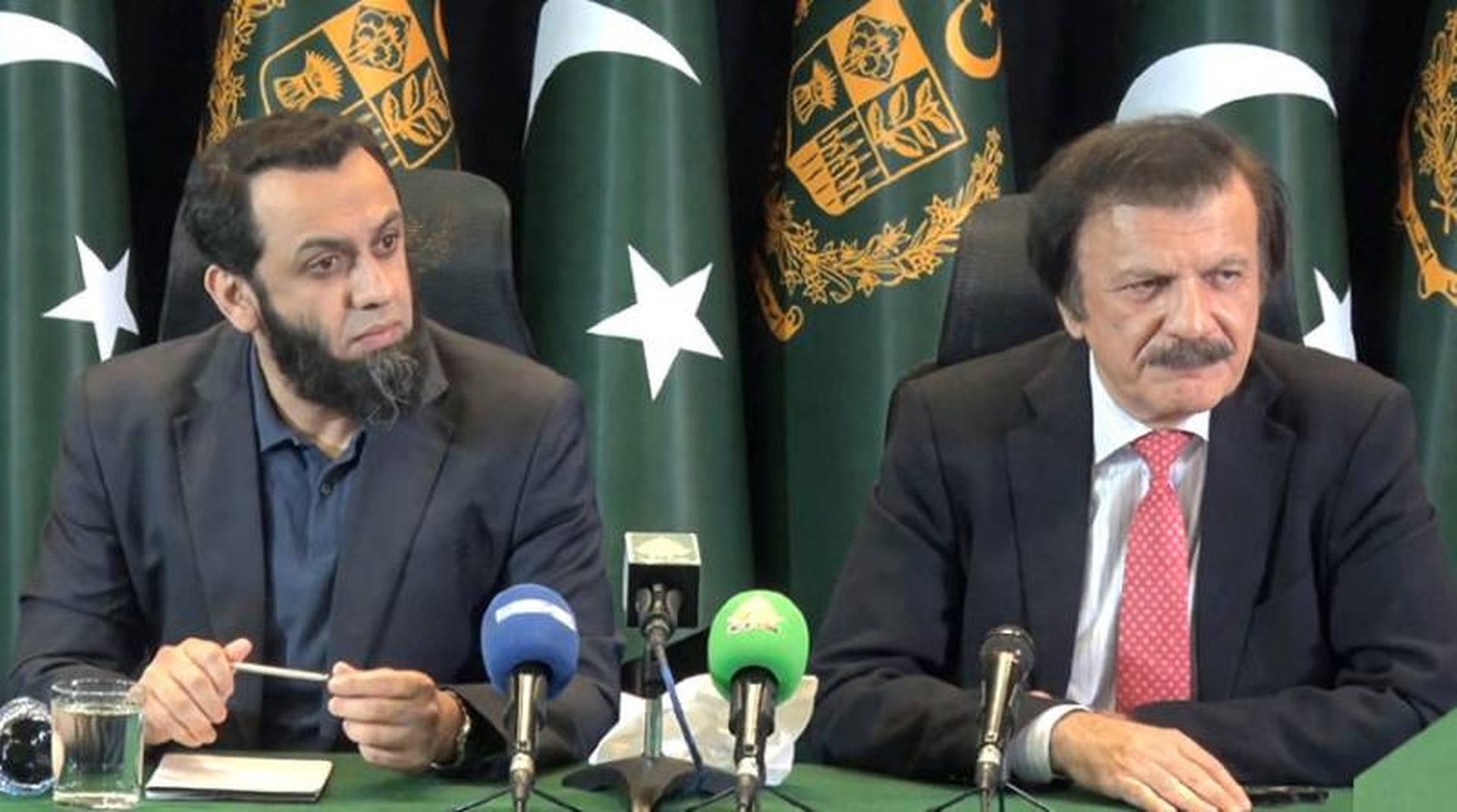
    Federal Information Minister Attaullah Tarar and Industries Minister Haroon Akhtar Khan jointly chaired a meeting of the newly formed Auto Industry Committee on Saturday, as the government moves to finalise a new auto policy aimed at cheaper cars, cleaner air and stronger exports. The meeting brought together stakeholders from across the auto sector, and the committee is now preparing its recommendations in consultation with the industry.

    Tarar said the new auto policy will reduce petrol imports, improve the environment and bring down car prices. He said the government is taking practical steps to make cars more affordable, cut pollution and boost exports, adding that the policy would support both the industry and consumers.

    Haroon Akhtar said the policy was prepared after consultation with all stakeholders and will improve vehicle safety, standards and quality while boosting exports. He said the policy will be finalised after the committee’s recommendations and formally announced once it is approved by the federal cabinet.

    According to Radio Pakistan, the framework rests on six pillars: lower-cost vehicles for middle and lower-middle income buyers, higher exports, wider use of electric vehicles, greater local manufacturing, improved vehicle safety and greater transparency. Khan said customs duties on imports have been cut to bring down production costs, which he expected would make locally built vehicles easier for low-income buyers to afford. Lowering the prices of vehicles with engines below 1300cc is a special priority for the prime minister, he added.

    The government has set a target of $6 billion in automobile-related exports over the next five years, with new measures to deepen localisation and boost car exports. Prime Minister Shehbaz Sharif had already given in-principle approval to the five-year framework, known as the Automotive Industry Development and Export Policy 2026-31, in October, and the completed draft was approved before being sent on for further government approval. Final clearance and enabling legislation are still required before the fiscal measures can take effect.

    Electric vehicles at the centre of the plan

    Electric and new-energy vehicles sit at the centre of the plan. Under proposals reported earlier, battery electric vehicles would attract just 1 percent sales tax, against 6 percent for range-extended electric vehicles and 9 percent for plug-in hybrids, while hybrid and conventional petrol and diesel vehicles would remain at 18 percent. Small imported electric cars valued under $15,000 could face only 5 percent customs duty in the first two years of the policy, and the government has proposed bringing the average import tariff down to 15 percent by 2030-31.

    Officials have noted that around 80 percent of environmental pollution is caused by vehicular emissions, which is why encouraging electric and hybrid vehicles is central to the government’s climate strategy. Financing limits for electric vehicles are proposed to rise from Rs3 million to Rs10 million, with loan tenures extended from three to five years.

    Pakistan’s car market has long been dominated by a small number of local assemblers, and buyers have often complained about the high price of new vehicles. The new policy aims to move the sector beyond import reliance and basic assembly towards domestic manufacturing with stronger export potential. For vehicle bookings, manufacturers would be barred from demanding an advance of more than 20 percent of a vehicle’s price.

  • Hridoy’s Record 242* Rescues Bangladesh in Sylhet Test

    Hridoy’s Record 242* Rescues Bangladesh in Sylhet Test

    When Towhid Hridoy walked out to bat in Sylhet on Saturday, Bangladesh were sliding towards a heavy first-innings deficit. By the time he walked off, unbeaten and exhausted, he had played the greatest innings ever by a Bangladesh batter in Test cricket, and turned the second Test against West Indies on its head.

    Hridoy finished on 242 not out, the highest individual Test score by a Bangladesh player, passing Mushfiqur Rahim’s 219 not out against Zimbabwe in 2018. The 25-year-old, playing only his third Test, became just the fourth Bangladesh batter to score a Test double century, after Mushfiqur, Tamim Iqbal and Shakib Al Hasan. His innings, spread over 359 balls, included 22 fours and 11 sixes, and accounted for nearly 63 percent of Bangladesh’s total.

    The scale of the rescue is hard to overstate. Bangladesh resumed the third day on 88 for 3, still 268 runs behind West Indies’ first-innings total of 356, with Hridoy on 29. The slide continued as Mushfiqur fell for 34 after a 73-run stand, Litton Das went for eight, and the hosts collapsed to 184 for 7, with opener Shadman Islam unable to bat because of an ankle injury.

    From there, Hridoy took charge. He reached his maiden Test fifty off 109 balls and his first century off 171 deliveries, then accelerated through the afternoon. A 117-run stand for the eighth wicket with Taijul Islam, who made 22, dragged Bangladesh to within 38 runs of the visitors’ total by tea. Hridoy brought up his double century with a single in the 100th over, then moved past Mushfiqur’s record with a boundary, before a final 85-run stand with last man Taskin Ahmed, who scored 12, carried the total to 386, a lead of 30.

    The numbers underline how rare the feat was. According to ESPNcricinfo, the 213 runs Hridoy scored on the day were the most by a Bangladesh batter in a single day of Test cricket, and his 11 sixes were the most by a Bangladesh player in a Test innings. His share of the team total was the highest ever by a Bangladesh batter in a completed Test innings.

    The praise came from both dressing rooms. “That was an outstanding innings. It’s an unbelievable innings in the end,” Bangladesh head coach Phil Simmons told reporters, adding that Hridoy had judged every situation superbly. West Indies spinner Jomel Warrican, who took 4 for 104, was equally generous: “He played a beautiful innings; he put Bangladesh in a good position. The way he batted was special.”

    By stumps, West Indies had reached 7 without loss in their second innings, with Brandon King on five and Joshua Da Silva on two, still trailing by 23 runs. The match remains finely balanced, but the day, and the record books, belonged to one man.

  • Araghchi Speaks to 12 Foreign Ministers in Just Two Days

    Araghchi Speaks to 12 Foreign Ministers in Just Two Days

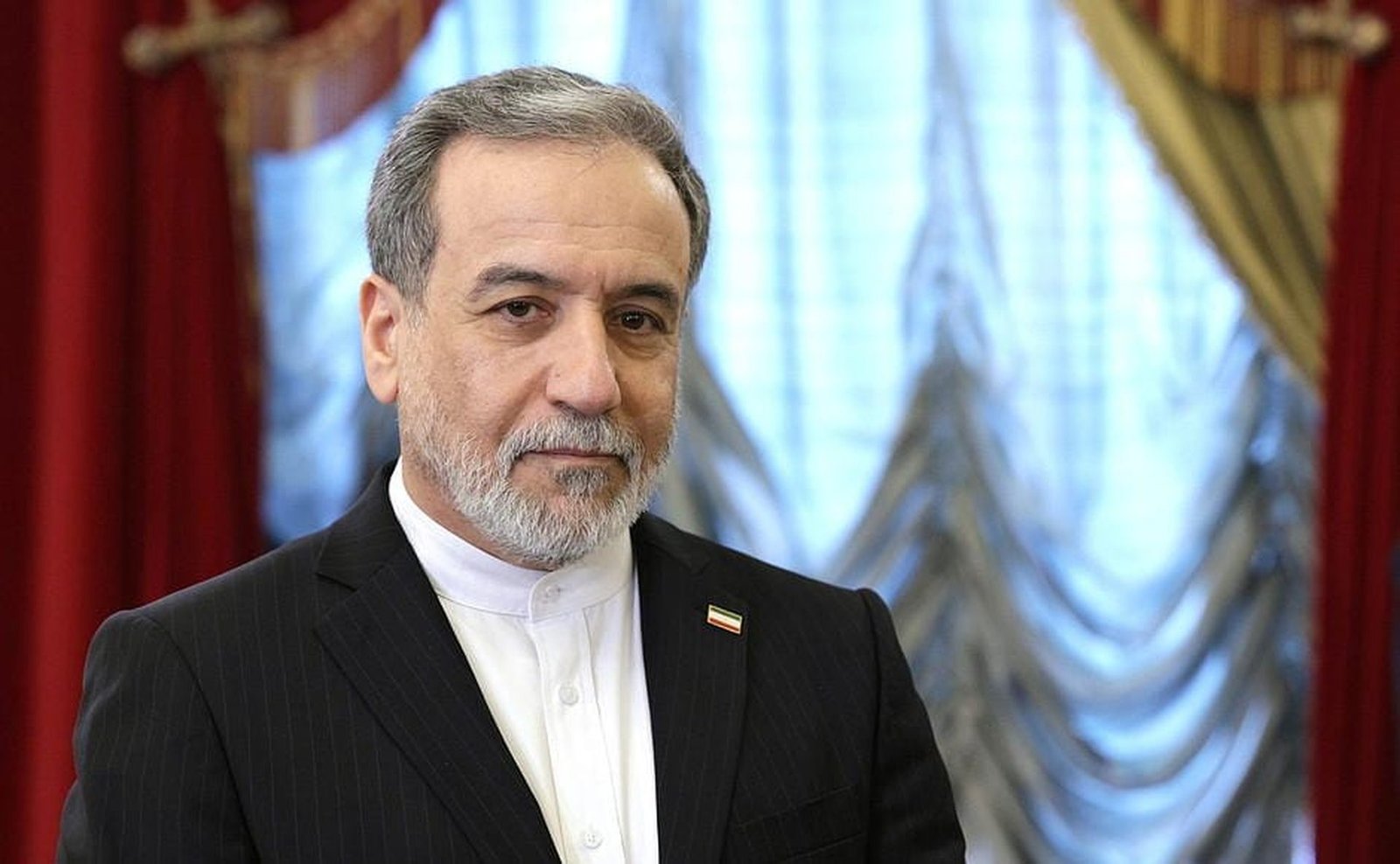
    Iran’s Foreign Minister Abbas Araghchi says he has spoken by telephone with 12 foreign ministers in the space of two days, as Tehran steps up a diplomatic push to calm tensions across the region.

    In a post on Instagram on Saturday, Araghchi said he had set out Iran’s “fundamental positions” in the calls and discussed the need to respect national sovereignty, bring an end to aggression and threats, avoid harmful foreign interference and stop insecurity from spreading. He also argued for regional security arrangements that do not involve powers from outside the region, according to reports of his post.

    The calls, held over the previous 48 hours, included his counterparts from Türkiye, Pakistan, Qatar, Oman, Egypt, Jordan, the Greek Cypriot administration of Southern Cyprus, Saudi Arabia, the United Arab Emirates, Kuwait, Tunisia and Iraq, Araghchi said.

    Talks come amid the US-Iran standoff

    The diplomatic round comes as efforts continue to contain the standoff between Washington and Tehran and to head off any return to open military confrontation. The United States has been pressing Iran for concessions over its nuclear programme as a condition for resuming negotiations, while Tehran has called for the lifting of US sanctions, the release of frozen Iranian funds and permission to export oil.

    The two sides have been exchanging messages through intermediaries in recent weeks. Araghchi has previously said Iran is ready to implement a plan to reopen the Strait of Hormuz within days if its conditions are met, and mediators from Qatar and Pakistan have been involved in carrying proposals between the two capitals.

    Iranian state media also reported that Araghchi spoke separately with his Tunisian counterpart, Mohamed Ali Nafti, late on Friday, with the two men discussing diplomatic efforts to ease tensions and strengthen regional stability. He also held a call with Iraqi Foreign Minister Fuad Hussein, during which Iraq proposed a committee of regional foreign ministers to travel between Tehran and Washington in search of a peaceful settlement, according to Iraqi officials.

    In the same round of calls, Araghchi reaffirmed what Tehran describes as Iran’s legitimate right to defend its sovereignty and national security, according to Iran’s Tasnim news agency, which said he stressed the need for regional security arrangements free from interference by outsiders.

  • Tharparkar Calamity-Hit as Drought Destroys 90% of Crops

    Tharparkar Calamity-Hit as Drought Destroys 90% of Crops

    The Sindh government has decided to declare Tharparkar a calamity-hit district after a severe drought destroyed most of this season’s crops, prompting Chief Minister Murad Ali Shah to order urgent relief measures for the desert district’s residents.

    At a meeting in Karachi, the chief minister was told that all seven talukas of Tharparkar are facing drought-like conditions. According to the briefing, between 85 and 90 per cent of crops in the district have been destroyed or rendered unproductive, while the agriculture extension department estimated the damage at about 90 per cent.

    Officials linked the crop failure to the lack of rain. Only 1 to 36 millimetres of rain was recorded across the seven talukas in September 2026, and the rainfall that did arrive was uneven. As a result, crops and the natural grass that livestock depend on dried up before they could mature.

    Tharparkar is a desert district where farming and grazing depend almost entirely on monsoon rain. Its rain-fed crops include millet, cluster bean and green gram, and when the rains fail, both harvests and fodder disappear at the same time, leaving farming families and herders in difficulty.

    The chief minister directed officials to make sure drinking water reaches the people of Tharparkar. He ordered the immediate repair of reverse osmosis plants that are not working and the restoration of all existing water supply sources without delay.

    He also asked the chief secretary to examine whether a water pipeline can be laid from Naukot to Mithi, the district headquarters, and called for long-term planning to secure the area’s water supply. On livestock, he sought recommendations on measures to protect animals affected by the drought.

    Relief work in the affected areas will be monitored continuously, officials said. The chief minister said the provincial government would not leave the people of Tharparkar alone and would provide every possible assistance. The government’s stated priorities are drinking water, protecting livestock and relief for affected families.

    The declaration as a calamity-hit district is expected to unlock formal relief measures for the district, where the loss of the harvest has hit household incomes and the local food supply. For now, the administration’s immediate task is to keep water flowing, keep animals alive and reach families whose crops have failed.

  • Shah’s Son Reza Pahlavi Says He Is Ready to Lead Iran

    Shah’s Son Reza Pahlavi Says He Is Ready to Lead Iran

    Reza Pahlavi, the exiled son of Iran’s ousted shah, accepted a German freedom prize in Frankfurt on Saturday and renewed his offer to lead his country through a democratic transition, saying he held the honour only in trust until a freely elected government takes power in Tehran.

    Pahlavi received the Freedom Prize from the Friedrich Naumann Foundation, a body close to Germany’s liberal Free Democratic Party, at a ceremony in Frankfurt’s historic St Paul’s Church. The award was presented on behalf of the Iranian people, in recognition of their resistance to the hardline Islamist government in Tehran.

    Speaking at the ceremony, Pahlavi said Iran was not a country waiting to be taught democracy. “Iran is a country not waiting to be taught democracy, this is a country being prevented from practising it,” he said. “A people ready to die for the right to vote is willing to exercise the right to vote.” He said he accepted the prize only as a trustee. “I hold it only temporarily,” he told the audience. “One day I will place it in the hands of its rightful owners, not on foreign soil but in the capital, Tehran.”

    Pahlavi, who lives in exile in the United States, has put himself forward as a transitional leader should the current government in Tehran fall. At a press conference in Paris, he said he was submitting himself to his compatriots to lead them toward peace and a democratic transition, calling the moment Iran’s “Berlin Wall moment”. He said he did not seek power for himself, but wanted to guide the country toward stability, freedom and justice, based on three principles: Iran’s territorial integrity, individual liberties and equality for all citizens, and the separation of religion and state. The final form of government, he has said, should be decided by Iranians in a national referendum.

    Thousands of demonstrators, many of them his supporters waving pre-revolutionary Iranian flags, gathered in Frankfurt for the ceremony, according to police. Inside, the largely Iranian-origin audience repeatedly interrupted the ceremony with chants of “Long live the shah, long live Iran!”

    The award was not welcomed by everyone. About 200 prisoners held in Iran signed a letter protesting against Pahlavi receiving the prize, according to a spokeswoman for the Society for German-Iranians in Hesse, who said they considered him a symbol of a “bygone dictatorship”. The Frankfurt branches of the centre-left Social Democrats and the Greens boycotted the event, arguing Pahlavi could not be considered a legitimate representative of the Iranian people. Critics also point to his vocal support for Israel and say he has failed to distance himself sufficiently from his father’s autocratic rule. His father, Mohammad Reza Pahlavi, was the last shah of Iran, who fled into exile in 1979 ahead of the revolution that overthrew the monarchy.

    Anti-government protests broke out in Iran late last year and were suppressed in a January crackdown that rights groups say killed tens of thousands. His appearance came as tensions between the United States and Iran remain high: President Donald Trump confirmed on Friday that US forces had carried out limited strikes against Iranian air defences on Qeshm Island in the Strait of Hormuz, while Iran said its air defences had shot down American drones there, a claim Washington has not confirmed.

  • رائیونڈ اجتماع کا پہلا مرحلہ مکمل، دوسرا مرحلہ 12 نومبر سے

    رائیونڈ اجتماع کا پہلا مرحلہ مکمل، دوسرا مرحلہ 12 نومبر سے

    لاہور کے قریب رائیونڈ میں سالانہ عالمی تبلیغی اجتماع کا پہلا مرحلہ اتوار کی صبح اختتامی دعا کے ساتھ مکمل ہو جائے گا، جس کے بعد شرکاء کی واپسی کا عمل شروع ہوگا۔ اجتماع کا دوسرا مرحلہ جمعرات 12 نومبر سے شروع ہوگا اور 15 نومبر کو اختتامی دعا کے ساتھ اختتام پذیر ہوگا۔

    اجتماع کا پہلا مرحلہ جمعرات 5 نومبر کو شروع ہوا تھا۔ ہر مرحلہ جمعرات کی سہ پہر سے شروع ہو کر اتوار کی صبح طویل اختتامی دعا پر ختم ہوتا ہے۔ اجتماع کو 2011 سے دو مرحلوں میں تقسیم کیا جاتا ہے تاکہ انتظامی اور سکیورٹی انتظامات کو بہتر طریقے سے سنبھالا جا سکے۔

    لاہور ٹریفک پولیس نے اجتماع کے لیے جامع ٹریفک پلان جاری کیا ہے۔ رائیونڈ روڈ، سندر روڈ اور مانگا روڈ سمیت سات داخلی راستے مقرر کیے گئے ہیں جبکہ ٹریفک کی روانی برقرار رکھنے کے لیے دس مقامات پر ڈائیورشن پوائنٹس قائم کیے گئے ہیں۔

    شرکاء کی گاڑیوں کے لیے مختلف مقامات پر پارکنگ کا انتظام کیا گیا ہے، جہاں 2,800 بڑی گاڑیوں، 5,400 کاروں اور 10,000 موٹر سائیکلوں کی گنجائش مختص کی گئی ہے۔ ٹریفک انتظامات کے لیے مجموعی طور پر 1,103 افسران و اہلکار تعینات کیے گئے ہیں، جن میں سات ڈی ایس پیز، 203 انسپکٹرز اور سینئر ٹریفک وارڈنز اور 866 ٹریفک وارڈنز اور اسسٹنٹس شامل ہیں۔ 15 لفٹرز اور نو بریک ڈاؤن گاڑیاں بھی ڈیوٹی پر رہیں گی۔

    اختتامی دعا اور شرکاء کی واپسی کے پیش نظر اتوار کی صبح 6 بجے سے دوپہر ایک بجے تک رائیونڈ جانے والے تمام اہم راستے ٹریفک کے لیے بند رہیں گے۔ چیف ٹریفک آفیسر لاہور سید عبدالرحیم شیرازی کے مطابق اختتامی دعا کے موقع پر رائیونڈ سٹی آنے والی شاہراہوں پر شرکاء کی گاڑیوں کو یکطرفہ چلایا جائے گا جبکہ رائیونڈ جانے والی ٹریفک معطل رہے گی۔

    پاجیاں موڑ، قزلباش چوک، موٹروے اور ٹھوکر نیاز بیگ تک رائیونڈ روڈ پر دونوں اطراف یکطرفہ ٹریفک چلائی جائے گی۔ بھوبتیاں چوک سے موہلنوال، سندر روڈ، مانگا روڈ، کوٹ رادھا کشن روڈ اور سوئے آصل روڈ پر بھی خصوصی ٹریفک پلان نافذ ہوگا۔ انخلاء کے دوران موٹروے اور رنگ روڈ سے رائیونڈ کی جانب ٹریفک کو اترنے کی اجازت نہیں ہوگی۔

    شرکاء کی واپسی کے لیے پہلے موٹر سائیکل اور رکشہ اسٹینڈز، پھر کار اور ویگن اسٹینڈز اور آخر میں بس اور ٹرک اسٹینڈز خالی کروائے جائیں گے۔ ٹریفک پولیس نے شہریوں کو اس دوران رائیونڈ روڈ پر سفر سے گریز کرنے کی ہدایت کی ہے، جبکہ ٹریفک رہنمائی کے لیے ہیلپ لائن 15 پر رابطہ کیا جا سکتا ہے۔

    دوسری جانب ڈپٹی کمشنر لاہور کیپٹن (ر) محمد علی اعجاز نے اجتماع گاہ کا دورہ کر کے انتظامات کا جائزہ لیا۔ انتظامیہ کے مطابق اجتماع میں 109 ممالک کے زائرین شریک ہیں۔ طبی سہولیات، پارکنگ اور صفائی کے انتظامات یقینی بنانے کی ہدایات بھی جاری کی گئی ہیں۔

    رائیونڈ اجتماع دنیا کے بڑے مذہبی اجتماعات میں شمار ہوتا ہے، جس میں پاکستان بھر اور بیرون ملک سے ہزاروں افراد شریک ہوتے ہیں۔ اختتامی دعا کے بعد شرکاء کی جماعتیں تشکیل دی جاتی ہیں جو تبلیغ کے لیے ملک کے مختلف حصوں اور بیرون ملک روانہ ہوتی ہیں۔

  • Pakistan Restarts Offshore Oil Hunt After 20 Years

    Pakistan Restarts Offshore Oil Hunt After 20 Years

    Pakistan is preparing to return to its offshore waters in search of oil and gas after a gap of nearly twenty years, with a Turkish seismic survey vessel due to arrive in Karachi between November 17 and 20.

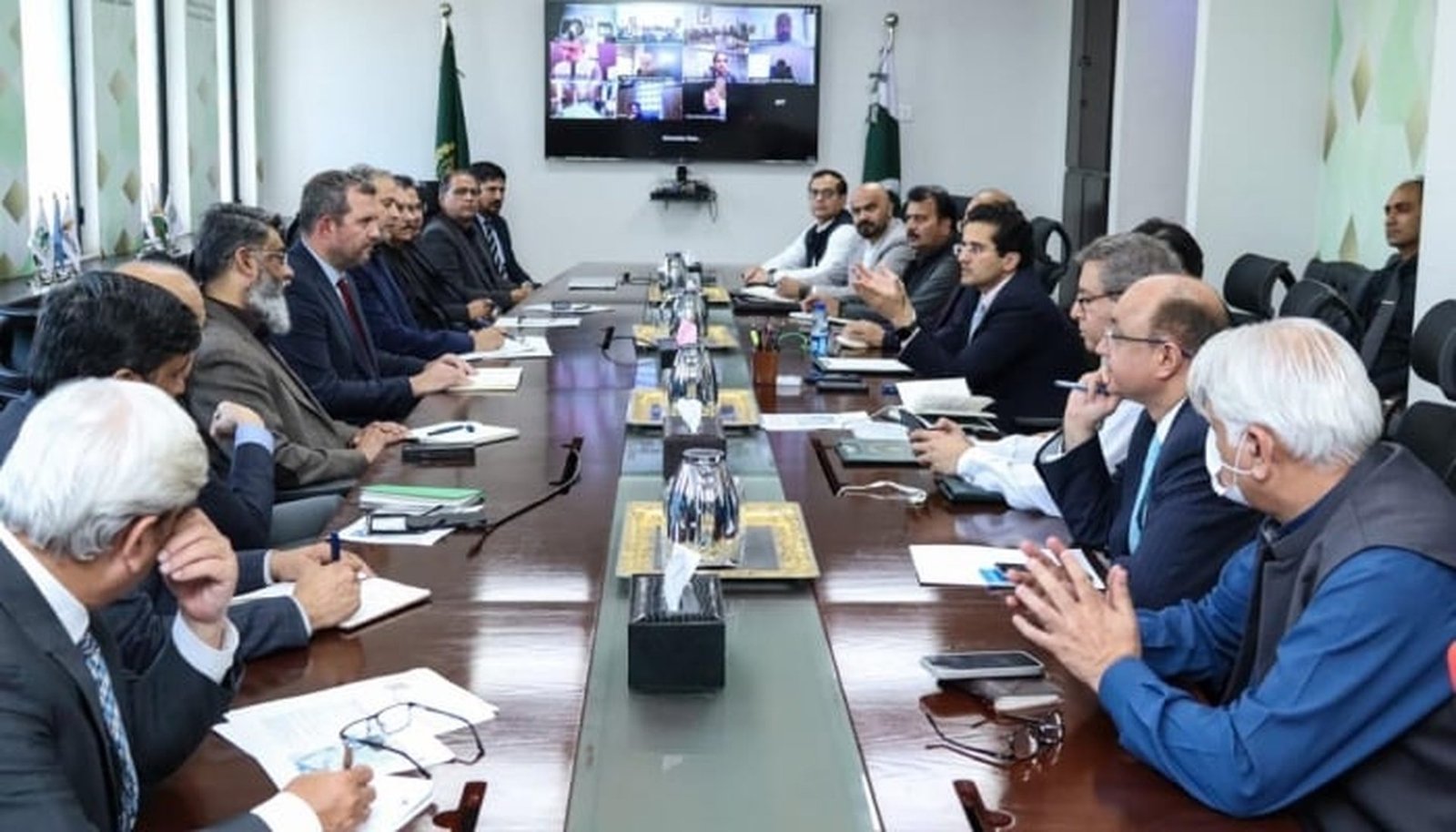
    The Petroleum Division announced the plan on Friday, after Federal Minister for Petroleum Ali Pervaiz Malik chaired a high-level meeting in Islamabad to review preparations for the vessel’s arrival. The minister said the government would extend full support to the initiative and described it as a milestone in energy cooperation between Pakistan and Türkiye. He added that he would try to personally receive the vessel when it reaches Karachi, calling it a special moment for the friendship between the two countries.

    The vessel is operated by the Turkish Petroleum Offshore Company, the offshore arm of the Turkish Petroleum Corporation. Its first survey will focus on the Eastern Offshore Indus C block in the Arabian Sea, where the Turkish company holds a 25 per cent stake and the operatorship. Pakistan Petroleum Limited holds 35 per cent of the block, while the Oil and Gas Development Company Limited and Mari Energies each hold 20 per cent. Pakistani media have identified the vessel as the Oruc Reis, although the Petroleum Division’s announcement did not name it.

    A seismic survey vessel does not drill for oil. The ship will map geological structures beneath the seabed to identify areas that may hold oil or gas and to pick out possible locations for future drilling. The survey alone cannot confirm whether commercially viable reserves exist. That can only be established through exploratory drilling and further technical and commercial evaluation, which would come months or years later and only if the survey results justify it.

    The campaign follows Pakistan’s Offshore Bid Round 2025, launched after an 18-year gap, which offered exploration licences across 40 blocks in the Indus and Makran offshore basins. Twenty-three of those blocks were awarded. Earlier estimates cited by Dawn put the potential of the Eastern Offshore Indus C block at around 1.5 to 2 trillion cubic feet of gas, based on earlier seismic work, but that figure is not a confirmation of recoverable reserves. The most recent offshore well, Kekra-1, was drilled in 2019 by a consortium led by ExxonMobil and ENI and found no commercial hydrocarbons.

    The meeting in Islamabad was attended by the secretary petroleum, senior Petroleum Division officials, the Turkish company’s project manager and the managing directors of the Oil and Gas Development Company, Pakistan Petroleum Limited and Government Holdings. Representatives of the ministries of foreign affairs, maritime affairs, defence and interior, along with the National Hydrographic Office, the Board of Investment and the Directorate General Ports and Shipping, also took part. The minister directed the Petroleum Division and the departments concerned to coordinate closely so that maritime permissions, port arrangements and security are completed in time.

    What happens next

    Once the vessel reaches Karachi, the survey campaign will begin mapping the seabed. Officials say the results will shape future decisions on exploratory drilling, and that a successful campaign could attract further investment and help Pakistan reduce its reliance on imported fuel. For now, however, the announcement marks a restart rather than a discovery, and the real test will be what the survey data shows.

  • Babar Leads 16 as Pakistan Add Four for Sri Lanka Tests

    Babar Leads 16 as Pakistan Add Four for Sri Lanka Tests

    Pakistan have strengthened their Test squad two days before the first ball of the home series against Sri Lanka, adding four players to the side led by Babar Azam. The Pakistan Cricket Board confirmed the changes on Saturday, with three of the four additions earning their first call-ups to the national team.

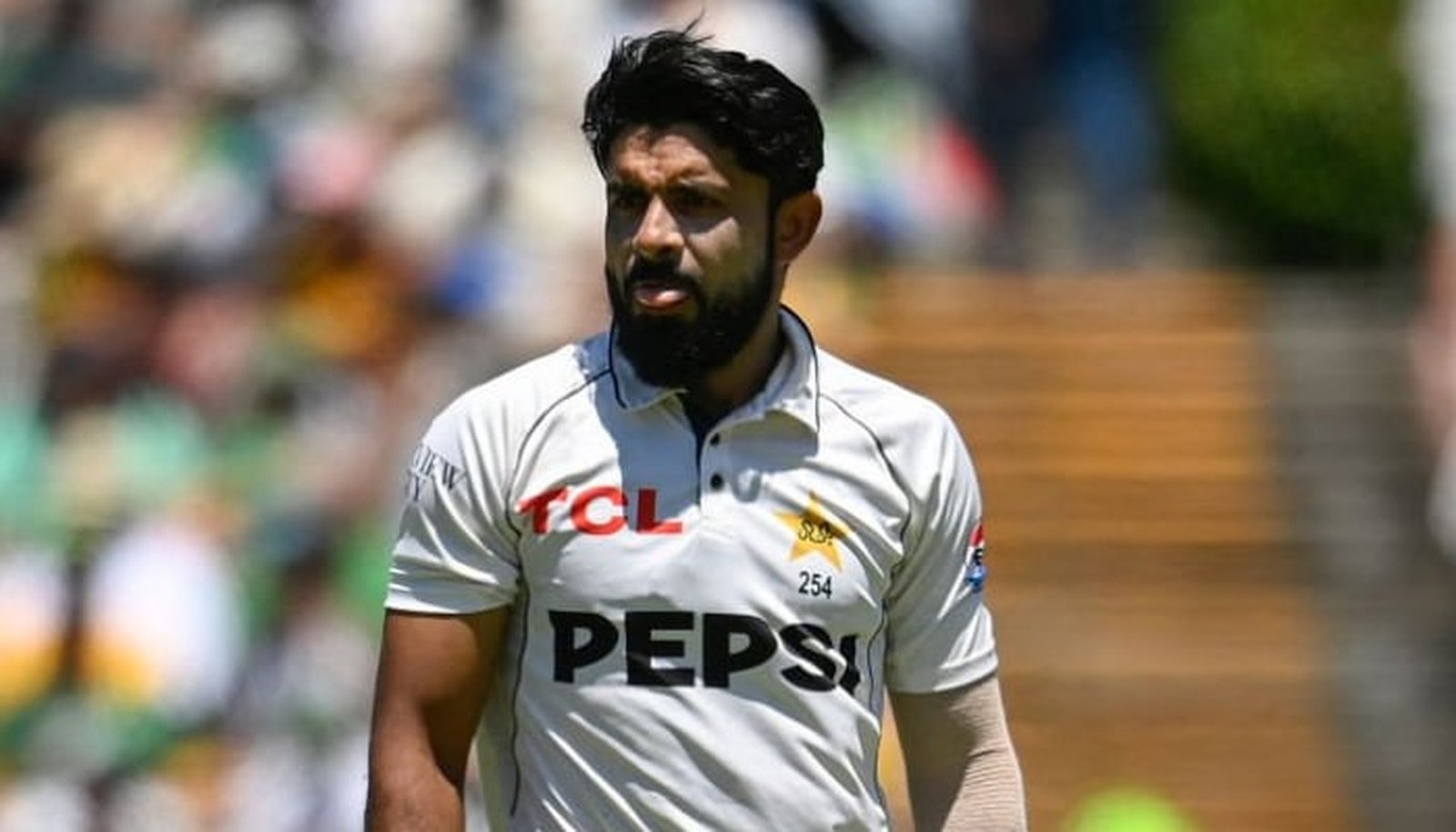
    Pace-bowling all-rounder Aamer Jamal returns to the Test setup, while batter Muhammad Tayyab Arif and fast bowlers Ali Shabbir and Saqib Khan have been picked for the first time. All four featured for the PCB Patron’s XI in the three-day practice match against Sri Lanka at the Islamabad Club, which ran from 4 to 6 November.

    The board had earlier said two fast bowlers would be added after the practice match. In the end it brought in four players, taking the squad from 14 to 16, and released top-order batter Abdullah Fazal and left-arm spinner Ali Usman, who had been part of the initial squad.

    Domestic form earns the call-ups

    Jamal, 30, has played nine Tests, three one-day internationals and six T20 internationals for Pakistan. The board said he was recently the player of the final in the President’s Trophy Grade-I, where his bowling figures of seven for 32 and a valuable 55 with the bat turned the match in favour of eventual winners Markhor IT Solutions. He also led Lahore Whites in the opening round of the Quaid-e-Azam Trophy Gold, taking three wickets and scoring 74 and 23.

    Tayyab, a right-hand batter, impressed in the departmental first-class tournament, where he led Kingsmen Academy and scored 727 runs in seven matches at an average of 66.09, including three centuries in his first season at that level.

    Ali, 19, has taken 22 wickets in eight first-class matches and picked up three wickets against Sri Lanka in the practice game. Saqib played a key role in Karachi Blues’ title run in the Quaid-e-Azam Trophy 2025-26, taking 47 wickets in nine matches at an average of 20.60, with a best of seven for 34.

    The updated 16-member squad is: Babar Azam (captain), Aamer Jamal, Ali Shabbir, Arafat Minhas, Azan Awais, Mohammad Abbas, Mohammad Ghazi Ghori, Mohammad Suleman, Mohammad Taha, Muhammad Tayyab Arif, Razaullah, Saad Baig, Salman Ali Agha, Sameer Minhas, Saqib Khan and Saud Shakeel.

    The two-match series is part of the ICC World Test Championship 2025-27. The first Test begins on Monday, 9 November, at the Rawalpindi Cricket Stadium and runs until 13 November, while the second Test is scheduled for 17 to 21 November at the Gaddafi Stadium in Lahore.