Language: English

  • Pakistan strongly condemns Houthi attack on civilian power facility in Madinah

    Pakistan strongly condemns Houthi attack on civilian power facility in Madinah

    ISLAMABAD: Pakistan on Friday strongly condemned the attack by the Houthi militia on the Taibah power distribution station in Madinah on September 29, 2026. According to the Foreign Office, the drone attack targeted civilian infrastructure supplying electricity to the Holy Prophet’s (PBUH) Mosque.

    In a statement issued by Foreign Office Spokesperson Ambassador Sajjad Haider Khan, the attack was described as a grave provocation and a matter of deep concern and anguish for millions of Muslims worldwide. The statement said the sanctity of the Two Holy Mosques and the safety of worshippers and pilgrims must be respected under all circumstances.

    Sajad Haider Khan called for an immediate and unconditional end to such reckless actions, which he said also constituted a grave threat to regional peace and security.

    He said Pakistan reaffirmed its unwavering solidarity with the brotherly Kingdom of Saudi Arabia and expressed its full support for the Kingdom’s sovereignty, territorial integrity and security. Pakistan stood firmly with Saudi Arabia in its efforts to safeguard the Two Holy Mosques, protect its people and ensure the safety of pilgrims.

    The statement concluded with Pakistan pledging to continue all efforts for achieving lasting peace and stability in the region.
  • HEC bars new admissions in private, annual-mode associate degree programmes

    HEC bars new admissions in private, annual-mode associate degree programmes

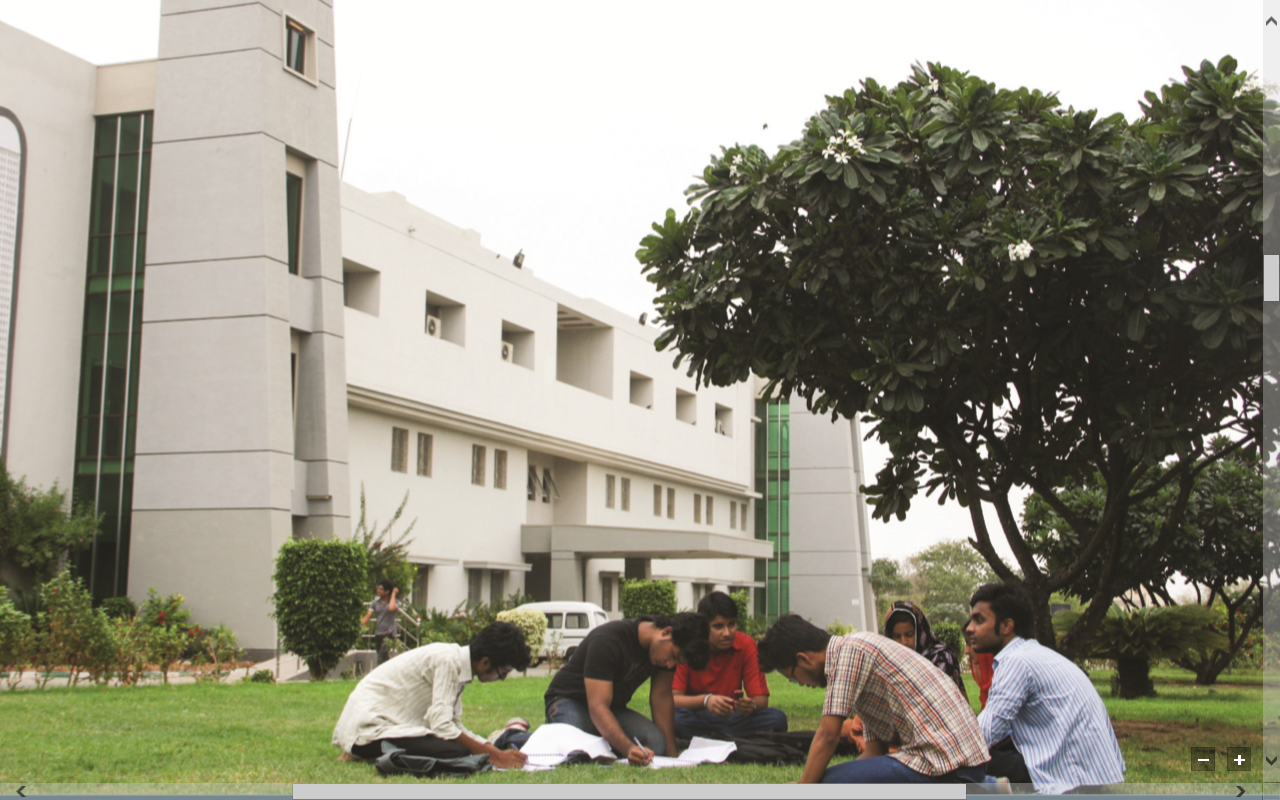
    The Higher Education Commission (HEC) of Pakistan has issued a notification directing all affiliated colleges and universities to immediately halt new admissions in Associate Degree Programmes (ADPs) offered via the traditional annual examination system and private-candidate mode.

    The directive enforces the HEC’s Undergraduate Education Policy. The traditional two-year BA/BSc degrees were phased out in favour of the Associate Degree Programme, designed as a market-oriented, semester-based curriculum.

    According to the commission, several institutions simply rebranded their old BA/BSc structures as “associate degrees” without implementing the mandated academic overhaul. These programmes were being offered as private-candidate registrations relying purely on an annual examination system, bypassing the required semester structure, skill-based curricula and internal continuous assessments.

    Universities have been directed to submit consolidated enrolment data of currently studying students, verified by the Registrar, Controller of Examinations and Vice Chancellor. All future ADPs must follow the official semester-based undergraduate policy.

    The announcement has caused anxiety among thousands of private candidates, working professionals and remote learners who depend on flexible study options. Student bodies have voiced concern that closing the private route removes a vital educational lifeline for underprivileged segments of society.

    Higher education analysts say universities must introduce affordable online or blended alternatives to prevent a sharp decline in enrolment among mature students. Institutional registrars are reportedly reviewing transitional guidelines for students already enrolled, though new enrolments are strictly prohibited.

  • Pakistan storm into Asian Games 2026 final with six-wicket win over Bangladesh

    Pakistan storm into Asian Games 2026 final with six-wicket win over Bangladesh

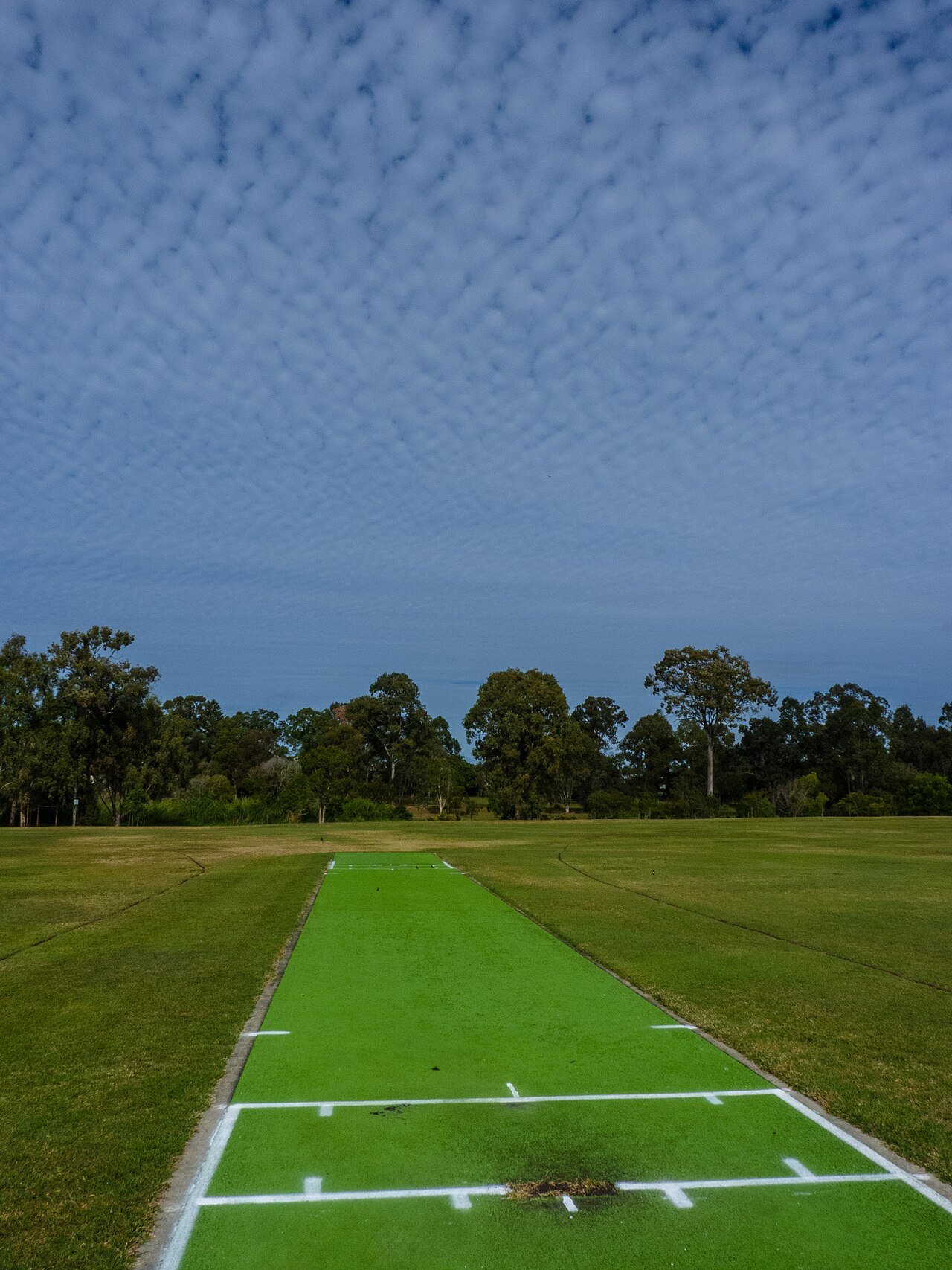
    Pakistan’s men reached the Asian Games 2026 cricket final on Thursday, defeating Bangladesh by six wickets in a rain-shortened semi-final at Korogi Sports Park in Nisshin, Japan.

    A wet outfield delayed the start and reduced the contest to 13 overs per side. Bangladesh posted 111 for seven, with Towhid Hridoy top-scoring with 42 off 25 balls including four sixes. Left-arm spinner Sufyan Moqim was Pakistan’s best bowler with three for 26.

    Chasing 112, Pakistan lost captain Sahibzada Farhan in the first over but recovered through a decisive 59-run stand between Hasan Nawaz and Abdul Samad. Samad plundered 23 runs in the 10th over to swing the game and finished 30 not out off 15 balls, while Nawaz ended 27 not out off 22 and sealed the win with a boundary in the 11.3 over.

    It was Pakistan’s first match of the tournament — their quarter-final against Hong Kong was washed out — and the victory guarantees at least a silver medal, an improvement on the fourth-place finish at the previous edition.

    Pakistan will face India in the gold-medal match on October 3, the first men’s cricket meeting between the two sides at the Asian Games. Sri Lanka and Bangladesh will contest the bronze-medal match earlier that day.

  • Pakistan Releases Video of Air, Drone Strikes on Militant Hideouts in Afghanistan

    Pakistan Releases Video of Air, Drone Strikes on Militant Hideouts in Afghanistan

    Pakistan has released video clips of air and drone strikes on militant hideouts in Afghanistan. The clips are reported to show the operation in which Pakistan says terrorist targets were hit.

    Pakistan had earlier announced that it carried out airstrikes in two Afghan provinces targeting terrorists’ hideouts. According to the Ministry of Information, initial reports indicated that 22 militants were killed, and the ministry claimed maximum precautions were taken to prevent civilian casualties.

    Kabul, on the other hand, says Pakistani airstrikes killed nine people, including women and children. Afghan authorities reported civilian deaths in Kunar and Helmand provinces. The casualty figures could not be independently verified.

    President’s spokesman Murtaza Solangi warned the Taliban administration in a statement on social media, saying there would be consequences if it continued to provide what he described as “safe sanctuaries, training and logistical support” to terrorist groups. He referred to the Kabul administration as a “surrogate mother of terror”.

    Pakistan maintains that Afghan soil is being used for attacks inside Pakistan and has repeatedly called on the Taliban authorities to act against these groups. The Kabul administration has rejected the allegations.

    Regional observers warn that the escalation of rhetoric on both sides risks further increasing border tensions.

  • PSX reshuffles KSE-100 index: four companies in, four out from October 1

    PSX reshuffles KSE-100 index: four companies in, four out from October 1

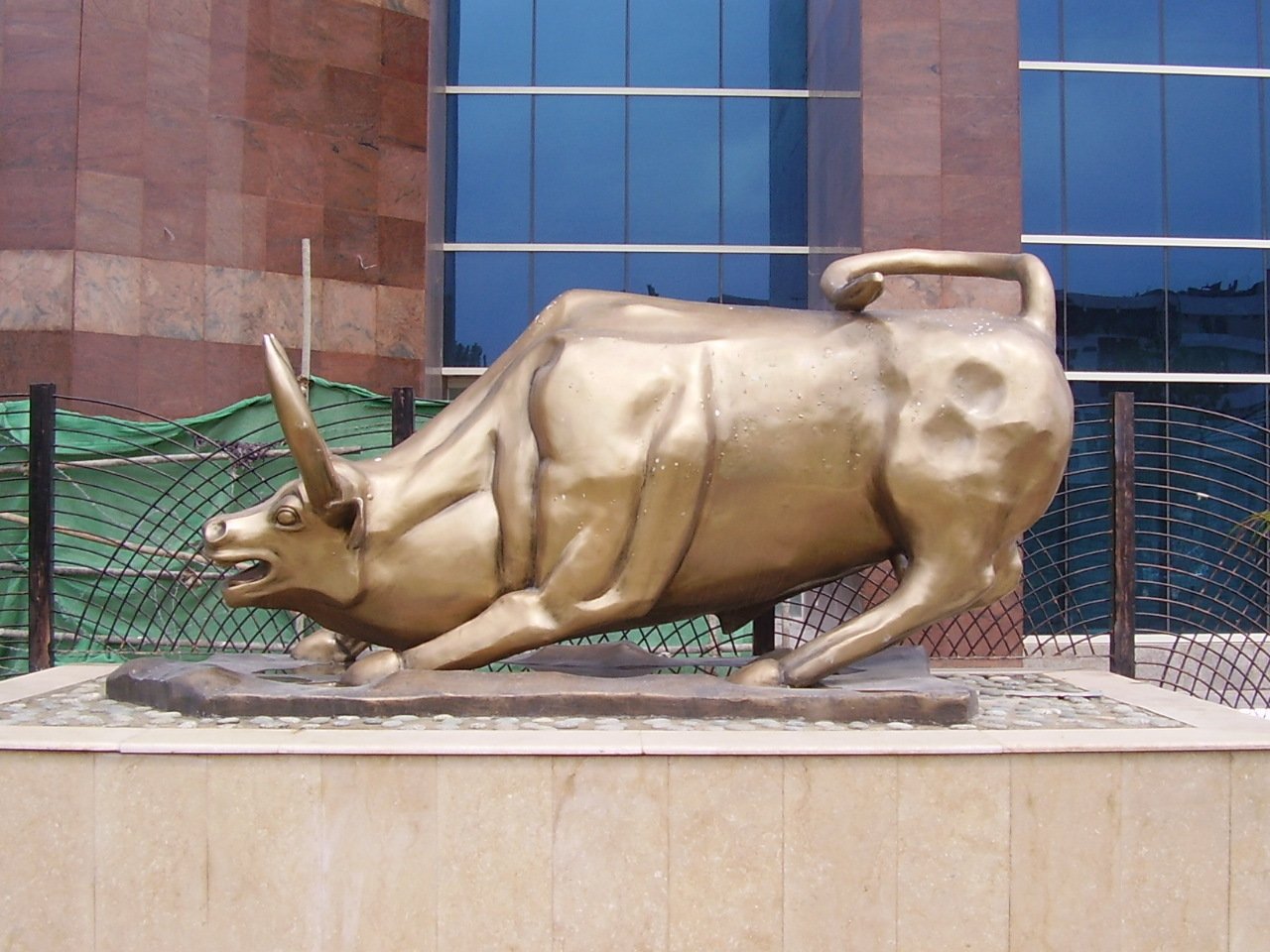
    The Pakistan Stock Exchange has recomposed the benchmark KSE-100 Index for the review period March to August 2026, with four companies entering and four leaving the index effective October 1, 2026.

    The incoming companies are Image Pakistan Limited, Thatta Cement Company Limited, Nishat Chunian Power Limited and Bank Makramah Limited, which replace Hum Network Limited, Mehmood Textile Mills Limited, Pakistan Aluminium Beverage Cans Limited and Rafhan Maize Products Company Limited.

    According to the exchange’s announcement, three of the four exits were driven by the market-capitalisation-based rule, while Hum Network’s removal followed the sector-based rule under the index methodology.

    Index reconstitutions matter for investors because mutual funds, ETFs and other index-tracking products adjust their holdings to mirror the changes, often generating heightened trading activity in the affected stocks around the effective date.

  • Pakistan’s economy needs reform, not just relief

    Pakistan’s economy needs reform, not just relief

    Every few years, Pakistan finds itself in the same conversation: a balance-of-payments scare, an IMF programme, a round of belt-tightening, and then a sigh of relief until the cycle repeats. The pattern is familiar because its causes have never been fully addressed.

    The most honest diagnosis starts with exports. An economy of over 240 million people cannot sustainably live on remittances and borrowing. Export diversification — beyond textiles into IT services, agriculture value-addition and light engineering — is not a slogan; it is the only durable route to foreign-exchange stability.

    The second fault line is the tax base. When a narrow slice of the formal economy carries the fiscal burden while large sectors remain outside the net, the state is forced into indirect taxation that hits ordinary consumers hardest. Broadening the base, fairly and transparently, is a political challenge more than a technical one.

    Energy pricing is the third test. Circular debt in the power sector is ultimately a governance failure: losses, theft and mispricing accumulate into a burden the treasury cannot carry. Cost-reflective tariffs hurt in the short run, but the alternative — an insolvent energy chain — hurts far more.

    None of this argues against relief for the vulnerable. Targeted support for low-income households during adjustment is both humane and economically sensible. What it argues against is the habit of treating relief as reform — announcing subsidies while postponing the structural fixes that would make subsidies unnecessary.

    There are genuine bright spots: a young workforce, a growing IT export segment, and an agricultural base that could do far more with better water management and value chains. Policy should bet on these strengths rather than on the next short-term inflow.

    The economy’s future will not be decided by any single budget or programme. It will be decided by whether Pakistan’s policymakers can sustain reforms beyond the point where they become politically uncomfortable. That is the real test — and it is still ahead.

  • Govt-PTI negotiations kick off at NA speaker’s chamber ahead of Oct 4 march

    Govt-PTI negotiations kick off at NA speaker’s chamber ahead of Oct 4 march

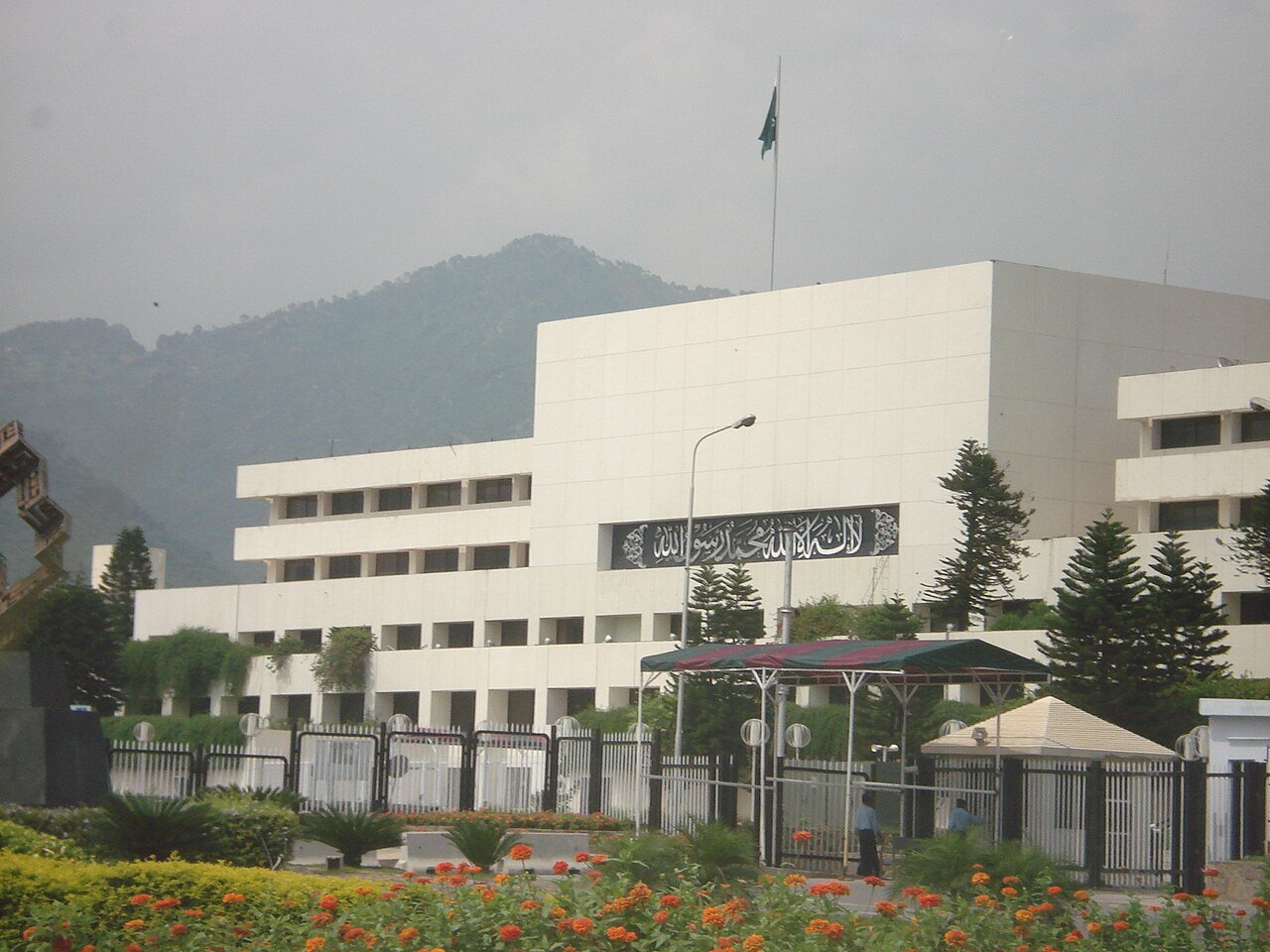
    ISLAMABAD: The government and the Pakistan Tehreek-e-Insaf (PTI) opened negotiations on Friday at the National Assembly speaker’s chamber, ahead of the party’s scheduled long march towards Islamabad on October 4.

    PTI Chairman Barrister Gohar Ali Khan had confirmed on Thursday that his party had accepted the government’s invitation for talks. According to him, the government’s message regarding the meeting had been received on Wednesday and was accepted in light of decisions taken during an opposition leaders’ meeting.

    The six-member opposition delegation includes Barrister Gohar Ali Khan, Senate Opposition Leader Allama Raja Nasir Abbas, Asad Qaiser, Salman Akram Raja, Amir Dogar and Haleem Adil Sheikh. The government delegation includes Interior Minister Mohsin Naqvi, PM’s Adviser on Political Affairs Rana Sanaullah, Minister of State for Interior Talal Chaudhry and PPP’s Sherry Rehman, among others.

    During the meeting, the interior minister presented a briefing on the law and order situation in Khyber Pakhtunkhwa. The PTI reconstituted its delegation after Tehreek-e-Tahafuz-e-Ayin-e-Pakistan (TTAP) chief Mahmood Khan Achakzai refused to attend the meeting at the NA speaker’s chamber, saying he would attend the talks if they were held at a neutral location.

    The PTI had postponed its planned long march towards Islamabad from September 27 to October 4. The party says the protest is aimed at seeking the release of its jailed founding chairman and the restoration of constitutional supremacy. Rana Sanaullah had earlier confirmed that “off-the-record” talks with PTI were underway.

    The decision for talks followed a meeting between President Asif Ali Zardari and Prime Minister Shehbaz Sharif at the President House on Thursday, where the country’s overall political and security situation was discussed.

  • Suspected dengue cases triple in Sindh through August, surveillance data shows

    Suspected dengue cases triple in Sindh through August, surveillance data shows

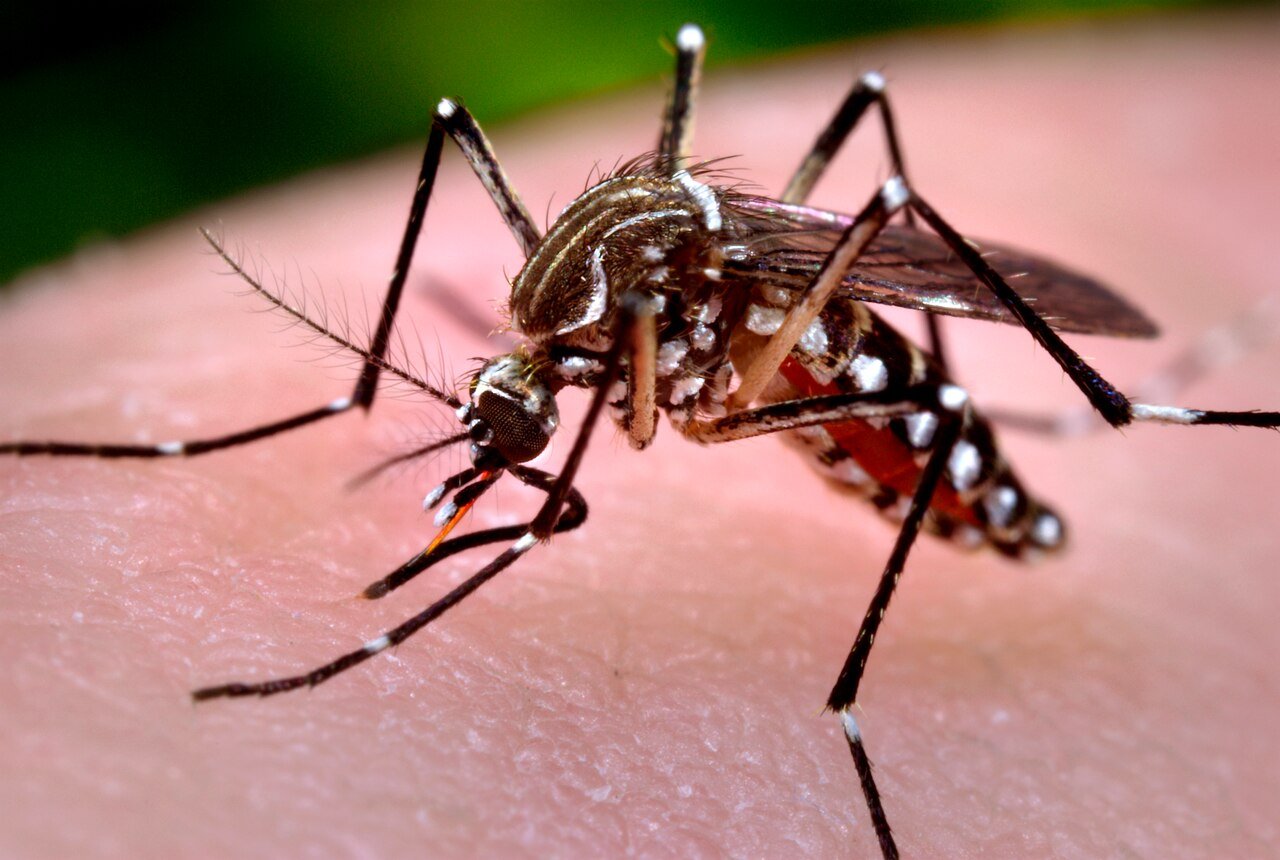
    Suspected dengue cases in Sindh more than tripled during August 2026, from 51 in the first full week of the month to 173 in the last, according to the Integrated Disease Surveillance and Response (IDSR) weekly bulletins of the National Institute of Health (NIH) in Islamabad.

    Khyber Pakhtunkhwa reported 263 suspected cases in the last week of August, up from 65 in the first. Balochistan’s count fell from 3 to 1, while Punjab did not report into the bulletin, which therefore gives no national total. The combined total rose from 119 to 437.

    These are suspected cases, not laboratory-confirmed ones. The bulletin states on its own overview page that every case in the weekly tables is a suspected case; a person with fever and body pain may be counted before any test is done.

    The bulletin lists dengue among the diseases that increased that week. Karachi’s first dengue death of 2026 was reported in March.

    The bulletin does not break dengue down by Karachi district — its Sindh district table lists only the most common diseases — so it cannot say how many of the 173 cases were in Karachi.

  • Global Diesel Crunch Deepens as China Halts Fuel Exports and Russia Ties Supply to Sanctions Relief

    Global Diesel Crunch Deepens as China Halts Fuel Exports and Russia Ties Supply to Sanctions Relief

    Speaking at the Valdai Forum in Moscow on Thursday, Russian President Vladimir Putin said Russia would not supply its diesel to global energy markets until sanctions against Moscow are lifted. Putin added that Ukraine had “partially achieved its objectives” with strikes on Russian oil refineries, which he said had cost Russia one percent of its gross domestic product.

    According to the Guardian, Ukraine has continued its refinery strikes in defiance of US pressure. President Volodymyr Zelenskyy said Kyiv struck an oil facility in Russia’s southern Samara region overnight. President Trump urged Zelenskyy in a private phone call to halt the attacks and has repeatedly suggested in public that Ukraine’s strikes are to blame for the squeeze on global fuel supplies.

    Reports indicate Britain is in talks with European allies over releasing emergency diesel stockpiles after Trump threatened to cut off US supplies of the fuel. Britain is already concerned about energy supply as winter approaches.

    Economic analysts warn the diesel crunch could fuel inflationary pressures worldwide, while European airlines have already extended flight cancellations amid the disruption.

  • ICC unveils new playing conditions for international cricket from October 1

    ICC unveils new playing conditions for international cricket from October 1

    The International Cricket Council has announced a significant update to international cricket’s playing conditions, applying to all series beginning on or after October 1, 2026. Series already under way will continue under the old rules until completion.

    The headline change targets time-wasting by batters in men’s cricket. A batter not ready to face will receive a warning for the first offence and a final warning for the second; from the third offence onwards, the fielding side will be awarded five penalty runs, with the ICC Code of Conduct available for repeated breaches.

    The ICC has also introduced separate size and weight specifications for balls used in men’s, women’s and junior cricket, replacing the previous shared classifications with distinct Size 1, Size 2 and Size 3 standards and tighter tolerances for women’s and junior balls.

    Fielding rules have been clarified. An overthrow will now mean a deliberate attempt to direct the ball towards the stumps to stop runs or complete a run-out — a simple misfield will not qualify. Fielders must also have complete control of the ball when breaking the stumps for a run-out or stumping to be valid, and the leg-side wide experiment has been made permanent in ODIs and T20Is.

    In Tests, teams may mutually agree before a match to trial the pink ball in daytime play to reduce stoppages for poor light, with no mid-match change permitted. The final over of a day’s play will also no longer end automatically when a wicket falls, provided the remaining deliveries can be bowled.

    For limited-overs cricket, the T20 interval is now fixed at 15 minutes — reducible to a minimum of 10 minutes where time has been lost — while the head coach or a designated representative may enter the field during drinks breaks in ODIs and T20Is.