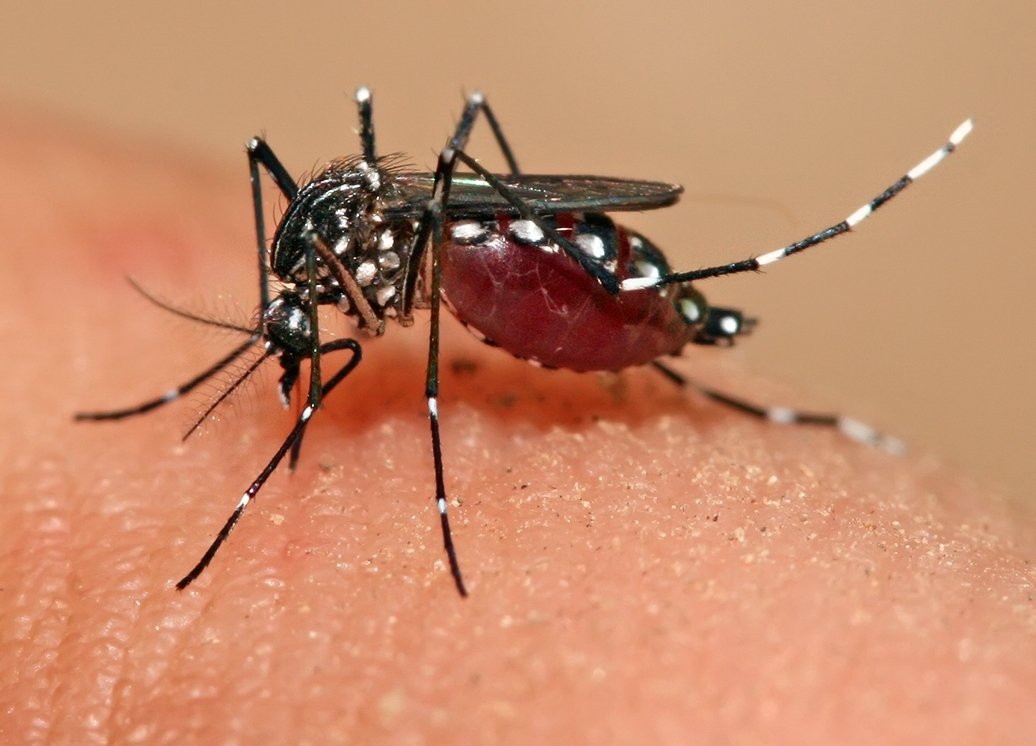
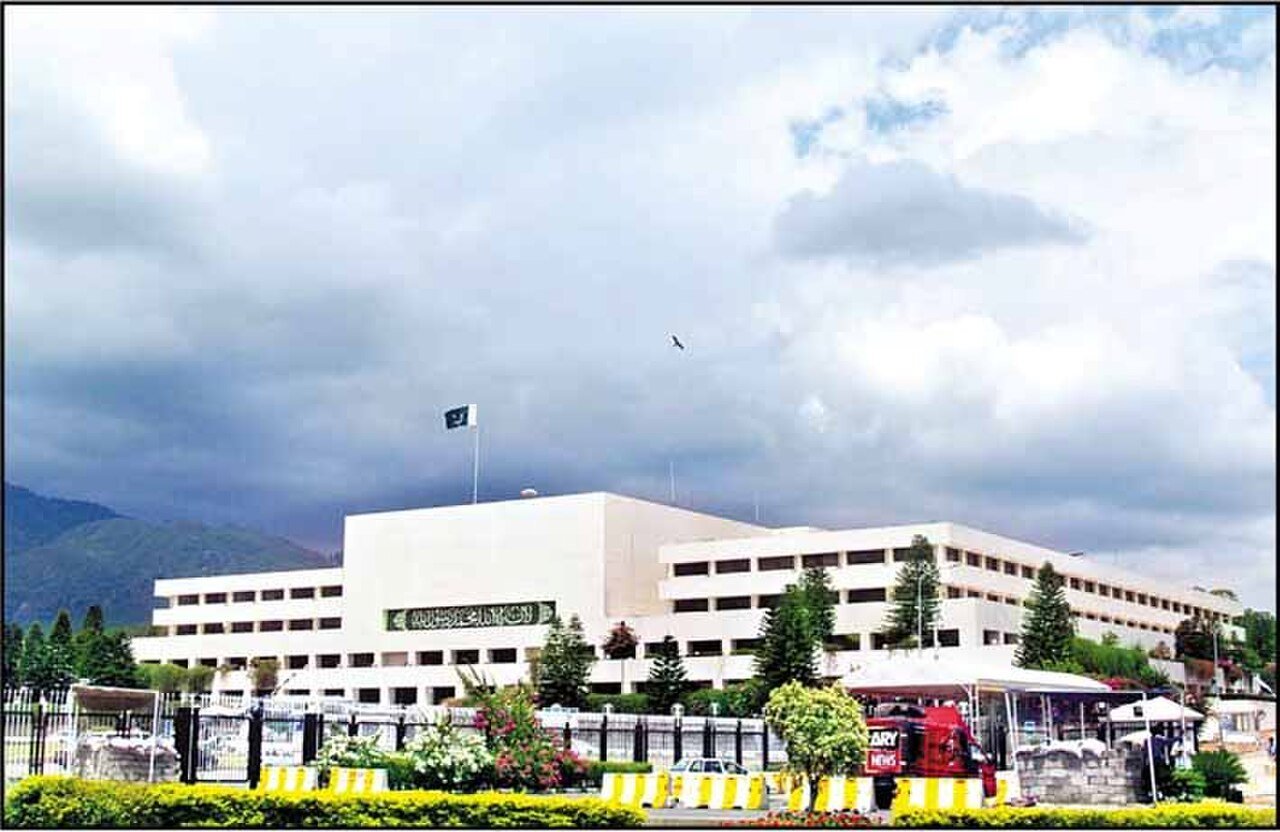
The Ministry of National Health Services and Regulations has issued an urgent advisory warning of an increased risk of dengue transmission, citing heavy rainfall and weather conditions favourable to the virus. Authorities have urged citizens and departments to act on preventive measures immediately.
According to official figures, Islamabad has seen a sharp rise in dengue positive cases, climbing from 111 to 1,404 between September 9 and October 2, underscoring the seriousness of the situation.
Dr Zaeem Zia, District Health Officer Islamabad, said most dengue larvae breeding grounds are established in homes, under-construction buildings and public spaces. DHO teams have carried out intensive sweep activities, including indoor residual spraying (IRS), alongside dengue prevention awareness work, he said.
Health authorities have advised the public to wear long sleeves and use repellents to avoid mosquito bites, avoid going out after sunset, and steer clear of areas with standing water, uncut grass and garbage piles.
Officials stressed seeking medical advice instead of self-medicating, and urged residents to contact field monitoring teams to arrange dengue spraying in their areas. Medical facilities have been directed to dedicate special counters for dengue-related cases.
Symptoms of dengue include high fever, severe headache, joint and muscle pain, skin rashes and eye pain. According to NIH guidance, patients should use only paracetamol for fever and avoid aspirin and NSAIDs because they increase bleeding risk. Immediate hospitalisation is required when platelet counts drop below 10,000.