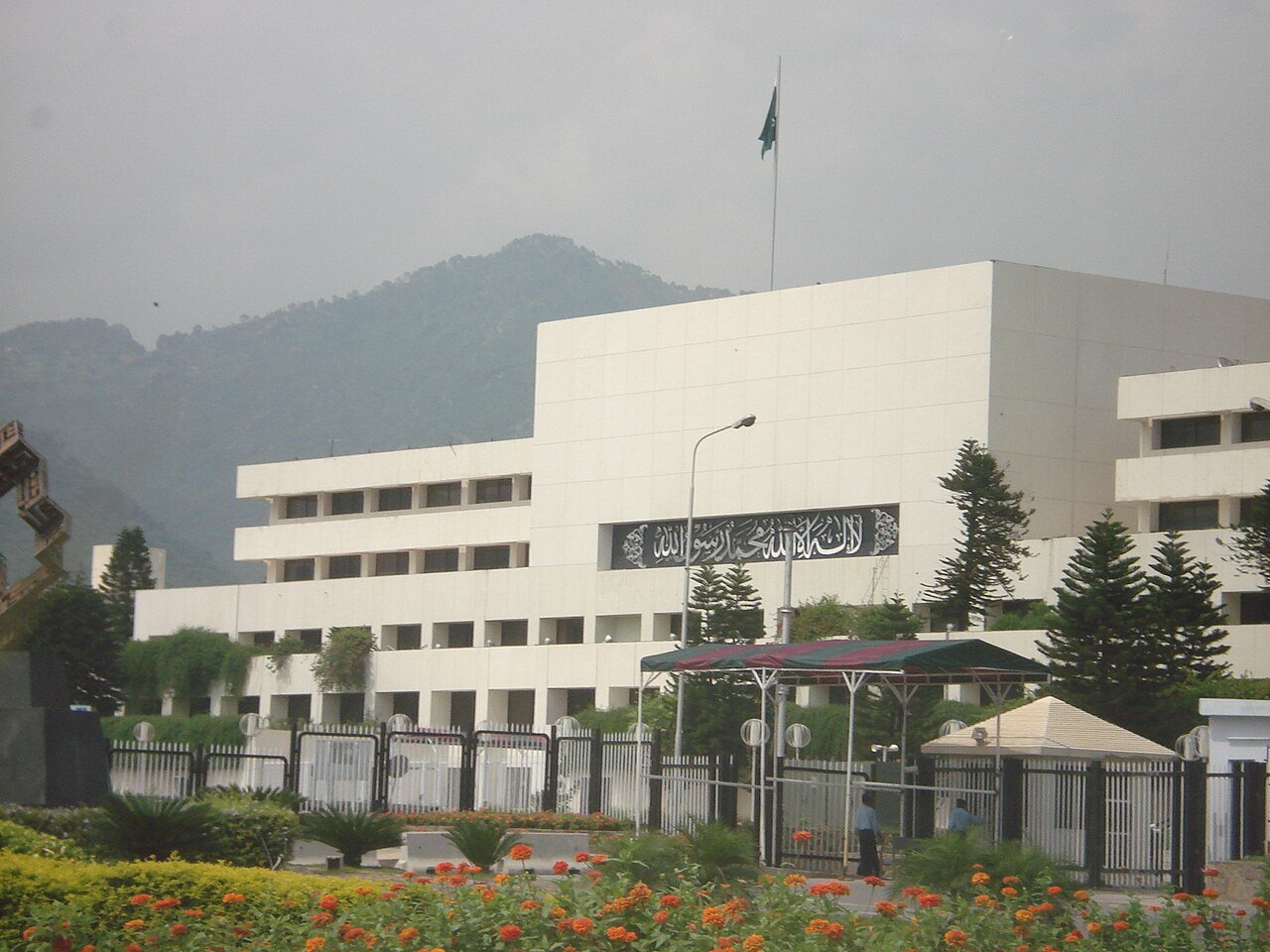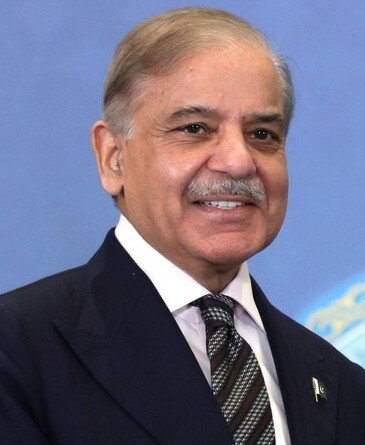
Prime Minister Shehbaz Sharif with Russian President Vladimir Putin — file photo (Wikimedia Commons, CC BY 4.0)
Language: English
-
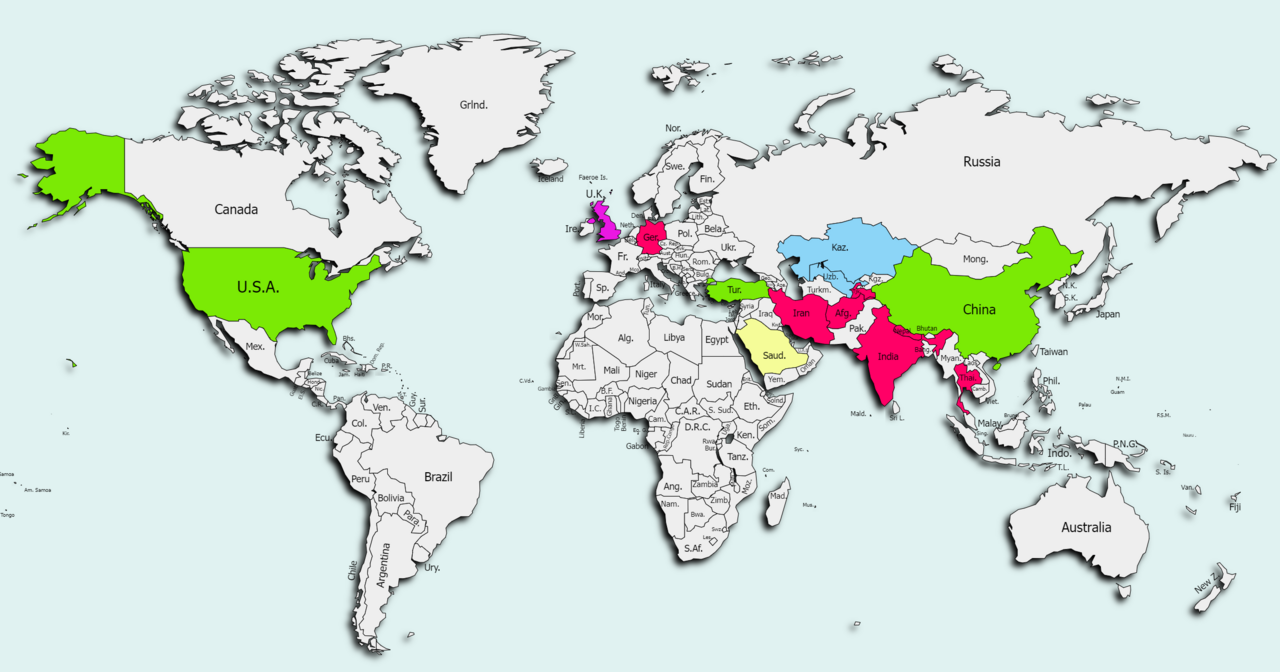
Nawaz Sharif on foreign visit as PM
Nawaz Sharif during a foreign visit as Prime Minister — file photo (Wikimedia Commons, CC BY-SA 4.0)
-

COAS General Asim Munir
General Asim Munir, Chief of Army Staff, Pakistan — file photo (Wikimedia Commons, public domain, US State Department)
-
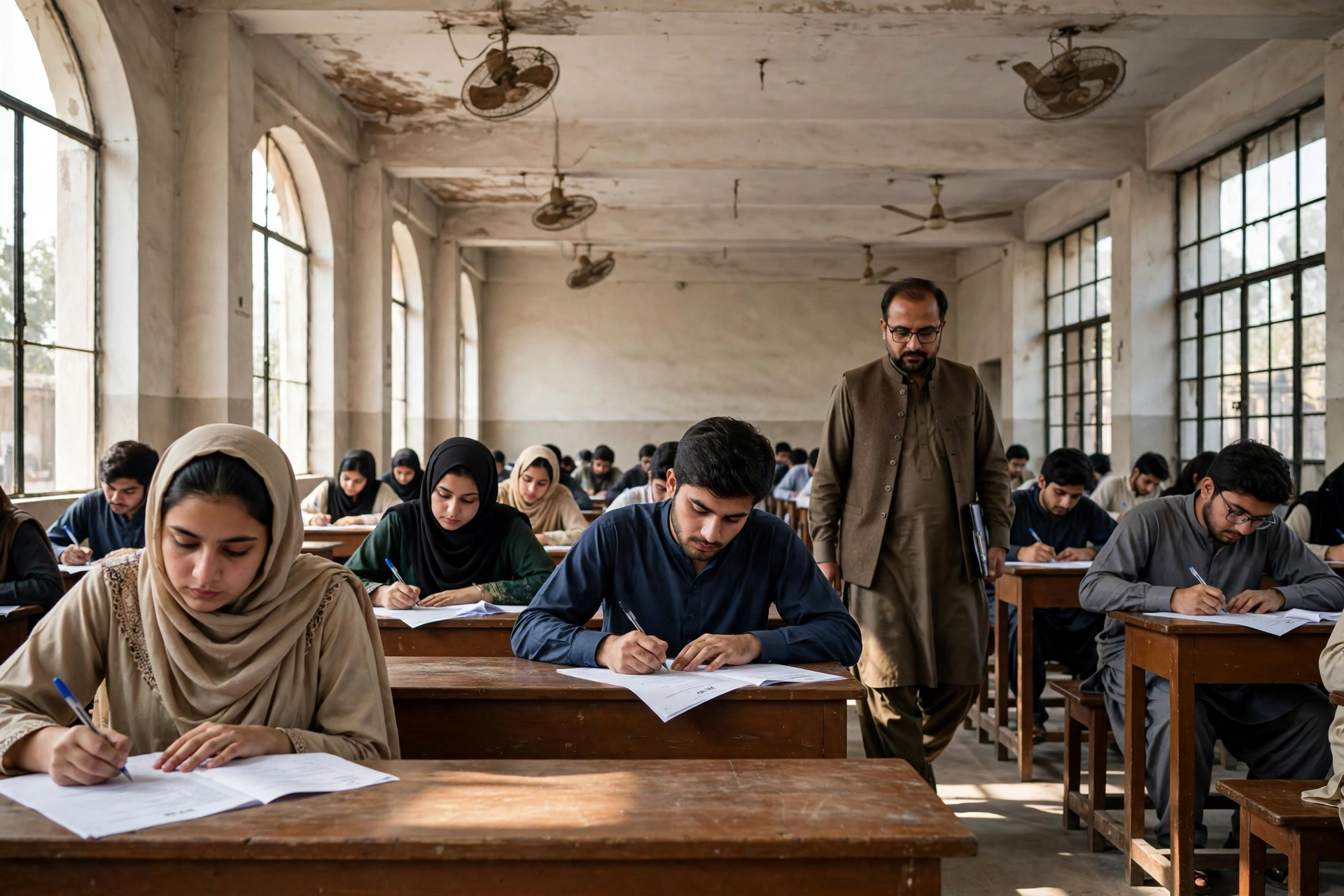
Punjab boards’ matric supplementary exams begin October 6
The schedule applies uniformly across all nine boards: Lahore, Rawalpindi, Gujranwala, Multan, Faisalabad, Sargodha, Bahawalpur, Dera Ghazi Khan and Sahiwal.
In the 2026 annual cycle, matric examinations began on March 27 after being rescheduled because of Ramadan. Class 10 results were announced on August 6 and Class 9 results on September 2.
Intermediate supplementary examinations will begin on November 3, with results expected on January 12, 2027. Admissions for the intermediate supplementary cycle are open with single-fee submissions from September 24 to October 6, double-fee entries until October 13 and triple-fee submissions closing on October 17.
The first annual intermediate examinations began on May 20. Class 12 results were declared on September 23, while Class 11 results are expected to be announced in October, according to reports.
-
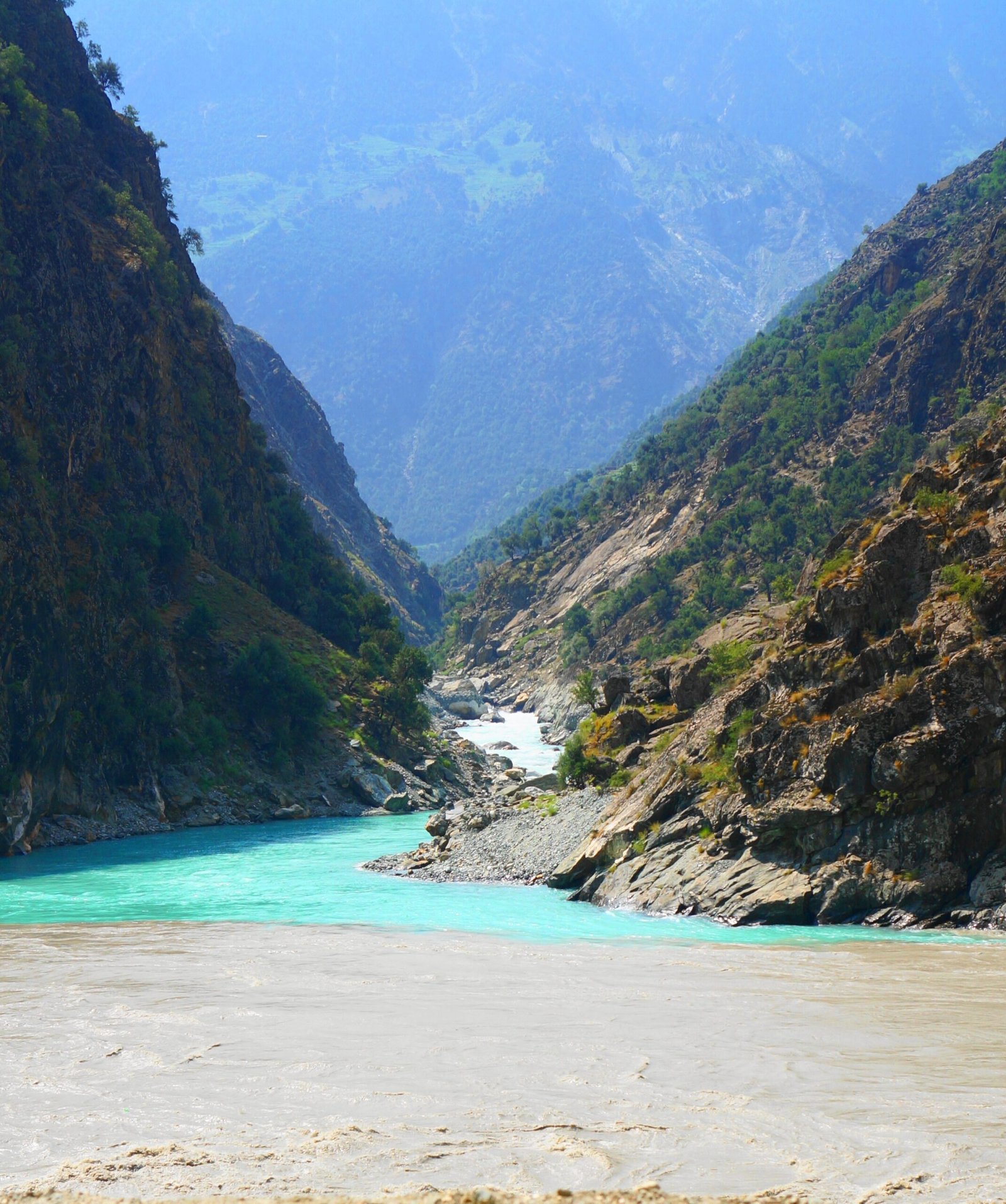
Water, the slow crisis Pakistan cannot postpone
Pakistan’s relationship with water is paradoxical: too much, suddenly, and too little, chronically. The floods that displace millions and the aquifers that quietly empty are two faces of the same governance failure.
The numbers that matter are not dramatic but damning. Per-capita water availability has declined steadily as population has grown. Agriculture consumes the overwhelming share, much of it through flood irrigation — the most wasteful method available.
Dams dominate the political conversation, but storage is only part of the answer. Without efficient distribution, lined watercourses and modern irrigation, new reservoirs simply feed the same leaky system.
Groundwater is the silent emergency. In Punjab’s agricultural heartland, tube wells are being drilled deeper every year. There is no comprehensive regulation of extraction, and the water table in many districts is falling at an alarming pace.
Climate change sharpens every edge of this crisis. Glaciers that feed the Indus are retreating; monsoon patterns are becoming more erratic; heatwaves increase crop water demand. The hydrological assumptions of the last century no longer hold.
Urban water is a separate scandal. Karachi, Lahore and other cities lose enormous volumes to leakage and theft while citizens buy tanker water at extortionate rates. Pricing water properly — with lifeline protections for the poor — is politically difficult and technically essential.
The Indus Waters Treaty framework has governed sharing with India for decades, but internal sharing between provinces is equally contentious. Transparent, data-driven water accounting could defuse disputes that currently run on suspicion.
Solutions exist and are well understood: drip irrigation, laser land-levelling, crop choices suited to water availability, watershed management, and above all, treating water as the scarce economic good it is.
Water does not lobby, protest or vote. That is why it loses to louder priorities every budget cycle. But no economy outruns its water supply — and Pakistan is running out of time to learn this the easy way.
-

Punjabi action comedy ‘Mango Jutt’ dated for October 16 release
The Punjabi action comedy “Mango Jutt” is set for release on Friday, October 16, making it the second Pakistani film with a confirmed October release date after “Sheroes”, which opened today.
The film’s trailer was released on September 16, giving audiences their first full look at the project ahead of its cinema run.
The cast includes Faisal Qureshi and Hareem Farooq, with Shamoon Abbasi in a villainous role — a lineup industry commentators say carries significant box-office expectations for Punjabi-language cinema.
The October one-two of “Sheroes” and “Mango Jutt” has industry watchers hopeful that local releases can draw audiences back to theatres, with veteran journalist Omair Alavi describing the month as potentially game-changing for Pakistani cinema.
No Pakistani films are currently dated for November or December, making October’s performance a key indicator for how exhibitors and producers plan the rest of the year’s local slate.
-

Major shake-up expected in Pakistan’s T20 squad ahead of Sri Lanka series
Pakistan’s T20I setup is bracing for a major overhaul ahead of the home series against Sri Lanka, with media reports suggesting that T20 captain Salman Ali Agha is set to lose the captaincy and his place in the squad.
According to the reports, Salman — who led Pakistan in 50 T20 internationals with 31 wins, including a run to the Asia Cup 2025 final — has already been left out of the Test side and may now feature only in the ODI squad. Star pacer Shaheen Shah Afridi is also reported to be out of the T20 plans, though he is expected to retain the ODI captaincy.
The reports add that Haris Rauf has also been dropped from the T20 setup, while Sahibzada Farhan and Shadab Khan are the leading candidates for the T20 captaincy. Farhan is currently leading Pakistan’s T20I side at the Asian Games in Japan, which is seen as strengthening his case. Babar Azam is expected to remain in both the T20I and ODI squads despite the leadership changes.
The Pakistan Cricket Board is expected to formally announce the squad and the new leadership structure within the next day or so. The three-match T20I series against Sri Lanka begins in Rawalpindi on October 9, with the remaining games on October 11 and 13.
Sri Lanka’s squad is scheduled to arrive in Islamabad on October 4. After the T20Is, England will join the two sides for a seven-match ODI tri-series from October 18 to 31 in Rawalpindi and Lahore, followed by a two-Test series in November.