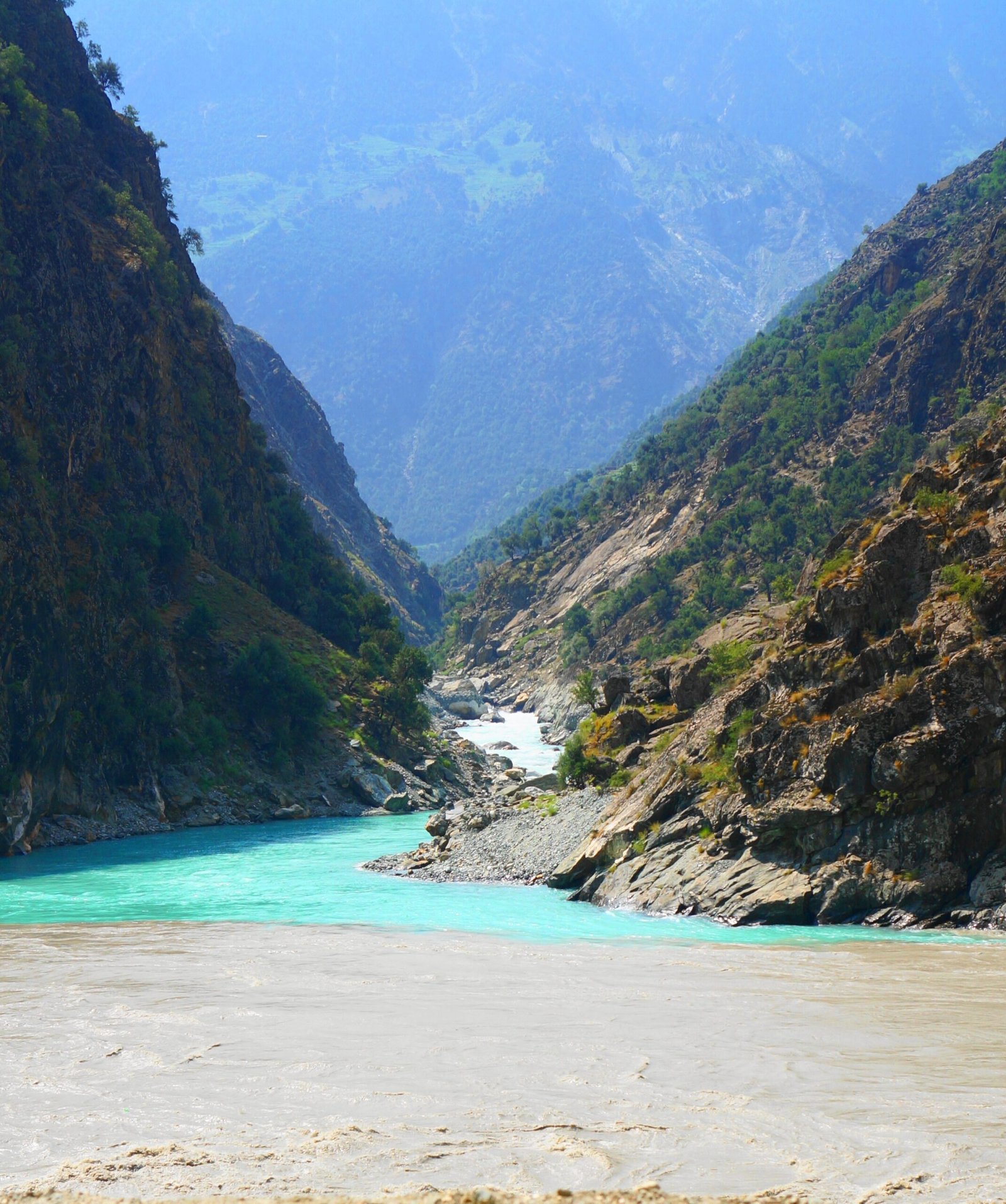
Pakistan’s relationship with water is paradoxical: too much, suddenly, and too little, chronically. The floods that displace millions and the aquifers that quietly empty are two faces of the same governance failure.
The numbers that matter are not dramatic but damning. Per-capita water availability has declined steadily as population has grown. Agriculture consumes the overwhelming share, much of it through flood irrigation — the most wasteful method available.
Dams dominate the political conversation, but storage is only part of the answer. Without efficient distribution, lined watercourses and modern irrigation, new reservoirs simply feed the same leaky system.
Groundwater is the silent emergency. In Punjab’s agricultural heartland, tube wells are being drilled deeper every year. There is no comprehensive regulation of extraction, and the water table in many districts is falling at an alarming pace.
Climate change sharpens every edge of this crisis. Glaciers that feed the Indus are retreating; monsoon patterns are becoming more erratic; heatwaves increase crop water demand. The hydrological assumptions of the last century no longer hold.
Urban water is a separate scandal. Karachi, Lahore and other cities lose enormous volumes to leakage and theft while citizens buy tanker water at extortionate rates. Pricing water properly — with lifeline protections for the poor — is politically difficult and technically essential.
The Indus Waters Treaty framework has governed sharing with India for decades, but internal sharing between provinces is equally contentious. Transparent, data-driven water accounting could defuse disputes that currently run on suspicion.
Solutions exist and are well understood: drip irrigation, laser land-levelling, crop choices suited to water availability, watershed management, and above all, treating water as the scarce economic good it is.
Water does not lobby, protest or vote. That is why it loses to louder priorities every budget cycle. But no economy outruns its water supply — and Pakistan is running out of time to learn this the easy way.