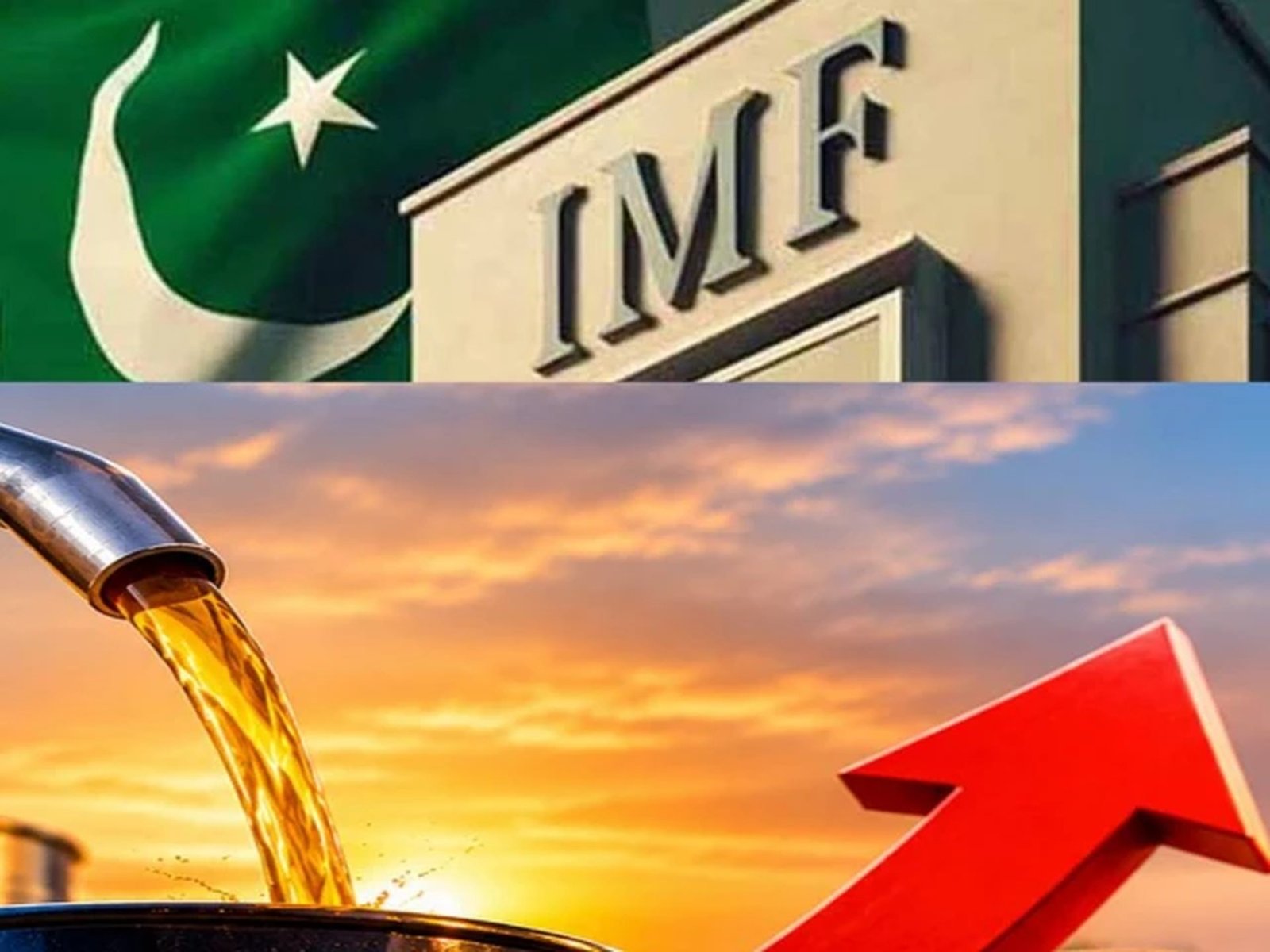
The government has revived a budget proposal to impose a windfall gain tax under an IMF commitment to collect a minimum of Rs25 billion from oil sector companies that benefited from Middle East war-spiked prices.
But a disagreement remains between tax authorities and the Petroleum Division over whether any such tax should be levied and whether end-June or end-September period accounts should become the base for the decision, according to senior government officials.
The Federal Board of Revenue (FBR) was considering three different months, March, June and September, for calculating the windfall gains of oil refineries and marketing companies, amid its inclination to use end-September accounts, according to the sources.
Finance Minister Muhammad Aurangzeb this week chaired a meeting to finalise the proposal, but it remained inconclusive due to disagreement over several issues, the sources said. The prime minister has also constituted a committee under the chairmanship of Petroleum Minister Ali Pervaiz Malik, which has finalised its draft recommendations for submission to the prime minister. The committee has recommended a 20 per cent windfall gain tax on additional quarter-on-quarter gains, with any relief extended by the oil refineries adjusted against the levy. It has not recommended tax on oil marketing companies.
The sources said the government has given a commitment to the IMF that it would recover Rs25 billion from oil sector companies in windfall gain tax. A senior government official said that without the levy, the government may have to take other revenue measures to fulfil the commitment.
The law states that for any of the last three tax years preceding the tax year 2023 and onwards, an additional tax shall be imposed on companies with income, profit or gains arising from economic factors that resulted in windfall gains, including international price fluctuation or foreign currency fluctuation. The law empowers the government to impose up to a 50 per cent tax on the gains, but a tax official said the goal was to collect a minimum of Rs25 billion, which would determine the final rate.
Another issue is that Pakistan’s largest refinery, Pak Arab Refinery Company, which accounts for 60 per cent of refinery revenues, has not yet submitted its tax returns for the last fiscal year. The tax authorities said all four major listed refineries, Pakistan Refinery Limited, National Refinery Limited, Attock Refinery Limited and Cnergy Co, have reported higher profits in the first quarter of this fiscal year. These four listed companies reported Rs90 billion in profits for the first quarter, which the tax authorities wanted to tax. The Petroleum Division, however, said the base should be June this year.
The Petroleum Division was also of the view that these four companies could sustain losses in later quarters of this fiscal year, so quarterly accounts should not become the base of the decision, the sources said. In the last fiscal year, these four listed companies had reported Rs84 billion in profits after booking losses for the fourth quarter. But the tax authorities believed these companies booked inventory losses for the April-June period to avoid the tax, and wanted to impose tax on net realisable value.
Leave a Reply