Tag: FBR

  • FTO Uncovers Fake Invoice Sales Tax Fraud

    FTO Uncovers Fake Invoice Sales Tax Fraud

    The Federal Tax Ombudsman (FTO) Zafar Hijazi has uncovered a multimillion-rupee sales tax fraud in which hackers broke into a taxpayer’s Federal Board of Revenue (FBR) IRIS account and filed fake sales tax returns, exposing serious weaknesses in the country’s tax registration and digital security systems.

    According to the FTO’s ruling, the fraudsters filed fake returns for two consecutive tax periods, declaring supplies for which no actual business transactions had taken place. The bogus transactions also used up the complainant’s input tax credit accumulated from previous periods, leaving the taxpayer to bear the loss.

    The investigation found that virtual private network (VPN) connections were used to carry out the fraud, and the recorded internet protocol (IP) addresses were traced to Indonesia and the United Arab Emirates. However, the FTO said the available technical evidence could not conclusively identify the actual perpetrators behind the scheme.

    The ruling also revealed that transactions claimed to involve the Ministry of Defence and the Sindh Health Department did not exist in the records of either department. A newly established private limited company emerged as the main beneficiary of the fake transactions, which were worth millions of rupees.

    The company had obtained sales tax registration just one day after registering with the Securities and Exchange Commission of Pakistan (SECP), without any effective verification of its business viability or supporting documents. It had uploaded the same document to meet different registration requirements, and the automated system accepted it. The FTO noted that the same company had also been identified as a beneficiary in another fake invoice case.

    Systemic weaknesses exposed

    Highlighting the regulatory gaps behind the fraud, the ombudsman said Rule 5 of the Sales Tax Rules, 2006, did not effectively cover all corporate entities. The ruling also identified the absence of timely data synchronisation between the FBR and the SECP as a major weakness in the registration and verification process.

    Nationwide crackdown ordered

    The FTO directed the FBR to launch a criminal investigation under Section 37A read with Section 2(37) of the Sales Tax Act, 1990, and to take legal action against the beneficiaries of the fake invoice scheme, including suspension of sales tax registrations, blacklisting of the entities involved and recovery of the tax under Section 11E of the Sales Tax Act, 1990, and Sales Tax General Order No. 12 of 2023.

    The ombudsman further ordered a nationwide review of companies involved in fake invoicing over the past year, and directed that a committee be formed to propose amendments to Rule 5 of the Sales Tax Rules, 2006. To prevent similar fraud, the authorities were told to introduce mandatory verification within 30 days of registration and quarterly scrutiny of newly registered companies.

    Pakistan Revenue Automation Limited (PRAL) was directed to strengthen the security of the FBR’s IRIS portal by introducing multi-factor authentication, biometric verification and automated IP monitoring to flag suspicious tax returns. The Commissioner Inland Revenue was also asked to consider restoring the complainant’s input tax credit, and all the bodies concerned were directed to implement the orders and submit a progress report within 60 days.

  • FBR Tightens Digital Monitoring of Beverage Industry

    FBR Tightens Digital Monitoring of Beverage Industry

    The Federal Board of Revenue (FBR) has decided to expand electronic monitoring of beverage manufacturing industries to improve production tracking and ensure better tax compliance, 24NewsHD TV reported on Tuesday, November 17, 2026.

    Under the new policy, the number of approved companies allowed to install and maintain electronic monitoring systems has been increased to seven. The National Radio and Telecommunication Corporation (NRTC) is also among the newly approved companies.

    Beverage manufacturers can now hire any company from the FBR-approved list to install electronic monitoring systems at their production facilities. The system will cover the production of bottled water, packaged juices, milk and other beverages.

    The FBR has directed all registered beverage manufacturing companies to follow the new instructions and ensure the installation of the required monitoring systems. Industries that are not included in the list of approved service providers will also have to comply with the new rules, and no registered manufacturer will be exempt from this requirement. The FBR’s new order has come into force with immediate effect.

    The FBR has already introduced electronic production monitoring in several other sectors, including sugar, cement, tobacco, fertiliser, tea and tyres, as part of its drive to improve tax compliance.

  • ایف بی آر نے 14,078 ریٹیلرز کو پی او ایس سسٹم سے جوڑ دیا

    ایف بی آر نے 14,078 ریٹیلرز کو پی او ایس سسٹم سے جوڑ دیا

    فیڈرل بورڈ آف ریونیو (ایف بی آر) نے یکم نومبر 2026 تک 14,078 ٹیئر ون ریٹیلرز، ٹیکسٹائل اور چمڑے کے ریٹیلرز اور ریسٹورنٹس کو اپنے پوائنٹ آف سیل (پی او ایس) سسٹم سے جوڑ دیا ہے۔ یہ اعداد و شمار ٹیکس حکام کی جانب سے جاری کردہ فہرست میں سامنے آئے ہیں۔

    فہرست کے مطابق اس نظام سے منسلک شاخوں اور دکانوں کی تعداد 38,259 تک پہنچ گئی ہے۔ یہ تفصیلات 14 نومبر کو پہلی بار شائع ہوئیں اور 15 نومبر کو ان کی رپورٹنگ کی گئی۔

    تفصیل کے مطابق 12,302 ٹیئر ون ریٹیلرز پی او ایس سسٹم کے ساتھ رجسٹرڈ ہیں اور ان کی 25,580 شاخیں اس سے منسلک ہیں۔ تقریباً 1,212 ریسٹورنٹس رجسٹرڈ ہوئے ہیں جن کی 1,908 شاخیں نظام سے جڑی ہیں۔ اس کے علاوہ 564 ٹیکسٹائل اور چمڑے کے ریٹیلرز رجسٹرڈ ہیں جن کی 10,771 شاخیں منسلک ہیں۔

    پی او ایس سسٹم ٹیئر ون ریٹیلرز، ہوٹلوں اور ریسٹورنٹس کے لین دین کو اصل وقت میں دستاویزی شکل دیتا ہے۔ منسلک دکان پر ہونے والی ہر فروخت اسی وقت ٹیکس حکام کے پاس ریکارڈ ہو جاتی ہے، جس سے ملک بھر میں خوردہ کاروبار کی بروقت تصویر ملتی ہے۔

    یہ مہم ایف بی آر کی خوردہ معیشت کو دستاویزی شکل دینے اور ٹیکس کی پاسداری بہتر بنانے کی وسیع کوشش کا حصہ ہے۔ فروخت کو لین دین کے موقع پر ہی ریکارڈ کر کے نظام کم رپورٹنگ کو کم کرنے اور خوردہ تجارت کے بڑے حصے کو دستاویزی معیشت میں لانے کے لیے بنایا گیا ہے۔

    تازہ اعداد و شمار سے ظاہر ہوتا ہے کہ یہ نیٹ ورک 2026 کے دوران مسلسل بڑھ رہا ہے۔ اگست کے آخر میں ایف بی آر نے 13,731 منسلک کاروبار اور 37,770 شاخوں کی اطلاع دی تھی۔ یکم نومبر تک یہ تعداد بڑھ کر 14,078 کاروبار اور 38,259 شاخیں ہو گئی، یعنی دو ماہ میں 347 کاروباروں اور 489 شاخوں کا اضافہ ہوا۔

    ایک متعلقہ پیش رفت میں ایف بی آر نے تمام رجسٹرڈ چائے بنانے والوں، بلینڈرز اور پیکرز کے لیے 10 دسمبر 2026 تک الیکٹرانک پیداواری نگرانی کے نظام نصب کرنا لازمی قرار دیا ہے۔ یہ ہدایت سیلز ٹیکس جنرل آرڈر نمبر 35 سال 2026 کے تحت جاری کی گئی۔

    یہ شرط کالی، سبز، ذائقہ دار اور فوری چائے، چائے کے تھیلوں، عرق اور دودھ کے پاؤڈر یا چینی والے پری مکس پر لاگو ہوتی ہے۔ نگرانی کے نظام کا مقصد چائے کی پیداوار اور فروخت پر نظر رکھنا ہے، جو ملک میں سب سے زیادہ استعمال ہونے والی اشیا میں سے ایک ہے۔

    حکام کا کہنا ہے کہ پی او ایس نیٹ ورک کی توسیع اور پیداوار کی نگرانی کے نئے قواعد کا مقصد ایک ہی ہے: اصل فروخت اور رپورٹ شدہ فروخت کے درمیان فرق ختم کرنا اور ٹیکس کی شرحیں بڑھائے بغیر ٹیکس کا دائرہ وسیع کرنا۔

  • FBR Brings 14,078 Retailers into POS System

    FBR Brings 14,078 Retailers into POS System

    The Federal Board of Revenue (FBR) has integrated 14,078 Tier-I retailers, textile and leather retailers, and restaurants with its Point of Sale (POS) system as of 1 November 2026, according to figures released by the tax authority.

    The number of branches and outlets connected to the system has reached 38,259, the FBR’s list showed. The figures were reported on 15 November, with the details first published a day earlier.

    According to the breakdown, 12,302 Tier-I retailers have been registered with the POS system, with 25,580 of their branches integrated. Around 1,212 restaurants have been registered, with 1,908 of their branches linked to the system. The FBR has also registered 564 textile and leather retailers, with 10,771 of their branches integrated.

    The POS system is used to document transactions of Tier-I retailers, hotels and restaurants in real time. Every sale made at a connected outlet is recorded with the tax authority as it happens, giving the FBR a live picture of retail activity across the country.

    The integration drive is part of the FBR’s wider effort to document the retail economy and improve tax compliance. By recording sales at the point of transaction, the system is designed to reduce under-reporting and bring a larger share of retail trade into the documented economy.

    The latest figures show the network has continued to grow through 2026. At the end of August, the FBR reported 13,731 integrated businesses covering 37,770 branches. By 1 November, that had risen to 14,078 businesses and 38,259 branches, an increase of 347 businesses and 489 branches in two months.

    In a related development, the FBR has made it mandatory for all registered tea manufacturers, blenders and packers to install electronic production monitoring systems by 10 December 2026. The directive was issued under Sales Tax General Order No. 35 of 2026.

    The requirement covers black, green, flavoured and instant tea, tea bags, extracts and premixes containing milk powder or sugar. The monitoring systems are meant to track the production and sale of tea, one of the most widely consumed items in the country.

    Officials say the expansion of the POS network and the new production monitoring rules are both aimed at the same goal: closing the gap between actual sales and reported sales, and widening the tax base without raising tax rates on those already paying.

  • FBR Lets Late Filers Join ATL Without Rs25,000 Surcharge

    FBR Lets Late Filers Join ATL Without Rs25,000 Surcharge

    The Federal Board of Revenue (FBR) has given late tax filers a new way back onto the Active Taxpayers List (ATL) without paying the Rs25,000 surcharge, provided they promise not to buy any property for six months.

    Under an amendment to Rule 81B of the Income Tax Rules, 2002, taxpayers who file their income tax returns after the deadline can now join the list by submitting an undertaking, known as Form ATL-U, through the FBR’s IRIS portal.

    The undertaking requires the taxpayer to promise that they will neither purchase property nor acquire ownership of, or any interest in, property for six months. The six-month period begins from the date shown on the electronic receipt generated after the undertaking is submitted.

    Who can use the facility

    The facility applies to individual taxpayers, including sole proprietors, who submit their income tax returns after the original or extended deadline. The FBR has said the standard rules governing inclusion in the Active Taxpayers List will apply in such cases.

    The relief matters because the cost of falling off the list rose sharply this year. Under Section 182A of the Income Tax Ordinance, 2001, a person who misses the filing deadline is left out of the ATL until the surcharge is paid. The Finance Act 2026 raised the surcharge for individuals from Rs1,000 to Rs25,000.

    Being off the list is expensive in everyday life: banks, property registrars and vehicle registration authorities apply higher withholding tax rates to people who are not active taxpayers.

    Checks and consequences

    The FBR will be able to check whether a taxpayer has kept the promise by obtaining information from relevant authorities, property registries and financial institutions.

    If a taxpayer is found to have bought property or acquired ownership or an interest in property during the six-month period, the FBR will first give them an opportunity to respond electronically. If a violation is established, the exemption from the surcharge will be withdrawn with effect from the date of the violation.

    The move comes after the FBR issued the Active Taxpayers List for 2026 on November 2, recording more than eight million people who filed their returns by the extended deadline of October 31. The original deadline for Tax Year 2026 returns was September 30, and it was extended twice, first to October 15 and then to October 31.

    For taxpayers who missed the deadline, the new route offers a choice: pay the Rs25,000 surcharge, or give the six-month undertaking and keep that money — as long as no property deal is planned in the meantime.

  • ایف بی آر کو ٹیکس ہدف میں 129 ارب روپے کی کمی

    ایف بی آر کو ٹیکس ہدف میں 129 ارب روپے کی کمی

    فیڈرل بورڈ آف ریونیو (ایف بی آر) نے مالی سال 2026-27 کے پہلے چار ماہ، جولائی تا اکتوبر کے دوران 4,088.2 ارب روپے ٹیکس جمع کیا، جو مطلوبہ ہدف سے تقریباً 129 ارب روپے کم ہے۔ رپورٹ کے مطابق اس مدت میں ٹیکس وصولیوں میں صرف 7 فیصد اضافہ ہوا، جبکہ سالانہ ہدف حاصل کرنے کے لیے 17 فیصد نمو درکار ہے۔

    حکومت نے رواں مالی سال کے لیے 15,264 ارب روپے کا ٹیکس ہدف مقرر کر رکھا ہے، جو 30 جون 2027 تک حاصل کرنا ہے۔ پہلے چار ماہ کی کارکردگی کے بعد باقی آٹھ ماہ میں اس ہدف تک پہنچنا ایف بی آر کے لیے ایک بڑا چیلنج ہوگا۔

    اکتوبر کا مہینہ اس مدت کا کمزور ترین مہینہ رہا، تاہم مہینے کے آخری دن وصولیوں میں اضافہ ہوا۔ رپورٹ کے مطابق 30 اکتوبر تک وصولیاں 4,061.2 ارب روپے تھیں، جو 31 اکتوبر کو بڑھ کر 4,088.2 ارب روپے ہو گئیں۔ اکتوبر میں مجموعی طور پر 1,002 ارب روپے جمع ہوئے، جبکہ اس سے قبل یہ رقم 975 ارب روپے تھی۔

    انکم ٹیکس گوشوارے اور ریٹیلرز اسکیم

    انکم ٹیکس گوشوارے جمع کرانے کی آخری تاریخ 31 اکتوبر 2026 تک مجموعی طور پر 7.6 ملین گوشوارے موصول ہوئے۔ ایف بی آر نے گوشواروں کی تاریخ میں دو مرتبہ توسیع کی تھی، پہلے 30 ستمبر سے 15 اکتوبر تک اور پھر 15 اکتوبر سے 31 اکتوبر تک۔ رپورٹ کے مطابق 31 اکتوبر کی آخری تاریخ کے بعد گوشوارے جمع کرانے میں مزید توسیع نہیں دی جائے گی۔

    ریٹیلرز کے لیے مقرر کردہ فکسڈ ٹیکس اسکیم کو بھی کمزور ردعمل ملا ہے۔ سرکاری ذرائع کے مطابق صرف 1,750 ریٹیلرز نے اس اسکیم سے فائدہ اٹھایا، جن میں سے صرف 220 نئے فائلرز ہیں۔ حکام کا اندازہ ہے کہ ریٹیل سیکٹر میں تقریباً 3.6 ملین ممکنہ نان فائلرز موجود ہیں، جبکہ اس اسکیم کے لیے 50 ارب روپے کا ہدف مقرر کیا گیا تھا۔

    اس کمزور ردعمل نے حکومت کو مشکل صورتحال سے دوچار کر دیا ہے، کیونکہ ریٹیل سیکٹر کو ٹیکس نیٹ میں لانا محصولات بڑھانے کی حکمت عملی کا اہم حصہ سمجھا جاتا ہے۔ آئندہ ماہ کی وصولیاں یہ طے کریں گی کہ آیا ایف بی آر سالانہ ہدف کے قریب پہنچ پاتا ہے یا اس فرق میں مزید اضافہ ہوتا ہے۔

  • FBR Told to Complete Digital Industry Monitoring by Dec 31

    FBR Told to Complete Digital Industry Monitoring by Dec 31

    ISLAMABAD: Prime Minister Shehbaz Sharif on Monday set a firm year-end deadline for the Federal Board of Revenue to complete digital monitoring of industrial production across major industries, directing the tax authority to bring every manufacturing sector under the automated system by December 31, 2026.

    Chairing a review meeting of the FBR’s performance, the prime minister said the digital tracking of production was essential to narrowing the gap between actual and potential tax revenue. He instructed officials to ensure that production monitoring for sales tax purposes covered all manufacturing sectors before the year closed, according to an official announcement from the Prime Minister’s Secretariat.

    Officials briefed the meeting on the progress achieved so far, saying the monitoring system had been fully installed in five industries — sugar, cement, tobacco, tiles and fertiliser. Installation work was underway in the textile, packaged water, packaged juice and packaged milk sectors, for which the procurement of equipment had already been completed.

    The meeting was informed that equipment for the steel, poultry and tyre sectors would be procured by October 15, while equipment for tea, household electronics, leather, paper and board, and oil and ghee would be purchased by October 30. Officials said the monitoring systems in all these industries were expected to be fully operational by December 31, 2026.

    Voluntary adoption praised

    The prime minister was told that several textile companies had voluntarily installed the monitoring system even as some industries resisted it. Among those named were Nishat Mills, Al-Karam Textile, Al-Karam Cotton Mills, J.K. Spinning Mills, Soorti Enterprises, Interloop Limited, Faisal Spinning Mills, Ibrahim Fibres Limited, Sapphire Textiles Limited and Nishat Chunian. The prime minister commended the companies for taking the initiative.

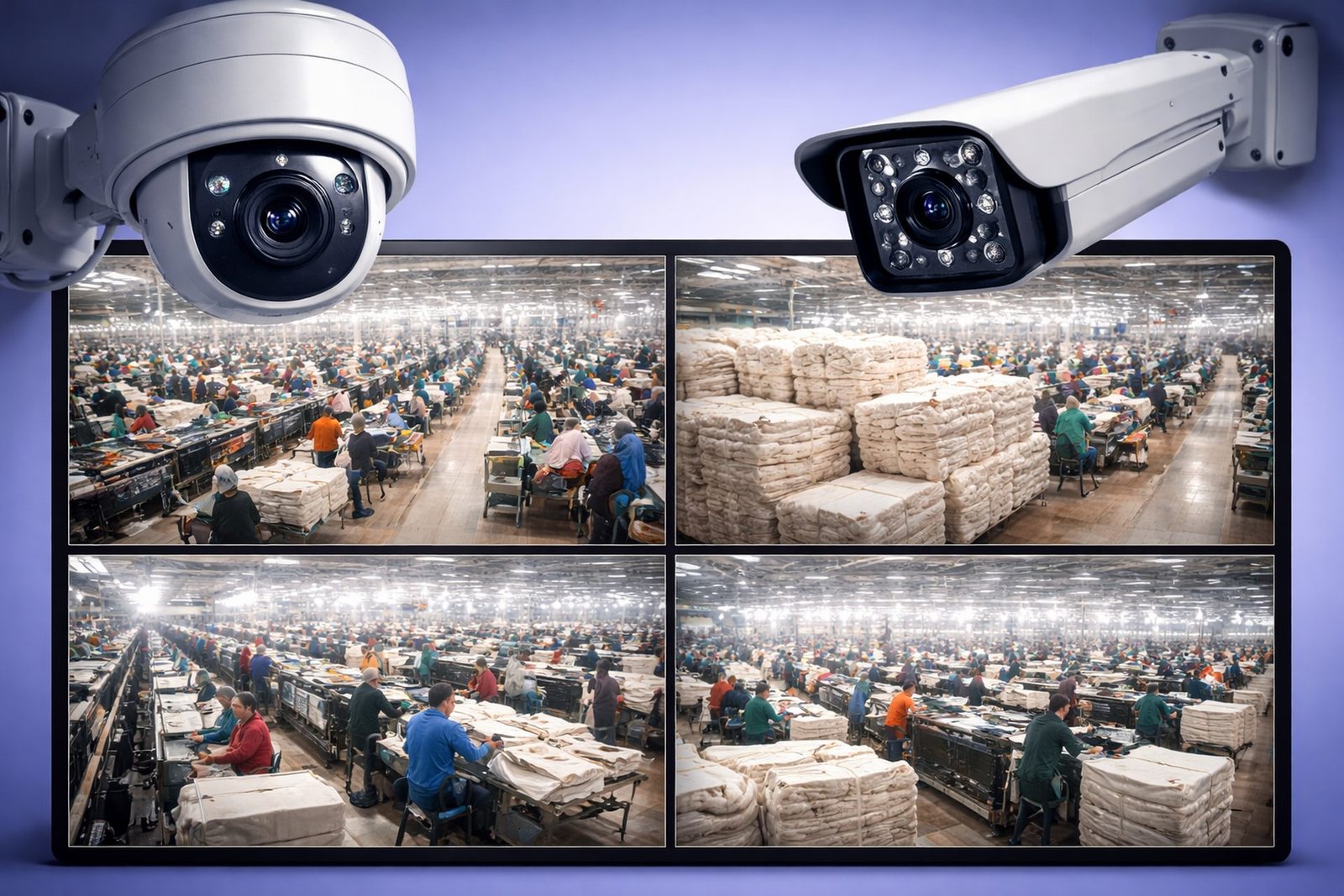
    The FBR told the meeting that production monitoring was being strengthened through cameras installed under the faceless system, and the prime minister directed that all obstacles to installing the automated, camera-equipped monitoring systems be removed.

    A review report on the gap between tax collection and tax potential was also presented at the meeting, offering an estimate of the country’s overall tax capacity. Officials said government measures over the past three years had generated an additional Rs1.3 trillion in tax collection — a 40 per cent increase — driven by enforcement measures.