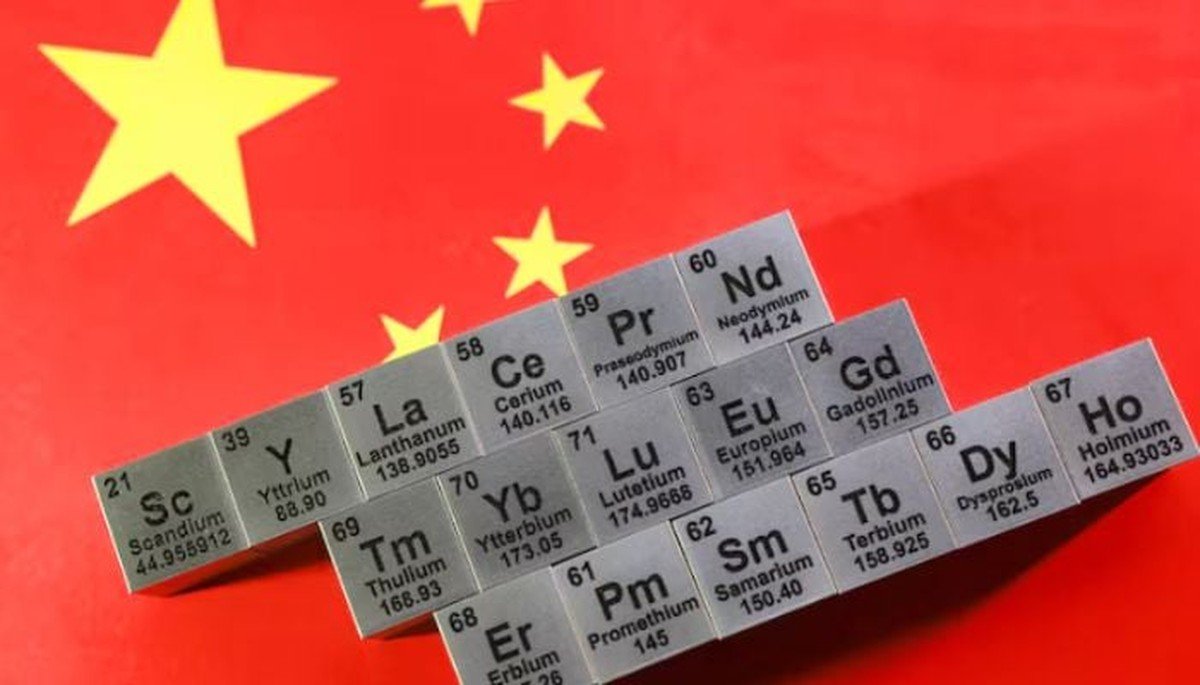
China has extended its pause on new rare earth export controls by two months, until January 10, easing fears of fresh disruption to global supply chains.
China’s Ministry of Commerce announced the extension on Monday, in a short statement that gave no further details. The waivers had been due to expire this month, and the extension preserves part of a wide-ranging deal struck after a summit between Presidents Xi Jinping and Donald Trump.
China introduced export controls on certain rare earths in April 2025, then expanded them further in October of that year, widening their scope and adding new controls on certain diamonds with industrial applications and lithium battery technology. The measures were then paused for one year last November after a summit between Xi and Trump in South Korea.
The pause traces back to the meeting between Xi and Trump in South Korea last November, where the two leaders agreed to hold off on a series of trade measures while talks continued. Monday’s announcement extends that truce by two months, keeping the door open for a broader agreement between the world’s two largest economies.
The extension is part of a broader suspension of trade countermeasures and tariffs announced by China on Monday as it negotiates with Washington over an enduring trade deal. The pause runs alongside ongoing holds on certain United States tariffs and port fees, as the two economic superpowers work towards a more durable agreement.
The delay offers temporary relief for international technology, automotive and defence supply chains that depend heavily on Chinese-processed critical minerals, preventing an immediate escalation in supply restrictions. Rare earths are essential components in products ranging from electric vehicles and wind turbines to smartphones and military equipment, which is why any tightening of controls is watched closely around the world.
The extension covers the pause on the expanded controls; it is not a repeal of the underlying restrictions. If no further agreement is reached, the controls could be reactivated when the new deadline arrives, leaving the January date as the next marker in the long-running trade negotiation between Beijing and Washington.