Category: World

World news in English — global headlines and analysis. دنیا بھر کی خبریں۔

  • 70,000 Gaza Tents Flooded as First Winter Storm Hits Camps

    70,000 Gaza Tents Flooded as First Winter Storm Hits Camps

    Heavy rain from the first winter storm of the season has flooded at least 70,000 tents sheltering displaced Palestinians across the Gaza Strip, soaking bedding and belongings and forcing families out into the cold, local authorities said on Saturday, 7 November.

    The storm began late on Friday night and gathered pace in the early hours of Saturday. Gaza’s Government Media Office said the flooding happened within about 12 hours and affected tens of thousands of people, causing injuries although no deaths had been reported. Gaza’s civil defence agency said its crews received about 1,500 distress calls in just 10 hours, with water levels in several shelter sites rising by 30 to 40 centimetres.

    “What we feared has actually happened,” Civil Defence spokesperson Mahmoud Basal told Al Jazeera. “A few shelter centres were completely flooded, and everyone inside them has now been forced out into the unknown.” He warned that premature babies, the elderly and the sick were most at risk, saying those living in tents faced danger from cold and illness at any moment.

    Families left in the cold

    Footage from camps in Gaza City, Khan Younis and Deir el-Balah showed families wading through ankle-deep water, mattresses and blankets soaked, and children standing barefoot in pools of mud and sewage.

    Olfat Magdoub, a Gaza resident, tried in vain to sweep water away from her tent. “This is the first day of rain, and of course we are already flooded. What will happen if it rains again the next day?” she said. She added that when it rained two weeks earlier, she spent four days sleeping on blankets spread on the floor because the rainwater had flooded the bedding.

    In al-Mawasi, the coastal area where more than 900,000 displaced people are sheltering in southern Gaza, rain had been falling since 10pm on Friday. Al Jazeera’s Rami Abu Taima, reporting from Khan Younis, warned that more than 125,000 families living along the coast were at particular risk of having their tents swept away by the sea. Gaza’s emergency committee said more than one million displaced people face the dangers of winter, and that the territory urgently needs about 200,000 tents along with heating supplies.

    Rescue teams overwhelmed

    Municipal and civil defence officials said they were unable to cope with the storm because of fuel shortages and damage to equipment. Raed al-Dahshan, director of civil defence in Gaza governorate, told Al Jazeera: “Civil Defence does not have a single tarpaulin or a single tent. We deal only with saving lives, and that is not enough.” Gaza Municipality spokesman Hosni Muhanna said the city received 60 millimetres of rain in 12 hours, around 15 per cent of its annual rainfall.

    Aid groups blame restrictions on the entry of shelter materials for the scale of the crisis. Mohammed Salha, director of the Palestinian NGO Network, told Al Jazeera that only 180 to 200 trucks were entering Gaza daily, far short of the 600 agreed under the humanitarian protocol of the ceasefire, and that only about 40 of those carried humanitarian aid. He said 50,000 tents had been waiting on the Egyptian side of the border. Hamas blamed Israel for not allowing shelters and construction materials into Gaza, while COGAT, the Israeli military agency that coordinates aid, did not immediately comment on the accusations.

  • 5.7-Magnitude Quake Shakes Central Japan, 22 Injured

    5.7-Magnitude Quake Shakes Central Japan, 22 Injured

    People across central Japan were jolted awake in the early hours of Sunday when a powerful earthquake shook homes and shops, sending residents into the streets and leaving a trail of broken glass and fallen goods behind. The tremor struck at 1:04 am, with its centre beneath western Shizuoka Prefecture at a depth of about 40 kilometres, according to the Japan Meteorological Agency.

    The agency put the magnitude at 5.7, while the United States Geological Survey reported a slightly lower figure of 5.5. At least 22 people were injured, according to local media reports, with most of the casualties in the neighbouring prefectures of Aichi and Shizuoka. No deaths were reported, and no tsunami warning was issued.

    The strongest shaking was recorded in Chita, a city in Aichi Prefecture, where the intensity reached upper 5 on Japan’s seven-level seismic scale. Officials said it was the first tremor of that strength observed in Aichi since March 1997. Shaking of lower 5 was also felt across parts of Aichi, Shizuoka, Gifu and Nagano prefectures, and the tremor was felt over a wide area including the city of Hamamatsu and the ancient capitals of Kyoto and Nara, as well as Yamanashi, where Mount Fuji is located. The quake was not felt in Tokyo.

    Television footage showed shattered shop windows and shards of glass scattered on the streets, while a bookstore was left with piles of books thrown from the shelves. Many of the injuries happened as people fell on stairs or were knocked over while fleeing buildings. In Tokoname, in Aichi, a woman in her 50s was taken to hospital with a fractured ankle. In Toyota, a man in his 40s and a woman in her 80s fell and suffered head injuries; both were conscious when they reached hospital. In Higashiura, also in Aichi, water supplies were cut in parts of the town and water was seen gushing from manholes.

    Trains slowed and warnings issued

    Bulletin train services were slowed as a safety measure in the affected region, with Tokaido Shinkansen services delayed between Shizuoka and Gifu-Hashima stations. Some local train services were suspended, although normal-speed operations resumed before noon, according to the operator JR Central. The central government set up a liaison office to coordinate the response and gather information on the damage.

    The meteorological agency warned residents to brace for further strong tremors in the coming week, especially over the next two to three days. At a news conference after the quake, agency official Ebita Ayataka urged people in the worst-hit areas to watch for further shaking and rain, warning of a higher risk of mudslides and falling rocks. He said people should be prepared for shocks of around upper 5 over the coming week.

    Officials also addressed concerns about a possible link to the feared Nankai Trough megaquake, a major earthquake scientists say could one day strike the region. The agency said the possibility of a link was low, and Ayataka said the tremor occurred in the projected epicentre area but was believed to be different from that much larger earthquake. No abnormalities were detected at the Hamaoka nuclear power plant in Shizuoka, according to its operator, Chubu Electric Power Co.

  • US Navy Disables Cargo Ship Breaking Iran Blockade

    US Navy Disables Cargo Ship Breaking Iran Blockade

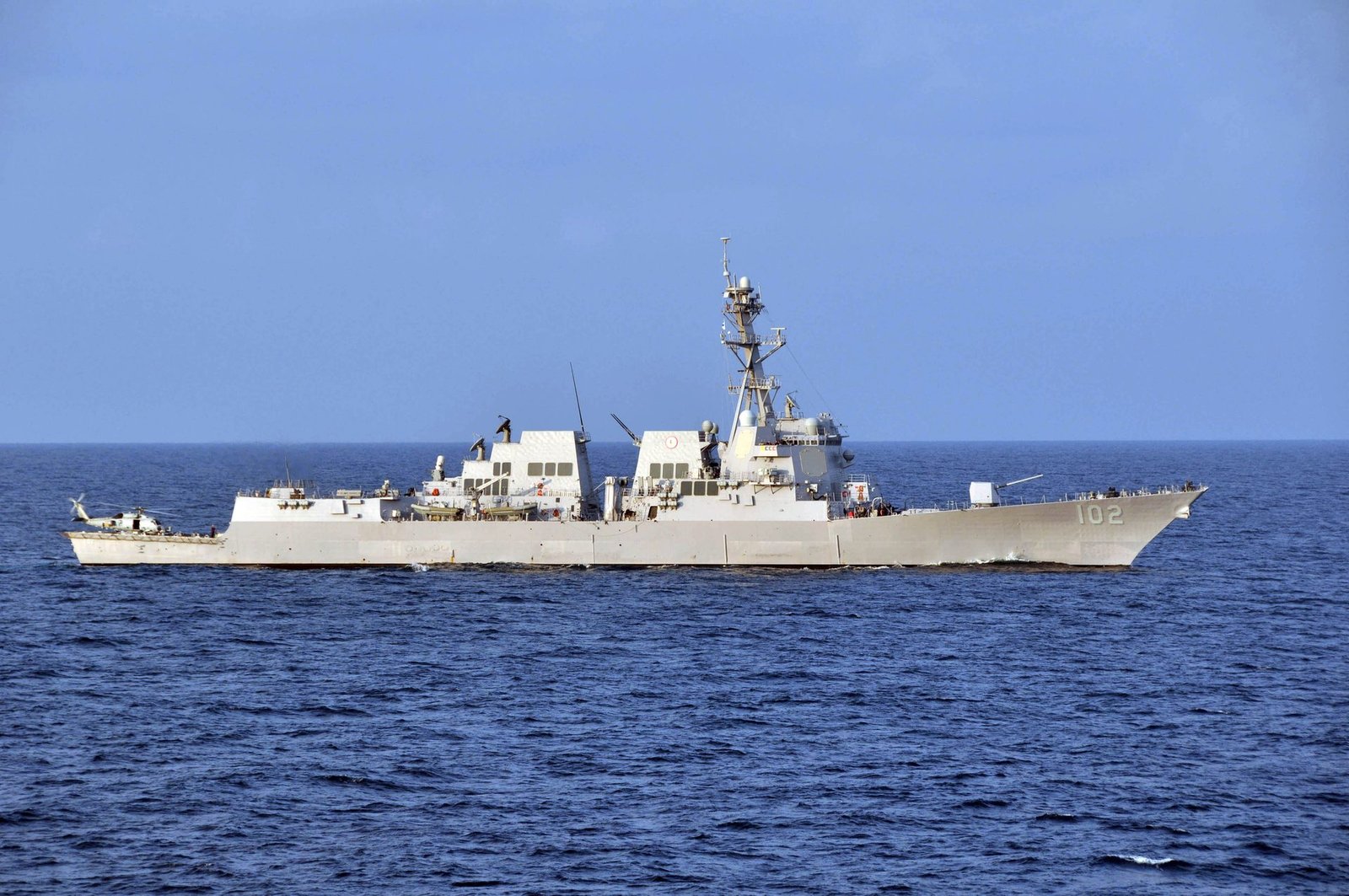
    A United States military aircraft has fired on and disabled a commercial vessel that tried to break the American naval blockade of Iran in the Gulf of Oman, US Central Command said on Saturday, 7 November.

    The St Kitts and Nevis-flagged cargo vessel had visited an Iranian port and was trying to depart regional waters when a US plane fired precision munitions at its stern. US forces first directed the crew to abandon the targeted spaces before the strike, Central Command said. The vessel was disabled but the crew were not reported harmed.

    The incident is the latest in a months-long American naval blockade of Iran, which Washington says is designed to stop Tehran exporting crude oil. Central Command estimated that the blockade has prevented Iran from exporting more than 25 billion dollars’ worth of crude oil. Since July, 147 vessels have been redirected and five merchant ships have been disabled, according to the command.

    Building on the blockade, the US military also announced on Saturday that it is launching a new task force to crack down on Tehran’s movement of advanced weapons and other sanctioned material over its land borders and through the Caspian Sea. The move signals a widening of the campaign beyond the sea lanes of the Gulf and the Arabian Sea.

    Rising tensions in the Gulf

    US President Donald Trump has been threatening to carry out a new offensive against Iran, while Tehran has threatened broad retaliation against Gulf infrastructure, putting countries in the region on edge. The confrontation comes amid a long standoff over Iran’s nuclear programme and its regional activities, and the blockade has already disrupted shipping through one of the world’s most important energy corridors.

    The Gulf of Oman connects the Arabian Sea with the Strait of Hormuz, through which a large share of the world’s seaborne oil passes. Any disruption in the strait raises concerns in global energy markets, and shipping companies have been watching the American campaign closely as it has expanded over recent months.

    Central Command has not named the vessel or said what cargo it was carrying, beyond confirming that it had called at an Iranian port. The command said the blockade would continue, and the new task force would target the land and Caspian routes that Iran is accused of using to move weapons and sanctioned goods. For now, the Gulf remains on alert, with both sides signalling that neither is prepared to back down.

  • Six Killed in Krakow Market Square Shooting as Police Detain Gunman

    Six Killed in Krakow Market Square Shooting as Police Detain Gunman

    Six people were killed and at least 15 injured when a gunman opened fire from a car in Krakow’s Main Market Square on Saturday afternoon, in an attack that has shocked Poland and left one of Europe’s most visited city centres in mourning.

    Police said they began receiving reports at around 3pm local time that a man had driven into the historic square and was firing at random from his vehicle. The dead were four women and two men, and at least one of the victims was a British citizen, according to the Associated Press. Five foreign nationals were among the injured, from Austria, Germany, Portugal, Russia and Britain, an interior ministry spokesperson told Reuters.

    Two police officers were among the wounded, including one who was shot three times and was described by Interior Minister Marcin Kierwiński as being in very critical condition. Police shot the gunman, detained him and took him to hospital. Officers said the suspect, a 24-year-old Polish citizen, acted alone and there was no continuing threat to the public. Police also denied reports that an officer had been killed or that a second attacker was being sought.

    Three more bodies found at suspect’s home

    Later on Saturday, police found the bodies of three more people — two women and a man — during a search of the suspect’s home in Ostrowiec Świętokrzyski, a town about 200 kilometres north of Krakow. Prime Minister Donald Tusk confirmed the discovery. Polish media reported that the three were believed to be members of the suspect’s family.

    Police spokesperson Andrzej Fijolek told broadcaster TVN24 that the attacker used an AR-15 rifle and held a firearms licence. Poland’s defence minister denied reports that the suspect was a soldier.

    Interior Minister Kierwiński said early indications suggested the attacker had been influenced by far-right ideology, but stressed that the motive had not been established and remained under investigation. “Everything points to the fact that the shooter was influenced by far-right ideology, a matter that will also be subject to investigation,” he told a news briefing, according to Reuters.

    Krakow’s mayor, Łukasz Gibała, declared a period of mourning in the city until 11 November, with city-organised public events cancelled. Poland’s president was expected to declare national mourning for 8 and 9 November.

    The shooting took place in the heart of Poland’s second-largest city, a popular destination for tourists, where the Main Market Square is usually crowded with visitors, horse-drawn carriages and market stalls. The attack, of a scale rarely seen in Poland, has prompted a national debate about extremist content online, after a string of school stabbings in October that officials linked to violent material on the internet.

  • Houthis Claim 6 Strikes on Riyadh Airport, Aramco Sites

    Houthis Claim 6 Strikes on Riyadh Airport, Aramco Sites

    Yemen’s Houthi rebels say they launched six missile and drone operations against Saudi Arabia on Saturday, naming Riyadh’s international airport, Aramco oil facilities and a National Guard camp among the targets — claims Saudi Arabia has not confirmed.

    Houthi military spokesman Yahya Saree said the operations used a large number of ballistic missiles, cruise missiles and drones. In a statement, he said the first attack targeted King Khalid International Airport in Riyadh, along with Aramco oil storage tanks and a distillation tower in the Saudi capital.

    He said further strikes hit an Aramco facility near the Khurais oil field in Saudi Arabia’s Eastern Province, a pumping station in the Dawadmi area west of Riyadh, and a National Guard camp in Najran province. Saree claimed the operations had achieved their objectives.

    The Houthis said the attacks were retaliation for Saudi airstrikes on a market in Taiz province, which they alleged killed and wounded dozens of civilians, including vendors and shoppers. Saudi Arabia did not immediately confirm the reported attacks or the extent of any damage, and the Houthis’ claims have not been independently verified.

    Saudi defences report intercepts

    Separately, the Saudi-led coalition said its air defences intercepted and destroyed a Houthi cruise missile aimed at the Riyadh region, and reported a separate drone interception in the same region. The coalition gave no casualty or damage figures.

    The Houthis have stepped up attacks on neighbouring Saudi Arabia in recent months, with airports and oil facilities among the main targets in the kingdom. The latest claims come as fighting in Yemen has intensified, with each side blaming the other for deadly strikes on civilian areas.

    Houthi health officials said at least 27 people were killed and 36 wounded in strikes on homes in al-Shariya, blaming Saudi Arabia. There was no immediate comment from Saudi Arabia on those claims either.

    The renewed exchange underlines how the Yemen conflict continues to spill across the border, putting some of the world’s most important oil and aviation infrastructure in the firing line. Analysts say the claims show the Houthis can still threaten Saudi cities and energy sites despite years of war and repeated Saudi-led bombing in Yemen.

  • Stephen Miller Takes Over White House After Midterm Rout

    Stephen Miller Takes Over White House After Midterm Rout

    Washington: Donald Trump has put the most hardline figure in his inner circle in charge of the White House, naming longtime aide Stephen Miller as his new chief of staff in the first major shake-up since Republicans lost control of Congress in the midterm elections.

    The president announced the appointment in a social media post on Friday, describing Miller as one of his most trusted advisers and saying the change would take effect on Monday, November 9. Miller replaces Susie Wiles, who submitted her resignation on Thursday evening and will move to Trump’s political operation.

    The decision comes just days after Democrats swept both chambers of Congress, a result that has left the White House facing two years of hostile oversight and a much narrower path for the president’s legislative agenda. Rather than reaching for a peacemaker, Trump has chosen the aide most closely associated with his toughest policies.

    The architect of the immigration crackdown

    Miller, 41, has been at Trump’s side since the 2016 campaign and served as a senior policy aide in his first administration from 2017 to 2021. He returned to the White House in 2025 as deputy chief of staff and quickly became one of the most powerful voices in the building, driving the administration’s domestic agenda and its sweeping immigration enforcement drive.

    He is widely regarded as the chief architect of the deportation campaign, which set a target of 3,000 arrests a day and expanded enforcement to migrants who had lived in the United States for decades. His influence stretched well beyond immigration, reaching into crime policy, the overhaul of government institutions and an expansive view of presidential power.

    White House officials told Reuters the appointment signals that Trump intends to double down on his existing approach rather than change course after the electoral setback. “He’s rewarding those most loyal to him. He’s not changing course,” one official said.

    A signal of confrontation ahead

    Trump himself praised Miller as he left the White House on Friday, telling reporters: “Stephen’s been with me from the beginning. He gets it. Very good politically. And he’s a very good man.” Miller wrote on X that it had been the privilege of his lifetime to serve on Trump’s team and that he was honoured beyond words to take the job.

    The elevation is expected to shape the tone of the next two years. With Democrats now in charge of Congress and promising investigations into the administration, Miller’s appointment points to a White House preparing for confrontation rather than compromise, and it is likely to dim any early hopes of a deal on immigration legislation.

    Wiles, a longtime Trump political adviser, had served as chief of staff since the start of his second term in January 2025. She was the first woman ever to hold the position and was credited with bringing discipline to Trump’s political operation. Trump said she had done “an outstanding job” and would continue working with his political team.

    Trump, who had insisted only weeks ago that Wiles would remain in her post for a long time, told reporters on Friday that sometimes “you have to make moves”. He also signalled that more changes could follow, telling CBS News he intended to make further personnel changes after the midterm losses.

  • Six Killed as Gunman Opens Fire in Krakow Main Square

    Six Killed as Gunman Opens Fire in Krakow Main Square

    Six people were killed and 15 others wounded on Saturday afternoon when a gunman drove a car into Krakow’s Main Square and opened fire on passers-by at random, Polish police said. The attack, in one of Europe’s busiest tourist squares, ended when officers shot and wounded the gunman a short distance away and took him into custody.

    Police said the shooting began at about 3pm local time, when a man drove onto the square — known locally as Rynek Glowny — and started firing from inside his vehicle at people in the crowded square. Four women and two men were killed. The injured included two police officers, one of them seriously hurt, according to Poland’s interior minister.

    The suspect, a Polish citizen in his twenties, was wearing military-style clothing and was carrying a military-type long gun, a police spokesperson told the broadcaster TVN24. Officers returned fire as they moved in to arrest him, and the man was taken to hospital under guard. Police said he had acted alone and denied reports that a second attacker was being sought.

    The death toll was revised upwards through the evening: police first reported five dead before confirming that a sixth victim had died of his injuries. Emergency services remained at the scene for hours, and the square — the heart of Krakow’s old town and a magnet for visitors from around the world — was cordoned off as investigators worked through the area.

    Polish Prime Minister Donald Tusk said police were investigating the background and all the circumstances of the attack, and that he was being kept informed by the interior ministry. The city’s mayor declared a period of mourning until 11 November.

    Rare gun violence in Poland

    The shooting shocked a country where gun violence on this scale is rare. Poland, like most European Union countries, has strict rules on owning firearms, and very few people are allowed to carry a gun in public. Krakow, Poland’s second-largest city and its former royal capital, draws millions of visitors a year to its medieval old town, and its Main Square is one of the largest of its kind in Europe.

    Police have not yet said anything about a possible motive, and the investigation was continuing on Saturday night, with the suspect in hospital and the square still sealed off. Officers appealed for witnesses and for anyone with photographs or video of the attack to come forward.

  • Araghchi Speaks to 12 Foreign Ministers in Just Two Days

    Araghchi Speaks to 12 Foreign Ministers in Just Two Days

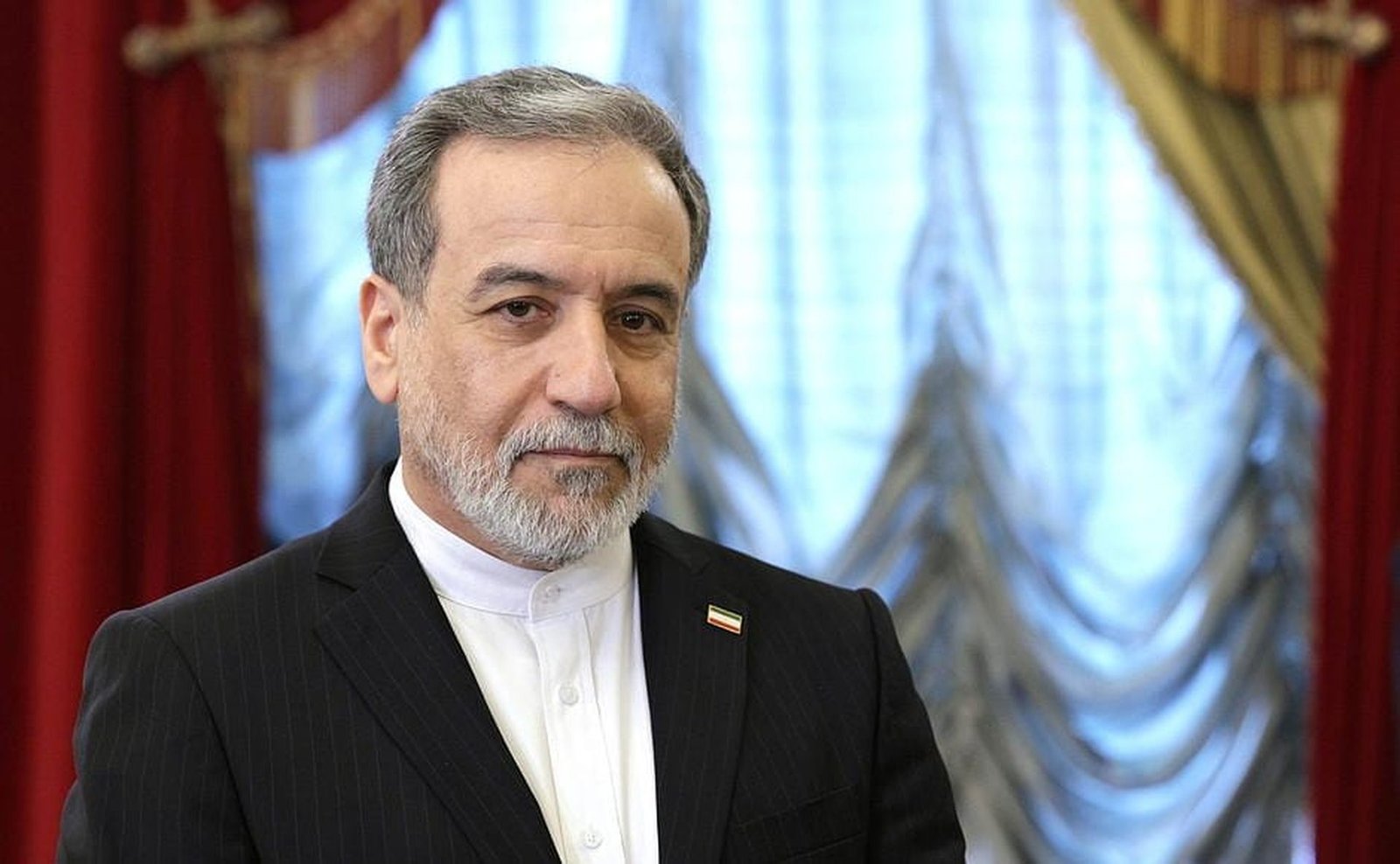
    Iran’s Foreign Minister Abbas Araghchi says he has spoken by telephone with 12 foreign ministers in the space of two days, as Tehran steps up a diplomatic push to calm tensions across the region.

    In a post on Instagram on Saturday, Araghchi said he had set out Iran’s “fundamental positions” in the calls and discussed the need to respect national sovereignty, bring an end to aggression and threats, avoid harmful foreign interference and stop insecurity from spreading. He also argued for regional security arrangements that do not involve powers from outside the region, according to reports of his post.

    The calls, held over the previous 48 hours, included his counterparts from Türkiye, Pakistan, Qatar, Oman, Egypt, Jordan, the Greek Cypriot administration of Southern Cyprus, Saudi Arabia, the United Arab Emirates, Kuwait, Tunisia and Iraq, Araghchi said.

    Talks come amid the US-Iran standoff

    The diplomatic round comes as efforts continue to contain the standoff between Washington and Tehran and to head off any return to open military confrontation. The United States has been pressing Iran for concessions over its nuclear programme as a condition for resuming negotiations, while Tehran has called for the lifting of US sanctions, the release of frozen Iranian funds and permission to export oil.

    The two sides have been exchanging messages through intermediaries in recent weeks. Araghchi has previously said Iran is ready to implement a plan to reopen the Strait of Hormuz within days if its conditions are met, and mediators from Qatar and Pakistan have been involved in carrying proposals between the two capitals.

    Iranian state media also reported that Araghchi spoke separately with his Tunisian counterpart, Mohamed Ali Nafti, late on Friday, with the two men discussing diplomatic efforts to ease tensions and strengthen regional stability. He also held a call with Iraqi Foreign Minister Fuad Hussein, during which Iraq proposed a committee of regional foreign ministers to travel between Tehran and Washington in search of a peaceful settlement, according to Iraqi officials.

    In the same round of calls, Araghchi reaffirmed what Tehran describes as Iran’s legitimate right to defend its sovereignty and national security, according to Iran’s Tasnim news agency, which said he stressed the need for regional security arrangements free from interference by outsiders.

  • Shah’s Son Reza Pahlavi Says He Is Ready to Lead Iran

    Shah’s Son Reza Pahlavi Says He Is Ready to Lead Iran

    Reza Pahlavi, the exiled son of Iran’s ousted shah, accepted a German freedom prize in Frankfurt on Saturday and renewed his offer to lead his country through a democratic transition, saying he held the honour only in trust until a freely elected government takes power in Tehran.

    Pahlavi received the Freedom Prize from the Friedrich Naumann Foundation, a body close to Germany’s liberal Free Democratic Party, at a ceremony in Frankfurt’s historic St Paul’s Church. The award was presented on behalf of the Iranian people, in recognition of their resistance to the hardline Islamist government in Tehran.

    Speaking at the ceremony, Pahlavi said Iran was not a country waiting to be taught democracy. “Iran is a country not waiting to be taught democracy, this is a country being prevented from practising it,” he said. “A people ready to die for the right to vote is willing to exercise the right to vote.” He said he accepted the prize only as a trustee. “I hold it only temporarily,” he told the audience. “One day I will place it in the hands of its rightful owners, not on foreign soil but in the capital, Tehran.”

    Pahlavi, who lives in exile in the United States, has put himself forward as a transitional leader should the current government in Tehran fall. At a press conference in Paris, he said he was submitting himself to his compatriots to lead them toward peace and a democratic transition, calling the moment Iran’s “Berlin Wall moment”. He said he did not seek power for himself, but wanted to guide the country toward stability, freedom and justice, based on three principles: Iran’s territorial integrity, individual liberties and equality for all citizens, and the separation of religion and state. The final form of government, he has said, should be decided by Iranians in a national referendum.

    Thousands of demonstrators, many of them his supporters waving pre-revolutionary Iranian flags, gathered in Frankfurt for the ceremony, according to police. Inside, the largely Iranian-origin audience repeatedly interrupted the ceremony with chants of “Long live the shah, long live Iran!”

    The award was not welcomed by everyone. About 200 prisoners held in Iran signed a letter protesting against Pahlavi receiving the prize, according to a spokeswoman for the Society for German-Iranians in Hesse, who said they considered him a symbol of a “bygone dictatorship”. The Frankfurt branches of the centre-left Social Democrats and the Greens boycotted the event, arguing Pahlavi could not be considered a legitimate representative of the Iranian people. Critics also point to his vocal support for Israel and say he has failed to distance himself sufficiently from his father’s autocratic rule. His father, Mohammad Reza Pahlavi, was the last shah of Iran, who fled into exile in 1979 ahead of the revolution that overthrew the monarchy.

    Anti-government protests broke out in Iran late last year and were suppressed in a January crackdown that rights groups say killed tens of thousands. His appearance came as tensions between the United States and Iran remain high: President Donald Trump confirmed on Friday that US forces had carried out limited strikes against Iranian air defences on Qeshm Island in the Strait of Hormuz, while Iran said its air defences had shot down American drones there, a claim Washington has not confirmed.

  • اٹلانٹا میں پانڈوں کی واپسی، دو سال بعد پہلی جھلک

    اٹلانٹا میں پانڈوں کی واپسی، دو سال بعد پہلی جھلک

    امریکی شہر اٹلانٹا کے چڑیا گھر میں دو سال بعد پانڈے واپس آ گئے ہیں۔ چھ سالہ پنگ پنگ اور فو شوانگ نے جمعہ، چھ نومبر کو زو اٹلانٹا میں اپنے نئے گھر، آرتھر ایم بلینک پانڈا گروو میں عوام کے سامنے پہلی بار قدم رکھا، اور ان کی ایک جھلک دیکھنے کے لیے لوگ قطاروں میں کھڑے رہے۔

    دونوں پانڈے 27 ستمبر کو چین کے شہر چینگڈو سے اٹلانٹا پہنچے تھے۔ وہ چین کی وائلڈ لائف کنزرویشن ایسوسی ایشن کے ساتھ ایک نئے تحفظ کے معاہدے کے تحت دس سال کے قرضے پر امریکہ آئے ہیں۔ سفر کے دوران وہ ایک خصوصی بوئنگ 777 طیارے میں سوار تھے جسے فیڈیکس نے اس سفر کے لیے مہیا کیا تھا۔

    پنگ پنگ نر ہے اور فو شوانگ مادہ۔ دونوں 2020 میں چینگڈو ریسرچ بیس آف جائنٹ پانڈا بریڈنگ میں پیدا ہوئے تھے۔ پنگ پنگ 17 مارچ 2020 کو پیدا ہوا تھا جبکہ فو شوانگ 18 اکتوبر 2020 کو پیدا ہوئی تھی۔ چڑیا گھر کے مطابق پنگ پنگ کی آنکھوں کے گرد گہرے سیاہ حلقے نمایاں ہیں جبکہ فو شوانگ کی پیشانی کچھ ابھری ہوئی ہے۔

    نیا گھر، چھ ملین ڈالر کی تزئین و آرائش

    پانڈوں کا نیا گھر چھ ملین ڈالر کی لاگت سے مکمل طور پر نیا بنایا گیا ہے۔ اس منصوبے کے لیے رابرٹ ڈبلیو وڈرف فاؤنڈیشن نے گرانٹ دی تھی۔ نئے گھر میں پانڈوں کے لیے بڑے کمرے، چڑھنے کے لیے نئے ڈھانچے اور تالاب بنائے گئے ہیں تاکہ ان کی دیکھ بھال بہتر ہو سکے۔

    زو اٹلانٹا کے صدر اور چیف ایگزیکٹو ریمنڈ بی کنگ نے کہا کہ پنگ پنگ اور فو شوانگ اور ان کے نئے گھر کو اپنی کمیونٹی، اٹلانٹا شہر اور ریاست جارجیا کے سامنے پیش کرتے ہوئے انہیں بے حد خوشی ہو رہی ہے۔ شہر کے بڑے مخیر حضرات میں سے ایک آرتھر بلینک نے کہا کہ پانڈوں کی واپسی شہر کے لیے ایک پرجوش لمحہ ہے، کیونکہ اٹلانٹا ایک بار پھر دنیا کے سب سے پیارے جانوروں میں سے ایک کا گھر بن گیا ہے۔

    اس سے قبل زو اٹلانٹا میں پانڈوں کا پروگرام 1999 سے 2024 تک جاری رہا تھا، جس کے دوران سات بچے پیدا ہوئے تھے۔ دو سال قبل چاروں پانڈے چین واپس چلے گئے تھے، جس سے 25 سالہ شراکت ختم ہو گئی تھی اور تب سے پانڈوں کا گھر خالی پڑا تھا۔ اب زو اٹلانٹا امریکہ کے ان تین چڑیا گھروں میں سے ایک ہے جہاں پانڈے موجود ہیں، اور جنوب مشرقی امریکہ میں یہ واحد چڑیا گھر ہے۔

    چین نے پانڈوں کو عالمی سفارت کاری کے حصے کے طور پر طویل عرصے سے استعمال کیا ہے، اور انہیں خیر سگالی کے اظہار کے طور پر قرضے پر دیا جاتا ہے۔ تقریباً دس سال قبل جائنٹ پانڈا کو خطرے سے دوچار جانوروں کی فہرست سے نکال کر کمزور درجے میں رکھا گیا تھا، جو چین میں ان کی بڑھتی ہوئی تعداد کی عکاسی کرتا ہے۔