Category: World

World news in English — global headlines and analysis. دنیا بھر کی خبریں۔

  • 6,300 Schools Hit by Hoax Bomb Threats Across Europe

    6,300 Schools Hit by Hoax Bomb Threats Across Europe

    Hundreds of schools across Italy were evacuated on Wednesday after emailed bomb threats were sent to about 6,300 institutions, in the latest wave of hoax messages targeting schools and infrastructure across Europe. Similar emails reached schools in Scotland, Northern Ireland and the Republic of Ireland, though authorities there quickly assessed them as hoaxes and classes were largely undisturbed.

    Italian police said hundreds of schools in the country were evacuated as a precaution after the messages arrived during the morning. A spokesperson for the Italian public education ministry told CNN that about 6,300 schools had received the emailed threat. Officials later said the incident was a suspected hoax, and no explosives or suspicious devices were found.

    Italian Prime Minister Giorgia Meloni said in a video statement that all of the threats had been deemed fake, with no concrete evidence of an attack. She did not rule out the possibility of such threats resurfacing. Italy’s education minister, Giuseppe Valditara, said the alerts were presumed to be hoaxes and expected the number of affected schools to rise as reports came in.

    According to a copy of the message seen by Reuters, the email was signed by a purported leader who had also claimed responsibility for emailed bomb threats sent on Friday to newsrooms in Ireland and Bulgaria. The same purported author was linked to threats against flights in Europe earlier in the month. Authorities have not verified the identity of the sender.

    In Northern Ireland, more than 300 schools received the threatening email, police said, adding that the message originated outside the United Kingdom and was being treated as a hoax. The Education Authority said the message resembled a hoax sent to schools last month and that it was unaware of any evidence of a credible threat.

    Police in Scotland said threatening messages were sent to schools across the country, from Dumfries in the south to Aberdeenshire and Orkney in the north. The force said the messages were being treated as hoaxes and advised schools that the emails alone did not warrant evacuation, though some schools in Edinburgh were briefly evacuated as a precaution.

    Police in the Republic of Ireland said a generic communication had been sent to a number of educational establishments. The Garda assessed the threat as not credible and said it was not advising any evacuations.

    Wednesday’s incident was the third wave of bomb threats against Italian schools in a month, following messages received on October 19 and November 2, when about 280 schools received threatening messages, according to Italian media reports. It also came less than a week after more than 20 European commercial flights received fake bomb threats, forcing many to divert.

    Authorities across Europe are treating the episode as part of a wider pattern of disruption targeting public institutions. Investigations were continuing, but officials stressed that students were safe and there was no danger to the public.


  • Spain Strike: 4 Million Walk Out Over Housing Crisis

    Spain Strike: 4 Million Walk Out Over Housing Crisis

    Four million workers across Spain stopped work on Wednesday in the country’s first general strike in 14 years, turning a deepening housing crisis into the biggest test yet for a government heading into a snap election. Unions said the walkout, backed by the country’s two largest labour federations and tenants’ associations, brought factories, ports and transport to a near standstill.

    The strike was called by the UGT and CCOO unions, which together represent more than a million workers, alongside tenants’ groups angry about rising rents and evictions. It was the first nationwide stoppage since 2012, when workers protested against austerity measures during the eurozone debt crisis. This time the central demand was homes people can afford.

    Spain faces a shortage of about 750,000 homes, according to the central bank, and the gap is expected to pass one million by 2028. Rents have climbed so sharply that the average monthly rent of 1,176 euros now equals about 98.7 percent of a young person’s average monthly salary, figures from the Youth Council of Spain show.

    For many on the picket lines, the numbers were personal. Jesus Gonzalez, a 36-year-old hospital IT worker in Madrid, told reporters he still cannot afford to move out on his own.

    Transport halted and flights cancelled

    The disruption was felt across the country. Barcelona’s metro ran no trains outside peak commuting hours, while Madrid’s metro cut services by half for most of the day. At ports and car plants, unions reported early participation of 90 percent, with total stoppages at Volkswagen’s plant in Navarre and SEAT’s in Barcelona.

    Air travel was less badly hit than feared. Airport operator Aena said 202 of the 4,529 flights scheduled across Spain had been cancelled by 08:30, about 4.4 percent, as airlines moved passengers onto earlier departures. The Iberia group reported 444 cancellations affecting 45,641 passengers, according to reports citing the airline.

    Police said they made 29 arrests across Spain in incidents linked to the strike, nine of them in Madrid. At the Mercamadrid wholesale market, the CCOO union said police used pepper spray against pickets and arrested one person, with 13 people needing medical attention. Police confirmed the arrest but did not confirm the use of pepper spray there, saying it had been used to disperse a separate picket line in the Carabanchel district.

    Storms and an election 18 days away

    Afternoon marches faced a second challenge from the weather, as storms Charles and Bruna prompted AEMET to issue alerts for 14 regions over strong winds, rough seas and heavy rain.

    The strike comes 18 days before a snap election on 29 November. Prime Minister Pedro Sanchez hopes to turn voter anger over housing to his advantage, after calling the vote when parliament rejected decrees aimed at curbing evictions and easing rent pressures. It followed weeks of protests sparked by the eviction and subsequent death of an 87-year-old woman in Madrid.

    Business leaders pushed back. Angela de Miguel, vice president of the employers’ lobby CEOE, called the strike counterproductive and said the answer was to build more homes and cut taxes on construction and house purchases.

    Union leaders and many protesters said they hold both the central government and regional authorities responsible. With the campaign due to begin on 13 November, housing is now at the centre of the contest.

  • Orban’s Brother Detained in People-Smuggling Probe

    Orban’s Brother Detained in People-Smuggling Probe

    Hungary has detained Aron Orban, the 49-year-old younger brother of former prime minister Viktor Orban, as part of an investigation into an alleged people-smuggling operation, Prime Minister Peter Magyar confirmed on Monday. The detention has sent shockwaves through Hungarian politics and sharpened the confrontation between the current government and the former leader.

    Police and the country’s anti-graft body carried out coordinated raids on Monday 9 November at several sites in Budapest and Pest County, detaining four people, three men and one woman. Prosecutors have requested pre-trial detention for all four, according to Hungarian media reports.

    The four are suspected of helping Vietnamese citizens reach Western Europe over several months in 2024. According to the authorities, the group charged visa applicants a so-called recruitment fee at Hungary’s diplomatic missions in Vietnam and shared the money among themselves. Police said the suspects were involved in human smuggling committed as part of a criminal conspiracy for financial gain.

    Investigators believe the scheme worked through short training courses. Hungarian outlet Telex reported that a company linked to Aron Orban enrolled Vietnamese citizens in a two-day lifeguard course at the University of Pecs, and that the course invitations were then used to support visa applications. Telex also reported that police searched a property in Fotliget, a residential area in Pest County. Investigators say more than 100 Vietnamese nationals were helped to enter the Schengen area through the alleged scheme.

    Anti-graft body at the centre of the case

    The operation was run by the National Asset Protection and Recovery Office, known by its Hungarian initials NVVH, together with the National Bureau of Investigation. The NVVH was set up to examine allegations of corruption during Viktor Orban’s 16 years in power, which he has denied. It was established by Magyar, who defeated Orban in an April election, and sits at the heart of his government’s anti-graft campaign, which he has called Operation Purgatory.

    Neither the NVVH nor the police publicly identified the four people detained, and police declined to confirm the identities in a response to Reuters. It was Magyar who confirmed the detention of Aron Orban during a speech in Berlin on Monday, saying his brother had gone into custody that day.

    Viktor Orban rejected the move on Facebook, describing his brother’s detention as political revenge. In his post, he said the aim was to eliminate a political opponent and build a one-party system, adding that he was the target and his younger brother was just a tool.

    A wider crackdown on the former government

    The case is part of a broader sweep against figures from the previous government. Two former ministers from Orban’s administration and former central bank chief Gyorgy Matolcsy are already under arrest over separate graft accusations, according to Reuters.

    Aron Orban is a businessman, and Hungarian media have linked him to a firearms company, Multi Shoot, which Telex reported had helped arrange the lifeguard courses and appointments at Hungarian missions abroad. No charges have been publicly confirmed, and the presumption of innocence applies. Viktor Orban himself is not accused personally in the investigation.

    The case is expected to dominate Hungarian politics in the coming weeks, as prosecutors seek pre-trial detention and investigators continue to examine documents and devices seized during the raids.

  • COP31: Leaders Push 35% Electricity Goal by 2035 in Antalya

    COP31: Leaders Push 35% Electricity Goal by 2035 in Antalya

    World leaders took the stage at the COP31 climate talks in the Turkish resort city of Antalya on Wednesday, setting out their national priorities as negotiators worked on a deal to raise the share of electricity in global energy use. Delegates from nearly 200 countries are attending the two-week conference, where the main push from host Turkey is an electrification goal that would lift electricity to 35 percent of total energy consumption by 2035, up from a little over a fifth today.

    The leaders’ speeches began on Wednesday afternoon and were scheduled to continue through Thursday, according to the conference programme. Wednesday’s speakers included Brazilian President Luiz Inacio Lula da Silva, whose country hosted last year’s climate talks, European Commission President Ursula von der Leyen, Chinese Vice President Han Zheng, and Marshall Islands President Hilda Heine.

    Speaking to the conference on Tuesday, United Nations Secretary-General Antonio Guterres urged countries to set clear timelines for moving away from fossil fuels. “It is long past time to stop treating the transition away from fossil fuels as taboo or intractable,” he said, calling on governments to turn promises into action.

    The talks are taking place against a difficult backdrop. A UN report published last month found the world on course to break through the 1.5 degrees Celsius warming limit that countries agreed to pursue under the Paris Agreement, while global greenhouse gas emissions show little sign of falling and wars, inflation and other crises compete for political attention.

    Turkey’s electrification proposal sits at the centre of the draft deal, even though critics say it may do little to slow warming on its own. The idea is that shifting cars, factories and buildings onto electricity would cut emissions, but the proposal does not require the new power to come from clean energy sources. Governments have yet to agree on a broader plan to move away from coal, oil and gas.

    Implementation is the watchword

    Former French Prime Minister Laurent Fabius, who chaired the 2015 Paris climate conference and now leads an advisory council of former COP presidents, said the leaders’ speeches could give the talks fresh political momentum. “It is an opportunity for leaders to make some announcements, and more this time, to explain how they will implement, because the key word in Antalya is implementation,” he told Reuters.

    The previous summit in Brazil was unable to reach consensus on a global plan to reduce dependence on fossil fuels. Since then, however, the Brazilian COP presidency has published a roadmap aimed at keeping the idea on the agenda. It asks countries first to plan and assess their energy systems by 2028, then to work together to reduce fossil fuel supply from 2031.

    The United States, the world’s largest historical emitter, is not at the talks. Washington has skipped the conference for a second year in a row after President Donald Trump, who has called global warming a hoax, withdrew the US from climate cooperation following his return to office in 2025.

    With leaders’ speeches wrapping up on Thursday, attention now turns to the negotiators, who must decide whether the electrification goal and any language on fossil fuels make it into a final agreement before the summit closes.

  • Trump: US Won Iran War, Wants ‘Total Victory’

    Trump: US Won Iran War, Wants ‘Total Victory’

    President Donald Trump has declared that the United States has already won its war with Iran, but has insisted he will accept nothing less than what he called a total victory. Speaking at Arlington National Cemetery on Veterans Day, he told veterans and military families that the end of the conflict was now a matter of timing.

    “We won,” Mr Trump said during his address at the Memorial Amphitheater, after laying a wreath at the Tomb of the Unknown Soldier. “We want to make sure we have a total victory, not a 93% victory. It’s just a question of when we want to end it.”

    The president, who was joined by First Lady Melania Trump, Vice President JD Vance and Defence Secretary Pete Hegseth, recast the origins of the conflict, which began in February. “America did not start a war with Iran,” he said. “Iran has been waging war on America since 1979. This should have been taken care of a long time ago.”

    Mr Trump said American forces had inflicted heavy damage on Iran, claiming it would take Tehran 25 years to rebuild what had been destroyed, and said he hoped no further destruction would be needed. He said the operation had begun seven months ago and credited B-2 bombers with preventing Iran from obtaining a nuclear weapon.

    He also put the American death toll at 18 service members, a figure reporters have described as disputed, and compared it with the far higher losses of the Korean, Vietnam, Iraq and Afghanistan wars.

    Veterans honoured at Arlington

    Much of the speech was devoted to the veterans in the audience. Mr Trump honoured Marine veteran Dale Garner, a survivor of the 1983 bombing of a Marine barracks in Beirut that killed 241 American service members, an attack a US court later found Iran responsible for. He also recognised Jack Myers, 103, a Second World War gunner who fought in the Battle of the Bulge, and Colonel Douglas Moore, a Vietnam medevac pilot credited with 1,874 missions.

    Turning to veterans’ care, the president said his administration had cut the Department of Veterans Affairs claims backlog by 71% in less than two years and secured housing for nearly 100,000 homeless veterans, and he pledged to end veteran homelessness.

    Venezuela and the triumphal arch

    Mr Trump also pointed to the recent operation in Venezuela, saying the United States had won the war in 48 minutes, and repeated his claim that American forces had captured the country’s leader, Nicolás Maduro, who is now in custody in New York. “To the victor belong the spoils,” he said.

    Near the close of his address, he returned to his plan for a triumphal arch honouring the armed forces, saying it would soon be dedicated to veterans. The 250-foot gilded arch planned near the Lincoln Memorial has been approved by a planning body but is frozen by a temporary court order, with lawsuits pending, including one brought by the Kennedy family.

    The speech came a week after midterm elections in which Vice President Vance said the Iran conflict had contributed to Republican losses, a view Mr Trump did not dispute. He closed by promising veterans their service would be remembered. “And the nation you served, we will never, ever let it fail,” he said.

  • Russian Ambassador to US Alexander Darchiev Dies at 66

    Russian Ambassador to US Alexander Darchiev Dies at 66

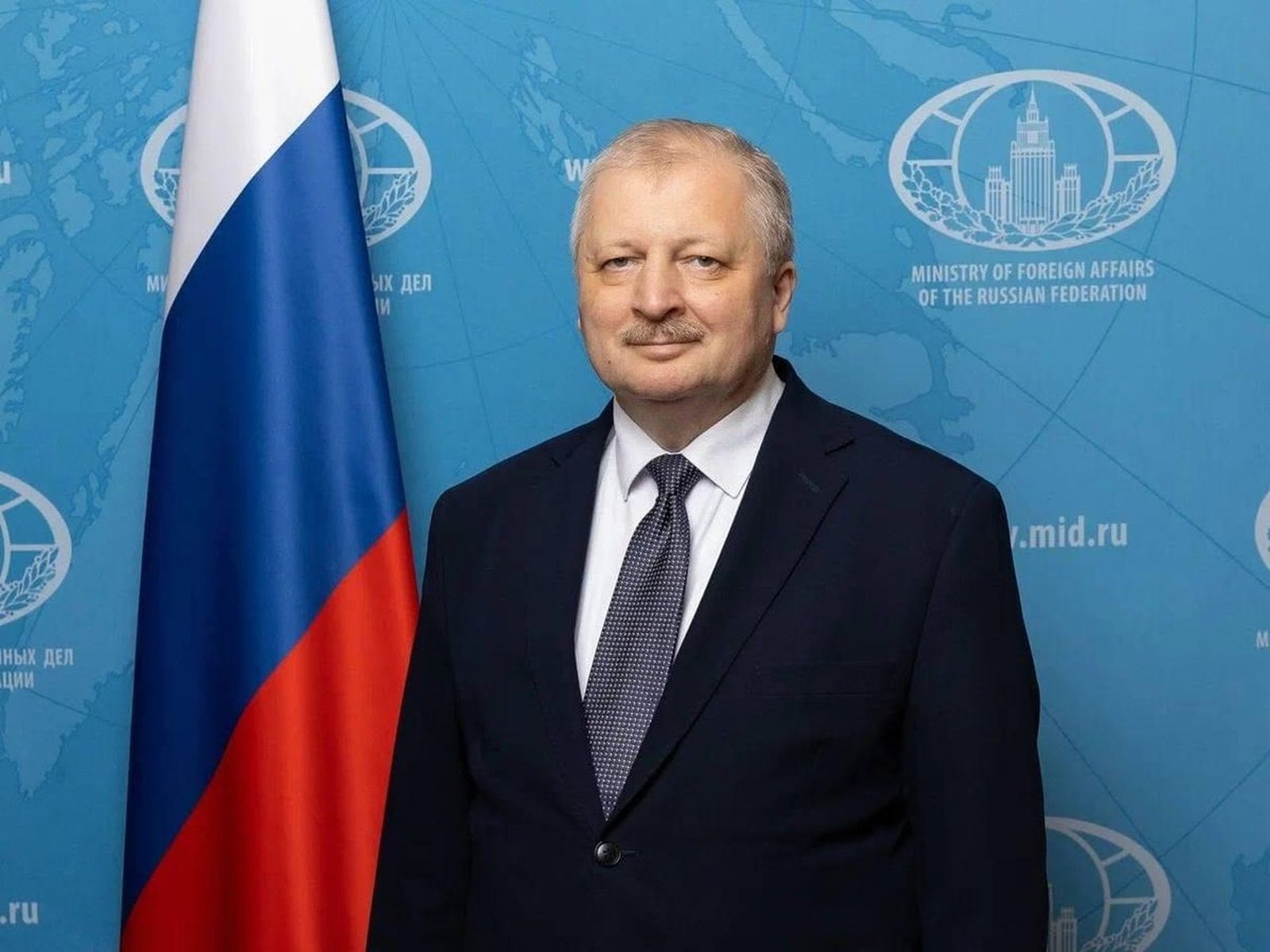
    Russia’s ambassador to the United States, Alexander Darchiev, has died suddenly at the age of 66, the Russian Foreign Ministry announced on Wednesday. The ministry said Mr Darchiev died on 11 November, describing him as an exceptional professional and an outstanding diplomat.

    In a statement, the ministry said it was announcing the death with profound sorrow and praised Mr Darchiev as an experienced leader, a kind colleague and a mentor. No cause of death was given. According to the ministry’s spokesperson, Maria Zakharova, the ambassador had been living with a chronic illness.

    Mr Darchiev had served as Moscow’s envoy in Washington since March 2025, when President Vladimir Putin appointed him to succeed Anatoly Antonov. He was a veteran diplomat who had spent much of his career in the foreign ministry and was known for his sharp public criticism of the West.

    The announcement was posted on the ministry’s official Telegram channel on Wednesday evening in Moscow and was also shared on X, where the ministry wrote that Mr Darchiev had passed away suddenly on 11 November, aged 66. Russian state news agencies carried the statement in full within the hour.

    Born in 1960, according to biographical notes published by the Russian Embassy in Washington, Mr Darchiev had held a series of senior posts inside the foreign ministry before he was chosen for Washington. His appointment was widely seen as part of a tentative attempt by both sides to restore a working relationship after years of deep strain.

    A posting at a difficult time

    He arrived in Washington at a moment of severe tension between the two countries, following Russia’s invasion of Ukraine in 2022, and was tasked with leading efforts to rebuild contact between Moscow and the administration of President Donald Trump. The Russian news agencies Interfax and RIA Novosti carried the ministry’s statement in full on Wednesday evening.

    His death comes as Moscow and Washington continue to struggle to restore relations that have deteriorated sharply since 2022, with disagreements over Ukraine still unresolved. No successor has yet been named, and the ambassador’s post is now listed as vacant. There was no immediate public comment from the White House or the US State Department.

  • US Soldier Held in UK on Suspicion of Spying for Russia

    US Soldier Held in UK on Suspicion of Spying for Russia

    A senior member of the United States Army has been arrested in Britain on suspicion of spying for Russia, British counter-terrorism police said on Tuesday. The 41-year-old man, whose name has not been released, was detained near Gloucester in the west of England and is being held at a police station in London.

    The soldier was arrested on suspicion of offences under sections 1 and 3 of the National Security Act 2023, which cover obtaining or disclosing protected information and assisting a foreign intelligence service. Police said the country to which the allegations relate is Russia, and that searches were carried out at two locations in Gloucestershire. No charge has been filed.

    The BBC reported that the soldier was based at Imjin Barracks in Innsworth, Gloucestershire, the headquarters of NATO’s Allied Rapid Reaction Corps, a multinational formation designed to respond quickly to crises. Police have not publicly confirmed the posting, although a senior NATO official confirmed to American media that the serviceman was assigned to the corps. No details of his role have been released.

    A joint investigation, and a denial from Moscow

    Deputy Assistant Commissioner Vicki Evans, Britain’s senior national coordinator for Counter Terrorism Policing, said the arrest and investigation were the result of close collaboration between UK and US authorities, and that the investigation was very much ongoing. FBI Director Kash Patel thanked British police and intelligence agencies, describing the case as an important arrest involving allegations of espionage of the utmost concern to the United States and its allies.

    Brigadier General Sean Stinchon, commanding general of the US Army’s Counterintelligence Command, said the alleged conduct of a senior soldier entrusted with sensitive information was a sobering reminder that insider threats are real and persistent. The Pentagon referred questions to the US Army, which did not immediately respond.

    On Wednesday, Kremlin spokesman Dmitry Peskov denied any Russian involvement, saying Moscow did not know what the arrest was connected to and had nothing to do with it. The allegations remain unproven, and police said the investigation was not linked to any other ongoing counter-terrorism inquiry.

    The case is the latest espionage allegation involving suspected Russian agents in Britain, a close ally of Ukraine, which Russia invaded in 2022. Relations between London and Moscow were frosty long before the war, marred by the poisoning of former Russian spy Alexander Litvinenko in London in 2006 and the attempted poisoning of double agent Sergei Skripal in Salisbury in 2018. In September, a British man appeared in court in London over allegations that he was preparing to sabotage a drone factory on behalf of Russian military intelligence. Reports described the arrest as believed to be the first time a serving US soldier has been suspected of spying for a foreign government while in Britain.

  • US Charges Three Over 20 Terror Plots, RAF Fairford Plan

    US Charges Three Over 20 Terror Plots, RAF Fairford Plan

    The United States has charged three men with plotting nearly 20 terrorist attacks across Europe and America, including a foiled plan to drive vans loaded with fuel into a British airbase used by American forces. The Justice Department unsealed an eight-count indictment on Tuesday, naming the men as Mohammad Baqer Saad Dawood al-Saadi, Mohsen Mohajeri and Mohammad Ali al-Hassani, and accusing them of acting in support of Kataib Hezbollah and Irans Islamic Revolutionary Guard Corps, both designated as terrorist organisations by Washington.

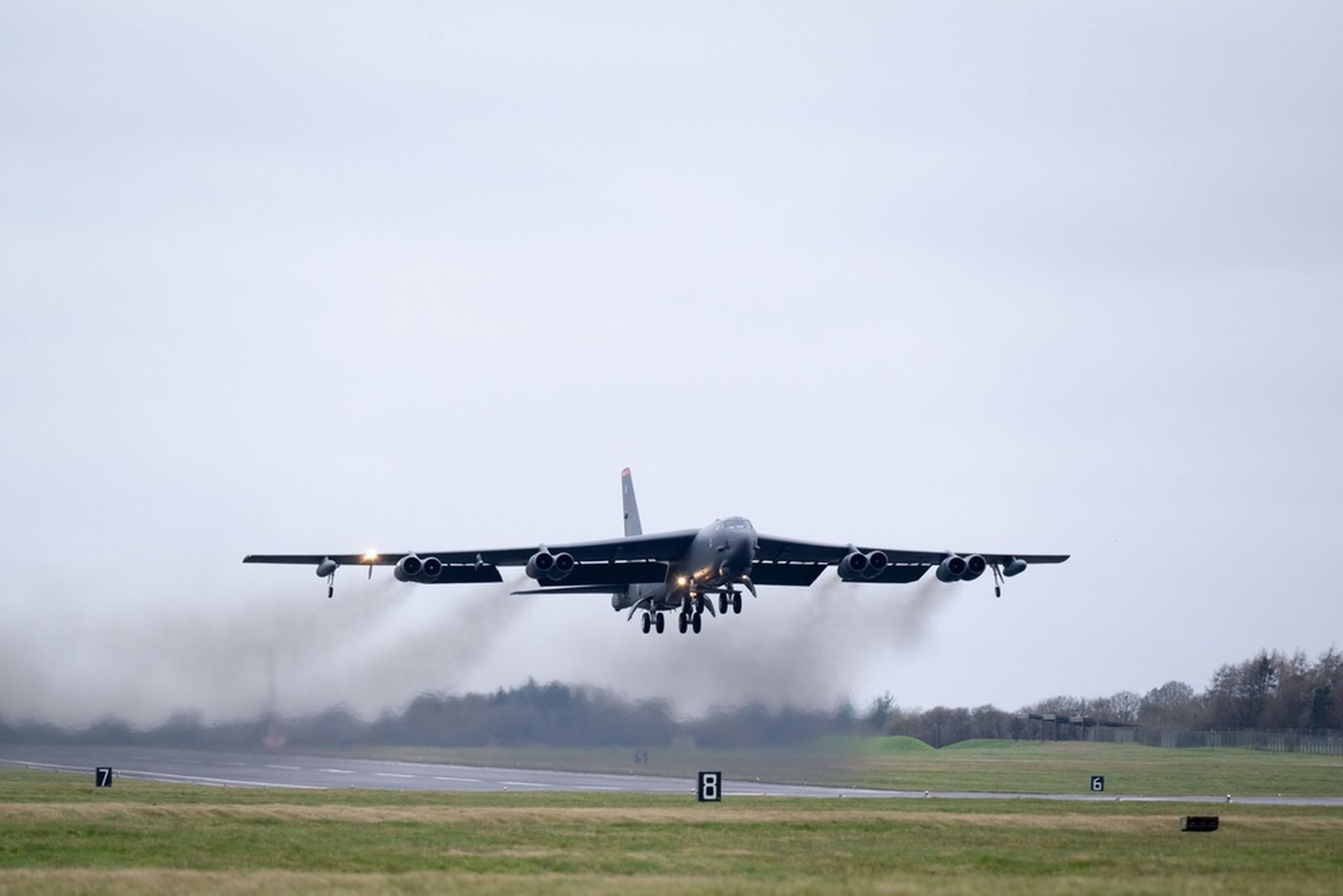
    The most serious allegation concerns RAF Fairford in Gloucestershire, a base that houses United States military aircraft and personnel. Prosecutors say al-Hassani, a 35-year-old Iraqi national, directed and paid associates in Britain to prepare the attack from August onwards. They carried out surveillance of the base, bought vans and barrels of fuel, researched chemical accelerants and metal objects that could be used as shrapnel, and fitted the vans with fake logos to make them look like vehicles from a fuel delivery firm and a swimming pool supply business.

    On 26 September, the indictment says, al-Hassani told the drivers to take three vans towards the base. At least two of them were stopped at a security roadblock before they could reach the perimeter. In the early hours of the following morning, British police recovered three white vans carrying barrels of fuel and arrested the people inside them. After the threat, the United States removed its bomber aircraft from RAF Fairford, according to the BBC.

    The indictment links the three men to a wider campaign of violence in the spring of this year. Prosecutors say about 18 attacks in Europe were claimed in the name of a front group calling itself Harakat Ashab al-Yamin al-Islamiya, including seven in the United Kingdom. The attacks involved arson and explosives, and one near-fatal stabbing in London of two Jewish men, one of them a dual American-British citizen. Al-Saadi was first charged in May over his alleged role in those attacks and in an attempt to bomb a synagogue in New York.

    One striking detail in the case is how the plot was allegedly coordinated. Al-Saadi, 32, has been in federal custody in New York since he was arrested abroad on 1 May and transferred to the United States. Prosecutors say he passed coded messages to his co-defendants through phone calls with his family in Iraq, using words such as work to describe terrorist activity. His co-defendants, Mohajeri, 48, and al-Hassani, are not in custody, according to reports citing people familiar with the case.

    Attorney General Todd Blanche said anyone who plans a terrorist plot on a military base housing American service members will be prosecuted by the United States government. FBI Director Kash Patel said the case showed the determination of Iran to commit terrorist attacks in Europe and the United States. The charges include conspiracy to provide material support to terrorist organisations and conspiracy to bomb a place of public use, which carries a maximum sentence of life in prison. The Iranian embassy in London has rejected the allegations. An indictment is only an allegation, and all three men are presumed innocent until proven guilty in court.

  • Congo Ebola Outbreak Tops 11,042 Cases, 5,387 Deaths

    Congo Ebola Outbreak Tops 11,042 Cases, 5,387 Deaths

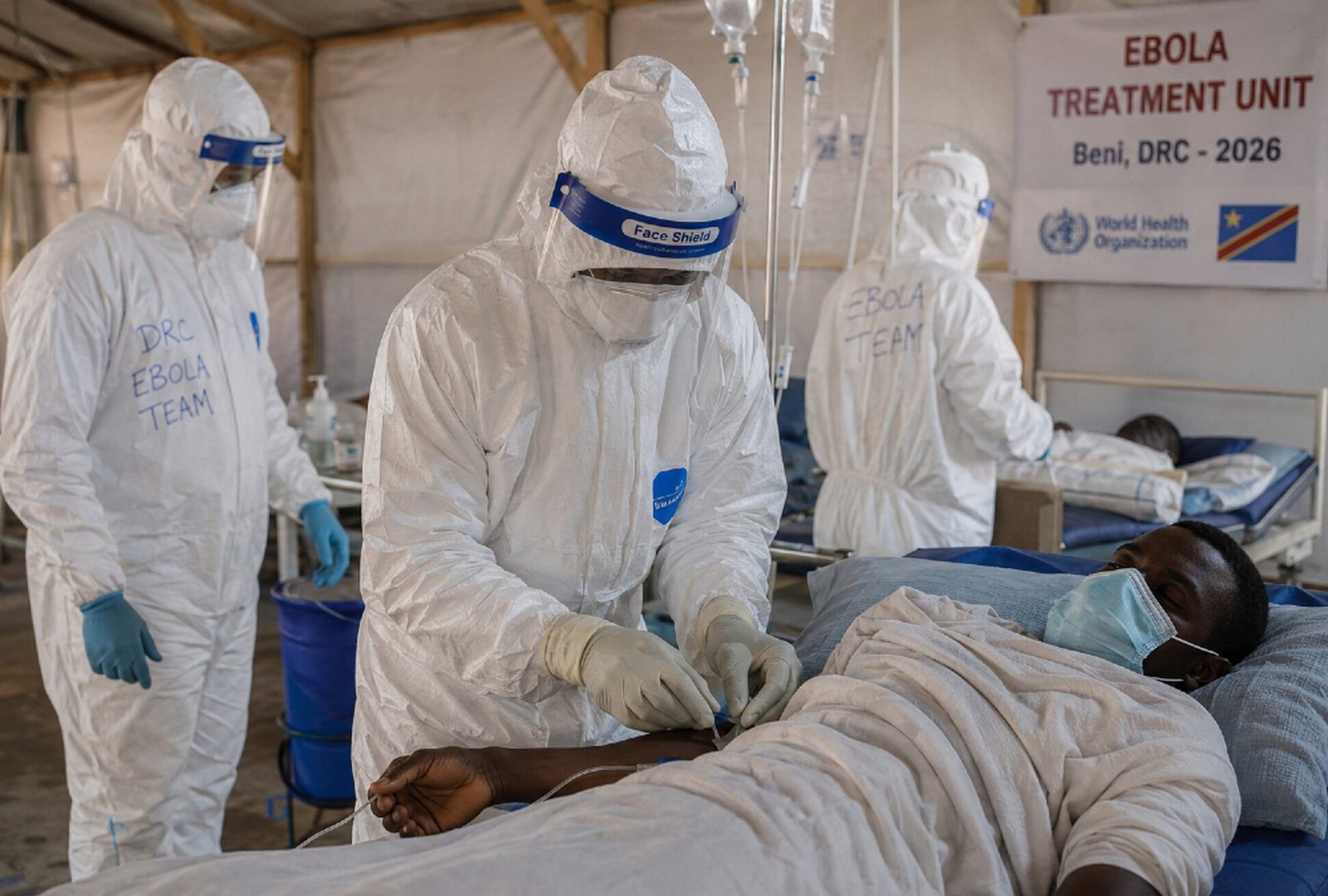
    The Ebola outbreak in the Democratic Republic of Congo has crossed a grim new threshold, with confirmed cases passing 11,000 and the death toll climbing past 5,300, according to government figures released on Tuesday.

    The latest national count puts confirmed infections at 11,042 and deaths at 5,387, health ministry data showed. That makes this the largest and deadliest Ebola outbreak in Congo’s history, and the second-largest and second-deadliest ever recorded anywhere, behind only the 2014 to 2016 epidemic in West Africa, which infected more than 28,600 people and killed over 11,000.

    A virus with no vaccine

    The outbreak is caused by the rare Bundibugyo strain of the Ebola virus and was officially declared in mid-May, although experts believe it may have been circulating for weeks or even months before that. It is the 17th Ebola outbreak in Congo’s history. There is still no licensed vaccine and no approved specific treatment for this strain, which kills roughly half of the people it infects. The national public health institute puts the case fatality rate at 48.8 per cent, and about 2,990 people have recovered so far.

    The virus has now reached eight of Congo’s 26 provinces, the widest spread of any Ebola outbreak recorded on the African continent. Ituri province, where the outbreak began in the north-east, remains the epicentre, accounting for almost 70 per cent of all infections, followed by North Kivu. The World Health Organization counted 10,668 confirmed cases and 5,198 deaths across 67 health zones as of 3 November, with active transmission still under way in 51 of them.

    Why it keeps spreading

    Health workers say the response has been held back by a combination of armed conflict, a health system under severe strain, poor roads and mistrust among residents, which has at times turned violent. Many people have died outside treatment centres, and delayed detection has allowed the virus to travel further before cases are found. The International Organization for Migration says 71 confirmed cases have been detected at transit points it supports, and 95 per cent of them were found on informal routes rather than at formal checkpoints.

    There is some hope on the horizon. Earlier this month the World Health Organization approved clinical trials of two candidate vaccines, with results expected in early 2027, and a trial known as Tumaini began in the town of Bunia on 23 October. Congolese scientists have also sequenced more than 1,500 complete viral genomes in under six months, work that helps track how the virus is moving. For now, though, health officials say the priority remains finding cases faster, reaching communities that are hard to access and keeping treatment centres running, as the outbreak enters its seventh month with no sign yet of slowing down.

  • Hormuz Tankers Still Burning Despite Talk of Calm

    Hormuz Tankers Still Burning Despite Talk of Calm

    Oil tankers are still catching fire in the Strait of Hormuz, even as financial markets bet that the war involving Iran may be easing. Fresh evidence gathered over the past few days points to more strikes on ships passing through the narrow waterway, along with attacks on energy facilities elsewhere in the region, according to a report by Reuters on Tuesday, 10 November.

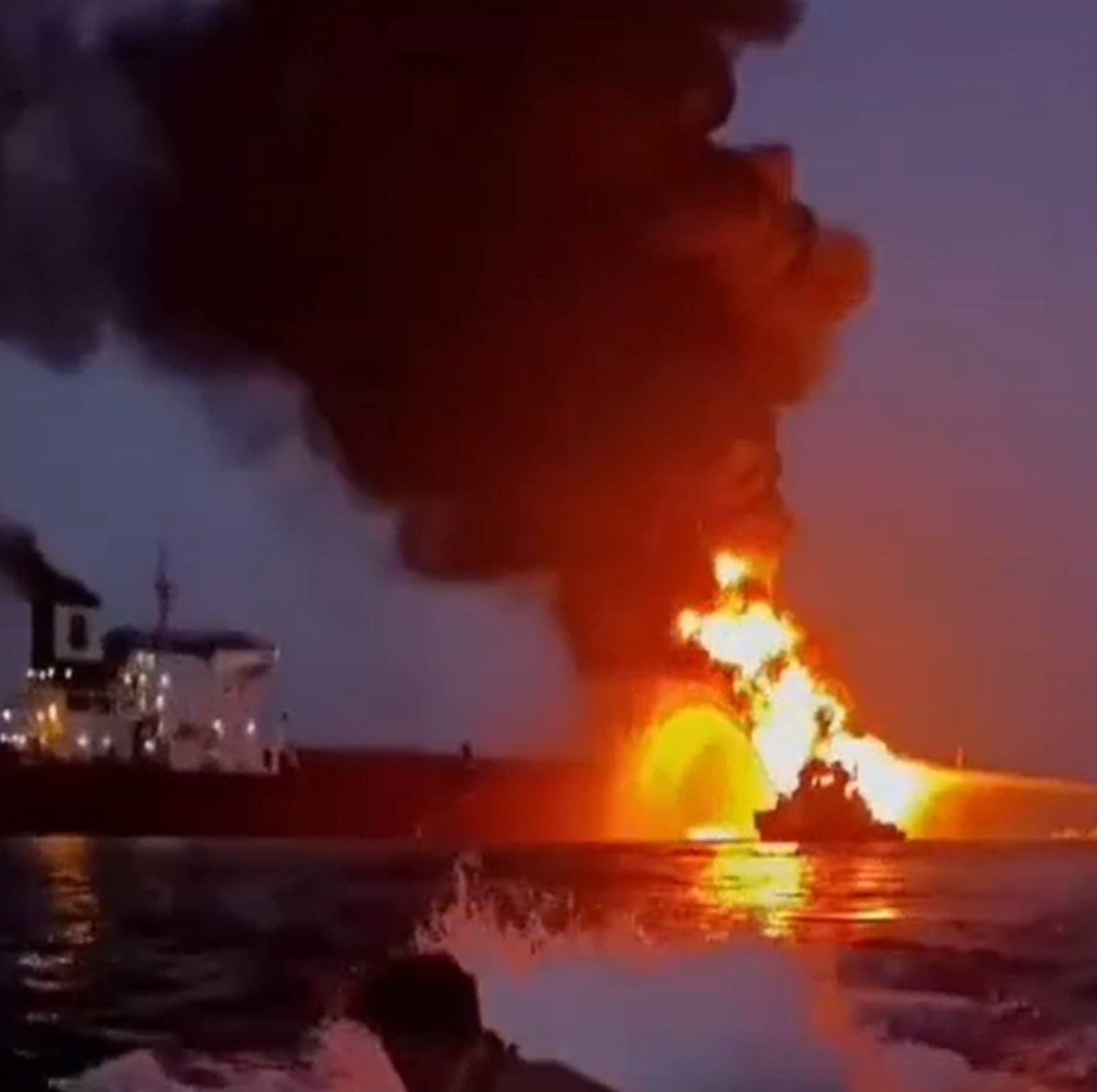
    Videos posted on social media on Sunday and verified by Reuters showed a tanker managed by Navig8, a shipping company majority owned by ADNOC Logistics and Services, burning near the coast of Oman. A satellite image taken by the European Union’s Copernicus Sentinel-2 satellite on the same day showed a large cloud of black smoke at the same location. Iranian state broadcaster IRIB, citing the Islamic Revolutionary Guard Corps Navy, reported that it was one of three tankers hit on Sunday for using what Iran calls unauthorised routes through the strait.

    The attacks did not stop there. Another tanker was struck northeast of Lima, a port town in Oman’s Musandam region, on Tuesday, according to the United Kingdom Maritime Trade Operations agency, which did not say who carried out the strike. In a separate statement, the Revolutionary Guards Navy said two tankers caught fire after hitting naval mines on the unauthorised route.

    The scale of the campaign at sea is striking. Thirty-seven ships were attacked in October, the highest monthly total since the conflict began in late February, according to data from the Washington Institute for Near East Policy. The International Maritime Organization has confirmed 130 incidents, most of them attacks, in the region since the fighting started, with at least 25 seafarers killed.

    The strikes are also causing environmental damage. Oil has been leaking from damaged tankers, and a video shared on Monday and verified by Reuters showed oil reaching the shores of Oman, while satellite images showed spills off the coasts of Oman and the United Arab Emirates. The Omani government did not respond to a Reuters request for comment on the video.

    Energy infrastructure on land has come under attack as well. Video verified by Reuters showed damage to an office building belonging to Saudi Aramco, the world’s largest oil company, in Riyadh, following missile strikes claimed by Yemen’s Houthis on 8 November. The Saudi Energy Ministry said the building had been targeted in an attempted attack, with debris causing limited damage and no injuries or deaths.

    At the same time, United States forces have continued to enforce a naval blockade of Iranian ports. In the latest incident, an American military aircraft fired on and disabled a cargo vessel flying the flag of St Kitts and Nevis that tried to leave regional waters after visiting an Iranian port on Saturday, according to US Central Command.

    Despite the violence at sea, crude oil prices fell to two-month lows on Tuesday after US officials played down the need for further military action against Iran. Analysts noted that President Donald Trump has struck a more conciliatory tone since the Republicans’ defeat in the 3 November midterm elections. For shipping crews and insurers, however, the message from the strait is unchanged: the world’s most important oil chokepoint remains dangerous, and the attacks show little sign of stopping.