Category: World

World news in English — global headlines and analysis. دنیا بھر کی خبریں۔

  • Tiger Duck creator Janosch dies at 95 after 25m books sold

    Tiger Duck creator Janosch dies at 95 after 25m books sold

    German children’s book author Janosch has died at the age of 95, bringing to a close one of the most widely loved careers in European children’s literature. He died in Tenerife, Spain, where he had lived since 1980.

    Born Horst Eckert on 11 March 1931 in Hindenburg, Upper Silesia, now Zabrze in Poland, Janosch went on to become a household name for generations of young readers. He was best known for the Tiger Duck, known in German as Tigerente, a character who became a symbol of gentle humour and warmth in his stories.

    The scale of his success was remarkable. His books were translated into 40 languages and sold more than 25 million copies around the world, carrying his stories far beyond his native Germany and into homes, schools and libraries across continents.

    His work also reached television. His series Janosch’s Dream Hour ran from 1986 to 1990, introducing his characters and storytelling style to a new audience of children who may never have picked up one of his books first. The series helped cement his reputation as a storyteller whose appeal crossed formats as well as borders.

    Recognition followed in official form too. In 1993 he received the German Federal Cross of Merit, one of Germany’s highest civilian honours, acknowledging a contribution to culture that had already spanned decades by that point.

    Remarkably, Janosch kept working deep into old age. His last book was published in 2023, when he was in his nineties, a testament to a creative life that did not fade with time. Few authors maintain such a long and productive career, and fewer still remain relevant to new generations of children while doing so.

    What made his work endure is difficult to reduce to a single quality. His stories were simple on the surface, yet they carried a kindness and a sense of wonder that children recognised immediately. Parents who grew up with his books have passed them on to their own children, creating a chain of readership that spans decades.

    The Tiger Duck itself became more than a character in a book. It grew into a cultural emblem, instantly recognisable and fondly remembered, associated with a particular kind of storytelling: unhurried, good-natured and quietly funny.

    Janosch’s death marks the end of an era for German children’s literature, but his books remain in print and in circulation, and his characters continue to be discovered by young readers. For millions of people, the news will prompt memories of childhood reading, of a small tiger duck and the gentle world its creator built around it.

  • Hoax bomb threats diverted flights across Europe

    Hoax bomb threats diverted flights across Europe

    A coordinated wave of false bomb threats disrupted commercial flights across Europe, causing diversions, military escorts and temporary airport closures, before authorities confirmed that all of the threats were malicious hoaxes and that no explosive devices had been found.

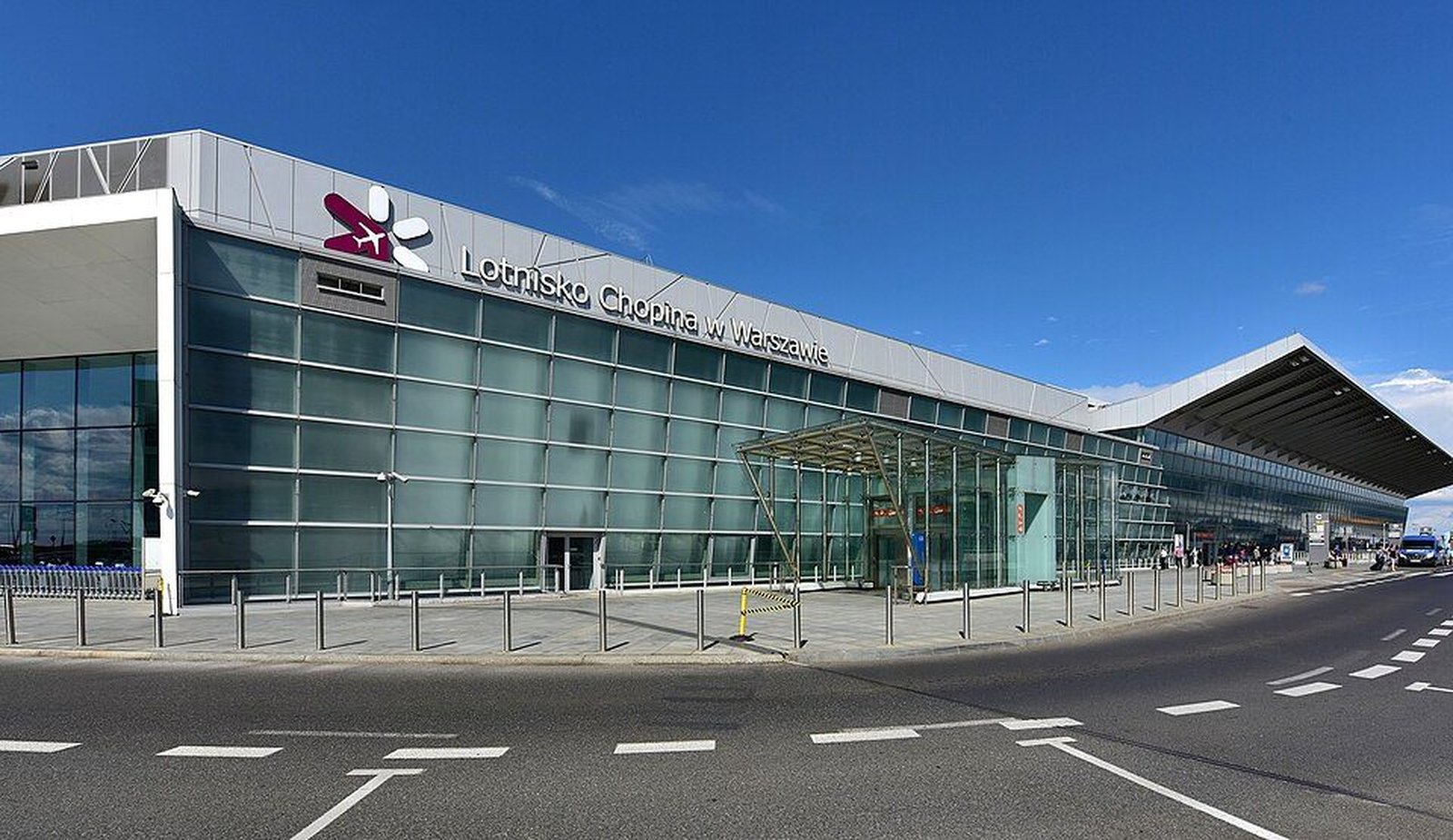
    In Italy, Italian Air Force Eurofighter jets escorted Ryanair flights into Rome Fiumicino airport as a precaution. In Poland, a LOT flight from London Heathrow to Warsaw Chopin was diverted to Modlin airport, temporarily closing it while checks were carried out.

    In Spain, a flight from Manchester to Murcia was inspected by the Civil Guard after a threat was received. In Bulgaria, two flights into Sofia were inspected: a Wizz Air flight from Bergamo carrying 176 passengers, and a Ryanair flight from Dublin carrying 186 passengers. Both aircraft landed safely and were checked before passengers continued their journeys.

    An SAS flight from Copenhagen to Warsaw landed as scheduled, while a day earlier a Wizz Air flight from London to Sofia was diverted to Budapest, according to Hungarian Defence Minister Romulusz Ruszin-Szendi. Separately, the Panama-flagged cruise ship Crown Iris was searched at Syros in Greece after a bomb claim, and no device was found in the initial search.

    Aviation risk analyst Rhys Jones of Osprey Flight Solutions, quoted via Reuters, said seven confirmed bomb threats in a single day was exceptional. He said general disruption, rather than a specific target, appeared to be the aim of the wave of threats.

    No claim of responsibility and no attribution to any party was reported. That absence of a claim is itself part of the picture: the threats caused real disruption to airlines, airports and passengers, without any group publicly owning them.

    For passengers, the episode meant delays, diversions and uncertainty, even though every threat ultimately proved false. For airlines and airport authorities, it meant activating security procedures designed for exactly this scenario, including inspections, escorts and, where necessary, temporary closures.

    Hoax threats are treated seriously by aviation authorities precisely because they cannot be dismissed until aircraft and airports have been checked. The cost of caution is disruption; the cost of ignoring a threat could be far worse, which is why procedures are followed even when the eventual outcome is a hoax.

    Authorities across the affected countries have now confirmed that no devices were found. The investigation into who sent the threats, and why, will continue, but for travellers the immediate message is that the disruption has passed and the threats were false.

  • History made: El-Sayed, first Muslim in US Senate

    History made: El-Sayed, first Muslim in US Senate

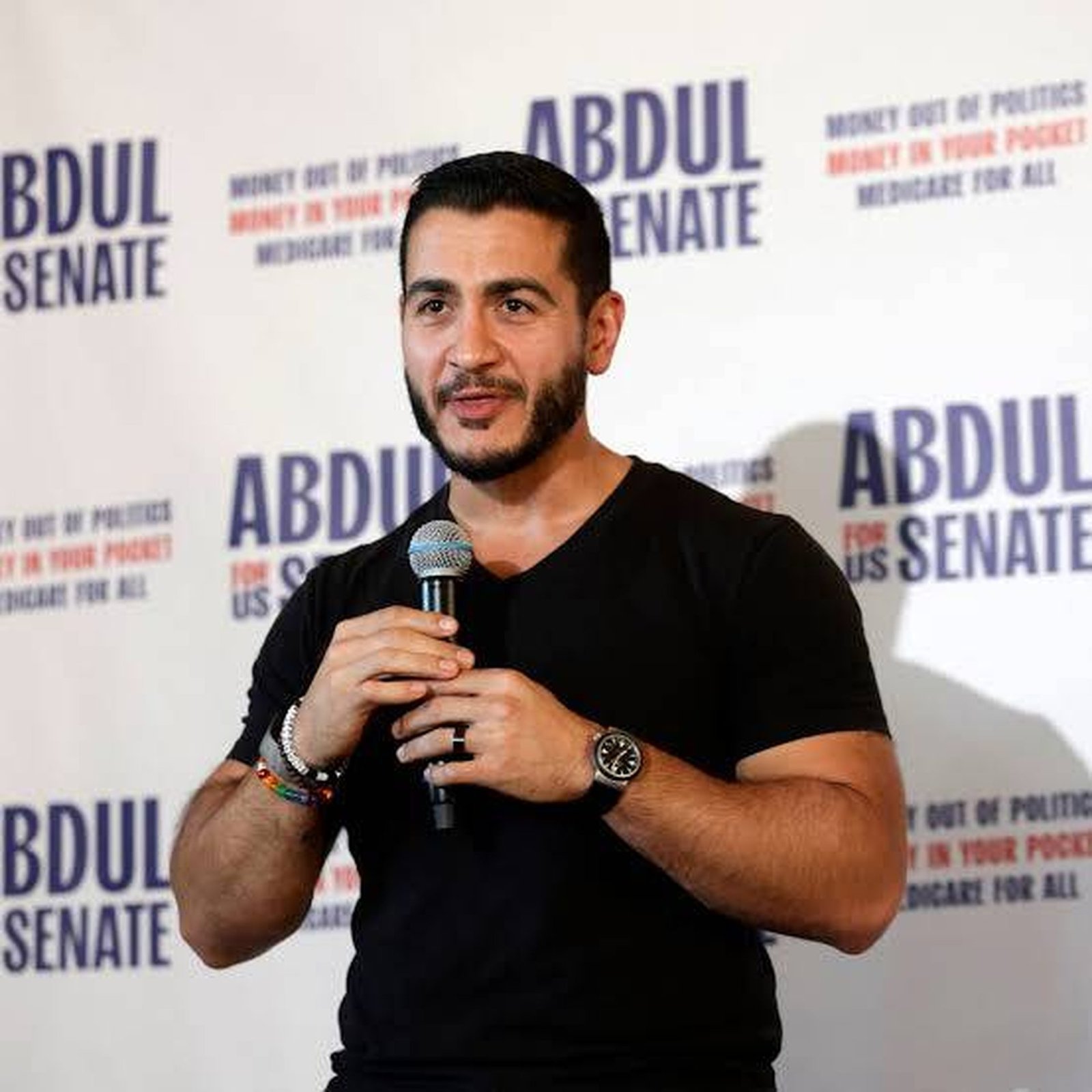
    Democrat Abdul El-Sayed has won Michigan’s open US Senate seat, becoming the first Muslim elected to the chamber in American history, according to media projections and race calls reported on Wednesday.

    El-Sayed, 42, a former public health official, defeated former Republican congressman Mike Rogers in one of the most closely watched races of the 2026 midterm elections. The Associated Press called the race for El-Sayed, and projections from Fox News and Decision Desk HQ also put him ahead.

    The seat was left open by the retirement of Democratic Senator Gary Peters, and El-Sayed’s victory keeps it in Democratic hands. Republicans held a 53-47 Senate majority going into Tuesday’s midterm elections, with Democrats needing a net gain of four seats to take control of the chamber.

    El-Sayed, who was born in Michigan to Egyptian immigrant parents, previously served as health director for Detroit and Wayne County. During the campaign he focused on lowering costs for working families and reducing corporate influence in politics, and his platform included support for a government-funded universal healthcare programme.

    The contest was one of the most contentious of the election cycle. Rogers, 63, a former congressman and FBI agent, had strong backing from President Donald Trump and national Republicans. He sought to portray El-Sayed as sympathetic to Islamic extremism through alleged ties to the Muslim Brotherhood, claims that El-Sayed denies and that have been described as unsupported by evidence.

    El-Sayed’s campaign also faced turbulence in its final days, when his former Democratic primary rival, Representative Haley Stevens, endorsed Rogers shortly before election day. Despite that setback, polling in the closing days had shown El-Sayed leading by a clear margin.

    In his victory speech to supporters in Detroit, El-Sayed declared victory on election night and criticised Rogers and Trump. Supporters and commentators described the result as a milestone for religious representation in American politics, and a breakthrough for the Democratic Party’s progressive wing.

    El-Sayed will now take his seat as the Senate’s first Muslim member, at a moment when the balance of power in Congress and the direction of the Democratic Party are both under close scrutiny. His win forms part of a wider set of Democratic gains reported in Tuesday’s midterm elections.

  • Trump: no immediate Iran strike, US ready if needed

    Trump: no immediate Iran strike, US ready if needed

    United States President Donald Trump has said the US has no immediate plan to strike Iran, while warning that American forces remain fully prepared to act if necessary. The remarks came in a telephone interview with the Financial Times on Tuesday, 3 November, given hours before midterm polling stations closed.

    According to reports of the interview, Trump said Washington was getting what it wanted from the current stand-off with Tehran. Asked about remarks by Israeli Prime Minister Benjamin Netanyahu suggesting that an attack could come soon, possibly this weekend, Trump replied that he was ready and American forces were ready, but there might be no reason to act.

    The interview, reported to have lasted about six minutes, was Trump’s clearest public statement yet on the next phase of the confrontation, which has lasted for months. Trump said the US was not really in a war on the scale of other major conflicts, pointing to earlier American strikes, including the use of B-2 bombers against Iranian nuclear capability and a later operation, while arguing that the current situation did not amount to a full-scale war.

    Trump also confirmed that indirect discussions with Iran were continuing, and said those talks would be allowed to run their course. Reports said the discussions cover Iran’s stockpile of enriched uranium, and that no deadline had been set for a deal. The president said he would not disclose any attack plans in advance, leaving open the possibility of further military action even while ruling out an immediate strike.

    The timing of the interview gave it added weight. It came after reports that the US military was preparing for a possible fresh strike as early as Wednesday, and after Netanyahu was reported to be pressing for strikes soon after the midterms. By saying there was no immediate plan, Trump appeared to push back against expectations of an attack in the days immediately following the vote.

    Iranian officials responded the same day, according to reports, with a senior security official saying Washington must address Iran’s conditions fully before Tehran would reopen the Strait of Hormuz. Mediators in Qatar were also reported to be seeking an interim agreement to build confidence between the sides, underlining that diplomacy remains active alongside the military warnings.

    For now, the message from Washington is deliberately two-sided: reassurance that no attack is imminent, paired with an unmistakable warning that one remains possible. Whether that balance holds will depend on the course of the talks and on events in the region in the days after the election.

  • US midterms: Democrats flip North Carolina Senate seat

    US midterms: Democrats flip North Carolina Senate seat

    Early projections from the United States midterm elections point to an encouraging night for the Democrats, with the party flipping a Republican-held Senate seat in North Carolina while holding key seats in Georgia and New Hampshire. The results, projected by major American outlets on election night, still leave control of both chambers of Congress undecided, with counting continuing in the closest races.

    The night’s first major Senate flip came in North Carolina, where former Democratic governor Roy Cooper was projected to defeat Republican Michael Whatley, a former chairman of the Republican National Committee. The seat had been held by Republicans since 2015 and was vacated by Senator Thom Tillis. Cooper’s victory was described by commentators as one of the most consequential Democratic wins of the night, as the party fights to overturn the Republicans’ 53-47 Senate advantage.

    In Georgia, Democratic Senator Jon Ossoff was projected to hold his seat, defeating Republican challenger Mike Collins, while in New Hampshire, Democrat Chris Pappas was projected to win the Senate race against former Republican senator John Sununu. According to reports, Pappas becomes the first openly gay man elected to the United States Senate.

    Not every early result went the Democrats’ way. In Florida, Republican Senator Ashley Moody was projected to hold her seat against Democrat Angie Nixon, although the margin was reported to be closer than many had expected. In South Carolina, Democrat Annie Andrews was reported to be holding a slim lead over Republican Senator Darline Graham with around half of precincts counted.

    Democrats need a net gain of four Senate seats to take control of the chamber, and early counts showed that target still well out of reach. One live count in the early hours of Wednesday put the Senate at 36 to 31 including seats not contested this year, with neither chamber called. In the House of Representatives, where all 435 seats were contested, early called seats stood at 11 for the Democrats and 8 for the Republicans, with 218 seats needed for a majority.

    There were notable House results too. In North Carolina’s 11th Congressional District, Democrat Jamie Ager was reported to have flipped a seat Republicans had held for more than a decade, defeating Republican Jennifer Balkcom. Democrats also claimed victory in Florida’s 22nd Congressional District, an area closely associated with President Donald Trump. In New Jersey, Democratic Representative LaMonica McIver won re-election, and in Pennsylvania, Chris Rabb won the state’s 3rd Congressional District.

    In Illinois, NBC News and Fox News projected that Lieutenant Governor Juliana Stratton would become the state’s next senator. With many tight races still uncalled, officials and analysts cautioned that final control of Congress may not be known for days, as has happened in previous midterm elections.

  • Pope Leo cleared for South America tour after lung surgery

    Pope Leo cleared for South America tour after lung surgery

    The Vatican said on Tuesday that Pope Leo is healthy and ready to depart this week for an intense 12-day tour of South America, less than a month after he underwent surgery to remove part of his lung. Vatican officials said no extra medical precautions are being taken for the trip, and that the itinerary will proceed with no changes.

    Leo, 71, leaves on Friday for a tour running from November 6 to 17, taking in Uruguay, Argentina and Peru. It is set to be one of the most demanding papal foreign trips in decades, covering some 31,000 kilometres across 10 cities, with 36 speeches scheduled, 12 flights and two helicopter trips.

    The pope had surgery on October 13 to remove the lower lobe of his right lung. He was treated for lung adenocarcinoma, the most common form of lung cancer, and his doctors have said examinations of the tissue removed in the operation confirmed the disease was localised, so he would not require any further treatment. He left Rome’s Gemelli hospital on October 17, four days after the operation.

    Vatican spokesperson Matteo Bruni told a briefing that the pope is in good health, stressing that the tumour was not a permanent condition but something that heals after surgery. He said the Vatican medical personnel who usually travel with the pope will do so without changes, and ambulances that usually form part of the travelling convoy will be along as on previous visits.

    Maria Montserrat Alvarado, the Vatican’s new head of communications, said the pope is so excited to return to Peru and personally confirmed the trip with no changes. She described his stamina as fantastic and said his doctors are very confident, adding that he was grateful for the concern shown over his health.

    The tour begins in Uruguay, before moving to Argentina, the homeland of his predecessor Pope Francis, and culminating in an emotional homecoming in Peru, where Leo spent nearly two decades as a missionary. In Peru he will stop in Cusco, a city in the Andes at 3,399 metres above sea level, where the visit will be brief, under three hours, but closely watched because of the altitude.

    Medical experts told Reuters that the decision by Leo’s doctors to clear him to fly indicated the risk of complications from his surgery was low, with his operated lung fully expanded and surgical wounds healing without signs of infection. One lung cancer specialist said she did not think the pope would face any particular risks or need any specific precautions for the trip, though his doctors would likely advise rest breaks and supplemental oxygen if needed.

    The trip had already been described as one of the most ambitious of Leo’s papacy before his surgery, with meetings planned with indigenous peoples in the Amazon, clerical abuse victims, and the elderly, poor and disabled, alongside speeches to leaders including Argentine President Javier Milei. That the pope insisted on keeping every element of it, days after major surgery, has made the journey the most closely watched of his papacy so far.

  • America votes: 435 House seats, 35 Senate seats at stake

    America votes: 435 House seats, 35 Senate seats at stake

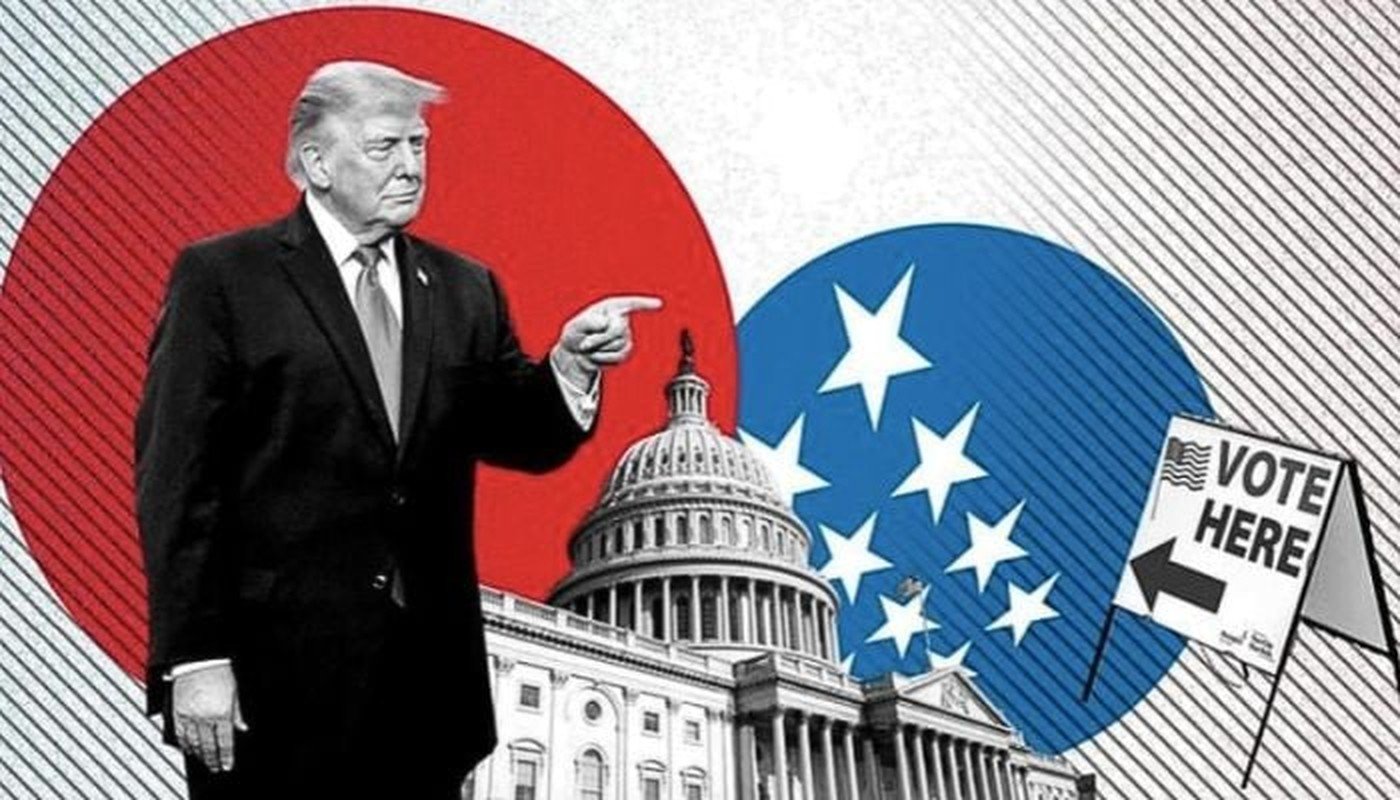
    Polls have opened across the United States for midterm elections that will shape the rest of Donald Trump’s second term, with voters deciding who controls Congress and dozens of state governments. The contests are widely seen as a referendum on the administration’s direction, and the results will determine how much of its agenda can still pass into law.

    The scale of the vote is enormous. All 435 seats in the House of Representatives are on the ballot, along with 35 seats in the Senate and 36 governorships. That means almost every voter in the country has a direct say in at least one major race, and the combined outcome will redraw the balance of power in Washington.

    Going into election day, Republicans held narrow majorities in both chambers: 220 seats to 213 for the Democrats in the House, and 53 to 47 in the Senate. Those margins leave little room for error. A small swing in a handful of competitive districts or states could be enough to hand control of a chamber to the other party, which is why both sides have focused so heavily on turnout.

    Early voting already suggests high engagement, though not at record levels. More than 28 million Americans had cast ballots before election day, according to the United States Elections Project at the University of Florida. That figure is only about half the 64 million early votes recorded in the 2022 midterms, a difference that may reflect changes in voting rules, campaign strategies, or simply the timing of when people choose to vote.

    Cost-of-living pressures are reported to be driving much of the debate, with voters worried about inflation and household bills. Campaigns on both sides have tried to frame the election around that anxiety, arguing that their party offers the better answer to rising prices and squeezed incomes. The result will therefore be read as a verdict not only on personalities, but on how voters feel about their own finances.

    Several states are being watched especially closely. Virginia, New Jersey, California and New York are among the areas where key contests could signal the national mood, while Senate races in Georgia, Michigan and North Carolina are seen as pivotal to control of the upper chamber. Local issues in each place, from housing to public services, are layered on top of the national arguments.

    Trump himself has campaigned in stark terms, urging supporters to turn out and warning that a Democratic vote would mean a return to policies he opposes. In an earlier speech he accused Democrats of refusing to change course on issues including borders and social policy, and on social media he repeatedly urged his supporters to vote. His opponents, meanwhile, have presented the election as a chance to check presidential power.

    As counting begins, the first results will come from the east of the country, with the full picture emerging through the night and possibly over several days in the closest races. Whatever the final tally, the outcome will set the terms for the remainder of Trump’s presidency: a Congress still in Republican hands would allow him to press ahead, while a Democratic chamber would create a powerful block on legislation, investigations and appointments.

  • Greenland set to ratify US Arctic security deal

    Greenland set to ratify US Arctic security deal

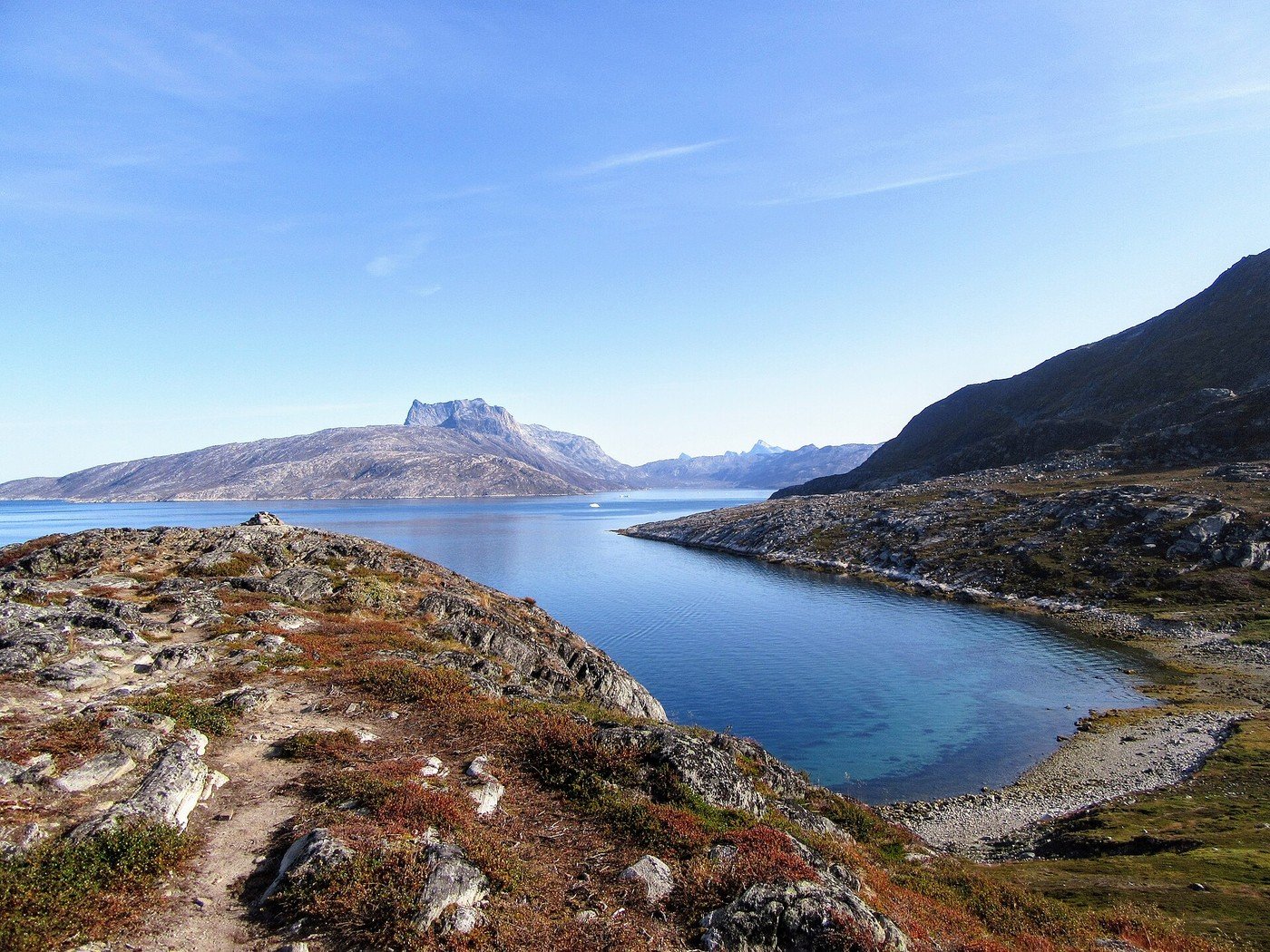
    Greenland’s parliament is preparing to formally approve a sweeping security agreement with the United States and Denmark, a deal that would significantly expand the American military presence in the Arctic. Lawmakers are positioned to ratify the framework, which has been described as a turning point for politics in the far north.

    The agreement was signed in September by the United States, Denmark and Greenland after months of diplomatic effort. It followed a period of serious tension, during which Trump repeatedly raised the idea of taking control of Greenland, a self-governing Danish territory that is both strategically located and rich in minerals. The new pact is presented as a way of ending that dispute while giving all three sides something they can accept.

    Under the deal, the American military role in Greenland would grow. Two new military bases are planned, and the agreement also opens the way for elements of Trump’s proposed Golden Dome missile defence system to be linked to the island. For Washington, Greenland’s position between North America and Europe, and its proximity to Arctic shipping routes, makes it a valuable location for surveillance, early warning and rapid response.

    At the same time, the agreement reaffirms two principles that matter deeply in Greenland and Denmark. Danish sovereignty over the island is confirmed, and the right of Greenlanders to decide their own future is also restated. Those assurances are central to the deal’s acceptance in Nuuk, where any suggestion of a loss of self-determination would be politically explosive.

    The timing is also significant for Arctic geopolitics more broadly. As ice retreats and new shipping lanes open, competition for influence in the region has intensified, involving not only the United States and its allies but also Russia and China. A formal security framework in Greenland gives Washington a clearer and more permanent footing in that contest, while tying it to Danish and Greenlandic consent.

    What the report does not yet provide is equally important. No vote date, vote count, base locations or cost figures were given, and ratification is framed as something parliament is preparing to do rather than something already completed. Readers should therefore treat the deal as agreed in principle and heading for formal approval, not as a finished process.

    If ratification goes ahead, the next questions will be practical ones: where the new bases will be sited, how they will be staffed, what environmental and community safeguards will apply, and how the missile defence element will operate. Those details will determine how the agreement is felt on the ground in Greenland, well beyond the diplomatic language of the signing ceremony.

    For now, the significance lies in the direction of travel. A dispute that once threatened to damage relations between close allies appears to have been channelled into a structured agreement, with a larger American footprint balanced by explicit recognition of Danish sovereignty and Greenlandic self-determination. Whether that balance holds will be tested in the months ahead, as parliament votes and implementation begins.

  • California votes on first-ever billionaire tax

    California votes on first-ever billionaire tax

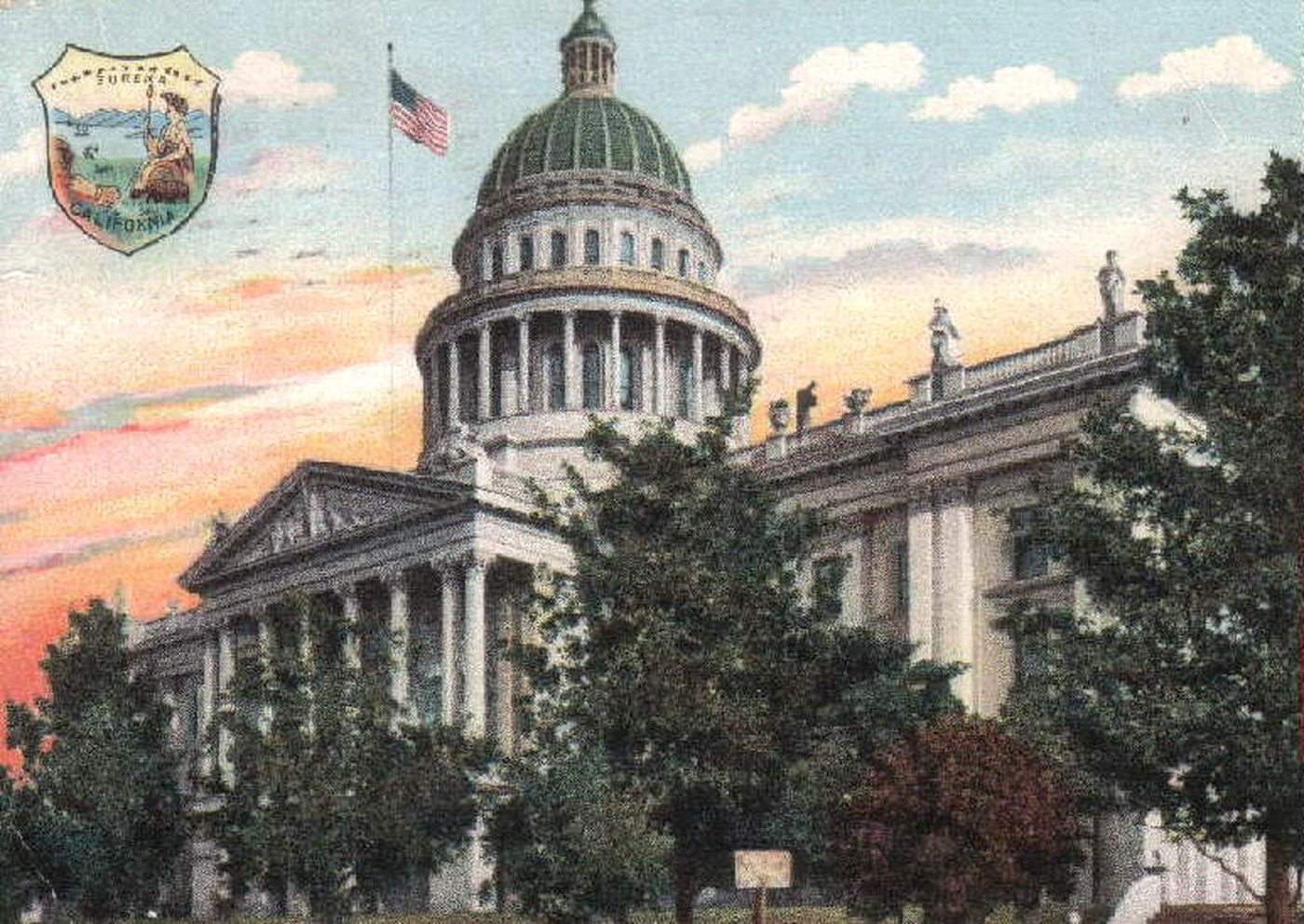
    California voters are deciding whether to introduce a one-time tax of five percent on billionaires, a proposal that could make the state the first in America to tax personal wealth on this scale. The measure, known as Proposition 40, is on the ballot on Tuesday, and its result is being watched far beyond California.

    Under the proposal, the tax would apply to residents worth more than $1 billion. Most of the money raised would go towards healthcare funding that has been affected by federal cuts, linking the tax directly to services that many voters rely on. Supporters argue that the connection makes the case clear: a small charge on the very wealthiest would help protect care for everyone else.

    Senator Bernie Sanders is among the prominent supporters of the measure. He has argued that billionaires should contribute more to public services, and his backing has helped give the campaign a national profile. For supporters, the vote is about fairness as much as finance: in a state home to extraordinary wealth alongside serious poverty, they say the tax system should reflect that gap.

    Opponents of wealth taxes, in general, tend to raise different concerns, including the risk that wealthy residents could move elsewhere and that valuing complex assets such as private companies and investments is difficult. The report on this vote does not set out those arguments in detail, and it gives no revenue total, no estimate of how many residents would be affected, and no implementation date. Those gaps mean voters are being asked to decide on the principle and the headline rate, with much of the detail to follow if the measure passes.

    The vote is also significant because no American state has yet taxed personal wealth in this way. If California approves Proposition 40, other states facing similar budget pressures may look closely at the model, and at whether it survives legal and practical challenges. If voters reject it, the result will be read as a limit on how far even a liberal state is willing to go in taxing extreme wealth.

    Healthcare is at the centre of the campaign because federal cuts have put pressure on state budgets across the country. Hospitals, clinics and community services in California, as elsewhere, have warned about funding shortfalls, and supporters of the measure present the billionaire tax as a way of filling at least part of that gap without raising taxes on ordinary households.

    As with other ballot measures on Tuesday, the result may not be known immediately. Counting in California can take time, particularly in close contests, and the final margin could matter for how the result is interpreted. A narrow win or loss would send a different signal from a decisive one.

    For now, the key facts are straightforward: a one-time five percent tax, a $1 billion threshold, healthcare as the main destination for the revenue, and a vote that is still pending. The outcome will show whether California voters believe that taxing billionaires is a fair and workable answer to the state’s funding pressures, or whether they remain unconvinced.

  • 181 aboard as bomb threat diverts London flight

    181 aboard as bomb threat diverts London flight

    A passenger plane from London made an unscheduled landing at Warsaw-Modlin airport on Tuesday after a bomb threat alert on board, forcing the airport to close while security services checked the aircraft. A second bomb threat was reported on another flight heading into the Polish capital the same morning.

    According to a statement from Warsaw-Modlin airport carried by Reuters, the alert was announced at 9:54am local time on board an aircraft travelling from London Heathrow to Warsaw Chopin airport. The Boeing 737 MAX landed at Modlin at 10:01am, just seven minutes later, and was directed to a designated isolated stand.

    There were 181 people on board the LOT Polish Airlines flight, and they were evacuated after landing. The airport said the aircraft was still carrying around 3.7 tonnes of fuel when it touched down, and bomb disposal experts were called in to inspect the plane and passengers’ luggage. A LOT spokesperson confirmed it was a LOT flight.

    Modlin airport, about 36 kilometres from the Polish capital and mostly used by budget airlines, was closed until further notice while the checks continued. Airport spokesman Adam Szablowski told reporters that staff were waiting for bomb disposal experts to arrive before the aircraft could be cleared.

    At Warsaw Chopin airport, within the city limits, a Scandinavian Airlines flight from Copenhagen was also being checked after a bomb threat report. The SAS flight, carrying around 60 passengers, landed at Chopin and was searched, while the airport continued operations. Authorities had not said whether either threat was genuine, or whether the two threats were linked.

    The incidents marked the third bomb threat on an aircraft heading to eastern Europe in less than 24 hours, according to reports, adding to a tense few days for European aviation security. Passengers on both Warsaw-bound flights were evacuated safely, and no explosives had been reported found at the time of reporting.

    Bomb threats against aircraft are treated as serious security events even when they turn out to be hoaxes, because airlines and airports cannot take the risk of ignoring them. The standard response is to divert or hold the aircraft, move passengers away, and let specialist teams search the plane and baggage before anyone is allowed to continue their journey.

    For the travellers involved, the disruption meant missed connections and long waits at two different Warsaw airports. For the authorities, the morning’s events were a reminder of how quickly a single alert can shut down an airport and ripple through the day’s flight schedules across Europe.