Category: World

World news in English — global headlines and analysis. دنیا بھر کی خبریں۔

  • Shots fired near school force lockdown as manhunt launched

    Shots fired near school force lockdown as manhunt launched

    Armed police have launched a manhunt in Bedfordshire after shots were fired near a school in Leighton Buzzard, forcing the school into lockdown and triggering a car chase that ended in a crash.

    Bedfordshire Police were called to reports of a firearm discharge shortly before 3.30pm on Wednesday in Grebe Drive, Leighton Buzzard. A nearby lower school was placed in lockdown as a precaution for a short period, police said.

    The school, Greenleas School, later said on its website that it would be open as normal on Thursday, thanking children, staff and parents for their composure and calm during the incident.

    Specialist armed officers were deployed to the area and located a vehicle believed to be connected to the discharge. Officers then pursued the vehicle, leading to a chase of around ten miles that ended when the car collided with an unrelated vehicle in Porz Avenue, Dunstable.

    One man was treated at the scene for minor injuries after the collision. The occupants of the vehicle fled on foot, and police said a manhunt had been launched to find them.

    Porz Avenue remains closed between Boscombe Way and the Lovatt Road roundabout while emergency services deal with the scene, and residents have been urged to avoid the area. Extra scene guards have been deployed in Grebe Drive and along the A505.

    In a post on social media, Bedfordshire Police said: “We understand this is a concerning incident but would like to reassure the public that a strong police presence will remain while initial enquiries take place.”

    Police have asked anyone with information to contact them on 999, quoting Operation Tanglewood, the name given to the investigation.

    The incident has alarmed residents of the estate near Astral Park, where roads were cordoned off as armed officers swarmed the area on Wednesday afternoon. The school lockdown, though brief, underlined how close the shooting came to children finishing their school day.

    No arrests had been confirmed by Thursday morning, and the search for the suspects was continuing. Police have not said whether a weapon has been recovered, or what they believe the motive for the shooting may have been.

    The investigation is continuing, and police have said they will provide further updates as enquiries progress. For now, the priority is finding those responsible and reassuring a community shaken by gunfire in broad daylight.
  • France braces for hundreds of thousands to protest Macron

    France braces for hundreds of thousands to protest Macron

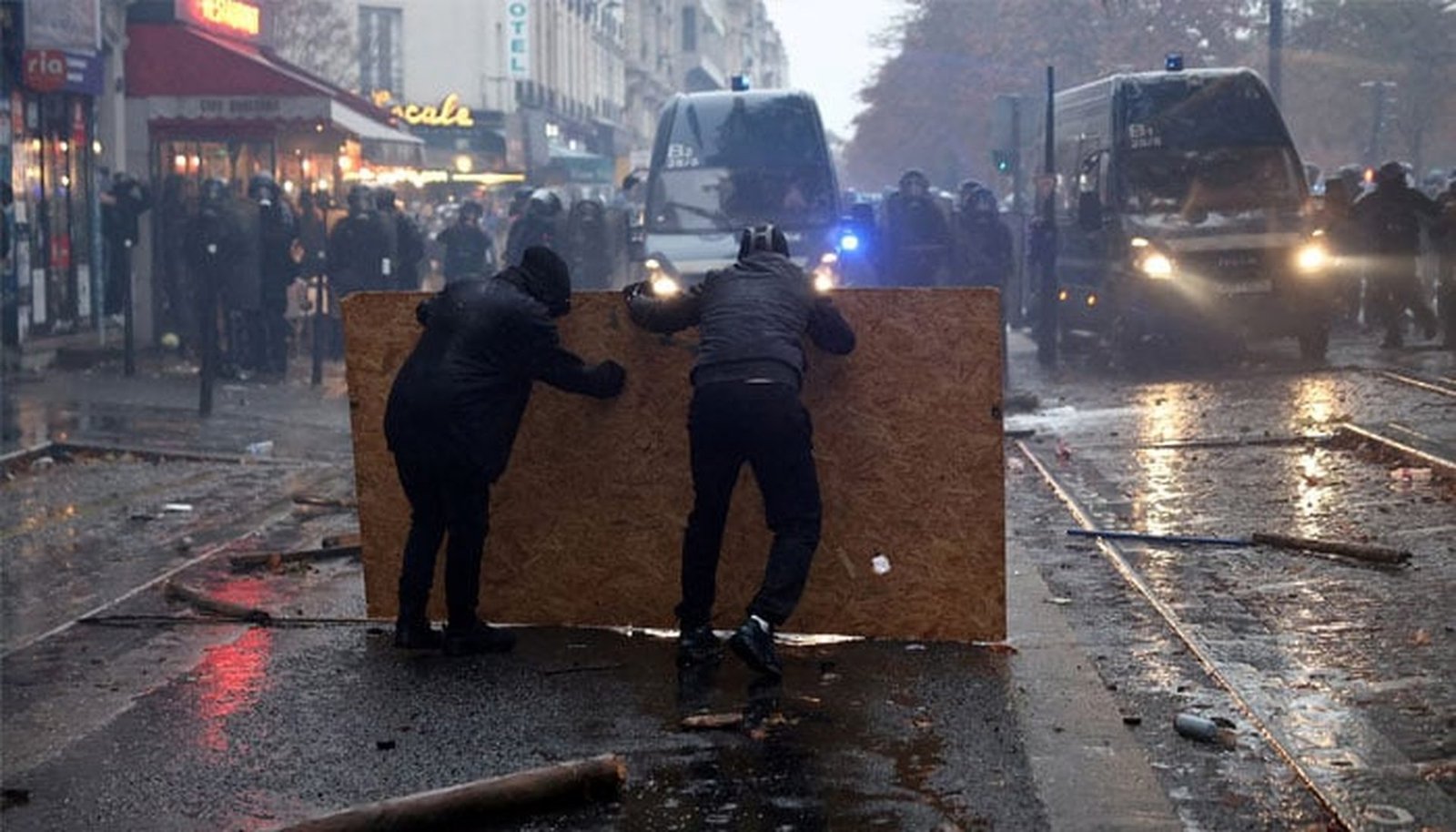
    Hundreds of thousands of protesters are expected to take to the streets in France on Thursday, in a fresh test for President Emmanuel Macron only days after he named a new prime minister.

    The mobilisation has been called by trade unions, including the left-wing CGT, and backed by student groups, according to Reuters. The protests are over living costs, public services and education, issues that triggered the worst civil unrest France has seen in years.

    The demonstration comes at a sensitive moment for the French government. Macron named former defence minister Sebastien Lecornu as prime minister on Wednesday, 4 November, after three months of political wrangling over who should lead the government.

    Lecornu had already served as prime minister in September before resigning in October, and his new government is described as virtually the same as his previous administration. His return has done little to calm the political tensions that have been building for months.

    The protest also comes ahead of presidential elections, with Macron’s successor due to be elected in April 2027, five months from now. The campaign for that election is already under way in practice, and the scale of Thursday’s demonstrations will be read as a measure of the public mood.

    Interior Minister Bruno Retailleau has warned about the risk of radical protests, saying that the authorities hope for a demonstration on Thursday that will not degenerate. Speaking to Franceinfo radio, he said there were some who, as in October, came simply to break things and to attack the police and gendarmes.

    The warning reflects the experience of recent protests in France, where largely peaceful demonstrations have at times been accompanied by violence from small groups. The authorities will be deploying large numbers of police to manage the crowds and to protect property.

    In September, more than 110,000 police and gendarmes were deployed across France, including 9,500 in Paris, for a previous day of protests. A similar scale of deployment is expected for Thursday’s mobilisation.

    For Macron, the protests are the latest in a series of challenges to his authority. His government has been shaken by months of political instability, and the appointment of Lecornu, his third prime minister in a short period, has not settled the question of how the country will be governed until the presidential election.

    The unions behind the mobilisation say their concerns are about the everyday cost of living and the state of public services, from schools to hospitals. Those are issues that affect millions of French households, and the unions are hoping for a large turnout to press their case.

    Student groups have also backed the call, adding younger protesters to a movement that has already drawn support across the country. The combination of unions and students is one reason the expected numbers are so high.

    What happens on Thursday will be watched closely in Paris and beyond. A large, peaceful demonstration would show the strength of feeling against the government, while any violence would shift attention to the question of public order. Either way, the day is set to be a significant moment in a turbulent period for French politics.

  • Hong Kong activist Joshua Wong jailed for 10 years

    Hong Kong activist Joshua Wong jailed for 10 years

    Hong Kong activist Joshua Wong has been sentenced to 10 years in prison on a national security charge, a Hong Kong court ruled on Thursday.

    Wong, 30, was sentenced for collusion with foreign entities under Hong Kong’s national security law, according to Reuters. He had pleaded guilty to the charge in September.

    He was accused of conspiring with self-exiled activist Nathan Law and others in 2020 to ask foreign countries, institutions, organisations or individuals outside China to impose sanctions or blockades, or to engage in other hostile activities against the Hong Kong and Chinese governments.

    Wong became the international face of Hong Kong’s democracy movement, first as a student leader and later as one of the city’s best-known pro-democracy politicians.

    The sentence is a second national security conviction for Wong. In 2024, a Hong Kong court sentenced him to four years and eight months in prison for subversion in the trial of 47 pro-democracy politicians and activists, commonly known as the Hong Kong 47 case.

    That term had been due to end in January, and Wong had been expected to be released then. But in June 2025, while he was still serving that sentence, the authorities charged him again under the national security law, this time over the alleged appeals for foreign sanctions between July and November 2020.

    Wong has spent almost six years behind bars, having been in custody continuously since November 2020. The new 10-year sentence means his imprisonment will now run for many more years.

    The national security law was imposed on Hong Kong by Beijing in 2020, after months of large pro-democracy protests in the city in 2019. The law covers offences including secession, subversion, terrorism and collusion with foreign forces, and carries heavy penalties.

    Wong first came to prominence as a teenage student leader, when he led a campaign against a proposed school curriculum in 2012. He later became a central figure in the 2014 Umbrella Movement and in the 2019 protests against a proposed extradition bill.

    He served as secretary-general of the pro-democracy party Demosisto until it disbanded after the national security law came into force. Since then he has been repeatedly jailed, first over an unauthorised protest in 2019 and then in the national security cases.

    The case has drawn international attention, with supporters describing Wong as a symbol of Hong Kong’s pro-democracy movement and critics of the law saying it has been used to silence dissent. The Hong Kong and Chinese governments say the law was needed to restore stability after the 2019 protests.

    For Wong, the sentence closes the prospect of the release he had been expecting in January and keeps one of Hong Kong’s most internationally recognised activists in prison. His supporters have said they will continue to campaign for his release, while the authorities have given no indication of any change in his case.

  • Bavaria deputy premier found dead in Berlin hotel

    Bavaria deputy premier found dead in Berlin hotel

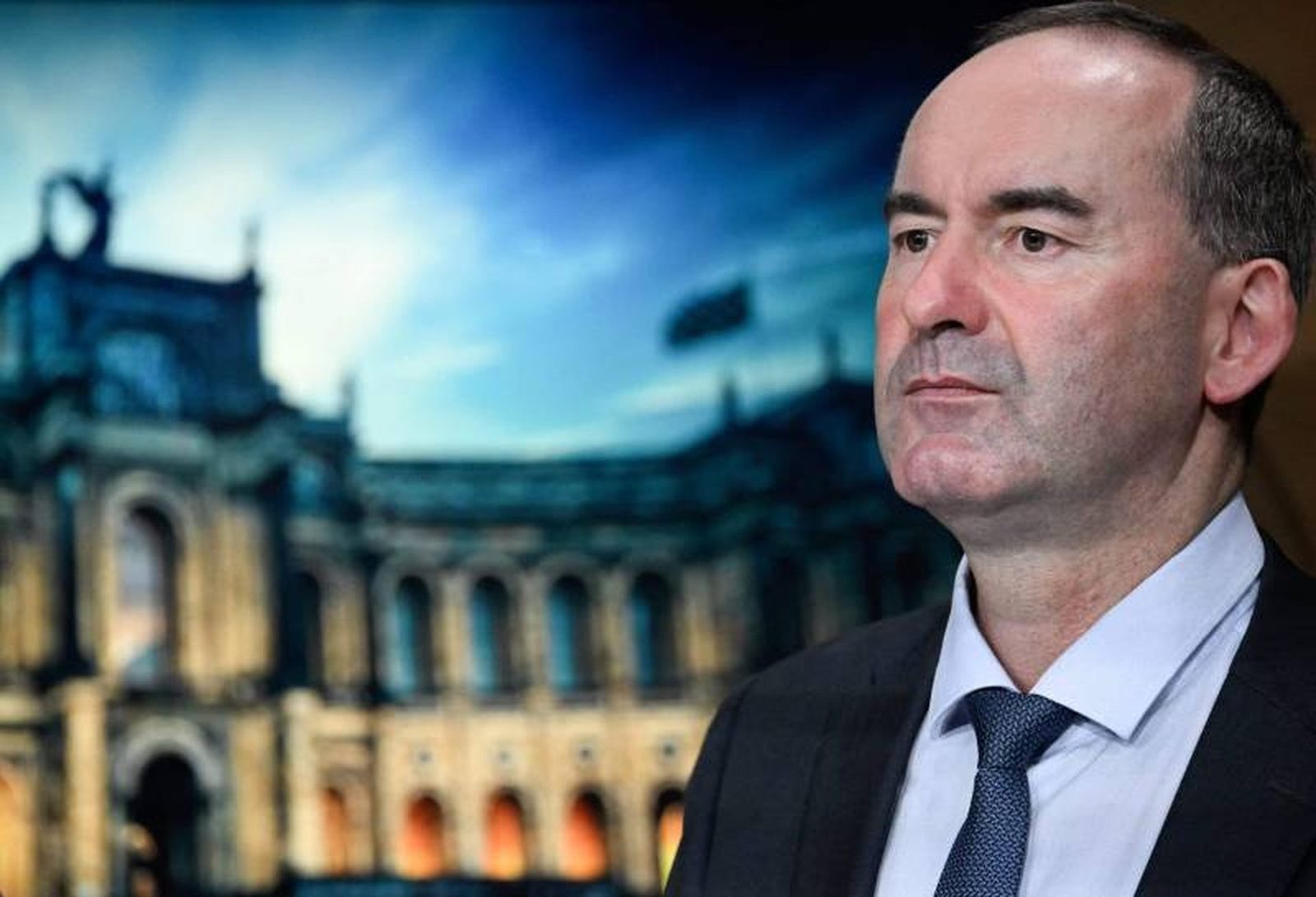
    Hubert Aiwanger, the deputy premier of Bavaria and leader of the Free Voters party, has been found dead in a hotel room in Berlin. He was 55.

    Berlin prosecutors and police said in a statement that Aiwanger was found dead in his hotel room in the Berlin-Mitte district. A spokesperson for the Berlin public prosecutor’s office said there was, at that stage, no indication of third-party negligence.

    The cause of death had not yet been determined, and an investigation had been opened. Officials have not yet released any further details about the circumstances in which he was found.

    Aiwanger was in Berlin to attend a coalition committee meeting. The Free Voters party confirmed his death, and Bavarian premier Markus Soder said he had learned of it with great consternation.

    German media reported the death, with the report attributed to German daily Die Welt. The news spread quickly through German politics, where Aiwanger was a well-known figure in Bavarian state politics.

    Aiwanger had said a day earlier that he would step down as leader of the Free Voters at the party’s next conference, while remaining in his other posts. That announcement had already been a significant development in Bavarian politics before news of his death emerged.

    The Free Voters are not represented in the federal parliament, but they are a junior partner in the Bavarian state government led by Soder. Aiwanger served as deputy premier in that government and was one of the most prominent voices of the party at state level.

    His career had also been marked by controversy. In 2023, a leaflet containing antisemitic content was found in his schoolbag from his time as a student. Aiwanger denied writing it but later admitted that copies of the leaflet had been distributed.

    He was also known for criticising Bavaria’s 10H rule, under which wind turbines must be built at a distance at least 10 times their height from residential buildings. The rule has long been a point of debate in Bavarian energy policy.

    On his health, the reports note that Aiwanger suffered a stroke in 2018 and was treated for a severe lung infection in 2019. No connection has been drawn between that history and his death, and officials have said the cause is still to be determined.

    For Bavaria, the death removes a central figure of the state government at a moment when the coalition was meeting in Berlin. The Free Voters will now have to decide how to fill the gap left by the loss of their leader and the state’s deputy premier.

    Further information is expected once prosecutors and police complete their initial inquiries and once an official account of the cause of death is available. Until then, the confirmed facts remain the place and timing of the discovery, the statement from prosecutors, and the confirmation of his death by his party.

  • Hackers stole around $100m from French bank

    Hackers stole around $100m from French bank

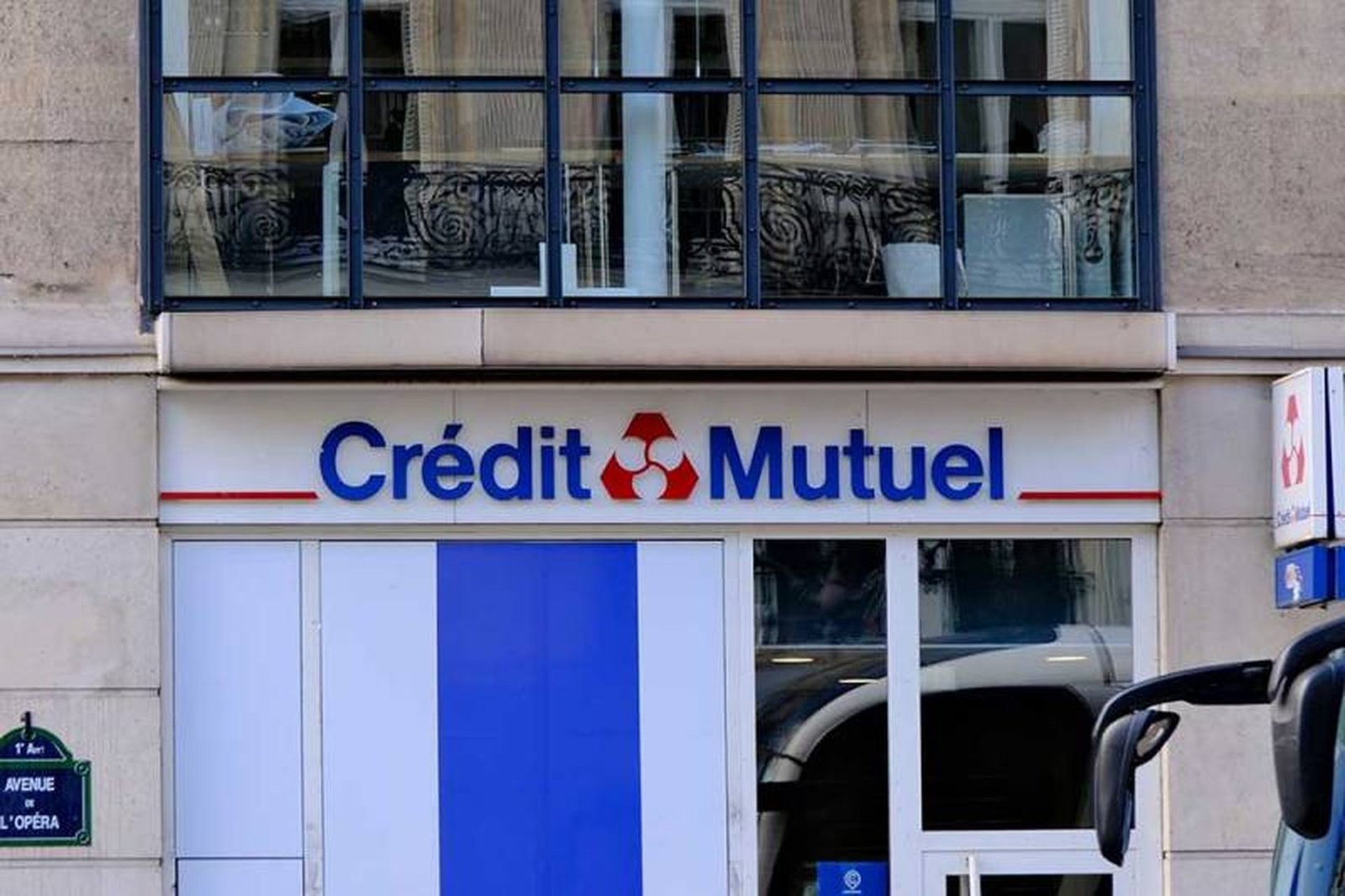
    Hackers stole around $100 million from a French regional bank in a cyberattack that the bank says has now been contained.

    Credit Mutuel Arkea said it was the victim of a cyberattack two weeks ago that hit its regional banking platform. According to the bank, the hackers gained access to an account belonging to the bank on an external payment platform and transferred money out of it into cryptocurrencies.

    Reports have put the amount stolen at $133 million, but the bank would not confirm that figure. The headline figure given in the reports is around $100 million, and the exact sum has not been officially confirmed.

    The bank said the incident had been contained and that no customer data was compromised. It added that there was no impact on its day-to-day operations and that the amount involved would not undermine its solvency.

    Credit Mutuel Arkea has 550,000 customers and 1.4 billion euros in assets, according to the article. The bank is a regional lender, and the attack targeted its banking platform rather than its branch network.

    The Paris prosecutor’s office has opened an investigation into aggravated fraud and money laundering by an organised gang, the reports said. No arrests have been announced in connection with the case so far.

    Moving stolen money into cryptocurrency is a familiar pattern in large bank frauds, because digital assets can be moved across borders quickly and can be harder to trace than money held in ordinary bank accounts. Investigators in such cases typically work with payment platforms and cryptocurrency exchanges to follow the trail of the funds.

    The attack underlines the scale of the threat facing even mid-sized banks. Financial institutions hold large sums and process payments around the clock, which makes them attractive targets for organised criminal groups that specialise in breaking into payment systems.

    For the bank’s customers, the immediate message from the lender is that their accounts and personal data were not affected. The bank has said its daily operations are continuing as normal while the investigation proceeds.

    What happens next will depend on the work of the Paris prosecutors and the investigators tracing the stolen funds. Recovering money that has been converted into cryptocurrency is often difficult, and such inquiries can take months before any charges are brought.

    The case is likely to be watched closely by other regional banks in Europe, which face the same challenge of protecting payment systems that connect them to outside platforms. Regulators have repeatedly warned lenders to strengthen their defences against attacks that exploit links with third-party payment providers.

    For now, the confirmed facts are the attack itself, the bank’s account of how the money was taken, the opening of a criminal investigation in Paris, and the bank’s assurance that its customers and its solvency are unaffected. Further details are expected as the investigation develops.

  • US sanctions Indian, Turkish firms over Iran shadow fleet

    US sanctions Indian, Turkish firms over Iran shadow fleet

    The United States has imposed fresh sanctions on companies and individuals based in India and Turkey over their alleged support for Iran, in the latest step in Washington’s campaign to cut off Tehran’s oil revenues.

    The Treasury Department announced the measures on Wednesday as part of what it calls Operation Economic Outcast, an initiative aimed at stopping Iran from using oil sales to fund its war with the United States and Israel. Officials said the action targets a vast criminal network run from Chandigarh in India.

    According to the Treasury, the network is headed by Suniel Kumar Sharma and his wife, Jaspreet Preeti Shahid, along with two other Indian nationals who run two of the couple’s businesses. Nine separate entities connected to Sharma were also designated.

    The department said the network provided false flags and maritime certifications to sanctioned vessels carrying Iranian petroleum, including ships operating on behalf of the Iranian military and its proxies. It said Sharma and Shahid had fraudulently claimed to represent countries such as Guyana, Eswatini and Laos in issuing flags and certificates, and had set up websites offering flagging, seafarer training and vessel classification services on those countries’ behalf.

    False flags and fake certifications allow vessels engaged in illicit activity to evade international safety and environmental rules, Treasury said, adding that such ships typically carry no indemnity insurance. Its Office of Foreign Assets Control also issued a fresh alert to the maritime industry, warning of the sanctions risk of dealing with falsely flagged vessels.

    In a separate action, the Treasury sanctioned Turkiye-based Fugo Ground Services Inc for its continued support of Iran’s aviation sector. The company, it said, provided ground handling and other services to several US-sanctioned Iranian airlines that continued flying to Turkiye, including Iran Air Tour, Saha Airlines, Taban Airlines and Ata Airlines.

    Treasury Secretary Scott Bessent said the United States would continue to pursue anyone supporting Tehran, whether by land, sea or air. The measures follow the reimposition of a US blockade of Iranian ports in July and come a day after Democrats made sweeping gains in the US midterm elections.

  • Trump shrugs off midterm rout, congratulates Democrats

    Trump shrugs off midterm rout, congratulates Democrats

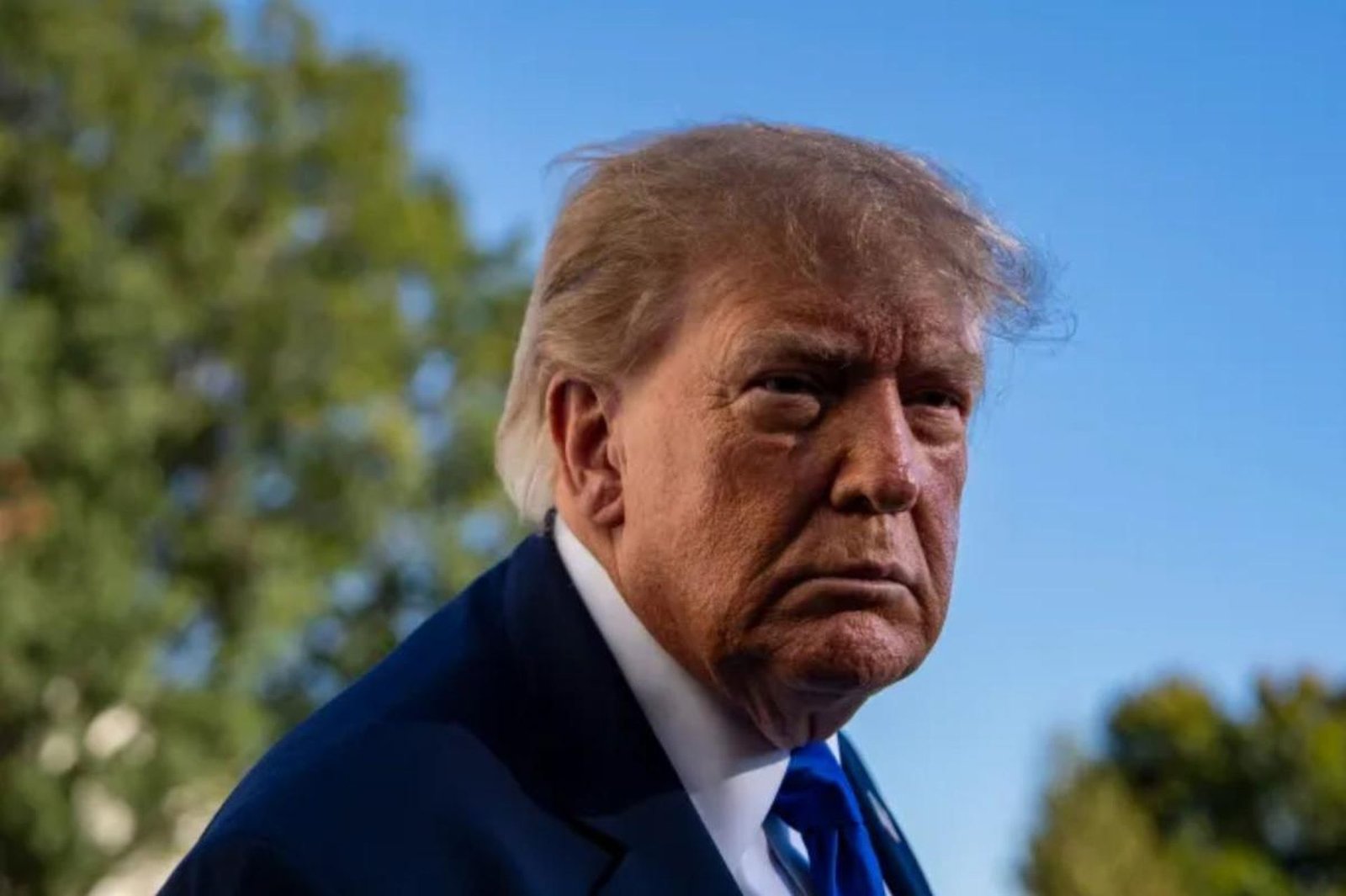
    United States President Donald Trump has brushed off the Republican Party’s heavy defeat in the midterm elections, congratulating Democrats on their victory and pledging to work with them in the remainder of his term.

    Democrats won control of both the House of Representatives and the Senate in Tuesday’s elections, in a result widely described as a blue wave. The outcome leaves Trump as a lame-duck president for the final two years of his presidency, with the opposition now able to block legislation and scrutinise his administration.

    Speaking to Fox News in a phone call after the results, Trump struck an unusually conciliatory note. He congratulated the Democrats, saying they had done a good job and fought hard, and said he looked forward to working with them. He also told the New York Times that he was willing to accept the results.

    At the same time, Trump sought to distance himself from his party’s showing, arguing that the outcome would have been different had he himself been on the ballot. He pointed to the size of his rallies and said his supporters had turned out for those events in huge numbers.

    Trump also acknowledged that the war with Iran had played a part in the defeat, while blaming high fuel costs as another driving factor behind the Republican losses. His vice president, JD Vance, had earlier said the Iran war was the reason for the defeat, a comment that set the tone for the party’s post-election soul-searching.

    In his first public appearance after the election, on Wednesday, Trump visited the construction site of the White House ballroom, where he spoke to workers as the project’s final beam was installed. He talked at length about the building work and only addressed the election results when reporters put questions to him afterwards.

    The Democratic victory, which included flipping seven Senate seats, gives the party control of Congress at a moment of deep voter anger over the cost of living and the Iran war. Democratic leaders are now expected to use their majorities to challenge the administration’s agenda, while Trump has signalled he is open to deals across the aisle.

  • Vance: ‘The reason we lost is the war’ after midterm rout

    Vance: ‘The reason we lost is the war’ after midterm rout

    Vice President JD Vance has blamed the war in Iran for the Republicans’ crushing defeat in the midterm elections, telling supporters in a post on Wednesday that the conflict was the decisive reason voters turned against his party. In unusually blunt language for a sitting vice president, Vance wrote that the reason Republicans lost was the war, and challenged anyone who disagreed to argue openly that losing the Senate for the next six years had been worth it.

    Vance’s remarks came only hours after Democrats swept races across the country, regaining control of both the House of Representatives and the Senate. The scale of the defeat stunned Republican leaders: voters in conservative strongholds who had propelled President Donald Trump to a second term two years ago swung dramatically toward Democrats, driven, according to early analysis, by deep frustration over the war, anxiety over the high cost of living, and anger at Trump’s stewardship of the country.

    In his post, Vance rejected the idea that weak Republican turnout explained the result. He said his party’s voters did show up, but that many of them voted for Democrats instead. Citing a pollster who had studied voters who backed Trump in 2024 but abandoned Republicans in 2026, Vance listed four issues those voters raised above all others: ending the war, focusing on the cost of living, putting America first, and changing the relationship with Israel.

    The vice president also sought to play down any rift with Trump, saying the president himself had acknowledged on election night that the Iran war cost Republicans the midterms. Trump’s own comments, however, were far more measured. He told the Wall Street Journal that Iran was a piece of the defeat, but insisted he had done the right thing by launching the war and would do it again.

    Exit polling underlined how heavily the war weighed on voters. According to an NBC News exit poll, 74 percent of respondents said the war with Iran was a crucial or major factor in their vote, while only 37 percent said the United States had made the right decision to take military action against Iran. An October poll from the Pew Research Center found 65 percent disapproving of the way Trump has handled the conflict.

    Tuesday’s wave also cost Republicans Vance’s old Senate seat in Ohio, where Democrat Sherrod Brown completed a political comeback by defeating former Lieutenant Governor Jon Husted, a race Vance had described as personal. Vance’s intervention now raises questions about the political direction of the administration, with officials telling reporters that Trump is still weighing whether to restart major combat operations against Iran. For a vice president widely seen as a leading contender for the 2028 Republican presidential nomination, the post reads as an attempt to draw a line under the war and to force an honest reckoning inside his own party about what went wrong.

  • 40 dead as aid-centre bombing rocks Ukraine village

    40 dead as aid-centre bombing rocks Ukraine village

    The death toll from a Russian bombing of an aid distribution point in southeastern Ukraine has risen to 40, with dozens of people still missing, officials have said, in one of the deadliest strikes on civilians this year. The attack hit the village of Komyshuvakha in the Zaporizhzhia region on Monday, as residents gathered at a school building being used as a shelter and a humanitarian aid centre.

    Ukrainian President Volodymyr Zelensky has said Russian forces first dropped aerial bombs on the underground school building as people arrived to collect aid, and then struck the shelter again with more bombs. The building, whose classes have long been suspended because of its closeness to the front line, about 17 kilometres from the nearest Russian positions, handed out humanitarian aid every Monday and served as a shelter for local residents.

    The scale of the destruction has made the rescue effort painfully slow. Local governor Mykhailo Semikin said the victims were sheltering in a newly built, EU-funded reinforced basement designed to withstand most strikes, but the force of the bombs caused the concrete structure to collapse and a fire broke out. Two days after the attack, recovery work was still under way, and officials said only some of the bodies recovered had been identified, with further identification likely to require DNA testing.

    Among the dead were two members of a rescue crew and four police officers, according to emergency services. Police said the officers had been helping residents take shelter in the underground school when a follow-up strike trapped those trying to escape. The co-head of the Zaporizhzhia Regional Defense Council, Ivan Fedorov, wrote on Telegram that 59 people were missing.

    Russia’s Defence Ministry said the attack targeted Ukrainian military units around Komyshuvakha and two other settlements, and that up to 25 Ukrainian servicemen were killed. Both Russia and Ukraine deny deliberately targeting civilians. The World Central Kitchen charity, which delivers food and water to the community, said the facility that was hit was a humanitarian and administrative centre for local people.

    The United Nations Human Rights Monitoring Mission in Ukraine noted that the attack took place just as civilians had gathered to receive aid, and that the timing and location of the distribution were well publicised. The strike came a day after a brief US-brokered local ceasefire expired, and less than a week before the United States is due to bring Ukrainian and Russian delegations together in Abu Dhabi on November 10 and 11 for talks on ending a war now in its fifth year. For the families still waiting for news from Komyshuvakha, those talks will come too late.

  • Johnson steps aside after midterm wipeout shakes GOP

    Johnson steps aside after midterm wipeout shakes GOP

    House Speaker Mike Johnson will step aside from Republican leadership after his party’s heavy defeat in the midterm elections, declining to seek support to stay on as House minority leader in the new Congress. According to people familiar with his decision, Johnson told his staff on Wednesday morning that he would not run for the top Republican post, a move that closes a turbulent three-year run in the speaker’s chair.

    The decision follows an election night in which Democrats swept to the House majority, leaving Johnson without a path to power. Johnson had spent the campaign insisting that Republicans could defy the usual midterm pattern, in which voters punish the party holding the White House. Instead, the party was trounced across the country, and Johnson conceded the House majority at a watch party in Shreveport, Louisiana, on election night.

    Johnson is expected to remain in the House as a rank-and-file member from Louisiana when the new Congress convenes in January, having won re-election in his district on Tuesday. What he is giving up is the leadership itself. With Democrats in the majority, the speaker’s gavel is expected to pass to House Democratic Leader Hakeem Jeffries of New York, who Democrats are preparing to nominate for the job. The election of the speaker is among the first votes of the new Congress, scheduled for January 3, 2027.

    His departure sets up an immediate contest inside the Republican conference. House Republicans are expected to elect their new leader when members-elect gather in Washington next week, and the race is likely to feature two familiar names: Majority Leader Steve Scalise of Louisiana and Judiciary Committee Chairman Jim Jordan of Ohio. Both men reached for the top job before, when Johnson emerged as the consensus choice after weeks of deadlock.

    Johnson first won the speaker’s gavel in 2023, after his colleagues ousted the previous Republican speaker, Kevin McCarthy, in a first-of-its-kind vote in House history. A lower-level member of the leadership at the time, Johnson in many ways fell into the job after Republicans could not agree on a successor. He went on to lead the House through a period of razor-thin majorities, drawing close to President Donald Trump and steering the party’s signature package of tax breaks and social services cuts into law.

    His tenure also showed how fragile that grip had become. Johnson protected the president and his administration from difficult votes, at times by sending lawmakers home, but he could not prevent the midterm rout that has now cost him the leadership. The contest to replace him will test whether the party’s conservative and hard-right wings can unite behind a single leader, or whether the divisions that produced Johnson’s accidental rise will return in the race to succeed him.