Category: Business

Business and economy news — markets, trade and finance. کاروباری خبریں۔

  • Chinese Motorcycles Now Take a Third of Europe’s Big Bikes

    Chinese Motorcycles Now Take a Third of Europe’s Big Bikes

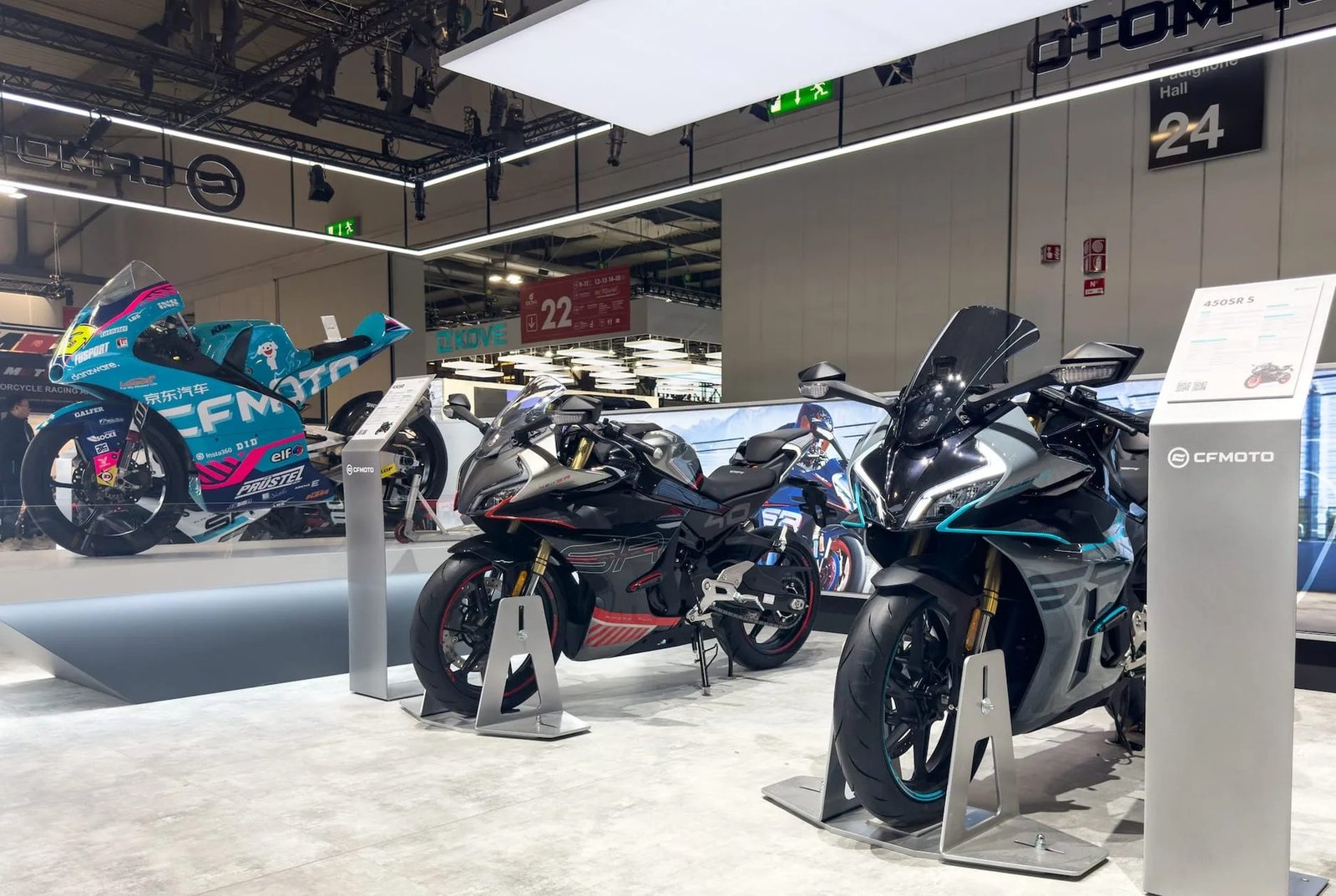
    Chinese motorcycle makers are no longer a curiosity on the edge of the European market. At the EICMA show in Milan, Europe’s biggest motorcycle exhibition, visitors crowded around the stand of CFMoto on Friday, examining powerful machines that now compete directly with long-established Japanese and European brands.

    The shift is backed by hard numbers. According to a report published on Thursday by the European Association of Motorcycle Manufacturers, known as ACEM, China became the European Union’s second-largest supplier of motorcycles in 2025, behind only Japan, accounting for 27.1 percent of imports worth one billion euros.

    The growth has been fastest in the most powerful models, a segment long dominated by European and Japanese manufacturers. In six years, China has gone from a marginal supplier to a key player: it now accounts for nearly one-third of imports of motorcycles over 250cc, compared with just seven percent in 2019.

    CFMoto, based in the Chinese city of Hangzhou, has led the advance. The company first gained attention by producing engines and assembling models for Austria’s KTM, and then by winning two Moto3 world championships, in 2024 and 2026. In France, CFMoto established itself in October as the fifth brand on the market, overtaking long-standing names such as Triumph, Suzuki, KTM and Yamaha, according to the French automotive association Mobilians.

    Other Chinese brands are following the same path. Zontes has doubled its sales in a year, while QJMotor and Voge are also growing fast in France, Mobilians said. QJMotor, part of the Qianjiang group, bought the Italian brand Benelli back in 2005, while newer names such as ZXMoto, founded by former mechanic and rider Zhang Xue, have used events like the Dakar Rally to build an international profile.

    Price and quality win over sceptics

    Visitors at the Milan show said the appeal was simple: strong design and equipment at a price that undercuts the established brands. Renato Polistene, a 64-year-old Italian craftsman looking at the CFMoto stand, said the bikes were beautiful and that, even if the materials were not exactly the same as those used by Japanese manufacturers, at this price it works. He currently rides a KTM but said he could consider a Chinese bike next time, especially as prices elsewhere have risen sharply.

    Bertrand Mace, president of the two-wheel division at Mobilians, described the trend in France as a true revolution coming from the East. Aggressive pricing, combined with an undeniable move upmarket, is hitting the mark with customers whose purchasing power is under pressure, he said.

    The European press, which first looked at the Chinese bikes with scepticism, now tests them like any others in comparison reviews. For the British magazine Motorcycle News, 2026 is the year where we see a switch. With sales still climbing and the Milan show drawing crowds to the Chinese stands, the established brands face a challenge that is no longer about the future, but about the present.

  • LPG Producers to Give 10% Output to State Marketers

    LPG Producers to Give 10% Output to State Marketers

    Liquefied petroleum gas producers will allocate 10 per cent of their production to government-owned marketing companies, while the remaining 90 per cent will be sold through transparent auctions. The decision was taken at a meeting in Islamabad on Saturday chaired by Petroleum Minister Ali Pervaiz Malik.

    The Oil and Gas Regulatory Authority will issue a notification to give effect to the decision, officials said. The allocation is aimed at ensuring supplies to northern areas, Gilgit-Baltistan and other remote, hilly and hard-to-reach regions, where households depend on LPG cylinders and existing air-mix plants.

    The meeting also decided that the daily allocation under the new auction mechanism will be capped at 20 metric tonnes per participating company, to ensure fair competition and wider market access. The auctions will be held in the presence of the media, and the floor price will be set at 5 per cent below Pakistan State Oil’s import-parity price.

    The decision was taken at the first meeting of the LPG Committee, held under the chairmanship of the Secretary Petroleum, following the federal government’s approval of the deregulated LPG framework. The committee includes the chairman of the Oil and Gas Regulatory Authority, the managing directors of the Oil and Gas Development Company and Pakistan State Oil, the president of United Energy Pakistan, and the Director General for Liquefied Gases. The authority’s chairman, Masroor Khan, and senior officials of the Petroleum Division attended the meeting.

    “The government is endeavouring to ensure LPG availability at reasonable prices,” Malik said, adding that efforts were being made to address public concerns over availability, affordability and unfair pricing. The federal cabinet approved the deregulated framework on November 4, under which state-owned entities will lead LPG imports and announce a monthly base price reflecting the actual landed cost of imports.

    Under the new framework, the regulator will stop issuing monthly price notifications, and LPG importing and marketing companies will determine their own marketing margins and freight costs. A targeted subsidy fund for low-income households is also planned, and a special provision allows the Pak-Arab Refinery to allocate 75 per cent of its auctionable share to its subsidiary, PARCO Pearl Gas Limited.

  • Pakistan Trade Deficit Widens to $3.88 Billion in October

    Pakistan Trade Deficit Widens to $3.88 Billion in October

    Pakistan’s merchandise trade deficit widened sharply in October, as imports continued to grow much faster than exports and kept the country’s external account under pressure, according to official data released on Friday.

    The deficit rose 19.7 per cent year on year to $3.877 billion in October 2026, from $3.24 billion in the same month last year, the Pakistan Bureau of Statistics said. Imports remained more than twice the value of exports during the month, underlining the scale of the imbalance.

    Exports rose by only 2.8 per cent to $2.93 billion in October, from $2.85 billion a year earlier. Imports, by contrast, increased 11.8 per cent to $6.81 billion, from $6.09 billion in October 2025. The gap between the two therefore widened by more than $600 million in a single month compared with a year earlier.

    On a month-on-month basis, the deficit also increased, rising 10.3 per cent from $3.515 billion in September. The figures suggest that the improvement seen in some earlier months has not been sustained, and that import demand has picked up again.

    A wider gap over four months

    The pressure is not limited to October alone. During the first four months of the current fiscal year, from July to October, the trade deficit expanded 15.97 per cent to $14.63 billion, from $12.61 billion in the corresponding period of last year.

    Exports during July-October rose 8.5 per cent to $11.34 billion, while imports jumped 12.6 per cent to $25.96 billion. Export growth, although positive, has therefore lagged well behind import growth for four consecutive months.

    Analysts say the pattern points to a familiar challenge. Higher imports may partly reflect stronger domestic economic activity, but the persistent gap between import and export growth adds to the country’s external financing requirements. Waqas Ghani, head of research at JS Global, was reported as saying that the widening gap increases the financing burden at a time when foreign exchange reserves remain a central concern for policymakers.

    Services trade also under strain

    The services account added to the pressure in September. Pakistan’s services trade deficit jumped 84.3 per cent to $282.7 million in September 2026, from $153.4 million a year earlier, the bureau said.

    Services exports increased 15.35 per cent to $930 million in September, from $806 million last year. Services imports, however, rose faster, increasing 26.4 per cent to $1.21 billion, from $959 million a year earlier.

    The combined picture leaves policymakers facing the same question that has dominated economic debate for much of the year: how to lift exports fast enough to keep pace with imports. The government has recently moved to make long-term financing easier for small and medium exporters, including ordering the removal of a condition that businesses export at least 80 per cent of their products to qualify. Officials say the aim is to broaden the export base, but the October figures show how far that base still has to grow before the trade gap begins to narrow in a sustained way.

  • NEPRA Raises Power Tariff by Rs2.37 a Unit

    NEPRA Raises Power Tariff by Rs2.37 a Unit

    Electricity is set to become more expensive for consumers across Pakistan after the National Electric Power Regulatory Authority (NEPRA) approved an additional fuel cost adjustment of Rs2.37 per unit, to be recovered through November bills.

    The adjustment relates to the cost of fuel used to generate electricity in September 2026. It will appear as a separate line on consumers’ bills and applies to customers of all distribution companies, including K-Electric in Karachi.

    The exact approved rate is Rs2.3673 per unit, lower than the Rs2.5624 per unit the Central Power Purchasing Agency had requested. NEPRA’s decision, notified on November 6, means distribution companies will recover roughly Rs25 billion from consumers through the one-month charge.

    According to the regulator, the actual fuel cost of electricity generated in September was Rs9.82 per unit, against a reference fuel cost of Rs7.45 per unit. The gap of Rs2.37 per unit is what consumers will now pay. The charge is calculated on the units consumed in September, so a household that used 300 units that month will pay about Rs711 extra, while a 500-unit consumer will pay about Rs1,185 more.

    Lifeline consumers, electric vehicle charging stations and consumers on prepaid tariffs are exempt from the adjustment. The charge also applies to consumers on the Incremental Consumption Package.

    The decision was reached through the casting vote of the NEPRA chairman, while two members submitted dissenting notes. In a separate decision, the regulator provisionally raised the rate for industrial and private agricultural consumers under the special incremental consumption package from Rs22.98 to Rs25.30 per unit, effective from the November billing month.

    The September adjustment is the highest fuel charge approved so far in 2026. The regulator has cut the power purchasing agency’s request in every month this year. The fuel cost adjustment is a routine monthly mechanism that passes on the difference between the fuel cost built into the tariff and the actual cost incurred, and it does not change the base electricity tariff. NEPRA decided the September adjustment after a public hearing on October 29 and issued it through S.R.O. 2094(I)/2026. The order says a November bill issued before the notification may carry the charge in the following month instead, and the regulator has directed the power ministry to complete outstanding technical assessments covering the review periods from December 2025 to November 2026.

  • China Blocks SoftBank’s $5.4bn ABB Robotics Deal

    China Blocks SoftBank’s $5.4bn ABB Robotics Deal

    China has blocked SoftBank Group’s proposed $5.4 billion acquisition of Swiss engineering company ABB’s robotics business, dealing a major setback to the Japanese investment giant’s push into artificial intelligence-powered automation.

    ABB confirmed on Thursday that Chinese authorities had prohibited the acquisition of its robotics operations in China. The decision followed a national security review and came despite expectations that the transaction would receive regulatory clearance. The Financial Times first reported the intervention, citing people familiar with the matter.

    SoftBank had agreed in October 2025 to buy ABB’s robotics division for an enterprise value of about $5.375 billion. The deal was intended to strengthen SoftBank’s position in industrial automation and robotics, which its founder and chief executive, Masayoshi Son, has described as a core part of its AI investment strategy.

    According to Reuters, China’s National Development and Reform Commission, the state planner that reviews foreign investment with possible national security implications, told SoftBank last week that the transaction would not be allowed to proceed. SoftBank had expected the deal to go through until then, and declined to comment on the decision.

    The reported concern behind the block is data. The Financial Times reported that regulators worried information generated by ABB’s robotics operations in China could be transferred overseas and used to train advanced AI systems, including those built by OpenAI, in which SoftBank is a major investor. The grounds have not been set out officially, and the explanation rests on the newspaper’s sources rather than any Chinese announcement.

    China is ABB’s biggest market for its robotics business, representing around 30 percent of the division’s business, which makes the country essential to the deal. ABB builds robots in Shanghai, and about 90 percent of the machines it sells to Chinese customers are made locally. The division, which makes robotic arms and other devices used in manufacturing and logistics, reported revenue of about $2.3 billion in 2024 and employs roughly 7,000 people worldwide.

    ABB said in a statement on Thursday that it had been informed by SoftBank that China’s Office of the Working Mechanism for Foreign Investment Security Review had prohibited the acquisition of ABB Robotics in China. The company stressed that both firms remained in close dialogue and were continuing to work on the transaction, and it has not announced that the deal has been terminated.

    The case marks the second major deal blocked by China this year, after Meta was ordered to unwind its acquisition of artificial intelligence startup Manus, worth more than $2 billion. It also underlines Beijing’s growing willingness to use security reviews to control technology and data flows.

    The market reaction was swift. ABB shares fell 1.1 percent in morning trading after the news became public, while SoftBank shares dropped 6.7 percent on Thursday and are now down more than 50 percent from their all-time highs in June, erasing over $140 billion in value, according to the Wall Street Journal.

    SoftBank reports results for the six months to September on November 10, which will be the first scheduled opportunity for the group to say whether it will reapply, restructure the deal or walk away. Until then, the future of one of the biggest robotics deals in recent years remains uncertain.

  • پاکستان نے ایل این جی بولیوں کی آخری تاریخ 10 نومبر تک بڑھا دی

    پاکستان نے ایل این جی بولیوں کی آخری تاریخ 10 نومبر تک بڑھا دی

    پاکستان نے دو ایل این جی کارگوز کے لیے بین الاقوامی سپلائرز سے بولیاں جمع کرانے کی آخری تاریخ 10 نومبر تک بڑھا دی ہے، تاکہ موسم سرما میں گیس کی متوقع قلت کو پورا کیا جا سکے۔

    پیٹرولیم ڈویژن کے ذرائع کے مطابق، بین الاقوامی سپلائرز اب 10 نومبر تک اپنی بولیاں جمع کرا سکتے ہیں، جب کہ اس سے قبل آخری تاریخ 6 نومبر مقرر کی گئی تھی۔ ذرائع نے بتایا کہ موصول ہونے والی بولیوں کو بھی 10 نومبر ہی کو کھولا جائے گا۔

    تاہم، دونوں ایل این جی کارگوز کی ترسیل کا شیڈول تبدیل نہیں ہوا ہے۔ حکومت کا کہنا ہے کہ درآمدی گیس کی یہ کھیپ موسم سرما کے دوران گھریلو اور صنعتی صارفین کی بڑھتی ہوئی ضرورت کو پورا کرنے میں مدد دے گی۔

    پاکستان میں ہر سال سردیوں کے مہینوں میں گیس کی طلب میں نمایاں اضافہ ہو جاتا ہے، جب گھریلو صارفین ہیٹنگ کے لیے زیادہ گیس استعمال کرتے ہیں۔ اسی دوران مقامی گیس کے ذخائر سے پیداوار طلب کے مقابلے میں کم رہتی ہے، اسی لیے حکومت کو مائع قدرتی گیس درآمد کرنا پڑتی ہے۔

    ایل این جی کی درآمد پاکستان کی توانائی کی فراہمی کا ایک اہم حصہ بن چکی ہے۔ درآمدی گیس کو پائپ لائن نیٹ ورک کے ذریعے ملک بھر کے صارفین تک پہنچایا جاتا ہے، اور سردیوں میں اس کی اہمیت مزید بڑھ جاتی ہے کیونکہ اس وقت گیس کی کمی سب سے زیادہ محسوس ہوتی ہے۔

    پیٹرولیم ڈویژن کے ذرائع کے مطابق، بولیوں کی تاریخ میں توسیع کا مقصد زیادہ سے زیادہ بین الاقوامی سپلائرز کو ٹینڈر میں حصہ لینے کا موقع دینا ہے، تاکہ مسابقتی نرخوں پر گیس خریدی جا سکے۔ زیادہ بولیاں موصول ہونے سے حکومت کو بہتر قیمت پر معاہدہ کرنے میں مدد مل سکتی ہے۔

    موسم سرما میں گیس کی قلت پاکستان کے لیے کوئی نئی بات نہیں ہے۔ ماضی میں بھی سردیوں کے دوران گھریلو صارفین کو کم پریشر اور صنعتوں کو گیس کی بندش کا سامنا کرنا پڑا ہے۔ حکومت ہر سال سردیوں سے قبل ایل این جی کے اضافی کارگوز کا بندوبست کرتی ہے تاکہ اس صورتحال سے بچا جا سکے۔

    توانائی کے ماہرین کا کہنا ہے کہ پاکستان کو اپنی گیس کی ضروریات پوری کرنے کے لیے درآمدات پر انحصار کم کرنے اور مقامی ذخائر کی تلاش اور پیداوار بڑھانے کی ضرورت ہے۔ تاہم، مختصر مدت میں ایل این جی کی درآمد ہی سردیوں کی طلب پوری کرنے کا سب سے مؤثر ذریعہ ہے۔

    اب تمام نظریں 10 نومبر پر ہیں، جب بولیاں کھولی جائیں گی اور یہ واضح ہوگا کہ کون سے سپلائرز اور کس قیمت پر دونوں کارگوز فراہم کریں گے۔ حکومت کو امید ہے کہ اس عمل سے موسم سرما کے لیے گیس کی فراہمی یقینی بنائی جا سکے گی۔

  • پیٹرول سستا ہوتے ہی گڈز ٹرانسپورٹ کرایوں میں 5 فیصد کمی

    پیٹرول سستا ہوتے ہی گڈز ٹرانسپورٹ کرایوں میں 5 فیصد کمی

    آل پاکستان گڈز ٹرانسپورٹ اتحاد نے پیٹرول اور ڈیزل کی قیمتوں میں کمی کا خیر مقدم کرتے ہوئے گڈز ٹرانسپورٹ کے کرایوں میں 5 فیصد کمی کا اعلان کر دیا ہے۔

    صدر آل پاکستان گڈز ٹرانسپورٹ اتحاد ملک شہزاد اعوان نے اپنے بیان میں کہا کہ گزشتہ چار سے پانچ روز کے دوران پیٹرولیم مصنوعات کی قیمتوں میں کمی کے پیش نظر کرایوں میں کمی کا فیصلہ کیا گیا ہے۔

    انہوں نے وزیراعظم اور وفاقی وزیر پیٹرولیم کا شکریہ ادا کرتے ہوئے مطالبہ کیا کہ ٹرانسپورٹ سیکٹر کو مزید ریلیف دینے کے لیے پیٹرول اور ڈیزل کی قیمتوں میں مزید کمی کی جائے۔

    یاد رہے کہ پیٹرول کی قیمت میں 9 روپے 41 پیسے فی لیٹر کمی کر دی گئی ہے جس کے بعد پیٹرول کی نئی قیمت 352 روپے 59 پیسے مقرر کی گئی ہے۔ ڈیزل کی قیمت میں بھی 5 روپے 56 پیسے فی لیٹر کمی کر دی گئی جس کے بعد ڈیزل کی نئی قیمت 382 روپے 25 پیسے مقرر کی گئی ہے۔

    حکومت نے حالیہ دنوں میں پیٹرولیم مصنوعات کی قیمتوں میں مسلسل کمی کی ہے، اور گڈز ٹرانسپورٹ اتحاد کے مطابق یہ کمی کرایوں میں کمی کی بنیاد بنی ہے۔ اتحاد کا کہنا ہے کہ ایندھن کی قیمتوں میں کمی کا فیصلہ خوش آئند ہے اور اس سے ٹرانسپورٹ کے شعبے پر پڑنے والا بوجھ کچھ کم ہوگا۔

    پیٹرول اور ڈیزل کی قیمتوں کا براہ راست تعلق ٹرانسپورٹ کے کرایوں سے ہوتا ہے، کیونکہ ایندھن ٹرانسپورٹ کی لاگت کا ایک بڑا حصہ ہے۔ یہی وجہ ہے کہ ایندھن سستا ہونے پر ٹرانسپورٹرز کی جانب سے کرایوں میں کمی کا اعلان ایک متوقع قدم سمجھا جا رہا ہے۔

    اتحاد نے مطالبہ کیا ہے کہ پیٹرول اور ڈیزل کی قیمتوں میں مزید کمی کی جائے تاکہ ٹرانسپورٹ سیکٹر کو مزید ریلیف مل سکے۔ صدر ملک شہزاد اعوان نے وزیراعظم اور وفاقی وزیر پیٹرولیم کا شکریہ ادا کرتے ہوئے کہا کہ حکومت کی جانب سے قیمتوں میں کمی کا فیصلہ ٹرانسپورٹرز کے لیے خوش آئند ہے۔

    اتحاد کے مطابق گزشتہ چار سے پانچ روز کے دوران پیٹرولیم مصنوعات کی قیمتوں میں کمی ہوئی ہے، جس کے بعد کرایوں میں کمی کا فیصلہ کیا گیا۔ صدر ملک شہزاد اعوان نے کہا کہ قیمتوں میں کمی کا فیصلہ خوش آئند ہے اور ٹرانسپورٹ سیکٹر کو اس سے ریلیف ملے گا۔

  • Pakistan to Resume Offshore Oil and Gas Exploration After 20 Years

    Pakistan to Resume Offshore Oil and Gas Exploration After 20 Years

    Pakistan is set to resume offshore oil and gas exploration after a gap of 20 years, with a Turkish seismic survey vessel due to arrive in Karachi between November 17 and 20.

    The vessel, operated by the Turkish Petroleum Offshore Company, will carry out a seismic survey of the seabed to map possible oil and gas reserves before any drilling begins. It is the first vessel of its kind to come to Pakistan for offshore exploration in two decades.

    Federal Minister for Petroleum Ali Pervaiz Malik chaired a high-level meeting in Islamabad to review preparations for the vessel’s arrival. Senior officials of Turkish Petroleum and Pakistan Petroleum Limited attended the meeting, along with representatives of the ministries and departments involved in the operation. The minister said he would personally receive the vessel when it reaches Karachi.

    The minister described the arrival as an important milestone in Pakistan-Turkiye relations, particularly following the signing of the Mecca Agreement, under which the two countries agreed to cooperate on joint oil and gas exploration. The agreement is part of a wider deepening of ties between Islamabad and Ankara, which also covers defence and trade.

    The survey will focus on the Indus Offshore Block, where the government hopes to determine whether commercially viable oil and gas reserves lie beneath the seabed. A seismic survey uses sound waves to build a picture of the rock formations below the sea floor, identifying structures that may hold hydrocarbons. Only if the survey results look promising would the campaign move on to drilling.

    Pakistan formally reopened its offshore frontier earlier this year after nearly two decades, signing production-sharing agreements and exploration licences for 23 blocks in the Indus and Makran offshore basins. The blocks cover about 54,600 square kilometres adjoining the coasts of Sindh and Balochistan, and the agreements carry an immediate investment commitment of 82 million dollars for seismic and geological studies, with the potential to attract up to 1 billion dollars if the surveys lead to deep-water drilling.

    The stakes are high because Pakistan has never made a commercial offshore discovery, despite 18 exploratory wells drilled since independence. A recent basin study by the US firm DeGolyer and MacNaughton identified significant yet-to-find hydrocarbon potential in Pakistan’s offshore basins, which is part of the reason the new campaign has drawn interest.

    For Pakistan, which imports much of its fuel, a domestic offshore discovery would be a major economic prize, reducing the import bill and strengthening energy security. The government has presented the revival of offshore exploration as a step towards that goal, while acknowledging that the survey is only the first stage and that any discovery is years away.

    The vessel’s arrival in Karachi in mid-November will be the first visible sign of the renewed campaign. If the survey goes ahead as planned, the results will shape whether international companies commit the far larger sums needed to drill in Pakistan’s deep waters.

  • پاکستان کا بیرونی قرض 10 سال میں تقریباً دوگنا، 135 ارب ڈالر ہوگیا

    پاکستان کا بیرونی قرض 10 سال میں تقریباً دوگنا، 135 ارب ڈالر ہوگیا

    ورلڈ بینک کی نئی رپورٹ کے مطابق پاکستان کا بیرونی قرض گزشتہ 10 سال میں تقریباً دوگنا ہوگیا ہے۔ 2015 میں یہ قرض 68.67 ارب ڈالر تھا، جو 2025 میں بڑھ کر 135.11 ارب ڈالر تک پہنچ گیا ہے۔

    یہ اعداد و شمار ورلڈ بینک کی انٹرنیشنل ڈیبٹ رپورٹ 2026 میں شائع ہوئے ہیں۔ رپورٹ کے مطابق پاکستان کے کل بیرونی قرض میں سے 107.07 ارب ڈالر حکومتی اور حکومت کی ضمانت والا قرض ہے، جبکہ نجی شعبے کا بغیر ضمانت والا بیرونی قرض 17.58 ارب ڈالر ہے۔ قلیل مدتی بیرونی قرض 10.45 ارب ڈالر تک پہنچ گیا ہے۔

    چین پاکستان کا سب سے بڑا انفرادی قرض دہندہ ہے، جس کے 22.4 ارب ڈالر واجب الادا ہیں۔ ورلڈ بینک کے 19.2 ارب ڈالر اور ایشیائی ترقیاتی بینک کے 16.83 ارب ڈالر واجب الادا ہیں۔ 2025 میں چین نے پاکستان کے 2 ارب ڈالر کے قرضوں کی ادائیگی کی مدت میں توسیع کی، جبکہ آئی ایم ایف نے ایکسٹینڈڈ فنڈ فسیلٹی اور ریزیلینس اینڈ سسٹین ایبلٹی فسیلٹی کے تحت 2.3 ارب ڈالر کی نئی قسطیں جاری کیں۔

    رپورٹ میں بتایا گیا ہے کہ 2025 میں پاکستان نے بیرونی قرض کی ادائیگی پر تقریباً 13.69 ارب ڈالر خرچ کیے، جن میں اصل رقم اور سود دونوں شامل ہیں۔ یہ رقم ملک کی زرمبادلہ کی آمدنی کا بڑا حصہ ہے، جو ترقیاتی منصوبوں اور درآمدات کے لیے دستیاب رقم کو کم کرتی ہے۔

    پاکستان کا بیرونی قرض ایک وسیع تر عالمی رجحان کا حصہ ہے۔ کم اور درمیانی آمدنی والے ممالک کا مجموعی بیرونی قرض 2025 میں 5.5 فیصد بڑھ کر 9.4 کھرب ڈالر کی ریکارڈ سطح پر پہنچ گیا، جو 2021 کے بعد سب سے بڑا سالانہ اضافہ ہے۔

    ماہرین کا کہنا ہے کہ قرض میں اضافے کی بنیادی وجوہات میں مسلسل کرنٹ اکاؤنٹ خسارہ، درآمدات پر انحصار، برآمدات میں کمی اور بڑے انفرااسٹرکچر منصوبوں کے لیے قرض لینا شامل ہے۔ ان عوامل نے پاکستان کو کثیرالجہتی، دوطرفہ اور نجی قرض دہندگان پر انحصار کرنے پر مجبور کیا ہے۔

    رپورٹ میں یہ بھی بتایا گیا ہے کہ سرکاری قرض دہندگان سے لیے گئے قرضوں کی اوسط مدت 16 سال ہے، جس میں چار سال کی رعایتی مدت اور اوسطاً 3.6 فیصد شرح سود شامل ہے۔ تاہم قرض کا مجموعی حجم بڑھنے سے ادائیگی کا بوجھ بھی بڑھ رہا ہے۔

    حکومت کے لیے چیلنج یہ ہے کہ وہ قرض کی ادائیگی کے ساتھ ساتھ معیشت کو ترقی کی راہ پر بھی رکھے۔ برآمدات بڑھانا، درآمدات پر قابو پانا اور ٹیکس کی بنیاد وسیع کرنا وہ اقدامات ہیں جن پر ماہرین زور دیتے ہیں، تاکہ بیرونی قرض پر انحصار کم ہو سکے۔

  • Pakistan Marketing Exports Jump 19% to $30.7 Million

    Pakistan Marketing Exports Jump 19% to $30.7 Million

    Pakistan’s exports of advertising and market research services rose 19 percent year-on-year to $30.7 million in July–September 2026, according to State Bank of Pakistan data. The figure stood at $25.8 million in the same quarter a year earlier, showing steady growth in the country’s digital services exports.

    The broader category of ‘other business services’ performed even more strongly, with exports reaching $620 million in the same quarter, up 27 percent year-on-year. Within that category, exports of consulting and public relations services rose 22 percent to $81.2 million.

    The figures were shared at Payoneer Connect Lahore, an event hosted by the global payments company Payoneer that brought together more than 40 marketing agencies. Held under the theme ‘The Export Era of Global Marketing’, the event explored how Pakistani agencies can win clients abroad and scale their businesses internationally.

    Agencies look to global markets

    Representatives from the Pakistan Software Houses Association (P@SHA) and Google’s Customer Solutions team also took part in the event. P@SHA Vice Chairman Samad Saleem spoke about the policy support and advocacy work under way to help digital services exporters grow, as the government pursues its target of $15 billion in IT exports by 2030.

    Artificial intelligence was a key theme of the gathering. A fireside chat with Ali Imran Memon, founder and chief executive of Kitsune AI, looked at how agencies can move away from charging by the hour and towards AI-powered agents and scalable products.

    Industry watchers say the export figures reflect a wider shift in Pakistan’s services economy, where marketing, consulting and technology firms are increasingly selling their expertise to clients overseas. With demand for digital services rising globally, agencies at the event said the challenge now is to build the skills, systems and reputation needed to compete for bigger international contracts.

    The growth in marketing and business services exports comes at a time when Pakistan’s wider services trade is also expanding. Services exports have been one of the brighter spots in the country’s external accounts, with information technology and professional services leading the way.

    For the agencies gathered in Lahore, the message of the event was clear: the demand for Pakistani digital services is real, and the opportunity lies in moving up the value chain. Rather than competing only on cost, speakers said agencies should build specialist expertise, adopt artificial intelligence tools and package their work as products that can be sold again and again to clients around the world.