Category: Business

Business and economy news — markets, trade and finance. کاروباری خبریں۔

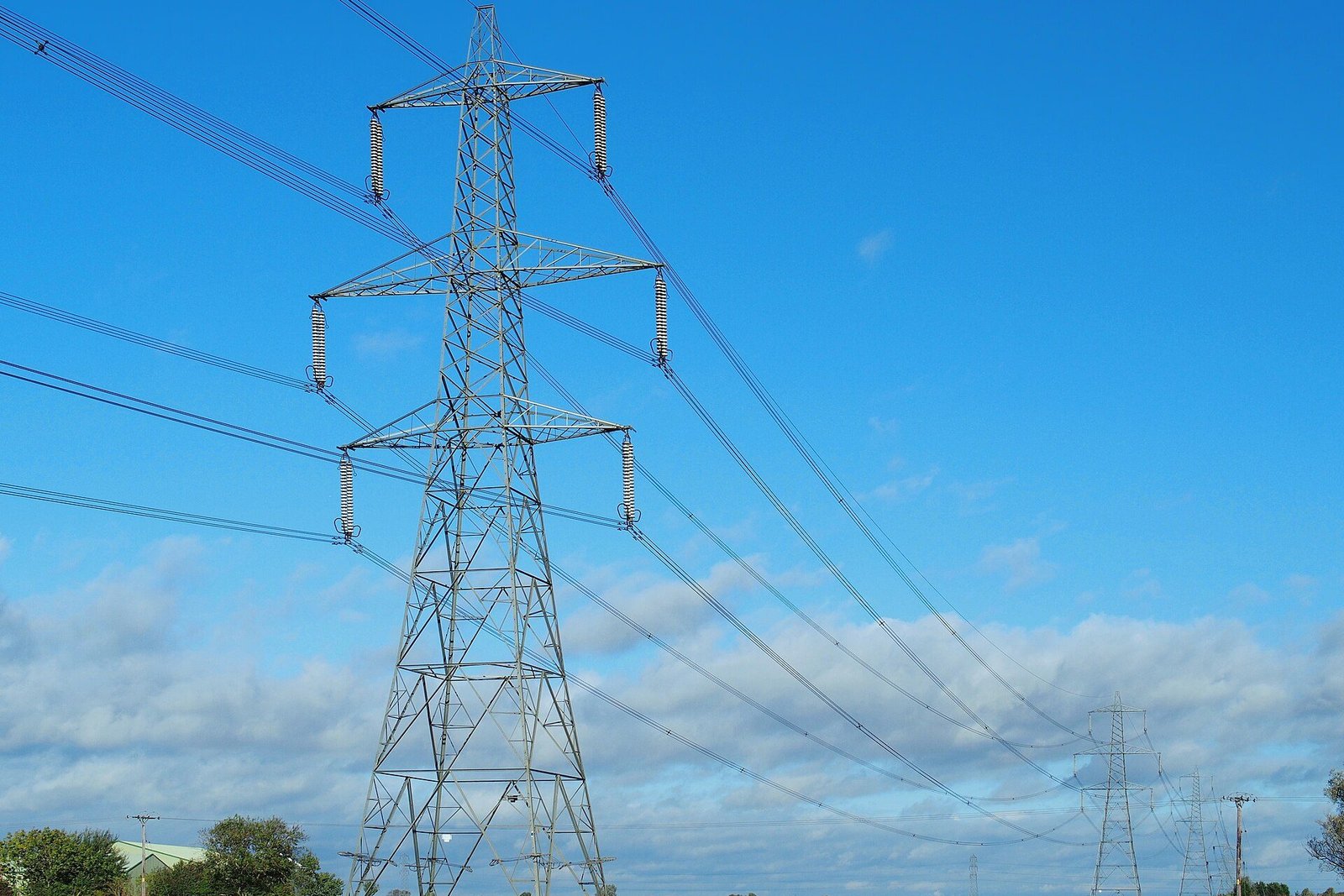
  • بجلی کی ترسیل ناکام، سستی بجلی کے باوجود مہنگی بجلی

    بجلی کی ترسیل ناکام، سستی بجلی کے باوجود مہنگی بجلی

    پاکستان میں بجلی کے صارفین کو مہنگی بجلی خریدنا پڑ رہی ہے، حالانکہ ملک کے جنوبی علاقوں میں سستی بجلی دستیاب ہے۔ اس کی وجہ نیشنل گرڈ کی ترسیلی ناکامی بتائی جا رہی ہے۔

    رپورٹس کے مطابق نیشنل گرڈ کمپنی سندھ اور جنوبی پاکستان سے سستی بجلی بڑے شہروں اور بجلی کے بڑے مراکز تک منتقل کرنے میں ناکام رہی ہے۔ ترسیلی رکاوٹوں کے باعث بجلی کا شعبہ مہنگے ایندھن پر زیادہ انحصار کرنے پر مجبور ہے۔

    مہنگے ایندھن میں درآمدی کوئلہ اور ری گیسیفائیڈ مائع قدرتی گیس شامل ہیں۔ دوسری طرف سستے ذرائع سے بجلی پیدا کرنے والے منصوبے پوری صلاحیت سے استعمال نہیں ہو پا رہے۔ ان میں تھر کا کوئلہ، جوہری توانائی اور ہوا سے بجلی بنانے والے منصوبے شامل ہیں۔

    ماہرین کے مطابق جنوبی علاقوں میں بجلی پیدا کرنے کی معمولی لاگت تقریباً 16 روپے فی یونٹ ہے، جبکہ شمالی علاقوں میں یہ لاگت تقریباً 35 روپے فی یونٹ تک پہنچ جاتی ہے۔ اس بڑے فرق کے باوجود ترسیلی نظام سستی بجلی کو وہاں تک نہیں پہنچا پا رہا جہاں اس کی سب سے زیادہ ضرورت ہے۔

    ملک میں بجلی پیدا کرنے کی مجموعی نصب شدہ صلاحیت تقریباً 44 ہزار میگاواٹ ہے، جبکہ ترسیل کی زیادہ سے زیادہ صلاحیت تقریباً 26 ہزار میگاواٹ بتائی جاتی ہے۔ اس فرق کا مطلب یہ ہے کہ پیدا کی گئی بجلی کا ایک بڑا حصہ صارفین تک پہنچ ہی نہیں پاتا۔

    بجلی کی پیداوار اور کھپت کی جغرافیائی تقسیم بھی اس مسئلے کو مزید سنگین بنا دیتی ہے۔ پیداواری صلاحیت کا تقریباً 56 فیصد شمال میں اور 43 فیصد جنوب میں واقع ہے، جبکہ بجلی کی کھپت کا تقریباً 77 فیصد شمال میں اور صرف 23 فیصد جنوب میں ہے۔

    اس کا نتیجہ یہ ہے کہ جنوب میں پیدا ہونے والی سستی بجلی شمال کے بڑے شہروں تک نہیں پہنچ پاتی، اور شمال میں مہنگی بجلی سے کام چلانا پڑتا ہے۔ اس سے بجلی کی فراہمی کی مجموعی لاگت بڑھ جاتی ہے، جس کا بوجھ آخرکار صارفین کے بلوں میں ظاہر ہوتا ہے۔

    تھر کے کوئلے اور جوہری توانائی جیسے منصوبوں میں اربوں روپے کی سرمایہ کاری کی گئی ہے، لیکن اگر گرڈ میں ان کی بجلی لے جانے کی صلاحیت نہیں ہے تو ان منصوبوں کا پورا فائدہ ملک کو نہیں مل سکتا۔ ماہرین کا کہنا ہے کہ پیداوار میں سرمایہ کاری کے ساتھ ترسیل کے نظام میں بھی اسی رفتار سے سرمایہ کاری ضروری ہے۔

    پرانا اور بوسیدہ ترسیلی ڈھانچہ بھی اس مسئلے کو بڑھا رہا ہے۔ تکنیکی رکاوٹیں، بجلی کی ترسیل میں رکاوٹ اور ناکافی سرمایہ کاری سے نقصانات بڑھتے ہیں اور نظام بجلی کو موثر طریقے سے پہنچانے میں ناکام رہتا ہے۔

    صارفین کے لیے اس کا مطلب یہ ہے کہ وہ ہر ماہ مہنگے بجلی کے بل ادا کرتے رہیں گے، جب تک کہ ترسیلی نظام کو بہتر نہ بنایا جائے۔ ماہرین کے مطابق اس مسئلے کا حل صرف نئے بجلی گھر بنانے میں نہیں، بلکہ گرڈ کو جدید بنانے اور اس کی صلاحیت بڑھانے میں ہے۔

    حکومت اور بجلی کے شعبے کے اداروں کے سامنے اب یہ سوال ہے کہ وہ ترسیلی نظام میں سرمایہ کاری کو کتنی ترجیح دیتے ہیں، کیونکہ اس کے بغیر سستی بجلی کا فائدہ عام صارف تک پہنچنا ممکن نہیں۔
  • پیر 9 نومبر کو بینک بند، یومِ اقبال کی چھٹی

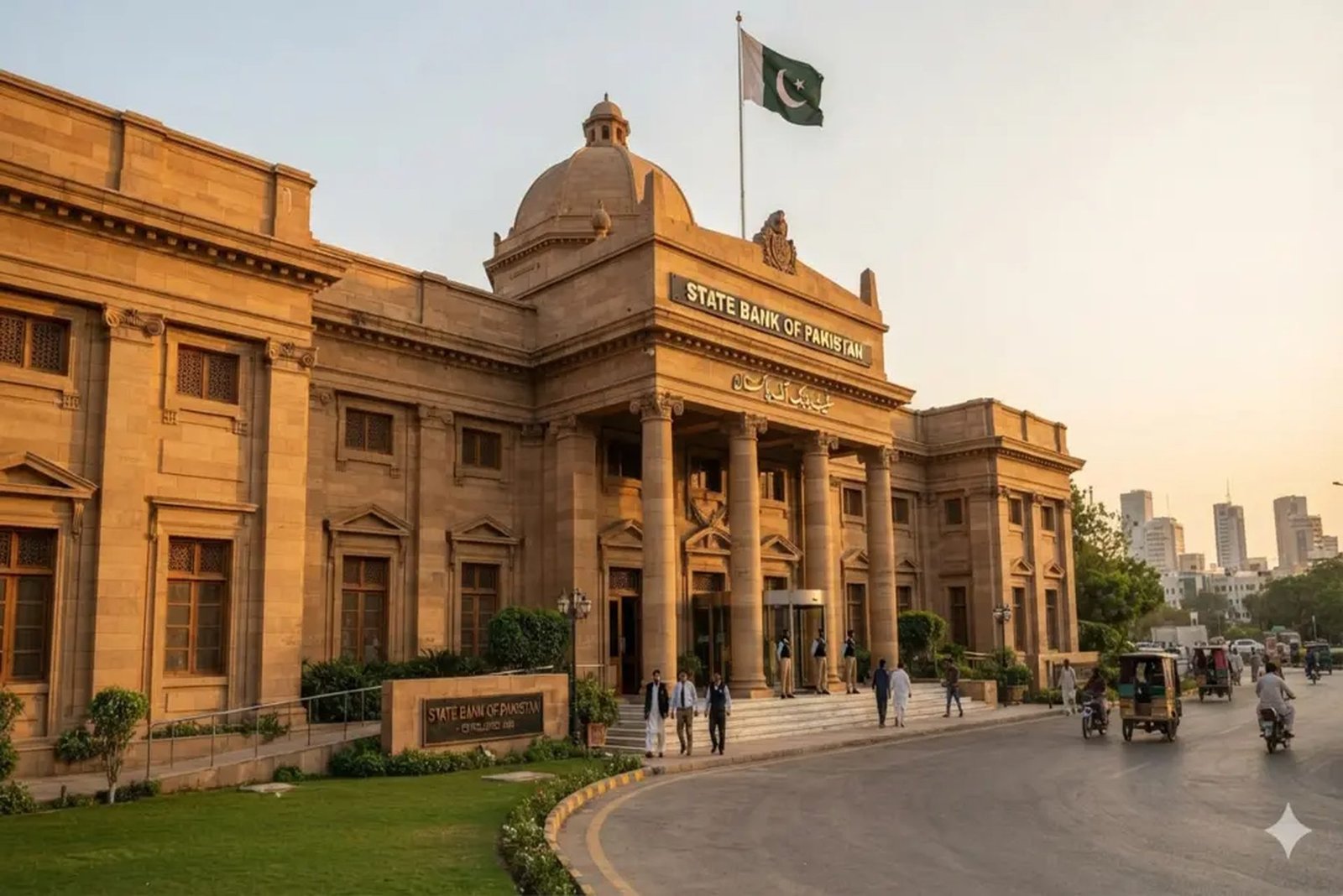
    پیر 9 نومبر کو بینک بند، یومِ اقبال کی چھٹی

    اسٹیٹ بینک آف پاکستان نے اعلان کیا ہے کہ پیر 9 نومبر 2026 کو تمام بینک بند رہیں گے۔

    اسٹیٹ بینک کی جانب سے جمعرات 5 نومبر کو کراچی سے جاری بیان میں کہا گیا کہ 9 نومبر 2026 بروز پیر، یومِ اقبال کے موقع پر سرکاری چھٹی کے باعث اسٹیٹ بینک آف پاکستان بند رہے گا۔

    یومِ اقبال ہر سال 9 نومبر کو منایا جاتا ہے اور یہ شاعرِ مشرق ڈاکٹر علامہ محمد اقبال کی یومِ پیدائش کی مناسبت سے حکومتِ پاکستان کی جانب سے اعلان کردہ سرکاری چھٹی ہوتی ہے۔

    اسٹیٹ بینک کے اعلان کے مطابق اس دن نہ صرف اسٹیٹ بینک بند رہے گا بلکہ تمام بینک، مائیکرو فنانس بینک اور ترقیاتی مالیاتی ادارے بھی بند رہیں گے۔

    اس کا مطلب یہ ہے کہ پیر کے روز بینکوں کی شاخوں میں عام لین دین، کیش جمع کروانے یا نکالنے اور دیگر بینکاری خدمات دستیاب نہیں ہوں گی۔ صارفین کو اپنی ضروری بینکاری سرگرمیاں چھٹی سے پہلے مکمل کرنے کی ضرورت ہوگی۔

    تاہم بینکوں کی بندش کا مطلب یہ نہیں کہ تمام مالیاتی خدمات رک جائیں گی۔ اے ٹی ایم اور آن لائن بینکاری کی سہولتیں عام طور پر چھٹی کے دن بھی دستیاب رہتی ہیں، تاہم ان سے متعلق حتمی تفصیل متعلقہ بینکوں سے معلوم کی جا سکتی ہے۔

    یومِ اقبال کی چھٹی ملک بھر میں سرکاری اداروں میں بھی منائی جاتی ہے اور اس روز تعلیمی ادارے اور دفاتر بھی بند رہتے ہیں۔ علامہ اقبال کی شاعری اور فکر نے برصغیر کے مسلمانوں کی سیاسی اور فکری بیداری میں اہم کردار ادا کیا تھا۔

    اسٹیٹ بینک کی جانب سے چھٹی کا اعلان ہر سال معمول کے مطابق کیا جاتا ہے تاکہ بینک اور مالیاتی ادارے اپنے کام کا شیڈول پہلے سے طے کر سکیں۔

    کاروباری حضرات اور عام صارفین کے لیے یہ اعلان اس لیے بھی اہم ہے کہ پیر کا دن آنے والے ہفتے کا پہلا کاروباری دن ہوتا ہے، اور اس روز بینک بند ہونے سے ہفتے کے آغاز میں لین دین کا شیڈول متاثر ہو سکتا ہے۔

    بینکوں کے دوبارہ کھلنے کا شیڈول معمول کے مطابق منگل 10 نومبر سے ہوگا، جب تمام بینک اور مالیاتی ادارے اپنے معمول کے اوقات کار کے مطابق کام کریں گے۔

    صارفین کو مشورہ دیا جاتا ہے کہ اگر ان کے کوئی ضروری بینکاری کام پیر کے روز طے ہیں تو وہ انہیں جمعہ یا ہفتے کے روز مکمل کر لیں تاکہ انہیں کسی قسم کی دشواری کا سامنا نہ کرنا پڑے۔

    اسٹیٹ بینک کے بیان میں چھٹی کی وجہ واضح طور پر یومِ اقبال کی سرکاری چھٹی بتائی گئی ہے، اور اس حوالے سے مزید کوئی تبدیلی نہیں کی گئی۔

  • Stocks surge, oil plunges over 8% after US vote

    Stocks surge, oil plunges over 8% after US vote

    Wall Street shares surged and oil prices tumbled on Wednesday as financial markets reacted to the outcome of the United States midterm elections, with investors betting that the result could hasten an end to the US war with Iran.

    Democrats seized control of both houses of Congress in Tuesday’s vote, according to the reports, giving them power to block legislation, open investigations into the Trump administration, and influence government spending, including the Pentagon budget.

    Heading into the vote, some investors had feared that a decisive Democratic win would trouble share prices, in part because of concern about the rapid build-out of artificial intelligence data centres. On the day, however, that worry was outweighed by relief that the election outcome was clear and that President Donald Trump did not contest the result.

    Oil prices were under pressure throughout the session. The selling intensified after Vice President JD Vance said in a social media post that the Republican defeat reflected the unpopularity of the Iran war, which has pushed up fuel and other staple prices.

    Crude finished down more than 8%, with both major contracts closing below 100 dollars a barrel. Brent North Sea crude fell 8.7% to 94.62 dollars a barrel, while West Texas Intermediate dropped 8.3% to 88.12 dollars a barrel.

    Andy Lipow of Lipow Oil Associates was quoted as saying the election might lead the market to conclude that Mr Trump could now be inclined to make a deal, and that with Democrats controlling the Senate and House they might restrict funding for the war, forcing an end to the conflict.

    The fall in oil added momentum to Wall Street, which opened higher after positive sessions on leading European exchanges. All three major US indices finished solidly higher. The Dow ended up 3%, or more than 1,500 points, at 53,356.12, the S and P 500 rose 1.6% to 7,688.62, and the Nasdaq Composite gained 1.4% to 25,736.51.

    Opposition to data centres had fuelled campaigns in key states such as Texas, Georgia and Ohio, where Democrats won governorships previously held by Republicans. Gains by Microsoft, Amazon and other large technology companies suggested markets might see an upside in constraints that deter overbuilding, according to Steve Sosnick of Interactive Brokers, who was quoted as saying that at some level people were happy the industry might be saved from its own worst instincts. Nvidia and other chipmakers, by contrast, fell.

    Both of Elon Musk’s publicly traded companies fell after his large political donations failed to stop the Democratic tide, with SpaceX down 3.8% and Tesla down 3.3%. Lockheed Martin, which fell 6.9%, was among defence companies that retreated, while First Solar jumped 4.6% as the election lifted prospects for renewable energy.

    In Europe, the main indices finished with gains of around 2%, despite official data showing eurozone inflation reached a three-year high of 4.0% in October. London’s FTSE 100 rose 1.8% to 10,829.21, Paris’s CAC 40 gained 2.0% to 8,177.89, and Frankfurt’s DAX climbed 2.2% to 26,437.67.

    Markets across Asia also performed strongly, although Tokyo ended lower as its technology sector struggled. Hong Kong’s Hang Seng Index rose 1.7% to 23,919.50 and Shanghai’s Composite gained 2.2% to 3,686.17, while Tokyo’s Nikkei 225 fell 1.4% to 62,188.63.

  • فیول سبسڈی دسمبر تک جاری رہے گی، وزیراعظم کی ہدایت

    فیول سبسڈی دسمبر تک جاری رہے گی، وزیراعظم کی ہدایت

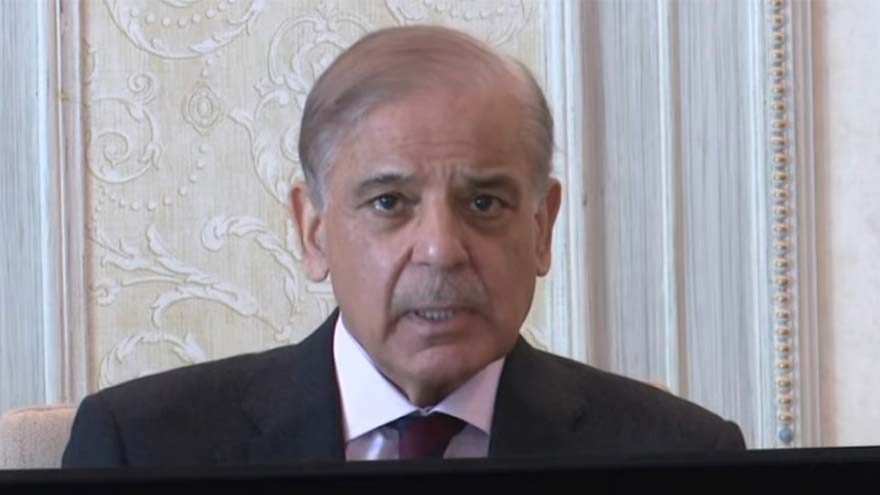
    وزیراعظم شہباز شریف نے فیول سبسڈی اسکیم کو دسمبر تک جاری رکھنے کی ہدایت کر دی ہے۔ اسلام آباد میں اسکیم سے متعلق اجلاس کی صدارت کرتے ہوئے وزیراعظم نے کہا کہ اس پر عمل درآمد تمام اضلاع میں ہونا چاہیے اور اس کے کام میں شفافیت کو یقینی بنایا جائے۔

    رپورٹ کے مطابق فیول سبسڈی اسکیم ستمبر میں شروع کی گئی تھی۔ وزیراعظم کی ہدایت کے بعد اب یہ اسکیم دسمبر تک جاری رہے گی، جس سے اس سے فائدہ اٹھانے والوں کو مزید وقت ملے گا اور انتظامیہ کو اس کے دائرہ کار کو تمام اضلاع تک پھیلانے کا موقع ملے گا۔

    اجلاس میں اسکیم کے نفاذ کے طریقہ کار پر بھی غور کیا گیا۔ وزیراعظم نے اس بات پر زور دیا کہ سبسڈی کا فائدہ مستحق افراد تک پہنچنا چاہیے اور اس عمل میں کسی قسم کی بے ضابطگی نہیں ہونی چاہیے۔ شفافیت کی یہ ہدایت اس لیے بھی اہم ہے کہ عوامی اسکیموں پر اعتماد اسی وقت قائم رہتا ہے جب ان کا فائدہ واضح اور منصفانہ طریقے سے تقسیم ہو۔

    فیول کی قیمتوں میں اتار چڑھاؤ عام لوگوں کی روزمرہ زندگی پر براہ راست اثر ڈالتا ہے۔ ٹرانسپورٹ، اشیائے خورونوش کی ترسیل اور روزگار سے جڑے اخراجات سبھی ایندھن کی قیمت سے متاثر ہوتے ہیں، اس لیے حکومت کی جانب سے سبسڈی کا تسلسل عوام کے لیے ایک بڑی خبر ہے۔

    اسکیم کو تمام اضلاع تک پھیلانے کی ہدایت بھی قابل توجہ ہے۔ اکثر عوامی اسکیموں کا فائدہ بڑے شہروں تک محدود رہ جاتا ہے، جب کہ چھوٹے شہروں اور دیہی علاقوں کے لوگ اس سے محروم رہ جاتے ہیں۔ وزیراعظم کی ہدایت کا مقصد اس خلا کو ختم کرنا ہے تاکہ ملک کے ہر حصے کے شہری اس سہولت سے فائدہ اٹھا سکیں۔

    رپورٹ میں سبسڈی کی فی لیٹر رقم یا فائدہ اٹھانے والوں کی مجموعی تعداد نہیں بتائی گئی، اس لیے اس خبر میں ایسا کوئی عدد شامل نہیں کیا گیا۔ اسکیم کی تفصیلات کے بارے میں مزید اعلان متعلقہ حکام کی جانب سے آنے والے دنوں میں متوقع ہے۔

    دسمبر تک اسکیم کے جاری رہنے سے شہریوں کو یہ اطمینان ملے گا کہ سردیوں کے مہینوں میں بھی انہیں اس سہولت کا تسلسل حاصل رہے گا۔ حکومت کے لیے بھی یہ فیصلہ ایک امتحان ہوگا کہ وہ اسکیم کو شفاف اور منظم انداز میں تمام اضلاع تک کیسے پہنچاتی ہے۔

    آنے والے ہفتوں میں اسکیم کے نفاذ پر نظر رہے گی، خاص طور پر اس بات پر کہ اضلاع کی سطح پر اس کا عملی اطلاق کیسا ہوتا ہے اور شہریوں تک اس کا فائدہ کس حد تک پہنچتا ہے۔

  • سونے کی قیمت میں بڑا اضافہ، فی تولہ 4 لاکھ 26 ہزار سے اوپر

    سونے کی قیمت میں بڑا اضافہ، فی تولہ 4 لاکھ 26 ہزار سے اوپر

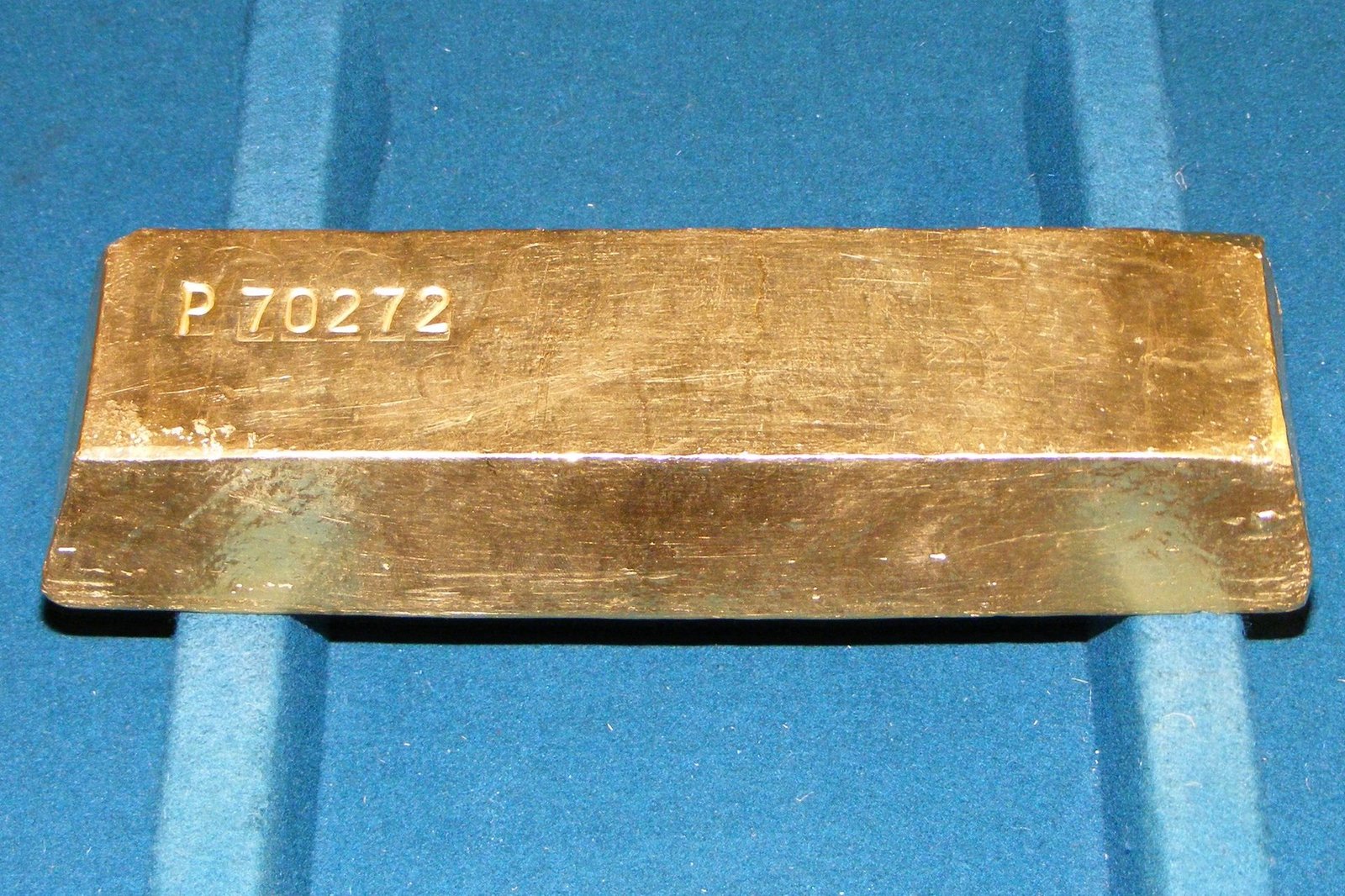
    پاکستان میں سونے کی قیمت میں بدھ کے روز نمایاں اضافہ ریکارڈ کیا گیا ہے۔ فی تولہ سونے کی قیمت میں 13,900 روپے کا اضافہ ہوا جس کے بعد ملک میں سونے کی نئی قیمت 426,036 روپے فی تولہ ہو گئی ہے۔

    دس گرام سونے کی قیمت میں بھی اضافہ ہوا ہے۔ دس گرام سونا 11,917 روپے مہنگا ہو کر 365,257 روپے کا ہو گیا ہے۔ یوں سونا خریدنے والوں کو اب پہلے کے مقابلے میں نمایاں طور پر زیادہ رقم ادا کرنا پڑے گی۔

    عالمی منڈی میں بھی سونے کی قیمت بڑھی ہے۔ بین الاقوامی مارکیٹ میں سونا 139 ڈالر فی اونس مہنگا ہو کر 4,035 ڈالر فی اونس تک پہنچ گیا ہے۔ ماہرین کے مطابق مقامی مارکیٹ میں سونے کی قیمت کا تعین بڑی حد تک عالمی قیمت اور روپے کی قدر سے ہوتا ہے، اس لیے عالمی سطح پر اضافہ مقامی قیمتوں میں بھی جھلکتا ہے۔

    سونے کی قیمت میں اس اضافے کا براہ راست اثر عام خریداروں پر پڑے گا۔ شادیوں اور دیگر تقریبات کے لیے زیورات خریدنے والے خاندانوں کے بجٹ پر دباؤ بڑھے گا، جبکہ سناروں اور زیورات کے کاروبار سے وابستہ افراد کو بھی قیمتوں کے اتار چڑھاؤ کے مطابق اپنے کاروبار کو ڈھالنا ہوگا۔

    دوسری جانب سونے کو محفوظ سرمایہ کاری سمجھنے والے افراد کے لیے قیمتوں میں اضافہ ایک مثبت اشارہ بھی ہو سکتا ہے، کیونکہ غیر یقینی معاشی حالات میں سرمایہ کار عموماً سونے کی طرف رجوع کرتے ہیں۔ تاہم قیمتوں میں تیزی سے تبدیلی خریداروں اور فروخت کنندگان دونوں کے لیے فیصلہ سازی کو مشکل بنا دیتی ہے۔

    سونے کی قیمت میں روزانہ کی بنیاد پر تبدیلی ایک معمول کی بات ہے، لیکن ایک ہی دن میں تقریباً 14 ہزار روپے فی تولہ کا اضافہ خاصا بڑا سمجھا جاتا ہے۔ اسی لیے اس خبر نے بازاروں اور خریداروں کی توجہ حاصل کی ہے۔

    آئندہ دنوں میں سونے کی قیمت کا انحصار عالمی مارکیٹ کی صورتحال، ڈالر کی قیمت اور مقامی طلب پر ہوگا۔ اگر عالمی سطح پر سونا مزید مہنگا ہوا تو مقامی قیمتوں میں بھی مزید اضافہ ممکن ہے، اور اگر عالمی قیمتوں میں کمی آئی تو مقامی بازار میں بھی ریلیف مل سکتا ہے۔

    خریداروں کے لیے اس صورتحال میں احتیاط اور قیمتوں کی مسلسل نگرانی اہم ہے۔ سونا خریدنے سے پہلے مختلف دکانوں سے قیمت معلوم کرنا اور یومیہ نرخ سے باخبر رہنا فائدہ مند رہتا ہے، تاکہ خریداری کا فیصلہ درست وقت پر کیا جا سکے۔

  • PSX investor base hits record 681,965 in October

    PSX investor base hits record 681,965 in October

    Pakistan’s stock market investor base has reached a record 681,965, after a record number of new investors joined the Pakistan Stock Exchange in October 2026. The figures were shared by Adviser to the Finance Minister Khurram Schehzad, who said the market added 25,747 investors during the month alone.

    That monthly addition was the highest ever recorded in a single month, and it was 66 percent higher than the same month last year. It also beat the previous monthly record of 25,281 investors set in September 2026, when the total investor base stood at 656,218. October’s surge therefore pushed the market decisively past its September peak and close to the 700,000 mark.

    Over the first ten months of 2026, from January to October, the exchange added 218,894 net new investors. That ten-month total exceeds the combined additions recorded over the previous four full calendar years, from 2022 to 2025, and nearly matches the additions of the previous five years combined. It is a striking measure of how quickly participation has accelerated in a short period.

    The longer trend is equally dramatic. Since June 2022, when the investor base stood at 274,970, the market has added 406,995 net new investors, an expansion of about 148 percent. The total crossed 600,000 in August 2026 before climbing further in September and October, and the year-on-year growth in the total investor base now stands at 56 percent.

    Young investors are driving much of the growth. According to figures reported alongside the October data, Generation Z and millennials accounted for about 85 percent of new investors, suggesting that the expansion is being powered by younger savers entering the market for the first time, often through digital channels.

    Officials have presented the surge as a sign of deepening confidence in Pakistan’s capital markets and of the effect of reforms aimed at widening access. A broader investor base is generally seen as a positive development for a stock market, because it spreads ownership more widely and can make trading less dependent on a small group of large participants.

    Whether the pace can continue is an open question, and monthly additions will naturally vary with market conditions and sentiment. For now, however, the October figures stand as a clear milestone: a record month, a record total, and a market that has added more investors in ten months than in the previous four years put together.

  • Gold edges higher to $3,931 as oil prices ease

    Gold edges higher to $3,931 as oil prices ease

    Gold prices edged higher in early trading on Wednesday, as falling oil prices eased immediate worries about inflation and investors waited for clearer signals from the United States. Spot gold was up 0.1 percent at 3,931.24 US dollars per ounce by 0306 GMT, while US gold futures for December delivery steadied at 3,941.40 dollars.

    Earlier in the Asian session, the metal had traded slightly higher still, with spot gold up 0.2 percent at 3,934.75 dollars per ounce by 0024 GMT and December futures up 0.1 percent at 3,943.20 dollars. The small difference between those readings reflects normal movement through the morning rather than a sharp change of direction, with gold holding broadly steady after a turbulent recent run.

    Two forces were pulling in gold’s favour. Oil prices eased by about 1 percent on Tuesday to their lowest level in nearly four weeks, as traders weighed talks aimed at ending wars in Ukraine and the Middle East against worries that recent attacks could still disrupt supplies. Lower oil prices tend to cool inflation expectations, which in turn reduces pressure on central banks to keep interest rates high for longer, and that helps gold, which pays no interest of its own.

    The dollar also softened against most major currencies ahead of the outcome of the US midterm elections, with the dollar index trading around 101.57 in early Wednesday trade. A weaker dollar makes gold cheaper for buyers using other currencies, adding a further modest support to the price.

    Investors were also looking ahead to key labour market data later in the week. US non-farm payrolls figures due on Friday are expected to give fresh clues about the path of Federal Reserve policy, and traders were reluctant to take large positions before that release. The midterm results themselves were another reason for caution, with markets watching for any shift that could affect spending, trade or fiscal policy.

    Elsewhere in the gold market, demand in India, one of the world’s largest gold-consuming nations, is expected to fall to a six-year low in 2026, according to the World Gold Council, as high prices weigh on jewellery sales and investment demand moderates. That softer demand outlook helps explain why the recovery in prices has so far been cautious rather than strong.

    Gold has swung sharply in recent sessions, rising nearly 2 percent on 2 November before easing back the following day, and Wednesday’s small gain fits that pattern of a market searching for direction. With oil lower, the dollar softer and major US data still to come, traders are likely to keep watching energy prices, currency moves and the jobs report for the next clear signal.

  • Rs2.4bn refunds paid, Rs9bn more coming, says FBR

    Rs2.4bn refunds paid, Rs9bn more coming, says FBR

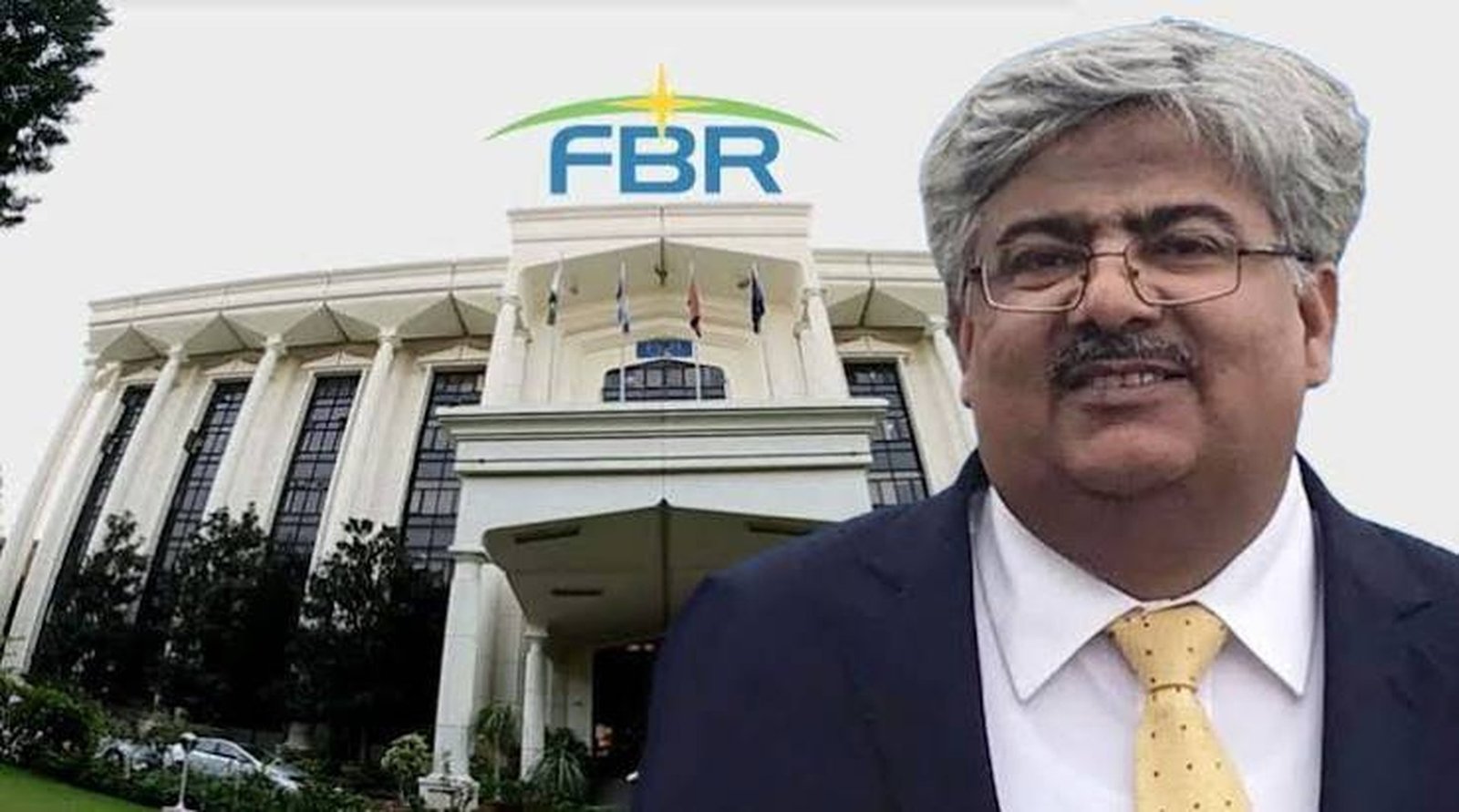
    The Federal Board of Revenue says it has paid Rs2.4 billion in tax refunds and will pay a further Rs9 billion in the coming weeks, according to figures reported by the authority. The update came as the FBR reported progress on a large stock of tax return and refund applications.

    According to the FBR figures, 196,000 applications were received in total. Of these, 3,200 applications have been processed and approved so far, while 100,000 applications remain under review. The report also states that a further 3,200 refund applications will be approved in the coming weeks, and puts the total value of refunds approved at Rs15 billion.

    The report did not break down the remaining applications by stage, so the published figures describe the headline totals and the amounts paid or due rather than a complete account of every case. For businesses waiting on refunds, however, the key numbers are the cash ones: Rs2.4 billion already paid and Rs9 billion promised in the coming weeks.

    Refunds matter because they return money that businesses have already paid in tax, and delays tie up working capital that firms would otherwise use to buy stock, pay wages or expand. When refunds move slowly, smaller importers and traders feel the squeeze first, which is why the pace of approvals is watched closely in trading circles.

    The update followed a meeting between FBR Chairman Rashid Mahmood Langrial and a delegation of tea importers, who discussed tax refund issues affecting their trade. Tea is one of Pakistan’s largest import items, and the delegation raised the problems its members face in getting refunds processed.

    Figures shared in connection with the tea trade underline its scale. Monthly demand for tea stands at 17,000 to 18,000 tons, and tea imports have increased by 60 percent, according to the report. A figure of Rs2.5 billion was also mentioned in connection with tea imports during the discussion.

    For the tea trade, the refund question is practical rather than abstract. Importers pay tax upfront when their consignments arrive, and a slow refund cycle raises the cost of every shipment. Faster refunds would ease that burden and help keep supplies flowing to a market where demand remains strong.

    The FBR’s announcement will therefore be judged on two tests. The first is whether the Rs9 billion promised for the coming weeks is actually paid on schedule. The second is whether the large number of applications still under review begins to fall, giving importers and other taxpayers a clearer timetable for their own cases.

    Taxpayers waiting on refunds have heard promises of faster processing before, so the authority’s credibility on this issue rests on delivery. If the coming weeks bring the payments described, it will be a welcome sign for businesses. If they slip, the backlog will remain a source of frustration for traders who say they have waited long enough.

  • ترسیلات زر سستی ہوں تو معیشت کو ایک ارب ڈالر مل سکتے ہیں

    ترسیلات زر سستی ہوں تو معیشت کو ایک ارب ڈالر مل سکتے ہیں

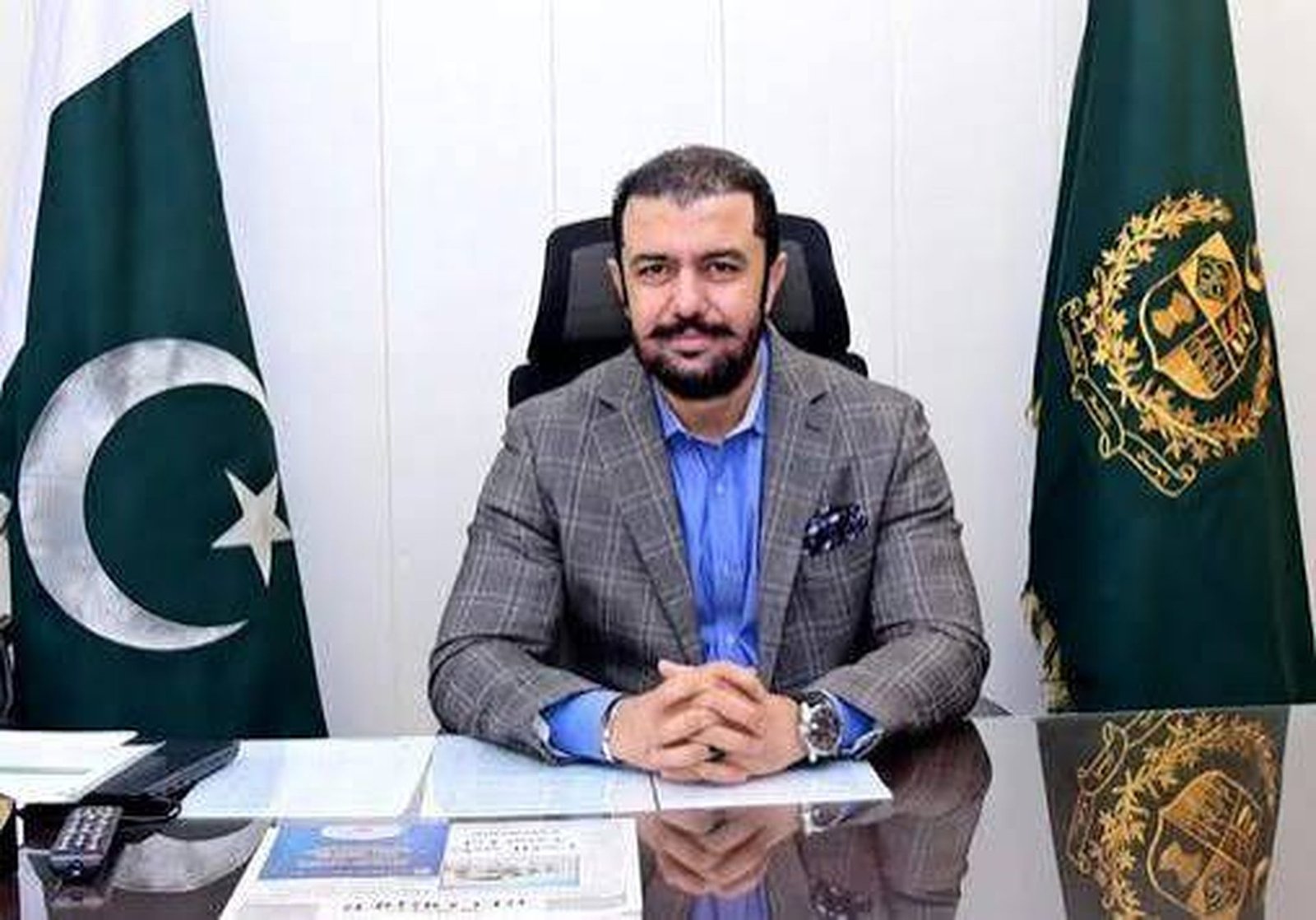
    وزیر مملکت اور پاکستان ورچوئل ایسٹس ریگولیٹری اتھارٹی کے چیئرمین بلال بن ثاقب نے کہا ہے کہ ترسیلات زر کی لاگت میں صرف 2 سے 3 فیصد کمی سے پاکستان کی معیشت میں ایک ارب ڈالر کا اضافہ ہو سکتا ہے۔ ان کے مطابق یہ رقم براہ راست عوام اور معیشت کو فائدہ پہنچائے گی۔

    بلال بن ثاقب نے یہ بات ترسیلات زر اور ڈیجیٹل مالیاتی نظام پر بات کرتے ہوئے کہی۔ ان کے مطابق پیوارا اور اسٹیٹ بینک آف پاکستان اس معاملے پر مشترکہ ورکنگ گروپ کے ذریعے کام کر رہے ہیں، اور خلیجی ممالک سے ایک پائلٹ منصوبہ بھی زیر غور ہے۔

    ترسیلات زر پاکستان کی معیشت کے لیے ریڑھ کی ہڈی کی حیثیت رکھتی ہیں۔ بیرون ملک مقیم پاکستانی ہر سال اربوں ڈالر اپنے خاندانوں کو بھیجتے ہیں، جو نہ صرف گھریلو اخراجات پورے کرتے ہیں بلکہ ملک کے زرمبادلہ کے ذخائر کو بھی سہارا دیتے ہیں۔ یہی وجہ ہے کہ ترسیلات کی لاگت میں معمولی کمی بھی مجموعی طور پر بہت بڑی رقم بن جاتی ہے۔

    اس وقت بیرون ملک سے رقم بھیجنے پر مختلف فیسوں اور شرح تبادلہ کے فرق کی صورت میں ایک خاص حصہ کٹ جاتا ہے۔ اگر یہ لاگت کم ہو جائے تو بھیجی گئی رقم کا زیادہ حصہ وصول کنندہ خاندان تک پہنچے گا، جس سے گھریلو آمدنی میں اضافہ ہوگا اور مقامی معیشت میں خرچ بڑھے گا۔

    ڈیجیٹل ادائیگیوں اور نئی مالیاتی ٹیکنالوجی کو اس مسئلے کے حل کے طور پر دیکھا جا رہا ہے۔ تیز تر، شفاف اور کم لاگت والے ڈیجیٹل راستے روایتی طریقوں کے مقابلے میں رقم کی منتقلی کو سستا بنا سکتے ہیں، بشرطیکہ وہ ریگولیٹری نگرانی کے اندر کام کریں اور صارفین کے تحفظ کو یقینی بنائیں۔

    تاہم ماہرین کا کہنا ہے کہ لاگت میں کمی کے لیے صرف ٹیکنالوجی کافی نہیں۔ بینکوں، رقوم کی منتقلی کرنے والی کمپنیوں اور ریگولیٹرز کے درمیان ہم آہنگی ضروری ہے، تاکہ نئے نظام محفوظ بھی ہوں اور عام آدمی کے لیے آسان بھی۔ خلیجی ممالک سے پائلٹ منصوبہ اسی ہم آہنگی کو جانچنے کا ایک قدم ہو سکتا ہے، کیونکہ وہاں سے پاکستان سب سے زیادہ ترسیلات آتی ہیں۔

    اگر یہ منصوبہ کامیاب ہوتا ہے تو اس کا فائدہ دوہرا ہوگا۔ ایک طرف خاندانوں کو زیادہ رقم ملے گی اور دوسری طرف زیادہ رقوم رسمی نظام کے ذریعے آئیں گی، جس سے معیشت کی شفافیت اور استحکام میں اضافہ ہوگا۔ آنے والے مہینوں میں ورکنگ گروپ کی سفارشات اور پائلٹ منصوبے کی پیش رفت یہ طے کرے گی کہ ایک ارب ڈالر کا یہ امکان حقیقت میں کتنی جلدی بدلتا ہے۔

  • GCC opens anti-dumping probe into paper imports

    GCC opens anti-dumping probe into paper imports

    The Gulf Cooperation Council has opened an anti-dumping investigation into imports of uncoated paper from India, China and Thailand. The decision was taken by the GCC Permanent Committee for Anti-Harmful Practices in International Trade, following a preliminary report from its Technical Secretariat Office.

    The product under investigation is uncoated paper used for writing, printing or graphic purposes, supplied in rolls or in rectangular sheets, including square sheets. The investigation covers paper originating in, or exported from, India, China and Thailand into the GCC member states.

    An anti-dumping investigation is a formal trade inquiry. It examines whether imported goods are being sold in the importing market at prices below their normal value in the exporter’s home market, and whether that pricing is harming producers in the importing countries. If dumping and injury are established, the investigating authority can impose duties to offset the price gap.

    The announcement of the investigation, including full details of the product concerned and the procedures that will follow, was published in the official bulletin of the Technical Secretariat Office, Issue No. 59, dated November 2, 2026. The announcement is also available on the website of the GCC General Secretariat.

    The Technical Secretariat Office operates under the GCC General Secretariat and handles the technical work behind the bloc’s trade-remedy cases. Its director general, Mahfoudh bin Nasser Al-Raqadi, is named in connection with the announcement of the investigation.

    The GCC states, Saudi Arabia, the United Arab Emirates, Kuwait, Qatar, Bahrain and Oman, act together on trade-remedy matters under a unified law on anti-dumping, countervailing and safeguard measures. A single investigation therefore covers imports into all six member states, rather than each country running its own case.

    For exporters, the opening of an investigation is the start of a process, not a final decision. Interested parties are typically given an opportunity to present evidence and arguments before any duties are considered. Paper producers and traders in India, China and Thailand, as well as buyers across the Gulf, will now be watching how the case develops and what it means for prices and supply in the region.

    Trade-remedy cases of this kind have become a familiar feature of Gulf trade policy, with earlier investigations covering products from ceramics to metals. The paper case adds another widely traded commodity to that list, and its outcome could affect a supply chain that touches printing, publishing, packaging and office use across the Gulf.