
Category: Business

Business and economy news — markets, trade and finance. کاروباری خبریں۔

  • اسٹیٹ بینک نے دو لاکھ ٹن چینی کی برآمد کی شرائط جاری کر دیں

    اسٹیٹ بینک نے دو لاکھ ٹن چینی کی برآمد کی شرائط جاری کر دیں

    اسٹیٹ بینک آف پاکستان نے دو لاکھ میٹرک ٹن چینی کی برآمد کے لیے شرائط جاری کر دی ہیں۔ مرکزی بینک نے زرمبادلہ کے مجاز ڈیلرز کو ہدایت کی ہے کہ وہ اہل شوگر ملز کی برآمدی درخواستوں پر مقررہ شرائط کے تحت کارروائی کریں۔

    شرائط کے مطابق ادائیگی سائٹ لیٹر آف کریڈٹ یا ایڈوانس ادائیگی کے ذریعے ہوگی، جبکہ ترسیل صرف سمندری راستے سے کی جائے گی۔ ان شرائط کا مقصد زرمبادلہ کی بروقت وصولی یقینی بنانا اور برآمدی عمل میں شفافیت لانا ہے۔

    چینی کی برآمد کا فیصلہ ملکی اسٹاک کی صورتحال اور عالمی منڈی میں قیمتوں کے جائزے کے بعد کیا جاتا ہے۔ حکومت عام طور پر برآمد کی اجازت اسی صورت میں دیتی ہے جب ملکی ضروریات کے لیے وافر ذخیرہ موجود ہو تاکہ مقامی صارفین پر قیمتوں کا بوجھ نہ پڑے۔

    معاشی ماہرین کے مطابق چینی کی برآمد سے ملک کو قیمتی زرمبادلہ حاصل ہوتا ہے اور شوگر انڈسٹری کو اضافی پیداوار فروخت کرنے کا موقع ملتا ہے۔ تاہم وہ یہ بھی خبردار کرتے ہیں کہ برآمدی فیصلوں میں ملکی اسٹاک اور قیمتوں کے توازن کو مدنظر رکھنا ناگزیر ہے۔

    شوگر انڈسٹری کے نمائندوں کے مطابق برآمد کی اجازت سے ملز کو اضافی اسٹاک فروخت کرنے میں مدد ملے گی، جس سے گنے کے کاشتکاروں کو بروقت ادائیگیاں یقینی بنانے میں آسانی ہوگی۔ کاشتکار تنظیمیں طویل عرصے سے ملز کی طرف سے ادائیگیوں میں تاخیر کی شکایت کرتی آئی ہیں۔

    تاہم صارفین کے حقوق کے لیے کام کرنے والے حلقے کہتے ہیں کہ حکومت کو برآمد کے دوران مقامی مارکیٹ میں چینی کی قیمتوں پر کڑی نظر رکھنی چاہیے۔ ماضی میں برآمدی فیصلوں کے بعد قیمتوں میں اضافے کی شکایات سامنے آتی رہی ہیں، اس لیے اسٹاک کی شفاف نگرانی ناگزیر ہے تاکہ مقامی صارفین متاثر نہ ہوں۔

    ماہرین کا کہنا ہے کہ سائٹ لیٹر آف کریڈٹ اور ایڈوانس ادائیگی کی شرط سے زرمبادلہ کی محفوظ وصولی یقینی ہوگی، جبکہ سمندری ترسیل کی شرط بڑے حجم کی منتقلی کو ممکن اور لاگت کو کم رکھے گی۔

    مجاز ڈیلرز اب اہل ملز کی درخواستوں کی جانچ پڑتال کے بعد ان شرائط کے مطابق برآمدی دستاویزات کی کارروائی کریں گے۔

  • SBP Opens Applications for Second Cohort of Regulatory Sandbox

    SBP Opens Applications for Second Cohort of Regulatory Sandbox

    The State Bank of Pakistan (SBP) has opened applications for the second cohort of its Regulatory Sandbox, inviting individuals and firms to test innovative financial solutions in a controlled environment, with submissions accepted until November 30, 2026.

    The sandbox allows participants to trial new products, services and business models under the central bank’s supervision, within defined boundaries and timeframes, before a full market launch. The second cohort will focus on four theme areas identified by the SBP.

    Regulatory sandboxes have become a standard tool for central banks worldwide seeking to encourage fintech innovation while managing risk. By offering a supervised testing ground, regulators can observe how novel solutions behave in practice, identify consumer-protection and stability concerns early, and adapt rules accordingly.

    For startups and established firms alike, acceptance into the sandbox provides a pathway to validate ideas with real users without immediately bearing the full weight of regulatory compliance costs — a hurdle that often stalls innovation in highly regulated financial sectors.

    The move comes as Pakistan’s central bank continues its broader push toward digitisation of the financial system, including instant payment rails, digital banking frameworks and measures to expand financial inclusion. Industry observers say a well-run second cohort could accelerate the arrival of new payment, lending and savings products tailored to underserved segments.

    The central bank has said the second cohort will build on lessons from the inaugural round, with a sharper focus on solutions that advance financial inclusion, digital payments and SME finance — areas where Pakistan still has significant ground to cover despite rapid growth in branchless banking and mobile wallets.

    Globally, regulatory sandboxes have helped regulators in the UK, Singapore and the UAE bring new payment and lending models to market faster. For Pakistan, where a large share of the population remains outside the formal financial system, the sandbox offers a testing ground for products designed around local realities — from Urdu-language interfaces to low-bandwidth mobile solutions.

    Interested applicants have until the end of November 2026 to submit their proposals, after which the SBP will evaluate entries against its published eligibility and assessment criteria before selecting participants for the testing phase.

  • Pakistan’s Cotton Arrival Growth Slows to 5%, Raising Price Concerns

    Pakistan’s Cotton Arrival Growth Slows to 5%, Raising Price Concerns

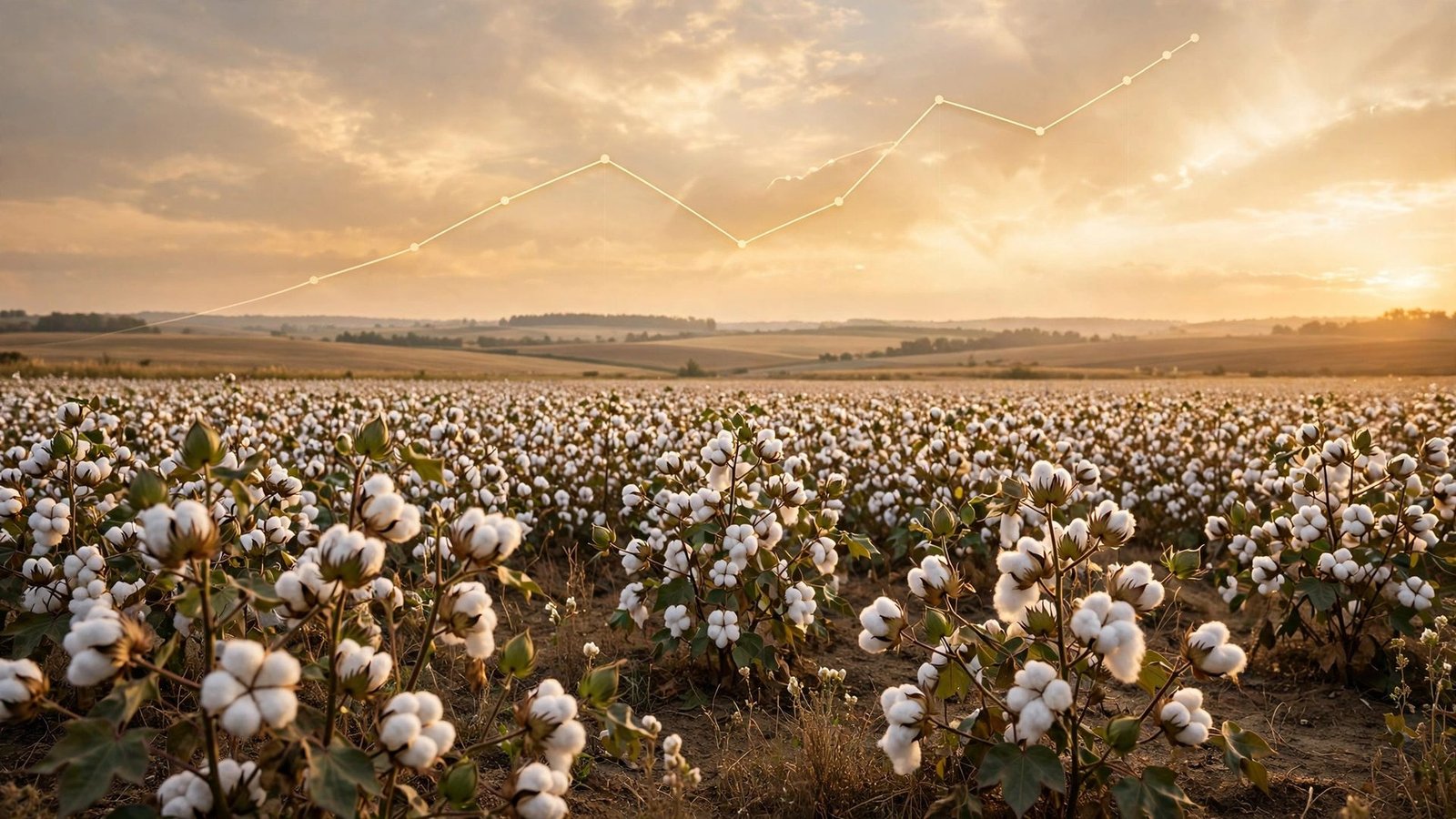
    Pakistan’s cotton arrivals have slowed sharply, with year-on-year growth falling to just 5 percent by the end of September — down from 27 percent about a month earlier — raising concerns over domestic crop output.

    The deceleration suggests the early momentum of the cotton season has faded, prompting worries among ginners and textile manufacturers about the availability of domestic lint in the months ahead. A weaker domestic crop typically translates into higher cotton prices at home and greater reliance on imported cotton to keep mills running.

    Cotton remains the backbone of Pakistan’s textile industry, which is the country’s largest export earner and a major employer. Any shortfall in domestic production directly affects the cost structure of spinning mills and, downstream, the competitiveness of textile exports in international markets.

    Analysts say the slowdown warrants close monitoring of arrivals data through October, traditionally a critical month for the crop. Weather patterns, pest pressure and water availability in the cotton belt are among the factors that will determine whether the current weakness proves temporary or extends through the season.

    If domestic output disappoints, import demand could rise at a time when global cotton markets remain sensitive to supply shifts — a combination that would squeeze mill margins and potentially feed into broader inflationary pressures.

    The Pakistan Cotton Ginners Association and other industry bodies publish fortnightly arrival figures, and traders will be watching the next releases closely for signs of stabilisation. A sustained slowdown could force spinning mills to step up import bookings, adding to the country’s import bill at a challenging time.

    Globally, cotton prices have been influenced this year by weather disruptions in major producing countries and shifting demand from textile manufacturers. For Pakistan, which competes with regional rivals in garment exports, the cost and availability of raw cotton is a critical determinant of export performance.

    Exporters warn that any sustained weakness in arrivals could erode Pakistan’s edge in key garment markets, where buyers are quick to shift orders to competing origins. The coming fortnightly data will show whether the September slowdown was a blip or the start of a difficult season.

    Industry stakeholders are expected to press for a clearer official assessment of the crop as the season progresses, so that procurement and import planning can be adjusted in time.

  • پاکستان کو ملائیشیا چاول کی برآمد کے اضافی 70 ہزار ٹن کے آرڈرز مل گئے

    پاکستان کو ملائیشیا چاول کی برآمد کے اضافی 70 ہزار ٹن کے آرڈرز مل گئے

    پاکستان نے اکتوبر تا دسمبر 2026 کے دوران ملائیشیا کو اضافی 70 ہزار میٹرک ٹن چاول برآمد کرنے کے انتظامات مکمل کر لیے ہیں۔ حکومت کے مطابق یہ پیش رفت دونوں ممالک کے درمیان سفارتی اور تجارتی روابط کے نتیجے میں ہوئی ہے۔

    وزیراعظم آفس کے مطابق متعلقہ وزارتوں اور حکام نے وزیراعظم شہباز شریف کی ہدایات پر ملائیشیا کے ساتھ اضافی برآمدی حجم پر کام کیا۔ وزیراعظم نے کہا کہ چاول کی اضافی برآمد سے کسانوں اور قومی معیشت کو فائدہ ہوگا۔

    “پاکستانی زرعی اجناس کے لیے بین الاقوامی منڈیوں تک رسائی بڑھانا حکومت کی اولین ترجیح ہے،” وزیراعظم نے کہا۔ انہوں نے کہا کہ حکومت برآمدات پر مبنی معاشی نمو کے حصول کے لیے کوششیں جاری رکھے گی۔

    وزیراعظم نے اضافی برآمدات کے حصول میں کردار ادا کرنے والے حکام کی تعریف کی، جن میں نائب وزیراعظم و وزیر خارجہ اسحاق ڈار، وزیر قومی غذائی تحفظ رانا تنویر حسین، وزیر تجارت جام کمال خان اور تجارت و قومی غذائی تحفظ کی وزارتوں کے سیکرٹریز شامل ہیں۔

    ریگولیٹری اصلاحات کا جائزہ

    اسی موقع پر وزیراعظم نے کاروبار میں آسانی اور سرمایہ کاری کے فروغ کے لیے ریگولیٹری اصلاحات کا جائزہ لینے کے لیے ایک اجلاس کی صدارت بھی کی۔ انہوں نے حکام کو ہدایت کی کہ ایک قومی ریگولیٹری رجسٹری قائم کی جائے جو تمام ریگولیٹری تقاضوں، قواعد و ضوابط کو ایک جامع نظام کے تحت یکجا کرے۔

    وزیراعظم نے ملک بھر میں ایز آف ڈوئنگ بزنس ایکٹ پر عمل درآمد کا بھی مطالبہ کیا تاکہ صوبوں میں ریگولیٹری نظام میں یکسانیت آئے اور کاروباری اداروں کو یکساں سہولتیں میسر آئیں۔ انہوں نے اصلاحات کے اثرات جانچنے کے لیے تھرڈ پارٹی توثیق کی ہدایت بھی کی۔

    تجارتی ماہرین کے مطابق ملائیشیا جنوب مشرقی ایشیا میں پاکستانی چاول کی ایک اہم منڈی ہے، اور اضافی کوٹے سے برآمد کنندگان کو طویل مدتی معاہدوں کی منصوبہ بندی میں مدد ملے گی۔ حکومت کا ہدف رواں مالی سال میں زرعی برآمدات میں نمایاں اضافہ کرنا ہے۔

    وزیراعظم نے اسپیشل انویسٹمنٹ فیسیلیٹیشن کونسل کو نجی شعبے کے ساتھ مل کر کام کرنے کی ہدایت کی تاکہ کاروباری ادارے متعارف کرائی جانے والی سہولتوں سے آگاہ ہوں اور ان سے فائدہ اٹھا سکیں۔ انہوں نے ڈرگ ریگولیٹری اتھارٹی آف پاکستان میں ہونے والی اصلاحات کا حوالہ دیتے ہوئے دیگر اداروں میں بھی ایسی ہی جدید کاری پر زور دیا۔