Category: Business

Business and economy news — markets, trade and finance. کاروباری خبریں۔

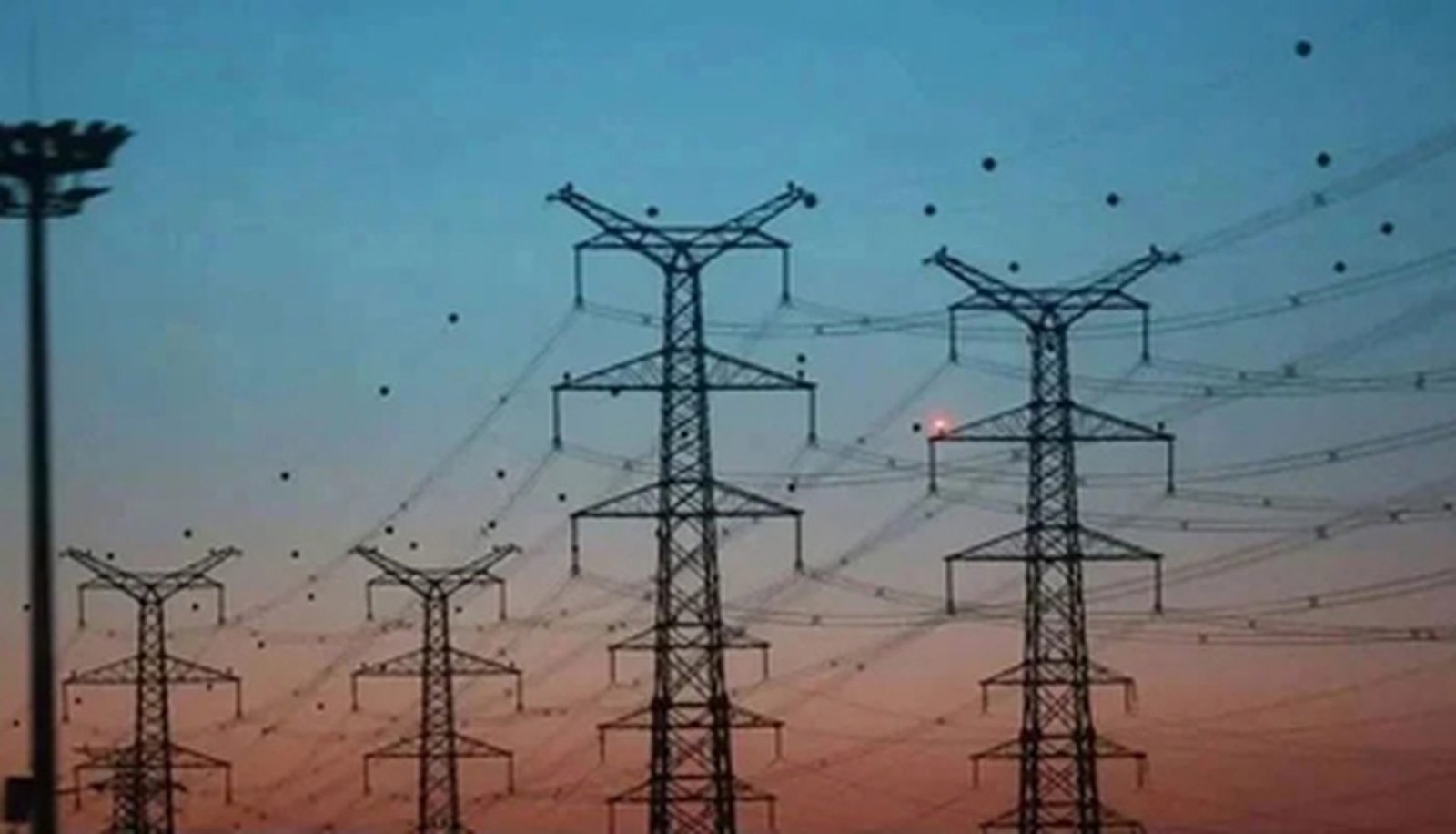
  • گیس اور بجلی کے سلیب ختم کرنے کی تیاری، نیا نظام تیار

    گیس اور بجلی کے سلیب ختم کرنے کی تیاری، نیا نظام تیار

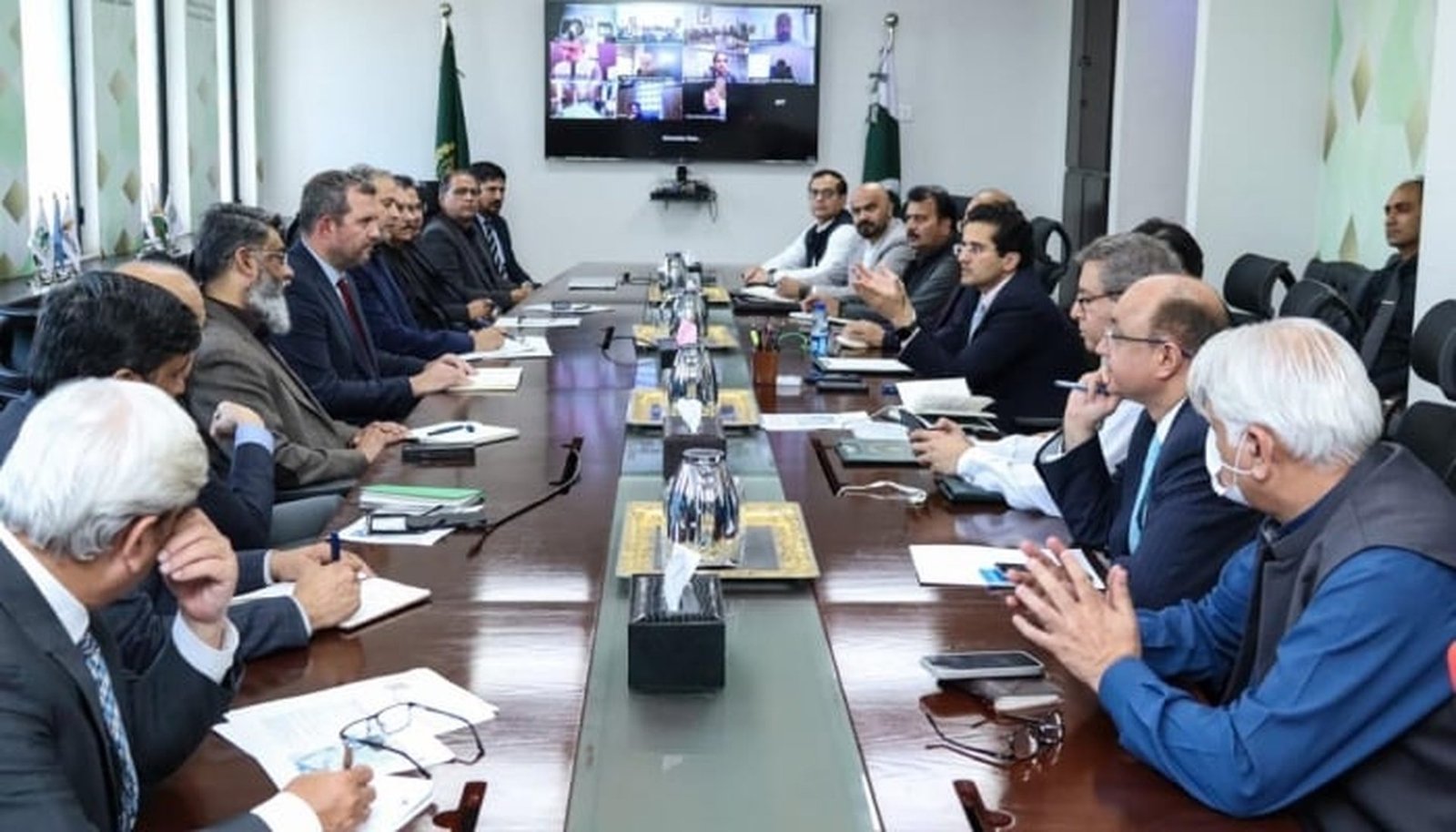
    اسلام آباد: حکومت نے بجلی اور گیس صارفین کو سبسڈی فراہم کرنے کے لیے نیا طریقہ کار تیار کر لیا ہے، جس کے تحت موجودہ سبسڈی نظام میں تبدیلی لائی جائے گی اور صارفین کو ان کے معاشی و سماجی حالات کی بنیاد پر ریلیف دیا جائے گا۔ ذرائع کے مطابق اس منصوبے کا بنیادی مقصد سبسڈی کو صرف واقعی مستحق اور کم آمدنی والے صارفین تک محدود کرنا ہے۔

    ذرائع کے مطابق پاور ڈویژن اور وزارتِ پیٹرولیم نے بجلی اور گیس صارفین کو سبسڈی دینے کے لیے نئی اکنامک سوشل رجسٹری تیار کر لی ہے۔ اس رجسٹری کے ذریعے صارفین کے معاشی حالات اور اہلیت کو مدنظر رکھتے ہوئے سبسڈی کی فراہمی کا طریقہ کار وضع کیا جائے گا۔ حکام کا کہنا ہے کہ نئے نظام سے سبسڈی کی تقسیم زیادہ منظم ہوگی اور ریلیف ان لوگوں تک پہنچے گا جو اس کے اصل حقدار ہیں۔

    تاہم نئے طریقہ کار کی حتمی تفصیلات اور اس کے تحت صارفین کے لیے مقرر کردہ معیار سے متعلق مزید فیصلے ہونا باقی ہیں۔ ذرائع کا کہنا ہے کہ سبسڈی کے نئے نظام پر عمل درآمد کا فیصلہ نائب وزیراعظم اسحاق ڈار کی سربراہی میں قائم اسٹیئرنگ کمیٹی کرے گی۔ نئے طریقہ کار کو باقاعدہ نافذ کرنے سے پہلے اس کا ٹیسٹ رن بھی کیا جائے گا تاکہ ممکنہ مسائل کی نشاندہی اور ضروری اصلاحات کی جا سکیں۔

    آئی ایم ایف کی ٹائم لائن اور حکومت کا موقف

    دوسری جانب عالمی مالیاتی فنڈ (آئی ایم ایف) نے نئے سبسڈی نظام کے نفاذ کے لیے واضح ٹائم لائن دی ہے۔ عالمی مالیاتی ادارہ چاہتا ہے کہ بجلی صارفین کے لیے یکم جنوری 2027 اور گیس صارفین کے لیے فروری 2027 سے نیا طریقہ کار نافذ کر دیا جائے۔ تاہم حکومت موجودہ سبسڈی نظام کو 30 جون 2027 تک برقرار رکھنے کی خواہش مند ہے۔

    ذرائع کے مطابق وزیراعظم شہباز شریف کی ہدایت پر موجودہ ریلیف میں مزید چھ ماہ کی توسیع کا معاملہ آئی ایم ایف کے سامنے اٹھایا جائے گا۔ حکومت بالخصوص 200 یونٹ تک بجلی استعمال کرنے والے صارفین کو موجودہ سبسڈی میں مزید چھ ماہ کی توسیع دینے کے لیے کوشاں ہے، اور اس حوالے سے عالمی مالیاتی فنڈ کو قائل کرنے کی کوشش کی جائے گی تاکہ کم بجلی استعمال کرنے والے گھریلو صارفین کو فوری طور پر اضافی مالی بوجھ کا سامنا نہ کرنا پڑے۔

    اس سے قبل سامنے آنے والی رپورٹس کے مطابق مستحق صارفین کی سماجی و اقتصادی رجسٹری عالمی بینک کے تعاون سے تیار کی جا رہی ہے، صارفین کی رجسٹریشن نومبر 2026 تک مکمل کرنے کا ہدف مقرر کیا گیا تھا، اور ڈیٹا کی تصدیق کے بعد اسے بے نظیر انکم سپورٹ پروگرام کے ریکارڈ سے منسلک کیا جائے گا۔

    اب سب کی نظریں اسٹیئرنگ کمیٹی کے فیصلے اور آئی ایم ایف کے ساتھ ہونے والے مذاکرات پر ہیں۔ ان فیصلوں سے طے ہوگا کہ بجلی اور گیس کے صارفین کے لیے سبسڈی کا نیا نظام کب نافذ ہوگا اور موجودہ ریلیف میں توسیع کی حکومتی کوشش کس حد تک کامیاب ہوتی ہے۔

  • New Auto Policy: Cheaper Cars and Rs1 Crore EV Loans

    New Auto Policy: Cheaper Cars and Rs1 Crore EV Loans

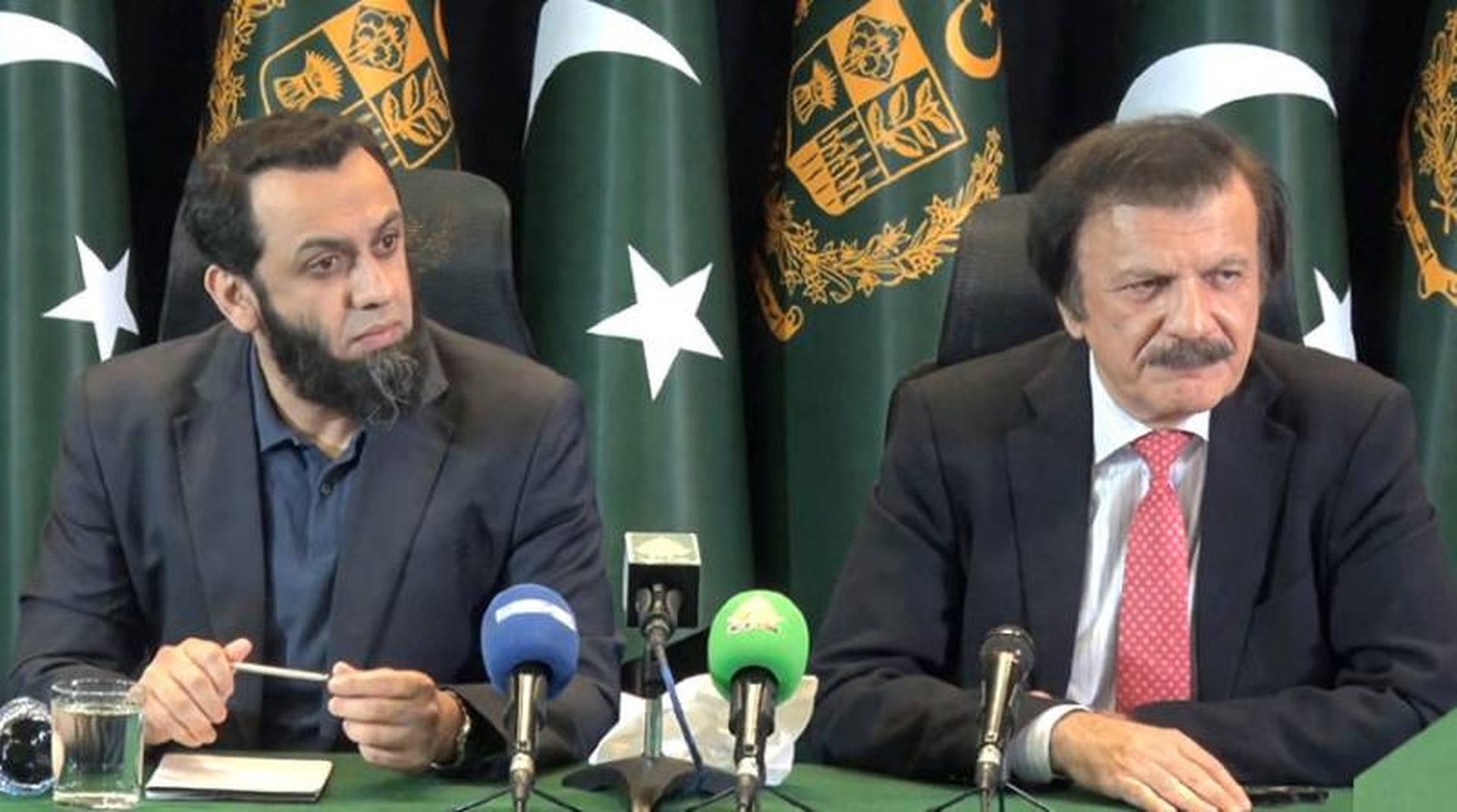
    The federal government has unveiled a new automobile policy that promises cheaper cars for ordinary buyers, easier loans for electric vehicles and a sharp rise in car exports. Information Minister Attaullah Tarar and Haroon Akhtar Khan, the prime minister’s adviser on industries and production, announced the framework at a joint press conference in Islamabad on Saturday. The policy, which the government says took effect the same day, is built around six priorities: affordable vehicles, exports, localisation, vehicle safety, electric mobility and transparency.

    The clearest promise is lower prices. The government says the cost of vehicles will come down gradually for middle- and upper-income buyers, with every category except luxury models expected to become cheaper. The plan cuts tariffs on kits and components, pushes assemblers to use more locally made parts and opens the market to greater competition, which officials say should ease the burden on families buying their first car.

    Electric vehicles sit at the heart of the plan. The government has proposed a sales tax of only 1 per cent on fully electric cars, 6 per cent on range-extended electric vehicles and 9 per cent on hybrids. Electric cars priced up to 50,000 dollars would also be exempt from capital value tax, withholding tax and federal excise duty, while more expensive models would be treated as luxury vehicles and taxed at normal rates. Customs duty on charging-station equipment has been cut to 1 per cent.

    Buying an electric car should also become easier to finance. Under the policy, the maximum loan available through the State Bank’s car-financing scheme rises from Rs3 million to Rs10 million, and the repayment period stretches from three years to five. The government is aiming for electric vehicles to make up 30 per cent of all new cars sold by 2030, a target already set out in the National Electric Vehicle Policy 2025-30.

    The policy also sets an ambitious export goal: cumulative auto-sector exports of 6 billion dollars over five years, up from about 200 million dollars a year today. Carmakers will face mandatory export and localisation targets, with incentives linked to how much they export and how much they build locally. For buyers, assemblers will not be allowed to demand more than 20 per cent of a vehicle’s price as an advance booking payment.

    There is an important condition attached. The proposed sales-tax rates for electric and hybrid vehicles still need approval from the International Monetary Fund, and the government has not yet published the full tariff schedule. Until those notifications appear, it is too early to say exactly how much the price of any individual model will fall.

  • LPG Shake-Up: 90% of Local Output Goes to Open Auction

    LPG Shake-Up: 90% of Local Output Goes to Open Auction

    Pakistan will sell 90 per cent of its locally produced liquefied petroleum gas through open auctions held in front of the media, replacing a quota system that consumers and officials have long blamed for shortages and unfair prices. The decision was taken at the first meeting of a new LPG committee in Islamabad on Saturday, chaired by the secretary for petroleum, with Petroleum Minister Ali Pervaiz Malik in attendance.

    Under the new mechanism, local producers will set aside 10 per cent of their output for state-owned marketing companies, which will supply gas to remote and hard-to-reach areas. The remaining 90 per cent will go under the hammer in transparent auctions, with each participating company allowed to buy no more than 20 metric tons a day so that smaller firms get a fair chance.

    The committee will supervise the auctions, keep a daily check on production and supply, and review prices and bidding arrangements from time to time. Its members include the chairman of the Oil and Gas Regulatory Authority, the managing directors of the Oil and Gas Development Company and Pakistan State Oil, the president of United Energy Pakistan and the director general for liquefied gases.

    The framework was approved by the federal cabinet on 4 November as part of a wider deregulation of the LPG sector. The government has also directed state-owned companies, including Pakistan State Oil and Pakistan LNG Limited, to arrange bulk LPG imports through government-to-government and business-to-business deals. Auction lots will be offered in quantities of five to ten tons, and the results will be made public.

    Money raised above the producers’ base prices will flow into two new funds: a Price Stabilisation Fund and a Vulnerable Protection Fund, which are meant to provide subsidised gas to deserving households. The minister said the landed price of imported LPG, including premiums and other costs, could range between Rs450 and Rs500 per kilogram.

    The scale of the challenge is clear. Pakistan uses about 2.4 million tons of LPG a year, while local production stands at only 2,000 to 2,500 tons a day, leaving the rest to be imported. The Competition Commission has been asked to watch for market manipulation and cartelisation as the new system takes hold.

  • بجلی مہنگی: نومبر کے بلوں میں فی یونٹ 2.37 روپے اضافہ

    بجلی مہنگی: نومبر کے بلوں میں فی یونٹ 2.37 روپے اضافہ

    نیشنل الیکٹرک پاور ریگولیٹری اتھارٹی نے ستمبر کی ماہانہ فیول پرائس ایڈجسٹمنٹ کے تحت بجلی کی قیمت میں فی یونٹ 2.37 روپے اضافے کی منظوری دے دی ہے۔ یہ اضافہ صارفین کے نومبر کے بلوں میں ظاہر ہوگا اور اس کا اطلاق کے الیکٹرک کے صارفین سمیت ملک بھر پر ہوگا۔

    نیپرا کے فیصلے کے مطابق ستمبر کی فیول پرائس ایڈجسٹمنٹ 2.3673 روپے فی یونٹ مقرر کی گئی ہے۔ سینٹرل پاور پرچیزنگ ایجنسی نے فی یونٹ 2.5624 روپے اضافے کی درخواست کی تھی، لیکن نیپرا نے اس سے تقریباً 19 پیسے کم اضافہ منظور کیا۔ اس فیصلے سے تقریباً 25 ارب روپے کی وصولی متوقع ہے۔ ایک ایسا گھرانہ جس نے ستمبر میں 300 یونٹ بجلی استعمال کی، اسے تقریباً 710 روپے اضافی ادا کرنا ہوں گے۔

    لائف لائن صارفین، الیکٹرک گاڑیوں کے چارجنگ اسٹیشنز اور پری پیڈ ٹیرف والے صارفین اس اضافے سے مستثنیٰ رہیں گے۔ یعنی کم بجلی استعمال کرنے والے انتہائی غریب گھرانوں پر یہ بوجھ نہیں پڑے گا۔

    صنعتی صارفین کے لیے بھی مہنگی بجلی

    نیپرا نے اسی فیصلے میں صنعتی اور زرعی صارفین کے لیے اضافی بجلی کے استعمال پر رعایت والے نرخ میں بھی اضافہ کر دیا ہے۔ اضافی استعمال کا پیکج اب 22.98 روپے کے بجائے 25.30 روپے فی یونٹ ہوگا، یعنی فی یونٹ 2.32 روپے اضافہ۔ نیا نرخ نومبر کے بلنگ سائیکل سے نافذ ہوگا۔ وفاقی حکومت اس وقت صنعتی اور زرعی صارفین کو اضافی بجلی پر 11 سے 15 روپے فی یونٹ تک رعایت دے رہی ہے۔

    یہ فیصلہ نیپرا چیئرمین کے کاسٹنگ ووٹ سے ہوا، جبکہ دو ارکان آمنہ احمد اور مقصود انور خان نے اختلافی نوٹ جمع کرائے۔ اپنے اختلافی نوٹ میں ان ارکان نے 25.30 روپے فی یونٹ کے نرخ کو بے بنیاد قرار دیا۔

    یہ اضافی استعمال والا پیکج گزشتہ سال اکتوبر میں وزیر اعظم شہباز شریف کی جانب سے اعلان کردہ روشن اکانومی پاور پیکج کا حصہ ہے، جس کے تحت صنعتی اور زرعی صارفین کو گزشتہ سال کے مقابلے میں زائد استعمال ہونے والی بجلی پر 22.98 روپے فی یونٹ کا رعایت والا نرخ دیا گیا تھا۔ یہ اسکیم نومبر 2025 سے اکتوبر 2028 تک تین سال کے لیے ہے۔ اس کا مقصد زائد بجلی کو پیداوار، برآمدات اور روزگار بڑھانے کے لیے استعمال کرنا ہے، بغیر اس کا بوجھ گھریلو صارفین پر ڈالے۔

    نیپرا کا کہنا ہے کہ یہ رعایتی نرخ موجودہ ٹیرف سے کہیں کم ہے، کیونکہ صنعت کے لیے بجلی کا عام نرخ تقریباً 34 روپے اور زراعت کے لیے تقریباً 38 روپے فی یونٹ ہے۔ اسکیم کے تحت زیادہ بجلی استعمال کرنے پر بتدریج زیادہ رعایت بھی ملتی ہے۔ تاہم اب فیول ایڈجسٹمنٹ اور صنعتی نرخ دونوں میں اضافے کے بعد گھریلو اور صنعتی صارفین دونوں کو نومبر کے بلوں میں زیادہ ادائیگی کرنا ہوگی۔

  • KSE-100 Soars 4.5% in a Week as Oil Falls, Rupee Steadies

    KSE-100 Soars 4.5% in a Week as Oil Falls, Rupee Steadies

    The Pakistan Stock Exchange enjoyed its strongest week in months, with the benchmark KSE-100 Index jumping 4.5 percent to close at 173,887 points for the week ended 6 November.

    The index gained 7,477 points over the week from 166,409, rebounding sharply on positive global cues after the Democrats’ victory in the United States midterm elections and a steep fall in international crude oil prices. The rally added Rs520.26 billion to investors’ wealth, taking total market capitalisation to Rs18,909 billion, or about $68 billion.

    Trading activity picked up strongly. Average daily traded volume surged 43 percent to 856 million shares, while average daily traded value rose 24 percent to $103 million. On 6 November alone, some 1,480 million shares changed hands, though the index slipped 1,493 points that day as investors booked profits after the week’s gains.

    Banks and cement led the rally

    Banks were the biggest contributors to the weekly gain, adding 2,659 points to the index, followed by cement with 1,266 points, fertiliser with 988 points, power generation with 545 points and investment banks with 535 points. The refinery sector was the main drag, losing 238 points amid weak refining margins.

    Among individual stocks, Fauji Fertilizer Company contributed the most, adding 613 points, followed by Lucky Cement with 564 points, Engro Holdings with 519 points, United Bank Limited with 491 points and Meezan Bank with 480 points. Attock Refinery and Cnergyico were the biggest drags, while Cnergyico was also the week’s most traded stock, with average volume of 75.8 million shares.

    Pak Suzuki Electric led the weekly gainers, rising 26.7 percent, while Pioneer Cement and D.G. Khan Cement both climbed 12.5 percent. Cnergyico fell 11.3 percent and Attock Refinery dropped 9.8 percent, the week’s sharpest declines among index stocks.

    Cooling inflation and cheaper fuel helped

    The rally was backed by improving economic numbers. Inflation eased to 9.6 percent year-on-year in October, down from 10.3 percent in September, according to official data cited by brokerage research. The government raised Rs385.6 billion in a Treasury bill auction against a target of Rs350 billion.

    Cheaper fuel also lifted sentiment. Petrol prices fell to Rs352.59 a litre from Rs377.91, and diesel to Rs382.25 from Rs402.96, after the drop in global oil prices. Pakistan’s trade deficit stood at $3.9 billion in October, with exports rising 2.8 percent to $2.9 billion and imports up 11.8 percent to $6.8 billion.

    The rupee was steady, closing marginally firmer at Rs276.66 to the dollar. Analysts expect the market to stay sensitive to developments in the US-Iran talks and to oil prices, with the MSCI index review due on 11 November also in focus. The KSE-100 is currently trading at a price-to-earnings ratio of 7.3 times, offering a dividend yield of 6.8 percent.

  • JazzCash Profit Rs6.8bn as Revenue Jumps 67.6% in Q3

    JazzCash Profit Rs6.8bn as Revenue Jumps 67.6% in Q3

    JazzCash has posted one of the strongest quarters in its history, and the money is not coming from where most of its 30 million customers might expect. Lending, not everyday payments, is now the engine of Pakistan’s biggest digital wallet.

    VEON’s Pakistan financial services business, which covers JazzCash, Mobilink Microfinance Bank and JazzSure, grew revenue 67.6 percent year on year to Rs43.4 billion in the third quarter ended 30 September 2026. Net profit for the quarter reached Rs6.8 billion, while profit before tax nearly quadrupled, climbing 296.8 percent to Rs8.9 billion.

    Credit did the heavy lifting. Revenue from lending rose 60.3 percent to Rs26.1 billion, about 60 percent of the quarter’s total. Payments and transactions, the part of the business most customers know from the app, brought in Rs9.73 billion, while investment income added Rs5.24 billion.

    160 nano-loans every minute

    The lending numbers explain the surge. On an average day in the quarter, JazzCash sent out more than 230,000 nano-loans, roughly 160 every minute around the clock. By the end of September, nano-loans accounted for Rs46.1 billion of the loan book, while the bank’s conventional lending made up another Rs88.5 billion, taking the total portfolio to Rs134.6 billion, up 51.9 percent in a year.

    Credit quality improved on both sides of the business. JazzCash recovered 93.2 percent of its nano-loans, compared with 91.5 percent a year earlier, and bad loans at the bank fell to 8.1 percent of the book from 10.4 percent. Even so, growth still costs money: loan-loss provisions rose 33.2 percent to Rs11.2 billion. Earnings before interest, tax, depreciation and amortisation more than doubled, rising 137.2 percent to Rs13.84 billion.

    The wallet’s scale kept growing as well. The business handled Rs6.9 trillion in gross transaction value during the quarter, up 79.2 percent from Rs3.86 trillion a year earlier. Branchless banking accounts climbed 21.6 percent to 65 million, active customers numbered 30.4 million, and active merchants more than doubled to 957,100, with the total merchant base nearing two million.

    Over the first nine months of 2026 the profit jump looks even sharper. Net profit hit Rs13.3 billion after a 505.5 percent rise, roughly six times last year’s level, while revenue grew 58.4 percent to Rs116.2 billion. The results were reported alongside VEON’s group figures on 6 November, which showed third-quarter revenue of $1.307 billion, up 17.2 percent, and a raised full-year growth outlook. JazzCash’s parent has spent the year building around the wallet, including a $240 million spectrum win in March and the $16 million purchase of a majority stake in TPL Insurance, now JazzSure, in July.

  • SBP’s New Banking Network to Strengthen Financial Security

    SBP’s New Banking Network to Strengthen Financial Security

    The State Bank of Pakistan has switched on a new core banking network and a software-defined data centre, a multimillion-dollar upgrade the central bank says will make the country’s financial system more secure, agile and resilient.

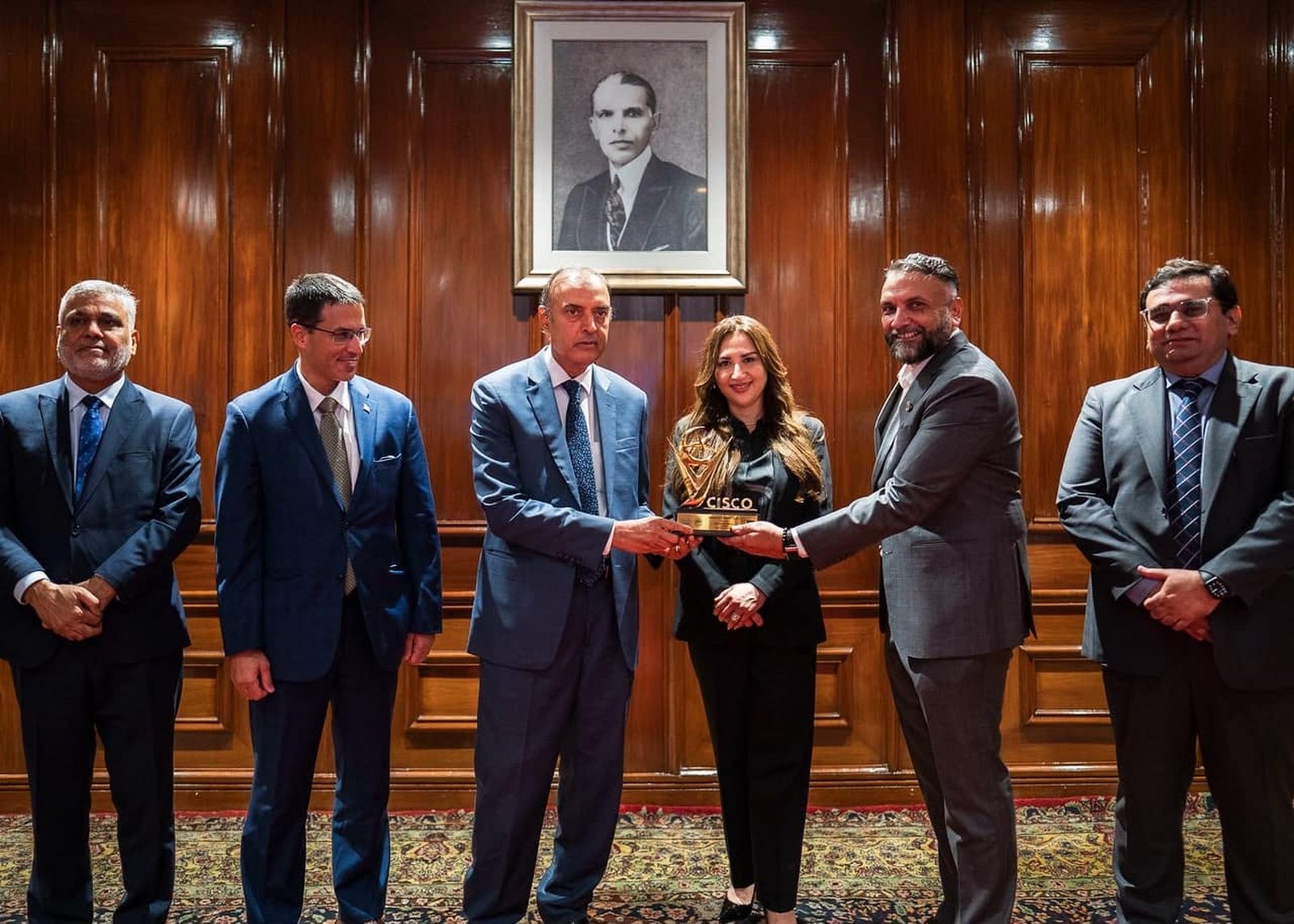
    The project was marked at a ceremony at the bank’s head office in Karachi, where US Chargé d’Affaires Natalie Baker joined State Bank Governor Jameel Ahmad and senior executives from Cisco Systems Pakistan to celebrate the deployment.

    Built by the American technology company Cisco, the new system replaces ageing infrastructure at the heart of Pakistan’s banking system with a modern software-defined data centre. The central bank says the new architecture is designed to safeguard monetary stability and to keep digital banking services running reliably across the country.

    Speaking at the ceremony, Baker described the central bank’s infrastructure as “a national asset that underpins economic stability and public confidence”, and said Pakistan’s choice to work with American industry showed a commitment to technology quality, security and long-term reliability. The United States, she added, values its long-standing commercial partnership with Pakistan and stands ready to keep connecting Pakistani institutions with American innovation.

    Governor Ahmad and Cisco’s country general manager, Kashif Ul-Haque, praised the joint engineering effort behind the project, which completed a complex implementation and migration while central banking operations continued without interruption.

    What it means for banking customers

    For ordinary account holders, the upgrade is aimed at the plumbing behind everyday banking: the systems that move money between banks, settle payments and keep online and mobile banking available. A more resilient core network should mean fewer outages and stronger protection for the digital services that millions of Pakistanis now rely on, from salary transfers and bill payments to the card transactions that businesses process every day.

    The deployment also underlines a deepening commercial relationship between the United States and Pakistan, with American technology now sitting at the centre of the country’s financial infrastructure. No figure for the value of the contract has been published, and no performance benchmarks for the new system have been made public, so the scale of the investment beyond its multimillion-dollar description remains undisclosed.

  • New auto policy: cheaper cars, cleaner air, $6bn export goal

    New auto policy: cheaper cars, cleaner air, $6bn export goal

    Federal Information Minister Attaullah Tarar and Industries Minister Haroon Akhtar Khan jointly chaired a meeting of the newly formed Auto Industry Committee on Saturday, as the government moves to finalise a new auto policy aimed at cheaper cars, cleaner air and stronger exports. The meeting brought together stakeholders from across the auto sector, and the committee is now preparing its recommendations in consultation with the industry.

    Tarar said the new auto policy will reduce petrol imports, improve the environment and bring down car prices. He said the government is taking practical steps to make cars more affordable, cut pollution and boost exports, adding that the policy would support both the industry and consumers.

    Haroon Akhtar said the policy was prepared after consultation with all stakeholders and will improve vehicle safety, standards and quality while boosting exports. He said the policy will be finalised after the committee’s recommendations and formally announced once it is approved by the federal cabinet.

    According to Radio Pakistan, the framework rests on six pillars: lower-cost vehicles for middle and lower-middle income buyers, higher exports, wider use of electric vehicles, greater local manufacturing, improved vehicle safety and greater transparency. Khan said customs duties on imports have been cut to bring down production costs, which he expected would make locally built vehicles easier for low-income buyers to afford. Lowering the prices of vehicles with engines below 1300cc is a special priority for the prime minister, he added.

    The government has set a target of $6 billion in automobile-related exports over the next five years, with new measures to deepen localisation and boost car exports. Prime Minister Shehbaz Sharif had already given in-principle approval to the five-year framework, known as the Automotive Industry Development and Export Policy 2026-31, in October, and the completed draft was approved before being sent on for further government approval. Final clearance and enabling legislation are still required before the fiscal measures can take effect.

    Electric vehicles at the centre of the plan

    Electric and new-energy vehicles sit at the centre of the plan. Under proposals reported earlier, battery electric vehicles would attract just 1 percent sales tax, against 6 percent for range-extended electric vehicles and 9 percent for plug-in hybrids, while hybrid and conventional petrol and diesel vehicles would remain at 18 percent. Small imported electric cars valued under $15,000 could face only 5 percent customs duty in the first two years of the policy, and the government has proposed bringing the average import tariff down to 15 percent by 2030-31.

    Officials have noted that around 80 percent of environmental pollution is caused by vehicular emissions, which is why encouraging electric and hybrid vehicles is central to the government’s climate strategy. Financing limits for electric vehicles are proposed to rise from Rs3 million to Rs10 million, with loan tenures extended from three to five years.

    Pakistan’s car market has long been dominated by a small number of local assemblers, and buyers have often complained about the high price of new vehicles. The new policy aims to move the sector beyond import reliance and basic assembly towards domestic manufacturing with stronger export potential. For vehicle bookings, manufacturers would be barred from demanding an advance of more than 20 percent of a vehicle’s price.

  • Pakistan Restarts Offshore Oil Hunt After 20 Years

    Pakistan Restarts Offshore Oil Hunt After 20 Years

    Pakistan is preparing to return to its offshore waters in search of oil and gas after a gap of nearly twenty years, with a Turkish seismic survey vessel due to arrive in Karachi between November 17 and 20.

    The Petroleum Division announced the plan on Friday, after Federal Minister for Petroleum Ali Pervaiz Malik chaired a high-level meeting in Islamabad to review preparations for the vessel’s arrival. The minister said the government would extend full support to the initiative and described it as a milestone in energy cooperation between Pakistan and Türkiye. He added that he would try to personally receive the vessel when it reaches Karachi, calling it a special moment for the friendship between the two countries.

    The vessel is operated by the Turkish Petroleum Offshore Company, the offshore arm of the Turkish Petroleum Corporation. Its first survey will focus on the Eastern Offshore Indus C block in the Arabian Sea, where the Turkish company holds a 25 per cent stake and the operatorship. Pakistan Petroleum Limited holds 35 per cent of the block, while the Oil and Gas Development Company Limited and Mari Energies each hold 20 per cent. Pakistani media have identified the vessel as the Oruc Reis, although the Petroleum Division’s announcement did not name it.

    A seismic survey vessel does not drill for oil. The ship will map geological structures beneath the seabed to identify areas that may hold oil or gas and to pick out possible locations for future drilling. The survey alone cannot confirm whether commercially viable reserves exist. That can only be established through exploratory drilling and further technical and commercial evaluation, which would come months or years later and only if the survey results justify it.

    The campaign follows Pakistan’s Offshore Bid Round 2025, launched after an 18-year gap, which offered exploration licences across 40 blocks in the Indus and Makran offshore basins. Twenty-three of those blocks were awarded. Earlier estimates cited by Dawn put the potential of the Eastern Offshore Indus C block at around 1.5 to 2 trillion cubic feet of gas, based on earlier seismic work, but that figure is not a confirmation of recoverable reserves. The most recent offshore well, Kekra-1, was drilled in 2019 by a consortium led by ExxonMobil and ENI and found no commercial hydrocarbons.

    The meeting in Islamabad was attended by the secretary petroleum, senior Petroleum Division officials, the Turkish company’s project manager and the managing directors of the Oil and Gas Development Company, Pakistan Petroleum Limited and Government Holdings. Representatives of the ministries of foreign affairs, maritime affairs, defence and interior, along with the National Hydrographic Office, the Board of Investment and the Directorate General Ports and Shipping, also took part. The minister directed the Petroleum Division and the departments concerned to coordinate closely so that maritime permissions, port arrangements and security are completed in time.

    What happens next

    Once the vessel reaches Karachi, the survey campaign will begin mapping the seabed. Officials say the results will shape future decisions on exploratory drilling, and that a successful campaign could attract further investment and help Pakistan reduce its reliance on imported fuel. For now, however, the announcement marks a restart rather than a discovery, and the real test will be what the survey data shows.

  • SECP Seeks Records From 30 Banks in IPO Probe

    SECP Seeks Records From 30 Banks in IPO Probe

    The Securities and Exchange Commission of Pakistan has widened its investigation into the withdrawn initial public offering of SE Fruits and Vegetable Limited, seeking export records from seven banks and foreign-exchange details from 30 banks. The regulator issued a statement on Saturday outlining the latest steps in the inquiry.

    According to the regulator, the seven banks have been asked to provide export records for the company, which was formerly known as Shaheen Enterprises. Separately, 30 banks have been asked for information about foreign remittances, export proceeds and other foreign-exchange transactions received in the accounts of the company’s sponsors and directors. Some banks have submitted their responses, which are currently under review, the regulator said.

    The SECP launched the investigation on October 21 under Section 29 of the SECP Act, 1997, read with Section 139 of the Securities Act. The inquiry follows concerns about the company’s financial disclosures and audit, which led the regulator to halt the offering in October, after which the company withdrew it.

    SE Fruits, a Sargodha-based exporter of fruit and vegetables, had planned to raise up to Rs1.92 billion by offering 30 million shares at Rs40 each. The prospectus was approved in September, and book building was fully subscribed within two hours, but the company announced on October 13 that it would withdraw the IPO and refile with fuller disclosure. The regulator later said it had found material discrepancies in the prospectus, and the stock exchange confirmed on October 22 that the entire subscription amount had been refunded to investors.

    The investigation team has received information from the IPO’s joint lead managers, Topline Securities and Growth Securities, while the response submitted by consultant Parker Russell-A.J.S. is being examined. The regulator is also reviewing the company’s IPO application and shareholder information.

    The Central Depository Company provided an investor list and was subsequently asked to submit shareholder lists and transfer histories of individuals named in the prospectus. Its response, received on November 2, was partial and remains under review. The company’s auditor, Ilyas Saeed and Company, requested additional time to provide the required information and records, and the SECP granted the extension.

    The regulator said it will examine the preparation and approval of the prospectus, identify any lapses or negligence, and determine those responsible. Nothing has been proven against the company or anyone involved, and the investigation is continuing as the regulator examines the financial records, banking transactions and shareholder information submitted by the parties.