Tag: Iran

  • US Offers $20m Reward for Iran Nuclear Secrets

    US Offers $20m Reward for Iran Nuclear Secrets

    The United States is offering a reward of up to $20 million and possible relocation for information about Iran’s nuclear programme, the US military said on Friday, as President Donald Trump reiterated that Tehran wants to make a deal to end the war.

    US Central Command said on X that the State Department’s Rewards for Justice programme was offering the reward for information about Iran’s nuclear programme, including its facilities, equipment and associated personnel, such as those in the scientific community, or the movement of any of them.

    The programme was established in 1984 under the State Department’s national security rewards programme to offer money for information that protects American lives and interests. It typically offers large payments for information used to track down terrorists and cut off terrorist financing, and it is unusual for the United States to attach a reward to information on Iran’s nuclear programme.

    In its statement about the reward, the State Department said Iran’s lack of compliance with its safeguards obligations to the International Atomic Energy Agency (IAEA) had led to the agency’s loss of continuity of knowledge regarding Iran’s production and inventory of key components like centrifuges. The IAEA reported in 2025 that Iran was enriching uranium to 60 per cent purity, close to the level needed for a nuclear weapon.

    The offer gave no specific parameters on what information would yield the full $20 million reward, and the programme’s website lists messaging apps including Telegram and Signal, as well as the Tor browser, as channels for submitting tips. The identity of sources is kept confidential, and payment is not automatic — information must be assessed by relevant US agencies before any reward is approved.

    Trump has repeatedly said US forces have effectively obliterated Iran’s nuclear programme. Speaking on Friday night in West Palm Beach, Florida, he said: “If we didn’t hit Iran, you wouldn’t have Israel today. If they had nuclear, they would have used nuclear. They would have obliterated the Middle East.”

    But the president also said Iran, which he stressed has had its economy and military severely damaged over eight months of war, is eager to end the conflict. “We’re dealing with them now. They want to make a deal very badly,” he said.

    Diplomatic efforts by mediators have been in full swing in an attempt to prevent any resumption of fighting, and on Tuesday Iran’s President Masoud Pezeshkian said his government was still trying to resolve the crisis through dialogue. Earlier this week Trump said he still had to take care of one or two targets, including a suspected nuclear site in central Iran which Tehran denies is such a facility.
  • Trump Says US Hit Iran’s Air Defences as Missiles Strike Qeshm Island

    Trump Says US Hit Iran’s Air Defences as Missiles Strike Qeshm Island

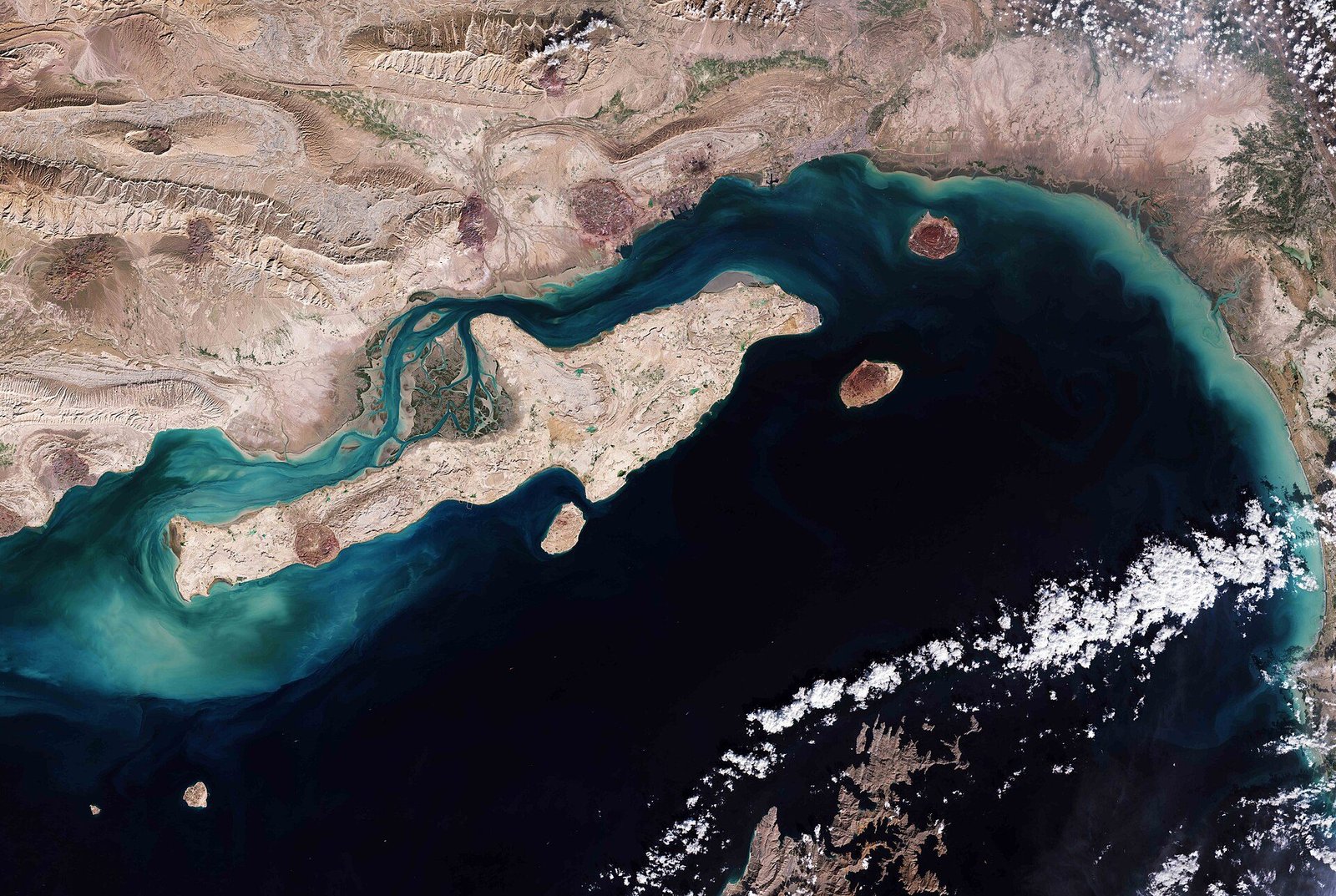
    President Donald Trump has said the United States military carried out new limited strikes on Iran early on Saturday, targeting the country’s air defence systems, hours after Iranian state media reported explosions on Qeshm Island in the Strait of Hormuz.

    Iran’s semi-official Tasnim news agency said initial reports indicated that two missiles had struck Qeshm Island, adding that there was no official information on possible damage, according to Reuters. The state news agency IRNA had earlier reported that local witnesses said two projectiles had struck the Suza area of the island after the sound of an aircraft was heard overhead.

    Speaking to reporters shortly after arriving in West Palm Beach, Florida, on Friday evening, Trump described the military action as minor. He said Iran had built a small anti-aircraft device and that US forces had knocked it out in about 15 minutes, according to reports of his remarks.

    Iranian media, citing the Islamic Revolutionary Guard Corps, also said earlier on Friday night that the country’s air defences had destroyed a US MQ-1 Predator drone over Qeshm Island.

    The US military had previously reported carrying out what it described as defensive strikes on Monday. Explosions were heard on the islands of Qeshm and Hengam in the strategic Strait of Hormuz, and in the nearby mainland area of Bandar Abbas.

    Saturday’s strikes are the first since Trump’s Republican Party lost control of both chambers of Congress in Tuesday’s midterm elections. The result was driven in part, according to reports, by voter dissatisfaction with the handling of the conflict and by elevated fuel prices linked to the war, which is now in its ninth month.

    At the same time, diplomatic efforts continued. Qatar on Saturday dismissed as false and misleading online reports claiming that Prime Minister and Foreign Minister Sheikh Mohammed bin Abdulrahman Al-Thani had said the United States and Iran had failed to reach an agreement. Qatar’s International Media Office said his remarks had been deliberately distorted, and that he had in fact said both sides were continuing to work towards a deal.

    Two Middle East government officials said on Friday that Iran was reviewing proposals presented by chief mediator Qatar aimed at addressing differences with the United States over Tehran’s nuclear programme. One of the officials stressed that Iran, at least for now, remains unwilling to engage in negotiations with the Trump administration over its atomic activities until the US agrees to several core conditions, including ending the blockade on Iran’s ports, lifting sanctions, unfreezing its assets and paying compensation for war damage.

    According to regional officials, mediators and Iran have also discussed a possible bridge deal under which trust-building measures would be implemented over two days. The proposal would see the US blockade lifted and some of Iran’s frozen funds released, in return for Tehran allowing inspectors from the International Atomic Energy Agency into sites bombed by the US and Israel. On the second day, Iran would reopen the Strait of Hormuz under a modified agreement it has reached with Oman on the waterway.

    Iran has long maintained that its nuclear programme is peaceful. According to the International Atomic Energy Agency, Iran holds 440.9 kilograms of uranium enriched to 60 percent purity, a short technical step from weapons-grade levels of 90 percent.

    Separately, Saudi Arabia’s air defences shot down a drone in the Riyadh area late on Friday, and two ballistic missiles targeting the Najran province were shot down on Friday morning, with another drone intercepted in the Makkah region. The attacks were attributed to the Houthi militia in Yemen, which has been targeting civilian facilities in Saudi Arabia.

  • Iran warns new US strikes would widen Middle East war

    Iran warns new US strikes would widen Middle East war

    Iran’s Supreme Leader, Ayatollah Ali Khamenei, has warned that if the United States resumes attacks on Iran, the scope of the Middle East war would widen, according to a written statement reported by The News.

    Khamenei dismissed hopes that the results of the US midterm elections would change Washington’s policy towards Iran. The Democrats won the 3 November midterms, stripping President Donald Trump’s Republicans of control of Congress, and Trump acknowledged that the Iran conflict may have played a part in the defeat.

    On Tuesday, the United States launched strikes on Qeshm Island in the Strait of Hormuz. Iranian state media reported five explosions in rapid succession. Trump described the operation as a minor attack and said the United States had hit a newly built anti-aircraft facility.

    Iran’s Revolutionary Guards said a US MQ-1 drone was intercepted and destroyed over Qeshm Island. There was no confirmation of that claim from the United States side.

    Trump said he still had to take care of one or two targets, including Pickaxe Mountain in central Iran, a site the United States suspects of being linked to Iran’s nuclear programme. Tehran denies that the site is a nuclear facility. Trump also told the Financial Times that a full-scale resumption of war may not be necessary.

    President Masoud Pezeshkian said on Tuesday that his government was still trying to resolve the crisis through dialogue. Qatar, which has acted as a mediator, said it remained hopeful of an interim deal, while China said avoiding a return to hostilities was a top priority.

    The war was triggered in February 2026, when the United States and Israel struck Iran. Since then, the conflict has gone through rounds of fighting and fragile pauses, with regional states and outside powers pressing for a settlement.

    Khamenei’s warning is the latest sign that Tehran sees the confrontation as far from over. His statement made clear that Iran would treat any new American attack as an escalation that could draw in a wider war across the region.

    The strike on Qeshm Island, at the mouth of the Strait of Hormuz, is particularly sensitive because the strait carries a large share of the world’s seaborne oil. Any sustained fighting there would threaten shipping and push up energy prices worldwide.

    The exchange of claims over the drone also underlines how hard it is to verify what is happening in the conflict zone. Iran says it destroyed an American drone, while Washington has not confirmed the loss, leaving the episode unresolved.

    Diplomats in the region say the coming days will show whether the latest strikes were a limited action or the start of a new round of fighting. Qatar’s mediation effort continues, but both sides have so far shown little sign of stepping back from their positions.

    For now, the situation remains tense. Iran has warned of a wider war, the United States has signalled that more targets remain, and the countries caught between them are urging restraint before the conflict spreads further.

  • Pakistan, Iran discuss region as Dar calls Araghchi

    Pakistan, Iran discuss region as Dar calls Araghchi

    Deputy Prime Minister and Foreign Minister Mohammad Ishaq Dar held a telephone conversation with his Iranian counterpart, Foreign Minister Seyyed Abbas Araghchi, on Thursday to discuss the evolving regional situation.

    According to the Foreign Office, the two foreign ministers exchanged views on recent developments across the region, with particular emphasis on the importance of continued diplomatic engagement to address outstanding issues.

    Dar reiterated that sustained dialogue and diplomacy are essential to resolving differences and promoting regional peace. He stressed that all parties should remain constructively engaged and maintain communication channels.

    He said active and sustained diplomatic efforts are necessary to ensure lasting peace, security and stability in the region, and that continued dialogue was the most appropriate means of addressing outstanding issues, managing developments and preventing further tensions.

    Dar urged all parties to remain positively engaged and pursue constructive approaches, according to the Foreign Office statement.

    The statement did not name any specific country, dispute or incident beyond the evolving regional situation and recent developments.

    The conversation comes at a time of heightened attention on regional diplomacy, with Pakistan maintaining contact with neighbouring countries on matters affecting peace and stability.

    Pakistan and Iran share a long border and have regularly discussed regional security, trade and border management in their diplomatic exchanges.

    Diplomatic engagement between the two countries has continued through regular contacts between their foreign ministers and other officials.

    Further details of the conversation were not immediately available, and the Foreign Office statement gave no indication of any specific agreement or joint announcement following the call.

    Pakistan has long favoured resolving regional differences through talks rather than confrontation, a position its leaders have repeated in contacts with neighbouring countries and at international forums.

    Diplomatic observers note that telephone conversations between foreign ministers are a routine way for countries to exchange views quickly when regional developments require coordination.

    The call also reflects the continuing channel of communication between Islamabad and Tehran, which both sides have used to discuss matters of mutual interest.

    For now, the Foreign Office statement is the only public account of the conversation, and it frames the exchange around the shared goal of lasting peace, security and stability in the region.

  • Two tankers and tugboat ablaze in Strait of Hormuz

    Two tankers and tugboat ablaze in Strait of Hormuz

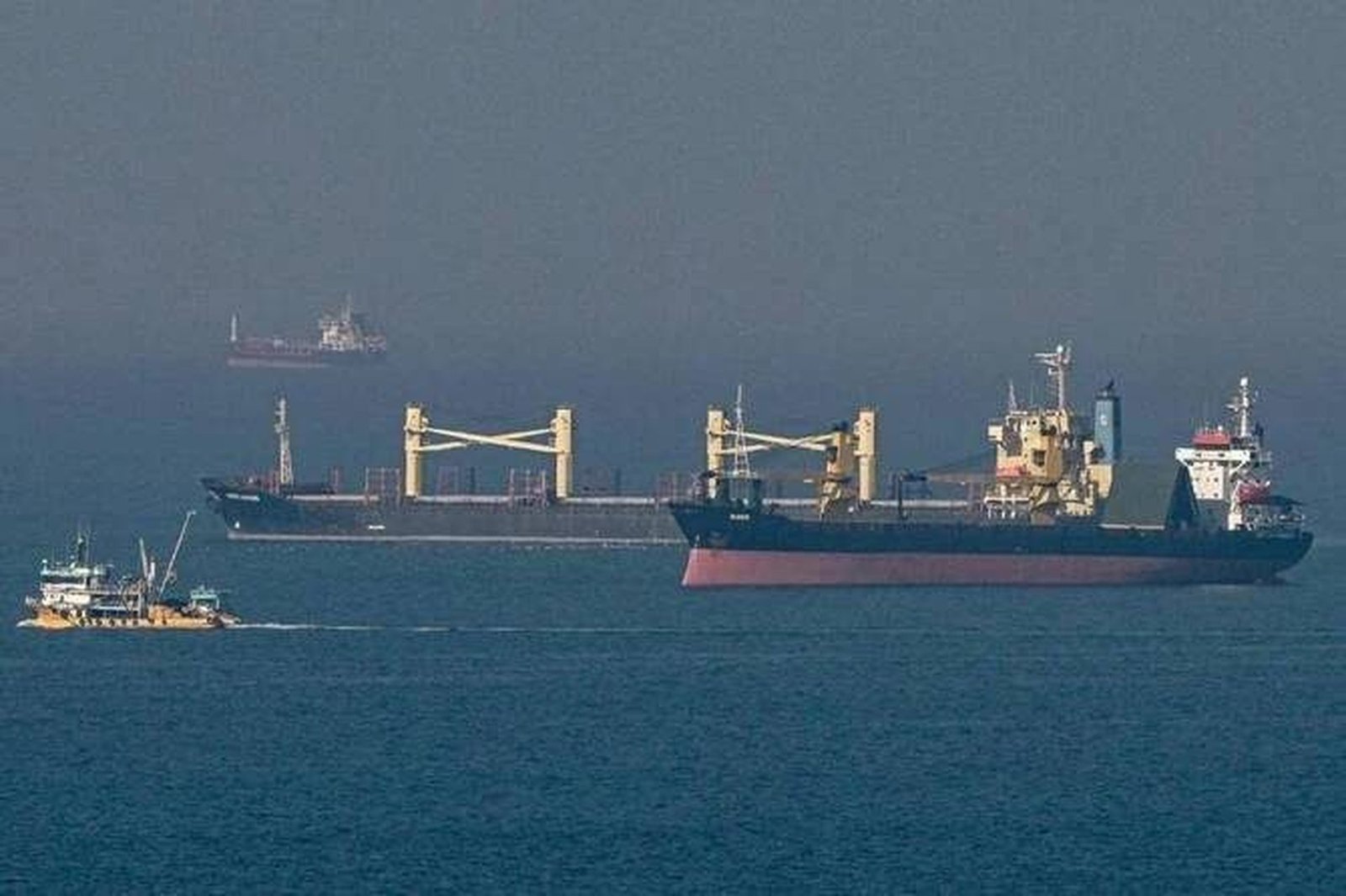
    Two oil tankers and a tugboat have caught fire in the Strait of Hormuz, Iran’s Islamic Revolutionary Guard Corps (IRGC) said on Thursday, in separate incidents in one of the world’s most important shipping routes.

    According to the IRGC, a large tanker struck a naval mine while trying to pass through a route south of the strait that Iran considers illegal, and caught fire and came to a halt. In a second incident, another supertanker caught fire as it was leaving the same route in the eastern part of the waterway, and a tugboat that approached it to help put out the flames also caught fire.

    The IRGC said the vessels had been using a passage it had not authorised. Its statement, carried by Iranian state media, said its naval forces continued to control the management of the strait. The claims have not been independently verified, and the IRGC did not give details of any casualties or of the extent of the damage.

    The incidents follow a similar claim on Wednesday, when the IRGC said four oil tankers had been destroyed after striking naval mines while using the prohibited route south of the strait, and that two other vessels had been seized. United States Central Command has previously rejected earlier Iranian claims of mine strikes in the strait as inaccurate.

    Separately, the United Kingdom Maritime Trade Operations centre reported that a tanker was struck by two unidentified projectiles about 50 nautical miles north of Madinat ash Shamal in Qatar, in an incident dated to late on Wednesday night. The agency said the status of the crew and the damage to the vessel were unconfirmed.

    The Strait of Hormuz, between Iran and Oman, is one of the world’s most strategically important maritime routes, carrying large volumes of oil and gas exports from Gulf countries to international markets. Any disruption there is watched closely by energy markets around the world.

    The latest fires come at a time of intense tension over shipping through the strait, with Iran asserting control over which vessels may use particular routes and warning that ships using unauthorised passages face consequences.

    Iran has also said its forces intercepted and brought down two uncrewed aircraft during the incidents, a claim that has likewise not been independently confirmed.

    For now, the full picture remains unclear. With the Iranian account unverified and no independent confirmation of the fires, the scale of the damage and the fate of the crews are still to be established.

    What is certain is that the strait, through which a large share of the world’s seaborne oil passes, remains a flashpoint, and that the latest incidents will add to concerns about the safety of shipping in the Gulf.

    Energy markets and shipping companies will be watching closely in the coming days for any further incidents, and for any independent confirmation of what happened to the vessels involved.

  • US sanctions Indian, Turkish firms over Iran shadow fleet

    US sanctions Indian, Turkish firms over Iran shadow fleet

    The United States has imposed fresh sanctions on companies and individuals based in India and Turkey over their alleged support for Iran, in the latest step in Washington’s campaign to cut off Tehran’s oil revenues.

    The Treasury Department announced the measures on Wednesday as part of what it calls Operation Economic Outcast, an initiative aimed at stopping Iran from using oil sales to fund its war with the United States and Israel. Officials said the action targets a vast criminal network run from Chandigarh in India.

    According to the Treasury, the network is headed by Suniel Kumar Sharma and his wife, Jaspreet Preeti Shahid, along with two other Indian nationals who run two of the couple’s businesses. Nine separate entities connected to Sharma were also designated.

    The department said the network provided false flags and maritime certifications to sanctioned vessels carrying Iranian petroleum, including ships operating on behalf of the Iranian military and its proxies. It said Sharma and Shahid had fraudulently claimed to represent countries such as Guyana, Eswatini and Laos in issuing flags and certificates, and had set up websites offering flagging, seafarer training and vessel classification services on those countries’ behalf.

    False flags and fake certifications allow vessels engaged in illicit activity to evade international safety and environmental rules, Treasury said, adding that such ships typically carry no indemnity insurance. Its Office of Foreign Assets Control also issued a fresh alert to the maritime industry, warning of the sanctions risk of dealing with falsely flagged vessels.

    In a separate action, the Treasury sanctioned Turkiye-based Fugo Ground Services Inc for its continued support of Iran’s aviation sector. The company, it said, provided ground handling and other services to several US-sanctioned Iranian airlines that continued flying to Turkiye, including Iran Air Tour, Saha Airlines, Taban Airlines and Ata Airlines.

    Treasury Secretary Scott Bessent said the United States would continue to pursue anyone supporting Tehran, whether by land, sea or air. The measures follow the reimposition of a US blockade of Iranian ports in July and come a day after Democrats made sweeping gains in the US midterm elections.

  • Trump: no immediate Iran strike, US ready if needed

    Trump: no immediate Iran strike, US ready if needed

    United States President Donald Trump has said the US has no immediate plan to strike Iran, while warning that American forces remain fully prepared to act if necessary. The remarks came in a telephone interview with the Financial Times on Tuesday, 3 November, given hours before midterm polling stations closed.

    According to reports of the interview, Trump said Washington was getting what it wanted from the current stand-off with Tehran. Asked about remarks by Israeli Prime Minister Benjamin Netanyahu suggesting that an attack could come soon, possibly this weekend, Trump replied that he was ready and American forces were ready, but there might be no reason to act.

    The interview, reported to have lasted about six minutes, was Trump’s clearest public statement yet on the next phase of the confrontation, which has lasted for months. Trump said the US was not really in a war on the scale of other major conflicts, pointing to earlier American strikes, including the use of B-2 bombers against Iranian nuclear capability and a later operation, while arguing that the current situation did not amount to a full-scale war.

    Trump also confirmed that indirect discussions with Iran were continuing, and said those talks would be allowed to run their course. Reports said the discussions cover Iran’s stockpile of enriched uranium, and that no deadline had been set for a deal. The president said he would not disclose any attack plans in advance, leaving open the possibility of further military action even while ruling out an immediate strike.

    The timing of the interview gave it added weight. It came after reports that the US military was preparing for a possible fresh strike as early as Wednesday, and after Netanyahu was reported to be pressing for strikes soon after the midterms. By saying there was no immediate plan, Trump appeared to push back against expectations of an attack in the days immediately following the vote.

    Iranian officials responded the same day, according to reports, with a senior security official saying Washington must address Iran’s conditions fully before Tehran would reopen the Strait of Hormuz. Mediators in Qatar were also reported to be seeking an interim agreement to build confidence between the sides, underlining that diplomacy remains active alongside the military warnings.

    For now, the message from Washington is deliberately two-sided: reassurance that no attack is imminent, paired with an unmistakable warning that one remains possible. Whether that balance holds will depend on the course of the talks and on events in the region in the days after the election.

  • Iran claims three US drones downed near Hormuz

    Iran claims three US drones downed near Hormuz

    Iran’s Islamic Revolutionary Guard Corps has claimed that its forces shot down three United States drones near the Strait of Hormuz. The claims were carried by Iranian state media and reported by international outlets on Tuesday, November 3, 2026.

    According to the IRGC Aerospace Force, two US MQM-170 reconnaissance drones were brought down south of Qeshm Island using electronic warfare systems. The force said the two aircraft brought to four the total number of drones of that type it had seized.

    In a separate statement, the IRGC said its Aerospace Force had tracked and destroyed a US MQ-9 drone east of the Strait of Hormuz using a newly developed air defence system. The statement described the aircraft as the 55th MQ-9 its forces had brought down, operating under what it called the country’s unified air defence network.

    The claims came as Iranian state news agency IRNA reported five explosions heard in rapid succession on Qeshm Island, in southern Iran near the strategically important Strait of Hormuz. Witnesses also reported aircraft in the sky over the island, and blasts were reported in the nearby city of Bandar Lengeh.

    The United States military had not confirmed the Iranian claims at the time of reporting. The claims could not be independently verified, and no wreckage or other evidence was publicly presented alongside the statements.

    Separately, a US official told the Associated Press that American forces had carried out what were described as limited defensive strikes against Iranian targets in the Strait of Hormuz, after Iranian forces used surface-to-air missiles against US assets. US media reports said the strikes targeted assets involved in launching missiles at American military hardware.

    The Strait of Hormuz is one of the world’s most important shipping chokepoints, carrying a large share of global oil trade between the Gulf and the open sea. Tensions in the waterway have repeatedly raised concerns about the safety of commercial shipping and the risk of a wider confrontation.

    The competing accounts underline how difficult it is to establish facts quickly in a fast-moving military standoff. Iran’s claims rest on statements from its own armed forces, while the US account, as reported, focuses on defensive strikes rather than on the fate of any aircraft. Until independent evidence emerges, the downing claims remain claims, not confirmed events, and the situation around Qeshm Island will continue to be watched closely by governments and shipping operators alike.

  • Iran says US talks intensive but no deal yet to avert war

    Iran says US talks intensive but no deal yet to avert war

    Iran’s foreign minister, Abbas Araghchi, has described the country’s talks with the United States as intensive and productive, while making clear that no agreement has yet been reached. The comments, reported on Monday, present diplomacy as still in progress, with the two sides talking seriously but not yet close enough to announce a deal.

    The talks are being watched closely because they are framed as an effort to avoid a wider conflict. A breakdown in diplomacy between Iran and the United States carries risks that go beyond the two countries, affecting the wider Middle East, energy markets and global security. That is why even the tone of the discussions, described as intensive, is treated as significant news in itself.

    At the heart of the disagreement is uranium enrichment. According to the reports, Iran insists on its right to enrich uranium for peaceful purposes, while the United States is reported to want enrichment to end. That gap is not a minor technical detail. Enrichment is the process at the centre of long-running concerns about Iran’s nuclear programme, and the two positions point in opposite directions, which helps explain why the talks have been difficult.

    Oman has been reported as a mediator in the process, a role the Gulf state has played in earlier rounds of diplomacy between Washington and Tehran. Mediation of this kind matters because direct communication between the two sides has often been limited. A trusted intermediary can carry messages, test ideas and help both sides understand where the other might be willing to move, without either side having to make a public concession first.

    Regional governments are also following the talks with concern. Countries across the Middle East would be affected by any escalation, whether through security risks, economic disruption or pressure on shipping and energy routes. At the same time, many of them have their own relationships with both Washington and Tehran, and they have an interest in a diplomatic outcome that reduces tension rather than raising it.

    Signals from Washington have not all pointed in the same direction, according to the reports. Different statements about the chances of a deal have created uncertainty about how close the two sides really are. That mixed messaging is common in sensitive negotiations, where public comments are often aimed at domestic audiences as well as at the other side of the table, but it also makes it harder for outside observers to judge the state of play.

    For now, the most reliable reading of the situation is a cautious one. The talks are continuing, they are described by Iran’s foreign minister as intensive and productive, and they have not yet produced an agreement. Neither side has announced a breakthrough, and the core disagreement over enrichment remains unresolved in public.

    What comes next will depend on whether the two sides can narrow that gap in private. A deal would need to address enrichment in a way both governments can present as acceptable at home, while also giving the wider region confidence that escalation has been avoided. Until that happens, diplomacy continues against a background of tension, with the risk of conflict still present even as the talks themselves are described in positive terms.

  • UAE Hopes for Iran-US Breakthrough, Braced for Worst

    UAE Hopes for Iran-US Breakthrough, Braced for Worst

    The United Arab Emirates is hoping for a breakthrough in negotiations between Iran and the United States while also preparing for the worst, a senior Emirati official said on Sunday, as renewed threats of a return to war in the Middle East raised concern across the region.

    Anwar Gargash, diplomatic adviser to the Emirati president, made the remarks during a conference in Manama. He said it was not in the region’s interest to go through another round of conflict, while adding that the UAE, as it had shown before, was braced for the worst.

    His comments came after a week of diplomatic movement alongside renewed warnings from Washington. A Qatari delegation visited Tehran during the week, and Iran dispatched envoys to the Gulf country to continue consultations as part of indirect negotiations with the United States aimed at ending the war.

    United States President Donald Trump reiterated his threats on Saturday, saying the United States still had to take care of one or two targets in Iran. The remarks kept alive the possibility of fresh strikes, even as diplomatic efforts continued in parallel.

    Speaking at the same Manama conference, Donald Blome, the US assistant secretary for Near Eastern affairs, was among the officials addressing the situation. US Secretary of State Marco Rubio said on Saturday that Mr Trump had not made a decision about fresh strikes on Iran and that the United States would be open to a diplomatic solution.

    The war began on 28 February with joint US-Israeli strikes on Iran, which retaliated by targeting, among others, Gulf countries allied with Washington. That history, officials and analysts note, is why Gulf states have been closely watching both the negotiating track and the military signals coming from Washington.

    For the UAE and its neighbours, the stakes of another round are high. A return to open conflict would threaten shipping, energy infrastructure and civilian life across the Gulf, while a negotiated outcome could restore a measure of stability to a region that has already borne the costs of months of war.

    Mr Gargash’s message therefore carried two parts: hope for a diplomatic breakthrough, and readiness if diplomacy fails. The combination reflects the position of Gulf states that have sought to keep channels open with all sides while preparing their own defences.

    Whether the current consultations can produce an agreement remains uncertain. Iran has said the outcome depends on the answers provided by the United States to what it has described as Iranian questions, while Washington has said it remains open to diplomacy but has not ruled out further military action.

    For now, the region waits on the next moves from Tehran and Washington. The UAE’s public position, as set out in Manama, is that diplomacy should be given every chance, but that no one in the region should assume the worst has passed.