Tag: Iran

  • Iraq Reopens Key Iran Border Crossing After 3-Week Closure

    Iraq Reopens Key Iran Border Crossing After 3-Week Closure

    Iraq reopened the Sheeb border crossing with Iran on Tuesday morning after a closure of nearly three weeks, restoring a key route for travellers and trade between the two countries, while announcing that another crossing will shut temporarily later in the week.

    The Sheeb crossing, in the eastern province of Maysan, resumed operations at 8am local time after Iraq’s Border Ports Authority said the technical requirements and procedures needed to restart it had been completed. The crossing faces Iran’s Chazabeh crossing in Khuzestan province and is one of the main routes for passengers and goods moving between the two neighbours.

    The government had shut Sheeb on 21 October to review security arrangements and install detection equipment aimed at stopping smuggling. The closure had disrupted travel for traders and for pilgrims, as Sheeb is the only land crossing approved for Pakistani pilgrims travelling by road to Iraq through Iran.

    Mandali crossing to close from Friday

    At the same time, the border authority announced that the Mandali crossing in Diyala province will close temporarily from 8am on Friday, 13 November, for maintenance and preparatory work ahead of the rainy season. Officials did not say when Mandali would reopen, saying only that a date would be announced once the work is finished.

    The head of the Border Ports Authority, Omar al-Waeli, said in a statement carried by the state news agency INA that the aim was to keep travellers and goods moving smoothly. He said the technical work at Sheeb had been completed and the crossing was ready to operate normally again.

    The reopening comes days after Iraq’s Foreign Minister Fuad Hussein said the United States Treasury had asked Baghdad to close all of its border crossings with Iran except for two, as part of Washington’s efforts to increase economic pressure on Tehran. It was not immediately clear whether the decision to reopen Sheeb or to close Mandali temporarily was connected to that request, according to reports of the announcement.

    For travellers, the reopening is welcome news after three weeks in which the busy crossing stood closed. Pilgrims and traders who had been forced to find other routes, including flights to Baghdad and Najaf, can once again cross by land at Sheeb, while officials say the temporary closure at Mandali is a planned maintenance step rather than a security measure.

  • Pakistan ‘cautiously optimistic’ on US-Iran mediation

    Pakistan ‘cautiously optimistic’ on US-Iran mediation

    Pakistan’s military has said it is “cautiously optimistic” that mediation between the United States and Iran can revive a ceasefire, pointing to the army chief’s two visits to Tehran this month as a sign that diplomacy still has room to work.

    Lieutenant General Ahmed Sharif Chaudhry, the military’s spokesman, told the Reuters news agency that there were positive signs in the efforts to de-escalate the conflict. He was speaking in Rawalpindi, where Pakistan’s armed forces are headquartered, in his first comments since a high-level delegation visited Tehran this week.

    Field Marshal Asim Munir, the army chief, has travelled to Tehran twice this month, most recently on Monday, alongside Saudi and Turkish officials. Asked whether the trips were a positive sign, Chaudhry replied: “Why would the Field Marshal be going twice if it is not for some positivity? So yes, of course.”

    He added that Pakistan would describe its position with the words “cautiously optimistic”, but he declined to say what was discussed in Tehran or whether the United States had backed the trip.

    Chaudhry also warned that there were parties working against the mediation. There are still “powerful spoilers and detractors” who believe conflict serves them, he said, without naming them.

    The mediation effort comes as Qatari mediators have also arrived in Tehran in another attempt to negotiate a revival of the ceasefire agreed in June, which collapsed months later. The fighting between the United States and Iran has raised fears across the region of a wider war.

    Defence pact and regional security

    Saudi Defence Minister Prince Khalid bin Salman and Turkish intelligence chief Ibrahim Kalin joined Munir in Tehran on Monday. Pakistan, Saudi Arabia and Turkiye signed a joint defence pact on August 7, under which an attack on any signatory is treated as an attack on all.

    After Monday’s talks, Mohsen Rezaei, the secretary of Iran’s Supreme National Security Council, said regional security should be ensured by regional countries without foreign intervention.

    Asked whether Iran could join the defence pact, Chaudhry said its wording did not bar new members. “Anyone who has a shared vision of collective deterrence and regional peace, why not? Everyone is most welcome,” he said, adding that it would be for the political leadership of the three principal parties to decide.

    On whether more Pakistani troops would be sent to Saudi Arabia under the agreement, he said that would depend on the situation and on the decision of both countries’ political leadership. He said Pakistan was committed to defending Saudi Arabia and the holy sites of Makkah and Madinah, and added: “We are not part of the Yemeni conflict, which is an intra-Yemen conflict.”

    Fighting between Saudi Arabia and Yemen’s Iran-aligned Houthi group has reignited since the Iran conflict began, adding to concerns that the confrontation could spread further across the Middle East.

  • France Blames Iran for Hacking 700 Supermarket Fridges

    France Blames Iran for Hacking 700 Supermarket Fridges

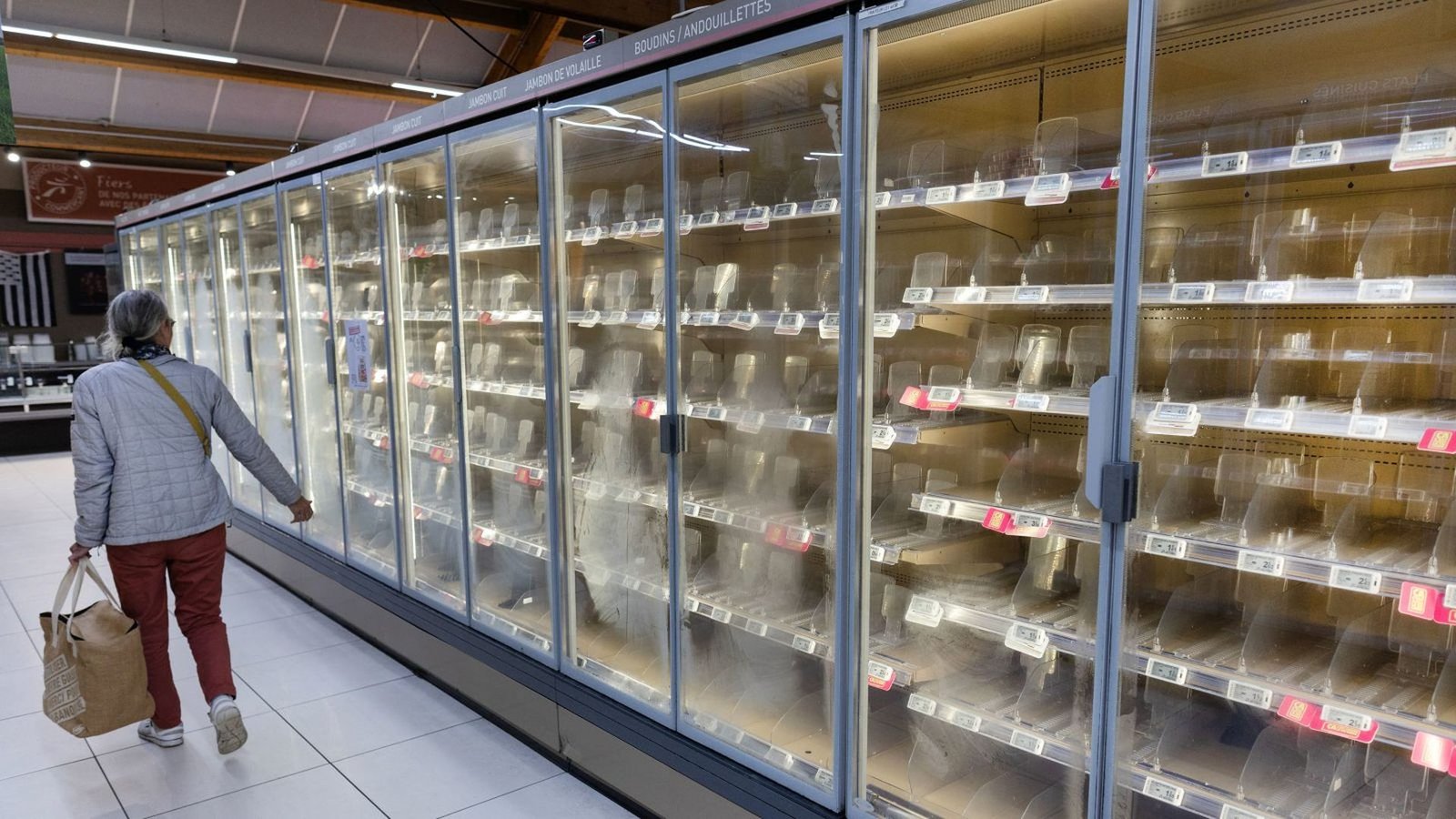
    France has accused Iran’s Revolutionary Guards of carrying out a cyberattack that sabotaged refrigeration systems at around 700 supermarkets across the country last month, in what Paris is calling the first large-scale cyber sabotage operation on French soil.

    Foreign Minister Jean-Noël Barrot made the accusation on Monday, 9 November, on the sidelines of a meeting of G7 foreign ministers in Paris. He said the attack was “unprecedented in both its scale and its level of aggression” and vowed that it would not go unanswered. France has summoned Iran’s ambassador to Paris and says it will pursue sanctions against those responsible at a European level.

    The attacks took place overnight on 11 and 12 October. According to France’s national cybersecurity agency, ANSSI, hackers took control of refrigeration controllers at roughly 700 retail sites, from supermarkets to butcher shops, and raised temperatures in the middle of the night by hijacking the units’ defrost function. In some cases temperatures climbed to 50 degrees Celsius, spoiling large quantities of perishable food and causing equipment damage and fires.

    ANSSI attributed the operation to Shahid Kaveh, a cyber-offensive unit affiliated with the Electronic and Cyber Centre of Iran’s Islamic Revolutionary Guard Corps. French investigators pointed to technical indicators including the use of Persian language in the attack infrastructure and internet addresses linked to devices in Iran. The unit is also known in the cyber world as CyberAv3ng3rs. The Paris prosecutor’s office has opened a judicial investigation into the head of the unit and his two deputies, and is seeking international arrest warrants.

    Major French grocery chains were among those affected. Intermarché reported that at least 300 of its stores and its Netto brand locations were hit, while more than 100 Coopérative U supermarkets were affected. Carrefour, Monoprix and E.Leclerc were also targeted. ANSSI’s director general told French senators last month that the intrusions had been made possible by basic security flaws, including weak passwords on internet-connected equipment.

    There was no immediate comment from Tehran on the French allegations. Iran has previously denied conducting malicious cyber operations. The French accusation nevertheless marks a sharp escalation, moving the matter from a technical investigation to direct diplomatic action against Tehran.

    Speaking on Tuesday, Barrot said France ruled out nothing and would take all measures it deemed proportionate and necessary to deter further attacks, including steps it might not disclose publicly. Similar refrigeration failures were reported at supermarkets in Sweden, Belgium and Ireland earlier this month, though French officials said it remains unclear whether those incidents are linked to the French case.

  • Pakistan to Host ECO Ministers in Islamabad on Nov 15-16

    Pakistan to Host ECO Ministers in Islamabad on Nov 15-16

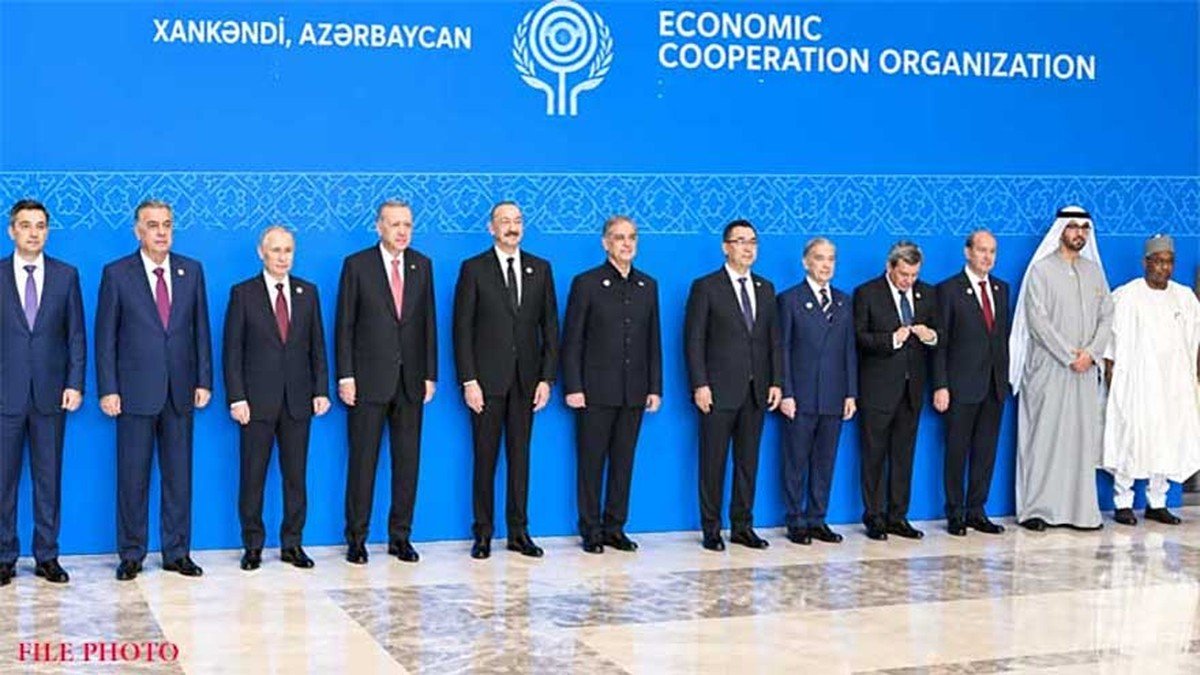
    Foreign ministers from across the region will gather in Islamabad next week as Pakistan hosts the 30th meeting of the Council of Ministers of the Economic Cooperation Organization (ECO) on November 15 and 16.

    Diplomatic sources said the meeting will bring together foreign ministers from the ten-member bloc to discuss regional trade, economic cooperation and ways to strengthen contacts between member states. Pakistan is chairing the ECO for 2026-27, and officials say the gathering will also look at new possibilities for joint cooperation and stronger economic ties across the region.

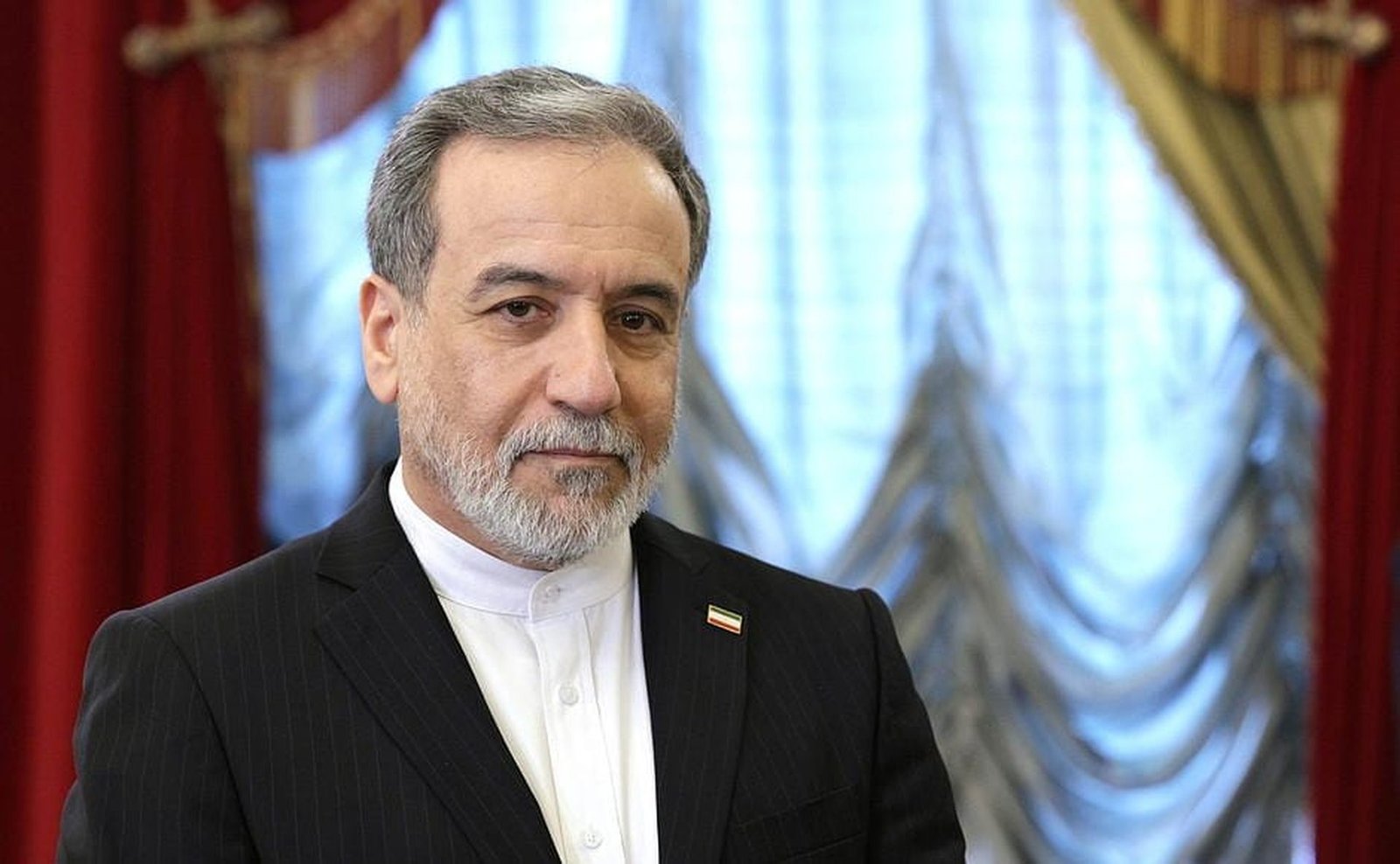
    Iran’s Foreign Minister Abbas Araghchi is expected to attend, according to reports, and is also expected to hold bilateral meetings with Prime Minister Shehbaz Sharif and Deputy Prime Minister and Foreign Minister Ishaq Dar during his visit. The meeting comes as regional security challenges and geopolitical tensions weigh on the bloc, though economic cooperation, trade and connectivity are expected to remain the central focus.

    Preparations for the meeting have been under way for days. Ishaq Dar chaired a meeting on Friday to finalise arrangements for the two-day gathering, which follows the postponement of an ECO interior ministers’ meeting that had been scheduled in Islamabad in late October.

    The ECO was founded in 1985 by Pakistan, Iran and Turkiye to promote cooperation in trade, transport, energy and investment. Its ten members also include Azerbaijan and five Central Asian republics. Pakistan invited member states to attend the 30th meeting when it took part in the previous session, held virtually in November last year, at which Lahore was designated the ECO Tourism Capital for 2027.

    It has not yet been confirmed which heads of delegation will attend or whether Afghanistan will be represented at the meeting, and no agenda or deliverables have been announced in advance.

    Officials say the Islamabad meeting is an opportunity for Pakistan to advance its regional economic and connectivity priorities at a difficult moment for the region, with member states seeking to keep trade and cooperation moving despite the pressures around them.

  • Trump: New Iran Strikes ‘Highly Unlikely’ If Talks Hold

    Trump: New Iran Strikes ‘Highly Unlikely’ If Talks Hold

    US President Donald Trump has said he is highly unlikely to order fresh attacks on Iran as long as talks to end the conflict keep making progress, stepping back from weeks of warnings that a new round of strikes could follow the midterm elections.

    Speaking in a phone interview with CNN on Sunday, Mr Trump said his decision would depend on whether Tehran signed what he called a very strong agreement. “The answer is, highly unlikely it’s going to be necessary,” he said, adding that Iran was a failing nation and that its economy was withering away.

    At the same time, he kept the threat of force on the table. Mr Trump said that if strikes resumed, the United States had identified potential targets, including 38 bridges that he said American forces could knock down in literally one hour. Later on Sunday, he posted on Truth Social that “Task Force Iron Gate is in full force and effect” on Iran, a campaign aimed at cracking down on Tehran’s movement of advanced weapons and other sanctioned material over its land borders and through the Caspian Sea.

    The president acknowledged that the Iran war had played a part in the Republicans’ defeat in last week’s midterm elections. Vice President JD Vance went further in a social media post, writing: “The reason we lost is the war.” Mr Trump told reporters on Sunday that a lot of people did not like Mr Vance’s comments.

    Secretary of State Marco Rubio declined to comment on Sunday on any link between the war and the elections. Asked about diplomatic efforts, he said he did not believe a breakthrough was imminent, adding that the president would always prefer to solve problems diplomatically. He described Iran’s demands as not just unacceptable, but in some cases outrageous and ridiculous and really not realistic.

    Mr Trump had been hinting that he would renew major attacks on Iran once the elections were over, but there has been no sign of a large-scale American military operation. Iran has said it would respond by striking American and Israeli targets if attacked again.

    Both sides have meanwhile reported attacks on shipping in or near the Strait of Hormuz. Iran’s Revolutionary Guards Navy said two oil tankers had caught fire after hitting mines while trying to pass through an unauthorised route, and a third tanker had also suffered an explosion and caught fire, according to the semi-official Fars news agency. The United States said its air force had disabled a vessel in the Gulf of Oman beyond the strait. Monitors from the United Kingdom Maritime Trade Operations reported an incident involving a bulk carrier and military forces about 18 nautical miles east of the Emirati city of Khor Fakkan. Reuters said it was not able to confirm the reported strikes.

    Qatar, which has been mediating in talks to end a conflict that has shaken the world economy, on Saturday denied reports that the United States and Iran had failed to reach a deal. Iran has submitted a nuclear proposal to Washington through Qatar, a senior Iranian official told Reuters, saying the United States was reviewing it but that discussions would depend on Washington first meeting Tehran’s seven demands. Those include sanctions relief, access to frozen assets and war reparations, while Washington says nuclear issues must feature in the initial talks. The war began on February 28, when the United States and Israel launched strikes on Iran, and is now in its ninth month.

  • Trump: New Iran War ‘Highly Unlikely’ as Talks Advance

    Trump: New Iran War ‘Highly Unlikely’ as Talks Advance

    Speaking to reporters aboard Air Force One, President Donald Trump said a renewed war with Iran was highly unlikely, pointing to peace talks that are now under way between the two sides. The remark marks a clear softening in tone from a president who has repeatedly threatened military strikes over Iran’s treatment of protesters and its nuclear programme.

    Trump said he was hopeful the talks would work out and that a very good deal could be made, adding that the negotiations had already had a big impact. He said Iran wanted to make a deal, and that American and Iranian delegations were due to meet in Oman as part of the diplomatic effort.

    The softer language comes even as the United States has moved significant military power into the region. The USS Gerald R. Ford, the world’s largest aircraft carrier, has been moved from the Caribbean to the Mediterranean, while the build-up in the Middle East includes the USS Abraham Lincoln, a carrier strike group, jets, destroyers, submarines and a guided missile cruiser.

    Trump said he would prefer not to use American military power, but would do so if needed. His comments suggest the threat of force remains on the table even as diplomacy takes centre stage, keeping pressure on Tehran while talks continue.

    Iranian leaders have responded with a mix of defiance and openness. President Masoud Pezeshkian said Iran would not yield to threats and wanted constructive, fair and serious talks, while making clear it would not abandon its nuclear rights. Foreign Minister Abbas Araghchi said Tehran was ready to return to talks on its nuclear programme.

    The coming weeks will test whether the diplomatic opening can hold. Trump is also expected to attend the first board meeting of the Board of Peace in Washington on February 19, a gathering that is likely to keep the focus on the region’s conflicts. For now, the message from Washington is that war is unlikely, but the aircraft carriers in nearby waters show that the option has not been put away.

    The Oman meeting will be the next test of whether the two sides can turn the softer tone into an agreement. Both capitals have signalled a willingness to talk, but the gap between Washington’s demands and Tehran’s insistence on keeping its nuclear rights remains wide, and the military build-up shows that neither side is putting its leverage aside just yet.

  • Israel’s Katz: Mission Against Iran ‘Not Complete’

    Israel’s Katz: Mission Against Iran ‘Not Complete’

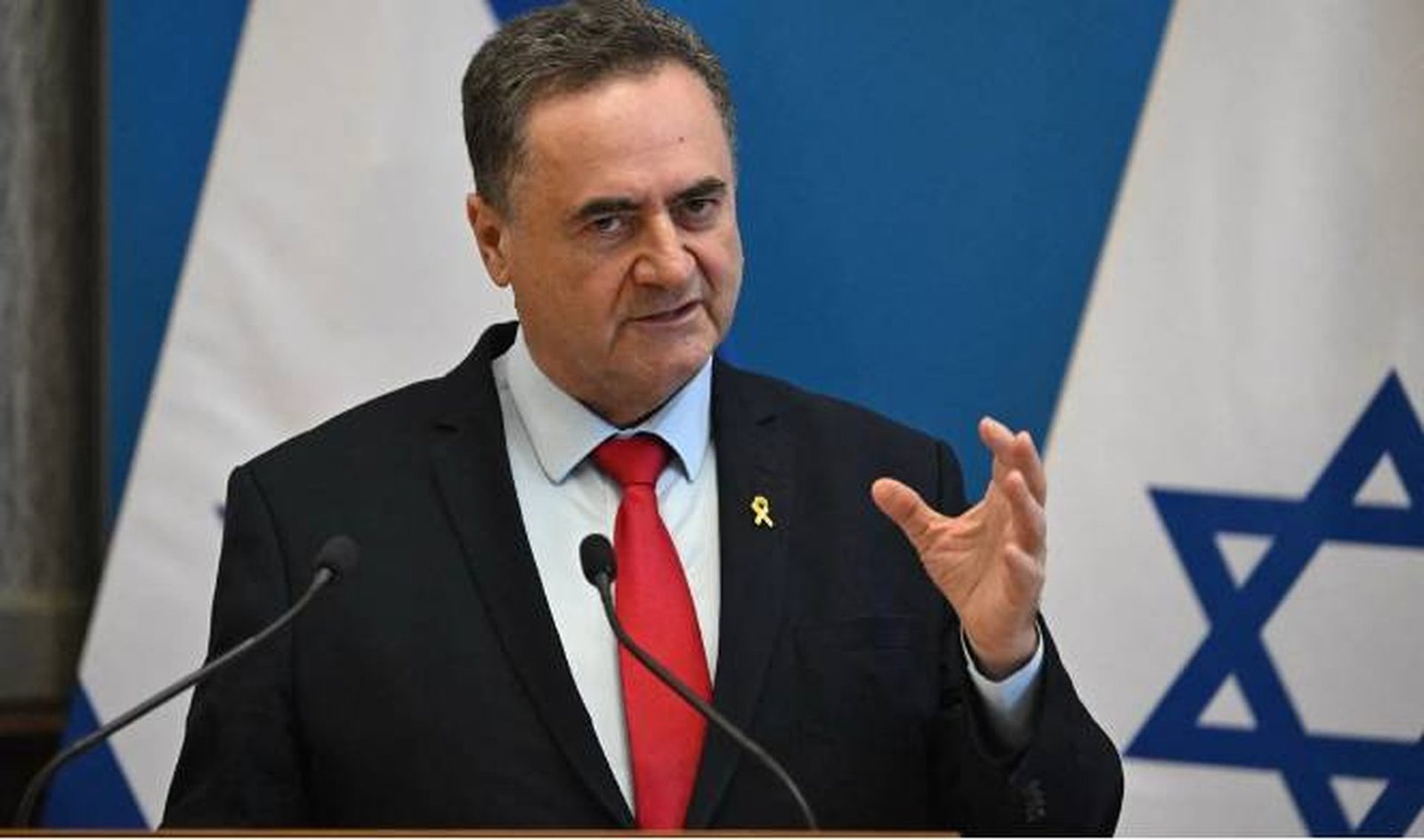
    Israeli Defence Minister Israel Katz has said the “mission not complete” on Iran, arguing that Tehran has not given up its nuclear ambitions and that Israel must keep working until the task is finished. He made the remarks on Sunday at the start of a cabinet meeting.

    Katz said Iran “still has not abandoned its aspiration to obtain nuclear weapons” and that the government must “continue its work until the mission is complete”. His comments were the latest signal that Israel’s leadership sees its confrontation with Iran as unfinished.

    Israel and Iran fought a 12-day war in June, during which Israel hit Iranian nuclear sites and the United States dropped bombs on three Iranian nuclear facilities. Iran responded with missile attacks on Israel, killing 29 people, while 1,067 were killed in Iran, according to the figures given in the report.

    Iran has denied wanting nuclear weapons and has insisted that its programme is for peaceful purposes only. Katz, however, claimed Iran had enriched uranium to 60 percent, “which is not required for peaceful purposes”, in his words.

    The June war was the sharpest confrontation between the two countries, with Israel striking Iranian nuclear sites and the United States dropping bombs on three Iranian nuclear facilities. Iran answered with missile attacks on Israel, and the fighting left 29 people dead in Israel and 1,067 dead in Iran, according to the figures given in the report.

    The exchange over Iran’s nuclear programme sits at the heart of the dispute between the two countries. Israel points to the enrichment level as evidence of military intent, while Iran maintains that its programme is peaceful and rejects the accusation that it is seeking a weapon.

    The report also covered political developments in Israel, where retired general Gadi Eisenkot has been tasked with forming a government. Eisenkot said he would form a broad government with no one outside or excluded. Prime Minister Benjamin Netanyahu said it was “shameful” to put him in charge.

    Katz’s remarks on Iran came as those political developments were unfolding, with the defence minister using the cabinet meeting to restate his position that the work against Iran is not yet done. The government, he said, must press on until the mission is complete.

  • Iran Drops Its 2,000 km Missile Range Limit

    Iran Drops Its 2,000 km Missile Range Limit

    Iran’s Revolutionary Guard has said it has lifted a self-imposed limit of about 2,000 kilometres on the range of its ballistic missiles, raising the prospect of Tehran developing weapons able to reach more distant targets.

    Brigadier General Hossein Mohebbi, the Guard’s spokesman, told a press conference in Tehran on Saturday, held to mark Aerospace Week, that the restriction “has been lifted for us”, according to state-linked outlets including Tasnim and Mehr.

    The 2,000 km ceiling dated from 2017 and was intended to keep Iran’s missiles regional in reach. Its removal suggests Tehran may now seek longer-range capability, although no evidence was presented of operational missiles able to fly beyond the former limit.

    Mohebbi cautioned that Iran must demonstrate the expanded capability in practice rather than merely announce it. “Our duty is to show our capabilities on the battlefield,” he said.

    Wider military signals

    The remarks followed comments by the supreme leader ordering an immediate and effective response to any threat without geographical limits, alongside a broader update of military target lists covering US and Israeli assets.

    Mohebbi also said Iran would prepare for a shift in nuclear doctrine if ordered — a conditional statement, not a decision to change doctrine or to build a weapon.

    He further claimed advances in air defences and underground missile production after recent fighting, including the downing of enemy aircraft and drones. Those claims could not be independently verified.

    The announcement comes as talks between the United States and Iran remain stalled and fears of renewed strikes grow across the region, days after US strikes on Qeshm Island. Any move to field longer-range missiles would mark a significant escalation in the military standoff.

    The Guard’s statement is likely to draw close attention in Washington, Tel Aviv and European capitals, where officials have long treated the 2,000 km limit as an informal red line. For years, Tehran presented the ceiling as proof that its missile programme was defensive and regional. Removing it signals a different posture — even if, for now, the longer-range capability itself remains unproven.

  • Araghchi Speaks to 12 Foreign Ministers in Just Two Days

    Araghchi Speaks to 12 Foreign Ministers in Just Two Days

    Iran’s Foreign Minister Abbas Araghchi says he has spoken by telephone with 12 foreign ministers in the space of two days, as Tehran steps up a diplomatic push to calm tensions across the region.

    In a post on Instagram on Saturday, Araghchi said he had set out Iran’s “fundamental positions” in the calls and discussed the need to respect national sovereignty, bring an end to aggression and threats, avoid harmful foreign interference and stop insecurity from spreading. He also argued for regional security arrangements that do not involve powers from outside the region, according to reports of his post.

    The calls, held over the previous 48 hours, included his counterparts from Türkiye, Pakistan, Qatar, Oman, Egypt, Jordan, the Greek Cypriot administration of Southern Cyprus, Saudi Arabia, the United Arab Emirates, Kuwait, Tunisia and Iraq, Araghchi said.

    Talks come amid the US-Iran standoff

    The diplomatic round comes as efforts continue to contain the standoff between Washington and Tehran and to head off any return to open military confrontation. The United States has been pressing Iran for concessions over its nuclear programme as a condition for resuming negotiations, while Tehran has called for the lifting of US sanctions, the release of frozen Iranian funds and permission to export oil.

    The two sides have been exchanging messages through intermediaries in recent weeks. Araghchi has previously said Iran is ready to implement a plan to reopen the Strait of Hormuz within days if its conditions are met, and mediators from Qatar and Pakistan have been involved in carrying proposals between the two capitals.

    Iranian state media also reported that Araghchi spoke separately with his Tunisian counterpart, Mohamed Ali Nafti, late on Friday, with the two men discussing diplomatic efforts to ease tensions and strengthen regional stability. He also held a call with Iraqi Foreign Minister Fuad Hussein, during which Iraq proposed a committee of regional foreign ministers to travel between Tehran and Washington in search of a peaceful settlement, according to Iraqi officials.

    In the same round of calls, Araghchi reaffirmed what Tehran describes as Iran’s legitimate right to defend its sovereignty and national security, according to Iran’s Tasnim news agency, which said he stressed the need for regional security arrangements free from interference by outsiders.

  • Shah’s Son Reza Pahlavi Says He Is Ready to Lead Iran

    Shah’s Son Reza Pahlavi Says He Is Ready to Lead Iran

    Reza Pahlavi, the exiled son of Iran’s ousted shah, accepted a German freedom prize in Frankfurt on Saturday and renewed his offer to lead his country through a democratic transition, saying he held the honour only in trust until a freely elected government takes power in Tehran.

    Pahlavi received the Freedom Prize from the Friedrich Naumann Foundation, a body close to Germany’s liberal Free Democratic Party, at a ceremony in Frankfurt’s historic St Paul’s Church. The award was presented on behalf of the Iranian people, in recognition of their resistance to the hardline Islamist government in Tehran.

    Speaking at the ceremony, Pahlavi said Iran was not a country waiting to be taught democracy. “Iran is a country not waiting to be taught democracy, this is a country being prevented from practising it,” he said. “A people ready to die for the right to vote is willing to exercise the right to vote.” He said he accepted the prize only as a trustee. “I hold it only temporarily,” he told the audience. “One day I will place it in the hands of its rightful owners, not on foreign soil but in the capital, Tehran.”

    Pahlavi, who lives in exile in the United States, has put himself forward as a transitional leader should the current government in Tehran fall. At a press conference in Paris, he said he was submitting himself to his compatriots to lead them toward peace and a democratic transition, calling the moment Iran’s “Berlin Wall moment”. He said he did not seek power for himself, but wanted to guide the country toward stability, freedom and justice, based on three principles: Iran’s territorial integrity, individual liberties and equality for all citizens, and the separation of religion and state. The final form of government, he has said, should be decided by Iranians in a national referendum.

    Thousands of demonstrators, many of them his supporters waving pre-revolutionary Iranian flags, gathered in Frankfurt for the ceremony, according to police. Inside, the largely Iranian-origin audience repeatedly interrupted the ceremony with chants of “Long live the shah, long live Iran!”

    The award was not welcomed by everyone. About 200 prisoners held in Iran signed a letter protesting against Pahlavi receiving the prize, according to a spokeswoman for the Society for German-Iranians in Hesse, who said they considered him a symbol of a “bygone dictatorship”. The Frankfurt branches of the centre-left Social Democrats and the Greens boycotted the event, arguing Pahlavi could not be considered a legitimate representative of the Iranian people. Critics also point to his vocal support for Israel and say he has failed to distance himself sufficiently from his father’s autocratic rule. His father, Mohammad Reza Pahlavi, was the last shah of Iran, who fled into exile in 1979 ahead of the revolution that overthrew the monarchy.

    Anti-government protests broke out in Iran late last year and were suppressed in a January crackdown that rights groups say killed tens of thousands. His appearance came as tensions between the United States and Iran remain high: President Donald Trump confirmed on Friday that US forces had carried out limited strikes against Iranian air defences on Qeshm Island in the Strait of Hormuz, while Iran said its air defences had shot down American drones there, a claim Washington has not confirmed.