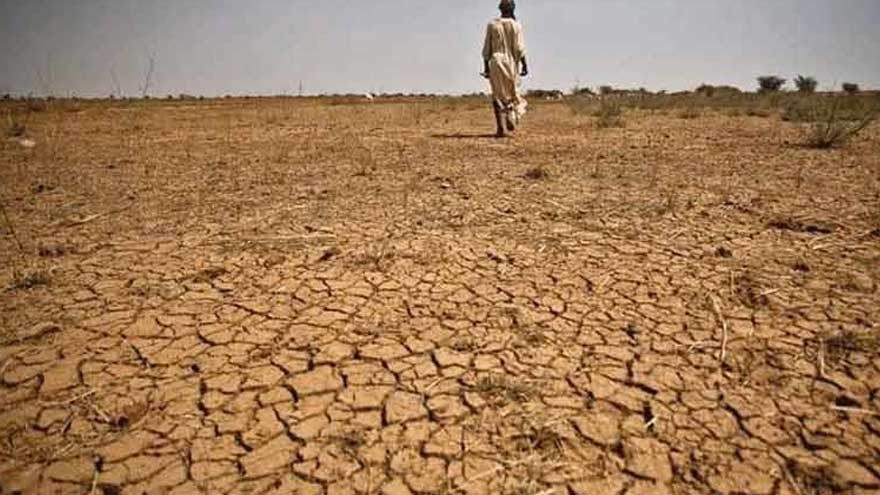
The National Emergency Operations Centre (NEOC), working under the National Disaster Management Authority (NDMA), has issued a high alert for several districts of Sindh over the growing risk of severe drought, Dunya News reported on 17 November 2026.
According to the NEOC, parts of Umerkot, Tharparkar, Mirpurkhas and Sujawal districts are at serious risk of drought, prompting authorities to closely monitor the situation. In addition to Sindh, parts of Chagai and Washuk districts in Balochistan are also experiencing drought conditions.
The NEOC identified below-average rainfall, prolonged dry spells, rising temperatures and changes in monsoon rainfall patterns as major factors contributing to the worsening situation. The alert was also reported by Abb Takk, NewsHunt and other outlets with matching details.
The report noted that temperatures in affected areas of Sindh were recorded 1 to 3 degrees Celsius above normal, intensifying water shortages and adversely affecting agricultural activities and crop yields. It warned that declining agricultural production in the affected areas could further increase concerns over food insecurity.
Tharparkar already declared calamity-hit
The warning comes after the Sindh government decided on 7 November to declare Tharparkar a calamity-hit district. A provincial briefing said between 85 and 90 per cent of cultivated crops across all seven talukas of the desert district had been destroyed or rendered unproductive because of inadequate and uneven rainfall.
The Sindh government has also decided to conduct a comprehensive survey to assess drought conditions in Tharparkar and Umerkot districts. Chief Minister’s Adviser Gianchand Essarani announced the decision during a meeting to review the situation, according to Abb Takk. The survey will cover access to clean drinking water, education, food shortages, maternal and child healthcare, and livestock-related challenges.
The NDMA has directed relevant departments to ensure the efficient use of water resources and take precautionary measures to protect affected farming and rural communities. The authority also urged residents to follow instructions issued by relevant departments and take necessary steps to protect their crops and livestock against the impact of drought.
The NEOC is continuing to monitor the situation in the affected districts, and authorities say further assessments will follow as the dry spell continues.
Leave a Reply