Category: Technology

Technology news — AI, gadgets and digital trends. ٹیکنالوجی کی خبریں۔

  • Tesla pulls plug on Cybertruck after years of poor sales

    Tesla pulls plug on Cybertruck after years of poor sales

    Tesla is pulling the plug on the Cybertruck. Chief executive Elon Musk announced on Friday that the electric carmaker will wind down production of its angular stainless-steel pickup at Gigafactory Texas around the middle of 2027, a little more than three and a half years after the first trucks reached customers.

    Musk said the factory space would be given over to building more Cybercabs, the driverless robotaxi he has made central to Tesla’s push into autonomous vehicles. In a short post on X, he wrote that Tesla “will be winding down production of the Cybertruck at Gigafactory Texas around the middle of next year to make room for increased Cybercab production.”

    The decision is a major retreat from one of Musk’s most personal projects. The Cybertruck was once presented as a futuristic rival to America’s legacy pickup trucks, with a bulletproof-looking steel body and a shape unlike anything else on the road. But buyers never arrived in the numbers Tesla expected.

    Sales at a tenth of the plan

    When production began, Musk had predicted annual sales of 250,000 trucks, and Tesla built its Texas line for that volume. The reality has been far smaller. According to automotive data platform Kelley Blue Book, Tesla sold just 20,237 Cybertrucks in the United States in 2025, down 48 percent from 38,965 in 2024.

    The picture in 2026 has been weaker still. Cox Automotive estimates only 3,519 Cybertruck sales in the first quarter of the year and 3,744 in the second, down from 14,416 in the third quarter of 2024. Tesla does not report Cybertruck sales separately, grouping them with the Model S, Model X and Semi under “Other Models”, and that whole group delivered only 8,295 vehicles in the third quarter of 2026, down 48 percent year on year.

    The truck’s heavy, angular design also limited it to a handful of markets. Reuters has reported that the stainless-steel body complicated approval in Europe, where pedestrian-impact safety rules are strict. The Cybertruck has also been recalled 11 times since it went on sale in late 2023, according to the US National Highway Traffic Safety Administration.

    It is not yet clear whether Cybertruck production will move to another plant or end altogether. The Austin factory is the only known Tesla facility equipped to build the model’s specialised components. Responding to a user on X, Musk called the Cybertruck the “best vehicle Tesla has ever made” and its wind-down the “end of an era”, while lead engineer Wes Morrill confirmed the four-year production run is coming to a close.

    For Tesla, the message is clear: the company’s future now rests on autonomy rather than the pickup. The Cybercab has yet to prove itself commercially, but Musk has made it the centrepiece of Tesla’s plans. The Cybertruck will remain on the roads for years to come, but its factory life is now measured in months.
  • جینسن ہوانگ کی چھٹی؟ اینویڈیا بورڈ کا ہنگامی اجلاس

    جینسن ہوانگ کی چھٹی؟ اینویڈیا بورڈ کا ہنگامی اجلاس

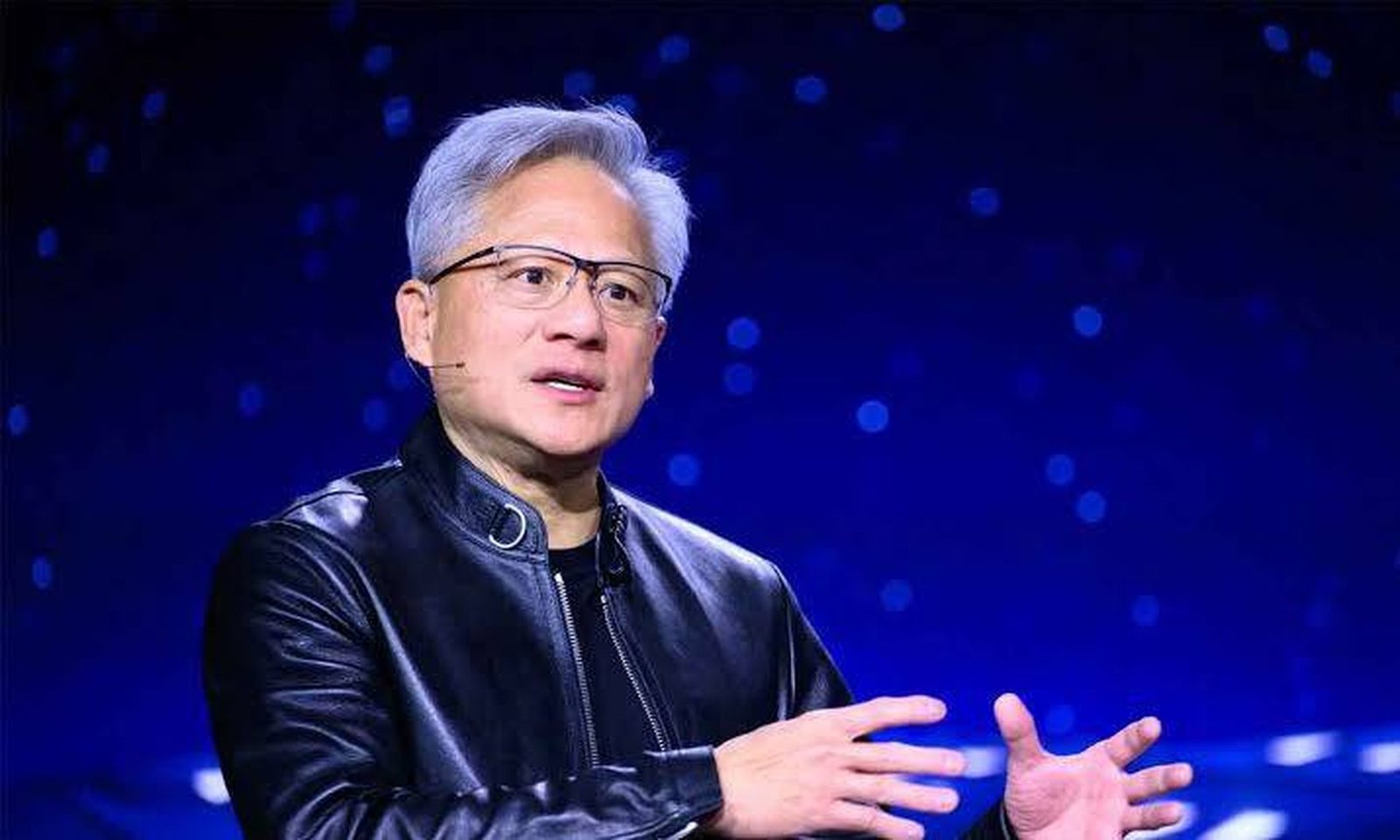
    دنیا کی سب سے بڑی مصنوعی ذہانت کی چپس بنانے والی کمپنی اینویڈیا کے سربراہ جینسن ہوانگ کا مستقبل خطرے میں پڑ گیا ہے۔ وال اسٹریٹ جرنل کی بدھ کو شائع ہونے والی رپورٹ کے مطابق کمپنی کا بورڈ اپنے شریک بانی اور چیف ایگزیکٹو جینسن ہوانگ کو عہدے سے ہٹانے پر غور کر رہا ہے۔ رپورٹ کے مطابق بورڈ نے بدھ کی شب ہنگامی اجلاس طلب کیا تھا تاکہ ہوانگ کے مستقبل کا فیصلہ کیا جا سکے۔ خبر سامنے آنے کے بعد اینویڈیا کے حصص میں آفٹر آوورز ٹریڈنگ میں تقریباً آٹھ فیصد کمی ہوئی۔

    رپورٹ کے مطابق ہوانگ پر دو غیر ازدواجی تعلقات کے الزامات ہیں، جن میں سے ایک کا تعلق ایک ایسی خاتون سے بتایا جا رہا ہے جس پر چین کے لیے جاسوسی کا شبہ ہے۔ رائٹرز کے مطابق ایلس ہوانگ سنگاپور کی ڈیٹا سینٹر کمپنی میگا اسپیڈ کی سینئر ایگزیکٹو رہ چکی ہیں، اور امریکی حکام نے تحقیقات کے بعد انہیں چینی انٹیلی جنس کا اثاثہ قرار دیا تھا۔ جینسن ہوانگ سے ان کا کوئی خاندانی تعلق نہیں ہے۔ وال اسٹریٹ جرنل کے مطابق دونوں کو 2024 اور 2025 میں تائی پے میں ایک ساتھ کھانے پر دیکھا گیا تھا۔

    نیویارک ٹائمز نے بدھ کو رپورٹ کیا کہ ہوانگ کا دوسرا تعلق اینویڈیا کی نائب صدر برائے صحت کمبرلی پاول سے تھا، جو براہ راست انہیں رپورٹ کرتی تھیں۔ اخبار کے مطابق 48 سالہ پاول کو سان ہوزے میں ایک کانفرنس کے دوران ہوٹل میں ہوانگ کے ساتھ محبت بھرے انداز میں دیکھا گیا تھا، اور اس کی ویڈیو شواہد بھی موجود ہیں۔

    63 سالہ ہوانگ نے 8 نومبر کو اپنے ملازمین کو بتایا تھا کہ وہ اپنی اہلیہ سے بے وفائی کر چکے ہیں، تاہم انہوں نے تعلق کی تفصیلات نہیں بتائیں۔ اس کے بعد اینویڈیا کے بورڈ نے آزادانہ تحقیقات کا آغاز کیا تاکہ یہ معلوم کیا جا سکے کہ آیا ہوانگ کو کسی غیر ملکی انٹیلی جنس کارروائی کا نشانہ بنایا گیا تھا۔ رائٹرز کے مطابق بورڈ نے تحقیقات کی سربراہی کے لیے معروف قانونی فرم واکٹیل لپٹن کے وکیل جون کِم کو مقرر کیا ہے۔

    معاملے نے قومی سلامتی کا رنگ بھی اختیار کر لیا ہے۔ دی انفارمیشن کی رپورٹ کے مطابق ہوانگ کے تعلق کی وجہ سے چینی کمپنیوں کو کم از کم ساڑھے سات ارب ڈالر مالیت کی اینویڈیا چپس کی فراہمی میں مدد ملی۔ امریکی سینیٹرز الزبتھ وارن اور کرس کونز نے ٹرمپ انتظامیہ سے مطالبہ کیا ہے کہ چین کو چپس کی برآمد سے متعلق تمام ریکارڈ محفوظ رکھا جائے۔ صدر ڈونلڈ ٹرمپ نے کہا ہے کہ ایف بی آئی معاملے کی تحقیقات کر رہا ہے۔ ہوانگ نے صدر کو بتایا تھا کہ انہیں معلوم نہیں تھا کہ خاتون جاسوس ہیں۔

    ہوانگ کے ممکنہ جانشینوں کے ناموں پر بھی قیاس آرائیاں شروع ہو گئی ہیں۔ رائٹرز کے مطابق کمپنی کے سینئر انجینئر ایان بک اور چیف فنانشل آفیسر کولیٹ کریس کو مضبوط امیدوار سمجھا جا رہا ہے، جبکہ بعض بورڈ ارکان کریس کو عبوری سربراہ بنانے کے حق میں ہیں۔ اینویڈیا نے تبصرے کی درخواستوں کا فوری طور پر جواب نہیں دیا۔ رائٹرز نے واضح کیا ہے کہ وہ وال اسٹریٹ جرنل کی رپورٹ کی آزادانہ تصدیق نہیں کر سکا۔ ہوانگ 1993 میں قائم ہونے والی کمپنی کے شریک بانی ہیں اور اس کے آغاز سے ہی اس کی سربراہی کر رہے ہیں۔

  • ElevenLabs Unveils 13 New AI Products in NVIDIA Deal

    ElevenLabs Unveils 13 New AI Products in NVIDIA Deal

    AI voice company ElevenLabs has moved well beyond voice generation. At its New York Summit on November 11, the company announced 13 new products and upgrades that turn it into a full enterprise AI platform, with tools that let businesses shape voice agents around their own customers, data and way of working.

    The centrepiece of the announcement is customisation. Selected companies will soon be able to work directly with ElevenLabs researchers to fine-tune audio models and large language models using data from their own live deployments. With reinforcement learning, the models can keep improving against whatever the business chooses to measure, such as customer satisfaction or reliability.

    Three new voice models have already arrived over the past month. Scribe v3 handles speech-to-text transcription, Eleven v4 is a text-to-speech model that reads tone, pacing and context from a script, and Eleven Realtime is a new class of speech-to-speech models built for fast and accurate voice agents. The company has also launched Scribe v3 Medical, a transcription model tuned for healthcare language, and plans similar models for industries such as financial services.

    One system to run the right model at the right moment

    ElevenLabs also unveiled Interaction Engine, a system that orchestrates voice models and language models across a conversation. Not every step of a task needs the most powerful model, so the engine picks the best combination for each moment, balancing performance and reliability against cost. According to the company, it works under the hood so businesses can deliver the right outcome without wasting money on tokens.

    The ElevenAgents platform, which runs voice and chat agents across sales, support, recruitment and operations, is gaining three upgrades. Memory gives agents the full context of every returning customer, so people no longer have to repeat themselves. Routines is an automation layer that runs multi-step work before, during and after every conversation. Architect helps teams build and improve agents simply by talking or typing, with every proposed change drafted, tested in simulation and held for approval.

    Alongside the agent upgrades, the company opened early access to ElevenAI, a new app that acts as an AI teammate for enterprise teams. It can turn spoken conversations, including in-person meetings, into notes and next steps, and can offer live assistance during a call. The company says notice and consent mechanisms are built in.

    To reach larger and more complex organisations, ElevenLabs launched a Partner Program with more than 550 partners in 44 countries, and announced an alliance with McKinsey to help companies build and scale agents. A new Marketplace will let businesses adopt agents already customised for their industry by more than 20 partners, instead of building from scratch.

    The company also expanded its partnership with NVIDIA. The chipmaker’s Nemotron 3.5 Super VL models are now available inside ElevenAgents, and ElevenLabs plans to add 15 megawatts of new Vera Rubin computing capacity. The two companies will also work on an on-premises voice agent for Poland’s national e-Health platform, helping patients book medical appointments.

    Chief executive Mati Staniszewski said conversational agents will become critical infrastructure for every enterprise within a few years, as essential as cloud computing or payments. Companies including Yahoo, Westgate, Stripe, TELUS, FOX Sports, Klarna and SevenRooms are already putting ElevenAgents to work, and the summit showcased Yahoo’s voice-powered assistant and Westgate’s new front-desk agent.

  • Anthropic Targets $1.4 Trillion Value in Giant IPO

    Anthropic Targets $1.4 Trillion Value in Giant IPO

    Anthropic, the artificial intelligence company behind the Claude chatbot, is aiming for a valuation of up to $1.4 trillion in its planned stock market listing, in what would be one of the largest technology floats in history. The company has set a price range of $70 to $78 per share for the sale of 825 million shares, according to an updated prospectus filed with US regulators.

    The offering is expected to raise up to $64.4 billion from public investors, with the shares set to trade on the Nasdaq stock exchange under the ticker symbol ANT. Pricing is expected on November 18, with trading due to begin the following day, according to reports citing people familiar with the plans.

    At the top of the price range, Anthropic would be valued at about $1.4 trillion on a fully diluted basis, a measure that includes securities such as stock options and restricted stock. On a non-diluted basis, excluding those securities, the company’s market value would be about $1 trillion.

    Anthropic will also raise $26 billion through a separate private placement with cornerstone investors, including Alphabet’s Google, Nvidia and Advanced Micro Devices. The private placement sits alongside the public offering and forms part of a fundraising effort that could approach $100 billion if an over-allotment option for underwriters is exercised.

    The valuation marks a sharp rise from the $965 billion at which Anthropic was last valued in a private funding round in May. Investors had previously discussed a valuation of as much as $2 trillion, but expectations have come down amid the company’s substantial infrastructure commitments and recent volatility in AI-related stocks.

    Anthropic’s run-rate revenue was roughly $81 billion as of October 31, up $10 billion from September 30, according to the IPO filing. The company, founded five years ago, has grown rapidly as its Claude chatbot has become one of the leading products in the race to build advanced AI systems.

    Goldman Sachs and Morgan Stanley are the leading investment banks underwriting the offering. The listing will test Wall Street’s appetite for artificial intelligence companies at a time when higher borrowing costs, geopolitical turmoil and elevated bond yields are weighing on the market for new share sales.

    Reports in the Financial Times, citing unnamed sources, have suggested bankers are weighing a higher price that could lift the valuation to $1.5 trillion or more. Anthropic has not confirmed any change to the terms, and the figures in the filing remain the official position.

    If the listing goes ahead as planned, Anthropic would become the first frontier AI laboratory to enter the public markets, giving ordinary investors a direct stake in one of the companies at the centre of the AI boom. The outcome will be closely watched as a measure of whether the enthusiasm for artificial intelligence that has driven markets in recent years can survive contact with public shareholders.

  • Pakistani Astronaut to Become First Foreigner on Tiangong

    Pakistani Astronaut to Become First Foreigner on Tiangong

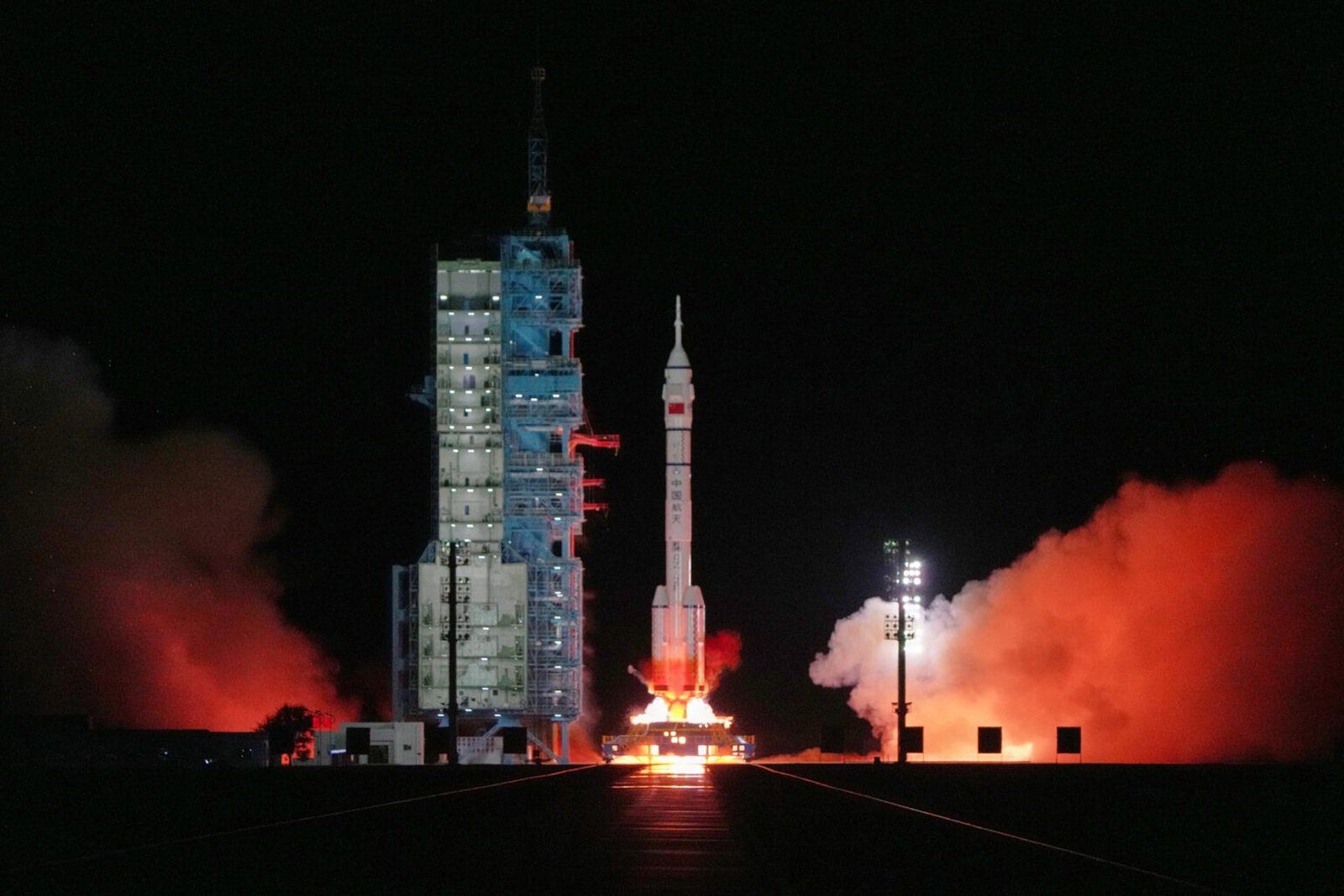
    China has confirmed that a Pakistani astronaut will fly to its Tiangong space station, in a mission that will make him the first foreign national ever to visit the Chinese outpost. The China Manned Space Agency announced on Saturday, November 7, that the astronaut will travel aboard the Shenzhou-24 spacecraft as a payload specialist, marking the first time China’s crewed space programme has flown a foreign astronaut.

    According to China’s official news agency Xinhua, the astronaut will spend a short period in orbit carrying out scientific work before returning to Earth aboard the Shenzhou-23 spacecraft, which has been docked at the station since May. Reports suggest the stay will last about a week, although the agency has not given an exact duration.

    China has not yet named the astronaut who will make the flight. Two Pakistani pilots have been training for the mission in Beijing: Muhammad Zeeshan Ali, a Pakistan Air Force pilot, and Khurram Daud, a Pakistan Navy pilot. The pair were selected in April after a three-stage selection process and have been training at the China Astronaut Research and Training Center, where their programme has included intensive Chinese language instruction alongside hands-on operational training.

    The flight follows a cooperation agreement signed by China and Pakistan in February 2025, under which Pakistan’s space agency, SUPARCO, and the China Manned Space Agency agreed to work together on astronaut selection, training and participation in Chinese space station missions. Pakistan became the first foreign country to take part in the programme in this way.

    No launch date has been confirmed by Beijing. Pakistan’s Planning Minister, Ahsan Iqbal, has pointed to November 25 as the target date, but Chinese officials have not confirmed it. The mission is expected to take place before the end of the year.

    The Pakistani astronaut will carry out scientific experiments during the stay. According to Pakistani space officials, four biotechnology experiments were selected from more than 300 proposals submitted by universities in Karachi, Lahore and Islamabad. Pakistan’s first lunar satellite, ICUBE-Q, flew aboard China’s Chang’e-6 mission in 2024, and the crewed flight is the next step in a space partnership that has grown steadily in recent years.

    For Pakistan, the mission is a historic first: no Pakistani citizen has flown into orbit before. For China, it is the first time a foreign astronaut has joined one of its crewed missions, a milestone that comes as Beijing prepares for its first crewed landing on the Moon by 2030.

  • Claude Gets Sheets, Whiteboards and a Meeting Seat

    Claude Gets Sheets, Whiteboards and a Meeting Seat

    Anthropic has given its Claude assistant a much bigger job in the office, launching a spreadsheet, a shared whiteboard and a data tool, and showing off a version of Claude that can sit in on meetings.

    The company announced the new tools on Tuesday, November 10, at an event in San Francisco. Claude Sheets and Claude Whiteboards arrive in beta on every paid Claude plan, while Claude Dashboards leaves beta under a new name, Claude Data. A fourth tool, Claude Meetings, was shown off as coming soon.

    Claude Sheets is a spreadsheet that Claude builds and edits alongside its user, with tabs, formulas, formatting and drop-down menus. A single prompt can produce a tracker or a budget, and every change Claude makes is shown so it can be followed. Anthropic is open that the spreadsheet is simple for now, and points people to a spreadsheet export when they need the full features of Excel. Each sheet holds at most 100,000 cells.

    Claude Whiteboards is a shared board where a team can think through a plan with Claude in real time. A rough idea talked through out loud becomes a board with a timeline, owners and dates, and the board can keep developing while people are still talking.

    Claude Data connects Claude to a company’s own numbers, through a data warehouse or a customer system, and turns questions into dashboards, data stories and short narrated videos. Teams can also certify the definitions behind their figures, so everyone works from the same numbers, and share live results with colleagues who do not have access to the underlying data.

    Claude Meetings would take the assistant into video calls. Added to a Google Meet call as a visible participant, it follows the conversation, answers questions in the meeting chat, and starts work on the plan or document being discussed. Anthropic’s own announcement lists it as coming soon, while reports from the launch say it is starting in beta for Team and Enterprise customers. It will not join a call with outside guests unless an administrator allows it, and it leaves if one joins.

    All three tools work on the web, on desktop and on mobile. On Team plans they are switched on by default. On Enterprise plans, Whiteboards and Sheets start switched off until an administrator turns them on, while Claude Data switches on by default on November 19.

    The launch puts Anthropic in direct competition with the makers of the office software most companies already use, and it came on the same day the company began the investor roadshow for its planned stock market listing. Microsoft shares fell about 3 percent on the day, according to market reports.

  • Gemini Robotics 2.5 Hits 96% on a Real Mercedes Line

    Gemini Robotics 2.5 Hits 96% on a Real Mercedes Line

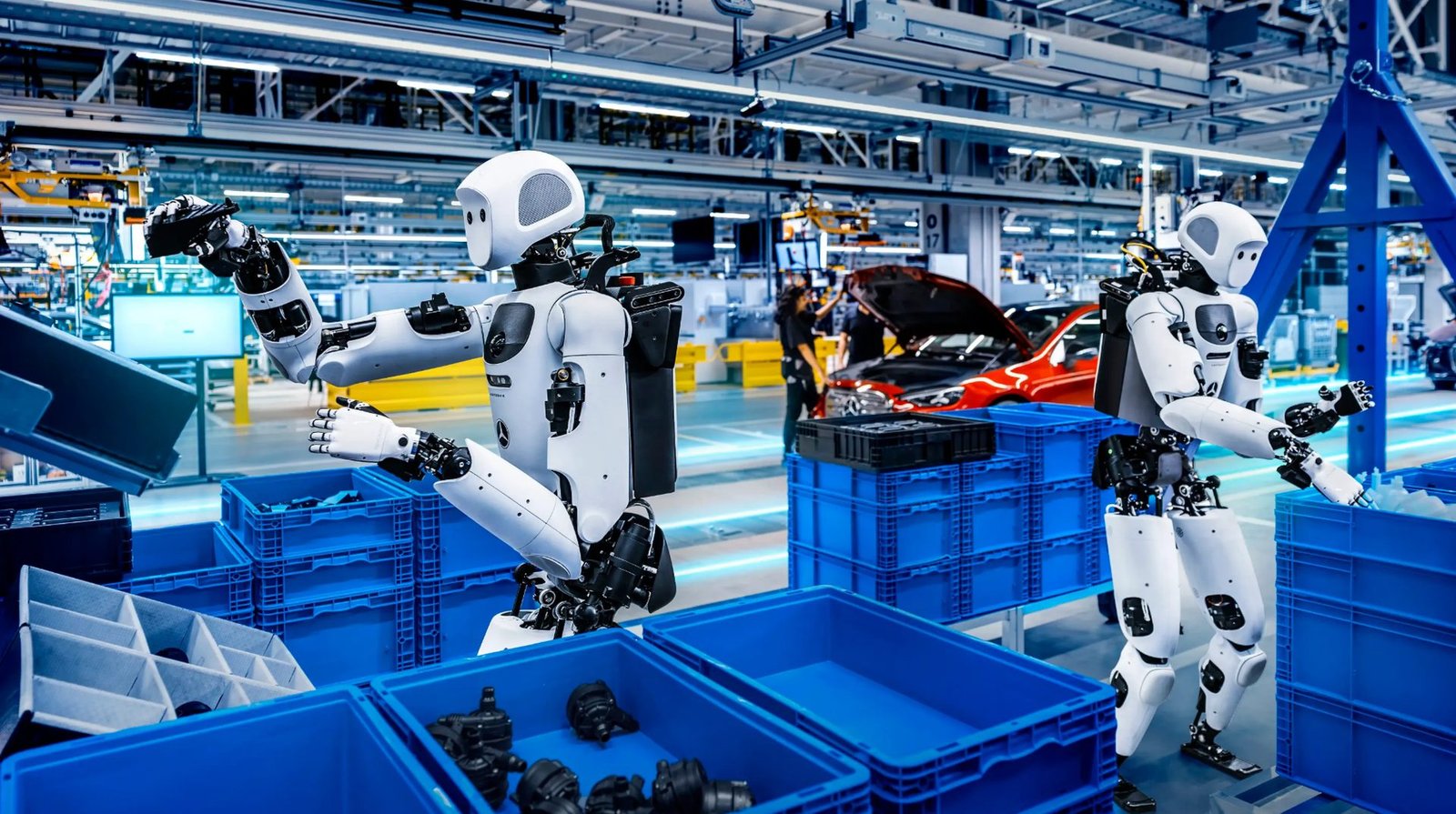
    Google DeepMind has unveiled Gemini Robotics 2.5, its most capable model yet for controlling robots, and the headline test did not take place in a laboratory. Apptronik’s Apollo 2 humanoid robots, running the new model, worked on live Mercedes-Benz production lines in Hungary and Germany, picking metal car parts from bulk bins and packing them into sequencing containers in the order each vehicle needed them. DeepMind reported a 96% success rate for the work.

    The pilot ran at Mercedes-Benz plants in Kecskemét, Hungary, and Sindelfingen, Germany. A second DeepMind model, Gemini Robotics ER, kept track of the workflow while Gemini Robotics 2.5 controlled the robot’s hands and arms, correcting for gaps as parts were moved. The job is known in factories as kitting: gathering the right parts, in the right order, before assembly begins.

    What the new model changes

    DeepMind describes Gemini Robotics 2.5 as a vision-language-action model, which means it connects what a robot sees and what it is told to the movements it makes. The company says it tested the model on more than 200 tasks, with success rates 30% to 100% higher than earlier baselines depending on the task, and tasks finished 20% to 30% faster. It also says the model can control whole humanoid bodies, including stepping, squatting and bending to keep balance.

    The 96% figure deserves a note of care. DeepMind has not published how many trials the number covers, how it defines a successful pick, or how often a person stepped in, and no independent check of the figure has been published. A proof of concept on one job, however real the factory floor, is not the same as a robot working a full shift unsupervised, and Mercedes-Benz has not said it plans to buy fleets of the robots.

    The model is rolling out only to DeepMind’s robotics partners, including Agile Robots, Apptronik and Boston Dynamics, along with more than 100 trusted testers. There is no public version, no price and no date for wider availability. Apptronik said the models improved sharply within a few weeks of post-training and carried over to the Mercedes-Benz lines with very little drop-off.

    Alongside the model, DeepMind released an open safety benchmark called ASIMOV-Jailbreak, which tests whether a robot can be talked into unsafe actions. For now, the Mercedes-Benz pilot is best read as a sign of how far humanoid robots have moved from demonstrations towards real factory work, and how much testing still lies between a promising trial and a production line that depends on a robot every day.

  • AI Proves Signal’s Secret Code Secure in Just 4 Weeks — Work That Took Experts Years

    AI Proves Signal’s Secret Code Secure in Just 4 Weeks — Work That Took Experts Years

    For years, proving that a widely used messaging app’s encryption code is truly secure was a job for teams of specialists working for years. Google DeepMind says its AI agents have now done it in four weeks.

    The company announced on 10 November that a new system called AlphaProof Code had formally verified key security properties of the actual code behind the Signal protocol, the encryption technology that protects billions of private conversations in Signal and Google Messages. DeepMind describes it as the first time a widely deployed cryptographic protocol has been formally verified at this depth, and the first time the implementation of such a protocol, rather than just its design, has been formally verified by any method.

    Formal verification means using mathematics to prove that code behaves exactly as intended, with no hidden flaws. It is the highest standard of security assurance, but it has traditionally been so slow and labour-intensive that most checks stop at the design stage, leaving a gap between what was designed and the code that actually runs on people’s phones. DeepMind says AlphaProof Code closes that gap.

    The system works like a research team. Human experts first decide what must be proved and, working with a mix of AI models, translate Signal’s security goals into formal mathematical specifications, with experts reviewing every one. Then teams of AI agents powered by Gemini Carbon write the proofs themselves, producing more than six million lines of proof in Lean, a computer language used to check mathematical arguments. The agents then audited their own work and flagged just one percent of the code for a second look by humans, since the Lean system automatically checks the rest.

    The properties proved include keeping messages protected even if a device is temporarily compromised, a safeguard known as forward secrecy and post-compromise security. The work covers the protocol’s one-to-one sessions, including its post-quantum handshake and its system for rotating message keys.

    To test whether the system could tell good code from bad, DeepMind’s researchers reintroduced two real bugs that had previously been found and fixed in Signal’s code. In both cases, AlphaProof Code produced a machine-checked proof that the buggy version was insecure, showing it was not simply rubber-stamping the software.

    Signal’s chief technology officer, Ehren Kret, said the work gives the company even greater confidence that its code delivers on its privacy guarantees. DeepMind has open-sourced the verification artifacts so outside researchers can inspect and build on them.

    There are limits worth stating plainly. The proof covers the core cryptographic code for one-to-one chats, not the whole Signal app, and it does not cover group chats, other devices or every phone on which the app runs. Even so, DeepMind argues the method could eventually bring the same level of assurance to other critical software, from medical device firmware to power grid systems, and help defend against cyber threats that are themselves increasingly driven by AI.

  • Anthropic Eyes $1.4 Trillion IPO in Biggest Test of AI Boom

    Anthropic Eyes $1.4 Trillion IPO in Biggest Test of AI Boom

    The company behind the Claude chatbot is heading for the stock market at a valuation of up to $1.4 trillion, in what is shaping up to be the biggest test yet of Wall Street’s faith in the artificial intelligence boom.

    Anthropic filed an updated prospectus with the US Securities and Exchange Commission on Tuesday, setting out terms for its blockbuster initial public offering. According to Reuters, the company and some of its existing shareholders aim to raise up to $64.4 billion by selling 825 million shares priced between $70 and $78 each.

    At the top of that price range, Anthropic would be worth about $1.4 trillion on a fully diluted basis, a figure that includes securities such as stock options and restricted stock. Without those securities, its market value would be about $1 trillion. The shares are expected to begin trading on the Nasdaq on 19 November under the ticker symbol ANT.

    Alongside the share sale, Anthropic plans to raise a further $26 billion through a separate private placement with cornerstone investors including Google, the chipmaker Nvidia and Advanced Micro Devices. The two deals together could bring in as much as $90.4 billion, making it one of the largest capital raisings in stock market history.

    The valuation is lower than some early expectations. Investors had at one stage discussed a figure as high as $2 trillion, but hopes have cooled as markets question the enormous cost of building AI systems and the time it will take for the spending to pay off. Ipek Ozkardeskaya, a senior analyst at Swissquote Bank, described the pricing as essentially a reassessment of the company’s value in a more challenging environment for AI.

    The road to the listing has not been smooth. Hours before the updated prospectus was filed, an earlier set of terms was briefly circulated to investment banks late on Monday and then withdrawn, according to emails seen by Reuters. Those preliminary terms had pointed to about 867 million shares at up to $80 each, which could have raised as much as $69.3 billion. The final filing set a lower price range and smaller proceeds.

    Anthropic’s own numbers show why investors are still paying attention. The company’s run-rate revenue stood at roughly $81 billion at the end of October, up $10 billion in a single month, according to the filing. It was last valued at $965 billion in a private funding round. Goldman Sachs and Morgan Stanley are leading the offering as underwriters.

    Investors will also be watching what the listing says about rival OpenAI, which is seeking to raise $30 billion in what is expected to be its final private funding round before a possible listing early next year. OpenAI recently secured $11 billion at a $1.25 trillion valuation, below the $1.5 trillion it had initially sought.

    The prospectus does not hide the risks. Anthropic warns that its models have behaved in unintended or misaligned ways in the past and could do so again, including by taking harmful actions nobody directed. It also cautions that advances in AI could outpace its ability to put adequate safety measures in place, and that competitors could gain an edge by developing models faster. Whether the market shares its excitement at a $1.4 trillion price will become clear when trading begins.

  • Nvidia Sued Over Alleged Spy Ties, $190bn Wiped Out

    Nvidia Sued Over Alleged Spy Ties, $190bn Wiped Out

    Nvidia and its chief executive, Jensen Huang, have been sued by a shareholder who accuses them of misleading investors about Mr Huang’s alleged relationship with a woman US authorities concluded was a suspected Chinese intelligence asset. The proposed class action was filed on Monday in federal court in San Jose, California.

    According to the complaint, the defendants misled shareholders about Mr Huang’s alleged affair with Alice Huang, a former executive of Megaspeed, a Singapore-based Nvidia customer. Alice Huang is not related to Mr Huang. The New York Times reported last month about the alleged relationship, and that US authorities had concluded Alice Huang was a Chinese intelligence asset. Mr Huang has acknowledged that he had an intimate relationship with her.

    The lawsuit, brought by shareholder Mark Kistenmacher and the Rosen Law Firm, says Nvidia and Mr Huang failed to disclose that the matter raised national security concerns that threatened the company’s reputation and business prospects. It seeks to represent investors who bought Nvidia shares between 9 October 2025 and 8 November 2026, and seeks unspecified damages for alleged violations of US securities law.

    Nvidia’s board announced an independent investigation into the matter on Sunday. The board said Mr Huang had been the target of a foreign intelligence effort, but that it had no reason to believe national security or company secrets had been compromised.

    Investors reacted sharply. Nvidia shares closed down 4.3 percent on Monday at 178.67 dollars, wiping about 190 billion dollars off the company’s market value in a single day. The lawsuit was filed five minutes after the US stock market closed, according to Reuters.

    US President Donald Trump said on Monday that the FBI was investigating the matter, while expressing support for Mr Huang. China denied conducting an intelligence operation targeting the Nvidia chief, with its foreign ministry describing the allegation as unsubstantiated.

    The complaint focuses on four public statements by Nvidia about its dealings with Megaspeed and Mr Huang’s interactions with Alice Huang. US authorities have also been investigating allegations that Megaspeed routed Nvidia’s advanced artificial intelligence chips to China through intermediaries, in possible breach of US export controls. Megaspeed was already under scrutiny over suspected export control evasion before the reports about Mr Huang emerged.

    The allegations in the complaint have not been tested in court, and Alice Huang has not been charged with any offence. It is common for shareholders to sue companies after unexpected share price declines, and Nvidia’s is only the latest in a series of securities cases that follow sharp falls in a company’s stock. The case, if certified as a class action, could run for years and will turn on whether Nvidia’s public statements about its relationship with Megaspeed were materially misleading at the time they were made.