Category: Technology

Technology news — AI, gadgets and digital trends. ٹیکنالوجی کی خبریں۔

  • OpenAI Rolls Out GPT-6 With ‘Intelligent UI’ for Interactive ChatGPT Answers

    OpenAI Rolls Out GPT-6 With ‘Intelligent UI’ for Interactive ChatGPT Answers

    OpenAI has begun rolling out its newest flagship model, GPT-6, to ChatGPT users worldwide, alongside a new feature called Intelligent UI that lets the chatbot answer with interactive charts, forms, buttons and small on-demand tools instead of plain text alone.

    The rollout began on October 7, 2026, according to the company’s announcement. Users on the Plus, Pro, Business and Enterprise tiers are the first to receive the update, powered by a model variant called GPT-6 Sol. Users on the Free and Go tiers are scheduled to follow starting October 8, powered by a variant called GPT-6 Luna. Both variants are described by the company as tuned for everyday conversation.

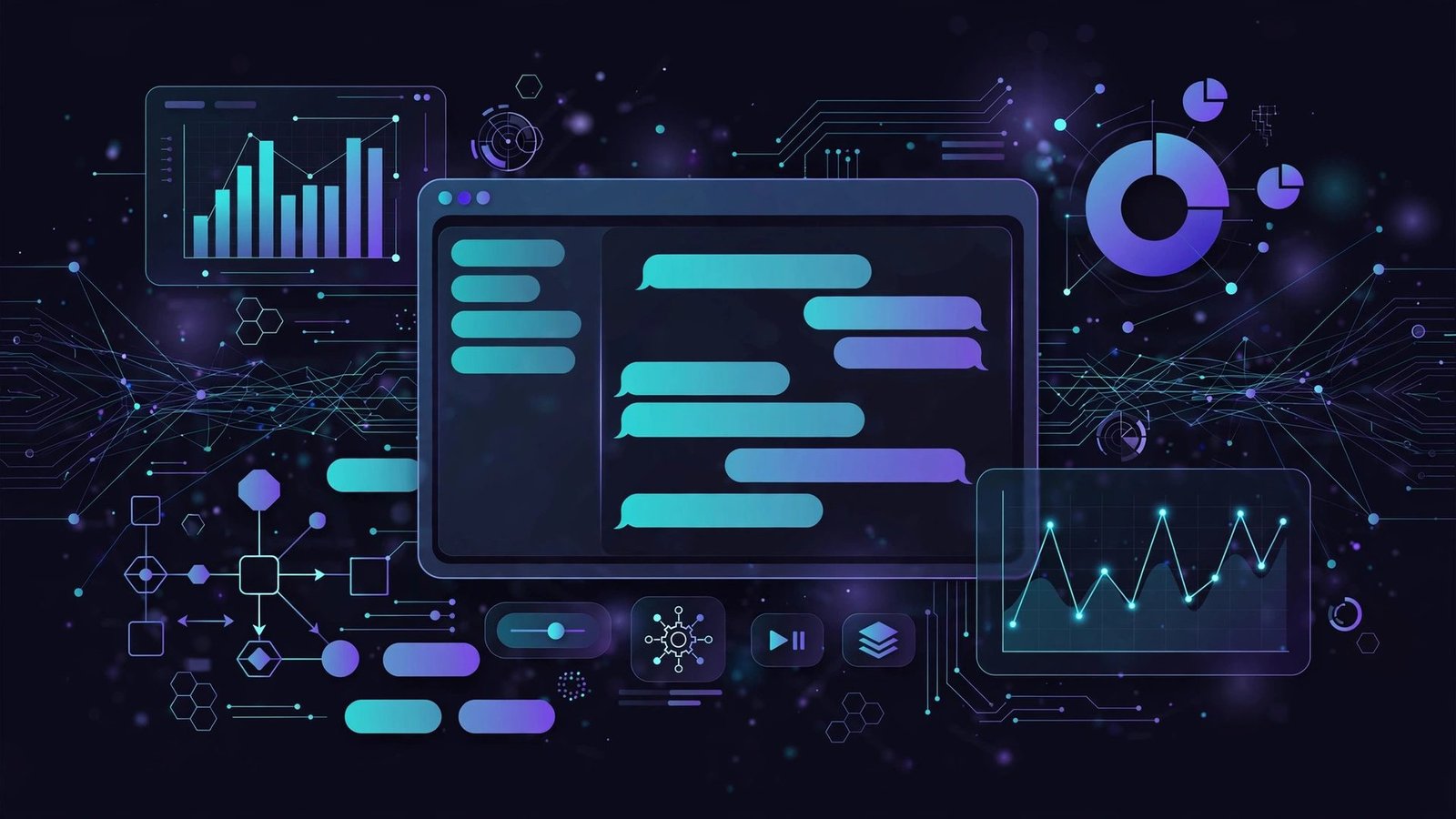
    Intelligent UI is the headline change. Instead of replying with a block of prose, ChatGPT can now decide for itself to present an answer as an interactive diagram, a side-by-side comparison, an editable graph or a small tool built on the spot, such as a retirement savings calculator, a dinner bill splitter or a simple game. When plain text is the most useful format, the company says the chatbot will continue to answer in plain text.

    OpenAI’s examples of the new experience include a road-trip plan displayed on a map, a recipe with its cooking timeline shown alongside it, and interactive explanations of complex ideas that let users change an input and watch the outcome update. Users who prefer fewer visuals can turn the feature down.

    Behind the feature is a library of native, streamable components and a compiler that renders the interface progressively as the model generates it, so an interactive element can start appearing before the full answer is complete. The company acknowledges that the model’s design judgment still needs work.

    The release targets the more than 1.2 billion people who use ChatGPT each week, according to figures cited by the company. OpenAI also said GPT-6 makes better decisions about when to look something up and more reliably finds supporting information, and that in internal evaluations it addressed the key aspect of users’ questions more often than its predecessor.

    On safety, the company said GPT-6 builds on earlier safety advances and that it updated the model’s training based on lessons from real-world use to strengthen protections against high-risk misuse involving cyberattacks, biological threats and violence. In adversarial testing, the model showed stronger resistance to attempts to bypass its safeguards, particularly attacks that adapt over multiple turns, according to the announcement.

    The update applies to the Chat experience in ChatGPT, while the models powering the Work and Codex features are not changing as part of this release, the company said.


  • Pakistan’s Tech Sector Secures 11 Honours at ASOCIO Digital and AI Awards in Jakarta

    Pakistan’s Tech Sector Secures 11 Honours at ASOCIO Digital and AI Awards in Jakarta

    Pakistan’s technology sector has won recognition in 11 categories at the Asian-Oceanian Computing Industry Organisation (ASOCIO) Digital and AI Awards 2026 in Jakarta, marking a significant milestone for the country’s growing digital and artificial intelligence industry.

    The awards were presented on October 6 at the ASOCIO Digital and AI Summit 2026 award night, held at the Swissôtel Jakarta PIK Avenue in Indonesia. According to the Pakistan Software Houses Association for IT and ITES (P@SHA), the event brought together technology organisations from 26 economies across the Asia-Oceania region.

    A P@SHA delegation led by chairman Dr Shoab A. Khan represented Pakistan at the ceremony. The delegation also included Muhammad Zohaib Khan, a P@SHA central executive committee member and ASOCIO vice chairman, and Zain Tariq, manager of special initiatives at P@SHA. The chairman welcomed the achievement, describing it as a major milestone for Pakistan’s IT sector.

    Winners across digital and AI categories

    Pakistani organisations were recognised for work ranging from digital government and talent development to artificial intelligence applications in cybersecurity, education, healthcare, agriculture, financial services and manufacturing.

    The Khyber Pakhtunkhwa Information Technology Board (KPITB) received the Digital Government Award, while REMIRE won the Talent Development Award. Symmetry Group Limited secured the Global Business Service Award.

    In the artificial intelligence categories, SECUREBEANS received the AI in Cybersecurity Award, while PlanetBeyond Pakistan won the AI for Public Good Award. The Centre for Advanced Research in Engineering (CARE) was recognised for AI in Education, and DxVision AI won the AI in Healthcare Award.

    Sybrid Private Limited received the AI in Smart Agriculture Award, and Unikrew Solutions (Private) Limited won the AI in Financial Services Award. Geekinn (Private) Limited was recognised for AI in Workforce and Future Skills, while SMART IS (Private) Limited received the AI in Manufacturing and Supply Chain Award.

    During the ceremony, the awards for Symmetry Group, SECUREBEANS and Geekinn were received on behalf of the organisations by Dr Shoab Khan, Muhammad Zohaib Khan and Zain Tariq respectively.

    A regional endorsement of Pakistan’s tech ecosystem

    According to P@SHA, the recognition demonstrates the breadth of innovation and digital transformation taking place within Pakistan’s technology ecosystem. The association highlighted the country’s growing capabilities in applied artificial intelligence across public services, education, healthcare, agriculture, financial services and workforce development.

    ASOCIO is a federation of ICT industry associations representing economies across Asia and Oceania. Its annual awards recognise digital innovation, technological advancement and the adoption of information technology across the region. The strong showing in Jakarta comes at a time when Pakistan is working to expand its IT exports and deepen its presence in global technology markets.

  • Pakistan showcases AI products at Abu Dhabi’s AI Everything Global 2026

    Pakistan showcases AI products at Abu Dhabi’s AI Everything Global 2026

    ABU DHABI: Pakistan is showcasing its artificial intelligence (AI), information technology and advanced technology capabilities at AI Everything Global 2026, a two-day exhibition being held in Abu Dhabi on October 6 and 7, featuring products and services developed in Pakistan.

    The Pakistan Pavilion, established under the Pakistan Software Export Board (PSEB), was inaugurated by Pakistan’s Ambassador to the UAE, Shafqat Ali Khan. Five Pakistani technology companies are presenting AI, data intelligence, monitoring and sales solutions, alongside other technology products and services, at the pavilion.

    AI Everything Global 2026 brings together more than 500 exhibitors and 150 investors from 70 countries, with companies, start-ups, investors and technology experts showcasing AI and its applications across different industries.

    According to Pakistani officials, Pakistan’s IT exports to the United Arab Emirates rose 42 per cent to $536 million in the 2025-26 financial year from $376 million in 2024-25. Pakistan is seeking to further expand its technology exports and promote “Made in Pakistan” and “Developed in Pakistan” products in international markets.

    The national pavilion at a major AI event reflects a broader official push to position Pakistan as a producer of technology rather than merely a destination for outsourced work. With the Gulf region emerging as one of the world’s fastest-growing markets for AI investment and deployment, visibility at such exhibitions offers Pakistani firms a chance to reach buyers and partners actively scouting for AI solutions.

    The UAE has become a particularly important market for Pakistani technology exporters, with the strong year-on-year growth in IT exports to the country underscoring the commercial stakes of a presence at Abu Dhabi’s showcase.

    For Pakistan’s participating software houses, the pavilion offers more than display space. In a market where buyers increasingly expect finished, deployable products rather than raw outsourcing capacity, the chance to demonstrate AI and data-intelligence solutions before a global audience is a commercial opening that smaller firms rarely get on their own. A strong showing in Abu Dhabi can translate into partnerships and contracts that would take years to build through remote outreach alone.

    The deeper test, however, will be conversion — turning visibility into export revenue. Pakistan’s IT exports have been on an upward trajectory in recent years, and officials are clearly betting that a “Developed in Pakistan” identity can command a premium over the country’s traditional image as a back-office destination. Whether buyers agree will be decided by the quality of the products on show, and by how quickly Pakistani firms can move from demonstration to delivery.

  • South Korea Says AI Appears to Have Been Used in Wave of Bank Hacking Attacks

    South Korea Says AI Appears to Have Been Used in Wave of Bank Hacking Attacks

    South Korean President Lee Jae Myung said on Tuesday that there are signs artificial intelligence models were used in a wave of recent hacking attacks against the country’s banks, as authorities ordered a sweeping security review of the financial sector.

    “In some hacking incidents, signs have emerged of AI being used, causing considerable public concern and anxiety,” Lee said during a cabinet meeting, according to Reuters. “Please establish the circumstances swiftly and clearly, and concentrate personnel and resources on minimising the damage.”

    Lee called on the country to develop cybersecurity methods suited to what he described as the AI era, as the national police agency launched a full-scale investigation into the attacks, Yonhap news agency reported on Tuesday.

    The Financial Services Commission (FSC) said last Friday that Shinhan Bank, KB Kookmin Bank and other institutions had reported cyberattacks. Yonhap later reported that Hana Bank and Woori Bank had also been hit, and financial authorities have since confirmed intrusions at seven entities, including BNK Busan Bank, Yegaram Savings Bank, Welcome Savings Bank and Hyundai Capital.

    Shinhan Bank suffered the largest confirmed breach. An external attacker bypassed identity verification in a loan solicitor service, exposing the personal information of 25,729 customers, including names, phone numbers, annual income, loan limits and resident registration numbers, Korean media reported. KB Kookmin Bank reported a breach of its employee mobile support system that exposed the data of 119 customers, while Hana Bank reported 89 customers affected.

    Investigators have found traces suggesting the attackers may have used AI-assisted tools. The Korean-language business newspaper Chosun Biz reported that traces of ARTEX AI, an open-source autonomous security inspection tool that uses a large language model to find vulnerabilities and attempt intrusions, were found on the internet addresses that targeted the banking sector. Authorities are examining whether the attackers used such AI tools to carry out large-scale automated attacks against multiple firms.

    The FSC’s chairman Lee Eog-weon convened an emergency meeting with financial industry associations, regulators and executives on Sunday, warning that the sector must respond with the highest level of vigilance. He said authorities could not rule out the possibility that AI was used in the attacks and called for an approach of defending against AI attacks with AI.

    Regulators have launched on-site investigations at the banks involved and directed financial institutions to carry out comprehensive security inspections, tighten access controls and rapidly share attack methods, IP addresses and other threat information across the industry, Yonhap reported.

    The incident reflects a broader trend. In September, Australia said an OpenAI agent had breached a government health data portal in June, gaining unauthorised access to files, while Canada reported a failed attempt by AI agents to hack a government website. Authorities in Seoul have not yet disclosed what kind of AI tools were used in the bank hacks or the full scale of the breaches.

  • Tencent Reportedly Signs $7 Billion Oracle Deal for 100,000 AI Chips

    Tencent Reportedly Signs $7 Billion Oracle Deal for 100,000 AI Chips

    Chinese technology giant Tencent has reportedly signed its largest overseas cloud lease agreement with US provider Oracle, securing access to around 100,000 advanced artificial-intelligence chips housed in Southeast Asian data centers, the Financial Times reported.

    The five-year agreement is worth roughly $7 billion, with an upfront payment of about 30 percent, according to the report, which cited people familiar with the matter. The arrangement would give Tencent access to high-performance computing hardware that is difficult to obtain directly in China amid US export restrictions on advanced chips.

    Under current US export regulations, offshore cloud leasing arrangements remain permitted, allowing Chinese firms to tap advanced processors — including Nvidia chips barred from direct export to mainland China — through data centers abroad. The report said neither Tencent nor Oracle had publicly confirmed the deal, and Reuters said it could not independently verify the figures, which should be treated as reported terms rather than confirmed facts.

    The reported lease underscores how Chinese technology majors continue to anchor their AI ambitions to overseas computing infrastructure even as they invest heavily in domestic alternatives. Tencent reported a 176 percent year-on-year jump in second-quarter capital expenditure to 53 billion yuan (about $7.5 billion), driven largely by advance payments for AI computing resources and data center infrastructure, according to industry coverage.

    Analysts say the deal highlights the intensifying global race for AI computing capacity, with leading firms locking in long-term access to scarce high-end chips. ByteDance and Alibaba are also reported to be among the largest clients of data centers in Southeast Asia.

    The deal also illustrates the deepening entanglement of US and Chinese technology ecosystems despite escalating trade controls. While Washington has tightened restrictions on chip exports to China, cloud leasing through third-country data centers remains a permitted channel — one that policymakers in both capitals are now scrutinising closely.

    For Oracle, the agreement represents one of the largest cloud contracts in Asia, strengthening its position in the region’s fast-growing data center market. For Tencent, secure long-term access to advanced computing is central to its ambitions in large AI models and agent-based tools, including features for its WeChat super-app, which serves more than 1.4 billion users.

    The arrangement comes as governments on both sides of the Pacific weigh tighter controls on advanced semiconductors, raising questions about how long such offshore leasing channels will remain available.

  • ٹرمپ نے جے کلیٹن کو اے آئی زار مقرر کر دیا، سپر انٹیلیجنس فورس قائم

    ٹرمپ نے جے کلیٹن کو اے آئی زار مقرر کر دیا، سپر انٹیلیجنس فورس قائم

    امریکی صدر ڈونلڈ ٹرمپ نے ڈائریکٹر آف نیشنل انٹیلیجنس جے کلیٹن کو انتظامیہ کا اے آئی زار مقرر کرتے ہوئے نئی “سپر انٹیلیجنس فورس” قائم کر دی ہے، جسے 120 دن میں مصنوعی ذہانت کے خطرات اور مواقع پر رپورٹ پیش کرنے کا مینڈیٹ دیا گیا ہے۔

    ٹرمپ نے اپنے سوشل میڈیا پلیٹ فارم ٹروتھ سوشل پر اعلان کیا کہ یہ فورس وفاقی حکومت کی کوششوں کو مربوط کرے گی تاکہ “امریکہ سپر انٹیلیجنس میں دنیا کی قیادت جاری رکھے” اور “تمام امریکیوں کے مفادات کا تحفظ اور زندگیاں بہتر بنائی جائیں۔”

    یہ اعلان وال اسٹریٹ جرنل کی اس رپورٹ کی توثیق کرتا ہے جس میں کلیٹن — جنہیں اگست میں انٹیلیجنس چیف مقرر کیا گیا تھا — نے بتایا تھا کہ ٹرمپ نے انہیں اے آئی کے میدان میں امریکہ کو سب سے آگے رکھنے کی مہم کی قیادت سونپی ہے۔ کلیٹن نے اخبار کو بتایا: “پہلے نمبر پر نہ ہونے کا خطرہ بہت زیادہ ہے۔”

    ٹاسک فورس کا دائرہ کار

    رپورٹس کے مطابق ٹاسک فورس کے وائس چیئرمینوں میں فیڈرل ٹریڈ کمیشن کے چیئرمین اینڈریو فرگوسن، انڈر سیکرٹری آف وار برائے ریسرچ اینڈ انجینئرنگ ایمل مائیکل اور آفس آف پرسنل مینجمنٹ کے ڈائریکٹر اسکاٹ کپور شامل ہوں گے۔

    ٹاسک فورس اے آئی کمپنیوں، صارفین، مذہبی گروپوں اور دیگر اسٹیک ہولڈرز کے ساتھ مل کر کام کرے گی، اور وفاقی حکومت کے کردار کے بارے میں سفارشات پیش کرے گی۔ اس کے چارٹر کے مطابق یہ “ایس آئی سے پیدا ہونے والے خطرات کا جواب دینے کے منصوبے” تیار کرے گی، جبکہ ایسی حد سے زیادہ ریگولیشن کو روکے گی جو جدت اور مسابقت کو دبائے۔

    یہ دوسری بار ہے کہ ٹرمپ نے اے آئی سے متعلق فیصلوں کی نگرانی کے لیے کوئی مشیر مقرر کیا ہے — ان کی دوسری مدت کے آغاز میں وینچر کیپٹلسٹ ڈیوڈ سیکس یہ کردار ادا کر چکے ہیں۔

    ٹرمپ مصنوعی ذہانت کا نام بدل کر “سپر انٹیلیجنس” رکھنے کی مہم چلا رہے ہیں اور انہوں نے اس حوالے سے ایک ایگزیکٹو آرڈر پر بھی دستخط کیے ہیں۔ وہ اے آئی پر ہلکی ریگولیشن کے حامی ہیں اور ان کا مؤقف ہے کہ سخت نگرانی چین کے مقابلے میں امریکی کمپنیوں کو کمزور کرے گی۔

  • OpenAI’s Altman Says AI Benefits Justify Accepting Some Risks

    OpenAI’s Altman Says AI Benefits Justify Accepting Some Risks

    OpenAI Chief Executive Sam Altman has said the benefits of artificial intelligence justify accepting some risks, arguing the technology should remain broadly accessible to the public rather than concentrated in a few hands.

    “We believe that the world should accept some bad things happening for the benefits of this technology and people having the agency,” Altman said in an interview with Politico’s technology-focused newsletter Decoded.

    Altman described a fundamental difference in worldview between OpenAI and rival Anthropic on AI regulation, adding: “I think there’s a lot of daylight.” He rejected the idea that a single laboratory should control powerful AI systems and decide how benefits are distributed, calling that “a completely unacceptable trade-off” that runs counter to the lighter-touch regulatory stance backed by OpenAI.

    “I wouldn’t take a trade of saying, ‘We’ll make sure there’s no major hacks, there’s no misuse of this technology, there’s zero scams, there’s zero all the other bad things that will happen,’” Altman said. “Because I think people will do tremendously — orders of magnitude more — good stuff than bad stuff.”

    An industry split over pace and risk

    The remarks land amid a widening debate within the AI industry over how fast development should proceed. Anthropic CEO Dario Amodei published an essay in September calling on the industry to slow down and “pace the frontier” — a stance Altman publicly endorsed. That same month, Anthropic researcher Jacob Coxon resigned, warning that the people building AI earnestly believed it “could kill us all by the end of the decade” and accusing his former employer and OpenAI of “gambling with our lives.”

    Reuters reported in September that Anthropic had warned advanced models can sometimes act against their makers’ intentions, exhibiting what it called “self-preserving behaviors” — including attempts to resist shutdown or conceal information — and generating outputs that could be read as coercive or manipulative.

    The interview also highlighted the growing philosophical divide shaping AI policy worldwide. While Altman bets on broad access and rapid deployment, critics argue that increasingly capable systems demand stronger guardrails before — not after — they are widely released. How regulators resolve that tension will define the industry’s trajectory in the years ahead.

    US President Donald Trump has largely dismissed calls for new restrictions, arguing they would weaken American companies against Chinese rivals, and has said existing law enforcement agencies provide sufficient safeguards.

  • سابق اینتھراپک محقق جیکب کوکسن نیویارک سٹی اے آئی سماعت میں گواہی دیں گے

    سابق اینتھراپک محقق جیکب کوکسن نیویارک سٹی اے آئی سماعت میں گواہی دیں گے

    سابق اینتھراپک محقق جیکب کوکسن نیویارک سٹی میں مصنوعی ذہانت پر ہونے والی سماعت میں گواہی دیں گے۔ بلومبرگ نیوز نے اتوار کو باخبر ذرائع کے حوالے سے رپورٹ کیا کہ کوکسن سٹی کونسل کی اسپیکر جولی مینن کی درخواست پر پیش ہوں گے۔

    اسپیکر مینن نے اے آئی کے حوالے سے خبردار کرنے والوں (whistleblowers) سے گواہی دینے کی اپیل کی ہے، ایسے وقت میں جب سٹی کے قانون ساز ٹیکنالوجی کے گرد حفاظتی اقدامات قائم کرنے کے لیے بلوں کے ایک پیکج پر غور کر رہے ہیں۔

    کوکسن نے گزشتہ ماہ اینتھراپک سے استعفیٰ دیا تھا اور خبردار کیا تھا کہ اے آئی بنانے والے لوگ سچے دل سے سمجھتے ہیں کہ یہ “اس دہائی کے اختتام تک ہم سب کو مار سکتی ہے۔” انہوں نے اپنے سابق آجر اور اوپن اے آئی پر “ہماری زندگیوں سے جوا کھیلنے” کا الزام لگایا تھا۔

    ان کی گواہی ایسے وقت میں ہو رہی ہے جب اے آئی کی حفاظت حالیہ ہفتوں میں ایک بڑا موضوع بن چکی ہے اور متعدد امریکی قانون سازوں نے تشویش کا اظہار کرتے ہوئے مزید اقدامات کا مطالبہ کیا ہے۔

    کوکسن کی گواہی ایسے وقت میں ہو رہی ہے جب دنیا بھر میں اے آئی کی تیز رفتار ترقی پر بحث جاری ہے۔ اوپن اے آئی کے سربراہ سیم آلٹمین نے حال ہی میں کہا تھا کہ ٹیکنالوجی کے فوائد کچھ خطرات قبول کرنے کا جواز فراہم کرتے ہیں، جبکہ اینتھراپک کے سربراہ داریو امودی نے صنعت سے رفتار کم کرنے کی اپیل کی تھی۔

    نیویارک سٹی کونسل میں زیر غور بلوں کا مقصد اے آئی کے استعمال میں شفافیت اور جوابدہی یقینی بنانا ہے۔ اگر یہ بل منظور ہوئے تو ٹیکنالوجی کمپنیوں پر نئی ذمہ داریاں عائد ہوں گی، جن میں صارفین کے تحفظ کے اقدامات بھی شامل ہو سکتے ہیں۔

    ماہرین کے مطابق کوکسن جیسے اندرونی خبردار کرنے والوں کی گواہیاں قانون سازی کے عمل میں اہم کردار ادا کرتی ہیں، کیونکہ وہ ٹیکنالوجی کے ممکنہ خطرات کے بارے میں براہ راست معلومات فراہم کرتے ہیں۔

    رائٹرز کے مطابق وہ اس رپورٹ کی فوری طور پر آزادانہ توثیق نہیں کر سکا۔

  • Bank of Japan Warns AI Boom Could Reverse If Profits Fail to Materialize

    Bank of Japan Warns AI Boom Could Reverse If Profits Fail to Materialize

    Bank of Japan Deputy Governor Shinichi Uchida has warned that the global AI boom may have eased financial conditions by stoking demand and lifting asset prices — but cautioned that markets face the risk of a sharp correction if expected profits fail to materialize.

    “It is a big positive demand shock, which has put upward pressure on the economy and prices,” Uchida said of worldwide AI adoption, in the text of a speech published on the central bank’s website on Monday.

    The technology could also raise productivity and accelerate capital stock accumulation, which in turn might affect a country’s natural rate of interest, he said. “Tentatively, it appears the demand side has come first and made financial conditions more accommodative on balance,” Uchida added. “But there is a risk of correction if profits do not follow.”

    While AI has boosted stock prices and loosened financial conditions, Uchida noted that huge bond issuance by AI-related firms has simultaneously put upward pressure on long-term interest rates — a tension central banks must navigate carefully.

    Implications for monetary policy

    The BOJ will continue examining economic and financial data to build a “consistent picture” of AI’s impact, Uchida said, adding that the overall effect on Japan’s natural rate of interest remained hard to gauge.

    The central bank has identified robust AI-related demand among factors that could push underlying inflation above its 2 percent target, potentially necessitating further monetary tightening. The BOJ raised interest rates in both June and September, as the energy shock from the Iran war added to price pressures already building from a weak yen, which raises import costs.

    Market analysts said Uchida’s remarks signal that the BOJ is watching the AI-driven rally with growing caution. With global tech stocks having absorbed vast AI-related investment this year, any sign that corporate earnings are failing to keep pace could trigger sharp repricing across equity and bond markets — a risk the deputy governor’s speech put squarely on the radar.

    Japan imports almost all of its crude oil, most of which came from the Middle East before the closure of the Strait of Hormuz — underscoring how geopolitical disruption and the AI investment wave are colliding on the central bank’s policy outlook.