Category: National News

Pakistan national news — top stories from across the country. قومی خبریں۔

  • One Constitution victims paid in 2 days, hotel plan set

    One Constitution victims paid in 2 days, hotel plan set

    Victims of One Constitution Avenue in Islamabad will receive their compensation claims within two days, Federal Minister for Planning Ahsan Iqbal has said, as the government moved on two fronts over the troubled building: relief for those affected, and a new future for the structure itself.

    Iqbal said the federal government would ensure compensation for the victims, and that a committee formed by the federal cabinet had taken up the matter. He said he would supervise the committee himself, with the chairman of the Capital Development Authority providing a survey of the affected people so that payments can be made swiftly.

    He also announced action against officials held responsible. Three officers have been dismissed and nine suspended, Iqbal said, while a criminal case has been referred to the Federal Investigation Agency, with an investigation now under way. The steps signal that the government intends to pair compensation with accountability.

    Separately, Interior Minister Mohsin Naqvi visited One Constitution Avenue and chaired a meeting at the Capital Development Authority, where he announced that the building would be converted into a five-star hotel. He directed the CDA chairman, Muhammad Ali Randhawa, to remove obstacles to the conversion and to submit a plan for the project.

    During the visit, the CDA chairman briefed the meeting on progress so far. Naqvi also raised compensation for flat owners during the meeting, underlining that the residents caught up in the building’s troubles remain at the centre of the government’s response.

    The two announcements, from two different ministers and forums, address different sides of the same long-running matter. Iqbal’s statement focuses on the victims, the committee, the two-day payment pledge and the disciplinary and criminal proceedings. Naqvi’s visit focuses on what happens to the building next, with the hotel conversion presented as a way to put the site to new use.

    For the affected flat owners, the immediate question is whether the two-day pledge is met in practice. The committee’s survey of affected people will be central to that, since payments can only be processed once the list of claimants is settled. Residents and observers will be watching the coming days closely for evidence that the money is reaching those entitled to it.

    The hotel plan, meanwhile, raises its own questions about timelines, financing and the legal steps still required before conversion work can begin. Naqvi’s direction to the CDA chairman to prepare a plan suggests those details are still to be worked out, even as the headline decision has now been announced.

    Together, the announcements mark a significant moment for a building that has been a source of dispute and distress for its residents. Compensation within days, action against officials, a criminal investigation and a new plan for the site all point to an effort to close one chapter and open another, though the test will lie in delivery rather than declaration.

  • ECP deploys 17 officers to watch Islamabad’s local polls

    ECP deploys 17 officers to watch Islamabad’s local polls

    The Election Commission of Pakistan has appointed 17 officers to monitor the Islamabad local government elections, putting a formal monitoring structure in place ahead of polling on 20 December.

    Additional Deputy Commissioner Uzair Ali Khan has been appointed as District Monitoring Officer, with 16 monitoring officers working under the arrangement. Together, they will cover the pre-poll period, election day itself, and the post-poll phase, giving the Commission eyes on the ground through every stage of the contest.

    The monitoring officers will collect information on campaign activities and report violations of the code of conduct on Form M-1. The District Monitoring Officer will record complaints on Form M-2 and submit daily reports to the Election Commission, creating a regular flow of information from the field to the Commission.

    Local administration has also been directed to appoint a focal person of Grade 17 or above, to coordinate with the monitoring setup. That appointment is intended to make sure the monitoring officers have a clear point of contact within the local administration for the work they are asked to do.

    The appointments follow a nomination process that drew only 39 candidates for 125 union councils, out of 1,012 candidates who had obtained nomination papers. The Election Commission, quoted in reporting on the nominations, attributed the low participation to the powers and funds available to local bodies, and had extended the nomination deadline to 4 November.

    Against that background, the monitoring appointments take on added importance. With fewer candidates contesting, the conduct of the campaign and the polling process itself will be watched closely, and the Commission’s monitoring officers are the mechanism for that oversight.

    Islamabad’s local government elections matter because they decide who runs civic affairs in the capital’s union councils, from local services to community-level decisions. Even where contests are thin, the process of electing those representatives is a formal part of local democracy, and the Commission is responsible for ensuring it is conducted fairly.

    The named monitoring officers include Anjum Hayat, Abdul Razzaq, Shahid Hussain, Usman Rashid, Shaoor Ahmed, Shabbir Hussain Sandhu, Arif Ali, Azizur Rehman and Nisar Muhammad Khan, each assigned specific union councils. Their assignments give the monitoring structure a defined geographic spread across the capital.

    With polling set for 20 December, the monitoring team now has the weeks ahead to track campaigning, record any violations, and report back to the Commission. Their daily reports will form part of the record on which the Commission judges whether the elections were conducted in line with its code of conduct.

  • CDA gives JUI-F aide 15 days to clear encroachments

    CDA gives JUI-F aide 15 days to clear encroachments

    The Capital Development Authority (CDA) has given a 15-day deadline to Amanullah, described as a close aide of Jamiat Ulema-e-Islam-Fazl (JUI-F) chief Maulana Fazlur Rehman, to remove encroachments outside his residence in Islamabad.

    The encroachments are outside a residence in the G-6/4 sector of the capital. The CDA’s latest notice gives Amanullah 15 days to clear them, according to reports of the authority’s action on Wednesday.

    The matter is not a new one. The CDA had previously directed him on 18 March 2019 to remove the encroachments, the reports say, which means the issue has been outstanding for more than seven years before the latest deadline was set.

    Encroachments outside homes and on public land are a long-running problem in Islamabad, where the civic authority is responsible for keeping streets, footpaths and public spaces clear. Residents and civic bodies frequently disagree over where private use of space ends and public land begins, and enforcement drives tend to follow complaints or surveys by the authority.

    The CDA is the civic body that administers the federal capital, and it has the power to issue notices and take action against unauthorised structures and occupation of public land. In this case, the reports do not state what action the authority will take if the encroachments are not removed within the 15-day period, and this report does not speculate about any such step.

    The involvement of a person described as close to a senior political leader gives the case a political dimension, but the notice itself is presented as a civic enforcement matter concerning encroachments at a specific property. The reports do not quote Amanullah or the CDA directly.

    Whether the deadline leads to the encroachments being cleared voluntarily will become clear over the next two weeks. If they are removed, the long-standing file on this property can be closed. If they are not, the next move will rest with the CDA, which will have to decide how to enforce its own notice.

    For residents of the sector, the outcome matters in practical terms: encroachments on streets and public spaces affect access, parking and the general condition of a neighbourhood. Civic enforcement, when it is applied consistently, is one of the ways a city authority keeps those shared spaces usable for everyone.

    The CDA regularly issues such notices across Islamabad as part of its anti-encroachment work. This latest deadline is one more example of that continuing effort, and its progress will be watched to see whether a file open since 2019 is finally resolved.

  • Naqvi inspects Kashmir underpass built in record 27 days

    Naqvi inspects Kashmir underpass built in record 27 days

    Federal Interior Minister Syed Mohsin Naqvi has visited the site of the Kashmir Underpass project at Kashmir Chowk in Islamabad, where he reviewed the construction work under way and inspected the progress made so far. The visit, reported on 4 November, came as the project reached its final stage, with the underpass ready to be opened to traffic.

    During the visit, the minister was accompanied by Capital Development Authority Chairman Muhammad Ali Randhawa, the chief commissioner of Islamabad and other officials. Together, they went over the work completed at the site and looked at what still remained to be done before the underpass could be brought into regular use.

    Naqvi directed the project team to complete the remaining work at the earliest. His message was clear: with the main construction finished, no time should be lost in carrying out the final tasks so that the underpass can open without further delay. The instruction reflects the pace at which the project has been pursued from the outset, and the attention now being paid to its completion.

    According to the report, the underpass was completed in a record 27 days. That short construction period is the standout feature of the project, setting it apart from infrastructure works that often take far longer to finish. The speed of the work has been presented as a key achievement, and the minister’s visit served as a final check on a project delivered within that unusually tight timeframe.

    The underpass was expected to open to traffic the following day, on 5 November. For people who travel through Kashmir Chowk, the opening marks the point at which the project moves from a construction site to a working part of the city’s road network. The final inspection therefore carried real practical importance, as any outstanding work had to be identified and finished before vehicles began using the route.

    Visits of this kind are a familiar part of how major city projects are completed, with senior officials reviewing progress on the ground rather than relying only on written updates. In this case, the presence of the CDA chairman and the chief commissioner alongside the minister underlined that the project involved more than one part of the city’s administration, and that its final stage was being watched at the highest level.

    The minister’s direction to finish the remaining work at the earliest leaves little doubt about the priority attached to the project. With the underpass built in 27 days and its opening expected the next day, the focus now shifts from construction to completion, and from completion to the day-to-day use of a new underpass at one of Islamabad’s well-known junctions.

  • Govt, JI resume talks on cutting petroleum levy

    Govt, JI resume talks on cutting petroleum levy

    The government and Jamaat-e-Islami resumed negotiations in Islamabad on Tuesday over the petroleum levy, with the party pressing for substantial relief for the public and a gradual withdrawal of the levy. The talks were held at the office of Deputy Prime Minister and Foreign Minister Ishaq Dar, at the Ministry of Foreign Affairs.

    The Jamaat-e-Islami team consisted of Liaquat Baloch, Syed Farasat Shah and Engineer Nasrullah Randhawa. The government side was represented by Ishaq Dar, Ahsan Iqbal and Rana Sanaullah. Together, the two sides form a six-member joint committee working on the issue.

    The petroleum levy is a tax charged on fuel, and it feeds directly into the prices people pay at the pump. Because fuel prices affect transport costs, food prices and the cost of running businesses, any change in the levy is felt far beyond petrol stations. That is why the levy has become a central point of contention between the government, which relies on the revenue, and opposition parties, which argue that it places an unfair burden on ordinary households.

    According to 24 News HD, the talks covered a phased reduction of the levy and extending fuel relief to low- and middle-income households. The idea of a phased approach is significant: rather than removing the levy all at once, which would leave a sudden gap in government revenue, the two sides are discussing a step-by-step reduction that would give households relief while allowing the government to adjust its finances.

    Jamaat-e-Islami has linked the talks to a wider set of demands on energy tariffs and fuel taxes. Liaquat Baloch warned, according to 24 News HD, that the party would proceed with a planned long march from Multan to Islamabad in mid-November if its demands are not accepted. The warning gives the negotiations a clear deadline and raises the political stakes for both sides.

    The government, for its part, faces a difficult balance. Fuel taxes and levies are an important source of revenue at a time when public finances remain under pressure. At the same time, high fuel prices are deeply unpopular, and the government will be aware that continued pressure on household budgets can quickly turn into wider political discontent.

    The resumption of talks suggests that both sides see value in keeping the negotiation channel open. For Jamaat-e-Islami, the talks offer a chance to secure tangible relief for its supporters and for the wider public. For the government, they offer a way to manage a sensitive issue without an immediate confrontation on the streets.

    What happens next will depend on whether the two sides can agree on the pace and scale of any reduction. A phased cut that brings real relief to low- and middle-income households could defuse the immediate tension. If the talks stall, the party’s planned long march in mid-November could become the next flashpoint in the dispute over fuel prices.

  • پاک چین تعاون بڑھانے پر اتفاق، شہباز کی چینی سفیر سے ملاقات

    پاک چین تعاون بڑھانے پر اتفاق، شہباز کی چینی سفیر سے ملاقات

    وزیراعظم شہباز شریف نے اسلام آباد میں چین کے سفیر جیانگ زیڈونگ سے ملاقات کی ہے، جس میں دونوں ممالک کے درمیان تعاون کو مزید بڑھانے پر اتفاق کیا گیا۔ ملاقات میں تجارت، سرمایہ کاری، توانائی، بنیادی ڈھانچے اور چین پاکستان اقتصادی راہداری یعنی سی پیک کے شعبوں میں تعاون پر بات چیت ہوئی۔

    ملاقات کے دوران دونوں فریقین نے پاکستان اور چین کی اسٹریٹجک شراکت داری کی توثیق کی۔ وزیراعظم نے چین کی جانب سے پاکستان کے لیے حمایت پر شکریہ ادا کیا، جبکہ چینی سفیر نے بیجنگ کی جانب سے تعاون کو مزید آگے بڑھانے کے عزم کا اظہار کیا۔ اس طرح کی ملاقاتوں میں دونوں ممالک عام طور پر باہمی اعتماد اور طویل مدتی تعاون کے پیغام کو دہراتے ہیں۔

    سی پیک پاکستان اور چین کے تعاون کا ایک مرکزی منصوبہ ہے، جس کے تحت توانائی، سڑکوں، بندرگاہوں اور صنعتی شعبوں میں منصوبے شامل ہیں۔ پاکستان کے لیے ان منصوبوں کی اہمیت یہ ہے کہ وہ بنیادی ڈھانچے کی بہتری، روزگار اور معاشی سرگرمیوں سے جڑے ہوئے ہیں۔ اسی لیے اعلیٰ سطح کی ملاقاتوں میں سی پیک کا ذکر باقاعدگی سے ہوتا ہے اور اس کی پیش رفت پر بات چیت کی جاتی ہے۔

    تجارت اور سرمایہ کاری بھی اس ملاقات کا ایک اہم موضوع رہے۔ پاکستان چین کے ساتھ اپنی تجارت کو بڑھانا چاہتا ہے اور چینی سرمایہ کاری کو اپنی معیشت کے لیے اہم سمجھتا ہے۔ توانائی کا شعبہ بھی اسی سلسلے میں اہم ہے، کیونکہ بجلی کی پیداوار اور ترسیل میں بہتری معاشی سرگرمیوں اور عام لوگوں کی زندگی دونوں پر اثر ڈالتی ہے۔

    پاکستان اور چین کے تعلقات کئی دہائیوں پر محیط ہیں اور دونوں ممالک ایک دوسرے کو قریبی دوست قرار دیتے ہیں۔ علاقائی اور عالمی سطح پر بھی دونوں کے درمیان رابطہ رہتا ہے، اور اعلیٰ سطح کی ملاقاتیں اس تعلق کو برقرار رکھنے کا ایک ذریعہ ہیں۔ سفیر کی سطح پر ہونے والی ملاقاتیں بھی اسی سلسلے کی کڑی ہوتی ہیں، جن میں عملی تعاون کے معاملات پر بات ہوتی ہے۔

    اس ملاقات کا پیغام یہ ہے کہ دونوں ممالک اپنے تعاون کو صرف موجودہ منصوبوں تک محدود نہیں رکھنا چاہتے، بلکہ اسے نئے شعبوں تک بڑھانا چاہتے ہیں۔ سرمایہ کاری، توانائی اور بنیادی ڈھانچے میں تعاون کا مطلب یہ ہے کہ آنے والے وقت میں مشترکہ منصوبوں پر مزید کام ہو سکتا ہے، بشرطیکہ ان منصوبوں کی عملی پیش رفت بھی اسی رفتار سے جاری رہے۔

    عام لوگوں کے لیے اس طرح کی ملاقاتوں کی اہمیت بالواسطہ مگر حقیقی ہوتی ہے۔ اگر تجارت اور سرمایہ کاری بڑھتی ہے تو روزگار کے مواقع پیدا ہو سکتے ہیں، اور اگر توانائی اور بنیادی ڈھانچے میں بہتری آتی ہے تو اس کا فائدہ کاروبار اور گھریلو زندگی دونوں کو پہنچتا ہے۔ اس لیے اعلیٰ سطح کے اتفاق کو اصل کامیابی اس وقت سمجھا جائے گا جب وہ زمین پر نظر آنے والے منصوبوں میں تبدیل ہو۔

  • 187 officers nominated for 48th mid-career course

    187 officers nominated for 48th mid-career course

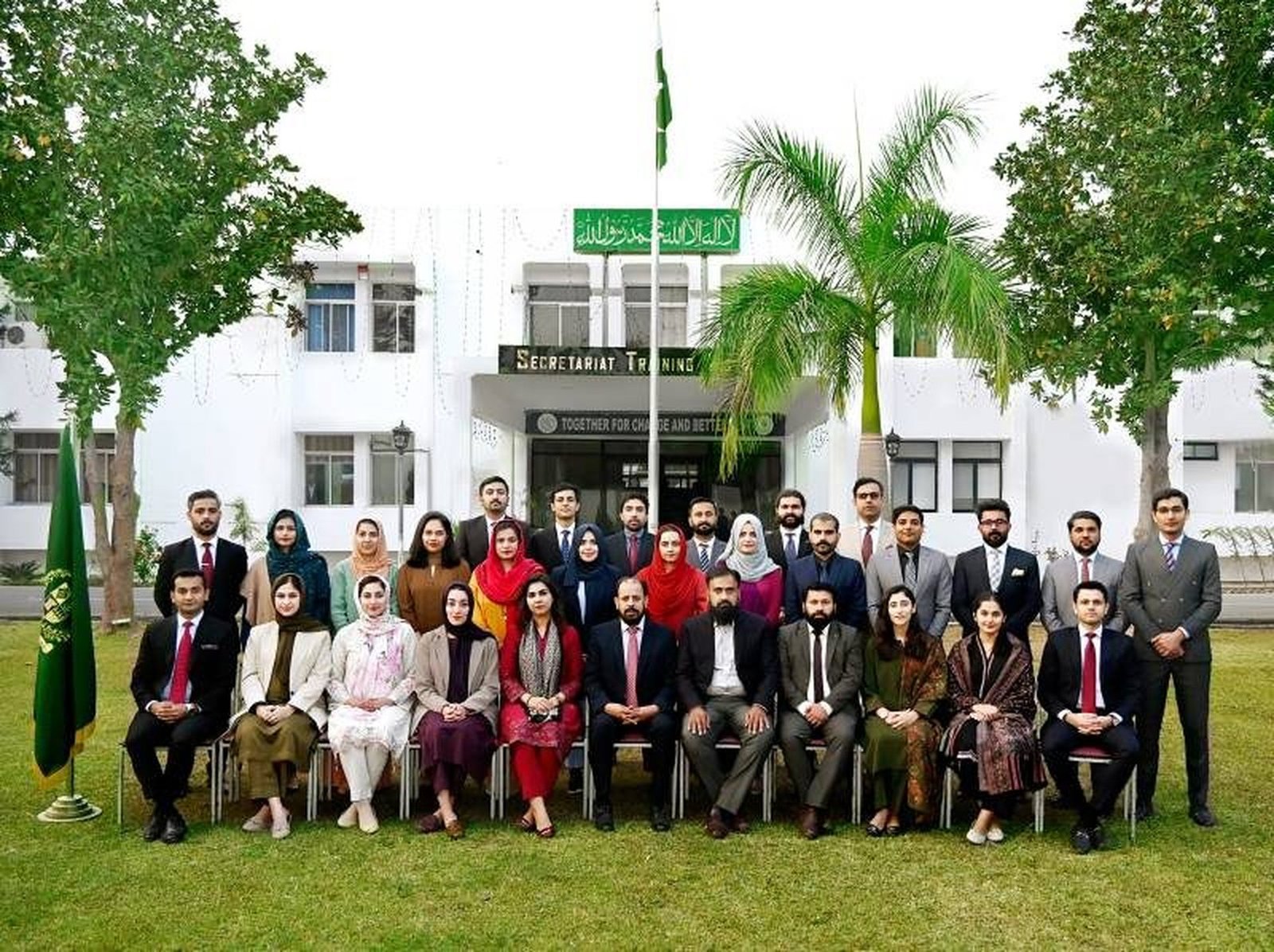
    The Establishment Division in Islamabad has nominated 187 officers for the 48th Mid-Career Management Course, a training programme for civil servants at the middle stage of their careers. The nominations cover officers drawn from several service groups, reflecting the broad reach of the course across the federal bureaucracy.

    Among the 187 officers, 38 belong to the Establishment Division itself. The remaining nominations come from the Pakistan Administrative Service, the Police Service of Pakistan, the Secretariat Group and other groups, bringing together officers whose day-to-day work spans administration, policing and the running of government offices.

    The training will be held at the National Institutes of Management in Islamabad and Karachi, with the course starting on 24 November. Splitting a large cohort between two institutes is a practical arrangement, allowing the programme to run for a sizeable group of officers without overloading a single campus.

    Mid-career courses occupy an important place in the career path of a civil servant. By the time officers reach this stage, they have usually spent years handling field postings, office assignments or operational duties, and they carry practical experience of how government works on the ground. A structured course at this point gives them a chance to step back, compare experiences with colleagues from other services, and prepare for more senior responsibilities.

    The mix of services in a single cohort is part of the point. An officer from the administrative service, a police officer and a secretariat officer may approach the same problem very differently, shaped by the institutions they serve. Bringing them into the same classroom encourages a shared understanding of how decisions in one part of government affect the others, which matters when policies must be carried out across departments.

    The National Institutes of Management have long served as the venue for this kind of training. Their role is to provide a setting away from daily office pressures where officers can focus on management, policy and leadership, and where discussion with peers becomes as valuable as formal instruction.

    For the officers nominated, the course also marks a milestone. Nomination for a mid-career programme is a sign of progression in service, and completion of such training is generally seen as part of preparation for higher roles. It is a stage where officers are expected to move from handling individual assignments to thinking about institutions, teams and longer-term outcomes.

    The inclusion of 38 officers from the Establishment Division itself is notable, since the division is the very body that oversees civil service matters, including nominations and training. Their presence alongside colleagues from other groups underlines that the course is intended for the service as a whole, not for any single cadre.

    As the 24 November start date approaches, the nominated officers will be preparing to take time away from their postings for the programme. For the institutes in Islamabad and Karachi, the task will be to turn a diverse cohort of 187 officers into a group that returns to its departments with fresh perspective and a wider professional network.

  • جناح میڈیکل کمپلیکس: 403 بستر، 23 مارچ 2027 تک فعال

    جناح میڈیکل کمپلیکس: 403 بستر، 23 مارچ 2027 تک فعال

    وزیراعظم شہباز شریف نے ہدایت کی ہے کہ اسلام آباد میں زیر تعمیر 403 بستروں پر مشتمل جناح میڈیکل اینڈ ریسرچ سینٹر کی تعمیر بروقت مکمل کی جائے اور اسے 23 مارچ 2027 تک فعال کر دیا جائے۔ اس سلسلے میں وزیراعظم کی زیر صدارت جناح میڈیکل کمپلیکس منصوبے کا جائزہ اجلاس منعقد ہوا، جس میں تعمیراتی کام اور طبی سہولتوں پر تفصیلی بریفنگ دی گئی۔

    اجلاس میں بتایا گیا کہ جناح میڈیکل اینڈ ریسرچ سینٹر فیز ون کی مجموعی تعمیر کا 59 فیصد کام مکمل ہو چکا ہے۔ مرکزی اسپتال کی عمارت اور پارکنگ پلازہ کا بنیادی ڈھانچہ تیار ہو چکا ہے، جبکہ طبی آلات کی تنصیب، اسپتال کے ڈیجیٹل نظام اور انتظامی انتظامات پر بھی کام جاری ہے۔ وزیراعظم نے تعمیراتی پیش رفت پر اطمینان کا اظہار کیا اور تمام اہداف مقررہ مدت میں پورے کرنے کی ہدایت کی۔

    وزیراعظم نے کہا کہ یہ میڈیکل کمپلیکس بین الاقوامی معیار کی صحت کی سہولتیں فراہم کرے گا، خاص طور پر اسلام آباد، خیبر پختونخوا، آزاد جموں و کشمیر اور گلگت بلتستان کے مریضوں کے لیے۔ ان علاقوں سے بڑی تعداد میں مریض علاج کے لیے اسلام آباد آتے ہیں، اور ایک جدید اسپتال ان کے لیے بڑی سہولت ہوگا۔

    اجلاس میں وزیراعظم نے ہدایت کی کہ میڈیکل کمپلیکس میں تمام تقرریاں شفاف طریقے سے اور مکمل طور پر میرٹ پر کی جائیں، تاکہ اہل طبی عملہ اور انتظامی افسران بھرتی ہو سکیں۔ انہوں نے یہ بھی کہا کہ کمپلیکس کو چلانے کے لیے کسی نجی ادارے کی خدمات حاصل کی جائیں، تاکہ عالمی معیار کا علاج اور انتظام یقینی بنایا جا سکے۔

    جدید تشخیصی سہولتوں کو بھی اجلاس میں خاص اہمیت دی گئی۔ وزیراعظم نے کہا کہ پی ای ٹی اسکین سمیت جدید تشخیصی سہولتیں منصوبے کا لازمی حصہ ہونی چاہئیں، اور یہ سہولتیں کم اور درمیانی آمدنی والے طبقات تک بھی پہنچنی چاہئیں تاکہ جدید طبی ٹیکنالوجی صرف امیر مریضوں تک محدود نہ رہے۔

    حکام نے وزیراعظم کو جدید تشخیصی مشینری، اسکینرز اور دیگر طبی آلات کی خریداری کی کوششوں سے بھی آگاہ کیا۔ اس کے ساتھ ساتھ فیز ٹو کے بارے میں بتایا گیا کہ اسلام آباد کے سیکٹر ایچ الیون میں نظرثانی شدہ ڈیزائن کے تحت قومی مسابقتی بولی کا عمل شروع کر دیا گیا ہے، اور دوسرے مرحلے کی تعمیر جلد شروع ہونے کی توقع ہے۔

    اجلاس میں وفاقی وزیر منصوبہ بندی احسن اقبال، وزیر احد خان چیمہ، وزیر صحت سید مصطفیٰ کمال اور طارق فضل چوہدری سمیت دیگر اعلیٰ حکام نے شرکت کی۔ منصوبے کی تکمیل کے لیے تمام متعلقہ اداروں کے درمیان رابطے اور رفتار کو برقرار رکھنا اب اصل امتحان ہوگا۔

    اسلام آباد میں گزشتہ دو دہائیوں کے دوران کوئی نیا بڑا سرکاری اسپتال قائم نہیں ہوا، اس لیے جناح میڈیکل کمپلیکس کو دارالحکومت اور ملحقہ علاقوں کے لیے ایک اہم منصوبہ قرار دیا جا رہا ہے۔ اگر یہ کمپلیکس مقررہ تاریخ تک فعال ہو جاتا ہے تو یہ ہزاروں مریضوں کے لیے جدید علاج کی سہولت کا دروازہ کھول دے گا، اور صحت کے شعبے میں ایک نمایاں پیش رفت ثابت ہوگا۔

  • PIMS case back in court: IHC to hear FIR plea on 3 November

    PIMS case back in court: IHC to hear FIR plea on 3 November

    The Islamabad High Court will take up a petition on Tuesday seeking the registration of a criminal case over the incident at the Pakistan Institute of Medical Sciences (PIMS) in which newborn babies lost their lives. The case has been fixed for hearing on 3 November before Justice Khadim Hussain Soomro.

    The petition has been filed by Advocate Riaz Hanif Rahi on behalf of the Jurist Foundation. It asks the court to order a comprehensive inquiry and audit into the incident, and to direct the registration of a First Information Report (FIR) against those found responsible. The plea, in effect, seeks to fix individual responsibility through a criminal investigation rather than leaving the matter to internal or departmental proceedings alone.

    According to the petition, the same matter was earlier taken to a sessions court, which dismissed the application on the ground that the case was already pending before the Islamabad High Court. That dismissal, the petition argues, left the FIR question unresolved, which is why the petitioner has now approached the high court directly for directions.

    The background to the case is the fire that broke out on 26 August in the nursery of the Mother and Child Healthcare Centre at PIMS. Fourteen newborn babies died in the incident, which drew nationwide attention and raised serious questions about fire safety arrangements in public hospitals. In the days that followed, the prime minister ordered the suspension of eight officials identified by an inquiry committee and directed that criminal proceedings be initiated, while a Senate human rights committee also pressed for an FIR.

    Several petitions concerning the tragedy are already pending before the Islamabad High Court. In earlier hearings, the court sought a detailed response from the federal government, including the report submitted to the prime minister and the action taken on it, and asked why no action had been taken on an earlier National Assembly health committee report on PIMS. The court has also been hearing pleas seeking a judicial inquiry and stronger enforcement of fire safety rules in the capital.

    The sessions court chapter closed on 27 October, when Additional District and Sessions Judge Raja Asif announced a reserved decision dismissing the application for an FIR. During those proceedings, police had asked for the plea to be dismissed, and the judge had asked whether related proceedings were pending before another court. The petitioner told the court that five writ petitions concerning action over the incident had been filed, a point that underlines how many parallel legal tracks the tragedy has generated.

    For the families of the children who died, the central question remains accountability. Compensation was announced after the incident, but the petitioners argue that payments alone do not answer who was responsible. An official fire report later identified shortcomings in fire safety arrangements, according to published reports.

    Tuesday’s hearing will not by itself decide guilt or innocence. The court will first consider whether to admit the petition and what directions, if any, to issue on the requests for an inquiry, an audit and the registration of a case. Whatever the court decides, the hearing marks another step in a legal process that has kept the PIMS tragedy in public view more than two months after the fire, and that will test whether the accountability promised in its aftermath is actually delivered.

  • نومبر میں برفباری کی پیشگوئی، سیاحوں کو احتیاط کی ہدایت

    نومبر میں برفباری کی پیشگوئی، سیاحوں کو احتیاط کی ہدایت

    نیشنل ڈیزاسٹر مینجمنٹ اتھارٹی (این ڈی ایم اے) نے نومبر کے مہینے کے لیے موسم کا جائزہ جاری کرتے ہوئے شمالی علاقوں میں برفباری کی پیشگوئی کی ہے۔ اتھارٹی کے مطابق شمال میں معمول سے زیادہ بارش متوقع ہے، جبکہ ملک کے دیگر حصوں میں بارش کی صورتحال مختلف رہے گی۔

    جائزے کے مطابق پنجاب، سندھ، بلوچستان اور شمالی خیبر پختونخوا میں بارش معمول کے مطابق یا معمول کے قریب رہنے کی توقع ہے۔ اس کے برعکس جنوبی خیبر پختونخوا، گلگت بلتستان اور آزاد کشمیر میں معمول سے کچھ زیادہ بارش کا امکان ظاہر کیا گیا ہے۔ شمالی علاقوں میں برفباری کے امکان کا مطلب یہ ہے کہ سردیوں کا موسم اب باقاعدہ طور پر شروع ہو رہا ہے۔

    این ڈی ایم اے نے سیاحوں کو مشورہ دیا ہے کہ وہ غیر ضروری سفر سے گریز کریں اور سفر سے پہلے ضروری انتظامات مکمل کر لیں۔ سرد علاقوں کا سفر کرنے والوں کے لیے گرم کپڑوں، گاڑی کی تیاری اور موسم کی تازہ صورتحال سے باخبر رہنا خاص طور پر اہم ہوتا ہے، کیونکہ پہاڑی راستوں پر موسم اچانک تبدیل ہو سکتا ہے۔

    انتظامیہ کو بھی ہدایت کی گئی ہے کہ وہ مشینری اور عملہ تیار رکھے تاکہ برفباری یا بارش کے باعث راستے بند ہونے یا دیگر مشکلات کی صورت میں فوری کارروائی کی جا سکے۔ پہاڑی علاقوں میں برف ہٹانے اور راستے بحال کرنے کے لیے پہلے سے تیاری نہ ہو تو مقامی آبادی اور مسافروں دونوں کو مشکلات کا سامنا کرنا پڑ سکتا ہے۔

    محکمہ موسمیات کے ہفتہ وار جائزے میں بھی نومبر کے آغاز میں شمالی پہاڑی علاقوں میں ہلکی بارش اور پہاڑوں پر برفباری کی توقع ظاہر کی گئی ہے، جس میں گلگت بلتستان، چترال، دیر، سوات، کوہستان اور مانسہرہ کے علاقے شامل ہیں۔ اس سے ظاہر ہوتا ہے کہ شمال میں سردی کی لہر آہستہ آہستہ زور پکڑ رہی ہے۔

    نومبر کا مہینہ عام طور پر پاکستان میں موسم کی تبدیلی کا مہینہ سمجھا جاتا ہے، جب میدانی علاقوں میں دن نسبتا خوشگوار رہتے ہیں اور شمال میں سردی بڑھ جاتی ہے۔ اس لیے سیاحوں اور مقامی انتظامیہ دونوں کے لیے موسم کی پیشگوئیوں پر نظر رکھنا ضروری ہے۔ این ڈی ایم اے کا جائزہ ایک موسمی رجحان ہے، نہ کہ کسی ایک دن کی حتمی پیشگوئی، اس لیے سفر سے پہلے تازہ ترین موسمی صورتحال ضرور معلوم کرنی چاہیے۔