Category: National News

Pakistan national news — top stories from across the country. قومی خبریں۔

  • کیش لیس پاکستان: ڈیجیٹل ادائیگیوں میں تیزی کا فیصلہ

    کیش لیس پاکستان: ڈیجیٹل ادائیگیوں میں تیزی کا فیصلہ

    اسلام آباد: وفاقی حکومت نے ملک بھر میں ڈیجیٹل ادائیگیوں کے نظام کو وسعت دینے کے لیے کیش لیس پاکستان اقدام پر عمل درآمد تیز کر دیا ہے۔ اس سلسلے میں وزارت خزانہ میں ایک اعلیٰ سطحی اجلاس ہوا جس میں راست کیو آر نظام اور سرکاری ادائیگیوں کی ڈیجیٹلائزیشن سے متعلق فیصلوں پر غور کیا گیا۔

    اجلاس کی صدارت وزیر مملکت برائے خزانہ و ریلوے بلال اظہر کیانی نے کی۔ اجلاس میں سرکاری اور نجی شعبے کے سینئر حکام نے شرکت کی اور وزیر اعظم کی زیر صدارت کیش لیس کمیٹی کے فیصلوں پر عمل درآمد کا جائزہ لیا گیا۔ وزیر اعظم نے گزشتہ جمعے کو کیش لیس معیشت سے متعلق اجلاس کی صدارت کی تھی۔

    اجلاس میں راست کیو آر مرچنٹ ڈسکاؤنٹ ریٹ اسکیم کے فریم ورک کو حتمی شکل دینے پر تبادلہ خیال کیا گیا۔ وزیر مملکت نے اسٹیٹ بینک کو ہدایت کی کہ وہ راست کیو آر مرچنٹ ڈسکاؤنٹ ریٹ اسکیم کی منظوری کے لیے ورکنگ پیپر تیار کرے تاکہ راست کیو آر کی تشہیر جاری رکھی جا سکے۔

    اجلاس کو بتایا گیا کہ 16 نومبر سے ملک بھر میں آسان اسائنمنٹ اکاؤنٹس کی تمام ادائیگیاں راست ڈیجیٹل نظام کے ذریعے کی جائیں گی۔ ان اکاؤنٹس کے تحت چیک کے ذریعے ادائیگی 15 نومبر کو بند ہو جائے گی، اور متعلقہ افسران کی تربیت مکمل کر لی گئی ہے۔

    اجلاس میں بتایا گیا کہ گیس اور بجلی کے بلوں پر راست ادائیگی کے کیو آر کوڈ لگا دیے گئے ہیں۔ چار کروڑ پچاس لاکھ سے زائد بلوں پر یہ کوڈ موجود ہیں، جس سے شہری گھر بیٹھے اپنے بل ڈیجیٹل طریقے سے ادا کر سکتے ہیں۔ نادرا کے تمام مراکز میں بھی راست کیو آر کی سہولت فراہم کر دی گئی ہے۔

    وزیر اعظم شہباز شریف نے 6 نومبر کو ہونے والے اجلاس میں متعلقہ حکام کو ہدایت کی تھی کہ ملک میں سو فیصد ڈیجیٹل ادائیگیوں کے نظام کے قیام کے لیے واضح روڈ میپ اور اہداف پیش کیے جائیں۔ وزیر اعظم نے کہا تھا کہ کیش لیس معیشت کا فروغ حکومت کی اولین ترجیحات میں شامل ہے اور اس کے مثبت نتائج سامنے آنا شروع ہو گئے ہیں۔

    اجلاس کو بتایا گیا کہ وفاقی اور صوبائی حکومتوں کے بیشتر اداروں میں ادائیگیوں کو ڈیجیٹل بنانے کا کام تیزی سے جاری ہے اور دسمبر 2026 تک زیادہ تر اداروں میں ادائیگیاں مکمل طور پر ڈیجیٹل ہو جائیں گی۔ بے نظیر انکم سپورٹ پروگرام کی ادائیگیاں پہلے ہی مکمل طور پر ڈیجیٹل والٹس کے ذریعے کی جا رہی ہیں۔

    پریس انفارمیشن ڈیپارٹمنٹ کے مطابق ڈیجیٹل ادائیگیوں پر فعال تاجروں کی تعداد پانچ لاکھ سے بڑھ کر بیس لاکھ تیس ہزار ہو گئی ہے، جو جون 2026 کے بیس لاکھ کے ہدف سے بھی زیادہ ہے۔ حکومت نے راست کیو آر کو فروغ دینے کے لیے تین ارب پچاس کروڑ روپے کی سبسڈی دی ہے۔

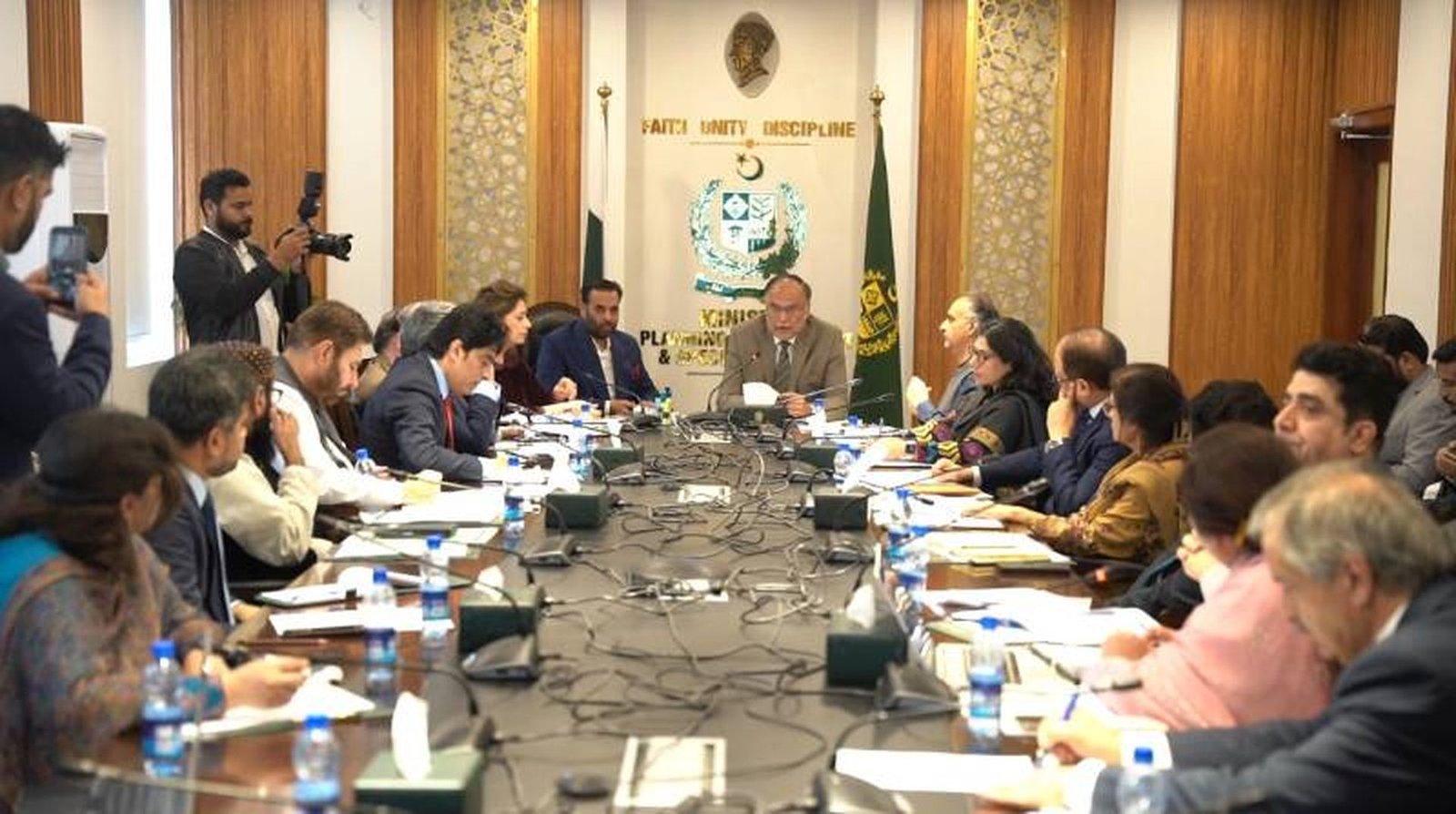
  • وزیراعظم کا وفاقی تعلیمی اداروں سے متعلق بڑا فیصلہ، اسکولوں میں پولیس کیمپوں پر پابندی

    وزیراعظم کا وفاقی تعلیمی اداروں سے متعلق بڑا فیصلہ، اسکولوں میں پولیس کیمپوں پر پابندی

    وزیراعظم شہباز شریف نے وفاقی تعلیمی اداروں کے حوالے سے اہم فیصلہ کرتے ہوئے اسلام آباد کے اسکولوں اور کالجوں کی عمارتوں میں پولیس اور دیگر قانون نافذ کرنے والے اداروں کے کیمپ قائم کرنے پر پابندی عائد کر دی ہے، اور اساتذہ کو غیر تدریسی ذمہ داریوں سے آزاد کر دیا ہے۔

    یہ ہدایات اسلام آباد کے تعلیمی شعبے سے متعلق اجلاس میں جاری کی گئیں۔ اجلاس کے بعد وزیراعظم آفس نے وزارتِ وفاقی تعلیم و پیشہ ورانہ تربیت کو تحریری ہدایات بھیجیں، جس پر وزارت نے باضابطہ آفس میمورنڈم جاری کر کے فیصلے اسلام آباد انتظامیہ اور پولیس کو پہنچا دیے۔

    نئے احکامات کے تحت وفاقی نظامتِ تعلیم (ایف ڈی ای) کے زیر انتظام اسکولوں اور کالجوں کی عمارتیں، کلاس رومز اور دیگر سہولیات صرف تعلیمی سرگرمیوں کے لیے استعمال ہوں گی۔ انہیں پولیس کی تعیناتی، عارضی کیمپ، حراستی مراکز یا دیگر سیکیورٹی سرگرمیوں کے لیے استعمال کرنے کی اجازت نہیں ہوگی۔

    وزیراعظم نے اساتذہ کو تدریسی ذمہ داریوں کے علاوہ دیگر سرکاری کاموں پر لگانے سے بھی روک دیا ہے۔ فیصلے کے مطابق وفاقی تعلیمی اداروں کے اساتذہ کو انتخابی ڈیوٹی، مردم شماری، گھر گھر سروے اور دیگر انتظامی امور کے لیے طلب نہیں کیا جا سکے گا۔ وزارتِ تعلیم نے ہدایت کی ہے کہ پہلے سے غیر تدریسی ذمہ داریاں انجام دینے والے اساتذہ کی ڈیوٹیاں فوری طور پر ختم کی جائیں تاکہ وہ اپنی اصل ذمہ داری یعنی تدریس پر توجہ دے سکیں۔

    وزارتِ وفاقی تعلیم نے وزیراعظم کی ہدایات پر عمل درآمد یقینی بنانے کے لیے متعلقہ مراسلہ سیکرٹری داخلہ اور چیف کمشنر اسلام آباد کو بھی ارسال کر دیا ہے۔ یہ فیصلہ اس وقت سامنے آیا ہے جب ستمبر میں اسلام آباد کے 38 سرکاری اسکولوں اور کالجوں کو ایک سے تین ہفتوں کے لیے بند کر کے پولیس اہلکاروں کی رہائش کے لیے استعمال کیا گیا تھا۔

    اسکولوں سے متعلق یہ فیصلہ وفاقی دارالحکومت میں سرکاری تعلیم کی وسیع تر اصلاحات کا حصہ ہے، جس کا حکم وزیراعظم نے اس سے قبل دیا تھا۔ اسلام آباد کے سرکاری اسکولوں کی صورتحال پر اعلیٰ سطحی اجلاس میں انہوں نے بنیادی ڈھانچے، نصاب، اساتذہ کی تربیت، طلبہ کی نقل و حمل، صحت اور غذائیت پر مشتمل جامع اصلاحات پر فوری عمل درآمد کی ہدایت کی تھی، اور وزیرِ منصوبہ بندی احسن اقبال کو مسائل ایک ہفتے میں حل کرنے کی ذمہ داری سونپی تھی۔ اس پیکیج میں کلاس رومز میں اسمارٹ بورڈز کی تنصیب، وفاقی نظامتِ تعلیم کو زیادہ مؤثر نگران ادارہ بنانا، اساتذہ کی بھرتی میرٹ پر کرنا، اسکول بس سروس کی توسیع — سروے کے مطابق طلبہ کے لیے 278 سرکاری بسیں چل رہی ہیں — معذور طلبہ کے لیے ریمپ کی تنصیب، اور پرائمری سطح کے طلبہ کے لیے مفت لنچ پروگرام شامل ہیں۔

  • PM Bans Police Use of Islamabad Schools, Frees Teachers from Extra Duties

    PM Bans Police Use of Islamabad Schools, Frees Teachers from Extra Duties

    Prime Minister Shehbaz Sharif has banned the use of schools and colleges in Islamabad for accommodating police and security personnel, and directed that teachers be freed from non-teaching duties, in a major decision for the federal capital’s education sector.

    The directives were issued during a meeting on Islamabad’s education sector. Following the meeting, the Prime Minister’s Office sent written instructions to the Ministry of Federal Education and Professional Training, which formally issued an office memorandum communicating the decisions to the Islamabad administration and police.

    Under the new orders, buildings, classrooms and other facilities run by the Federal Directorate of Education (FDE) can be used only for educational activities. They cannot be used for police deployment, temporary camps, detention facilities or other security operations.

    The prime minister also ordered an end to non-teaching responsibilities assigned to teachers, including election duties, census operations and household surveys. The Ministry of Education has directed the authorities to immediately withdraw all such assignments, so that teachers already on non-teaching duties can return to their core responsibility of teaching.

    The ministry has also sent the memorandum to the Interior Secretary and the Chief Commissioner Islamabad to ensure the instructions are implemented. The decision comes after 38 public-sector schools and colleges in Islamabad were closed for one to three weeks in September to accommodate police personnel ahead of an anticipated protest.

    The schools decision is part of a wider overhaul of government education in the federal capital that the prime minister ordered earlier. In a high-level meeting on the condition of Islamabad’s government schools, he directed the immediate implementation of comprehensive reforms covering infrastructure, curriculum, teacher training, student transport, healthcare and nutrition, and tasked Planning Minister Ahsan Iqbal with addressing the problems within one week. The package includes smart boards in classrooms, turning the Federal Directorate of Education into a more effective supervisory institution, recruiting teachers strictly on merit, expanding school bus services — a survey found 278 government buses operating for students — installing ramps for students with physical disabilities, and a free lunch programme for primary-level pupils.

  • آبادی میں اضافہ قومی ایمرجنسی، احسن اقبال کا انتباہ

    آبادی میں اضافہ قومی ایمرجنسی، احسن اقبال کا انتباہ

    وفاقی وزیر منصوبہ بندی احسن اقبال نے پاکستان میں آبادی میں اضافے کو قومی ایمرجنسی قرار دیتے ہوئے وفاقی اور صوبائی حکومتوں سے مطالبہ کیا ہے کہ وہ اس چیلنج سے نمٹنے کے لیے مشترکہ حکمت عملی اپنائیں۔ جمعرات کو نیشنل پاپولیشن کونسل کی ایگزیکٹو کمیٹی کے پہلے اجلاس سے خطاب کرتے ہوئے انہوں نے آبادی کی شرح نمو میں نئے سرے سے اضافے پر تشویش کا اظہار کیا اور کہا کہ پاکستان نے بریک سے پاؤں ہٹا کر ایکسیلیٹر پر رکھ دیا ہے۔

    وزیر نے بتایا کہ آبادی کی شرح نمو 1980 کے بعد بتدریج کم ہو کر 2.4 فیصد تک آ گئی تھی، لیکن 2023 کی مردم شماری میں یہ بڑھ کر 2.55 فیصد ہو گئی۔ انہوں نے خبردار کیا کہ یہ تبدیلی ملک کی ترقی کی کوششوں کو نقصان پہنچائے گی، اگر اس پر قابو نہ پایا گیا۔ ان کا کہنا تھا کہ بڑھتی ہوئی آبادی تعلیم، صحت، روزگار اور بنیادی سہولتوں کی بڑھتی ہوئی ضروریات کو پورا کرنا مشکل بنا دے گی۔

    احسن اقبال نے بتایا کہ اگر معیشت پانچ فیصد کی شرح سے بڑھے جبکہ آبادی میں 2.5 فیصد اضافہ ہو، تو فی کس حقیقی ترقی محض 2.5 فیصد رہ جائے گی، جس سے عام شہریوں کے معیار زندگی میں خاطر خواہ بہتری نہیں آئے گی، چاہے معیشت کی مجموعی شرح نمو جتنی بھی اچھی دکھائی دے۔ انہوں نے کہا کہ آبادی میں بے قابو اضافہ ترقی کے ثمرات کو کھا جاتا ہے۔

    وزیر نے قومی وسائل کی تقسیم میں ایک تضاد کی طرف بھی توجہ دلائی، اور بتایا کہ 82 فیصد وسائل کی تقسیم آبادی کے حجم سے منسلک ہے، جو متوازن ترقی کو انعام دینے کے بجائے آبادی میں اضافے کی حوصلہ افزائی کر سکتی ہے۔ انہوں نے تجویز دی کہ قومی مالیاتی کمیشن (این ایف سی) ایوارڈ کو ترقی اور پائیداری کے اشاریوں سے منسلک کیا جائے، تاکہ صحت اور تعلیم میں بہتری لانے والے صوبوں کو فنڈز کی تقسیم میں تسلیم کیا جائے۔

    انہوں نے خبردار کیا کہ آبادی میں بے قابو اضافہ تعلیم، صحت کی دیکھ بھال، روزگار اور بنیادی سہولتوں کی بڑھتی ہوئی مانگ کو پورا کرنا مشکل بنا دے گا، جس سے پہلے سے دباؤ میں مبتلا سرکاری خدمات پر مزید بوجھ پڑے گا اور ریاست کے لیے ہر شہری کو معیاری خدمات فراہم کرنا مشکل ہو جائے گا۔ ان کا کہنا تھا کہ یہ معاملہ آنے والی نسلوں کے مستقبل سے جڑا ہوا ہے۔

    وزیر نے واضح کیا کہ یہ مسئلہ صرف صحت اور خاندانی منصوبہ بندی تک محدود نہیں، بلکہ اس کا تعلق لڑکیوں کی تعلیم، خواتین کی معاشی خود مختاری اور سماجی آگاہی سے بھی ہے۔ ان کا موقف تھا کہ لڑکیوں کو زیادہ عرصے تک اسکول میں رکھنا اور خواتین کی افرادی قوت میں شمولیت بڑھانا، وقت کے ساتھ آبادی میں اضافے کو کم کرنے کے مؤثر ترین طریقوں میں شامل ہیں۔

    احسن اقبال نے صحت، تعلیم، کمیونٹی کی آگاہی اور سماجی رویوں میں تبدیلی پر مشتمل مربوط قومی کوششوں کا مطالبہ کیا، اور زور دیا کہ آبادی میں اضافے پر قابو پانا پاکستان کی معاشی سلامتی اور آنے والی نسلوں کے لیے ضروری ہے۔ انہوں نے کہا کہ نیشنل پاپولیشن کونسل کا اجلاس اس مسئلے پر وفاقی اور صوبائی اقدامات کو ہم آہنگ کرنے کے لیے ایک فورم کے طور پر کام کرے گا۔

  • Population Growth Hits 2.55% — Ahsan Iqbal Calls It a National Emergency

    Population Growth Hits 2.55% — Ahsan Iqbal Calls It a National Emergency

    Federal Minister for Planning Ahsan Iqbal has described Pakistan’s rising population growth as a national emergency, urging federal and provincial governments to adopt a joint strategy to address the challenge.

    Addressing the first meeting of the Executive Committee of the National Population Council on Thursday, Iqbal expressed concern over the renewed increase in the population growth rate, saying Pakistan had taken its foot off the brake and put it on the accelerator.

    He said the population growth rate had gradually declined since 1980 to 2.4 per cent but increased to 2.55 per cent in the 2023 census, a reversal that he warned would undermine the country’s development efforts if left unchecked.

    The minister pointed out that if the economy grew by five per cent while the population increased by 2.5 per cent, real per capita growth would remain at just 2.5 per cent, leaving little improvement in living standards for ordinary citizens despite headline economic growth.

    He also highlighted a contradiction in the distribution of national resources, noting that 82 per cent of resource allocation was linked to population size, potentially encouraging population growth rather than rewarding balanced development. Iqbal proposed linking the National Finance Commission (NFC) Award to development and sustainability indicators to encourage provinces to maintain balanced population growth, so that provinces making progress on health and education are recognised in the distribution of funds.

    He warned that uncontrolled population growth would make it difficult to meet increasing demands for education, healthcare, employment and basic facilities, putting pressure on already stretched public services and making it harder for the state to provide quality services to every citizen.

    The minister said the issue was not limited to healthcare and family planning but was also linked to girls’ education, women’s economic empowerment and social awareness. Keeping girls in school longer and expanding women’s participation in the workforce, he argued, are among the most effective ways to slow population growth over time.

    He called for coordinated national efforts involving healthcare, education, community awareness and changes in social attitudes, stressing that controlling population growth was essential for Pakistan’s economic security and future generations. The National Population Council meeting, he said, would serve as the forum for aligning federal and provincial action on the issue.

  • One Facilitation Centre for Women in Every Province: CJP Afridi Approves Landmark Plan

    One Facilitation Centre for Women in Every Province: CJP Afridi Approves Landmark Plan

    Chief Justice of Pakistan Justice Yahya Afridi has approved the establishment of women facilitation centres across the country, with one centre in each of the four provinces to be set up in the first phase.

    A meeting of the Law and Justice Commission of Pakistan, chaired by the chief justice, reviewed progress on establishing the centres and decided to begin with one in every province. The centres will provide women litigants with guidance and assistance in a safe, dignified and accessible environment.

    The meeting was attended by the Supreme Court Registrar, Law and Justice Commission Secretary Captain (retd) Mushtaq Ahmed, Balochistan High Court Registrar Nasir Khan, former chairperson of the Institute of Architects Pakistan Ruvayda Hameed, NESPAK General Manager Faisal Majeed, Waqar Sheikh and members of the relevant committees. Resident additional secretaries of the commission posted in the four provinces, along with the architects who secured the top three positions in the design competition, also joined the meeting via video link.

    Chief Justice Afridi highlighted reforms undertaken during 2025-26 to improve judicial facilities, saying courts and bar associations had been provided with uninterrupted electricity, e-libraries, internet connectivity and clean drinking water. He said projects to provide basic facilities at courts and bar associations across the country, including Islamabad, had been completed.

    He said establishing women facilitation centres in the four provinces and Islamabad during 2026-27 was a key priority. The centres will provide women with information, guidance and legal assistance under one roof. The one-window facility will reduce the need for women litigants to visit multiple offices and make repeated trips to courts.

    The centres will have reception areas, guidance desks, comfortable waiting rooms, clean washrooms, separate consultation rooms for women, and facilities for legal advice and assistance. Dedicated spaces will also be allocated for mediation and alternative dispute resolution.

    The project will also include psychological and social support for women in need, assistance in accessing relevant institutions, and accessible entrances, ramps and clear directional signs for women with disabilities. Suitable spaces will also be provided, where required, for meeting children and maintaining dignified contact with them.

    Chief Justice Afridi said the centres were being established to ensure women’s privacy, security, dignity and easier access to justice. They would help women understand judicial procedures and overcome practical difficulties in exercising their legal rights.

    He said a nationwide design competition had been organised in collaboration with the Institute of Architects Pakistan, and the three winning designs had been shared with all high courts so they could select suitable designs according to local requirements. The meeting was informed that consultations with the relevant high courts in all four provinces had been completed and locations for the first four centres had also been identified. The chief justice directed NESPAK to begin work on the project.

  • Referendum on New Provinces? Naqvi Says Let the People Decide

    Referendum on New Provinces? Naqvi Says Let the People Decide

    Interior Minister Mohsin Naqvi has called for a referendum on the creation of new provinces in Pakistan, saying the decision should rest with the people rather than with politicians alone. Speaking to the media in Islamabad on Thursday, he said that if the public did not support the proposal, he would oppose it himself.

    Naqvi urged political parties to look at public opinion surveys on the issue, arguing that the polls point to growing support for new provinces. He did not cite any specific survey or share figures, but said the direction of public opinion was clear enough for political parties to take the question seriously.

    The creation of new provinces has been debated in Pakistan for years. Supporters of the idea argue that smaller administrative units are easier to govern and bring government closer to the people, while critics warn about the cost and complexity of redrawing provincial boundaries. No government has so far put the question to a public vote.

    Naqvi also commented on Pakistan Peoples Party Chairman Bilawal Bhutto-Zardari’s recent remarks about the need for a political reset in the country. The interior minister said he personally believed that all aspects of the system needed to be set right. “My opinion is the same as Mr Bilawal Bhutto’s. The entire system needs to be put right,” he said.

    On the issuance of notices to people associated with Jamiat Ulema-e-Islam (JUI-F), Naqvi said notices had so far been issued to six or seven people. He clarified that JUI-F chief Maulana Fazlur Rehman had not received any notice.

    Addressing concerns about corruption, the interior minister said it would be wrong to claim that corruption did not exist in the country. “With due respect, corruption does exist. Wherever corruption is found, it must be acknowledged and addressed,” he said.

    Naqvi also gave an assurance about Pakistan Tehreek-e-Insaf founder Imran Khan, saying he would be granted all the legal rights to which he was entitled.

    The interior minister did not announce any date or formal process for a referendum. His remarks put the question of new provinces back into public debate, but any such vote would require a political consensus and a legal framework before it could take place.

  • Imran Khan’s Two Sisters Freed After 7 Weeks in Jail

    Imran Khan’s Two Sisters Freed After 7 Weeks in Jail

    Noreen Niazi and Uzma Khan, the sisters of Pakistan Tehreek-e-Insaf (PTI) founder Imran Khan, were released from Kot Lakhpat Jail in Lahore on Thursday, bringing an end to nearly seven weeks in detention.

    According to jail authorities, the release orders for both women had reached the prison administration, after which they were set free. Their third sister, Aleema Khan, remains in custody, as the jail authorities have not yet received her release orders.

    The three sisters were taken into custody in September under Section 3 of the Punjab Maintenance of Public Order (MPO) Ordinance, 1960, which allows the authorities to order preventive detention where a person is considered a possible threat to public order. Aleema Khan was detained on September 20, while Noreen Niazi and Uzma Khan were detained a day later, on September 21.

    Why they were detained

    According to the detention orders issued by the Lahore deputy commissioner, the authorities alleged that the two sisters were involved in mobilising PTI workers and could pose a threat to public order. The orders also alleged their involvement in the May 9, 2023 protests and in inciting workers through social media and public gatherings.

    The detentions were challenged before the Lahore High Court, where the petitioner’s counsel argued that the orders were unlawful and lacked specific grounds. In October, the Punjab government extended the detention of the sisters, including Aleema Khan, by another 30 days, according to a report submitted to the court.

    During the detention, Noreen Niazi was shifted from Kot Lakhpat Jail to the Punjab Institute of Cardiology on October 28 after experiencing heart-related discomfort, and was later returned to jail on doctors’ advice. The Lahore High Court had also directed that she be allowed to meet her daughters.

    The release of Noreen Niazi and Uzma Khan comes after weeks of legal proceedings and public attention on the family’s detention. Aleema Khan’s continued custody remains the outstanding question, with her family and lawyers awaiting her release orders. The case has remained one of the most closely followed legal matters linked to the PTI founder’s family, and further court proceedings are expected in the coming days.

  • Saudi Security Non-Negotiable, Says DG ISPR

    Saudi Security Non-Negotiable, Says DG ISPR

    Pakistan’s commitment to the security of Saudi Arabia is absolute and non-negotiable, the head of the military’s media wing has said, pledging that Islamabad will provide whatever defensive support Riyadh needs.

    In an interview with the Arabic newspaper Asharq Al-Awsat, Lieutenant General Ahmed Sharif Chaudhry, the director general of Inter-Services Public Relations (ISPR), said Pakistan was prepared to take all necessary defensive measures to protect Saudi Arabia and to provide military and technical assistance whenever required.

    “The security of Saudi Arabia and the Two Holy Mosques is a top, non-negotiable priority,” he said, adding that Pakistan would not compromise on the defence of the Kingdom. He stressed that Islamabad’s commitment to Saudi Arabia’s security, sovereignty and territorial integrity was absolute.

    Lt Gen Chaudhry said Pakistan would continue providing all possible defensive assistance, including military personnel, defence capabilities, training and logistical support, and that it stood ready to act in view of the regional security situation and the longstanding strategic partnership with Riyadh.

    He also said Pakistani armed forces personnel were already stationed in Saudi Arabia and performing various defence-related responsibilities, including defensive support, military cooperation, joint exercises, training programmes and military manoeuvres. Asked whether Islamabad would reinforce its presence or provide additional capabilities such as air and missile defence systems and intelligence-sharing support, he said the necessary assistance would continue, without disclosing specific details.

    The remarks come under the Makkah Joint Defence Agreement, signed on 7 August 2026 by Pakistan, Saudi Arabia and Turkiye, under which an armed attack against any one of the three countries is regarded as an attack against all of them. The pact is rooted in the three countries’ longstanding ties and is based on the right to self-defence under Article 51 of the United Nations Charter.

    The DG ISPR had made similar remarks in an interview with Independent Arabia in October, describing the security of the Two Holy Mosques as “non-negotiable” and “absolute” for Pakistan and saying that whatever support was needed “is being provided and will be provided”.

    He declined to disclose specific details about the military assistance being provided, citing operational security, and said Pakistan had already conveyed its position clearly through its political leadership and the armed forces.

  • Pakistan Minerals Forum Opens: $8 Trillion Treasure Hunt

    Pakistan Minerals Forum Opens: $8 Trillion Treasure Hunt

    Islamabad is hosting some of the biggest names in global mining this week as the two-day Pakistan Minerals Investment Forum 2026 opened at the Jinnah Convention Centre on Thursday, putting the country’s vast underground wealth firmly in the international spotlight.

    The forum, which runs on 12 and 13 November, has drawn more than 5,000 delegates from over 50 countries, according to the organisers, including mining executives, financiers, engineers and government officials. It is organised by the Government of Pakistan with the support of the Special Investment Facilitation Council, with the Oil and Gas Development Company as its founding partner.

    Deputy Prime Minister Ishaq Dar inaugurated the event, while Prime Minister Shehbaz Sharif is scheduled to chair the concluding session on Friday. The gathering is the third edition of the forum, following earlier events in 2023 and 2025, but this year’s edition is being pitched as a shift from talk to execution, with a sharper focus on project financing, production timelines and getting Pakistani minerals into global supply chains.

    What is on the table

    At the heart of the discussions is a striking claim from the forum’s background material: Pakistan’s mineral resources carry an estimated potential value of between $6 trillion and $8 trillion. The showcase project held up as the model is the Reko Diq copper and gold mine in Balochistan, led by Barrick Gold, which organisers present as proof that large-scale mining can work in Pakistan.

    Sessions over the two days cover exploration and new mining projects, early-stage financing, and the technology needed to process minerals at home rather than exporting raw ore. An international exhibition of mining technology and ventures is running alongside the conference, and senior figures from global mining houses, including Barrick chairman John L. Thornton and Ivanhoe Mines founder Robert Friedland, are among the headline speakers.

    Forum president Ahmed Hayat Lak, who is also the managing director and chief executive of OGDCL, is leading the event, with energy consultancy Wood Mackenzie acting as the lead conference producer. Chief ministers from the provinces are also taking part in a session on turning provincial mineral potential into prosperity, a recognition that much of the country’s mineral wealth sits in Balochistan, Khyber Pakhtunkhwa and Gilgit-Baltistan.

    High hopes, and a note of caution

    For the government, the forum is a chance to present Pakistan as the next destination for critical minerals, at a time when the world is scrambling for copper, lithium and rare earths to power electric vehicles and clean energy. Copper, lithium, rare earths, industrial minerals and gemstones are all on the agenda, and officials hope the event will convert interest into signed deals and investment commitments.

    Not everyone is cheering. The Baloch National Movement, a Baloch rights group, has raised concerns about the forum, arguing that the mineral wealth of Balochistan should first benefit the people of the province. The group described the event as an attempt to turn local resources into an international business without addressing local deprivation, a reminder that the politics of who owns and benefits from the minerals will run alongside the investment pitches.

    Investors, for their part, will be watching for more than warm words. As analysts note, forums can open doors, but long-term stability, clear rules and reliable infrastructure decide whether money actually flows. Whether this week’s gathering produces concrete agreements or simply another round of promises will become clear when the concluding session wraps up on Friday.