Tag: UN Security Council

  • UN Backs Pakistan’s Call for Diplomacy During War

    UN Backs Pakistan’s Call for Diplomacy During War

    New York: The United Nations Security Council has adopted a presidential statement initiated by Pakistan urging countries to keep diplomacy alive even during active hostilities. The statement, titled ‘The Role of Diplomacy during Active Hostilities’, was adopted on Thursday under the November presidency of Latvia, whose Ambassador Sanita Pavļuta-Deslandes chaired the proceedings.

    The statement calls on countries to maintain diplomatic engagement during armed conflicts and to work towards ceasefires, de-escalation and lasting political settlements. It stresses that dialogue should continue even when fighting is under way, rather than being abandoned until the guns fall silent.

    It encourages the use of mediation, good offices and direct or indirect communication between conflicting parties. According to the statement, such engagement should aim to facilitate cessations of hostilities, ensure safe humanitarian access, protect civilians and prevent conflicts from spreading to other regions.

    Building on Resolution 2788

    The presidential statement builds on Security Council Resolution 2788, which was unanimously adopted in July 2025 during Pakistan’s presidency of the Council. That resolution also focused on strengthening the role of diplomacy in resolving international disputes peacefully.

    Pakistan’s Permanent Representative to the United Nations, Ambassador Syed Haider Shah, welcomed the adoption of the statement. ‘Diplomacy must not end when hostilities begin,’ he said, adding that keeping channels of communication open during conflicts was essential for protecting lives and finding a way back to peace.

    The statement does not impose binding obligations, but presidential statements of the Security Council carry significant political weight and signal the Council’s collective position. Diplomats say the text reflects a growing concern that conflicts are lasting longer and that early diplomatic engagement can prevent them from escalating further.

    Pakistan has long argued at the United Nations that diplomacy, mediation and dialogue should remain central to the Council’s work, and the adoption of the statement is being seen as a notable success for the country’s diplomacy at the world body.

    The text places particular emphasis on keeping channels of communication open between parties in conflict, including through intermediaries, so that even where direct talks are not possible, messages can still pass between the sides. Diplomats say this reflects the practical reality of modern conflicts, where fighting often continues for years while formal negotiations remain stalled.

    The statement also links diplomacy to the protection of civilians, noting that continued engagement can help secure humanitarian access and reduce the risk of conflicts spreading beyond their borders. By adopting the text, the Council has signalled that diplomacy is not a step to be taken only after fighting ends, but a tool to be used throughout a conflict.
  • Houthi Attack on Riyadh Airport Kills 12, Wounds 309

    Houthi Attack on Riyadh Airport Kills 12, Wounds 309

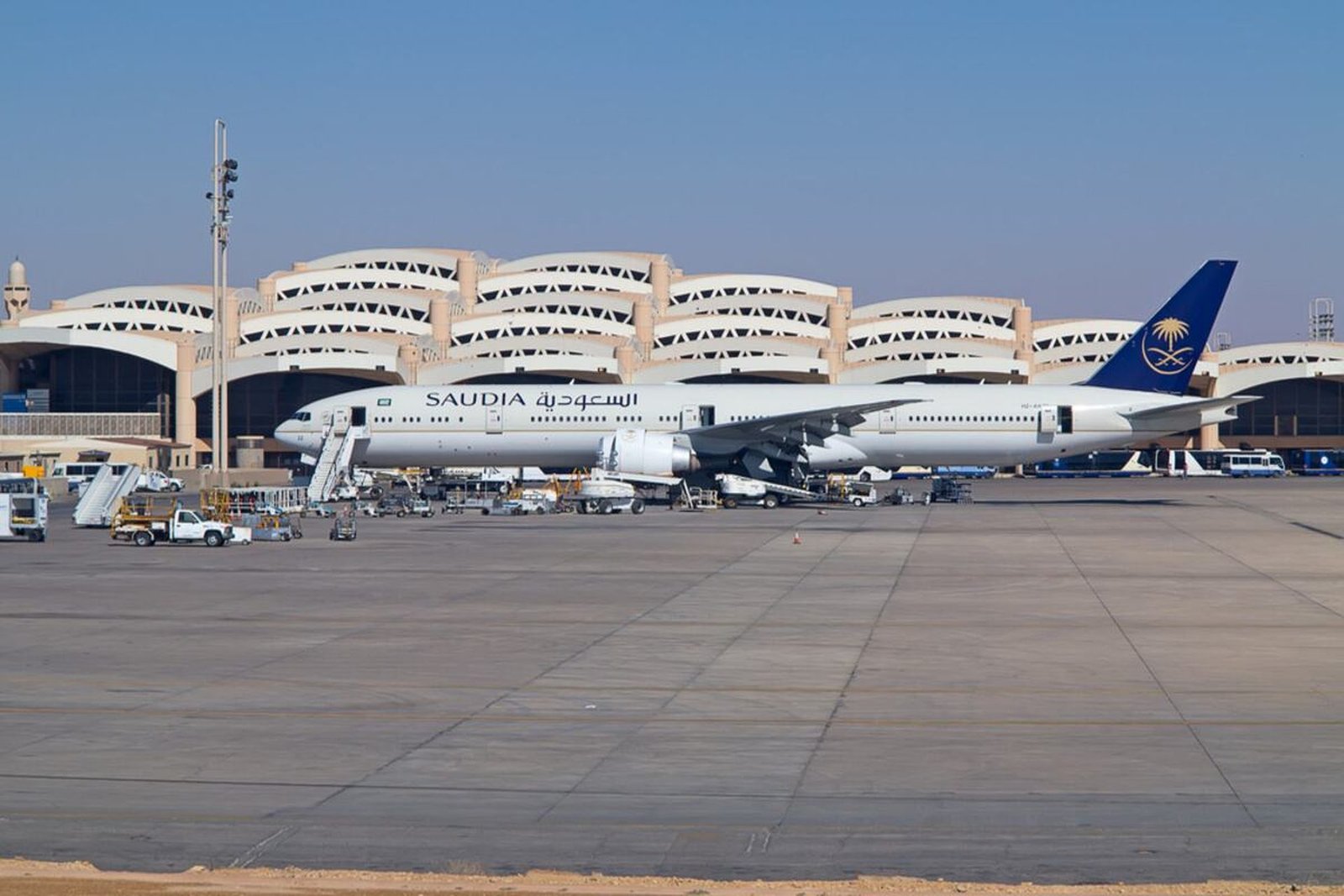
    At least 12 people were killed and 309 wounded on Saturday in a Houthi attack on King Khalid International Airport in Riyadh, Saudi Arabia’s civil aviation authority said, marking the third strike on the airport in a week and what Reuters described as the deadliest attack inside the kingdom in more than a decade.

    The dead included four Saudis, two people from Bangladesh and one person each from the United States, Jordan, Palestine, Syria, Sudan and Egypt, the authority said. Hospitals were flooded with the wounded, some of them in critical condition, and property damage was still being assessed.

    Reuters reported that the attack came without warning, with no alert issued by Saudi Arabia’s threat-warning system. Flights to and from Riyadh were diverted or cancelled, and operations at the airport serving a city of roughly 8 million were temporarily suspended. Two earlier attacks this week killed four people and heavily damaged a passenger plane parked on the tarmac, according to Saudi authorities.

    The head of the Houthi media office said on X that the group had “shut down Riyadh international airport”, and the Houthis warned airlines to avoid Saudi airspace. The Saudi-led coalition vowed to respond to what it called a “terrorist act”; spokesman Maj Gen Turki Al-Maliki said the strike on a passenger terminal was a war crime under international humanitarian law. The coalition also said it destroyed a drone over the Eastern Region, intercepted a Houthi ballistic missile at Al-Kharj, and that a “projectile” fell near Dammam’s airport.

    Global condemnation

    UN Secretary-General Antonio Guterres said he was “deeply shocked” and strongly condemned the “lethal attack by the Houthis”, adding that attacks on civilians and civilian infrastructure violated international law and “must cease immediately”. UN Yemen envoy Hans Grundberg called the strikes a “dangerous escalation” and “a grave threat to regional security”. Qatar “strongly condemned” the attack, and Gulf Cooperation Council secretary-general Jasem al-Budaiwi denounced it as “treacherous terrorist attacks”.

    Pakistan stands with Riyadh

    Prime Minister Shehbaz Sharif called the attack “heinous”, reaffirming Pakistan’s commitment to Saudi Arabia’s sovereignty, territorial integrity and security, and said attacks on civilians and critical infrastructure were “completely unacceptable”. At the UN Security Council, Pakistan’s envoy Ambassador Asim Iftikhar Ahmad said Pakistan would stand “shoulder to shoulder” with the kingdom, invoked the Makkah Joint Defence Agreement, warned of an intensifying Houthi offensive along Yemen’s western coast and around the Bab al-Mandeb strait, and urged the Houthis to halt attacks on commercial shipping and release detained UN and humanitarian personnel.

    Washington weighs a response

    US President Donald Trump told reporters the attack was “not acceptable” and said the United States would “take a look” at joining Saudi Arabia in striking the Houthis, adding that he planned to call Crown Prince Mohammed bin Salman. Secretary of State Marco Rubio said Washington strongly condemned the attacks, and the US embassy urged Americans to avoid the airport area. The strikes come amid a wider confrontation: Reuters reported that a 2022 ceasefire broke down over the summer as Houthi forces advanced toward the Bab el-Mandeb strait, while Riyadh now conducts an air campaign backing a Yemeni government ground offensive.