Tag: Shehbaz Sharif

  • Rs300bn SME Export Finance as PM Scraps 80% Rule

    Rs300bn SME Export Finance as PM Scraps 80% Rule

    Small and medium exporters are set for easier access to concessional finance after Prime Minister Shehbaz Sharif ordered the removal of the condition that firms must export at least 80% of their products to qualify for long-term loans. The decision was taken at a high-level meeting in Islamabad on facilitating export-oriented SMEs, attended by federal ministers and State Bank Governor Jameel Ahmad.

    The prime minister said no bank would be allowed to deviate from the government’s concessional financing schemes for SMEs and exporters, and directed that government support and facilities be ensured to help small firms grow, build skills and expand their business opportunities. Officials said the meeting reviewed the problems exporters face around taxes, refunds, provincial levies, accreditation, logistics, payments and financing.

    Officials told the meeting that Rs300 billion has been allocated under the Export Finance Scheme for SMEs and new exporters, while Rs350 billion has been earmarked this year for the Long-Term Financing Facility. The allocation, announced by the Finance Minister’s Adviser Khurram Schehzad, will be channelled through the Pakistan Export-Import Bank (Pak EXIM) and is complemented by tax relief measures in the FY2026-27 budget.

    10,000 applications already

    The meeting was told that around 17,000 SMEs in Pakistan are linked to exports and that more than 10,000 applications have been received since the State Bank launched its SMEConnect portal on 1 November to ease access to loans for the sector. Under the wider scheme, the Export Finance Scheme envelope for FY2026-27 stands at Rs1,500 billion, up from Rs1,000 billion, with the Rs300 billion share reserved for SME exporters, agricultural SMEs and new borrowers.

    The initiative is expected to provide working capital, expand production and open new international markets for SME exporters, whose access to cheap finance has long been limited. The government says the measures will strengthen the country’s export competitiveness at a time when it is pushing for export-led growth and trying to widen access to finance for businesses that have traditionally struggled to borrow from banks.

  • Shehbaz Vows More Relief as Petrol Prices Set to Fall

    Shehbaz Vows More Relief as Petrol Prices Set to Fall

    Prime Minister Shehbaz Sharif has signalled further cuts in petroleum prices, saying his government will keep bringing relief to people struggling with the rising cost of living.

    The prime minister made the remarks during a meeting with senior Pakistan Muslim League-Nawaz leader Khawaja Ahmad Hassan at Model Town in Lahore on Saturday, where the two discussed the country’s political and economic situation.

    According to reports of the meeting, the prime minister said petroleum prices were being reduced gradually and that steps to protect the public from inflation would continue. He said the government would keep introducing measures aimed at easing the burden on ordinary households.

    Khawaja Ahmad Hassan praised the prime minister for extending petrol subsidies to the public without discrimination, describing it as a positive step for public welfare. He said millions of people had directly benefited from the fuel subsidy and that billions of rupees had been spent on providing relief.

    Hassan also welcomed the diplomatic efforts of the prime minister and Field Marshal Asim Munir in promoting peaceful solutions to international conflicts, saying their work had received wide recognition at the international level.

    The meeting comes against the backdrop of the government’s targeted fuel relief scheme, under which petrol is being provided at reduced prices to owners of motorcycles, rickshaws and small vehicles of up to 800cc. Information Minister Attaullah Tarar said earlier this week that more than 15 million people had registered under the scheme and that relief worth Rs27 billion had been provided so far.

    The government also averted a planned Rs15 per litre increase in petrol prices this week, with the additional burden instead shifted to refineries, according to the information minister. The prime minister has separately directed action against petrol pumps that fail to pass on the relief to consumers.

    Petrol prices matter deeply to household budgets in Pakistan, where fuel costs feed directly into transport fares and the prices of everyday goods. Any further reduction would bring some respite to low-income families, motorcycle riders and small traders who depend on affordable fuel for their livelihoods.

    For now, the prime minister’s message is one of reassurance: that the relief measures already in place are only the beginning, and that more help is on the way for people feeling the pinch of inflation.

  • Shehbaz to Visit Turkiye Nov 10, Then G20 in South Africa

    Shehbaz to Visit Turkiye Nov 10, Then G20 in South Africa

    The Foreign Office has announced that Prime Minister Shehbaz Sharif will travel to Turkiye on November 10 and 11, at the invitation of Turkish President Recep Tayyip Erdogan. Foreign Office spokesperson Tahir Andrabi confirmed the dates on Saturday, saying the visit is aimed at further strengthening relations between Pakistan and Turkiye and discussing regional and global issues.

    According to the Foreign Office, the two countries enjoy strong brotherly relations, and the visit will build on the close political and economic ties between Islamabad and Ankara. The prime minister is expected to hold talks with the Turkish leadership on trade, defence cooperation and matters of mutual interest, including regional peace and stability.

    The Turkiye visit is part of a wider diplomatic tour by the prime minister that also takes in Saudi Arabia and Qatar, with the focus on strengthening bilateral ties and enhancing economic cooperation. Pakistan, Turkiye and Saudi Arabia signed the Makkah Agreement on August 7, 2026, which the prime minister has described as an important milestone for collective deterrence and shared commitment to regional peace.

    Separately, the prime minister will leave for South Africa on November 20 to attend the G20 Summit in Johannesburg on November 22 and 23. Deputy Prime Minister and Foreign Minister Ishaq Dar will accompany him to the summit, where Shehbaz Sharif will present Pakistan’s stance on global economic issues.

    The back-to-back foreign engagements come as Pakistan seeks to deepen its economic partnerships and raise its profile in multilateral forums. The G20 summit in Johannesburg will bring together leaders of the world’s major economies to discuss trade, development financing and reform of global financial institutions, issues on which Pakistan has been pressing the case of developing countries.

    Officials said the prime minister’s meetings in Turkiye will also cover follow-up on agreements reached during earlier high-level exchanges between the two countries, including cooperation in trade, investment and defence production. Further details of the delegation and the programme of the visit are expected to be shared by the Foreign Office in the coming days.

  • PM Orders Cashless Roadmap, Raast Deadline of Nov 16

    PM Orders Cashless Roadmap, Raast Deadline of Nov 16

    Prime Minister Shehbaz Sharif has ordered a roadmap for a complete transition to digital payments by 2030, setting a November 16 deadline for government payments to move to the Raast system.

    The prime minister gave the directions while chairing a meeting on the cashless economy in Islamabad. He directed ministries and institutions to adopt digital payments and ordered that a roadmap for the transition be prepared within 15 days.

    Under the plan, all government departments are to complete the transition to digital payments, with Raast to be used for government payments from November 16. Raast is the country’s instant payment system, and routing official payments through it would make government transactions faster, traceable and less dependent on cash.

    QR codes are to be installed at utility stores within a week, so that customers can pay digitally for everyday essentials. The government has set a target of 500,000 businesses adopting digital payments by June 2026, rising to one million, a scale that would bring digital payment options to shops and traders across the country.

    The prime minister also directed strict action against anyone charging extra for digital payments. The practice of adding a surcharge when customers pay by card or mobile has been a common complaint, and the direction signals that the government wants digital payments to cost the customer no more than cash.

    The push towards a cashless economy is aimed at bringing more transactions into the formal system, where they can be recorded and taxed, and at reducing the risks and costs of handling large amounts of cash. For ordinary citizens, the change would mean being able to pay for government services, utility bills and shopping without carrying banknotes.

    Utility stores are a key part of the plan because they serve millions of households, including lower-income families buying subsidised goods. Installing QR codes there within a week would put digital payments within reach of shoppers who may never have used them before.

    The target of one million businesses adopting digital payments is ambitious, and reaching it will depend on small traders and shopkeepers finding the systems easy and affordable to use. The 15-day roadmap is expected to spell out how the government intends to support that shift, including any incentives or assistance for businesses making the change.

    With the November 16 deadline for government payments through Raast now set, the first test of the plan will come within days. If departments make the switch on time, it will be an early sign that the wider 2030 target is being taken seriously.

  • Türkiye Ratifies Makkah Pact: Attack on One Is Attack on All

    Türkiye Ratifies Makkah Pact: Attack on One Is Attack on All

    Türkiye’s parliament has ratified the Makkah Joint Defence Agreement between Pakistan, Saudi Arabia and Türkiye, giving formal approval to a pact under which an attack on any one of the three countries will be treated as an attack on all of them.

    According to Turkish media reports, 279 members of the 600-seat parliament voted in favour of the agreement, while 119 voted against it. A total of 398 lawmakers took part in the vote. With parliament’s approval secured, the agreement will now come into force.

    A purely defensive alliance, lawmakers say

    The chairman of the Turkish parliament’s Foreign Affairs Committee said the alliance was purely defensive in nature and was not aimed at launching an attack against any other country. Ziya Altunyaldiz, a member of the ruling Justice and Development Party, said the agreement aimed to promote security cooperation in the region.

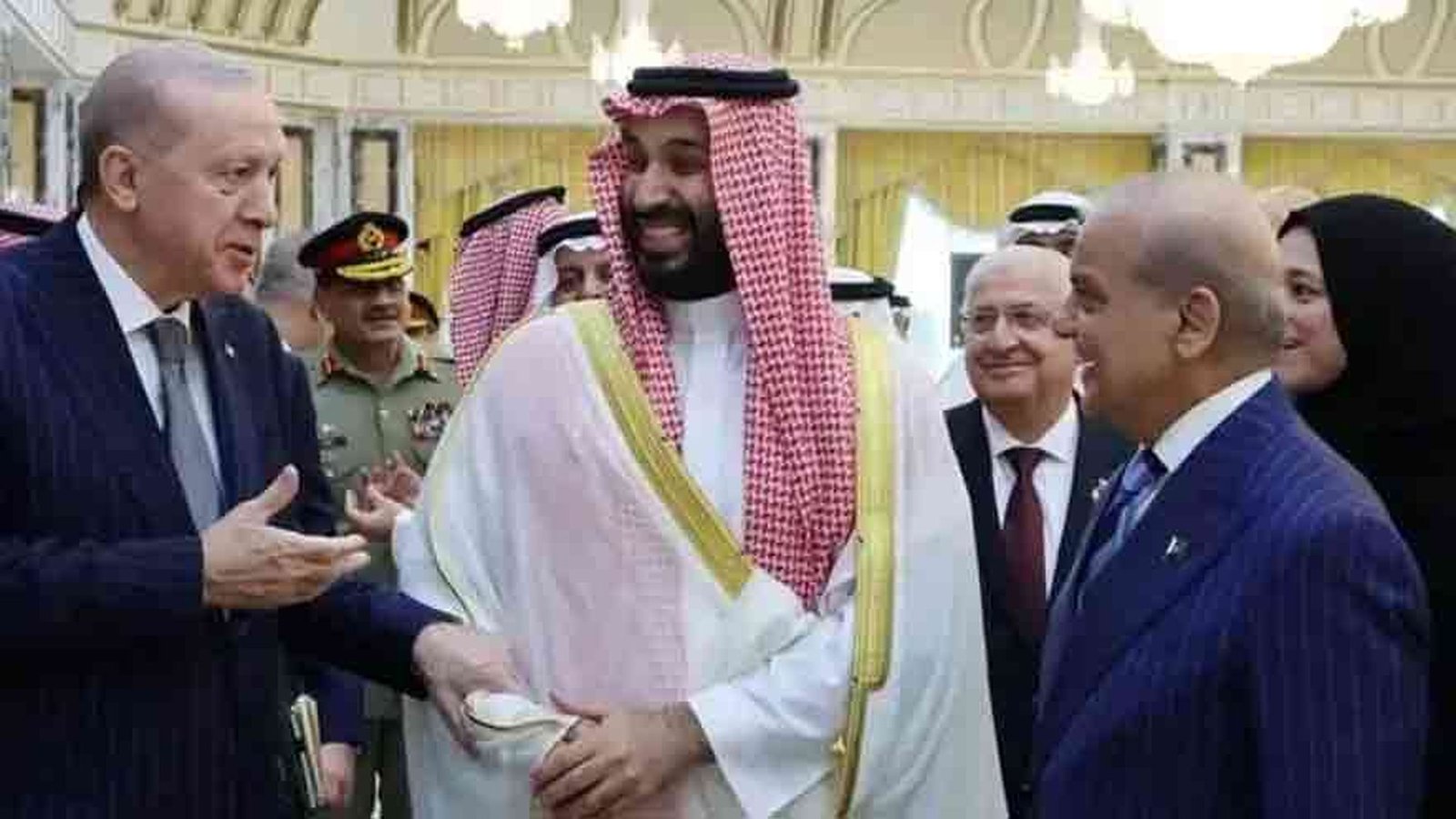
    Pakistan, Türkiye and Saudi Arabia signed the agreement in Makkah on August 7. Prime Minister Shehbaz Sharif, Saudi Crown Prince Mohammed bin Salman and Turkish President Recep Tayyip Erdogan attended the signing ceremony.

    The agreement expressed a commitment to strengthening collective security, promoting defence cooperation and contributing to peace and stability in the region and around the world. Under the agreement, the alliance’s secretariat will be established in Saudi Arabia, and retired Pakistani General Nauman Mahmood has been selected as its first secretary-general.

    The ratification marks a significant step in defence ties among the three countries. For Pakistan, the pact adds a formal layer of collective security alongside two of its closest partners, while for Türkiye and Saudi Arabia it deepens a partnership built around shared security interests in a region facing persistent tensions.

    Observers will now watch how the alliance takes practical shape, including the work of its secretariat in Saudi Arabia and the first steps under its new secretary-general, as the three countries move from signing the agreement to putting its provisions into practice.

    The vote itself showed the scale of support for the pact inside the Turkish parliament, with 279 lawmakers backing it against 119 opposed. The agreement now moves from the chamber into implementation, and the three capitals are expected to set out the next steps for joint defence cooperation in the weeks ahead.

  • Federal Cabinet Approves New Currency Note Designs

    Federal Cabinet Approves New Currency Note Designs

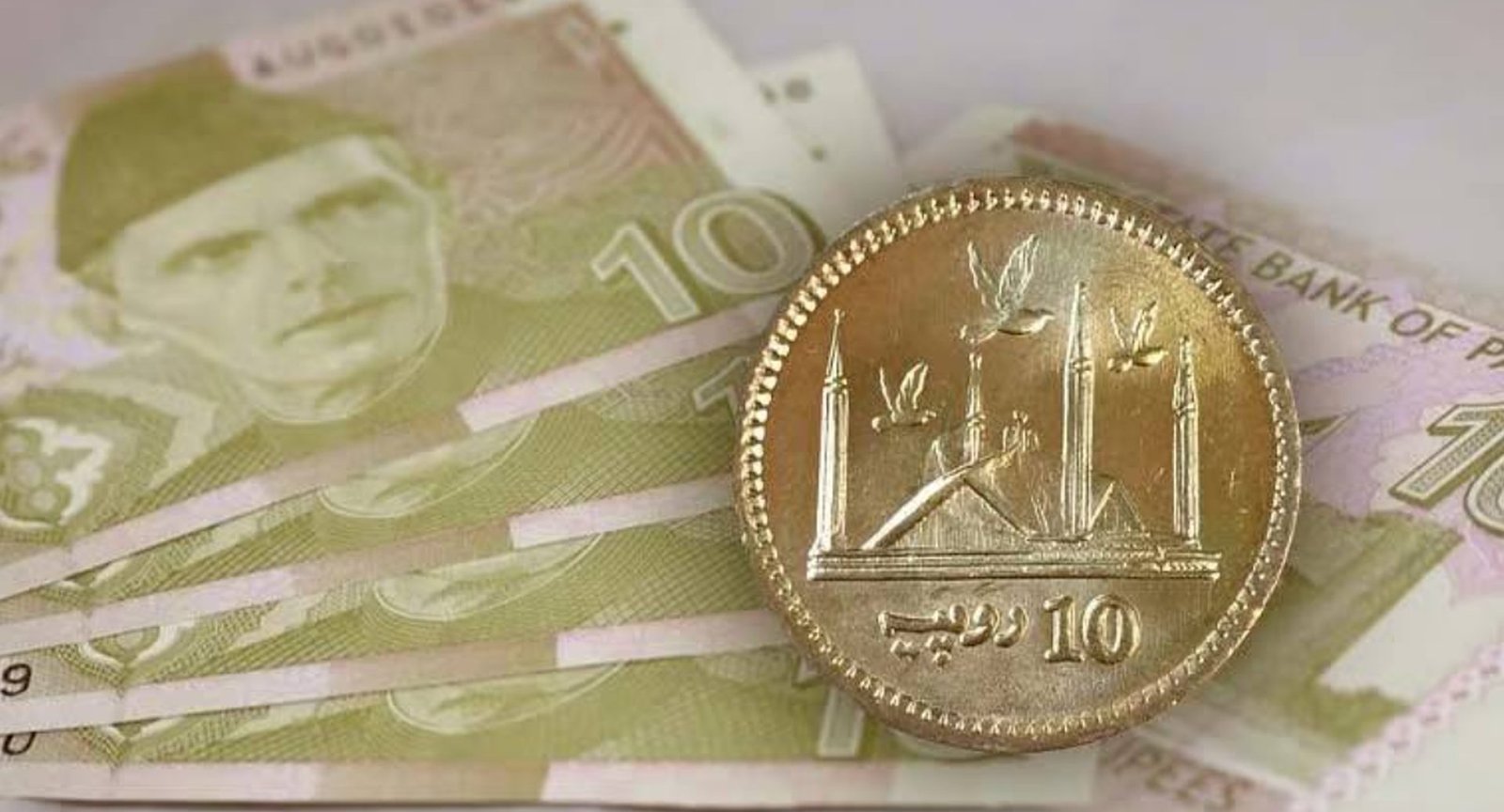
    Islamabad: The Federal Cabinet has approved new designs for currency notes and the introduction of a Rs10 coin to replace the existing banknote of the same denomination. The decisions were taken during a cabinet meeting chaired by Prime Minister Shehbaz Sharif in Islamabad.

    According to officials, the cabinet approved the new banknote designs on the recommendation of the Ministry of Finance. The government had invited design proposals from artists and designers across Pakistan, and a cabinet committee formed by the prime minister held detailed consultations with relevant stakeholders before finalising the designs.

    The meeting was informed that the new banknotes will feature enhanced security measures and modern materials to make counterfeiting more difficult and improve their durability. The cabinet also approved the introduction of a Rs10 coin, which will replace the existing Rs10 banknote in circulation.

    Rs160 Billion Package for Khyber Pakhtunkhwa

    The prime minister told the meeting that a development and security package worth Rs160 billion had been finalised for Khyber Pakhtunkhwa. He described peace and security in the province as the government’s foremost priority and reaffirmed his commitment to eliminating terrorism through cooperation among the armed forces, the provincial government and the federal government.

    During the meeting, the Federal Cabinet also approved the transfer of powers delegated to the Khyber Pakhtunkhwa chief minister to the provincial governor for day-to-day administrative affairs during the emergency period in the province. The governor will submit a monthly report to the Federal Cabinet reviewing the exercise of these powers.

    The cabinet expressed the hope that the Khyber Pakhtunkhwa Advisory Council, working under the governor’s leadership, would focus on public welfare, provincial development and the restoration of law and order.

    Defence Agreement with Kuwait Ratified

    The cabinet ratified the Defence Cooperation Agreement between Pakistan and Kuwait, which was signed on June 11, 2023. The agreement aims to strengthen cooperation between the two countries in the defence sector. The Kuwaiti government had ratified the agreement on July 19, 2023.

    The meeting also discussed regional peace efforts and energy supplies. The prime minister said Pakistan was continuing diplomatic efforts to promote regional peace, noting that a Pakistani delegation had visited Tehran twice over the previous two to three weeks to discuss reducing regional tensions and strengthening cooperation.

    Fuel Prices and Energy Supplies

    Prime Minister Shehbaz Sharif also addressed the impact of regional tensions on domestic fuel prices. He said the government had prevented an additional burden of Rs15 per litre on petrol from being passed on to consumers after engaging with refineries and asking them to share their windfall profits. He appreciated the Ministry of Petroleum for its efforts in this regard.

    The prime minister said the fuel subsidy scheme was being implemented transparently and had benefited 15 million people. He said the government had spent Rs28 billion on the programme, which would continue at least until the end of next month. He added that a new mechanism had improved transparency in LPG supply and distribution, bringing an end to what he described as the era of the LPG mafia.

    Despite challenges affecting shipping routes, the government would make every effort to maintain supplies of LNG, LPG and other energy sources during the winter season, the prime minister said, adding that the authorities would work to limit the impact of higher energy prices on consumers.

  • PM: cancel licences of pumps denying subsidised fuel

    PM: cancel licences of pumps denying subsidised fuel

    Prime Minister Shehbaz Sharif has directed the authorities to cancel the licences of petrol pumps that refuse to provide subsidised fuel to registered beneficiaries of the government’s fuel relief programme.

    The prime minister gave the instruction while chairing a review meeting of the Prime Minister’s Fuel Relief Programme on Thursday, according to The News. The meeting reviewed the progress of the scheme, which provides cheaper fuel to motorcycle owners and owners of small vehicles.

    So far, 15,519,282 citizens have registered for the programme, including 15.06 million motorcycle owners and 449,000 owners of vehicles up to 800cc, the Prime Minister’s Office told the meeting.

    A total of 63,153,685 subsidy tokens have been issued under the scheme, of which 59,445,347 have been redeemed, a redemption rate of about 94 percent. Total disbursements under the programme have reached 28.6 billion rupees as of 4 November 2026.

    Under the scheme, registered beneficiaries receive a subsidy of 100 rupees per litre on up to 20 litres of fuel a month for motorcycles, rickshaws and Qingqis, and on up to 30 litres a month for vehicles up to 800cc. The programme was launched on 13 September 2026.

    The prime minister’s order targets filling stations that are not honouring the subsidy for registered customers. Officials at the meeting were told to act against pumps that deny subsidised fuel, with cancellation of licences as the penalty.

    Separate call centres have been set up for consumers and for petrol pump operators to handle complaints about the scheme, the meeting was told. The centres are meant to resolve disputes quickly so that registered beneficiaries are not turned away at the pump.

    The programme is one of the government’s main relief measures for low-income households, many of whom rely on motorcycles for daily travel and work. Fuel prices have been a heavy burden on household budgets, and the subsidy is designed to ease that pressure for the most vulnerable users.

    The scheme runs alongside the government’s daily revision of fuel prices. Petrol was cut by 9.41 rupees a litre this week, the fourth daily cut in a row, but officials say the relief programme is aimed at those who need help most, rather than at all fuel buyers.

    The review meeting also looked at how the registration system is working and whether the token system is reaching the intended beneficiaries. With more than 15.5 million people registered, the programme is now one of the largest targeted fuel subsidy schemes the government has run.

    The prime minister told officials that the benefit must reach the people it is meant for, and that pumps refusing to cooperate should lose their licences. The message was aimed at filling station owners who take the subsidy allocation but do not pass it on to registered customers.

    Officials said the call centres would help the government track complaints and identify pumps that are not complying. The meeting ended with instructions to speed up enforcement so that registered beneficiaries can use their subsidy without difficulty.

  • Kashmir Chowk underpass opens after just 27 days

    Kashmir Chowk underpass opens after just 27 days

    Prime Minister Shehbaz Sharif inaugurated the Kashmir Chowk underpass on Thursday and praised Interior Minister Mohsin Naqvi for completing the project in a record 27 days.

    Addressing the inauguration ceremony, the prime minister said he had never witnessed a mega-project completed at such speed during his entire political career. He said the underpass, its connecting roads and extensive landscaping, including the planting of trees and flowers, had been completed in just 27 days.

    Sharif said another significant feature of the project was that its contract had been awarded through a transparent process using the electronic Public Procurement system, known as e-PAD. He said the project had also been completed at a cost lower than the initial estimate.

    The prime minister said the project was not just a 500-metre underpass, but also a network of roads spanning four kilometres around it. The work is expected to ease traffic flow at one of the capital’s busiest junctions and improve the journey for thousands of commuters every day.

    Sharif said more development projects were being planned ahead of next year’s Shanghai Cooperation Organisation summit, which Pakistan is preparing to host. He asked Mohsin Naqvi to further beautify Islamabad with flowers and greenery.

    Mr Mohsin Naqvi, please adorn Islamabad with flowers; the fragrance of these blooms will delight both the residents of Islamabad and the visiting guests, the prime minister said at the ceremony.

    Naqvi said the government would also seek help from international experts to establish a Safari Park in the city. He added that One Constitution Avenue would be turned into a five-star hotel very soon.

    The speedy completion of the underpass has drawn attention as a rare example of a public project finishing ahead of the usual pace. Officials say the use of electronic procurement and close monitoring helped keep the work on schedule and within budget.

    For daily commuters, the value of the project lies in the roads around the underpass as much as in the structure itself. Four kilometres of connecting roads were rebuilt and landscaped as part of the work, which officials say should cut waiting times at the junction and make the flow of traffic smoother in both directions.

    The project also fits into a wider effort to prepare the capital for next year’s Shanghai Cooperation Organisation summit. The prime minister linked the underpass to that programme of works, saying more projects were being planned, and he pressed for the city to be made greener and more attractive for residents and visiting delegations alike.

  • Munir becomes Pakistan’s first Chief of Defence Forces

    Munir becomes Pakistan’s first Chief of Defence Forces

    Field Marshal Syed Asim Munir has become Pakistan’s first Chief of Defence Forces, after the president approved his appointment to the newly created post on Thursday evening.

    According to the Prime Minister’s Office, Prime Minister Shehbaz Sharif approved a summary appointing Field Marshal Munir as Chief of Army Staff and concurrently as Chief of Defence Forces, and sent it to the Presidency for approval. President Asif Ali Zardari then approved the appointment, confirming Munir’s expanded role.

    The appointment is for a period of five years. Field Marshal Munir will continue as Chief of Army Staff while also holding the new post, making him the first officer in the country’s history to lead the armed forces in this combined role.

    The post of Chief of Defence Forces was created through the 27th Constitutional Amendment, passed by parliament last year, which was designed to improve coordination among the army, navy and air force. Under the new arrangement, the Chief of Defence Forces oversees all three services, replacing the earlier system in which a separate chairman led the Joint Chiefs of Staff Committee.

    The prime minister also approved a two-year extension in the service of Chief of Air Staff Air Chief Marshal Zaheer Ahmed Baber Sidhu. The extension will take effect when his present five-year tenure ends in March 2026.

    In its statement, the Prime Minister’s Office said the appointment would strengthen coordination between the services at a time when the armed forces face complex security challenges on several fronts. The president extended his best wishes to Field Marshal Munir and to the air chief for their tenures.

    Field Marshal Munir was promoted to the rank of field marshal earlier this year, and his appointment as Chief of Defence Forces marks another milestone in a career that has already seen him lead the army through a period of intense regional tension.

    The creation of the post has been the subject of debate in parliament and in the media, with supporters arguing that a single commander for the three services will improve planning and decision-making, while critics have questioned the concentration of military authority in one office.

    For now, the formal process is complete: the prime minister’s summary has been approved by the president, and the appointment stands for five years. The formal notification will follow the approval process, as is customary for senior military appointments.

    The development comes as Pakistan’s armed forces continue to deal with security threats along the western border and tensions in the wider region, and the new command structure is expected to shape how the three services work together in the years ahead.

    Observers will now watch how the new role is defined in practice, including the division of responsibilities between the Chief of Defence Forces and the individual service chiefs, and how the change affects the day-to-day running of the armed forces.

  • کابینہ نے کویت معاہدے کی توثیق، نئے نوٹ منظور کر لیے

    کابینہ نے کویت معاہدے کی توثیق، نئے نوٹ منظور کر لیے

    وفاقی کابینہ نے کویت کے ساتھ دفاعی تعاون کے معاہدے کی توثیق کر دی ہے اور ملک میں نئے کرنسی نوٹ جاری کرنے کے منصوبے کی بھی منظوری دے دی ہے۔ اجلاس کی صدارت وزیراعظم شہباز شریف نے کی، جس میں کئی اہم فیصلے کیے گئے۔

    منظور شدہ منصوبے کے تحت نئے نوٹوں کے ڈیزائن تیار کر لیے گئے ہیں اور دس روپے کا نیا سکہ بھی جاری کیا جائے گا۔ اسٹیٹ بینک آف پاکستان نئے نوٹوں کے اجرا کا شیڈول جاری کرے گا۔ حکام کے مطابق نئے نوٹ آنے تک پرانے نوٹ چلتے رہیں گے، تاکہ عوام کو کسی پریشانی کا سامنا نہ کرنا پڑے۔

    کویت کے ساتھ دفاعی تعاون کا معاہدہ دونوں ملکوں کے درمیان سیکیورٹی کے شعبے میں تعاون کو آگے بڑھائے گا۔ اس معاہدے کی توثیق سے پاکستان اور کویت کے دفاعی روابط مزید مضبوط ہونے کی توقع ہے۔ کابینہ نے اس معاہدے کو دونوں ملکوں کے باہمی اعتماد کی علامت قرار دیا۔

    نئے کرنسی نوٹوں کا معاملہ عوام کی روزمرہ زندگی سے براہ راست جڑا ہوا ہے۔ نئے ڈیزائنوں کی منظوری کے بعد اب اسٹیٹ بینک اجرا کے مراحل طے کرے گا۔ ماہرین کا کہنا ہے کہ نئے نوٹوں میں جدید حفاظتی خصوصیات شامل کی جاتی ہیں، جس سے جعلی نوٹوں کی روک تھام میں مدد ملتی ہے، تاہم اس بارے میں حتمی تفصیلات اسٹیٹ بینک ہی جاری کرے گا۔

    اسی اجلاس میں کابینہ نے ساتویں قومی مالیاتی کمیشن ایوارڈ کے لیے کمیشن کی تشکیل کی بھی منظوری دی۔ یہ کمیشن وفاق اور صوبوں کے درمیان مالی وسائل کی تقسیم کے فارمولے پر کام کرے گا، جو ملک کے مالیاتی نظام میں ایک اہم مرحلہ سمجھا جاتا ہے۔

    کابینہ نے سمندر پار پاکستانیوں کے لیے بھی ایک کمیشن بنانے کی منظوری دی۔ بیرون ملک مقیم پاکستانی ملک کی معیشت میں اہم کردار ادا کرتے ہیں اور ان کے مسائل کے حل کے لیے ایک مخصوص فورم کی ضرورت طویل عرصے سے محسوس کی جا رہی تھی۔

    اجلاس میں بینظیر انکم سپورٹ پروگرام کا جائزہ لینے کا فیصلہ بھی کیا گیا۔ یہ پروگرام ملک کے کم آمدنی والے خاندانوں کی مدد کے لیے چلایا جاتا ہے، اور اس کے جائزے کا مقصد اس کی کارکردگی کو بہتر بنانا ہے۔

    کابینہ کے ان فیصلوں کو حکومت کی ترجیحات کا عکاس سمجھا جا رہا ہے، جن میں بیرونی تعلقات، مالیاتی اصلاحات اور عوامی فلاح کے پروگرام شامل ہیں۔ نئے نوٹوں کے اجرا کا شیڈول آنے کے بعد عوام کو اس حوالے سے مزید وضاحت ملے گی۔