Tag: Shehbaz Sharif

  • PM Shehbaz, Barrick Chairman Discuss Investment in Pakistan

    PM Shehbaz, Barrick Chairman Discuss Investment in Pakistan

    Prime Minister Shehbaz Sharif met a delegation of Barrick Mining Corporation led by its chairman, John L. Thornton, in Islamabad on Friday, and welcomed the company’s interest in Pakistan’s mineral sector, saying projects such as Reko Diq would create jobs, provide skills training and bring new economic opportunities to the people of Balochistan.

    The prime minister said Pakistan was rich in natural resources and valuable minerals that could play an important role in improving the economy and bringing prosperity to the people, according to a Prime Minister’s Office statement reported by 24NewsHD.

    He stressed that local communities must benefit directly from mining projects through employment, training opportunities for young people and better facilities in areas near the projects. He described Reko Diq as a major achievement for Pakistan’s mining sector and said its successful completion would encourage more foreign investment in the country.

    The two sides discussed the policies, rules and facilities needed to develop the mineral sector, and the prime minister said the government was working to provide a business-friendly environment through better policies, improved infrastructure and modern technology. He also invited Barrick to use its experience and expertise in mining projects beyond Reko Diq.

    The Barrick delegation appreciated the government’s efforts to organise the Pakistan Minerals Investment Forum and described it as an important step towards promoting the country’s mineral wealth. It also expressed interest in investing in mineral processing industries in Karachi and Gwadar, according to the Prime Minister’s Office.

    The meeting took place during the Pakistan Minerals Investment Forum, held in Islamabad on November 12 and 13, which brought together government officials, international mining companies and investors.

    Reko Diq, in Balochistan’s Chagai district, is described by Barrick as one of the world’s largest undeveloped copper-gold projects. Barrick holds a 50 per cent interest in the project, while three federal state-owned enterprises collectively own 25 per cent and the Balochistan government holds the remaining 25 per cent. The project was reconstituted in December 2022.

    Barrick is currently reviewing the project’s development plans. In an April statement, the company said it would slow development activity and continue its review until mid-2027, citing heightened security risks and the need to reassess financing, capital requirements, scope and scheduling. Its November 9 results continued to describe Reko Diq as under review, and Friday’s statement from the Prime Minister’s Office did not announce any change to that review or provide a revised production date.

    The engagement followed separate talks in Islamabad on November 12 between Planning Minister Ahsan Iqbal and Barrick’s senior leadership on improving transport links between Balochistan’s mineral-producing areas and ports, including the proposed Nokundi-Gwadar road corridor. Those discussions concerned enabling infrastructure and did not constitute approval of the processing investments mentioned in Friday’s meeting.

    Deputy Prime Minister and Foreign Minister Ishaq Dar, Finance Minister Muhammad Aurangzeb, Petroleum Minister Ali Pervaiz Malik, special assistants Tariq Fatemi and Lieutenant General (retd) Muhammad Zafar Iqbal, and other senior government officials also attended the meeting with the prime minister.
  • وزیراعظم شہباز شریف کوپ 31 اجلاس کے بعد ترکیہ سے روانہ

    وزیراعظم شہباز شریف کوپ 31 اجلاس کے بعد ترکیہ سے روانہ

    وزیراعظم محمد شہباز شریف کوپ 31 عالمی رہنماؤں کے سربراہی اجلاس میں شرکت کے بعد انطالیہ سے پاکستان کے لیے روانہ ہو گئے، اس طرح موسمیاتی تبدیلی اور موسمیاتی خطرات سے دوچار ممالک کے لیے پاکستان کے مؤقف پر مرکوز ترکیہ کا تین روزہ دورہ مکمل ہو گیا۔

    ترکیہ کے نائب وزیر ماحولیات حسن سوور نے انطالیہ ہوائی اڈے پر وزیراعظم کو رخصت کیا۔

    وزیراعظم منگل کو اقوام متحدہ کے موسمیاتی تبدیلی سے متعلق فریم ورک کنونشن کی فریقین کی اکتیسویں کانفرنس (کوپ 31) کے رہنماؤں کے اجلاس میں شرکت کے لیے انطالیہ پہنچے تھے، جہاں انہوں نے بحیرہ روم کے اس شہر میں جمع عالمی رہنماؤں کے ساتھ پاکستان کی نمائندگی کی۔

    موسمیاتی مالیات کے لیے پاکستان کا مطالبہ

    اجلاس سے خطاب کرتے ہوئے وزیراعظم نے موسمیاتی خطرات سے دوچار ممالک کے لیے گرانٹ پر مبنی موسمیاتی مالیات کا مطالبہ کیا اور عالمی برادری پر زور دیا کہ موسمیاتی آفات کے دوران یکجہتی کو عملی اقدامات میں بدلا جائے۔

    انہوں نے کہا کہ جب موسمیاتی آفات آتی ہیں تو کمزور ممالک کو بروقت مدد اور ایسی مالیات کی ضرورت ہوتی ہے جو ان کے قرضوں میں اضافہ نہ کرے۔

    انہوں نے موسمیاتی خطرات سے دوچار ممالک اور مشکلات کا شکار معیشتوں کے لیے لچک اور موافقت کے فنڈز میں نمایاں اضافے کا بھی مطالبہ کیا اور اس بات پر زور دیا کہ ترقی پذیر ممالک اس بحران کی قیمت نہیں اٹھا سکتے جس میں ان کا کردار نہ ہونے کے برابر ہے۔

    وزیراعظم نے 2022 میں پاکستان میں آنے والے تباہ کن سیلاب کا بھی ذکر کیا جس نے ملک کا ایک تہائی حصہ ڈبو دیا تھا اور تقریباً 33 ملین افراد متاثر ہوئے تھے۔ انہوں نے کہا کہ عالمی کاربن اخراج میں پاکستان کا حصہ ایک فیصد سے بھی کم ہے، اس کے باوجود موسمیاتی تبدیلی کے سنگین ترین نتائج کا سامنا کرنا پڑ رہا ہے۔

    انہوں نے سیلاب کے دوران ترکیہ کی حمایت کا بھی اعتراف کیا اور کہا کہ ترکیہ نے اس بحران میں پاکستان کے ساتھ کندھے سے کندھا ملا کر کھڑا رہا۔

    اجلاس کے دوران وزیراعظم نے شمسی توانائی کی طرف پاکستان کی تیز رفتار منتقلی کو بھی اجاگر کیا اور صاف توانائی کے بڑھتے ہوئے استعمال کو موسمیاتی تبدیلی کے جواب کا حصہ قرار دیا۔ انہوں نے صاف توانائی کی منتقلی پر اعلیٰ سطحی مکالمے “35 بائی 35: مستقبل کو توانائی دینا” میں شرکت کی، جہاں انہوں نے عالمی صاف توانائی کی منتقلی کو تیز کرنے کے لیے زیادہ بین الاقوامی تعاون، سستی ٹیکنالوجی اور موسمیاتی مالیات پر زور دیا۔

    اجلاس کے موقع پر دوطرفہ ملاقاتیں

    اجلاس کے موقع پر وزیراعظم شہباز شریف نے ترکیہ کی قیادت سمیت عالمی رہنماؤں کے ساتھ اہم دوطرفہ ملاقاتیں کیں۔ انہوں نے کوپ 31 کی صدارت کی جانب سے بلائے گئے اعلیٰ سطحی گول میز اجلاس میں بھی شرکت کی اور رسمی کارروائی شروع ہونے سے قبل ساتھی رہنماؤں کے ساتھ گروپ تصویر میں شریک ہوئے۔

    دورے کے دوران ان کے ہمراہ وزیر اطلاعات عطا اللہ تارڑ، وزیراعظم کے معاون خصوصی طارق فاطمی اور پاکستان پیپلز پارٹی کی سینیٹر شیری رحمٰن تھیں۔

    رہنماؤں کا اجلاس 11 اور 12 نومبر کو کوپ 31 کے حصے کے طور پر منعقد ہوا، جو 20 نومبر تک انطالیہ میں جاری رہے گی، جہاں حکومتوں پر موسمیاتی مالیات اور جیواشم ایندھن سے منتقلی پر پیش رفت کے لیے دباؤ ہے۔

  • PM Shehbaz departs Turkiye after COP31 summit

    PM Shehbaz departs Turkiye after COP31 summit

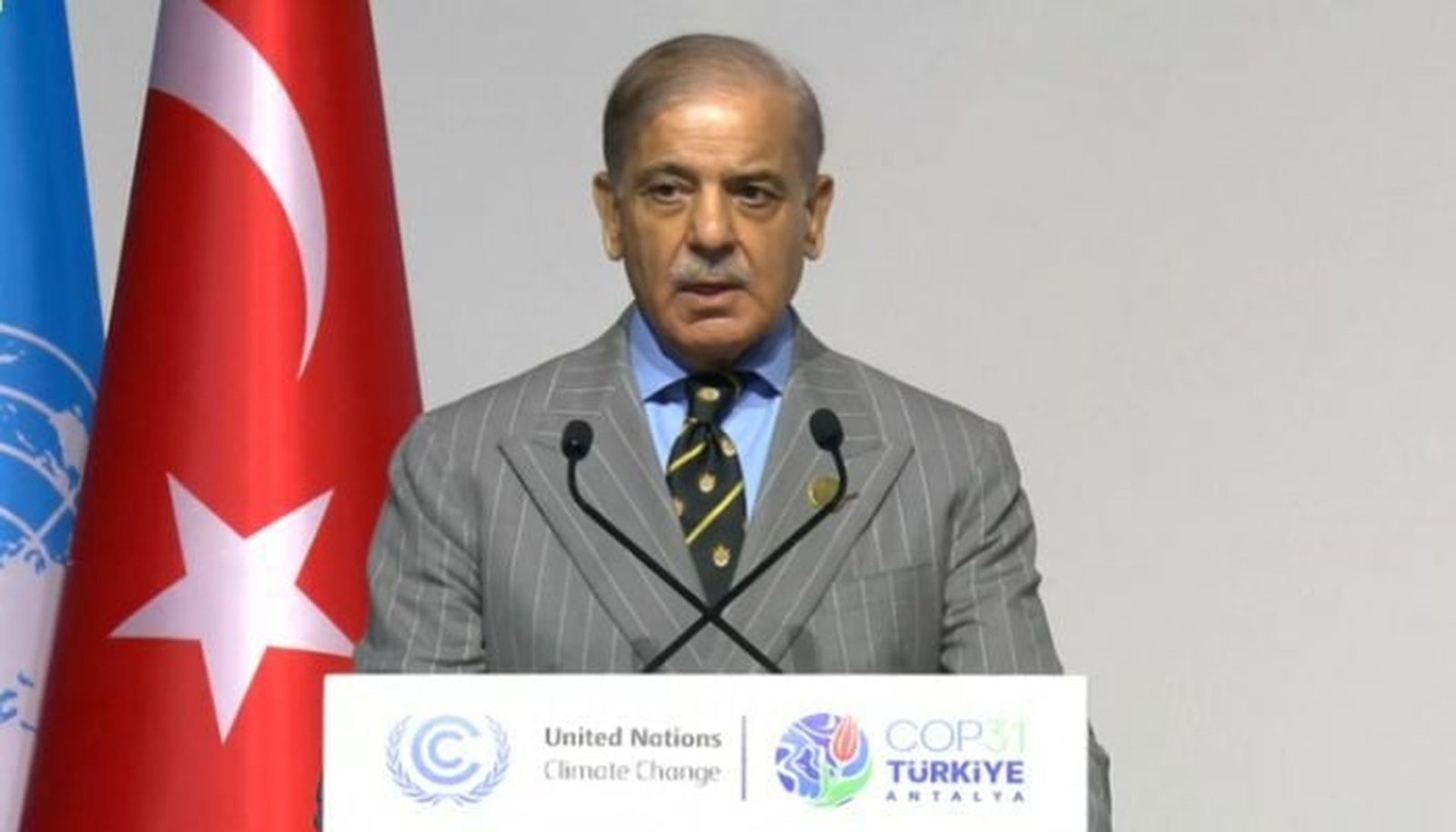
    Prime Minister Muhammad Shehbaz Sharif departed from Antalya for Pakistan on Thursday after attending the COP31 World Leaders’ Summit, concluding a three-day visit to Turkiye focused on climate action and Pakistan’s case for support for vulnerable countries.

    Turkish Deputy Minister of Environment Hasan Suver saw off the prime minister at Antalya Airport, according to reports from the Turkish city.

    Prime Minister Sharif arrived in Antalya on Tuesday for the Leaders’ Summit of the 31st Conference of the Parties (COP31) to the United Nations Framework Convention on Climate Change (UNFCCC), where he represented Pakistan alongside world leaders gathered in the Mediterranean city.

    Pakistan’s call for climate finance

    Addressing the summit, the prime minister called for grant-based climate financing for climate-vulnerable countries, urging the international community to turn solidarity into tangible action during climate disasters.

    “When climate disasters strike, vulnerable countries need timely help and finance that does not deepen their debt,” he said, according to reports of his address.

    He also called for a significant enhancement of resilience and adaptation funds for climate-vulnerable countries and struggling economies, underlining that developing nations cannot meet the cost of a crisis they did little to cause.

    The prime minister recalled the devastating floods that struck Pakistan in 2022, submerging a third of the country and affecting around 33 million people. He noted that Pakistan was responsible for less than one per cent of global carbon emissions, yet faced some of the harshest consequences of climate change.

    He also acknowledged Turkiye’s support during the floods, saying the country had stood shoulder to shoulder with Pakistan during the crisis.

    During the summit, the prime minister also highlighted Pakistan’s rapid shift towards solar energy, pointing to the country’s growing use of clean energy as part of its response to climate change. He took part in a high-level dialogue on clean energy transition titled “35 by 35: Powering the Future”, where he pressed for greater international cooperation, affordable technology and climate financing to speed up the global clean energy transition.

    Bilateral meetings on the sidelines

    On the sidelines of the summit, Prime Minister Sharif held important bilateral meetings with world leaders, including the Turkish leadership, according to the Prime Minister’s Office. He also attended a high-level roundtable convened by the COP31 presidency and joined fellow leaders for a group photograph before the formal proceedings began.

    He was accompanied during the visit by Information Minister Attaullah Tarar, Special Assistant to the Prime Minister Tariq Fatemi and Pakistan Peoples Party Senator Sherry Rehman.

    The Leaders’ Summit was held on 11 and 12 November as part of COP31, which continues in Antalya until 20 November, with governments under pressure to make progress on climate finance and the transition away from fossil fuels.

  • Auto Policy 2026-31 Cleared by IMF, Approved by PM

    Auto Policy 2026-31 Cleared by IMF, Approved by PM

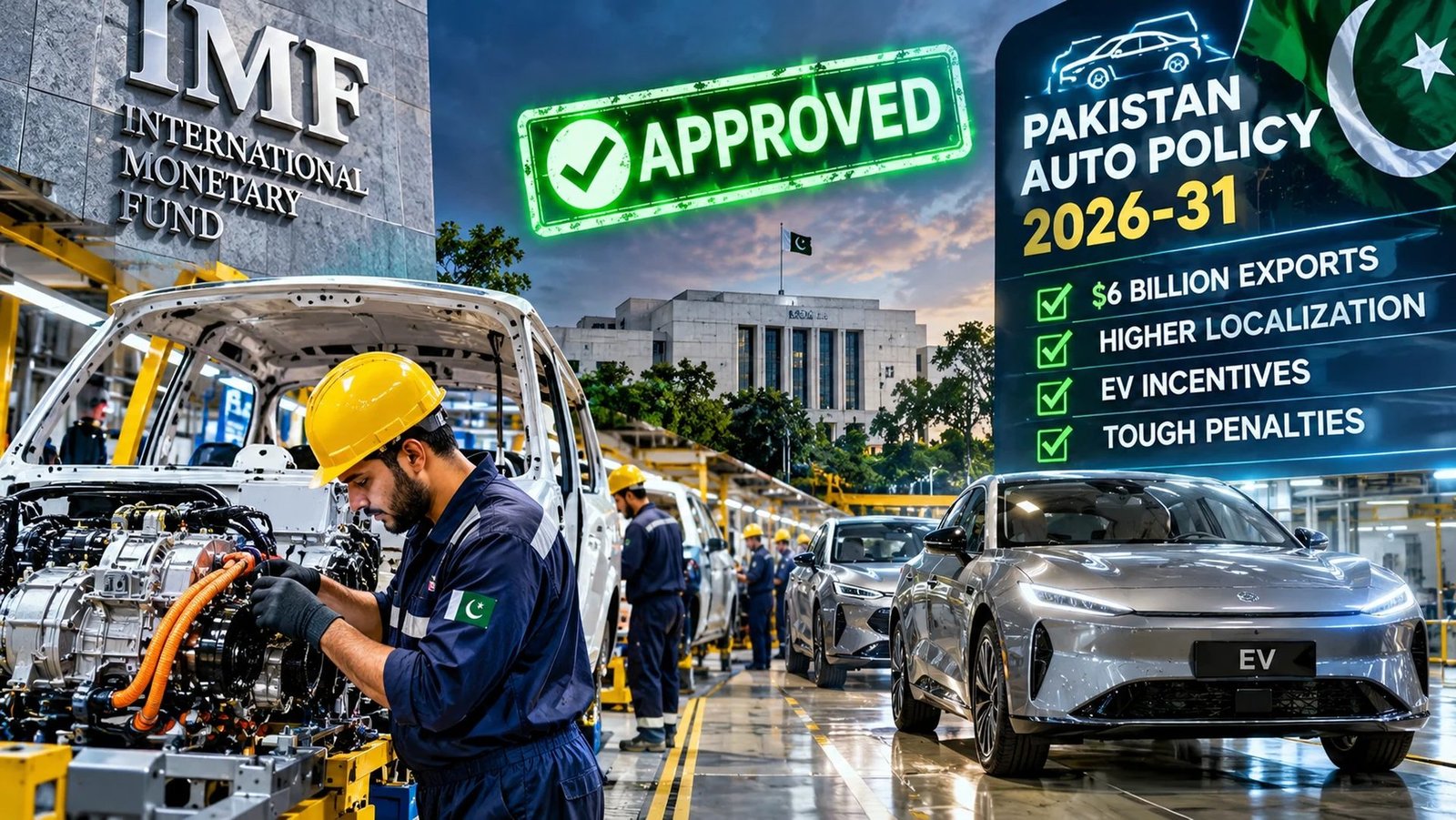
    Prime Minister Shehbaz Sharif has approved the Autos and Auto Parts Manufacturing Policy 2026-31 after the International Monetary Fund (IMF) raised no objection to the draft, according to sources quoted in media reports. The policy is not yet law: it still requires approval by the federal cabinet, after which the government plans to take it to Parliament as a money bill, effectively a mini-budget.

    The policy replaces the previous auto policy, the Automotive Industry Development and Export Policy (AIDEP) 2021-26, which expired on 30 June 2026. The framework was announced at a joint press conference in Islamabad on 7 November by Information Minister Attaullah Tarar and Adviser on Industries Haroon Akhtar Khan.

    The policy sets ambitious targets for the five-year period. Cumulative automotive exports of about $6.01 billion are targeted by 2030-31, with parts makers contributing $3.29 billion, or 55 per cent, and assemblers $2.72 billion. It also aims for about $17.7 billion in cumulative foreign exchange savings and a cut in oil imports of about 1.823 million tonnes.

    Manufacturers will face binding export obligations. Those missing their export targets face penalties of 1 to 3 per cent of annual factory-gate sales, and two consecutive years of failure could cost them their manufacturing certificates, except in cases of force majeure. A drawback scheme will offer exporters 5 per cent of net free-on-board export value, plus 10 per cent on qualifying incremental exports.

    Localisation is central to the policy. Existing manufacturers must raise domestic value addition by 2 per cent a year — 8 per cent over the period. By 2030-31, minimum localisation targets are 40 per cent for petrol and diesel cars and SUVs, 45 per cent for light commercial vehicles, 80 per cent for tractors and 90 per cent for motorcycles and rickshaws. For new energy vehicles, the targets are 25 per cent for cars and SUVs and 30 per cent for two- and three-wheelers. Missing the targets could add 3 percentage points of customs duty on non-localised CKD imports the following year.

    Electric vehicles receive a targeted incentive. Battery electric vehicles priced up to $15,000 will qualify for 5 per cent customs duty for the first two years, but only if the importer sets up local assembly or manufacturing. A surety bond and an irrevocable bank guarantee will be required, and commercial production of the imported model must begin by 30 September 2028, failing which the guarantees will be encashed.

    Other measures include contract manufacturing to use idle plant capacity, estimated at 41 to 80 per cent, a Rs2.1 billion Vendor Upgradation and Technology Transfer Programme run by the Engineering Development Board and SMEDA, and a target of at least five anchor firms investing in the sector. A mid-term review is planned for 2028. Makers that do not sign performance agreements with the Engineering Development Board will not qualify for concessional tariffs on imported parts.

    The policy comes as the industry recovers. Passenger car sales rose 39 per cent to about 156,000 units in fiscal year 2025-26, while motorcycle and rickshaw sales rose 30 per cent to nearly 1.97 million, according to Pakistan Automotive Manufacturers Association data. The IMF raising no objection is not a formal IMF approval, and the policy text has not been published; some details here come from reporting on the draft.

  • وزیراعظم کا وفاقی تعلیمی اداروں سے متعلق بڑا فیصلہ، اسکولوں میں پولیس کیمپوں پر پابندی

    وزیراعظم کا وفاقی تعلیمی اداروں سے متعلق بڑا فیصلہ، اسکولوں میں پولیس کیمپوں پر پابندی

    وزیراعظم شہباز شریف نے وفاقی تعلیمی اداروں کے حوالے سے اہم فیصلہ کرتے ہوئے اسلام آباد کے اسکولوں اور کالجوں کی عمارتوں میں پولیس اور دیگر قانون نافذ کرنے والے اداروں کے کیمپ قائم کرنے پر پابندی عائد کر دی ہے، اور اساتذہ کو غیر تدریسی ذمہ داریوں سے آزاد کر دیا ہے۔

    یہ ہدایات اسلام آباد کے تعلیمی شعبے سے متعلق اجلاس میں جاری کی گئیں۔ اجلاس کے بعد وزیراعظم آفس نے وزارتِ وفاقی تعلیم و پیشہ ورانہ تربیت کو تحریری ہدایات بھیجیں، جس پر وزارت نے باضابطہ آفس میمورنڈم جاری کر کے فیصلے اسلام آباد انتظامیہ اور پولیس کو پہنچا دیے۔

    نئے احکامات کے تحت وفاقی نظامتِ تعلیم (ایف ڈی ای) کے زیر انتظام اسکولوں اور کالجوں کی عمارتیں، کلاس رومز اور دیگر سہولیات صرف تعلیمی سرگرمیوں کے لیے استعمال ہوں گی۔ انہیں پولیس کی تعیناتی، عارضی کیمپ، حراستی مراکز یا دیگر سیکیورٹی سرگرمیوں کے لیے استعمال کرنے کی اجازت نہیں ہوگی۔

    وزیراعظم نے اساتذہ کو تدریسی ذمہ داریوں کے علاوہ دیگر سرکاری کاموں پر لگانے سے بھی روک دیا ہے۔ فیصلے کے مطابق وفاقی تعلیمی اداروں کے اساتذہ کو انتخابی ڈیوٹی، مردم شماری، گھر گھر سروے اور دیگر انتظامی امور کے لیے طلب نہیں کیا جا سکے گا۔ وزارتِ تعلیم نے ہدایت کی ہے کہ پہلے سے غیر تدریسی ذمہ داریاں انجام دینے والے اساتذہ کی ڈیوٹیاں فوری طور پر ختم کی جائیں تاکہ وہ اپنی اصل ذمہ داری یعنی تدریس پر توجہ دے سکیں۔

    وزارتِ وفاقی تعلیم نے وزیراعظم کی ہدایات پر عمل درآمد یقینی بنانے کے لیے متعلقہ مراسلہ سیکرٹری داخلہ اور چیف کمشنر اسلام آباد کو بھی ارسال کر دیا ہے۔ یہ فیصلہ اس وقت سامنے آیا ہے جب ستمبر میں اسلام آباد کے 38 سرکاری اسکولوں اور کالجوں کو ایک سے تین ہفتوں کے لیے بند کر کے پولیس اہلکاروں کی رہائش کے لیے استعمال کیا گیا تھا۔

    اسکولوں سے متعلق یہ فیصلہ وفاقی دارالحکومت میں سرکاری تعلیم کی وسیع تر اصلاحات کا حصہ ہے، جس کا حکم وزیراعظم نے اس سے قبل دیا تھا۔ اسلام آباد کے سرکاری اسکولوں کی صورتحال پر اعلیٰ سطحی اجلاس میں انہوں نے بنیادی ڈھانچے، نصاب، اساتذہ کی تربیت، طلبہ کی نقل و حمل، صحت اور غذائیت پر مشتمل جامع اصلاحات پر فوری عمل درآمد کی ہدایت کی تھی، اور وزیرِ منصوبہ بندی احسن اقبال کو مسائل ایک ہفتے میں حل کرنے کی ذمہ داری سونپی تھی۔ اس پیکیج میں کلاس رومز میں اسمارٹ بورڈز کی تنصیب، وفاقی نظامتِ تعلیم کو زیادہ مؤثر نگران ادارہ بنانا، اساتذہ کی بھرتی میرٹ پر کرنا، اسکول بس سروس کی توسیع — سروے کے مطابق طلبہ کے لیے 278 سرکاری بسیں چل رہی ہیں — معذور طلبہ کے لیے ریمپ کی تنصیب، اور پرائمری سطح کے طلبہ کے لیے مفت لنچ پروگرام شامل ہیں۔

  • PM Bans Police Use of Islamabad Schools, Frees Teachers from Extra Duties

    PM Bans Police Use of Islamabad Schools, Frees Teachers from Extra Duties

    Prime Minister Shehbaz Sharif has banned the use of schools and colleges in Islamabad for accommodating police and security personnel, and directed that teachers be freed from non-teaching duties, in a major decision for the federal capital’s education sector.

    The directives were issued during a meeting on Islamabad’s education sector. Following the meeting, the Prime Minister’s Office sent written instructions to the Ministry of Federal Education and Professional Training, which formally issued an office memorandum communicating the decisions to the Islamabad administration and police.

    Under the new orders, buildings, classrooms and other facilities run by the Federal Directorate of Education (FDE) can be used only for educational activities. They cannot be used for police deployment, temporary camps, detention facilities or other security operations.

    The prime minister also ordered an end to non-teaching responsibilities assigned to teachers, including election duties, census operations and household surveys. The Ministry of Education has directed the authorities to immediately withdraw all such assignments, so that teachers already on non-teaching duties can return to their core responsibility of teaching.

    The ministry has also sent the memorandum to the Interior Secretary and the Chief Commissioner Islamabad to ensure the instructions are implemented. The decision comes after 38 public-sector schools and colleges in Islamabad were closed for one to three weeks in September to accommodate police personnel ahead of an anticipated protest.

    The schools decision is part of a wider overhaul of government education in the federal capital that the prime minister ordered earlier. In a high-level meeting on the condition of Islamabad’s government schools, he directed the immediate implementation of comprehensive reforms covering infrastructure, curriculum, teacher training, student transport, healthcare and nutrition, and tasked Planning Minister Ahsan Iqbal with addressing the problems within one week. The package includes smart boards in classrooms, turning the Federal Directorate of Education into a more effective supervisory institution, recruiting teachers strictly on merit, expanding school bus services — a survey found 278 government buses operating for students — installing ramps for students with physical disabilities, and a free lunch programme for primary-level pupils.

  • وزیراعظم کا بڑا فیصلہ: اسلام آباد کے اسکولوں میں پولیس کیمپ پر پابندی، اساتذہ غیر تدریسی ڈیوٹی سے آزاد

    وزیراعظم کا بڑا فیصلہ: اسلام آباد کے اسکولوں میں پولیس کیمپ پر پابندی، اساتذہ غیر تدریسی ڈیوٹی سے آزاد

    وزیراعظم شہباز شریف نے اسلام آباد کے اسکولوں اور کالجوں کو پولیس اور سیکیورٹی اہلکاروں کی رہائش کے لیے استعمال کرنے پر پابندی عائد کر دی ہے اور وفاقی دارالحکومت کے اساتذہ کو غیر تدریسی ذمہ داریوں سے آزاد کرنے کا حکم دیا ہے۔

    ہدایات کے مطابق وفاقی نظامتِ تعلیم کے زیر انتظام اسکولوں اور کالجوں کی عمارتیں، کلاس رومز اور دیگر سہولتیں صرف تعلیمی سرگرمیوں کے لیے استعمال ہوں گی۔ انھیں پولیس کی تعیناتی، عارضی کیمپ، اہلکاروں کی رہائش، حراستی مراکز یا دیگر سیکیورٹی سرگرمیوں کے لیے استعمال کرنے کی اجازت نہیں ہوگی۔

    وزیراعظم آفس نے اسلام آباد کے تعلیمی شعبے سے متعلق اجلاس کے بعد وزارتِ وفاقی تعلیم و پیشہ ورانہ تربیت کو تحریری ہدایات جاری کیں۔ وزارت نے اس پر عمل درآمد کے لیے باضابطہ آفس میمورنڈم جاری کر دیا اور فیصلے سے اسلام آباد انتظامیہ اور پولیس کو بھی آگاہ کر دیا۔

    عمل درآمد یقینی بنانے کے لیے متعلقہ مراسلہ سیکرٹری داخلہ اور چیف کمشنر اسلام آباد کو بھی ارسال کر دیا گیا ہے۔

    وزیراعظم نے اساتذہ کو تدریسی ذمہ داریوں کے علاوہ دیگر سرکاری کاموں پر لگانے سے بھی روک دیا ہے۔ فیصلے کے مطابق وفاقی تعلیمی اداروں کے اساتذہ کو انتخابی ڈیوٹی، مردم شماری، گھر گھر سروے اور دیگر انتظامی امور کے لیے طلب نہیں کیا جا سکے گا۔ وزارتِ تعلیم نے متعلقہ حکام کو ایسی تمام ذمہ داریاں فوری طور پر واپس لینے کی ہدایت کی ہے۔

    ہدایات میں مزید کہا گیا ہے کہ ایسے اساتذہ جو پہلے ہی غیر تدریسی یا انتظامی ذمہ داریاں انجام دے رہے ہیں، ان کی ڈیوٹیاں فوری طور پر ختم کی جا سکتی ہیں تاکہ وہ اپنی اصل ذمہ داری یعنی تدریس پر توجہ دے سکیں۔

    یہ فیصلہ اس وقت سامنے آیا ہے جب ستمبر میں اسلام آباد کے 38 سرکاری اسکولوں اور کالجوں کو ایک سے تین ہفتوں کے لیے بند کر دیا گیا تھا تاکہ ان کی عمارتوں میں پاکستان تحریکِ انصاف کے متوقع احتجاج سے قبل پولیس اہلکاروں کو ٹھہرایا جا سکے۔

    حکام کا کہنا ہے کہ اس اقدام کا مقصد تدریسی وقت کا تحفظ اور تعلیمی اداروں کو سیکیورٹی یا انتظامی استعمال سے بچا کر صرف تعلیم پر مرکوز رکھنا ہے۔ وزارتِ وفاقی تعلیم میمورنڈم پر عمل درآمد کی نگرانی کرے گی اور اداروں کو ہدایت کی گئی ہے کہ ان کی عمارتیں صرف تعلیمی مقاصد کے لیے دستیاب رہیں گی۔

    یہ ہدایات اسلام آباد میں وفاقی نظامتِ تعلیم کے تحت چلنے والے اسکولوں اور کالجوں پر لاگو ہوں گی۔ اساتذہ کی تنظیمیں طویل عرصے سے کلاس روم سے باہر کی ذمہ داریوں سے نجات کا مطالبہ کر رہی ہیں، ان کا کہنا ہے کہ انتخابی، مردم شماری اور سروے کا کام اساتذہ کو ہفتوں تک طلبہ سے دور رکھتا ہے۔

  • PM Bans Police Use of Islamabad Schools, Frees Teachers

    PM Bans Police Use of Islamabad Schools, Frees Teachers

    Prime Minister Shehbaz Sharif has banned the use of schools and colleges in Islamabad for accommodating police and security personnel, and has ordered an end to non-teaching duties assigned to teachers in the federal capital.

    According to the directives, buildings, classrooms and other facilities run by the Federal Directorate of Education (FDE) will be used only for educational activities. They cannot be used for police deployment, temporary camps, housing for personnel, detention facilities or other security operations.

    The Prime Minister’s Office sent written instructions to the Ministry of Federal Education and Professional Training after a meeting on Islamabad’s education sector. The ministry then issued a formal office memorandum putting the decisions into effect and communicated them to the Islamabad administration and the police.

    The memorandum has also been sent to the Secretary of the Interior and the Chief Commissioner of Islamabad, so that implementation can be ensured across the relevant departments.

    The prime minister also ordered the cancellation of non-teaching responsibilities assigned to teachers, including election duties, census operations and household surveys. The Ministry of Education has directed the authorities concerned to withdraw all such assignments immediately.

    Teachers who are already performing non-teaching or administrative duties can have those duties ended at once, so that they can return to their primary responsibility of teaching, according to the directives.

    The decision follows the closure of 38 public-sector schools and colleges in Islamabad for one to three weeks in September, when their buildings were used to accommodate police personnel ahead of an anticipated protest by Pakistan Tehreek-e-Insaf, according to TechJuice.

    Officials said the move is intended to protect teaching time and keep educational institutions focused on learning, rather than being diverted for security or administrative use. The federal education ministry will monitor compliance with the memorandum, and institutions have been told that their premises are to remain available only for academic purposes.

    The directives apply to schools and colleges under the Federal Directorate of Education in the Islamabad Capital Territory. Teachers’ organisations have long sought relief from duties outside the classroom, arguing that election, census and survey work takes teachers away from students for weeks at a time.

  • Petrol Levy Burden Cut by Rs1.65 a Litre — Refineries to Pay More

    Petrol Levy Burden Cut by Rs1.65 a Litre — Refineries to Pay More

    The federal government has reduced the petroleum levy burden on consumers by Rs1.65 per litre under its revised petrol pricing formula, shifting a greater share of the levy to refineries.

    According to details of the revised pricing mechanism, the petroleum levy burden attributed to consumers has been reduced from Rs65.29 to Rs63.64 per litre. The share borne by refineries has increased to Rs16.36 per litre, providing additional relief of Rs1.65 per litre to consumers under the revised formula.

    The federal government continues to collect a total petroleum levy of Rs80 per litre, with Rs63.64 attributed to consumers and the remaining Rs16.36 borne by refineries.

    The adjustment follows changes to the petrol pricing formula introduced by the government of Prime Minister Shehbaz Sharif approximately two weeks ago. The revised mechanism is intended to reduce the petroleum levy burden on consumers without changing the total levy collected by the federal government.

    The move comes at a time when fuel prices remain a sensitive issue for households and businesses across the country, with transport costs feeding directly into the prices of essential goods. Any reduction in the levy burden on consumers is expected to ease pressure on household budgets, even though the overall levy collected by the government remains unchanged.

    Officials say the revised formula redistributes the levy between consumers and refineries rather than cutting government revenue, keeping the total collection at Rs80 per litre while giving consumers a modest break at the pump.

    The petroleum levy has been a subject of political debate in recent weeks, with opposition parties and religious groups calling for its reduction or abolition to provide relief to the public. The government has maintained that the levy is a key source of revenue, but has used adjustments to the pricing formula to pass on some relief where possible.

    Petrol and diesel prices were also cut earlier in the day, with the government announcing a reduction in fuel prices alongside the levy adjustment, offering further relief to consumers facing high inflation.

  • Shehbaz Departs Turkiye After COP31

    Shehbaz Departs Turkiye After COP31

    Prime Minister Shehbaz Sharif left Antalya for Pakistan on Thursday after attending the COP31 Leaders’ Summit in Turkiye, bringing his visit to the Turkish city to a close. According to the Prime Minister’s Office, Turkiye’s Deputy Minister of Environment, Hasan Suver, saw him off at Antalya airport as he boarded his flight home.

    The prime minister had travelled to Antalya to represent Pakistan at the summit of the 31st Conference of the Parties to the United Nations Framework Convention on Climate Change, where leaders from around the world gathered to discuss the response to a warming planet. During his stay, he addressed the leaders’ gathering and held a series of meetings on the sidelines with counterparts from several countries.

    In his address to the summit, the prime minister pressed the case for climate finance that does not add to the debt burden of vulnerable countries. According to reports of his speech, he called for grant-based support, including through public-private partnerships, and for a substantial increase in funding for resilience and adaptation, describing such funds as a matter of survival for struggling economies.

    He reminded the gathering of the floods that struck Pakistan in 2022, which affected around 33 million people, and pointed out that Pakistan accounts for less than one per cent of global carbon emissions. He urged world leaders to judge the outcome of COP31 by practical achievements rather than by political promises.

    Meetings on the sidelines

    On the sidelines of the conference, the prime minister met Turkish President Recep Tayyip Erdogan. The two leaders discussed trade and investment, defence cooperation, energy and connectivity, and stressed the need to speed up work already under way between the two countries. President Erdogan also appreciated Pakistan’s mediation efforts, which led to the signing of the Islamabad memorandum of understanding.

    The prime minister also met Finnish President Alexander Stubb, with the two sides discussing a forward-looking partnership covering trade and investment, education, skills development, technology, climate resilience and contacts between people. He repeated his invitation to the Finnish president to visit Pakistan. He further met the president of Iraq and General Abdel Fattah al-Burhan, the head of Sudan’s Sovereignty Council.

    He was accompanied during the visit by Senator Sherry Rehman, Information Minister Attaullah Tarar and the prime minister’s adviser Tariq Fatemi. On his arrival in Antalya, he had been received by Turkiye’s Deputy Minister of Culture and Tourism, Gokhan Yazgi, and Pakistan’s ambassador-designate to Turkiye, Amna Baloch. A Pakistan Pavilion was also set up at the summit venue, hosting 54 events during the conference.