Tag: Saudi Arabia

  • Aramco Tower in Riyadh Damaged in Missile Attack

    Aramco Tower in Riyadh Damaged in Missile Attack

    Loud explosions were heard across Riyadh on Sunday morning as Saudi air defences intercepted missiles fired towards the capital, and falling debris from the interception damaged the Aramco tower in the city’s King Abdullah Financial District.

    The Saudi-led coalition said its air defences intercepted and destroyed two ballistic missiles launched by Yemen’s Houthis towards Riyadh. It later said two cruise missiles had also been intercepted over Riyadh and the southern region.

    Witnesses told the AFP news agency that several floors of the 36-storey tower, also known as Villas in the Sky, were hit, with windows blown out and part of the facade torn away. A Reuters witness at the scene reported shattered windows across several floors, and video of the damage verified by CNN circulated widely online.

    Saudi Arabia’s Energy Ministry described the incident as an attempted attack on an administrative building belonging to state oil giant Aramco. It said falling shrapnel caused minor damage to the building and that no injuries or fatalities were reported. Aramco did not immediately comment.

    The Houthis said they had carried out missile and drone operations against Aramco facilities, Riyadh airport and Saudi military positions. The coalition said the missiles fired towards Riyadh on Sunday morning came from the Houthis, and its spokesman said air defences had intercepted and destroyed two ballistic missiles.

    The damaged tower stands in the King Abdullah Financial District, a cluster of modern office towers in northern Riyadh that is home to more than 140 companies and was built as a showcase for the kingdom’s economic reform plans. Saudi civil defence had issued an early warning to residents before the explosions were heard.

    The incident comes amid a wider exchange of fire between the two sides. The Houthis said coalition air strikes near Sanaa a day earlier had killed 33 people, including eight women and 13 children, a toll that could not be independently verified. Sunday’s damage to a landmark tower in the heart of Riyadh’s financial district underlined how the conflict in Yemen continues to reach into the Saudi capital.

  • Houthis Claim 6 Strikes on Riyadh Airport, Aramco Sites

    Houthis Claim 6 Strikes on Riyadh Airport, Aramco Sites

    Yemen’s Houthi rebels say they launched six missile and drone operations against Saudi Arabia on Saturday, naming Riyadh’s international airport, Aramco oil facilities and a National Guard camp among the targets — claims Saudi Arabia has not confirmed.

    Houthi military spokesman Yahya Saree said the operations used a large number of ballistic missiles, cruise missiles and drones. In a statement, he said the first attack targeted King Khalid International Airport in Riyadh, along with Aramco oil storage tanks and a distillation tower in the Saudi capital.

    He said further strikes hit an Aramco facility near the Khurais oil field in Saudi Arabia’s Eastern Province, a pumping station in the Dawadmi area west of Riyadh, and a National Guard camp in Najran province. Saree claimed the operations had achieved their objectives.

    The Houthis said the attacks were retaliation for Saudi airstrikes on a market in Taiz province, which they alleged killed and wounded dozens of civilians, including vendors and shoppers. Saudi Arabia did not immediately confirm the reported attacks or the extent of any damage, and the Houthis’ claims have not been independently verified.

    Saudi defences report intercepts

    Separately, the Saudi-led coalition said its air defences intercepted and destroyed a Houthi cruise missile aimed at the Riyadh region, and reported a separate drone interception in the same region. The coalition gave no casualty or damage figures.

    The Houthis have stepped up attacks on neighbouring Saudi Arabia in recent months, with airports and oil facilities among the main targets in the kingdom. The latest claims come as fighting in Yemen has intensified, with each side blaming the other for deadly strikes on civilian areas.

    Houthi health officials said at least 27 people were killed and 36 wounded in strikes on homes in al-Shariya, blaming Saudi Arabia. There was no immediate comment from Saudi Arabia on those claims either.

    The renewed exchange underlines how the Yemen conflict continues to spill across the border, putting some of the world’s most important oil and aviation infrastructure in the firing line. Analysts say the claims show the Houthis can still threaten Saudi cities and energy sites despite years of war and repeated Saudi-led bombing in Yemen.

  • 3,000 Syrian Troops Headed to Yemen and Saudi Arabia: AFP

    3,000 Syrian Troops Headed to Yemen and Saudi Arabia: AFP

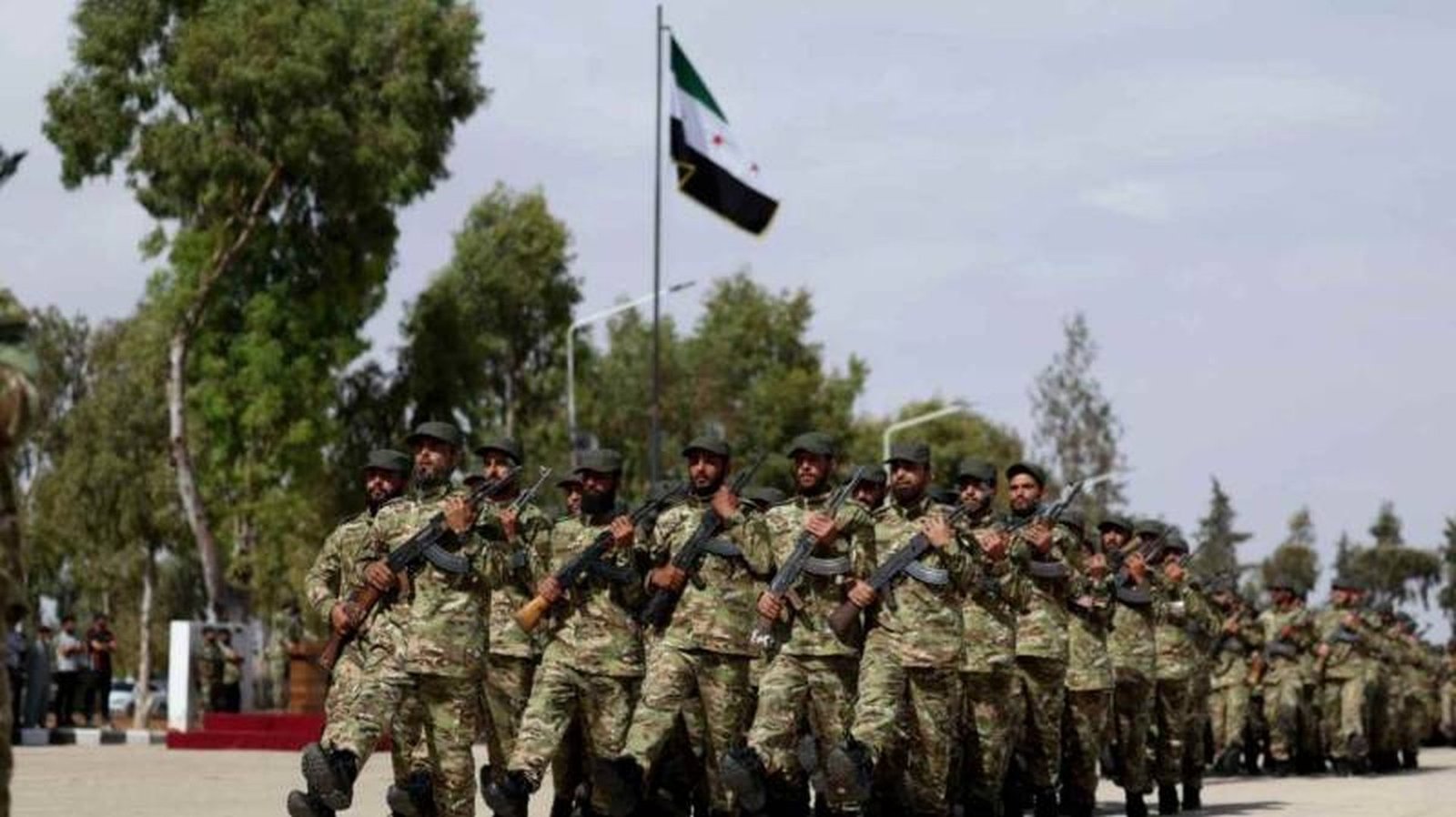
    Thousands of Syrian soldiers are preparing to deploy to Saudi Arabia and Yemen to join the fight against the Houthis, Yemeni officials have told the AFP news agency, in a move that would mark a dramatic new chapter in the region’s shifting alliances.

    According to the officials, the first phase of the deployment would involve around 3,000 troops, including officers and specialists, with the force eventually growing to as many as 10,000. Three Yemeni military sources and a defence official said hundreds of Syrian soldiers were already in place on both sides of the Saudi-Yemeni border.

    One military official told AFP that the troops already stationed on the Yemeni side of the border were leading drone operations against the Houthis in the area. Technical teams from the Syrian and Saudi defence ministries are reported to be in Riyadh finalising arrangements for Syrian forces to take part in operations against the group.

    The reported deployment follows a defence cooperation agreement signed between Syria and Saudi Arabia on Wednesday, during a visit to Riyadh by Syrian President Ahmed al-Sharaa for talks with Crown Prince Mohammed bin Salman. It was their second meeting in less than a month. Syria is also said to be considering joining the mutual defence pact signed in Mecca in August by Saudi Arabia, Turkey and Pakistan.

    Saudi Arabia, a key backer of Syria’s post-Assad government, has been pressing allies for support as it faces near-daily attacks from the Iran-backed Houthis, who have seized swathes of Yemen’s Red Sea coastline from the Riyadh-backed government in Aden. The Houthis are now reported to be within around 50 miles of Aden, the seat of Yemen’s recognised government.

    However, the reports of a troop deployment have been publicly denied by Damascus. Syria’s official SANA news agency quoted a diplomatic source as saying the reports were baseless and that Syria had no plans to send troops to Yemen at this time. The source said military cooperation with Saudi Arabia currently focused on training, building capabilities and exchanging expertise.

    A senior Syrian diplomat had earlier told Reuters that any suggestion of military deployments was premature, and that Wednesday’s agreement specifically covered advisory support, training and the exchange of expertise. Reuters reported on Friday that Syria had already sent a limited number of military personnel to Saudi Arabia in recent weeks to advise and train Saudi and Yemeni units, citing two Syrian military sources and a senior US official.

    Coordination visits by Saudi officials to Syria are set to begin next month, according to the Syrian diplomatic source, with cooperation potentially developing into a mutual defence agreement or Syria joining the Mecca pact, depending on the shared interests of both countries.

    The conflicting accounts leave the scale of Syria’s role unclear. What is not in doubt is that Riyadh is seeking help from a widening circle of allies as the war in Yemen, reignited in July, puts growing pressure on the kingdom’s security and its vast economic diversification plans.

  • Saudi Arabia to Speed Up Visas for Pakistani Workers

    Saudi Arabia to Speed Up Visas for Pakistani Workers

    Saudi Arabia has assured Pakistan of full cooperation to speed up the visa process for Pakistani workers, in a move that could ease the path for thousands of people seeking employment in the Kingdom.

    The assurance came during a meeting in Riyadh between Pakistan’s Minister of Overseas Pakistanis and Human Resource Development, Chaudhry Salik Hussain, and Saudi Arabia’s Deputy Minister of Human Resources and Social Development for International Affairs, Dr Adnan Abdullah Al-Najjar.

    According to the report, the Saudi side said it would extend full cooperation to speed up visa processing for Pakistani workers, provide maximum facilities to them, and consider recommendations relating to the Pakistani workforce. The discussion covered the practical steps needed to make the process faster and smoother for workers and the companies that employ them.

    The two ministers also discussed expanding employment opportunities, vocational training and technical education, the protection of workers’ rights, and reducing travel costs. The talks were therefore wider than visas alone, touching on the training workers receive before they travel and the conditions they can expect once they arrive.

    Chaudhry Salik Hussain thanked the Saudi leadership for its services to Pakistani workers and said Pakistan’s skilled workforce had played an important role in Saudi development. His remarks underlined the long-standing contribution of Pakistani workers to construction, services and other sectors in the Kingdom.

    The meeting was part of the minister’s official visit to Saudi Arabia. Pakistan’s Ambassador to Saudi Arabia, Ahmed Farooq, senior Pakistani and Saudi officials, and representatives of companies employing Pakistani workers also attended, reflecting the range of interests involved in the labour relationship between the two countries.

    Saudi Arabia hosts a large Pakistani workforce, and the speed of visa processing matters directly to families waiting for a breadwinner to take up a job abroad. Delays in visas can mean lost income and missed opportunities, so a commitment to faster processing is significant for workers and their families alike.

    The discussion of vocational training and technical education also points to a longer-term aim: preparing Pakistani workers with the skills Saudi employers need, so that they can secure better-paid and more stable work. Combined with the talks on workers’ rights and travel costs, the meeting covered the full journey of a worker from training in Pakistan to employment in Saudi Arabia.

    Whether the assurance translates into visibly faster visas will become clear in the coming weeks as workers and recruitment agents test the new process. For now, the meeting signals that both governments are treating the welfare and mobility of Pakistani workers as a shared priority.

  • Saudi defences intercept Houthi missile fired at Medina

    Saudi defences intercept Houthi missile fired at Medina

    The Saudi-led coalition fighting Yemen’s Houthis says its air defences intercepted and destroyed a ballistic missile launched by the group towards the Medina region on Thursday.

    “Air defense intercepted and destroyed a ballistic missile launched by the terrorist Houthi militia toward the Medina region,” coalition spokesman Major General Turki al-Malki said in a post on social media.

    Medina is home to one of Islam’s holiest cities, and the reported targeting of the region drew immediate attention across the Muslim world. No damage or casualties were reported in connection with the interception.

    The kingdom’s civil defence authority also issued emergency alerts on Thursday warning of potential danger in Yanbu, the Red Sea oil export hub, and in the southeastern area of Sharurah, which borders Yemen, as the Houthi attacks on the kingdom continued.

    The Houthis had not claimed any attack on the kingdom on Thursday, according to reports. They said on Wednesday that they had attacked Riyadh’s international airport while Syria’s President Ahmed al-Sharaa was visiting the kingdom, but Saudi authorities have not confirmed that attack.

    The latest incident comes amid a wider escalation in the region. The Houthi attacks on Saudi Arabia have opened another front in the US-Israeli war on Iran, according to Reuters, and the kingdom has faced waves of missile and drone strikes in recent weeks targeting civilian and military infrastructure.

    Earlier this week, the coalition said its defences had intercepted missiles and drones aimed at the kingdom’s southern region, and civil defence alerts have been issued and lifted in several cities, including Abha, Taif, Najran and Khamis Mushait.

    The Houthis, also known as Ansar Allah, are an Iran-aligned armed group that has been fighting the Saudi-led coalition in Yemen for years. The group has repeatedly launched missiles and drones beyond Yemen’s borders, and its attacks have become more frequent as the wider regional conflict has intensified.

    Gulf Cooperation Council Secretary-General Jasem Mohamed AlBudaiwi has previously described strikes near the holy sites as a grave violation of their sanctity and a provocation to the sentiments of Muslims worldwide. The Houthis have denied targeting Muslim holy sites in Saudi Arabia.

    For now, the coalition’s account of Thursday’s interception rests on its own statement, and independent confirmation of the details is not available. What is clear is that the kingdom’s air defences remain on high alert, and that the conflict in Yemen continues to spill across the border into Saudi Arabia.

    The situation will be watched closely in the coming days, as further attacks could follow and as the wider regional war continues to shape the security of the Gulf.

  • Houthis Vow More Saudi Airport, Oil Facility Attacks

    Houthis Vow More Saudi Airport, Oil Facility Attacks

    Yemen’s Houthis vowed on Wednesday to keep up their attacks on airports and oil facilities in Saudi Arabia, a day after they said they struck the headquarters of oil giant Saudi Aramco in the eastern city of Dhahran.

    The Iran-aligned group said it had launched ballistic missiles, cruise missiles and drones at Aramco facilities in Dhahran, King Khalid International Airport in Riyadh and an Aramco refinery in Riyadh, without specifying when the strikes took place.

    Saudi Arabia has faced a widening wave of Houthi strikes over the past week. Riyadh’s international airport has been hit four times, including a Saturday strike that killed 13 people — the deadliest attack in the kingdom in a decade. Authorities have closed the airport until October 17, and airlines have cancelled flights to Saudi Arabia.

    In a broad threat, the Houthis urged “international shipping companies”, civilians and workers to evacuate airports and oil facilities, which they declared legitimate military targets. The group says the campaign is retaliation for the kingdom’s backing of Yemeni government forces in the Yemen war that restarted last month, reignited by the US-Iran confrontation in the Gulf.

    The Saudi-led coalition said it intercepted a ballistic missile fired by the Houthis towards Riyadh on Wednesday, and several loud booms were heard over the Saudi capital. Authorities had earlier issued an alert for a possible aerial threat in Riyadh before the warning was lifted; it was not immediately clear what caused the booms. According to state news agency SPA, debris from intercepted missiles fell on Riyadh, injuring four people and causing limited damage to 15 homes.

    Saudi Arabia’s Energy Ministry said Tuesday’s attack on the Aramco headquarters had caused a limited fire and no injuries or deaths. A company source told Reuters a ballistic missile had hit the complex and damaged the top three floors of an office tower, while other sources said the fire spread across several floors and staff are now working from home. The Dhahran complex hosts a major operations centre for Aramco, overseeing a vast network of onshore and offshore oil rigs, pipelines, refineries and export terminals.

    The escalation has dealt a blow to Crown Prince Mohammed bin Salman’s plans to diversify the Saudi economy away from oil.

    The fighting has also reached one of the world’s busiest shipping lanes. Iran has stepped up strikes around the Strait of Hormuz, with a container ship and a dry bulk carrier both sinking near the strait in the past 24 hours after projectile hits, according to maritime officials. Washington is reportedly considering easing sanctions on so-called shadow-fleet vessels to help ease prices.

    Oil markets whipsawed on the news. Brent crude futures fell $1.39, or 1.31%, to $104.67 a barrel in early Thursday trade, while US West Texas Intermediate futures dropped $1.02 to $94.07, reversing the previous session’s gains.

    The roots of the conflict stretch back more than a decade. Saudi Arabia intervened in Yemen’s civil war in support of the government in 2015 after the Houthis seized the capital Sanaa. A UN-brokered truce in 2022 kept a fragile peace until this year, when the US-Iran confrontation in the Gulf reignited the fighting.

  • Saudi Arabia Intercepts Houthi Missiles Over Riyadh

    Saudi Arabia Intercepts Houthi Missiles Over Riyadh

    The Saudi-led coalition in Yemen said early on Tuesday that its air defences had intercepted and destroyed two ballistic missiles fired by Yemen’s Houthi rebels toward the southern city of Khamis Mushait, hours after the coalition reported shooting down another Houthi missile aimed at the capital, Riyadh.

    Coalition spokesperson Maj. Gen. Turki Al-Malki announced the interceptions on X. Earlier on Monday, the coalition said it was also responding to a separate attack involving drones and cruise missiles. The Houthis, for their part, claimed on Monday evening that they had targeted King Khalid International Airport in Riyadh with a ballistic missile and struck the Khamis Mushait air base with a drone, claims the Saudi side did not immediately confirm.

    Deadly strikes close the capital’s main airport

    Houthi attacks on Saudi airports and oil facilities have escalated sharply since last week, killing at least 18 people. Saturday’s strikes on King Khalid International Airport killed 13 people and wounded hundreds, four more died in attacks on Wednesday and Thursday, and another person — reported to be a Pakistani resident — was killed on Sunday, with 11 others wounded.

    Saudi authorities have suspended operations at the sprawling airport on Riyadh’s outskirts since Saturday, extending the shutdown until the end of the week while safety assessments continue. The Associated Press has reported that the kingdom is investigating possible failures of its air-defence systems following the deadly attacks.

    Flights suspended across the Gulf

    The disruption has rippled across Gulf air travel. Etihad Airways cancelled multiple flights between Abu Dhabi and Riyadh until October 19, while Qatar Airways temporarily suspended services to Riyadh and Dammam. Gulf Air has also halted flights to the kingdom. Saudi Civil Defense briefly issued, then lifted, an early warning over potential danger in the capital late on Monday.

    Regional and international reaction

    US President Donald Trump said the Houthis were “misbehaving very badly” over the airport attacks. Turkish President Recep Tayyip Erdogan condemned the strikes on the Riyadh airport and expressed solidarity with Saudi Arabia, while the United Arab Emirates’ presidential adviser Anwar Gargash called for renewed Gulf cooperation on security and defence.

    Houthi military spokesman Yahya Saree warned airlines and travellers to avoid Saudi airports and airspace, with the exception of those serving the holy cities of Mecca and Medina. Saudi Arabia’s foreign minister, Prince Faisal bin Farhan, discussed the escalation by phone with his Iranian counterpart Abbas Araghchi, according to Saudi state media.

    The escalation comes amid a wider regional confrontation linked to the ongoing US-Israel war on Iran, which began earlier this year and has disrupted shipping through the Strait of Hormuz while pushing oil prices sharply higher.

  • Houthi-Saudi Escalation: Riyadh Airport Hit Again

    Houthi-Saudi Escalation: Riyadh Airport Hit Again

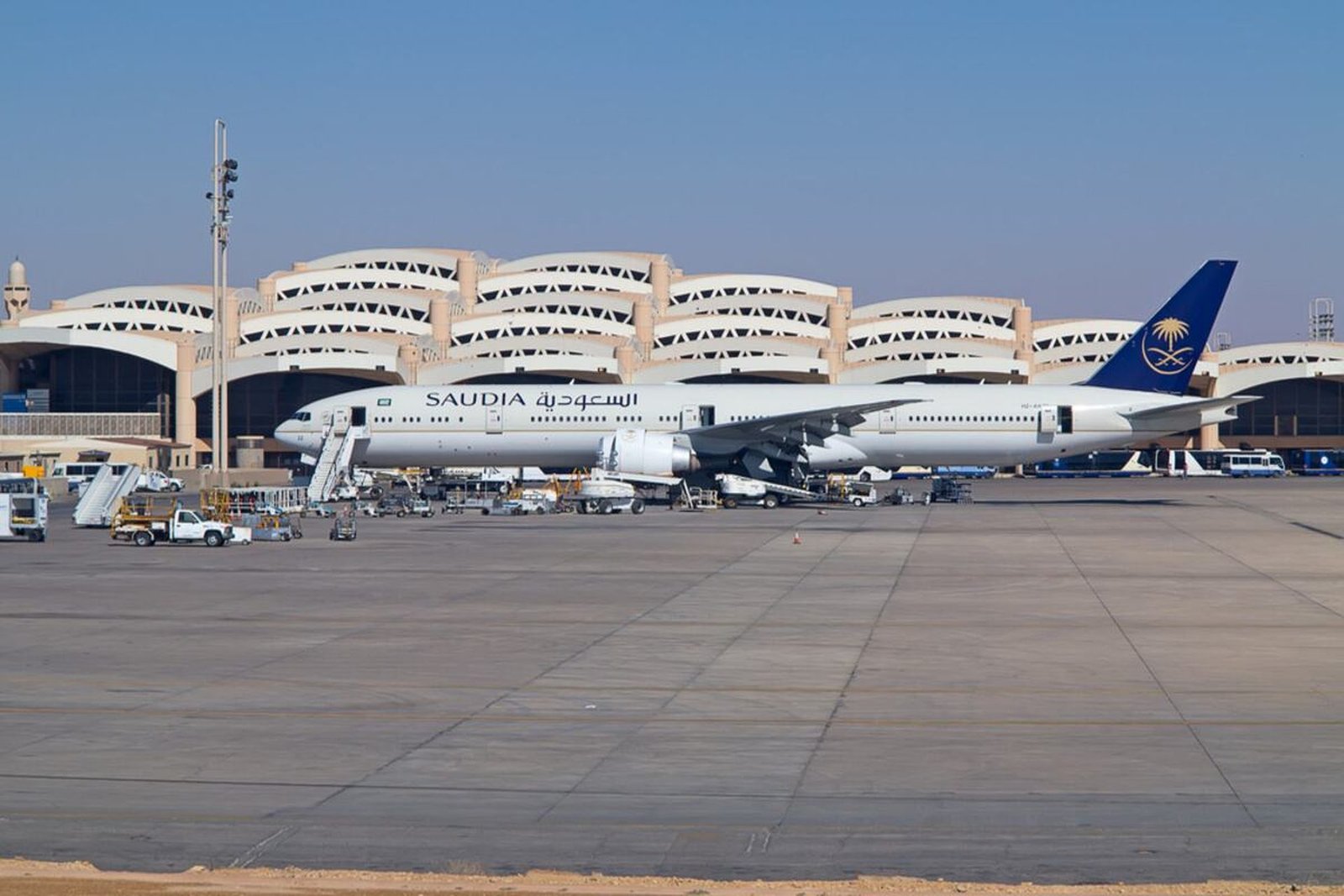
    A projectile struck Terminal 4 of Riyadh’s King Khalid International Airport on Sunday, Oct 11, injuring an unspecified number of people and starting a fire, Saudi officials said — the second attack on the airport in two days amid a sharp escalation between Saudi Arabia and Yemen’s Houthi rebels.

    Saudi air defenses also intercepted a cruise missile in the vicinity of the airport, officials said. The kingdom’s civil aviation authority said it was still assessing the damage, and reported that an airport in Dammam, in the Eastern Province, had also come under attack on Oct 11.

    The strike came a day after a far deadlier assault on the Riyadh airport that killed at least 13 people and wounded more than 300, according to Saudi authorities. Houthi military spokesman Yahya Saree claimed responsibility for the Oct 10 attack in a televised address on Oct 11.

    Saudi officials said the victims of the Oct 10 attack included four Saudis, two Bangladeshis and nationals of the United States, Jordan, Palestine, Syria, Sudan and Egypt. India’s embassy in Riyadh said on Oct 11 that one of its citizens injured in the attack had died, raising the death toll from 12 to 13.

    The Houthis also claimed strikes on the Dammam airport and two facilities belonging to Saudi oil giant Aramco, and renewed warnings to airlines against using Saudi airports. “We urge everyone to take our warnings seriously, and Saudi Arabia bears responsibility for any failed interceptions,” the group said.

    The Riyadh airport has been closed since the Oct 10 attack. Saudi authorities said all schools in Riyadh would shift to remote learning from Sunday through Thursday, suspending in-person classes for students, teachers and administrative staff.

    Saudi strikes on Yemen

    The Houthis said Saudi Arabia had carried out 124 airstrikes in Yemen in the past 24 hours, including on the capital Sanaa and the group’s stronghold Saada. The Houthi foreign ministry, in statements carried by Houthi-run Al Masirah television, warned of further escalation: “Unless the Saudi enemy stops its aggression and interference in Yemen, worse is yet to come, God willing.”

    Saudi Arabia stepped up its military involvement in Yemen in recent weeks, launching strikes against the Houthis and backing a Yemeni government-in-exile counteroffensive after the group seized strategic territory along the Red Sea coast last month.

    US President Donald Trump said on Oct 10 that the United States was considering joining Saudi strikes against the Houthis — a move that could widen the war on Iran that the US and Israel launched in February.

    Despite the attacks, a long-planned five-day international energy conference, WPC Energy, opened in Riyadh on Oct 11 as scheduled at a convention center about six miles from the airport. Italy’s energy minister, Gilberto Pichetto Fratin, said on Oct 9 he would participate remotely via video link. German officials said Economy Minister Katherina Reiche, who was in Riyadh for the conference, might be unable to fly back to Berlin on Oct 12 as planned because of the airport closure.

  • Houthi Attack on Riyadh Airport Kills 12, Wounds 309

    Houthi Attack on Riyadh Airport Kills 12, Wounds 309

    At least 12 people were killed and 309 wounded on Saturday in a Houthi attack on King Khalid International Airport in Riyadh, Saudi Arabia’s civil aviation authority said, marking the third strike on the airport in a week and what Reuters described as the deadliest attack inside the kingdom in more than a decade.

    The dead included four Saudis, two people from Bangladesh and one person each from the United States, Jordan, Palestine, Syria, Sudan and Egypt, the authority said. Hospitals were flooded with the wounded, some of them in critical condition, and property damage was still being assessed.

    Reuters reported that the attack came without warning, with no alert issued by Saudi Arabia’s threat-warning system. Flights to and from Riyadh were diverted or cancelled, and operations at the airport serving a city of roughly 8 million were temporarily suspended. Two earlier attacks this week killed four people and heavily damaged a passenger plane parked on the tarmac, according to Saudi authorities.

    The head of the Houthi media office said on X that the group had “shut down Riyadh international airport”, and the Houthis warned airlines to avoid Saudi airspace. The Saudi-led coalition vowed to respond to what it called a “terrorist act”; spokesman Maj Gen Turki Al-Maliki said the strike on a passenger terminal was a war crime under international humanitarian law. The coalition also said it destroyed a drone over the Eastern Region, intercepted a Houthi ballistic missile at Al-Kharj, and that a “projectile” fell near Dammam’s airport.

    Global condemnation

    UN Secretary-General Antonio Guterres said he was “deeply shocked” and strongly condemned the “lethal attack by the Houthis”, adding that attacks on civilians and civilian infrastructure violated international law and “must cease immediately”. UN Yemen envoy Hans Grundberg called the strikes a “dangerous escalation” and “a grave threat to regional security”. Qatar “strongly condemned” the attack, and Gulf Cooperation Council secretary-general Jasem al-Budaiwi denounced it as “treacherous terrorist attacks”.

    Pakistan stands with Riyadh

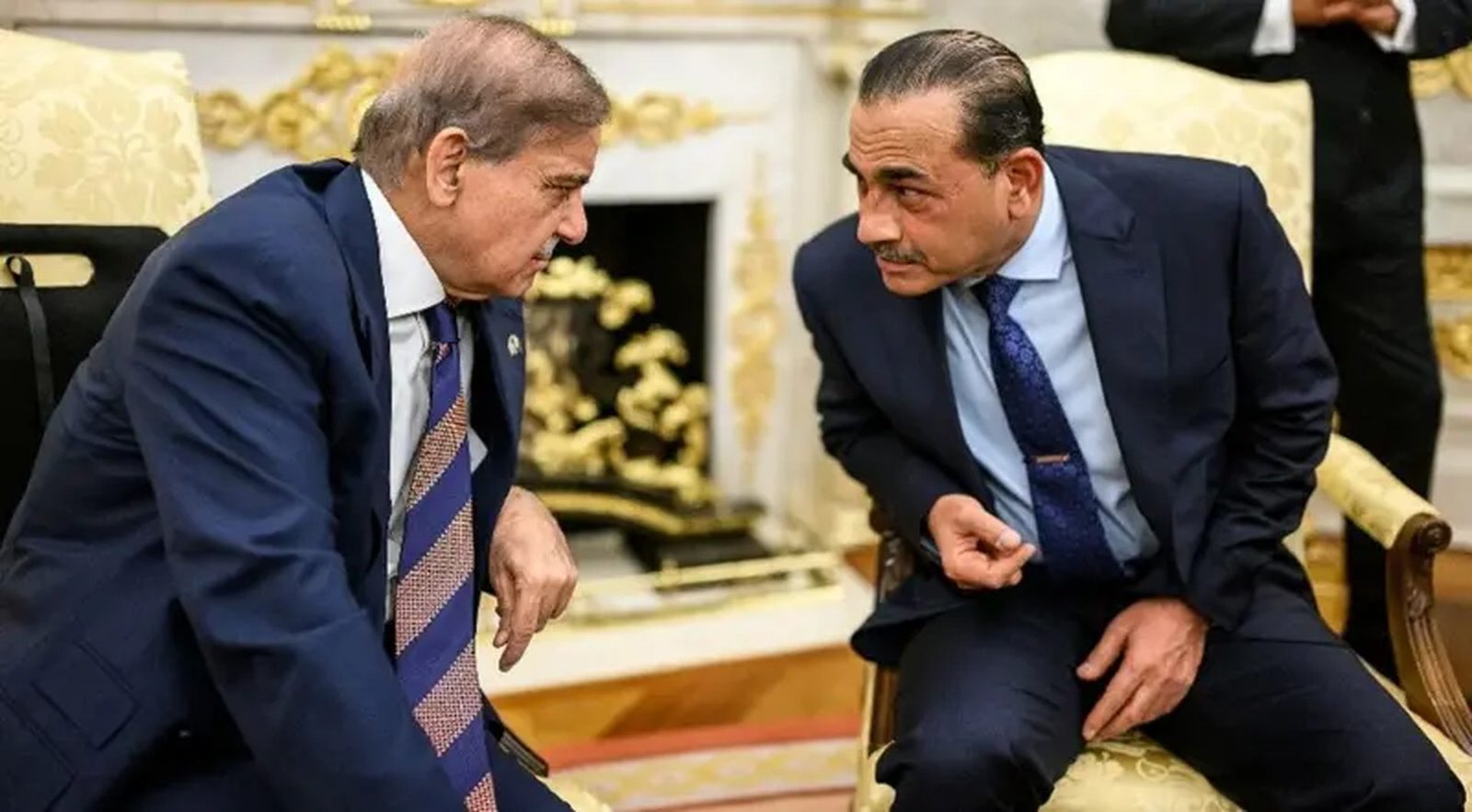
    Prime Minister Shehbaz Sharif called the attack “heinous”, reaffirming Pakistan’s commitment to Saudi Arabia’s sovereignty, territorial integrity and security, and said attacks on civilians and critical infrastructure were “completely unacceptable”. At the UN Security Council, Pakistan’s envoy Ambassador Asim Iftikhar Ahmad said Pakistan would stand “shoulder to shoulder” with the kingdom, invoked the Makkah Joint Defence Agreement, warned of an intensifying Houthi offensive along Yemen’s western coast and around the Bab al-Mandeb strait, and urged the Houthis to halt attacks on commercial shipping and release detained UN and humanitarian personnel.

    Washington weighs a response

    US President Donald Trump told reporters the attack was “not acceptable” and said the United States would “take a look” at joining Saudi Arabia in striking the Houthis, adding that he planned to call Crown Prince Mohammed bin Salman. Secretary of State Marco Rubio said Washington strongly condemned the attacks, and the US embassy urged Americans to avoid the airport area. The strikes come amid a wider confrontation: Reuters reported that a 2022 ceasefire broke down over the summer as Houthi forces advanced toward the Bab el-Mandeb strait, while Riyadh now conducts an air campaign backing a Yemeni government ground offensive.

  • The Mecca Pact Test: Is Pakistan Being Pulled Into Yemen’s War?

    The Mecca Pact Test: Is Pakistan Being Pulled Into Yemen’s War?

    An emergency huddle in Riyadh, a blunt Turkish red line, and Islamabad’s calculated silence — experts weigh in

    Rising clashes between Saudi Arabia and Yemen’s Houthi movement have dragged two key capitals — Islamabad and Ankara — into an uncomfortable debate: under the shadow of the Mecca defence pact, will Pakistan and Turkey become active parties to the conflict, or will their role stay confined to defence cooperation?

    The question gained urgency on October 5, when the Political and Defence Strategic Committee held an emergency session in Riyadh. Its joint statement stressed translating collective-defence obligations into action, expanding military capabilities, and the rapid deployment of forces within the framework of member states’ national laws.

    Turkey, however, drew a clear line the same week. Its foreign minister said the agreement was purely defensive in nature and that Ankara would not dispatch troops to attack another country.

    Islamabad, for its part, has struck a cautious but committed tone. Pakistani officials describe the Mecca pact as now “operational.” Deputy Prime Minister and Foreign Minister Ishaq Dar confirmed he had discussed the matter with his Iranian counterpart Abbas Araghchi, adding that Tehran was distancing itself from the Houthis and Iraqi groups.

    What remains undisclosed is what Pakistan is actually doing for Saudi Arabia’s defence. Officials insist the pact’s operational details cannot be made public.

    In an interview with CNN, the Pakistan Army spokesperson did acknowledge that Pakistani contingents have been stationed in Saudi Arabia for decades. The Mecca alliance, he said, was no sudden development but a continuation of long-standing diplomatic, political and military ties between Pakistan, Saudi Arabia and Turkey.

    Meanwhile, The New York Times, citing a senior military source, claimed Pakistani fighter jets were being used in air operations against the Houthis. Pakistan’s information ministry dismissed the report as “false and fabricated,” urging the media to avoid speculative reporting and noting that any such deployment would be announced by the relevant authorities.

    On social media, the debate is heated. Many voices have cautioned the government against wading into Yemen’s war, drawing a distinction between protecting the holy sites and joining an offensive campaign.

    Against this backdrop, defence and diplomatic experts have offered their assessments. Umar Karim, a Middle East specialist associated with the University of Birmingham, argues that Saudi security is now inseparable from the Yemen conflict — so even without direct involvement, some degree of indirect Pakistani role is likely to persist. In his view, the government is keeping media coverage on a tight leash and will probably continue its policy of denials, though facts on the ground could take a different turn.

    It is worth recalling that in 2015, Pakistan’s parliament voted against joining the Yemen conflict. Former ambassador Maleeha Lodhi maintains that any decision must serve Pakistan’s national interest — not that of another country, however close — and, as in 2015, should follow parliamentary debate and approval.

    Karim, though, believes circumstances have changed since 2015. Given the current state of civil-military relations, he says, it is not hard to see where real authority lies; neither the bilateral agreement with Riyadh nor the trilateral Mecca pact was debated in parliament beforehand, making a meaningful parliamentary role unlikely this time either.

    Barbara Slavin of the Stimson Center, a US think tank, says Saudi Arabia feels cornered. According to her, the Trump administration has made it clear that beyond intelligence and limited technical support, Riyadh will have to rely on its own resources — a reality that raises the stakes for cooperation from Pakistan and Turkey.

    Lodhi warns that Pakistan is already stretched: border tensions with India and Afghanistan, plus internal militancy. Opening another front, she says, would not be wise.

    Former diplomat Mansoor Khan cautions that foreign military entanglements can haunt countries for decades, pointing to Afghanistan and Iraq. While the Mecca pact obliges Pakistan and Turkey to assist Saudi Arabia if it is attacked, he argues every effort must be made to avoid direct intervention in a third country. Diplomacy and negotiations, he says, are the better strategy. Pakistan could instead help Riyadh with strategic planning and stronger air and missile defences.

    Khan further warns that Pakistan — already battling the TTP, BLA, ISIS and Al-Qaeda along its western border, fuelling instability in Balochistan and Khyber Pakhtunkhwa — has every reason to avoid adding a Houthi dimension to its troubles.

    Karim offers a different lens: rather than a crude transaction, Pakistan is honouring sovereign commitments it freely undertook. The more visible its contribution, he notes, the clearer it will become what Islamabad expects from Riyadh regarding its own defence and security.

    The Iran angle matters too. Pakistan’s foreign minister says Iran’s president and foreign minister have disassociated themselves from the Houthis — yet experts note that a Pakistani role in Yemen could strain ties with Tehran and dent Islamabad’s credibility as a mediator between Iran and Washington.