Tag: Punjab

  • Punjab Extends Ban on Camera-Enabled Smart Glasses, Hidden Recording Devices

    Punjab Extends Ban on Camera-Enabled Smart Glasses, Hidden Recording Devices

    The Punjab Home Department has extended the enforcement of Section 144 across the province for another 30 days, maintaining a ban on the use, sale and purchase of hidden recording devices and equipment designed for spying, Dunya News reported.

    Under the extended restrictions, smart glasses equipped with concealed cameras and recording gadgets disguised as everyday items, including pens, keychains and other accessories, will remain prohibited. The ban applies to devices capable of secretly capturing or transmitting photographs, videos and audio recordings.

    The restrictions also cover the sale and purchase of such equipment through physical shops and online platforms. Shopkeepers, traders and distributors have been barred from selling prohibited hidden recording devices anywhere in Punjab.

    Privacy and security behind the ban

    According to the Home Department, the measures aim to protect citizens’ privacy, sensitive information and the security of important installations. Particular emphasis has been placed on safeguarding the dignity and privacy of women and children.

    However, laptops, tablets, mobile phones and terminal devices approved by the Pakistan Telecommunication Authority (PTA) have been exempted from the restrictions.

    The Secretary Home Punjab issued the order under Section 144 of the Code of Criminal Procedure, 1898. The notification specifies that the restrictions will remain effective for 30 days, and provincial administrations and police authorities have been directed to ensure strict implementation of the orders across Punjab.

    What Section 144 means

    Section 144 is a temporary prohibitory order that a provincial government can impose to restrict specified activities for a limited period in the interest of public order, safety and security. Orders issued under it are enforced by the district administration and the police, and violations can lead to legal action.

    The Punjab government has repeatedly used Section 144 in recent years to regulate activities ranging from public gatherings to the use of certain devices, and each extension is issued as a fresh notification with a defined time period.

    The concern behind the ban is that camera-enabled glasses and disguised recording gadgets can capture photographs, video and audio without the people around the wearer realising they are being recorded. That makes them different from ordinary phones and laptops, where recording is generally visible, and it is why the Home Department has singled out devices designed to record in secret while leaving everyday communication devices untouched.

  • Lahore Ranked World’s Most Polluted City as Hazardous Smog Grips Punjab

    Lahore Ranked World’s Most Polluted City as Hazardous Smog Grips Punjab

    Thick smog continued to blanket Lahore and several other cities across Punjab on Thursday, pushing air quality to hazardous levels, with the provincial capital once again ranking as the most polluted city in the world, Dunya News reported.

    The city’s average Air Quality Index (AQI) surged to 325, while specific hotspots recorded even more severe readings. The index peaked at 424 around GC University, 420 in Allama Iqbal Town and 350 in Model Town, according to the report.

    According to the Meteorological Department, Lahore’s minimum temperature is expected to stay around 14 degrees Celsius with a maximum of 27 degrees. Humidity was recorded at 68 percent alongside sluggish wind speeds of just 3 kilometres per hour, trapping pollutants close to the ground.

    Other Punjab districts also hazardous

    Other districts across Punjab are grappling with equally hazardous air. Khanewal recorded an extreme AQI of 1,202, followed by Kasur at 694, Multan at 323 and Gujranwala at 260.

    In response to the deteriorating conditions, medical experts have urged residents to adopt strict precautionary measures, wear protective masks and avoid unnecessary outdoor exposure until air quality improves.

    Smog season returns

    Lahore has repeatedly topped the global pollution ranking during this smog season, as cold winter air traps emissions from vehicles, industry and crop residue burning close to the ground. Readings above 300 fall in the hazardous category, indicating serious health risks, particularly for children, older people and those suffering from respiratory and cardiovascular diseases.

    Doctors advise people with asthma and other breathing problems to limit time outdoors, keep windows closed during the worst hours and seek medical help if they develop persistent coughing or difficulty breathing.

    What the AQI numbers mean

    The air quality index runs from zero to above 300. A reading of up to 50 is considered good, 51 to 100 moderate, 101 to 150 unhealthy for sensitive groups, 151 to 200 unhealthy, 201 to 300 very unhealthy, and anything above 301 is deemed hazardous. Lahore’s average reading of 325 on Thursday therefore sits firmly in the hazardous band, and the readings above 400 recorded at some hotspots are far beyond the threshold at which health experts advise everyone to stay indoors.

    The smog is driven by a combination of vehicle emissions, industrial pollution and the burning of crop residue, all trapped close to the ground by cold, still winter air. Similar conditions return every winter across northern Pakistan and neighbouring parts of India, and the pollution typically eases only when wind speeds pick up or rain washes the air.

  • Dense Fog Closes M4 Motorway Sections in Punjab

    Dense Fog Closes M4 Motorway Sections in Punjab

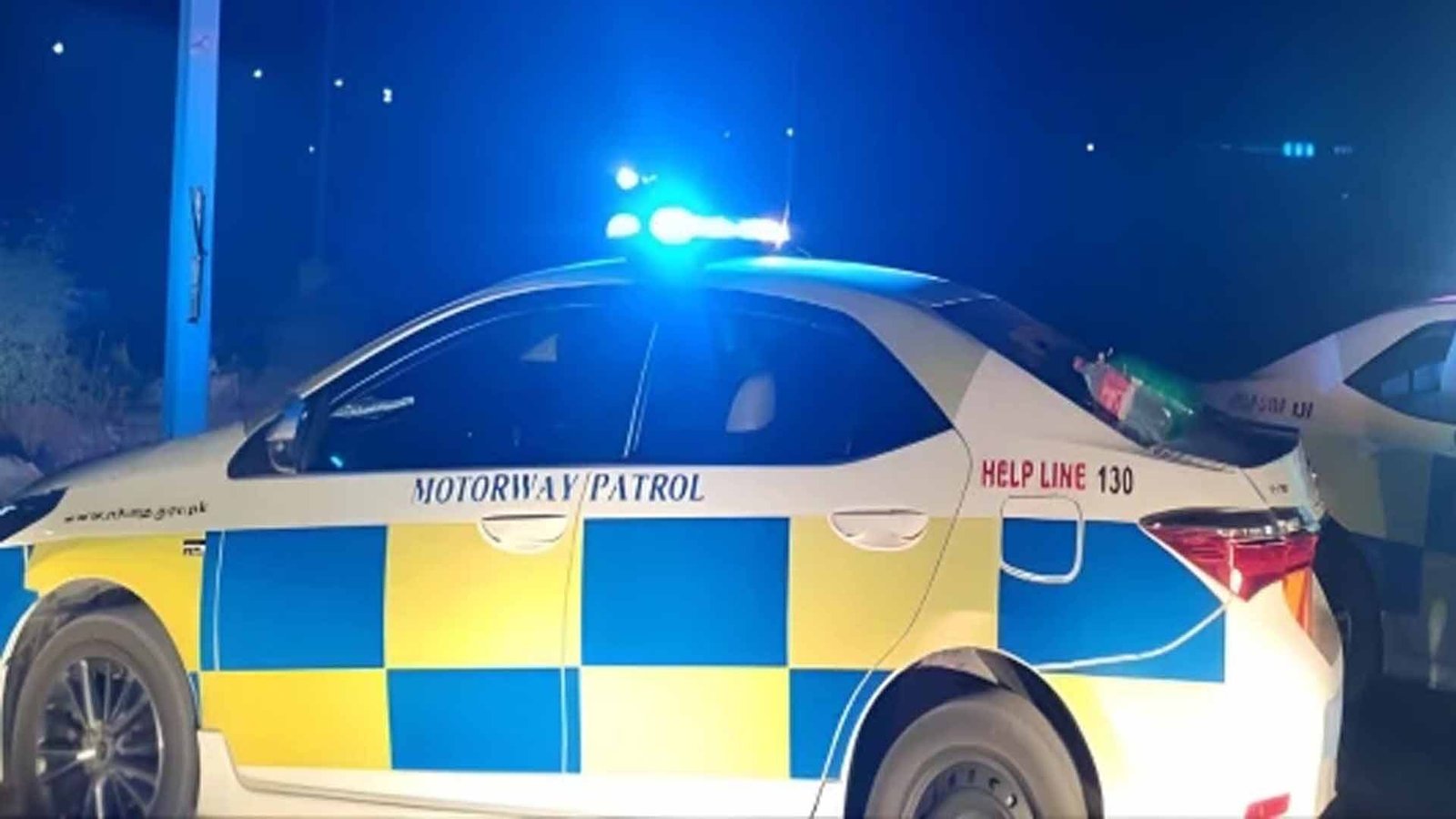
    Dense fog has disrupted traffic on the M4 Motorway in Punjab, forcing the Motorway Police to close key sections of the highway to all traffic, officials said on Wednesday.

    According to the Motorway Police, the stretch from Faisalabad to Pindi Bhattian and the stretch from Abdul Hakeem to Pindi Bhattian have both been closed to every kind of traffic after visibility fell sharply in the thick fog.

    Officials said the closure was imposed in stages. At first, only heavy vehicles were stopped on the Abdul Hakeem to Pindi Bhattian section. But as the fog thickened and visibility worsened further, the Motorway Police extended the closure to all traffic on the Faisalabad to Pindi Bhattian section as well.

    Motorway Police spokesperson Syed Imran Ahmed said the decision was taken to protect the lives and property of travellers. He said the risk of road accidents rises sharply when visibility drops in dense fog, and closing the affected sections was necessary for public safety.

    The spokesperson advised citizens to avoid unnecessary travel during dense fog. He said that if travel could not be avoided, people should prefer to travel in daylight, adding that the period between 10 in the morning and 6 in the evening was the most suitable time to travel in foggy conditions.

    The Motorway Police also issued safety guidance for drivers who must travel in fog. Drivers were advised to reduce their speed, keep a safe distance from the vehicle ahead, stay in their lane and avoid overtaking unnecessarily.

    Drivers were further advised to use fog lights and to make sure their headlights, back lights and wipers were in proper working order, so that driving could remain as safe as possible in low visibility.

    The Motorway Police urged travellers to check the latest weather conditions and road closure updates before starting a journey, and to follow the safety instructions issued for foggy weather. The police said they were monitoring the situation and would keep travellers informed.

    Fog-related closures are a recurring winter hazard on Punjab’s motorways. Similar sections of the M4, between Pindi Bhattian and Abdul Hakeem, were closed earlier this week after dense fog reduced visibility, and motorway authorities have repeatedly advised travellers to plan journeys during daylight hours in the fog season.

  • Cold Nights, Fog and Smog Forecast Across Punjab

    Cold Nights, Fog and Smog Forecast Across Punjab

    The Provincial Disaster Management Authority (PDMA) Punjab has forecast cold nights, dense fog and smog across Punjab over the next 24 hours, especially in upper and central Punjab.

    According to the forecast, Lahore will have a foggy night with smog persisting, with a minimum temperature of 9 degrees Celsius and a maximum of 24 degrees. Multan will see fog and smoke in the morning and at night, with temperatures ranging between 9 and 25 degrees.

    Rawalpindi and Islamabad will remain partly cloudy and cold, with a minimum of 5 degrees and a maximum of 21 degrees, while Murree will be cloudy and cold with light rain possible, and temperatures between 3 and 11 degrees.

    Bahawalpur will have a cold night with fog, with a minimum of 9 degrees and a maximum of 25 degrees. Faisalabad will be foggy in the morning and at night, with temperatures ranging between 9 and 24 degrees.

    Sargodha will remain cold and dry, with a minimum of 7 degrees and a maximum of 23 degrees, while Gujranwala is expected to see fog, with temperatures between 8 and 23 degrees. Sialkot will be cold with fog, with a minimum of 8 degrees and a maximum of 22 degrees.

    PDMA Punjab Director General Irfan Ali Kathia advised the public to take precautionary measures during fog and smog, use fog lights while driving, and avoid unnecessary travel, especially motorway travel at night.

    He also urged motorists using motorways to follow traffic instructions and drive carefully in low visibility. Visibility on motorways and national highways in upper and central Punjab could fall sharply during the night and early morning, when fog is usually at its densest. The authority said the cold and foggy conditions were expected to continue over the next day, with smog likely to persist in Lahore and other major cities of central Punjab.

    People with respiratory problems have been advised to take extra care during smog, while the public has been asked to keep warm as night temperatures fall across the province.

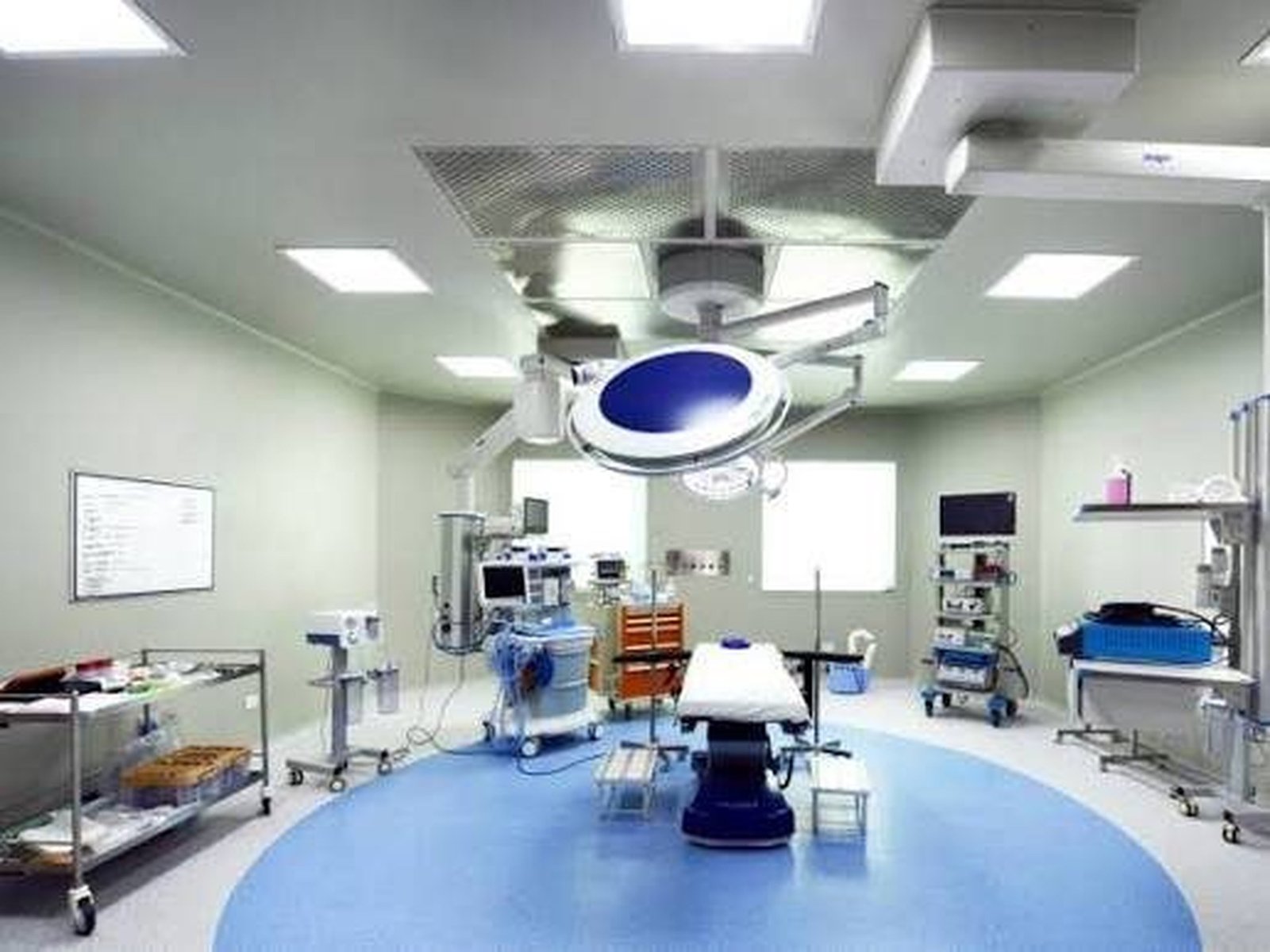
  • Two New Bone Marrow, Orthopaedics Centres Planned in Punjab

    Two New Bone Marrow, Orthopaedics Centres Planned in Punjab

    Two new specialised hospitals are being set up in Punjab under the Nawaz Sharif Medical District programme. The hospitals — the Nawaz Sharif Bone Marrow Centre and the Nawaz Sharif Orthopaedic Centre — will provide dedicated facilities for bone marrow treatment and orthopaedic care in the province, according to a report published on Wednesday, 18 November 2026.

    A sum of Rs 270 million has been earmarked to hire the services of consultant firms for the two centres. The money for hiring the consultants is being provided by the Infrastructure Development Authority Punjab (IDAP), which is funding the engagement of the firms that will work on the two projects.

    The allocation covers the cost of bringing in consultant firms for the two centres, marking the first financial commitment reported for the projects. The decision to set aside Rs 270 million for this purpose places the two centres among the new specialised facilities being developed under the Nawaz Sharif Medical District programme.

    Two centres under one programme

    Both centres are being established under the same programme, but each will focus on its own field of treatment. The Nawaz Sharif Bone Marrow Centre will cater to bone marrow care, while the Nawaz Sharif Orthopaedic Centre will cater to orthopaedic care, giving each specialty a dedicated hospital of its own.

    Bone marrow treatment is a highly specialised area of medicine, concerned with diseases and disorders of the blood and bone marrow, while orthopaedic care covers the treatment of bones, joints and the musculoskeletal system. Dedicated centres for these fields bring together specialist doctors, equipment and treatment facilities in one place, so that patients can receive focused care for complex conditions.

    The funding arrangement announced for the centres puts the Infrastructure Development Authority Punjab in the role of providing the money needed to engage the consultant firms. The earmarking of Rs 270 million is the amount reported so far for hiring the firms that will be involved in setting up the two hospitals.

    The announcement was reported by 24NewsHD on 18 November 2026. The report gave the names of the two centres, the amount earmarked for the consultant firms and the source of the funding, without giving further details about the projects.

  • Punjab School Nutrition Programme Launched in 13 Districts

    Punjab School Nutrition Programme Launched in 13 Districts

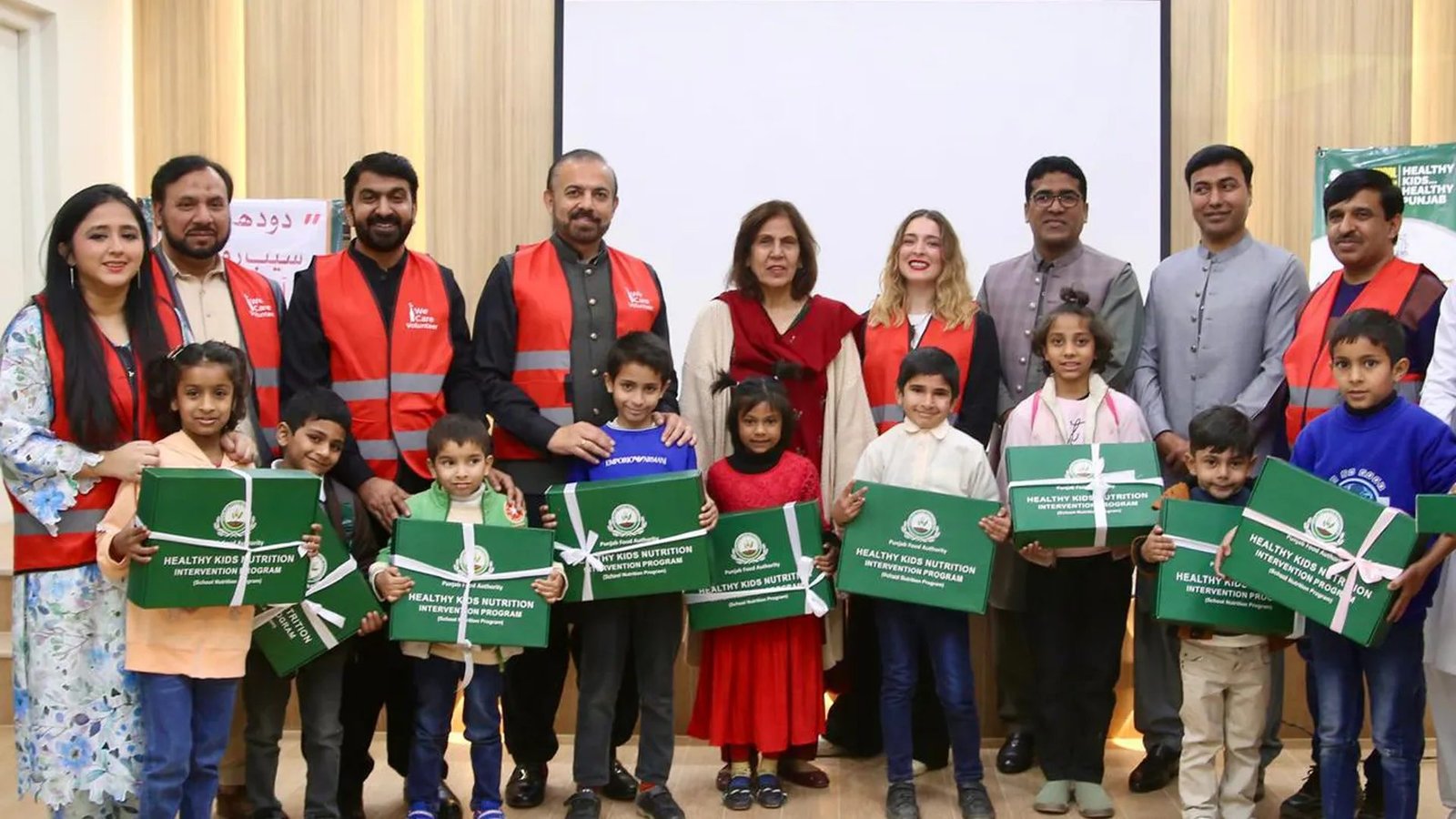
    Chief Minister Maryam Nawaz Sharif has launched the School Nutrition Programme across 13 districts of Punjab, providing free milk and fortified biscuits to children in government schools. Senior Minister Marriyum Aurangzeb announced the launch while meeting a delegation from the World Food Programme (WFP), led by Country Director Anita Hirsch, The News reported.

    The programme covers Bahawalnagar, Bhakkar, Chiniot, Dera Ghazi Khan, Kot Addu, Layyah, Lodhran, Mianwali, Muzaffargarh, Rahim Yar Khan, Rajanpur, Taunsa and Vehari. It aims to tackle childhood malnutrition and improve children’s health, concentration, learning and school attendance, according to the Punjab government’s official programme page.

    Under the current phase, students receive a pack of milk three days a week, with fortified biscuits added on a fourth day. The Punjab government has allocated around Rs 6.87 billion for the programme during the current financial year, with the rollout covering 7,294 government schools and about 1.028 million students, according to reports of the approval in August 2026.

    The initiative began as a pilot in September 2024 in three districts of south Punjab — Dera Ghazi Khan, Rajanpur and Muzaffargarh — where more than 400,000 undernourished students in 3,527 primary schools received daily milk packs. It has since been expanded in stages to more districts across the province.

    Enrolment up by more than 56,000

    Marriyum Aurangzeb said the chief minister personally monitors the project, which has significantly improved children’s nutritional health and boosted student enrolment by more than 56,000 across the targeted districts. She said the Punjab government remains fully committed to ensuring proper growth and nutrition for all children.

    The WFP delegation expressed keen interest in partnering with the provincial administration on nutrition initiatives and commended the chief minister’s vision and performance in leading public welfare and nutrition projects. The minister said welfare programmes are coordinated through deputy commissioner offices at the district level.

    Used milk packs distributed under the programme are collected for recycling, with the funds generated to be used for the welfare and development of the participating schools, the official programme page says. The government says it plans to extend the programme to more districts as the rollout continues.

  • Punjab Bans Hidden-Camera Glasses for 30 Days

    Punjab Bans Hidden-Camera Glasses for 30 Days

    Punjab has banned the wearing, sale and use of camera-enabled smart glasses with hidden recording ability for 30 days, in a move the provincial government says is aimed at protecting citizens’ privacy and curbing secret surveillance. The order also covers miniature cameras disguised as everyday objects such as pens and keychains.

    The Punjab Home Department issued the restriction under Section 144 of the Code of Criminal Procedure on 20 October 2026, a day after the provincial cabinet, chaired by Chief Minister Maryam Nawaz, approved the measure. The order took effect immediately and remains in force for 30 days unless it is withdrawn earlier, which means it is due to lapse around 19 November unless the provincial government renews it.

    What the ban covers

    The order bars people from wearing or operating camera-enabled smart glasses with hidden recording ability, and miniature cameras with recording ability disguised as everyday objects such as pens and keychains. It also prohibits retailers, wholesalers, traders and distributors from selling or offering the devices for sale, whether in shops or online.

    Mobile phones, laptops, handheld tablets and terminal equipment approved by the Pakistan Telecommunication Authority are expressly exempt, as is authorised law-enforcement use. The order does not amount to a general ban on all smart glasses or camera-equipped electronics.

    Why the government acted

    According to the Home Department, the devices can secretly capture and transmit photographs, video and audio, posing a risk to public order and personal privacy, particularly the dignity of women and children. The department said it had received complaints of such devices being used for illegal surveillance, harassment and blackmail.

    The order identified airports, examination centres, government establishments, healthcare facilities, shopping malls and court premises as places of particular concern, where covert recording could put sensitive information and secure facilities at risk.

    The court case behind the move

    The ban comes as the Lahore High Court hears a public interest petition challenging the unregulated import and sale of smart glasses equipped with cameras and microphones. The petitioner has argued that the glasses, which look like ordinary spectacles, can take photographs, record video and stream live without people nearby realising it.

    On 15 October, the court directed the federal government to send a summary to the federal cabinet on the unregulated import and sale of the devices. The court later asked the Punjab government to report on the steps it has taken to enforce the restrictions, and adjourned further proceedings to 18 November. Chief Minister Maryam Nawaz has also directed police to ensure the order is enforced across the province.

    Separately, the federal Economic Coordination Committee approved restrictions on the import of camera-enabled smart glasses on 4 November, and recommended that provincial governments and Islamabad draw up workplace rules for the devices.

    Wider concerns over misuse

    The restrictions come against a backdrop of growing concern about technology-facilitated abuse. A September 2026 study by UNICEF, ECPAT International and Interpol estimated that about 1.5 million internet-using Pakistani children aged 12 to 17 had experienced some form of technology-facilitated sexual exploitation or abuse in a single year. Child protection organisation Sahil documented 3,630 reported child abuse cases in 2025 and 1,914 in the first half of 2026.

  • Punjab Local Government Polls in Two Phases

    Punjab Local Government Polls in Two Phases

    The Election Commission of Pakistan (ECP) has approved holding the long-delayed local government elections in Punjab in two phases, Dunya News reported on 17 November 2026. The decision was also reported by The News and Dawn with matching details.

    According to an official letter issued to the Punjab chief secretary on 17 November, the commission agreed to the provincial government’s proposal, submitted on 16 November, to conduct the local government elections in two stages. The commission had earlier fixed 7 February 2027 for the first phase of polling, and the elections are scheduled for February 2027.

    In the first phase, elections will be held in 18 district groups, including Lahore, Kasur, Nankana Sahib, Pakpattan, Sialkot and Okara. The first phase will also cover Chakwal and Talagang, Rawalpindi and Murree, Dera Ghazi Khan and Taunsa, Rajanpur, Narowal, Chiniot, Khanewal, Bahawalpur, Lodhran, Sargodha, Hafizabad and Bhakkar.

    The second phase will cover another 18 district groups, including Faisalabad, Multan, Sahiwal, Gujranwala and Wazirabad, Bahawalnagar, Attock, Khushab, Mandi Bahauddin, Vehari, Jhelum and Sheikhupura. The remaining areas in the second phase include Muzaffargarh and Kot Addu, Toba Tek Singh, Mianwali, Layyah, Jhang, Gujrat and Rahim Yar Khan.

    The ECP has directed the relevant authorities to complete all necessary preliminary arrangements in a timely manner and accelerate preparations for holding the local government elections. Copies of the letter were also sent to the provincial election commissioner and the secretary of the Punjab Local Government and Community Development Department.

    A decade since the last local polls

    Punjab last held local government elections in 2015, and the elected councils took office in 2017. The polls have faced repeated delays since then, leaving local bodies without elected representatives for years.

    The provincial government had earlier proposed holding the elections in April 2027, citing smog, dense fog and adverse winter weather in December and January. The commission rejected that proposal and instead fixed February 2027, with the first phase on 7 February.

    A date for the second phase has not been announced yet. The commission said its office would proceed with the conduct of the elections and ensure timely completion of all prerequisite activities.

  • Punjab Launches Khushhal Dehat Programme

    Punjab Launches Khushhal Dehat Programme

    Punjab Chief Minister Maryam Nawaz has announced the Khushhal Dehat Programme, a new rural development initiative under which villages will be developed through cooperative societies, Dunya News reported on 17 November 2026.

    Under the initiative, villages will be equipped with paved streets, drainage systems, wastewater disposal ponds and solar-powered streetlights. Development projects will be implemented through a cooperative society model, allowing residents to play a direct role in planning and executing local initiatives.

    In the first phase, cooperative societies will be established in 485 villages, while another 1,500 villages will be covered in the second phase. Maryam Nawaz has set a 44-day deadline for launching the programme.

    To facilitate the initiative, an agreement has also been reached to partially lift a ban on cooperative societies in Punjab after 29 years. Business Recorder also reported the approval of the programme through cooperative societies, with 485 villages in the first phase and 1,500 in the second.

    Villagers to decide their own development

    The chief minister said the government wanted to place the development of every village in the hands of its own residents. She added that villagers would be able to make decisions about development projects through cooperative societies, making the process more sustainable and effective.

    A five-member tehsil monitoring committee, headed by the assistant commissioner and including the assistant director of local government, will oversee the functioning of the cooperative societies.

    Each cooperative society will also have a five-member management committee comprising a president, vice president, general secretary, treasurer and executive member. The committees are meant to keep the development work transparent and rooted in local priorities.

    The programme aims to improve basic infrastructure in rural Punjab, where paved streets, proper drainage and street lighting remain missing in many villages. The first phase will show whether the cooperative model can deliver village-level projects faster than the usual department-led approach.

    The partial lifting of the 29-year-old restriction on cooperative societies is central to the plan: without it, villages could not legally form the societies that are supposed to run the work. The names of the 485 villages in the first phase have not been announced yet, and the 44-day deadline means the launch is expected before the end of the year.

  • Freight Train Derails at Feroza Railway Station

    Freight Train Derails at Feroza Railway Station

    A freight train derailed at Feroza Railway Station on Tuesday, 17 November 2026, sending the locomotive and five wagons off the tracks and suspending train operations on the up line, Dunya News reported. No casualties were reported in the incident.

    According to railway officials, preliminary reports suggest that a brake failure may have caused the accident. Some reports put the number of derailed wagons at three, while Dunya News reported that the locomotive and five wagons went off the track.

    Train operations on the up track were suspended following the incident. Details of the restoration work and the measures under way to clear the track were still awaited at the time of reporting.

    The derailment was also reported by Asal Media, which said the freight train went off the tracks at Feroza Railway Station near Liaquatpur, suspending service on the affected line.

    Safety questions after repeat incident

    Dunya News noted that another train had derailed at the same location a few months ago, raising fresh questions about the railway administration’s performance and safety arrangements at the station.

    Freight trains carry goods across the country, and a derailment on a busy section can delay cargo movement until the track is cleared and inspected. Railway staff were at the site after the incident, and the up line remained closed while the clearance work continued.

    Further details about the cause of the derailment and the restoration of normal services were still awaited, according to the reports. Railway officials have not yet given a time for the up line to reopen.

    Freight service, not a passenger train

    The train involved was a freight service, not a passenger train, and both outlets reporting the incident said no one was hurt. That distinction matters because a freight derailment disrupts cargo rather than putting passengers at risk, though it still blocks the line until the wagons are lifted and the track is inspected.

    Feroza Railway Station serves the area around Liaquatpur in Punjab’s Rahim Yar Khan district, on the main north-south rail corridor. A blockage there can hold up goods trains moving in both directions until the section is cleared.

    Until the railway administration issues a fuller statement, the preliminary account remains that a suspected brake failure sent the locomotive and wagons off the track, with the exact number of derailed wagons reported differently by different outlets.