Tag: Punjab

  • Maryam lists Punjab health initiatives at FJMU convocation

    Maryam lists Punjab health initiatives at FJMU convocation

    Punjab Chief Minister Maryam Nawaz Sharif on Tuesday praised women doctors as a valuable asset to the country, as she listed her government’s health initiatives while addressing the convocation of Fatima Jinnah Medical University in Lahore.

    Addressing the graduating doctors, she said becoming a doctor was not only about earning a degree but also a commitment to serving humanity. She said that when she took oath as chief minister, she had pledged to save patients’ lives and ensure that no one was deprived of medical treatment.

    The chief minister said the Punjab government had taken major steps to improve the health sector, including the establishment of modern laboratories across the province and stroke centres to provide timely treatment to patients. She said timely treatment was critical in stroke cases, as patients had a window of only a few hours during which medical intervention could significantly improve their chances of recovery.

    She said the country’s largest cancer hospital was being built in Lahore to improve access to cancer treatment, and that cancer treatment facilities were also planned in different divisions of the province. The hospital, the Nawaz Sharif Institute of Cancer Treatment and Research, will have 915 beds and is being developed in two phases, with the first phase including a bone marrow centre, a cancer care clinic, an intensive care unit and a 30-bed emergency ward, and free treatment for patients with advanced-stage cancer.

    She added that 100 million people had received free medical treatment at government hospitals in Punjab, and said the government’s aim was that every patient should receive proper treatment without financial difficulty. The provincial government has said that 100 billion rupees have been spent on providing free medicines to patients across the province.

    The Punjab government has also expanded its healthcare initiatives through mobile clinics, free delivery of medicines to patients’ homes and free emergency treatment for stroke patients through TNK injections, she said, reaffirming that providing quality healthcare to every citizen remained a key priority of her government.

    The chief minister has previously announced additional funding of five billion rupees for stroke treatment in the province, saying that 40 primary stroke centres are already operational across Punjab and 15 more are under construction, with comprehensive stroke centres planned in major cities including Rawalpindi, Multan and Faisalabad. She has also said that cancer hospitals will be established at every divisional headquarters in the province, and that heart transplant surgeries will begin soon at the Jinnah Institute of Cardiology in Lahore.
  • Smog blankets parts of Punjab

    Smog blankets parts of Punjab

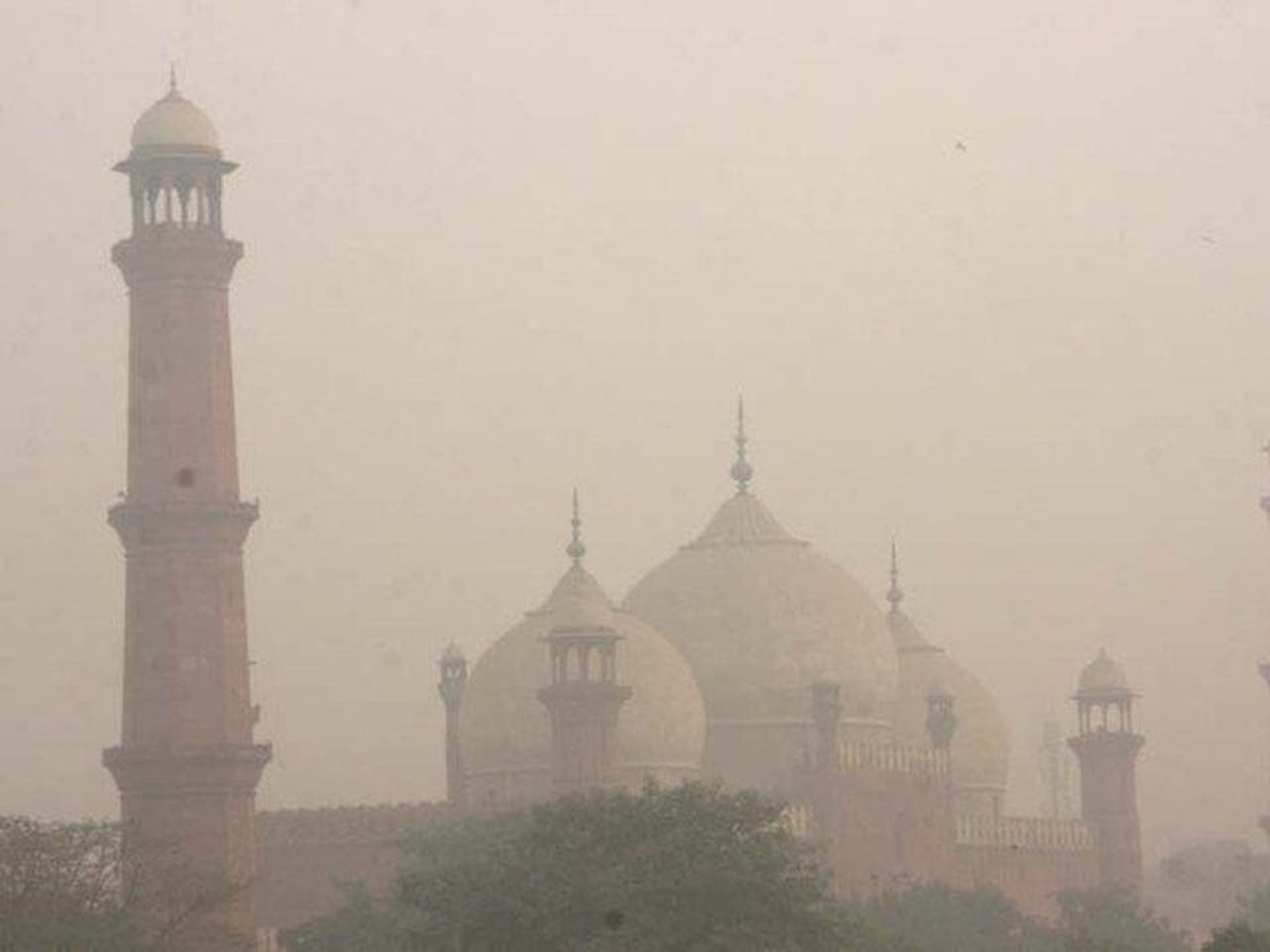
    LAHORE: Smog continued to blanket parts of Punjab on Tuesday evening, with Lahore ranking fourth among the world’s most polluted major cities, according to live air quality data.

    IQAir’s live ranking put Lahore’s US AQI at 176 between 6pm and 7pm, behind Kolkata, Ulaanbaatar in Mongolia and Dhaka. Delhi ranked fifth at 170, while Karachi stood sixth at 167. Baghdad, Mumbai, Manama and Kathmandu completed the top 10.

    Within Punjab, the provincial Environmental Protection Agency (EPA) recorded the highest AQI in Wazirabad at 500, followed by Sheikhupura at 321 and Pakpattan at 312. Jhang recorded 306, Nankana Sahib 292 and Rawalpindi 284, while Gujranwala stood at 277, Mandi Bahauddin 275, Vehari 273 and Narowal 261. Lahore ranked 13th in the EPA’s provincial list.

    The EPA’s monitoring stations in Lahore showed wide variation across the city, with the Wagah border station recording the highest reading at 414, categorised as hazardous.

    The News reported a similar picture on Tuesday evening, describing Lahore as the most polluted city with an AQI over 250. Its figures put Lahore’s city-wide average at 211 at 6pm, with a peak of between 258 and 279, and it too recorded 414 at Wagah.

    The different Lahore figures reflect different measurements rather than a contradiction. IQAir’s 176 is a live reading for the 6pm to 7pm window, while the EPA and The News figures are city-wide averages and peaks taken over different periods. No single figure captures the whole city’s air quality at any one moment.

    The latest readings continue a pattern seen through November, with Lahore repeatedly featuring among the world’s most polluted cities and several Punjab cities recording readings above 300 during this smog season.

    It was not the first time this month that Lahore has appeared near the top of the global rankings. The city was reported as the world’s most polluted on 23 November, and it topped the rankings again on 20 November and 19 November, during a spell when readings in Lahore and Multan crossed 500. The latest figures show the poor air quality has persisted across Punjab through the smog season, with the EPA’s provincial list regularly showing several cities above 250.

    With readings in the hazardous range in parts of the province, residents in the worst-affected districts faced another evening of poor air quality as smog continued to hang over Punjab.

  • Guru Nanak Birthday Celebrations Conclude in Nankana Sahib

    Guru Nanak Birthday Celebrations Conclude in Nankana Sahib

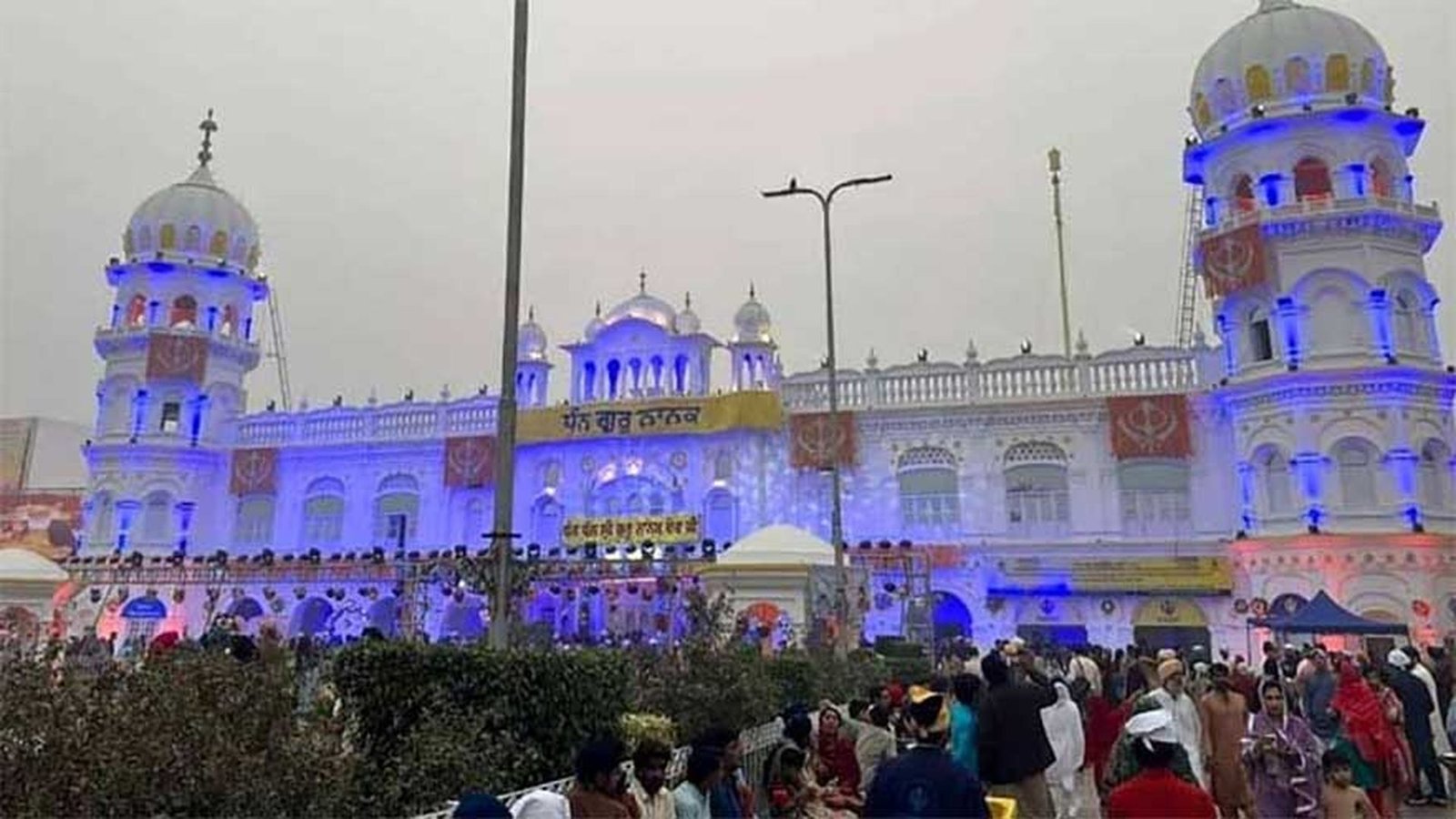
    The 557th birth anniversary celebrations of Baba Guru Nanak concluded in Nankana Sahib on Tuesday, with a fireworks display organised by the district administration marking the end of the festivities at Gurdwara Janam Asthan.

    The closing ceremony brought the celebrations to an end in the town where Sikh pilgrims had gathered from across Pakistan and abroad to mark the birth anniversary of the founder of Sikhism. The illuminated gurdwara remained the centre of the final day’s proceedings, with devotees attending prayers and ceremonies before the closing events. Gurdwara Janam Asthan marks the birthplace of Guru Nanak and is among the most revered sites for the Sikh community, with the birth anniversary observed there each year.

    According to Dunya News, around 25,000 to 30,000 Sikh pilgrims took part in the celebrations overall. The Associated Press reported that more than 5,000 worshippers attended ceremonies on the day itself.

    The Deputy Commissioner of Nankana Sahib, the District Police Officer and other district officers participated in the closing ceremony. The fireworks display at the conclusion of the celebrations was arranged by the district administration.

    Arrangements for the pilgrims were made on the instructions of Punjab Chief Minister Maryam Nawaz Sharif, covering security, accommodation and travel for those attending the celebrations. Officials said the measures were put in place to ensure that pilgrims could take part in the religious events without difficulty.

    The closing ceremony was addressed by Hamza Shehbaz Sharif. Punjab Minister Sardar Ramesh Singh Arora, who was also present, called for the reopening of the Kartarpur Corridor, saying the move would make it easier for Sikh pilgrims to visit their holy sites.

    With the conclusion of the celebrations, the pilgrims who had gathered in Nankana Sahib began their return journeys, bringing to a close one of the largest religious gatherings held in the city this year. The fireworks display lit up the sky above the gurdwara complex as the final events ended, and officials said the celebrations had passed off with the arrangements made for the pilgrims working as planned.

  • Man allegedly forces wife to drink acid in Liaquatpur

    Man allegedly forces wife to drink acid in Liaquatpur

    A 55-year-old woman is in critical condition in hospital after her husband allegedly forced her to drink acid following a verbal altercation in the Ghazipur area of Liaquatpur, according to 24News.

    The woman has been identified as Hameedan Mai. The incident took place within the jurisdiction of Tarinda Muhammad Panah police station, the report said.

    According to family sources, the husband allegedly forced his wife to drink acid used for cleaning toilets after the couple had an argument. The couple’s daughter alleged that her father approached her mother while she was asleep at home and forced her to swallow the acid.

    The woman was first rushed to the Rural Health Centre in Tarinda Muhammad Panah after her condition deteriorated. Doctors there subsequently referred her to the Tehsil Headquarters (THQ) Hospital in Liaquatpur because her condition was critical, the report said.

    She remains under treatment at THQ Hospital Liaquatpur, where doctors are monitoring her condition. No further update on her health was included in the report.

    The account of what happened is based on the allegation made by the couple’s daughter and on family sources cited in the report. The report did not say whether police have registered a case, whether any arrest has been made, or whether the husband has given his version of events. It also did not state the husband’s whereabouts after the incident.

    Acid attacks within the home are among the most serious forms of domestic violence, and victims often face a long and difficult recovery even when they survive. Cases of this kind usually turn on the victim’s own account, the statements of family members who witnessed events, and the medical evidence recorded by the hospitals where the victim is treated.

    Domestic disputes that escalate into violence against women remain a recurring concern in Pakistan, and incidents involving acid are treated with particular seriousness because of the severe and lasting injuries they cause. Women’s rights campaigners have long called for such cases to be investigated promptly and for victims to receive timely medical care and legal support.

    Police and hospital authorities have not yet issued a detailed public statement about the incident, according to the report. Further details are expected as the investigation proceeds and as doctors provide updates on the victim’s condition.

  • Punjab to Build 100-Bed Cancer Centres in Six Districts

    Punjab to Build 100-Bed Cancer Centres in Six Districts

    The Punjab government has decided to establish state-of-the-art 100-bed cancer centres in six districts of the province, in a move aimed at bringing modern cancer treatment closer to patients across Punjab. The new centres will be set up in Bahawalpur, Faisalabad, Sargodha, Gujranwala, Sahiwal and Rawalpindi, according to a report by 24NewsHD.

    The decision was taken at a meeting of the Specialised Healthcare Department, chaired by Punjab Minister for Specialised Healthcare Khawaja Salman Rafique. Former Punjab Chief Secretary Captain (retd) Zahid Saeed and Specialised Healthcare Secretary Azmat Mahmood also attended the meeting.

    Each of the six centres will have 100 beds and will offer a full range of cancer treatment services under one roof. According to the announcement, the centres will provide chemotherapy, radiotherapy and surgical services, along with brachytherapy and mammography facilities.

    Chemotherapy uses medicines to destroy cancer cells, while radiotherapy uses high-energy radiation to target tumours. Surgical services allow tumours to be removed through operations where surgery is the right course of treatment. Brachytherapy is a form of internal radiotherapy in which a radiation source is placed inside or very close to the tumour, allowing a high dose to be delivered to the affected area. Mammography is an X-ray examination of the breast used to detect breast cancer at an early stage, when treatment is generally more effective.

    Modern facilities in six cities

    Speaking after the meeting, Khawaja Salman Rafique said modern medical facilities would be provided to patients at the cancer centres in the six cities. “Modern medical facilities will be provided to patients at the cancer centres across six different cities in Punjab,” the minister said.

    The plan means that patients in Bahawalpur, Faisalabad, Sargodha, Gujranwala, Sahiwal and Rawalpindi will be able to receive specialist cancer care in their own regions. At present, patients needing advanced cancer treatment often have to travel to a small number of large specialist hospitals, and the new centres are intended to ease that burden by spreading modern facilities across the province.

    Bringing chemotherapy, radiotherapy, surgery, brachytherapy and mammography together in one centre is also significant for patients, because cancer treatment often involves more than one type of therapy. When these services are available at the same facility, patients can move between stages of their treatment without travelling from one hospital to another.

    The announcement did not give dates for when construction of the centres would begin or when they would start treating patients, and no cost for the project was mentioned in the report. Further details about the centres, including their locations within each city and the timetable for setting them up, are expected to be shared by the Specialised Healthcare Department as the plan moves forward.

  • Punjab approves six schemes worth Rs111.77bn

    Punjab approves six schemes worth Rs111.77bn

    The Punjab Provincial Development Working Party (PDWP) has approved six development schemes worth Rs111.77 billion, covering rural water supply and drainage, sewage treatment, parks and road infrastructure across the province.

    The schemes were approved at the 14th meeting of the PDWP, chaired by Planning and Development Board Chairman Dr Naeem Rauf. The meeting took up development proposals from different departments and cleared funding for projects aimed at improving basic services in both urban and rural areas.

    Largest share for rural water supply

    The biggest allocation in the package is Rs96.202 billion for a project to provide clean drinking water and improve drainage facilities in rural areas across Punjab. The amount accounts for more than 86 per cent of the total approved funding, reflecting the provincial government’s focus on water supply and sanitation in villages.

    Access to safe drinking water and proper drainage remains a long-standing challenge in many rural settlements, where residents often rely on untreated sources and open drains. Officials said the project is intended to extend clean water supply and better drainage to rural communities across the province.

    Sewage treatment and testing laboratories

    The meeting also approved Rs7.231 billion for the construction of four sewage treatment plants and sewerage lines. The project is expected to improve wastewater management in the areas it covers and reduce the flow of untreated sewage into open drains and waterways.

    A further Rs4.317 billion was approved for establishing construction material testing laboratories in Gujranwala and Sialkot. The laboratories will test building materials used in public and private construction, helping to ensure that roads, buildings and other structures meet quality standards.

    Parks and a new bypass

    The PDWP approved Rs1.999 billion for establishing new parks and rehabilitating and renovating existing parks under 20 horticulture agencies across Punjab. The funding will go towards creating green spaces for the public and upgrading parks that have fallen into disrepair.

    The meeting also approved Rs2.022 billion for the construction of a bypass from Dhonkal Morr to Sohdera in Wazirabad. The bypass is expected to ease traffic congestion in the area and improve road connectivity for commuters and goods transport.

    In addition to the six schemes, the PDWP approved a position paper on procuring vehicles for the Strategic Management Unit of the School Education Department. The paper sets out the case for acquiring vehicles for the unit, which works on planning and management within the school education sector.

    The five costed schemes together amount to Rs111.771 billion, in line with the total of Rs111.77 billion announced by the PDWP. With the approvals now in place, the relevant departments will move to implement the projects, starting with the rural water supply and drainage programme, which carries the largest share of the funding.

  • Punjab Hospitals Face Shortage of 1,600 Ventilators

    Punjab Hospitals Face Shortage of 1,600 Ventilators

    Public teaching hospitals across Punjab are facing a shortage of around 1,600 ventilators, a gap that is affecting the availability of intensive care facilities for critically ill patients, according to a report by 24NewsHD TV.

    Ventilators provide life-saving respiratory support to patients who cannot breathe on their own, and they are among the most essential pieces of equipment in any intensive care unit. When ventilators are in short supply, hospitals struggle to admit seriously ill patients to intensive care, and the pressure on the beds and machines that are available grows heavier.

    The report said the Specialized Healthcare Department had planned to purchase ventilators during the previous fiscal year, but that plan could not materialise. No reason for the delay was given in the report.

    For the current fiscal year, the department has initiated the procurement process for 450 new ventilators. It has also approached the federal government to secure the foreign exchange allocation needed for the purchase, the report said.

    Even if all 450 ventilators are delivered, the shortage will not be fully resolved. According to the report, public teaching hospitals will still face a shortfall of around 1,200 units once the new machines arrive.

    The continuing gap means that intensive care facilities across the province will remain under strain. Doctors and hospital administrations will have to keep making difficult choices about which critically ill patients can be placed on ventilator support, while the planned procurement moves through its stages.

    The report did not name any individual hospital or give a timeline for when the new ventilators are expected to reach the hospitals. It also did not say how the foreign exchange allocation request to the federal government has been received.

    For now, the figures underline the scale of the challenge facing Punjab’s public health system: a shortage of around 1,600 ventilators today, 450 on the way, and a remaining gap of about 1,200 even after the current purchase is complete.

    Medical equipment such as ventilators is often imported, which is why the foreign exchange allocation sought from the federal government forms an important part of the purchase process. Until that allocation and the procurement are completed, the province’s teaching hospitals will continue to manage intensive care with the ventilators they already have.

  • PHC seals 24 healthcare facilities across Punjab

    PHC seals 24 healthcare facilities across Punjab

    The Punjab Healthcare Commission (PHC) has sealed 24 public and private healthcare facilities across Punjab for failing to comply with prescribed healthcare delivery standards, 24NewsHD TV reported on Tuesday. The Commission said inspections of 693 healthcare facilities across the province have now been completed.

    According to a PHC spokesperson, the Commission has also suspended specific medical services at 62 healthcare facilities and issued notices to 56 others over violations of the standards. The action covers facilities of different kinds and sizes in cities and towns across the province.

    In Lahore, the facilities sealed by the Commission are Abdullah Maternity Home, Muhammadiya Clinic, Hashir Ultrasound Center and Maternity Home, and Al-Madina Welfare Medical Center. The spokesperson said these facilities were sealed for failing to meet the prescribed healthcare delivery standards.

    In Rawalpindi, Ali Homeopathic Clinic, Maryam Clinic and Shazia Maternity Home were sealed for non-compliance with healthcare standards. The Commission said the action against the Rawalpindi facilities followed the same inspection process applied across Punjab.

    The spokesperson said the Commission conducted 89 special inspections focusing on intensive care units (ICUs) and fire safety arrangements at healthcare facilities. The special inspections were carried out alongside the wider inspection drive covering facilities of many different kinds.

    The inspection drive covered 225 general practitioner (GP) clinics and dispensaries, the largest single group of facilities inspected, along with 96 hospitals and 46 dialysis centres. These three groups together made up a large share of the 693 facilities whose inspections have been completed.

    The drive also covered 37 homeopathic clinics, 30 single specialty clinics, 25 dental clinics and 19 traditional clinics, known as matabs. Each of these facilities was inspected as part of the Commission’s regulatory work across the province.

    A further 14 maternity homes, 12 polyclinics, 10 diagnostic centres and seven collection centres were inspected, along with five addiction treatment centres, four basic health centres and two aesthetic clinics. The range of facilities inspected shows the scope of the Commission’s regulatory work, from large hospitals to small clinics.

    Taken together, the figures show the scale of the regulatory action: of the 693 facilities inspected, 24 were sealed, specific medical services were suspended at 62, and notices were issued to 56 others. The Commission said the 89 special inspections of intensive care units and fire safety arrangements formed a separate part of the same drive.

    The Commission said these regulatory measures were aimed at ensuring compliance with healthcare standards and improving the quality and safety of patient care across Punjab.

  • Woman and child killed, two injured in Nankana Sahib motorcycle collision

    Woman and child killed, two injured in Nankana Sahib motorcycle collision

    Nankana Sahib: Two people, including a woman and a child, were killed and two others were injured in a collision between two motorcycles near Bara Ghar police station on Buchiana-Syedwala Road in Nankana Sahib on Tuesday, rescue officials said.

    According to rescue officials, the accident took place when the two motorcycles collided with each other on the road. The riders of both motorcycles were then hit by a passing truck, the officials said.

    The collision affected four people in total. A woman and a child lost their lives in the accident, while two other people sustained injuries, rescue officials confirmed.

    A rescue team reached the spot soon after the accident was reported. The team provided medical aid to the injured at the scene, rescue officials said.

    The bodies of the deceased were handed over to their heirs after the completion of the necessary formalities, according to rescue officials.

    The accident occurred in the area falling under the jurisdiction of Bara Ghar police station, on the Buchiana-Syedwala Road in Nankana Sahib district.

    Rescue officials did not release the names of the victims in the initial report of the incident, and no further details about the condition of the injured were immediately available.

    The report of the incident did not identify the truck involved beyond describing it as a passing truck, and it did not say whether the truck stopped at the scene or whether its driver was traced. It also did not state the ages of the victims or the exact nature of the injuries sustained by the two injured people.

    The two injured people were given medical aid by the rescue team that reached the spot. The report did not say whether they were later taken to a hospital or treated at the scene, and it gave no update on their condition beyond confirming that they had been injured.

    Rescue officials confirmed the casualty figures from the scene: two people dead, including a woman and a child, and two others injured. The injured received medical aid from the rescue team, while the bodies of the deceased were handed over to their heirs after the required formalities were completed.

  • Punjab Issues SOPs to Curb Narcotics in Schools

    Punjab Issues SOPs to Curb Narcotics in Schools

    The Punjab government has issued new standard operating procedures (SOPs) to curb the use of narcotics in government and private schools across the province, directing the heads of all schools to ensure the measures are fully implemented.

    Under the SOPs, school administrations are required to carry out sudden checks of suspicious schoolbags and to enforce a complete ban on the sale and purchase of narcotics within school premises. The use of cigarettes, vapes and other drugs is also completely prohibited under the new rules.

    The SOPs further require schools to keep the areas surrounding their premises under surveillance and to strictly monitor the entry and exit points of schools, so that no prohibited substance can be brought in or used unnoticed.

    Alongside the enforcement measures, the SOPs place emphasis on awareness and prevention. Students are to be taught about the negative impact of narcotics, and schools are expected to stay in touch with parents so that any worrying signs can be noticed and addressed early.

    The SOPs also state that students who are addicted to narcotics should be rehabilitated, with the focus on helping them recover rather than leaving them to face the problem alone. Any suspicious activity is to be reported to the school administration immediately.

    According to the SOPs, all school heads are responsible for ensuring complete implementation of the procedures in their institutions. The instructions apply equally to government and private schools across Punjab.

    The SOPs underline that tackling narcotics in schools is a shared responsibility. While school administrations are tasked with enforcement and monitoring, the guidelines also call on them to work closely with parents, so that concerns about a student’s behaviour or wellbeing can be raised and dealt with before they develop into something more serious.

    Under the new procedures, the emphasis is therefore not only on prohibition, but also on guidance, awareness and support for students. Schools are expected to use the classroom to explain the dangers of narcotics, to keep watch over their surroundings, and to act promptly whenever something suspicious is noticed.

    The move comes as part of the provincial government’s efforts to keep educational institutions free of narcotics and to protect students from exposure to drugs at an early age. The SOPs make clear that the responsibility for enforcement rests with the school administrations themselves, working in coordination with parents.