Tag: Israel

  • Trump ends $4bn Israel aid: ‘rich enough’

    Trump ends $4bn Israel aid: ‘rich enough’

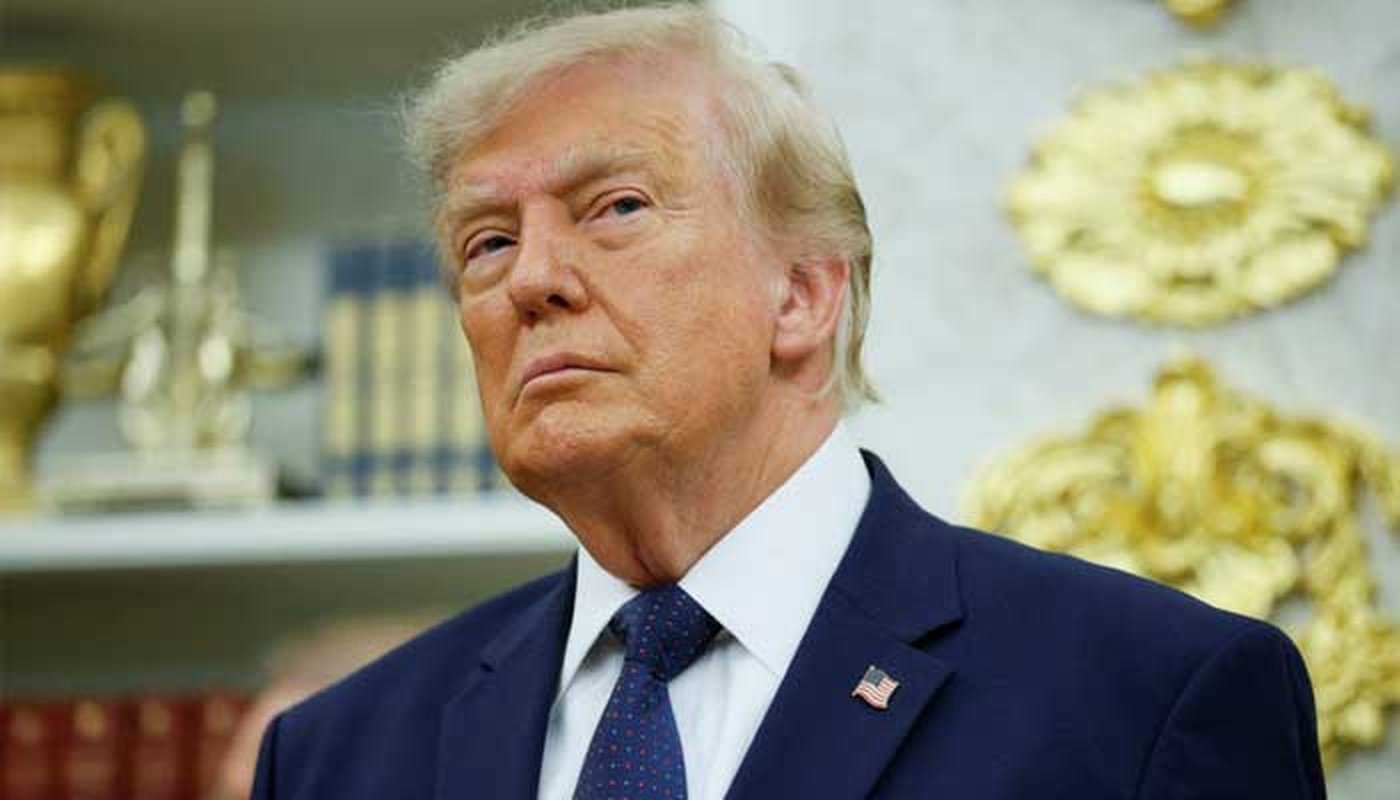
    The United States will no longer provide military aid to Israel after the end of this year, President Donald Trump has said, describing the change as an agreement reached with Israeli Prime Minister Benjamin Netanyahu. The announcement marks a sharp break in a funding relationship that has lasted for decades, and it immediately raised questions about how the timetable would work in practice.

    Trump explained the decision during an appearance on Fox News, where he argued that Israel no longer needed the assistance. He said some Democrats and left-wing politicians had been using American funding for Israel as a way to criticise Republicans, and he presented ending the aid as a way of removing that argument. In his words, Israel was wealthy enough to fund its own defence, and the sums involved were substantial.

    The president put the annual figure at about $4 billion, and he said the support would stop fairly quickly once the year ended. At the same time, he added a clear condition: if Israel were in trouble during a war, the United States would step in. He said assistance could be provided quickly in such a situation, and that Netanyahu was comfortable with the arrangement after the two leaders discussed it.

    That qualification matters because the two messages point in different directions. On one hand, regular military aid would come to an end. On the other, emergency help would remain available if a conflict created an urgent need. The distinction may become important in the coming months, as allies and critics alike try to work out whether the change is a clean break or a shift from routine funding to case-by-case support.

    The report also sets out the background to the existing arrangement. Israel currently receives $3.8 billion a year in military assistance from the United States under an agreement signed in 2016, and that agreement runs until 2028. The report does not explain how Trump’s end-of-year timetable fits alongside that longer agreement, leaving an obvious question unanswered for now.

    For Israel, the practical effect will depend on which figure and which timetable proves correct. If routine aid ends this year, Israel would need to cover a large part of its defence spending from its own budget sooner than previously planned. If the 2016 agreement continues to govern the relationship, the change may turn out to be more political than financial in the short term.

    For the United States, the move also carries domestic political weight. Funding for Israel has long been a sensitive issue in American politics, with supporters arguing it underpins a key alliance and critics questioning the scale of the spending. By framing the decision as both a saving and a response to political attacks, Trump has tied a foreign policy change directly to the domestic debate.

    What happens next is likely to be watched closely in both countries. Officials will need to clarify whether the end-of-year date is a firm deadline, how any emergency assistance would be decided, and whether the 2016 agreement will be formally revised or left in place. Until those details are published, the announcement should be read as a stated intention rather than a completed legal change.

  • Israel to Resume Gaza Commercial Shipments After Fee Row

    Israel to Resume Gaza Commercial Shipments After Fee Row

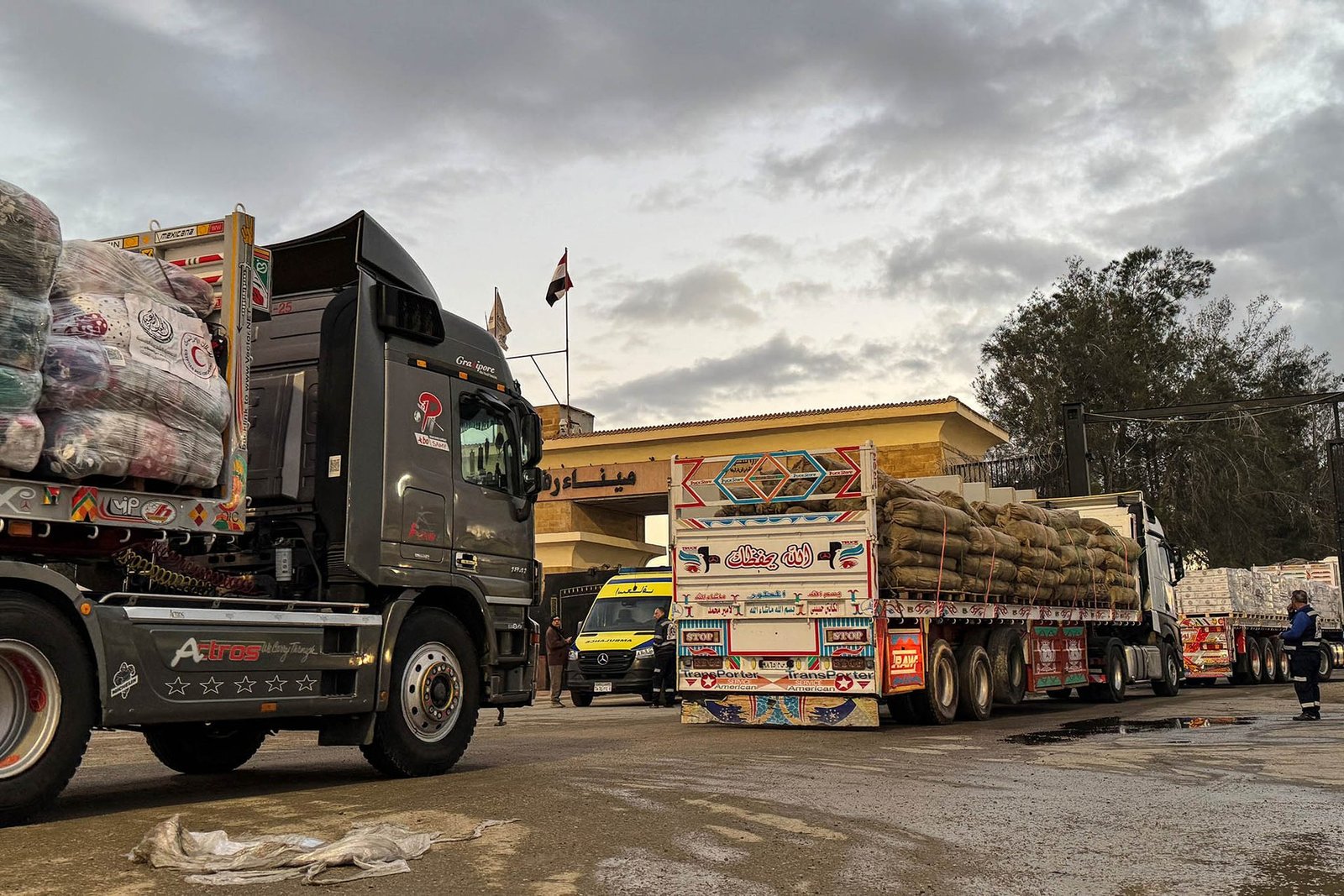
    CAIRO: Israel said on Monday it would resume allowing commercial goods shipments into Gaza after a days-long halt over a tax dispute involving Hamas and merchants, restoring a key route for food and other essentials to the aid-dependent enclave, Reuters reported.

    COGAT, the Israeli military agency overseeing humanitarian affairs in Gaza, said it made the decision after merchants reported that Hamas authorities had withdrawn demands for payments of 10,000 shekels ($3,225) per truck.

    “The resumption of coordination is being carried out in accordance with Israel’s commitment to the humanitarian provisions of the ceasefire agreement,” COGAT said, according to Reuters.

    COGAT said the merchants’ accounts had not been independently verified, and that shipments would resume gradually, with priority given to essential goods ahead of winter.

    Oversight would be tightened to ensure payments are made and received only through documented bank transfers, with any merchant found to have paid Hamas facing exclusion from the system.

    Hamas said the 10,000-shekel fee was a voluntary contribution by better-off Gazans to a national fund supporting people in need in the war-ravaged territory.

    Most Gazans remain dependent on aid after three years of war, repeated displacement and severe restrictions on aid deliveries. While last year’s US-brokered ceasefire halted the heaviest fighting, it has not ended Israeli attacks.

    Local health officials said on Monday that at least five Palestinians, including a 14-year-old boy, were killed in separate Israeli strikes in Gaza City and Khan Younis. The Israeli military did not immediately comment, according to Reuters.

    Israel says Hamas has continued to rearm and carry out attacks in violation of the ceasefire, while Hamas accuses Israel of undermining the agreement.

    Gaza health officials say about 1,500 Palestinians have been killed by Israeli fire since the October 2025 ceasefire, while Israel says four of its soldiers have been killed by militants in Gaza over the same period, Reuters reported.

    The halt in commercial shipments had raised concerns among aid agencies about food prices and availability in the enclave, where commercial goods supplement the limited humanitarian aid entering through the crossings.

    The dispute over the truck fee is the latest friction point in the fragile ceasefire arrangement, which has faced repeated strains since it took effect last October.

  • Ireland and Israel end tense Nations League fortnight with ill-tempered 1-1 draw behind closed doors

    Ireland and Israel end tense Nations League fortnight with ill-tempered 1-1 draw behind closed doors

    Ireland and Israel drew 1-1 on Sunday in the second of their two UEFA Nations League meetings, bringing to an end a fortnight in which political tension overshadowed the football almost as much as the action on the pitch.

    The match was played behind closed doors in Serbia after the Football Association of Ireland, facing calls from some supporters and politicians to boycott the fixtures, moved the game away from Dublin. A week earlier, Ireland had beaten Israel 3-0 in another closed-door fixture in Hungary. Ireland’s Icelandic coach Heimir Hallgrimsson said he was relieved the saga was over. “I’m absolutely delighted this is finished,” he told reporters. “It’s taken a toll out of us all. I’ve given so much credit to the players. They have been absolutely amazing in tough times, and I wish no national team to go through what we have gone through for the last two weeks.”

    The absence of supporters did little to calm matters on the pitch. Irish media reported that Ireland coach Damien Doyle had accused an Israeli player of spitting at him after the half-time whistle — an allegation Reuters said it could not independently verify or trace to an original source. Asked about the incident afterwards, Hallgrimsson declined to elaborate. “I was there. I’m not going to comment. It’s something a disciplinary committee will look at,” he said. Israel coach Ran Ben Shimon said he had already left the touchline and had seen nothing. “Halftime I was in the dressing room, in my room with my staff, I didn’t see anything. When I’m going to see and check, I will get back to you with the answer,” he told reporters.

    No handshakes, black armbands

    As in the first meeting, there were no pre-match handshakes or exchanges of pennants, while players from both sides bowed their heads during the opposing national anthem. Ireland wore black armbands in memory of all the victims of the conflict in Gaza, while Israel’s players wore black armbands commemorating the victims of the October 7 attack that sparked the war.

    On the field, Troy Parrott gave Ireland the lead from the penalty spot in the 39th minute, only for Dor Peretz to level immediately after the break with Israel’s first effort on target. Israel struck the woodwork twice in a poor second half in which neither side could find a winner.

    The result left Ireland third in Group B3 on five points, three behind leaders Austria, with second-placed Kosovo ahead of them on goal difference. Israel sit bottom of the group with two points. Ben Shimon praised his side’s response to the 3-0 defeat and rejected suggestions his players had been overly aggressive. “When I come to a game, I say to my players, ‘This is the best way to play the cleanest football as you can, but be aggressive’, okay? I never say to injure someone, this is not our way. We are very human, human beings, we are very moral human beings,” he said.