Tag: Israel

  • پاکستان کی شام میں اسرائیلی دراندازی کی مذمت، فوجوں کے انخلا کا مطالبہ

    پاکستان کی شام میں اسرائیلی دراندازی کی مذمت، فوجوں کے انخلا کا مطالبہ

    پاکستان نے شام کی سرزمین پر اسرائیل کے جاری حملوں اور دراندازی کی سخت مذمت کرتے ہوئے خلاف ورزیوں کو فوری طور پر روکنے اور مقبوضہ علاقوں سے اسرائیلی افواج کے انخلا کا مطالبہ کیا ہے۔ یہ موقف اقوام متحدہ میں پاکستان کے مستقل مندوب سفیر سید حیدر شاہ نے شام کی سیاسی اور انسانی صورتحال پر سلامتی کونسل کے اجلاس سے خطاب کرتے ہوئے پیش کیا۔ اپنے خطاب میں سفیر شاہ نے کہا کہ یہ دراندازی رک جانی چاہیے اور اسرائیلی افواج کو مقبوضہ علاقوں سے بغیر تاخیر کے نکل جانا چاہیے۔

    سفیر شاہ نے زور دیا کہ بین الاقوامی قانون کے تحت مقبوضہ گولان کی پہاڑیاں شام کا حصہ ہیں۔ انہوں نے اسرائیل پر زور دیا کہ وہ 1974 کے معاہدہ علیحدگی اور سلامتی کونسل کی متعلقہ قراردادوں پر مکمل عمل کرے، اور خبردار کیا کہ مسلسل خلاف ورزیاں شام کی سلامتی کو نقصان پہنچا رہی ہیں اور بحالی کی کوششوں میں رکاوٹ بن رہی ہیں۔ انہوں نے کہا کہ معاہدے اور سلامتی کونسل کی قراردادوں کا احترام استحکام کے لیے ضروری ہے۔

    انہوں نے شام کی سیاسی منتقلی، تعمیر نو اور استحکام کی بحالی کی کوششوں کے لیے پاکستان کی حمایت کا اعادہ کیا۔ انہوں نے کہا کہ شامی حکومت کی جانب سے کی گئی پیش رفت بین الاقوامی سطح پر تسلیم اور مسلسل حمایت کی مستحق ہے۔ انہوں نے عالمی برادری سے اپیل کی کہ وہ شام کی تعمیر نو اور پائیدار استحکام کی کوششوں میں اس کا ساتھ دے۔

    سفیر شاہ نے شام پر عائد اقتصادی پابندیوں میں نرمی کے لیے امریکہ، یورپی یونین اور برطانیہ کی جانب سے اٹھائے گئے اقدامات کا خیرمقدم کیا۔ انہوں نے کہا کہ ان اقدامات سے شام میں سرمایہ کاری، تعمیر نو اور معاشی بحالی کے مواقع پیدا ہوئے ہیں، اور پابندیوں میں نرمی شام کی معیشت کی بحالی میں مدد کا اہم قدم ہے۔

    انہوں نے زور دیا کہ شامی عوام کے حالات زندگی بہتر بنانے کے لیے مسلسل بین الاقوامی رابطہ، انسانی امداد اور معاشی تعاون ضروری ہے۔ انہوں نے کہا کہ عالمی برادری کی مسلسل حمایت سے شام کی تعمیر نو، استحکام کی بحالی اور عوام کی روزمرہ زندگی بہتر بنانے میں مدد ملے گی۔

  • Pakistan Condemns Israeli Incursions into Syria at UN

    Pakistan Condemns Israeli Incursions into Syria at UN

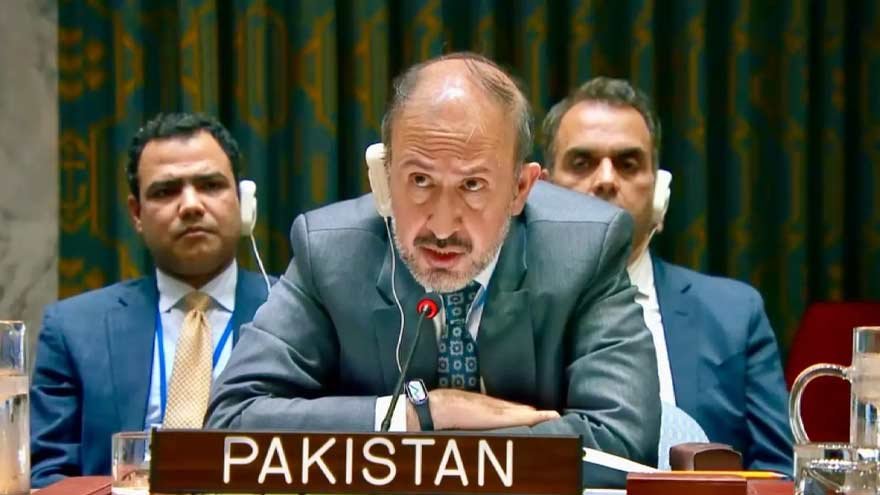
    Pakistan has strongly condemned Israel’s continued attacks and incursions into Syrian territory, calling for an immediate halt to the violations and the withdrawal of Israeli forces from occupied areas. The condemnation was delivered by Pakistan’s Permanent Representative to the United Nations, Ambassador Syed Haider Shah, while addressing a United Nations Security Council briefing on Syria’s political and humanitarian situation. Speaking at the briefing, Ambassador Shah said the incursions must stop and that Israeli forces should withdraw from the occupied areas without delay.

    Ambassador Shah stressed that the occupied Golan Heights belonged to Syria under international law. He urged Israel to fully comply with the 1974 Disengagement Agreement and the relevant resolutions of the UN Security Council. He warned that continued violations were undermining Syria’s security and hampering the country’s recovery efforts, and said respect for the agreement and the Council’s resolutions was essential for stability.

    He reaffirmed Pakistan’s support for Syria’s political transition, reconstruction and efforts to restore stability. Ambassador Shah said the progress made by the Syrian government deserved international recognition and sustained support, and he called on the international community to stand behind Syria as it works to rebuild and move towards lasting stability. He said Pakistan would continue to support Syria’s efforts to rebuild and restore stability.

    Ambassador Shah also welcomed the steps taken by the United States, the European Union and the United Kingdom to ease economic sanctions on Syria. He said the measures had created opportunities for investment, reconstruction and economic recovery in the country, and that easing the sanctions was an important step towards helping Syria rebuild its economy.

    He emphasised that continued international engagement, humanitarian assistance and economic cooperation were essential to improving living conditions for the Syrian people. He said sustained support from the international community would help Syria as it works to rebuild, restore stability and improve the daily lives of its people.

  • Pakistan, 17 Nations Condemn Israeli Strike on Gaza Hospital

    Pakistan, 17 Nations Condemn Israeli Strike on Gaza Hospital

    Pakistan, along with 16 other countries, has strongly condemned an Israeli airstrike on the Nasser Medical Complex in Khan Younis, Gaza, which caused casualties among patients and healthcare workers. In a joint statement issued on Saturday, the foreign ministers of the 17 countries described the attack as a violation of international humanitarian law, which affords special protection to medical facilities and healthcare personnel.

    According to Pakistan’s Foreign Office, the joint statement was issued by the foreign ministers of Pakistan, Egypt, Saudi Arabia, Turkiye, Jordan, Qatar, the United Arab Emirates, Indonesia, Palestine, Algeria, Mauritania, Sudan, Libya, Djibouti, Somalia, Lebanon and Oman. The ministers stressed that hospitals and medical staff must be protected under international law, and that attacks on them cannot be justified under any circumstances.

    The statement also denounced continued Israeli attacks on Palestinian civilians, including strikes targeting tents and other locations sheltering displaced people. The foreign ministers warned that such attacks undermine the ceasefire and the ongoing efforts to restore security and stability in Gaza, and that they are inconsistent with United States President Donald Trump’s Comprehensive Plan for the territory.

    The ministers expressed grave concern over Israel’s continued restrictions on humanitarian assistance, including shelter materials such as tents, caravans and mobile homes, as well as essential medical supplies. They warned that these restrictions are worsening the humanitarian crisis in Gaza as winter approaches, at a time when many families are already living in damaged or makeshift shelter.

    According to the statement, inadequate shelter and deteriorating water, sanitation and healthcare services pose serious threats to civilian lives, particularly children and infants, who face the risk of dying from exposure to freezing temperatures. The foreign ministers said the situation required urgent action to ensure that aid reaches those who need it most.

    The foreign ministers urged Israel to uphold the ceasefire, ensure the uninterrupted delivery of humanitarian aid and fulfil its obligations under the Sharm El-Sheikh Agreement, Trump’s Comprehensive Plan and United Nations Security Council Resolution 2803 (2025). They also called for unrestricted access for United Nations agencies and humanitarian organisations so that they can carry out their mandates in Gaza.

    Reaffirming their commitment to working with regional and international partners, the ministers pledged to consolidate the ceasefire, implement all phases of the plan and expand humanitarian assistance to ease the suffering of the Palestinian people. Pakistan’s Foreign Office said Pakistan would continue to raise its voice for the protection of civilians and for a just and lasting peace in the region.

  • غزہ: ناصر ہسپتال پر اسرائیلی حملہ، ڈاکٹر اور بچہ سمیت 6 جاں بحق

    غزہ: ناصر ہسپتال پر اسرائیلی حملہ، ڈاکٹر اور بچہ سمیت 6 جاں بحق

    جنوبی غزہ کے شہر خان یونس میں واقع ناصر ہسپتال پر بدھ کی رات آدھی رات کے فوراً بعد اسرائیلی حملہ ہوا جس سے ہسپتال کی سرجری یونٹ تباہ ہو گئی۔ فلسطینی حکام کے مطابق حملے میں کم از کم 6 افراد جاں بحق ہوئے جن میں ایک ڈاکٹر اور 13 سالہ بچہ بھی شامل ہے۔

    غزہ سول ڈیفنس کے ترجمان عزالدین ابو صباح نے بتایا کہ حملہ رات کے اندھیرے میں ہسپتال کی عمارت پر ہوا اور تباہ شدہ یونٹ میں جلی ہوئی ملبے بکھر گئی۔ ان کے مطابق جاں بحق ہونے والوں میں 52 سالہ ڈاکٹر رزق ابو شعیرہ بھی شامل ہیں جبکہ 13 سالہ لڑکے کی سرجری ہونی تھی۔ حملے میں 40 افراد زخمی ہوئے جن میں دو ڈاکٹر شدید زخمی ہیں۔

    حملے کے بعد ہسپتال کے اندر بنائی گئی ویڈیو میں تباہی کے مناظر دیکھے جا سکتے ہیں — چھتیں گر چکی ہیں، بستر الٹے پڑے ہیں اور یونٹ کا فرش ملبے سے ڈھکا ہوا ہے۔ ویڈیو میں دو بم بھی نظر آئے جن میں سے ایک پھٹ نہیں سکا۔ نہ پھٹنے والے بم پر لگے لیبل سے معلوم ہوا کہ یہ امریکہ کا بنایا ہوا جی بی یو-39/بی بم ہے جس کا وزن 250 پاؤنڈ ہے اور یہ اسرائیل کو فراہم کیا گیا تھا۔

    وارڈ میں موجود مریضوں نے بتایا کہ وہ دھول اور ٹوٹے ہوئے شیشوں میں جاگے۔ ہسپتال کے ایک بزرگ مریض عطیہ ابو بصیر نے کہا: ”میں سو رہا تھا کہ اچانک میں دھول اور شیشوں سے ڈھک گیا۔ میں چل نہیں سکتا تھا کیونکہ ابھی میری سرجری ہوئی تھی۔“

    غزہ کی وزارت صحت کے ڈائریکٹر جنرل ڈاکٹر منیر البرش نے حملے کے بعد فیس بک پر لکھا: ”دنیا کے لوگو… غزہ کے لوگ کہاں جائیں؟ خیمے ڈوب رہے ہیں، چٹانیں بچوں پر گر رہی ہیں اور ہسپتالوں پر اندر موجود لوگوں سمیت بمباری ہو رہی ہے۔ کمبل — یا آنسو — خشک ہونے کا وقت ہی نہیں۔“ انہوں نے مزید لکھا: ”غزہ دنیا سے اپنے مرنے والوں کو گننے کا نہیں کہتا… وہ اب بھی زندہ لوگوں کی حفاظت کا مطالبہ کرتا ہے۔“

    اسرائیلی فوج (آئی ڈی ایف) نے ایک بیان میں کہا کہ اس نے حماس کی خان یونس بریگیڈ کے کمانڈر محمد ابو اسماعیل کو نشانہ بنایا تھا اور ان کے ساتھ ”ناصر ہسپتال میں چھپے ہوئے مزید دہشت گردوں“ کو بھی۔ آئی ڈی ایف کے مطابق ابو اسماعیل اسرائیلی فوجیوں اور شہریوں پر حملوں کی منصوبہ بندی کر رہا تھا۔ سی این این نے بتایا کہ اس نے آئی ڈی ایف سے پوچھا ہے کہ کیا ابو اسماعیل اس حملے میں مارا گیا اور شہریوں کو خطرے سے بچانے کے لیے کیا اقدامات کیے گئے تھے۔

    یہ حملہ اس وقت ہوا جب ایک سال سے زیادہ عرصہ قبل امریکہ کی ثالثی میں جنگ بندی کا معاہدہ ہوا تھا، جس کے باوجود اسرائیل غزہ میں تقریباً روزانہ حملے کر رہا ہے۔ اقوام متحدہ کے مطابق جنگ بندی کے بعد سے اسرائیلی فورسز نے غزہ میں 1,400 سے زیادہ افراد کو ہلاک کیا ہے اور تباہ شدہ علاقے میں کوئی بھی ہسپتال مکمل طور پر فعال نہیں رہا۔

    مریم ابو حطب، جن کا بھائی اس حملے میں جاں بحق ہوا، نے جنگ بندی پر سوال اٹھایا۔ انہوں نے کہا: ”وہ کہتے ہیں جنگ بندی ہے۔ جنگ بندی کہاں ہے؟ جنگ بندی کے بعد سے قتل عام اور بڑھ گیا ہے۔ ہر روز بازاروں میں، یونیورسٹیوں میں، سڑکوں پر قتل عام ہو رہا ہے۔ گدھا گاڑیاں دنیا کے ممالک سے زیادہ ہمارے ساتھ کھڑی رہیں۔“

    اس ہفتے کے شروع میں غزہ میں جنگ بندی کی نگرانی کرنے والے امریکہ کی قیادت والے بورڈ آف پیس نے اسرائیل کو غزہ میں سیلاب پر ”ناکافی“ ردعمل پر تنقید کا نشانہ بنایا۔ موسمی بارشوں نے ساحلی علاقے میں دسیوں ہزار خیمے ڈبو دیے ہیں جہاں اقوام متحدہ کے مطابق تقریباً 20 لاکھ فلسطینی بے گھر ہیں۔ بورڈ نے کہا کہ شہریوں کی حفاظت کے لیے پناہ گاہوں، صفائی، نکاسی آب اور موسم سرما کی دیگر ضروری اشیاء کی فوری فراہمی نہایت اہم ہے اور اسرائیل سے مطالبہ کیا کہ وہ مزید عارضی پناہ گاہیں اور کچرے کے انتظام کی سہولت کی اجازت دے۔ اسرائیل نے کہا کہ موسم سرما سے قبل 91,000 سے زیادہ خیمے غزہ میں داخل ہو چکے ہیں لیکن اس نے بڑے پیمانے پر صفائی اور ملبہ ہٹانے کے لیے بھاری مشینری کی اجازت دینے سے انکار کر دیا۔ اسرائیل کے کوآرڈینیٹر برائے سرکاری سرگرمیاں برائے علاقوں نے کہا: ”غزہ کی تعمیر نو صرف اس وقت شروع ہو سکتی ہے جب حماس مکمل طور پر ہتھیار ڈال دے۔“

  • Israeli Strike on Gaza Hospital Kills at Least 6

    Israeli Strike on Gaza Hospital Kills at Least 6

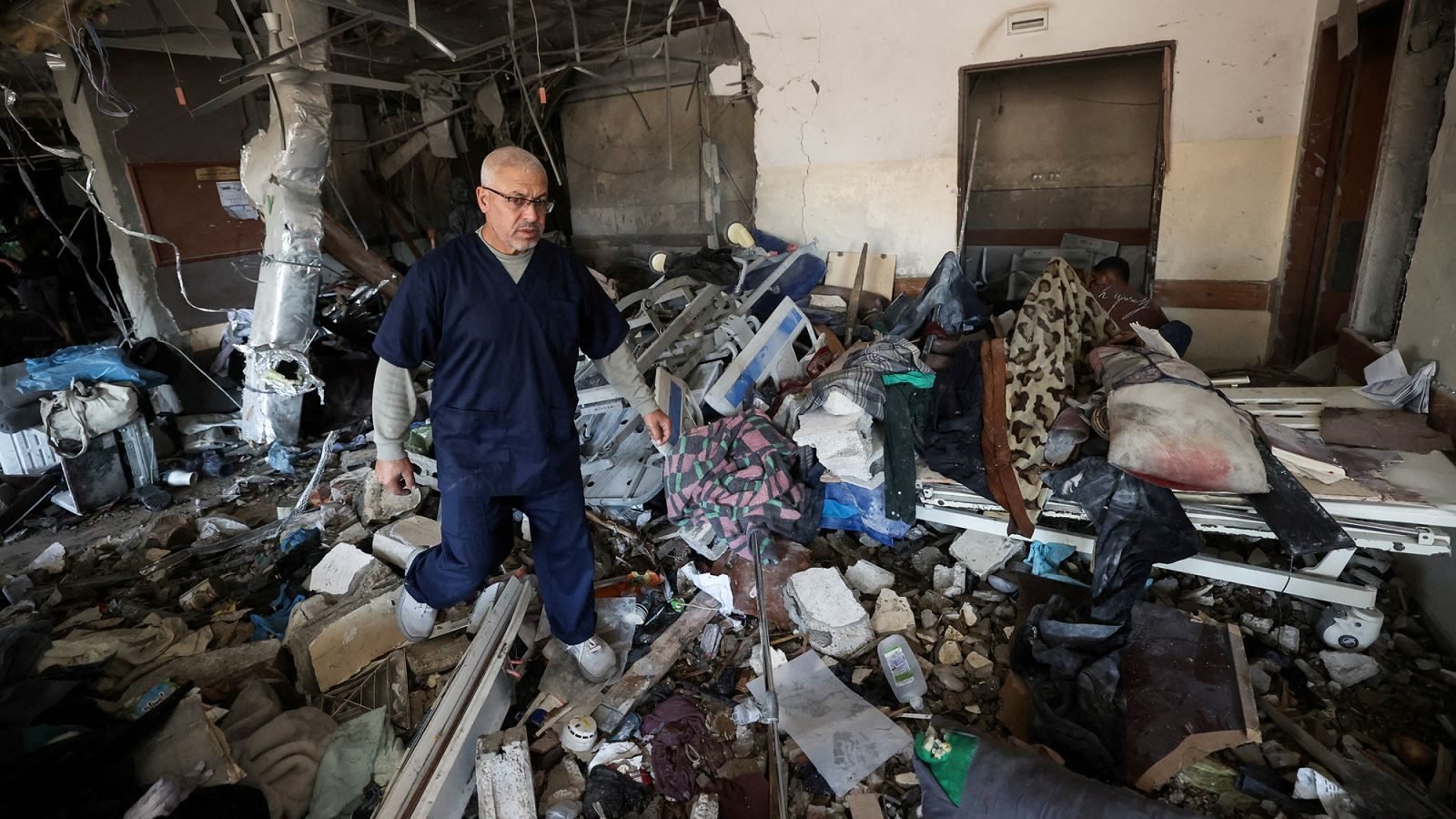
    Nasser Hospital in Khan Younis, in southern Gaza, was struck shortly after midnight on Wednesday in an Israeli attack that tore through its surgery unit, Palestinian officials said. At least six people were killed, among them a doctor and a 13-year-old boy.

    The Gaza Civil Defense spokesman, Ezz Eddine Abu Sabha, said the strike hit the hospital complex in the dark of night and left charred debris scattered across the destroyed unit. The dead included 52-year-old Dr. Rizk Abu Shaira, he said, and a boy who had been due to undergo surgery. Forty people were wounded in the attack, including two doctors who are in critical condition.

    Footage filmed inside the hospital after the strike showed the scale of the damage, with ceilings collapsed, beds overturned and rubble covering the floor of the unit. The footage also showed two bombs, one of which failed to explode. A label on the unexploded bomb identified it as a US-manufactured GBU-39/B, a 250-pound bomb that has been supplied to Israel.

    Patients caught inside the ward described waking to dust and broken glass. “I was asleep when suddenly I was covered with dust and glass,” said Atiya Abu Basir, an elderly patient at the hospital. “I couldn’t walk because I just had surgery.”

    Dr. Munir Al-Bursh, director-general of Gaza’s Health Ministry, wrote on Facebook after the strike: “People of the world… where can the people of Gaza go? Tents flood, cliffs collapse onto children, and hospitals are bombed with people inside. There is no time for blankets – or tears – to dry.” He added: “Gaza does not ask the world to count its dead… It demands protection for those still alive.”

    In a statement, the Israel Defense Forces (IDF) said they had targeted the commander of Hamas’ Khan Younis Brigade, Muhammad Abu Ismail, as well as “additional terrorists who were hiding inside the Nasser Hospital in Khan Younis.” The IDF said he had planned and advanced attacks on Israeli forces and civilians. CNN said it had asked the IDF whether Abu Ismail had been killed in the strike and what measures were taken to reduce the risk to civilians.

    The strike came despite a nominal US-brokered ceasefire signed more than a year ago, under which Israel has continued to carry out near-daily strikes in Gaza. According to the United Nations, Israeli forces have killed more than 1,400 people in Gaza since the ceasefire, and there is no fully functioning hospital left in the devastated enclave.

    Maryam Abu Hatab, whose brother was killed in the strike, questioned the ceasefire. “They say there is a ceasefire. Where is there a ceasefire? Since the ceasefire, there are more massacres,” she said. “There are massacres every day in markets, in universities, in the streets. The donkey carts stood by us more than the world’s countries.”

    Earlier this week, the US-led Board of Peace, which oversees the ceasefire in Gaza, chided Israel for what it called an “insufficient” response to flooding in Gaza. Seasonal rains have swamped tens of thousands of tents across the coastal enclave, where nearly two million Palestinians are displaced, according to the United Nations. The board said the urgent entry and distribution of shelter, sanitation, drainage and other winter supplies was critical to protecting civilians, and called on Israel to allow in more temporary shelters and waste management support. Israel said more than 91,000 tents had entered Gaza ahead of winter, but refused to allow in the heavy equipment needed for large-scale cleanup and rubble removal. “The reconstruction of Gaza can only begin after Hamas fully disarms,” said Israel’s Coordinator for Government Activities in the Territories.
  • Gaza Hospital Strike Kills 6, Wounds 20 in Khan Younis

    Gaza Hospital Strike Kills 6, Wounds 20 in Khan Younis

    An early-morning strike hit the surgery department of Nasser Hospital in Khan Younis on Thursday, killing at least six people and wounding more than 20, according to Gaza’s Civil Defence agency. The blast struck the largest hospital still operating in the southern Gaza Strip, wrecking wards that were treating patients and sheltering families who had fled their homes.

    The strike hit the second floor of the Al-Yasin building inside the Nasser Medical Complex, in the western part of Khan Younis, the Civil Defence said. Its spokesman, Mahmoud Basal, told the AFP news agency that the bodies of those killed and more than 20 wounded people had been recovered from the building. Nasser Hospital confirmed the six deaths in a statement of its own.

    Medics identified one of the dead as Rezik Abushira, a surgeon at the hospital. The hospital’s director said the explosion caused extensive damage to the intensive care and surgical wards. Early reports during the night had put the death toll at four, before rescue teams revised the figure upwards to six.

    Israel’s military has not confirmed that it carried out the strike or said what it was targeting. A military spokesperson told AFP that it was checking for information about the incident when asked for comment.

    The attack comes thirteen months into a ceasefire that took effect on 10 October 2025, after two years of war. Israel and Hamas have accused each other of violating the truce, and deadly incidents have continued despite it. On Tuesday, Israeli forces killed seven people in the Gaza Strip, including a 13-year-old boy, according to local emergency services, while the Israeli military said it had targeted what it described as military operatives.

    More than 1,590 Palestinians have been killed since the start of the ceasefire, according to the Gaza Ministry of Health, whose figures are considered reliable by the United Nations. During the same period, the Israeli military has reported the loss of seven soldiers and one civilian contractor.

    Nasser Hospital is the main medical facility in southern Gaza and one of the last major hospitals still operating in the area. It has been hit before: a double Israeli strike on the hospital in August 2025 killed at least 20 people, including journalists and health workers, according to the BBC.

    The casualty figures from Thursday’s strike come from Gaza’s Civil Defence, a rescue agency operating under the Hamas-run administration in Gaza, and from the hospital itself. They have not been independently verified, and rescue teams were still working at the site as the death toll was confirmed.

  • Ben-Gvir Heckles Arab Lawmaker as New Knesset Sworn In

    Ben-Gvir Heckles Arab Lawmaker as New Knesset Sworn In

    Israel’s 26th Knesset was sworn in on Tuesday, 10 November 2026, in a ceremony marked by shouting, walkouts and open hostility between rival camps, underlining how deeply divided the country’s politics remain after an election that produced no clear winner.

    The loudest confrontation came as Yousef Jabareen, chairman of the Arab-majority Joint List, stood to take his oath of allegiance. As he began the formal words, National Security Minister Itamar Ben-Gvir shouted across the chamber: “Who is he pledging allegiance to, Hamas?” The outburst, reported by France24 and other outlets, drew angry responses from lawmakers around him and set the tone for a tense afternoon.

    The disruption did not stop there. Arab members of the Knesset walked out of the plenum during the singing of Hatikva, the national anthem, in a protest that drew further shouting from the floor. Knesset Speaker Amir Ohana warned that lawmakers who disrupted proceedings would be thrown out of the chamber, as he struggled to keep order during the opening session.

    Caretaker Prime Minister Benjamin Netanyahu used the occasion to attack the idea of a government that would depend on the support of Arab parties, and he called instead for a national unity government. His remarks were sharply criticised by opposition leader Gadi Eisenkot, who has been mandated to try to form the next government and who described the speech as divisive.

    The opposition has already moved to challenge the leadership of the parliament itself, submitting 67 signatures in support of replacing Speaker Ohana with Matan Kahana. The move is an early sign of how the new balance of power in the Knesset could be used by parties opposed to Netanyahu.

    The numbers behind the deadlock explain the tension. The two Arab-led alliances won a record 19 seats between them, giving Arab parties their strongest representation in the Knesset’s history. Eisenkot’s four-party bloc won 48 seats, while Netanyahu’s bloc took 53. In a 120-seat parliament, neither side holds the 61 seats needed for a majority, leaving the country without a government and the coalition talks still open.

    With no side able to govern alone, the coming weeks are likely to decide whether Eisenkot can assemble a working coalition, whether Netanyahu can block him, or whether Israel faces yet another round of elections. The scenes in the chamber on Tuesday suggested that whatever path is chosen, it will be fought over fiercely.

  • Israeli Fire Kills 7 in Gaza, Including Father and Son

    Israeli Fire Kills 7 in Gaza, Including Father and Son

    Israeli forces killed at least seven Palestinians in the Gaza Strip on Tuesday, local health officials said, including a father and his 13-year-old son in an airstrike on a displacement shelter in Gaza City.

    Medics said Fadi Rajab and his son Abubakr were killed when an airstrike hit the roof of a building sheltering displaced people in the Zeitoun neighbourhood of Gaza City. His wife was moderately injured in the same strike. A third Palestinian was killed in an Israeli airstrike near a school in Gaza City’s Daraj neighbourhood, health officials added.

    In Khan Younis, in southern Gaza, Israeli gunfire killed a man, medics said. Later on Tuesday, an Israeli airstrike hit a metal foundry in the Sabra neighbourhood of Gaza City, killing three people, medics said, taking the day’s death toll to at least seven.

    The Israeli military said it had struck militants in both areas of Gaza City, without giving further details. It did not immediately comment on the incidents in Khan Younis or in the Sabra neighbourhood.

    The deaths came despite a US-brokered ceasefire between Israel and Hamas that took effect in October. Violence has continued in the territory since the truce began, with both sides accusing each other of violations. According to Gaza’s health officials, at least 1,600 Palestinians have been killed in Israeli attacks in Gaza since the ceasefire agreement, while Israel says four of its soldiers have been killed.

    Separately, Palestinian officials said a 14-year-old boy was killed on Tuesday during an Israeli military operation in the village of Burqa, north-west of Nablus in the occupied West Bank. The Palestinian health ministry identified the boy as Moataz Iyad and said Israeli authorities were withholding his body. Two other teenagers, aged 17 and 19, were wounded by Israeli gunfire in the same operation.

    The United Nations humanitarian office has documented more than 2,060 settler attacks resulting in Palestinian casualties or property damage across about 300 West Bank communities between 1 January and 12 October 2026, according to figures cited in reports of Tuesday’s incidents.

    Casualty figures from Gaza could not be independently verified. Media restrictions and limited access to the territory have prevented news agencies from independently confirming the toll or freely covering the fighting. Gaza’s civil defence agency, which operates as a rescue force under the Hamas authorities, reported the strikes, and the territory’s health ministry, which also operates under Hamas authority, is the source for the overall toll since the ceasefire.

  • Israel’s Katz: Mission Against Iran ‘Not Complete’

    Israel’s Katz: Mission Against Iran ‘Not Complete’

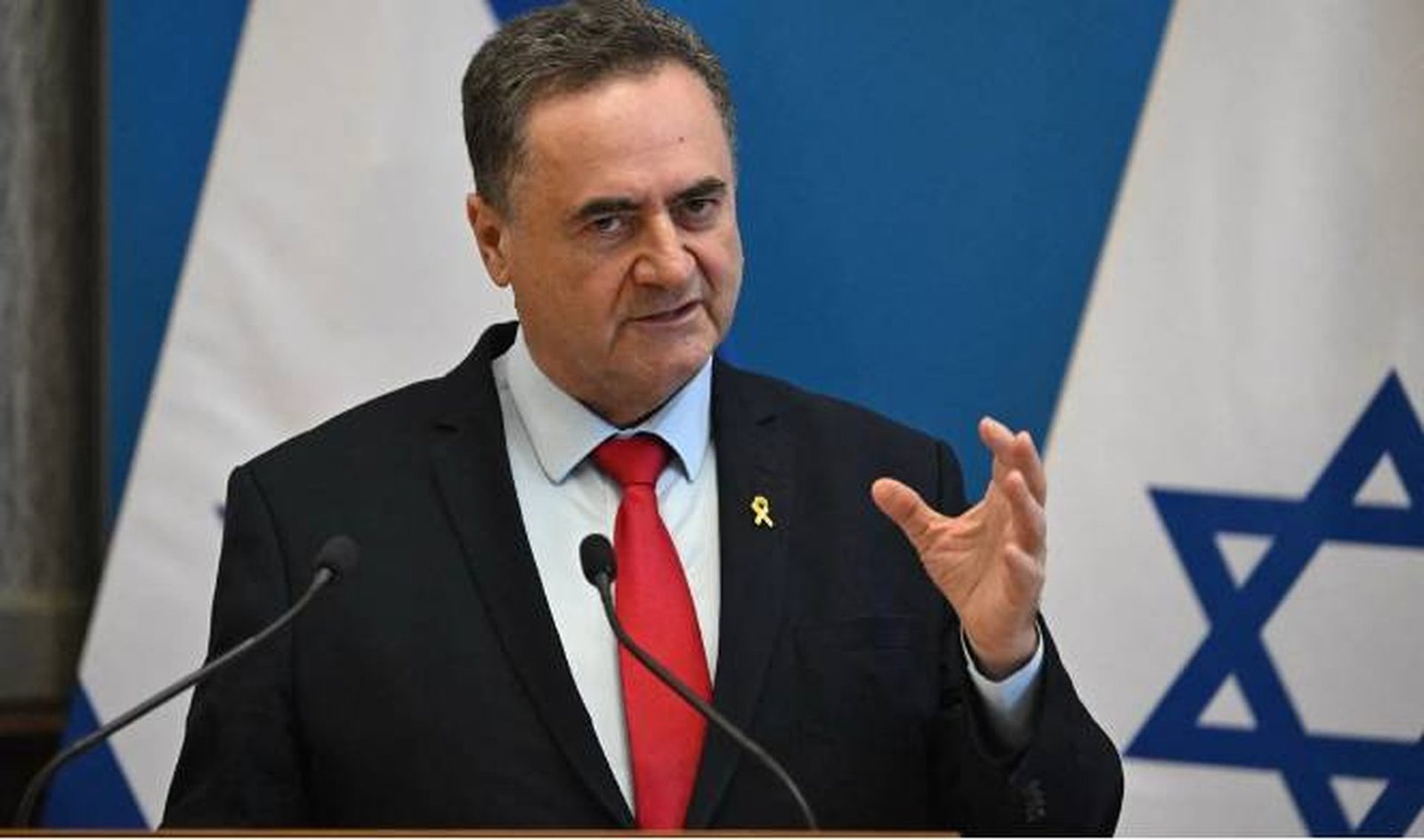
    Israeli Defence Minister Israel Katz has said the “mission not complete” on Iran, arguing that Tehran has not given up its nuclear ambitions and that Israel must keep working until the task is finished. He made the remarks on Sunday at the start of a cabinet meeting.

    Katz said Iran “still has not abandoned its aspiration to obtain nuclear weapons” and that the government must “continue its work until the mission is complete”. His comments were the latest signal that Israel’s leadership sees its confrontation with Iran as unfinished.

    Israel and Iran fought a 12-day war in June, during which Israel hit Iranian nuclear sites and the United States dropped bombs on three Iranian nuclear facilities. Iran responded with missile attacks on Israel, killing 29 people, while 1,067 were killed in Iran, according to the figures given in the report.

    Iran has denied wanting nuclear weapons and has insisted that its programme is for peaceful purposes only. Katz, however, claimed Iran had enriched uranium to 60 percent, “which is not required for peaceful purposes”, in his words.

    The June war was the sharpest confrontation between the two countries, with Israel striking Iranian nuclear sites and the United States dropping bombs on three Iranian nuclear facilities. Iran answered with missile attacks on Israel, and the fighting left 29 people dead in Israel and 1,067 dead in Iran, according to the figures given in the report.

    The exchange over Iran’s nuclear programme sits at the heart of the dispute between the two countries. Israel points to the enrichment level as evidence of military intent, while Iran maintains that its programme is peaceful and rejects the accusation that it is seeking a weapon.

    The report also covered political developments in Israel, where retired general Gadi Eisenkot has been tasked with forming a government. Eisenkot said he would form a broad government with no one outside or excluded. Prime Minister Benjamin Netanyahu said it was “shameful” to put him in charge.

    Katz’s remarks on Iran came as those political developments were unfolding, with the defence minister using the cabinet meeting to restate his position that the work against Iran is not yet done. The government, he said, must press on until the mission is complete.

  • Herzog to Pick Israel’s Next PM Sunday; Eisenkot Leads 67-46

    Herzog to Pick Israel’s Next PM Sunday; Eisenkot Leads 67-46

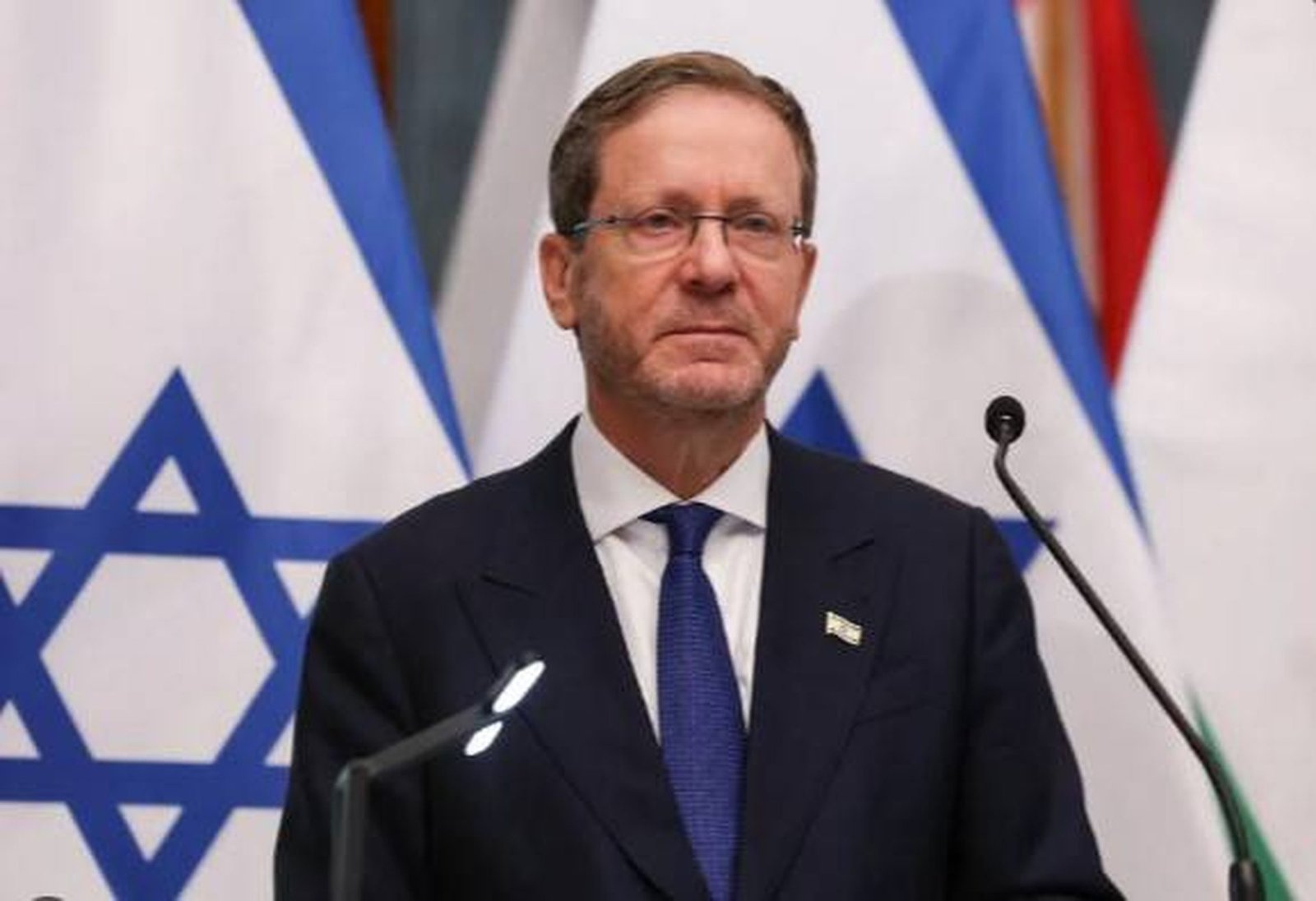
    Israel’s President Isaac Herzog will announce on Sunday, 8 November, who he has chosen to try to form the country’s next government, after two days of consultations with every party elected to the Knesset on 27 October.

    Herzog said on Thursday evening that he intends to assign the mandate this coming Sunday, following talks with the leaders of all the factions elected to the 26th Knesset. He added that he would hold personal discussions with some party leaders over the weekend before making his decision.

    The consultations produced a clear lead for Gadi Eisenkot, the chairman of the Yashar! party and a former chief of the Israeli General Staff. Factions representing 67 of the Knesset’s 120 members recommended Eisenkot to form the next government.

    Prime Minister Benjamin Netanyahu, the chairman of Likud, received recommendations from factions representing 46 members. The seven members of United Torah Judaism, a longstanding Netanyahu ally, declined to recommend either candidate, breaking with their usual practice of backing the Likud leader.

    Eisenkot’s tally includes 19 recommendations from two Arab-led parties, the Joint List with 11 seats and Ra’am with eight. His four Jewish-led supporting parties hold 48 seats between them. A candidate needs the support of 61 members of the 120-seat Knesset to command a majority.

    Despite the numbers, Herzog was careful to say that the outcome is not settled. He told reporters that the results of the consultations may appear clear, but his task under the law is to determine who has the ability to form a government, and that is not entirely clear given the mutual vetoes between the blocs and within the blocs themselves.

    Eisenkot, 66, has so far ruled out forming a government with either of the two Arab-led parties, even though both recommended him. That leaves him needing to find a path to 61 seats from parties that have so far refused to sit together, a problem Netanyahu also faces from the other side.

    Netanyahu’s bloc won 53 seats in the 27 October election, well short of a majority, and the loss of United Torah Judaism’s seven recommendations has left the prime minister trailing in the presidential consultations. He remains prime minister in a caretaker government until a new coalition is formed.

    Whoever receives the mandate on Sunday will have 28 days to try to put together a coalition, with a possible 14-day extension. If no candidate succeeds, Israel could be headed for another election.

    The hardest part of the process is still ahead. Even if Herzog hands the mandate to Eisenkot, the former military chief will have to bridge deep divisions between his backers, including parties that have publicly ruled out governing with one another, to secure a vote of confidence from the Knesset.

    Herzog called on party leaders to move quickly and to bring the interim government to an end. He said a government can be formed and urged the parties to act swiftly, as the country has been without a settled government since the election nearly two weeks ago.

    Attention now turns to the weekend talks at the President’s Residence. Herzog’s choice on Sunday will set the direction of the coalition negotiations, but the recommendations alone do not guarantee that the chosen candidate can assemble the 61 votes needed to govern.